
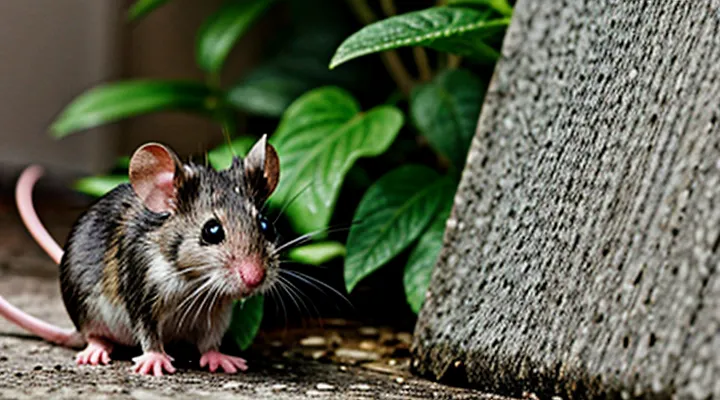
Why Mouse Bites Occur
Defensive Bites
When a mouse feels threatened, it may deliver a defensive bite. This behavior protects the animal from perceived danger and often occurs after sudden movements, handling, or confinement. The bite is usually brief, but the mouse’s sharp incisors can puncture skin and introduce oral bacteria.
Typical outcomes of a defensive bite include:
- Local pain and swelling within minutes of the incident.
- Redness or bruising that may expand over several hours.
- Small puncture wounds that can bleed or ooze.
- Possible infection caused by bacteria such as Staphylococcus aureus or Streptobacillus moniliformis.
Medical concerns arise if the wound becomes infected. Signs of infection comprise increasing warmth, pus discharge, fever, or spreading redness. Prompt cleaning with soap and water, followed by antiseptic application, reduces bacterial load. If symptoms progress, professional evaluation and antibiotic therapy are advisable.
Prevention focuses on minimizing stress for the rodent. Use gentle handling techniques, provide ample hiding spaces, and avoid sudden noises or bright lights near the cage. Regular health checks of the mouse help detect oral issues that could exacerbate bite severity.
Accidental Bites
Accidental mouse bites occur when a rodent clamps its teeth on human skin during handling, cleaning, or unexpected contact. The injury typically consists of a small puncture wound, possible tearing of surrounding tissue, and immediate bleeding.
Potential health risks stem from the mouse’s oral flora and possible disease carriers. Common concerns include:
- Bacterial infection (e.g., Staphylococcus aureus, Streptococcus spp.) leading to cellulitis, abscess formation, or septicemia.
- Zoonotic pathogens such as hantavirus, Lymphocytic Choriomeningitis Virus (LCMV), and rare cases of rabies.
- Allergic reactions to mouse saliva or fur, which may trigger localized swelling or systemic symptoms.
Immediate management reduces complications. Clean the wound with soap and running water, then apply an antiseptic solution. Cover with a sterile dressing and seek medical evaluation within 24 hours, especially if the bite is deep, shows signs of infection, or the mouse’s vaccination status is unknown. Healthcare providers may prescribe a short course of prophylactic antibiotics and, when indicated, administer tetanus booster or rabies post‑exposure prophylaxis.
Preventive measures focus on minimizing exposure. Use gloves when handling rodents, maintain cages free of debris, and secure animals in appropriate containers. Regular health monitoring of pet mice and prompt removal of stray rodents from living areas further lower bite incidence.
Potential Dangers of a Mouse Bite
Bacterial Infections
Mouse bites introduce a variety of bacteria that can cause serious illness. The most frequently isolated organisms include:
- Streptococcus species – can lead to cellulitis, abscess formation, and systemic infection.
- Staphylococcus aureus – associated with purulent wound infections and, in some cases, toxin-mediated disease.
- Pasteurella multocida – common in rodent oral flora; produces rapid-onset cellulitis, fever, and lymphadenopathy.
- Leptospira interrogans – transmitted through contaminated urine; may cause febrile illness, renal dysfunction, and meningitis.
- Bartonella henselae – linked to cat‑scratch disease but occasionally reported after rodent bites, producing lymph node enlargement.
Clinical presentation varies with the pathogen. Early signs typically involve pain, swelling, erythema, and warmth at the bite site. Progression may include pus formation, fever, chills, and regional lymphadenopathy. Systemic involvement can manifest as sepsis, meningitis, or organ‑specific damage, especially with Leptospira or severe Staphylococcus infections.
Effective management requires prompt wound care and appropriate antimicrobial therapy. Recommended steps:
- Irrigate the bite thoroughly with sterile saline or water.
- Debride devitalized tissue if necessary.
- Apply a topical antiseptic; cover with a sterile dressing.
- Initiate empiric antibiotics covering aerobic and anaerobic organisms (e.g., amoxicillin‑clavulanate). Adjust based on culture results.
- Monitor for worsening symptoms; obtain blood cultures if fever develops.
Tetanus prophylaxis should be evaluated according to immunization history. Rabies vaccination is generally unnecessary for mice, but local health authority guidelines must be consulted for exotic or wild‑caught rodents.
Risk factors that increase infection severity include immunosuppression, diabetes, peripheral vascular disease, and delayed treatment. Individuals with these conditions should seek medical evaluation immediately after a bite, even if the wound appears minor.
Prevention focuses on minimizing exposure: secure food storage, seal entry points, and use traps or professional pest control. Protective gloves are advisable when handling rodents or cleaning contaminated areas.
In summary, bacterial infections from mouse bites represent a genuine health threat. Early decontamination, timely antibiotics, and vigilance for systemic signs reduce complications and improve outcomes.
Types of Bacteria
Mouse bites can introduce a range of pathogenic microorganisms. Understanding which bacterial agents are most frequently associated with rodent injuries helps assess health risks and guide treatment decisions.
Common bacterial contaminants include:
- Streptobacillus moniliformis – the primary cause of rat‑bite fever, capable of producing fever, rash, and joint inflammation.
- Leptospira interrogans – a spirochete responsible for leptospirosis, which may lead to kidney damage, liver dysfunction, and meningitis.
- Pasteurella multocida – frequently found in the oral flora of rodents, associated with rapid onset of cellulitis and abscess formation.
- Clostridium perfringens – an anaerobic organism that can cause gas gangrene and severe tissue necrosis when introduced into deep wounds.
- Staphylococcus aureus – a skin colonizer that can trigger purulent infections and, in resistant strains, complicate healing.
- Bartonella henselae – linked to cat‑scratch disease but also reported in rodent bite cases, potentially producing prolonged fever and lymphadenopathy.
Each pathogen exhibits distinct clinical patterns. Early signs such as localized redness, swelling, or fever may indicate infection. Laboratory identification through culture or polymerase chain reaction confirms the causative agent, enabling targeted antibiotic therapy. Prompt wound cleansing, debridement, and tetanus prophylaxis remain essential components of initial care, regardless of bacterial type.
Symptoms of Bacterial Infection
A mouse bite can introduce pathogenic bacteria into the skin and deeper tissues. Prompt recognition of infection signs is essential for effective treatment.
Typical manifestations include:
- Redness expanding beyond the wound margins
- Swelling or warmth around the bite
- Pain that intensifies rather than diminishes
- Purulent discharge or visible pus
- Fever, chills, or elevated body temperature
- Tender lymph nodes near the site, often in the armpit or groin
- General malaise, fatigue, or headache
Symptoms usually appear within 24–48 hours after exposure, but some bacterial agents, such as Streptobacillus moniliformis (rat‑bite fever), may present after several days with rash, joint pain, or vomiting. Rapid progression, spreading redness, or systemic signs like high fever warrant immediate medical evaluation. Early antibiotic therapy reduces complications, including tissue necrosis, sepsis, or chronic osteomyelitis.
Rat-Bite Fever
Rat‑Bite Fever (RBF) is a bacterial infection that can follow a bite, scratch, or lick from rodents such as mice and rats. The disease is caused primarily by Streptobacillus moniliformis in North America and Spirillum minus in Asia. Human exposure occurs when saliva, urine, or feces enter broken skin or mucous membranes.
Typical incubation lasts 2–10 days. Common clinical manifestations include:
- Fever and chills
- Headache
- Myalgia
- Rash, often maculopapular or petechial, appearing on the extremities
- Joint pain or swelling (septic arthritis)
- Nausea, vomiting, or abdominal pain
Severe cases may progress to endocarditis, meningitis, or septic shock, especially in immunocompromised individuals. Laboratory confirmation relies on blood cultures, polymerase chain reaction, or serology, but early treatment should not await results.
Effective therapy consists of:
- Intravenous penicillin G for 7–10 days, followed by oral amoxicillin for an additional 1–2 weeks.
- Doxycycline as an alternative for penicillin‑allergic patients.
Prompt antibiotic administration reduces mortality to below 5 %. Without treatment, fatality rates can reach 10 % or higher.
Prevention focuses on minimizing rodent contact and maintaining proper wound care:
- Wear thick gloves when handling rodents.
- Clean any bite or scratch with soap and water immediately.
- Apply an antiseptic and cover the wound.
- Seek medical evaluation if symptoms develop within two weeks of exposure.
Although mouse bites are less frequently associated with RBF than rat bites, the same pathogens can be transmitted. Awareness of the infection’s signs and early medical intervention are essential to mitigate serious outcomes.
Causes
Mouse bites occur when rodents perceive a threat or experience extreme stress. Primary drivers include:
- Scarcity of food or water – deprivation forces mice to defend limited resources, increasing aggression toward perceived intruders.
- Territorial defense – male mice protect nests and breeding areas; intrusion triggers bite attempts.
- Handling or confinement – direct contact, especially with unfamiliar hands or cages, can startle animals and provoke defensive strikes.
- Overcrowding – dense populations elevate competition, leading to heightened hostility and bite incidents.
- Illness or injury – compromised health may cause erratic behavior, including unexpected biting.
Secondary contributors involve environmental disturbances such as sudden loud noises, bright lights, or abrupt movements, all of which can trigger a flight‑or‑fight response. Understanding these causative factors helps anticipate bite risk and implement preventive measures.
Symptoms
A mouse bite can produce a range of immediate and delayed signs. Recognizing these symptoms is essential for timely medical evaluation.
- Local pain at the wound site, often sharp at the moment of puncture and persisting for several hours.
- Redness and swelling surrounding the bite, which may expand over the first 24 hours.
- Warmth and tenderness upon palpation, indicating inflammation.
- Small puncture marks or a cluster of holes, sometimes accompanied by a linear tear if the animal’s teeth slide across the skin.
- Bleeding that stops quickly; persistent bleeding suggests a deeper injury or vascular involvement.
- Development of a pus‑filled pocket (abscess) within 48–72 hours, signaling bacterial infection.
- Fever, chills, or malaise emerging days after the incident, reflecting systemic response.
- Enlarged lymph nodes near the bite, particularly in the armpit, groin, or neck, indicating immune activation.
- Skin discoloration or necrosis, a rare sign of severe tissue damage or toxin exposure.
- Respiratory distress, rash, or swelling of the face and throat, which may denote an allergic reaction or anaphylaxis and require immediate emergency care.
Prompt medical assessment is advised when any of these manifestations appear, especially fever, spreading redness, or signs of an allergic response. Early intervention reduces the risk of complications such as bacterial infection, tetanus, or rat‑borne diseases.
Treatment
When a mouse bite occurs, prompt and appropriate care reduces the risk of infection and other complications.
- Wash the wound with running water and mild soap for at least one minute.
- Apply a clean, sterile dressing after the area is dried.
- Use an over‑the‑counter antiseptic (e.g., povidone‑iodine or chlorhexidine) to disinfect the site.
- Seek professional medical evaluation within 24 hours, especially if the bite is deep, bleeding heavily, or located near joints, eyes, or the face.
Medical professionals may prescribe:
- Antibiotics – typically a broad‑spectrum agent such as amoxicillin‑clavulanate to cover common skin flora and rodent‑associated bacteria.
- Tetanus prophylaxis – a booster dose if the patient’s immunization status is outdated or unknown.
- Rabies post‑exposure prophylaxis – administered when the animal’s health status cannot be confirmed or in regions where rabies is endemic.
After initial treatment, monitor the wound for signs of worsening infection: increasing redness, swelling, pus, fever, or expanding pain. Report any of these symptoms to a healthcare provider immediately. Follow the prescribed antibiotic course fully, even if improvement appears early.
Final follow‑up appointments confirm proper healing and address any delayed complications, such as cellulitis or septic arthritis, that may arise from untreated or inadequately managed bites.
Tetanus
A mouse bite can introduce Clostridium tetani spores, the bacteria that cause tetanus. The risk is low because mice rarely carry the organism, but the possibility exists, especially if the wound is deep, contaminated with soil, or left untreated.
Tetanus risk factors related to rodent bites include:
- Inadequate tetanus immunization status of the victim.
- Delayed or improper wound cleaning.
- Presence of necrotic tissue or foreign material in the wound.
- Exposure to environments where C. tetani spores are abundant (e.g., soil, manure).
Typical symptoms of tetanus develop 3‑21 days after injury and may present as:
- Muscle rigidity, beginning with the jaw (lockjaw).
- Spasms of neck, facial, and limb muscles.
- Autonomic disturbances such as sweating, rapid heart rate, and blood pressure fluctuations.
Management protocol for a mouse bite with tetanus concern:
- Immediate irrigation with sterile saline and thorough debridement of devitalized tissue.
- Assessment of immunization history:
- Up‑to‑date tetanus booster (within 5 years) – no further action required.
- Booster overdue (>5 years) – administer tetanus toxoid vaccine.
- No prior immunization or uncertain history – give tetanus toxoid plus tetanus immune globulin (TIG) concurrently.
- Empiric antibiotics covering common rodent oral flora (e.g., amoxicillin‑clavulanate) to prevent secondary infection.
- Monitoring for early signs of tetanus; initiate antitoxin therapy and supportive care if symptoms appear.
Prevention focuses on maintaining current tetanus vaccination and promptly cleaning any animal bite. If a bite occurs and the victim’s vaccination status is unknown, emergency administration of tetanus toxoid and TIG reduces the likelihood of severe disease.
How it's Contracted
Mouse bites occur when a rodent’s teeth penetrate skin, usually during direct contact. Bites are most common in environments where mice have access to food, shelter, or nesting material, such as kitchens, basements, barns, and storage areas. Handling trapped or injured mice, cleaning contaminated surfaces, or inadvertently stepping on a mouse can also result in a bite.
Typical scenarios include:
- Reaching into a trap or cage without protective gloves.
- Attempting to remove a mouse from clothing, bedding, or furniture.
- Working in cluttered spaces where mice hide behind debris.
- Encountering a mouse while gardening, especially in compost piles or mulch.
Risk factors that increase the likelihood of a bite are:
- Presence of food residues that attract rodents.
- Structural gaps that allow mouse entry into human-occupied areas.
- Lack of personal protective equipment during pest control activities.
- Direct interaction with wild or feral mice, which are more defensive than laboratory strains.
Preventive measures focus on eliminating attractants, sealing entry points, and using barriers such as gloves when handling traps or carcasses. Prompt cleaning of any bite wound reduces the chance of secondary infection.
Prevention
Mouse bites can transmit bacterial infections and allergic reactions; preventing contact eliminates these health threats.
Effective prevention relies on three core actions:
- Eliminate shelter and food sources: Seal cracks, store food in airtight containers, and maintain clean surfaces to deter rodents from entering living or work areas.
- Use protective equipment: Wear thick gloves, long sleeves, and eye protection when cleaning, setting traps, or handling captured animals.
- Apply humane control methods: Deploy snap traps, electronic devices, or professional extermination services in accordance with local regulations; avoid direct handling of live mice.
Regular inspection of premises supports early detection. Check for droppings, gnaw marks, and nesting material weekly; address any sign of activity immediately with the measures above.
Consistent implementation of environmental management, personal barriers, and controlled trapping reduces the likelihood of bites and their associated complications.
Hantavirus
A mouse bite can introduce hantavirus, a pathogen primarily carried by wild rodents. The virus resides in the saliva, urine, and feces of infected mice; direct contact with these materials or a puncture wound provides a route for transmission.
Typical clinical manifestations appear after an incubation period of one to five weeks. Common signs include:
- Fever and chills
- Muscle aches, especially in the lower back and abdomen
- Headache
- Nausea, vomiting, or diarrhea
- Rapid breathing and low blood pressure, which may progress to hemorrhagic fever with renal syndrome (HFRS) or hantavirus pulmonary syndrome (HPS)
Prompt medical evaluation is critical. Early supportive care—fluid management, oxygen therapy, and intensive monitoring—improves survival rates for HPS, which otherwise carries a mortality of 30–40 %. No specific antiviral treatment exists; care focuses on stabilizing organ function.
Prevention strategies center on minimizing exposure to rodent excreta and avoiding bites:
- Seal entry points to deter mice from inhabiting homes or workspaces.
- Use gloves and masks when cleaning areas with visible droppings.
- Store food in sealed containers to reduce attraction.
- Seek immediate professional assistance for rodent infestations rather than handling animals directly.
Understanding the link between mouse bites and hantavirus informs risk assessment and guides appropriate response measures.
Transmission Risk
A mouse bite creates a direct pathway for microorganisms from the animal’s oral cavity and skin into human tissue. The primary concern is the transfer of infectious agents that can cause systemic illness if left untreated.
Common pathogens associated with rodent bites include:
- Hantavirus – can lead to hemorrhagic fever with renal syndrome or pulmonary syndrome.
- Leptospira interrogans – responsible for leptospirosis, presenting with fever, muscle pain, and kidney involvement.
- Salmonella spp. – may cause gastroenteritis and bacteremia.
- Streptobacillus moniliformis – the agent of rat‑bite fever, characterized by fever, rash, and arthritis.
- Staphylococcus aureus and Streptococcus pyogenes – typical skin flora capable of causing cellulitis and abscess formation.
- Bartonella henselae – occasionally transmitted, leading to cat‑scratch disease–like symptoms.
Risk level rises with deeper puncture wounds, bites to vascular areas (hands, face, neck), delayed wound care, and host factors such as immunosuppression or chronic disease. Wild or pest control‑exposed mice are more likely carriers of zoonotic agents than laboratory‑bred specimens.
Immediate actions reduce transmission probability:
- Irrigate the wound with copious clean water and mild antiseptic.
- Apply pressure to control bleeding, then cover with a sterile dressing.
- Seek professional medical evaluation within hours; clinicians may prescribe empiric antibiotics (e.g., amoxicillin‑clavulanate) to cover typical rodent‑associated bacteria.
- Verify tetanus immunization status; update if necessary.
- Discuss rabies prophylaxis with a healthcare provider, although rabies risk from mice is exceptionally low.
Prompt cleaning and medical assessment are essential to prevent infection, systemic spread, and long‑term complications.
Symptoms and Severity
A mouse bite can introduce bacteria, viruses, and toxins directly into the skin. Immediate signs often include:
- Sharp, localized pain at the entry point
- Redness spreading outward from the wound
- Swelling that may become pronounced within hours
- Pus or clear fluid discharge
- Fever, chills, or malaise developing later
Severity depends on several factors: depth of puncture, location on the body, the animal’s health, and the victim’s immune status. The following categories describe possible outcomes:
- Mild – Superficial injury, limited redness, no systemic symptoms, resolves with basic wound care.
- Moderate – Deeper tissue involvement, expanding swelling, mild fever, risk of localized infection requiring antibiotics.
- Severe – Extensive tissue damage, rapid spread of infection, high fever, lymph node enlargement, potential for septicemia, rabies, or hantavirus; necessitates urgent medical intervention.
Prompt cleaning, proper antiseptic application, and professional evaluation reduce the likelihood of progression from mild to severe.
Rabies
Rabies is a lethal neurotropic virus spread through the saliva of infected mammals. Transmission requires direct contact with contaminated tissue, most commonly a bite, scratch, or open wound.
Mice are not typical rabies reservoirs. Documented cases of rabies in rodents are exceedingly rare, and laboratory testing rarely isolates the virus from these species. Consequently, the probability that a mouse bite introduces rabies is extremely low.
Nevertheless, any mammalian bite that breaks the skin warrants medical assessment. Health‑care providers evaluate three factors: the animal’s health status, local rabies prevalence, and the severity of the wound. If the mouse is known to be wild, injured, or exhibiting abnormal behavior, the risk assessment shifts upward.
Standard post‑exposure protocol includes:
- Immediate washing of the wound with soap and running water for at least 15 minutes.
- Application of an antiseptic solution after cleansing.
- Prompt consultation with a physician or local public‑health authority.
- Administration of rabies vaccine series if exposure risk is deemed significant.
- Consideration of rabies immune‑globulin for severe exposures in unvaccinated individuals.
Observation of the animal, when feasible, provides additional data. If the mouse can be captured and held for a 10‑day observation period without showing signs of rabies, the need for prophylaxis may be reduced.
In regions where rabies is endemic, public‑health guidelines often advise erring on the side of vaccination after any bite from a wild rodent. In areas with no recent rabies activity, the recommendation may be limited to wound care and monitoring.
Overall, while a mouse bite is unlikely to transmit rabies, adherence to established wound‑management and exposure‑assessment procedures ensures appropriate protection against this fatal disease.
Risk Assessment
A mouse bite introduces bacteria, viruses, and allergens directly into the skin, creating an immediate health risk. The severity of that risk depends on bite depth, the animal’s health status, and the victim’s immune condition.
Key factors in evaluating the danger include:
- Presence of Streptobacillus moniliformis or other rodent‑associated bacteria, which can cause septicemia if untreated.
- Transmission of hantavirus or lymphocytic choriomeningitis virus, both capable of producing severe systemic illness.
- Allergic reaction to mouse saliva or fur, ranging from localized swelling to anaphylaxis.
- Underlying medical conditions such as diabetes, immunosuppression, or peripheral vascular disease, which increase infection likelihood and impair healing.
Standard assessment proceeds in three steps. First, inspect the wound for depth, bleeding, and tissue damage. Second, gather information about the mouse’s environment—whether it lived in a laboratory, household, or wild setting—to gauge pathogen exposure. Third, consider the patient’s health profile and any prior reactions to animal bites.
If the wound is puncture‑type, exceeds 2 mm in depth, or shows signs of infection (redness, swelling, pus), immediate medical evaluation is mandatory. Empirical antibiotic therapy, typically doxycycline or amoxicillin‑clavulanate, is recommended pending culture results. For suspected viral exposure, laboratory testing for hantavirus or LCMV should be ordered promptly.
Preventive measures reduce risk: maintain rodent‑free habitats, wear protective gloves when handling mice, and ensure prompt cleaning of any accidental bites with antiseptic solution. Regular vaccination against tetanus remains essential for all individuals at risk of animal‑related injuries.
What to Do if Rabies is Suspected
A mouse bite can introduce pathogens, including the rabies virus, which requires prompt action. If rabies is suspected, follow these steps without delay.
- Wash the wound thoroughly with soap and running water for at least 15 minutes. Use a clean cloth to remove visible debris.
- Apply an antiseptic solution (e.g., povidone‑iodine) after rinsing.
- Contact a healthcare professional immediately. Explain the circumstance, the species involved, and any known exposure to rabies‑infected animals.
- Obtain a tetanus booster if vaccination is not up to date.
- Request rabies post‑exposure prophylaxis (PEP). The regimen typically includes:
- Provide authorities with details about the mouse’s environment, health status, and any recent sightings of rabid wildlife. This aids public‑health tracking and possible animal testing.
- Keep the wound clean, monitor for signs of infection, and report any fever, headache, or neurological symptoms to a medical provider promptly.
Rapid wound care and professional medical evaluation are the only reliable measures to prevent rabies after a suspected exposure.
Immediate Actions After a Mouse Bite
First Aid Steps
A mouse bite can introduce bacteria, viruses, and parasites directly into the skin. Prompt, proper care reduces infection risk and prevents complications.
- Wash the wound immediately with running water and mild soap.
- Apply gentle pressure with a clean cloth or gauze to stop bleeding.
- Rinse the area again with antiseptic solution (e.g., iodine or chlorhexidine).
- Cover the bite with a sterile, non‑adhesive dressing.
- Seek medical evaluation within 24 hours, especially if the bite is deep, the mouse was wild, or the victim has compromised immunity.
- Follow prescribed antibiotic regimen if provided; complete the full course.
- Monitor for signs of infection: increasing redness, swelling, warmth, pus, fever, or escalating pain.
- Update tetanus immunization if the last dose was over five years ago or if the wound is dirty.
Early intervention, clean dressing, and professional assessment form the core of effective first‑aid response to a rodent bite.
Cleaning the Wound
When a mouse bite occurs, immediate wound care reduces infection risk and limits complications. Follow these steps:
- Stop bleeding. Apply firm pressure with a clean gauze or cloth for several minutes until bleeding subsides.
- Rinse thoroughly. Flush the site with running water for at least one minute. Use mild soap around the edges, avoiding direct contact with the wound interior.
- Disinfect. Apply an antiseptic solution such as povidone‑iodine or chlorhexidine. Allow it to dry before covering.
- Cover. Place a sterile, non‑adhesive dressing or bandage. Secure loosely to maintain airflow while protecting the area.
- Monitor. Check the wound daily for redness, swelling, increased pain, or pus. Replace the dressing if it becomes wet or contaminated.
- Seek professional care. Obtain medical evaluation if the bite penetrates deeply, involves joints, or the individual has compromised immunity. Prophylactic antibiotics may be prescribed, and tetanus vaccination status should be confirmed.
Effective cleaning limits bacterial entry, which is critical because mouse saliva can harbor pathogens such as Streptobacillus moniliformis and Leptospira species. Prompt, thorough decontamination is the first line of defense against these potential infections.
Applying Pressure
Applying firm, direct pressure to a mouse bite wound is the first critical step in preventing infection and reducing tissue damage. Use a clean gauze pad or cloth, press firmly enough to stop bleeding, and maintain pressure for at least five minutes. Do not release prematurely; intermittent release can restart bleeding.
- Clean hands thoroughly before touching the wound.
- Place sterile gauze over the puncture site.
- Apply steady pressure with the palm or fingers.
- Hold pressure continuously for 3–5 minutes or until bleeding ceases.
- If blood flow persists, increase pressure and extend the time by another 2–3 minutes.
- After hemostasis, rinse the area with mild soap and water, then cover with a sterile dressing.
Failure to maintain adequate pressure can allow bacteria introduced by the mouse’s oral flora to proliferate, increasing the risk of cellulitis, abscess formation, or systemic infection. Prompt pressure control, followed by proper cleaning and medical evaluation, minimizes these complications and supports faster recovery.
When to Seek Medical Attention
A mouse bite can introduce bacteria, viruses, and allergens directly into the skin. Prompt medical evaluation reduces the risk of infection, allergic reaction, or disease transmission.
Seek professional care if any of the following occur:
- Rapid swelling, redness, or warmth extending beyond the bite site
- Severe pain that intensifies rather than improves within a few hours
- Pus, foul odor, or fluid leakage from the wound
- Fever, chills, or malaise developing after the incident
- Numbness, tingling, or loss of sensation around the area
- Signs of an allergic response, such as hives, swelling of the face or throat, or difficulty breathing
- Known exposure to rodents carrying pathogens (e.g., hantavirus, leptospirosis, rabies) or if the animal was visibly ill or injured
Even in the absence of obvious symptoms, certain circumstances warrant a medical visit:
- The bite penetrated deeply or involved a joint, tendon, or bone
- The individual has diabetes, immune deficiency, chronic liver or kidney disease, or is undergoing chemotherapy
- The wound is located on the face, hands, or genitals, where infection can spread quickly
- The bite occurred more than 24 hours ago and the wound has not shown improvement
- The person has not received a tetanus booster within the past five years
Professional assessment typically includes thorough cleaning, possible culture of the wound, administration of tetanus prophylaxis, and prescription of antibiotics targeting common rodent‑associated bacteria such as Staphylococcus aureus and Streptococcus species. In cases of suspected viral exposure, appropriate testing and post‑exposure prophylaxis may be indicated. Early intervention maximizes recovery and minimizes complications.
Medical Treatment for Mouse Bites
Wound Care
A mouse bite introduces bacteria and, occasionally, pathogens that can lead to serious infection. Prompt, thorough wound care reduces the risk of complications.
- Wash the area immediately with running water and mild soap; scrub gently for at least 30 seconds.
- Rinse thoroughly to remove all soap residue.
- Apply an antiseptic solution such as povidone‑iodine or chlorhexidine; allow it to dry.
- Cover the wound with a sterile, non‑adhesive dressing. Change the dressing daily or whenever it becomes wet or contaminated.
- Observe the site for redness, swelling, increasing pain, pus, or fever. Any of these signs warrants medical evaluation.
If the bite penetrates deeply, is located on the hand, face, or near a joint, seek professional care without delay. Healthcare providers may prescribe:
- Tetanus booster if immunization status is outdated.
- Antibiotics targeting Streptococcus, Staphylococcus, and Pasteurella species commonly found in rodent oral flora.
- Rabies prophylaxis when exposure occurs in regions where the disease is endemic or when the animal’s health status is unknown.
After initial treatment, maintain hygiene by washing hands before and after dressing changes. Limit activities that stress the injured area to prevent reopening. Document the incident, including the date, time, and circumstances, to aid any subsequent medical assessment.
Antibiotics
A mouse bite can introduce bacteria such as Streptococcus, Staphylococcus, and Pasteurella species into the wound. Prompt antimicrobial therapy reduces the likelihood of cellulitis, abscess formation, and systemic infection.
Antibiotic selection depends on the suspected microbial flora and patient factors. Commonly recommended agents include:
- Amoxicillin‑clavulanate (covers aerobic and anaerobic organisms)
- Doxycycline (alternative for penicillin‑allergic individuals)
- Trimethoprim‑sulfamethoxazole (effective against Staphylococcus and some gram‑negative rods)
If the bite is deep, contaminated, or the patient exhibits fever, swelling, or redness extending beyond the immediate area, oral therapy should be initiated within a few hours. Intravenous antibiotics become necessary when signs of sepsis, rapid spread of infection, or immunocompromise are present.
Duration of treatment typically ranges from five to ten days, adjusted according to clinical response. Tapering is unnecessary; the full course should be completed to prevent relapse.
Patients with known drug allergies, renal impairment, or pregnancy require alternative regimens and close monitoring. Consultation with a healthcare professional ensures appropriate dosing, identifies potential drug interactions, and confirms that tetanus prophylaxis is up to date.
Tetanus Shot
A mouse bite can introduce Clostridium tetani spores into the wound, creating a realistic risk of tetanus infection. The presence of tetanus depends on the depth of the puncture, the environment where the mouse lived, and the victim’s immunization history.
If the individual has not received a tetanus toxoid booster within the past ten years, a tetanus shot should be administered promptly. For wounds considered dirty or contaminated, the interval shortens to five years. The standard protocol involves a single intramuscular dose of tetanus‑diphtheria (Td) or tetanus‑diphtheria‑pertussis (Tdap) vaccine, followed by a second dose one month later to complete the primary series when necessary.
Key considerations for the tetanus injection after a mouse bite:
- Verify vaccination records; undocumented status warrants immediate immunization.
- Administer the vaccine within 24–48 hours of injury to maximize protective effect.
- Observe the injection site for redness, swelling, or pain; these are typical, mild reactions.
- Rare adverse events include fever, headache, or allergic response; seek medical attention if severe symptoms develop.
- Document the administration and schedule any required follow‑up doses according to regional health guidelines.
Prompt vaccination, combined with proper wound cleaning and medical assessment, significantly reduces the likelihood of tetanus complications after a rodent bite.
Rabies Prophylaxis
A mouse bite can introduce pathogens, including the rabies virus, although transmission from rodents is rare. Immediate wound care reduces infection risk and forms the first line of defense. Clean the area thoroughly with soap and running water for at least five minutes; apply an antiseptic solution if available. After cleaning, evaluate the exposure based on the animal’s health status, geographic location, and any known rabies cases in the region.
If the bite involves a wild or unvaccinated mouse, or if the animal’s rabies status is uncertain, initiate post‑exposure prophylaxis (PEP). The standard PEP protocol includes:
- Rabies immunoglobulin (RIG): Administered once, infiltrated around the wound site, with any remaining volume given intramuscularly.
- Rabies vaccine series: Four doses of a modern, cell‑culture vaccine given on days 0, 3, 7, and 14 post‑exposure. For immunocompromised patients, an additional dose on day 28 may be recommended.
- Follow‑up serology: Blood tests on day 14 and day 28 to confirm adequate antibody response; repeat testing if titers are low.
Contraindications for RIG include known hypersensitivity to human or equine immunoglobulins. In such cases, a higher vaccine schedule (five doses) compensates for the missing passive immunity.
Documentation of the incident—date, location, animal description, and treatment timeline—must be recorded and reported to local public health authorities. Prompt reporting enables surveillance and ensures that any emerging rabies threats are addressed promptly.
The overall risk of rabies from a mouse bite remains low, but adherence to the outlined prophylactic measures eliminates uncertainty and prevents severe outcomes.
Preventing Mouse Bites
Rodent Control in Homes
Rodent control in residential settings directly reduces the risk of bite‑related infections. Mice can transmit pathogens such as hantavirus, leptospirosis, and bacterial agents that cause cellulitis or septic arthritis. Preventing contact eliminates these health threats.
Effective measures include:
- Seal entry points: caulk gaps around pipes, vents, and foundation cracks; install door sweeps.
- Remove food sources: store pantry items in airtight containers, clean crumbs, and avoid leaving pet food overnight.
- Eliminate shelter: keep clutter, stacks of paper, and firewood away from walls; maintain a tidy basement and attic.
- Deploy traps or bait stations: place snap traps or enclosed bait boxes along walls where rodent activity is evident; replace devices promptly.
- Conduct regular inspections: check for droppings, gnaw marks, and urine stains; document findings to track infestation patterns.
Professional extermination may be required for severe infestations. Certified pest‑control operators apply integrated pest management (IPM) strategies, combining mechanical, chemical, and environmental controls while minimizing resident exposure to toxicants.
Maintaining a rodent‑free home protects occupants from bite injuries and the associated medical complications. Continuous vigilance and prompt remediation are essential components of a comprehensive prevention program.
Handling Mice Safely
Handling mice safely reduces the risk of bites, disease transmission, and property damage. Begin by securing food sources; store pantry items in sealed containers and clean crumbs promptly. Eliminate entry points by sealing gaps around pipes, vents, and foundations. Maintain a tidy environment to discourage nesting.
When contact with mice is unavoidable, adopt protective measures:
- Wear disposable gloves and long sleeves to prevent skin exposure.
- Use a face mask if dust or droppings are disturbed.
- Apply a disinfectant to surfaces after handling traps or cleaning droppings.
- Store cleaning agents out of reach of children and pets.
If a bite occurs, follow these steps:
- Wash the wound with soap and running water for at least 30 seconds.
- Apply an antiseptic solution and cover with a sterile bandage.
- Seek medical evaluation promptly; report the incident to a healthcare professional to assess the need for antibiotics or rabies prophylaxis.
- Monitor for signs of infection, such as redness, swelling, or fever, and report any changes immediately.
Regular inspection of the premises supports early detection of rodent activity. Replace traps or bait stations as needed, and dispose of captured animals in sealed containers. Document findings and actions taken to maintain a consistent safety record.
Debunking Common Myths About Mouse Bites
«All Mouse Bites are Harmless»
Mouse bites are often described as harmless, yet medical evidence shows that the bite itself can introduce bacteria, viruses, and parasites capable of causing infection. The presence of a puncture wound creates a portal for microorganisms that reside on the animal’s oral cavity or on surfaces it contacts.
Typical agents linked to rodent bites include:
- Streptobacillus moniliformis – the bacterium responsible for rat‑bite fever, which can also be transmitted by mice.
- Pasteurella species – cause rapid onset of cellulitis and abscess formation.
- Hantavirus – primarily spread through aerosolized rodent excreta, but rare cases involve transmission via bite wounds.
- Parasites such as Toxoplasma gondii – can be introduced if the mouse carries tissue cysts.
The likelihood of complications depends on several variables:
- Bite depth and location; deeper punctures in hands or face increase infection risk.
- Host factors, including immune status, diabetes, or peripheral vascular disease, which impair healing.
- Hygiene practices; prompt cleaning reduces bacterial load, whereas delayed care raises the chance of systemic spread.
Professional guidance recommends immediate wound management: rinse with sterile saline, apply an antiseptic, and cover with a clean dressing. Seek medical evaluation within 24 hours, especially if the bite is deep, shows redness, swelling, or fever develops. Prophylactic antibiotics may be prescribed for high‑risk individuals, and tetanus immunization status should be verified.
In summary, while many mouse bites resolve without incident, the assertion that all are harmless overlooks documented pathogen transmission and the influence of individual risk factors. Proper wound care and timely medical assessment are essential to prevent serious outcomes.
«You Always Get Rabies from a Mouse Bite»
Mouse bites can introduce bacteria, viruses, and parasites into the wound, but the notion that every bite inevitably transmits rabies is inaccurate.
- Rabies prevalence in wild mice is extremely low; most rodent species are not natural reservoirs for the virus.
- The United States reports fewer than five rabies cases annually linked to rodent exposure, and none involve a mouse as the source.
- Laboratory testing confirms that Mus musculus rarely carries the rabies pathogen, and when infection occurs, it is usually the result of experimental inoculation, not natural transmission.
When a mouse bite occurs, primary concerns include:
- Bacterial infection, commonly Staphylococcus aureus or Streptococcus species, which may cause cellulitis or abscess formation.
- Tetanus risk if the victim’s immunization status is outdated.
- Allergic reaction to mouse saliva or fur, potentially leading to localized swelling or systemic symptoms.
Medical management should focus on:
- Immediate wound cleansing with soap and water, followed by antiseptic application.
- Evaluation for signs of infection: redness, warmth, increasing pain, or pus.
- Administration of tetanus booster when indicated.
- Antibiotic therapy targeting typical skin flora if infection is suspected; doxycycline or amoxicillin‑clavulanate are common choices.
Rabies post‑exposure prophylaxis is reserved for bites from confirmed rabid animals or when the animal’s status cannot be verified and the species is known to carry the virus. Since mice are not recognized carriers, routine rabies vaccination after a mouse bite is unnecessary.
In summary, mouse bites warrant prompt wound care and infection monitoring, but the blanket claim that rabies transmission is guaranteed does not reflect epidemiological evidence.