
Understanding the Rodent Problem
Why Mice Invade Homes
Food Sources and Shelter
Mice infestations often originate from the dual attraction of food and shelter; insulation that supplies either can become a target. Materials that contain organic fibers, starches, or waxes serve as edible resources, while loose, porous structures offer nesting spaces. Selecting insulation that lacks nutritional value and presents a dense, non‑breathable surface reduces the likelihood of rodent damage.
Key attributes of rodent‑resistant insulation:
- Inorganic composition (e.g., mineral wool, fiberglass) eliminates food value.
- Rigid, closed‑cell foam creates a solid barrier that prevents nesting.
- Low moisture absorption discourages bacterial growth that might attract mice.
- Smooth exterior limits grip for chewing teeth.
Practical insulation choices that meet these criteria:
- Mineral wool (rock wool) – high density, non‑organic, fire‑resistant.
- Closed‑cell spray polyurethane foam – forms an airtight, rigid shell.
- Rigid fiberglass board – solid panels without loose fibers.
- Aerogel blankets – ultra‑light, inorganic, minimal surface texture.
When evaluating products, prioritize non‑organic make‑up, rigidity, and moisture resistance. Materials that satisfy these parameters provide effective thermal protection while denying mice both sustenance and shelter.
Entry Points and Vulnerabilities
Mice reach interior insulation through openings created during construction or renovation. Common pathways include:
- Gaps around plumbing, electrical, and HVAC penetrations
- Unsealed vent louvers and attic hatches
- Cracks in foundation or sill plates
- Spaces between roof sheathing and eaves
- Openings around chimney flues and stairwells
These entry points become critical when insulation lacks inherent rodent resistance.
Installation flaws can undermine even the most resistant materials. Vulnerabilities arise from:
- Incomplete sealing of seams and joints
- Absence of metal or hardware cloth barriers behind insulation
- Loose-fill products left exposed in crawl spaces
- Failure to protect junctions between different building sections
Such deficiencies allow rodents to gnaw through or bypass the protective layer.
Effective mitigation combines proper sealing with the selection of mouse‑averse insulation types. Recommended practices:
- Apply expanding foam or caulk to all gaps larger than ¼ in.
- Install steel mesh or hardware cloth behind mineral wool, cellulose, or rodent‑grade spray foam.
- Use dense‑packed cellulose or high‑density mineral wool in wall cavities; these materials resist chewing.
- Choose spray foam formulations that include rodent‑deterrent additives and ensure full coverage of joist bays.
- Conduct a post‑install inspection to verify that all penetrations are sealed and barriers remain intact.
Addressing entry points and installation weaknesses directly reduces the likelihood that rodents will compromise insulation performance.
The Dangers of Rodent Infestation
Health Risks and Diseases
Mouse‑resistant insulation options present specific health considerations that must be evaluated during selection and installation. Fiberglass and mineral wool can release fine glass fibers and mineral particles, which irritate the respiratory tract and eyes. Prolonged exposure may exacerbate asthma and trigger chronic bronchitis. Foam insulation, particularly spray polyurethane, emits isocyanates and volatile organic compounds (VOCs) that can cause respiratory sensitization, headaches, and, in high concentrations, lung injury. Some legacy products contain asbestos fibers; inhalation of asbestos leads to mesothelioma, lung cancer, and asbestosis. Formaldehyde‑based binders used in certain rigid foams release formaldehyde gas, a known carcinogen that also provokes mucosal irritation.
Moisture accumulation within any insulating layer encourages mold growth. Mold spores introduce allergens and mycotoxins, which can induce allergic rhinitis, hypersensitivity pneumonitis, and, in susceptible individuals, systemic immune responses. Fire‑resistant insulation such as rock wool reduces combustion risk but may still produce toxic smoke containing carbon monoxide and cyanide when exposed to flame.
Key health risks associated with mouse‑proof insulation:
- Respiratory irritation from airborne fibers (fiberglass, mineral wool)
- Chemical exposure: isocyanates, VOCs, formaldehyde, asbestos
- Mold‑related allergic and toxic reactions
- Toxic combustion products in fire scenarios
Mitigation strategies include proper personal protective equipment during installation, sealed vapor barriers to prevent moisture ingress, selection of low‑VOC and asbestos‑free products, and thorough ventilation of occupied spaces after installation. Continuous monitoring of indoor air quality ensures that any adverse health effects are identified promptly.
Structural Damage
Rodent gnawing can breach thermal barriers, allowing moisture infiltration and accelerating decay of load‑bearing components. Selecting insulation that resists chewing directly limits those pathways.
When mice access insulation, three primary structural effects occur:
- Moisture accumulation behind compromised cavities, leading to rot in studs, joists, and sheathing.
- Loss of thermal resistance, causing temperature differentials that promote condensation on structural members.
- Physical displacement of insulation packs, creating gaps that reduce support for interior finishes and may allow settlement of framing.
Materials engineered to deter chewing—such as closed‑cell spray foam, rigid mineral wool, and fiber‑reinforced polymer boards—maintain cavity integrity. Their dense composition prevents bite penetration, preserving the envelope and reducing the likelihood of the damage outlined above. Consequently, buildings that employ these options experience fewer repairs, lower long‑term maintenance costs, and sustained structural performance.
Contaminated Insulation
Contaminated insulation refers to fibrous or foam materials that have absorbed moisture, mold spores, or chemical residues, compromising structural integrity and creating an environment attractive to rodents. When insulation is compromised, mice can gnaw through weakened fibers, increasing the risk of damage to wiring, ducts, and structural components.
Detection relies on visual inspection for discoloration, damp spots, or a musty odor, complemented by moisture meters that reveal elevated humidity levels within wall cavities. Laboratory analysis of samples confirms the presence of mold colonies or hazardous chemicals, informing remediation strategies.
Remediation involves complete removal of affected material, thorough drying of the cavity, and application of a moisture‑resistant barrier before installing new insulation. Selecting mouse‑resistant products—such as mineral wool treated with rodent‑deterrent additives, rigid foam with reinforced outer skins, or cellulose infused with non‑food‑grade binders—reduces the likelihood of re‑infestation. These materials maintain performance even after exposure to moisture, limiting the conditions that promote contamination.
Key steps for addressing contaminated insulation:
- Inspect all accessible areas for signs of moisture, discoloration, or odor.
- Test suspect sections with a calibrated moisture meter.
- Extract compromised insulation and dispose of it according to local hazardous‑waste regulations.
- Dry cavity using dehumidifiers and ventilation until moisture content falls below 15 %.
- Install rodent‑proof insulation that incorporates moisture barriers or deterrent additives.
- Seal entry points and install lint‑free mesh or metal flashing to block gnawing.
Proper management of contaminated insulation eliminates a primary vector for rodent damage and ensures that the selected mouse‑proof insulation retains its thermal and acoustic properties over the building’s lifespan.
Insulation Materials Resistant to Rodents
Mineral Wool (Rock Wool and Slag Wool)
Composition and Properties
Rodent‑resistant insulation relies on compositions that deter gnawing and withstand mechanical stress. Common formulations include:
-
Foamed polymers – closed‑cell polyurethane or polyisocyanurate foams contain high‑density cellular structures and additives such as talc or glass fibers that increase hardness. Thermal conductivity values range from 0.018 to 0.025 W/(m·K). Fire‑rated variants meet ASTM E84 Class A standards. The polymer matrix resists chewing due to its abrasive filler content.
-
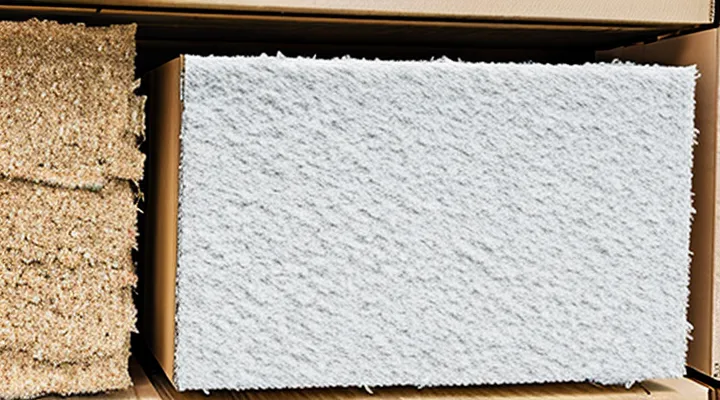
Mineral wool blends – mixtures of basalt, slag, or rock fibers bonded with phenolic or acrylic resins. Fiber density of 30–45 kg/m³ provides thermal performance of 0.034–0.040 W/(m·K). The fibrous network is physically uncomfortable for rodents, while the binder prevents fibre separation and moisture absorption.
-
Cellulose‑based panels with rodent‑deterrent additives – recycled paper treated with borate salts or silica nanoparticles. Borates inhibit digestion and cause aversion, while silica enhances compressive strength to 0.5 MPa. R‑value typically 3.5 per inch, with moisture resistance achieved through hydrophobic coating.
-
Aerogel composites – silica aerogel particles embedded in a flexible polymer matrix. The resulting material exhibits R‑values up to 10 per inch and a compressive strength of 0.2 MPa. Aerogel particles are chemically inert and too hard for rodents to bite, while the polymer binder adds structural integrity.
Key properties influencing rodent resistance:
- Hardness and abrasive content – higher Shore D hardness and inclusion of glass, silica, or mineral fillers raise the effort required for gnawing.
- Moisture barrier performance – low water absorption (≤0.5 % by weight) prevents softening that could facilitate chewing.
- Thermal conductivity – values below 0.030 W/(m·K) ensure effective insulation while maintaining structural rigidity.
- Fire classification – compliance with NFPA 255 or UL 723 reduces combustion risk during rodent activity.
- Density and compressive strength – densities above 30 kg/m³ and compressive strengths exceeding 0.3 MPa limit deformation under bite forces.
Selecting an insulation product for rodent‑free applications requires matching these compositional attributes to the specific environmental demands of the installation site.
Rodent Deterrence Mechanism
Rodent deterrence mechanisms for non‑consumable insulation rely on properties that discourage gnawing and ingestion. Materials are selected for inherent resistance to mouse activity and for the ability to incorporate deterrent features.
Physical resistance is achieved through high‑density polymers, mineral wool, and rigid foam boards. Their hardness exceeds the bite force of common house mice, preventing effective chewing. Surface texture also influences behavior; smooth, non‑porous finishes offer little grip, reducing the likelihood of persistent gnawing.
Chemical deterrents function by embedding bitter‑tasting or toxic agents within the matrix. Additives such as capsaicin, copper sulfate, or proprietary rodent‑repellent compounds remain bound to the material, delivering an immediate aversive taste when contact occurs. These agents are regulated to avoid human health risks while maintaining efficacy against rodents.
Scent‑based strategies involve impregnation of the insulation with natural repellents like peppermint oil, eucalyptus, or predator‑derived pheromones. Volatile compounds disperse slowly, creating an environment that mice avoid without compromising insulation performance.
Structural barriers complement material choice. Installation of metal mesh or steel sheathing behind insulation creates a physical obstruction that mice cannot penetrate, forcing them to seek alternative pathways. Sealing gaps around edges and penetrations eliminates entry points that could allow rodents to reach the insulation.
A concise list of effective deterrence mechanisms:
- High‑density, hard‑surface polymers and rigid foams
- Mineral‑based fibers with low chewability
- Integrated bitter or toxic additives (e.g., capsaicin, copper salts)
- Embedded volatile repellents (peppermint, predator pheromones)
- Metal or steel barriers placed behind insulation layers
- Comprehensive sealing of seams, joints, and penetrations
Combining multiple mechanisms enhances overall resistance, reducing the probability that mice will compromise insulation integrity.
Applications and Installation Considerations
Rodent‑resistant insulation finds use in environments where structural integrity and energy efficiency must be preserved despite potential mouse activity. Typical locations include exterior walls of single‑family homes, attic floor assemblies, crawl‑space enclosures, commercial office partitions, and industrial equipment housings. Materials that deter chewing—such as mineral wool, closed‑cell spray foam, rigid polyisocyanurate panels, and specially treated cellulose—provide thermal performance while reducing the likelihood of damage.
Installation must address both the physical properties of the chosen material and the behavior of rodents. Key considerations are:
- Seal all entry points before placing insulation; use steel mesh or expanding foam to close gaps around pipes, vents, and wiring.
- Attach mineral wool or fiberglass batts with staples or wire ties, ensuring no exposed edges that could attract gnawing.
- Apply rigid panels with adhesive or mechanical fasteners, maintaining a continuous barrier without compression that could create voids.
- For spray foam, follow manufacturer‑specified expansion rates to avoid over‑filling cavities, which can trap moisture.
- Incorporate a vapor barrier compatible with the insulation type to prevent condensation and mold growth.
- Verify compliance with local fire‑rating requirements; many rodent‑resistant products carry specific classification labels.
- Use protective equipment during handling to mitigate inhalation or skin irritation risks.
Proper execution of these steps creates a durable, energy‑saving envelope that remains functional even in the presence of persistent rodents.
Fiberglass Insulation
Characteristics and Structure
Rodent‑resistant insulation products share specific physical and chemical traits that deter gnawing. High‑density polymers, such as closed‑cell foam, present a hard, non‑flexible surface that exceeds the bite force of common house mice. Inorganic fibers, including mineral wool and fiberglass, possess abrasive textures that cause discomfort to rodent incisors. Both categories exhibit low moisture absorption, limiting the scent cues that attract pests.
The internal architecture of these materials reinforces their protective function. Closed‑cell foams consist of uniform, sealed bubbles that create a continuous barrier, preventing entry points and eliminating voids where rodents could nest. Mineral wool is manufactured from interlocked fibers forming a dense, tangled matrix; the irregular gaps impede chewing and reduce the ability to create tunnels. Some advanced composites integrate a rigid outer skin with a flexible core, combining structural rigidity with adaptability to irregular spaces.
Key characteristics and structural elements include:
- Density: ≥ 30 kg/m³ for foam, ≥ 120 kg/m³ for mineral wool, providing resistance to bite penetration.
- Surface hardness: Shore A hardness ≥ 70 for polymer foams, ensuring difficulty of gnawing.
- Fiber texture: Abrasive, non‑smooth mineral fibers that cause dental discomfort.
- Moisture resistance: Water absorption ≤ 2 % by weight, reducing odor attraction.
- Closed‑cell architecture: Sealed cells eliminate air channels, blocking rodent movement.
- Fiber interlock: Randomly oriented fibers create a tangled network, hindering tunnel formation.
These attributes collectively define the performance of insulation solutions that remain intact in environments where mouse activity is a concern.
How it Deters Pests
Rodent‑resistant insulation relies on physical and chemical characteristics that discourage chewing and nesting. Dense, rigid fibers such as closed‑cell foam or mineral wool create a barrier that mice cannot easily penetrate; the material’s hardness exceeds the bite force of typical house mice. Additionally, the absence of edible binders eliminates any nutritional incentive, reducing the likelihood of infestation.
Key deterrent properties include:
- Hardness: Materials with compressive strength above 30 psi resist gnawing.
- Texture: Smooth, non‑fibrous surfaces provide no grip for incisors.
- Chemical additives: Incorporation of bitter agents or rodent‑repellent compounds creates an aversive taste.
- Thermal stability: High‑temperature resistance prevents degradation that could produce palatable residues.
- Moisture resistance: Low water absorption denies mice the damp environments they favor for nesting.
By combining these attributes, the chosen insulation forms an inhospitable environment, limiting rodent access and preventing damage without reliance on consumable components.
Best Practices for Installation
When installing insulation that resists rodent damage, begin with a thorough inspection of the cavity. Remove debris, repair water leaks, and seal any visible openings larger than ¼ inch. A clean, dry environment reduces the likelihood of mice infiltrating the material.
Select products specifically formulated to deter chewing, such as mineral wool, rigid foam with rodent‑resistant additives, or cellulose treated with non‑tasting preservatives. Verify that the chosen material complies with local fire‑safety standards and has a documented resistance rating against gnawing.
Apply the following installation steps:
- Measure cavity dimensions and cut insulation to fit tightly, leaving no excess space.
- Position insulation against walls and ceilings, ensuring full contact to eliminate air gaps.
- Secure material with approved fasteners (e.g., corrosion‑resistant staples or adhesive strips) at intervals recommended by the manufacturer.
- Install a continuous wire mesh or metal flashing over seams to create a physical barrier.
- Seal joints and edges with pest‑grade caulk or expanding foam, focusing on corners, penetrations, and utility openings.
- Perform a final visual check for any remaining gaps; fill them before completing the project.
After installation, conduct a routine inspection every six months. Look for signs of nesting, gnaw marks, or displacement of the insulation. Prompt repair of detected issues maintains the integrity of the mouse‑proof barrier and preserves energy efficiency.
Sprayed Foam Insulation (Polyurethane and Polycine)
Expanding Properties and Sealing
Rodent‑resistant insulation relies on materials that expand to fill voids and create airtight barriers. Expansion enables coverage of irregular cavities, while sealing prevents entry points that mice exploit.
Closed‑cell spray foam delivers rapid expansion, hardening into a dense, moisture‑impermeable layer. Its low permeability blocks gnawing paths and maintains thermal performance. Polyurethane variants adhere to wood, metal, and concrete, creating continuous envelopes around penetrations.
Silicone‑based sealants provide flexible expansion, accommodating structural movement without cracking. Their elastomeric nature resists chewing and retains adhesion under temperature fluctuations. Application to seams, pipe sleeves, and electrical conduit joints eliminates gaps larger than a millimeter.
Mineral‑wool boards, when combined with expanding adhesive, form composite barriers. The adhesive spreads into crevices, locking fibers in place and denying rodents a foothold. The resulting assembly resists compression and retains acoustic damping.
Key considerations for selecting expanding and sealing solutions:
- Expansion rate matching cavity size to avoid over‑pressurization.
- Curing time compatible with installation schedule.
- Compatibility with adjacent structural materials to prevent corrosion.
- Resistance to rodents’ incisors, verified by laboratory chew tests.
- Long‑term durability under humidity and temperature cycles.
Implementing these expanding and sealing products in walls, attics, and crawl spaces establishes a continuous, rodent‑proof envelope, preserving insulation integrity and energy efficiency.
Creating an Impenetrable Barrier
When preventing rodents from compromising thermal barriers, the most reliable approach is to construct a continuous, chew‑proof envelope around the insulated cavity. The envelope must eliminate any exposed edges, seams, or penetrations that mice can exploit.
Key characteristics of an effective barrier include:
- Rigid, non‑organic surfaces such as stainless‑steel mesh, aluminum flashing, or galvanized steel plates, installed over foam or fiberglass layers.
- Seamless joint treatment using high‑temperature silicone sealant or epoxy‑based caulk to close all gaps between panels, pipe sleeves, and structural members.
- Integration of metal conduit sleeves for wiring and plumbing, extending the sleeve beyond the insulation plane to block entry points.
- Reinforced edge protection with metal trim or concrete encasement around corners and perimeters where insulation terminates.
Installation guidelines:
- Measure the full perimeter of the insulated zone and cut metal sheeting to overlap seams by at least 2 in. (5 cm).
- Secure sheets with corrosion‑resistant screws, spacing no more than 4 in. (10 cm) apart to prevent flexing.
- Apply sealant along every fastener and edge, smoothing it to create a uniform, impermeable film.
- Inspect the completed envelope for any visible openings, including ventilation ducts and access panels, and seal them with the same metal‑plus‑sealant method.
By adhering strictly to these specifications, the insulation system becomes virtually impenetrable to gnawing rodents, preserving both thermal performance and structural integrity.
Advantages and Disadvantages
Mouse‑resistant insulation choices fall into several categories, each with distinct benefits and limitations.
Mineral wool and fiberglass are dense, non‑organic fibers that rodents cannot gnaw through easily. Advantages include high thermal performance, fire resistance, and availability in batts or loose fill. Disadvantages consist of irritation to skin and lungs during installation and higher cost compared to basic cellulose.
Closed‑cell spray foam expands to fill gaps, creating a seamless barrier that deters chewing. Its strengths are superior air‑sealing, moisture resistance, and structural reinforcement. Drawbacks involve expensive material and equipment, potential off‑gassing if not cured properly, and difficulty of removal for repairs.
Rigid foam boards such as polyisocyanurate or extruded polystyrene provide a smooth, hard surface mice cannot bite. Benefits are high R‑value per inch, lightweight handling, and resistance to moisture. Limitations include flammability concerns unless covered with a fire‑rated barrier, and susceptibility to cracking under mechanical stress.
Cellulose insulation can be treated with rodent‑deterrent additives, offering an eco‑friendly option made from recycled paper. Advantages are low cost, excellent sound absorption, and ease of installation. Disadvantages are reduced effectiveness if the deterrent wears off, vulnerability to moisture, and potential for rodents to locate and consume untreated sections.
Metal sheathing or foil‑faced insulation creates an impenetrable barrier. Its primary advantage is complete resistance to chewing, combined with reflective heat‑transfer reduction. The main drawbacks are high material cost, difficulty in cutting to fit irregular spaces, and the need for additional thermal layers to achieve desired R‑values.
In summary, selecting a mouse‑proof insulation material requires balancing thermal efficiency, fire safety, installation practicality, and budget constraints. Each option presents a trade‑off between durability against rodent damage and other performance criteria.
Borate-Treated Cellulose
Natural Pest Repellent
Natural pest repellents can protect insulation from rodent damage without relying on chemical treatments. Commonly used botanical agents include peppermint oil, eucalyptus oil, and citronella. When applied to the surface of insulation or incorporated into the material during manufacturing, these oils emit volatile compounds that deter mice while remaining safe for occupants.
- Peppermint oil: dilute 10 % in water, spray onto insulation fibers; scent persists for several weeks before reapplication.
- Eucalyptus oil: mix 5 % with a carrier oil, brush onto exposed panels; provides both odor and mild antimicrobial effect.
- Citronella oil: emulsify at 8 % concentration, incorporate into spray‑on coatings; effective in enclosed cavities.
Plant‑based powders such as dried lavender, dried rosemary, and powdered neem can be mixed into loose‑fill insulation. Their texture discourages gnawing, and the natural aromas add an extra layer of deterrence. Proper distribution ensures uniform coverage and reduces the likelihood of mice finding untreated gaps.
In addition to aromatic compounds, physical deterrents derived from natural sources include crushed walnut shells and diatomaceous earth. When blended with insulation batts, these abrasive particles create an uncomfortable chewing surface, prompting rodents to avoid the material altogether.
Selecting a natural repellent requires consideration of longevity, compatibility with insulation type, and any potential impact on indoor air quality. Regular monitoring of scent intensity and material condition allows timely reapplication, maintaining an effective barrier against mouse intrusion.
Fire Retardant Properties
Fire resistance is a critical attribute for insulation that must also resist rodent damage. Materials that combine low palatability with proven flame‑retardant performance reduce the risk of fire spread while maintaining thermal efficiency.
- Mineral wool: non‑combustible, high melting point, naturally unappealing to rodents.
- Fiberglass: inorganic fibers, classified as non‑flammable, difficult for mice to gnaw.
- Treated cellulose: impregnated with borate or ammonium phosphate, retains fire‑retardant rating and deterrent properties.
- Aerogel blankets: silica‑based, fire‑resistant, dense structure prevents chewing.
- Silicone‑based spray foam: closed‑cell formulation, self‑extinguishing, resistant to gnawing.
Key performance indicators include flame spread index, smoke development index, and thermal degradation temperature. Low values for flame spread and smoke development indicate superior fire control; high degradation temperatures reflect material stability under heat exposure.
Testing follows recognized standards such as ASTM E84 (surface burning characteristics), NFPA 255 (thermal insulation fire performance), and UL 723 (flame spread and smoke). Certification under these protocols confirms compliance with safety requirements.
When selecting rodent‑resistant insulation, prioritize non‑organic composition, certified fire‑retardant ratings, and documented resistance to chewing. Balancing these factors ensures both fire safety and durability against mouse damage.
Environmental Impact
Materials that resist rodent chewing affect the environment through resource extraction, manufacturing emissions, durability, and end‑of‑life handling.
The production phase determines the majority of ecological burden. Natural fibers such as hemp, wool, or cellulose require agricultural land, water, and pesticides, yet they generate lower carbon dioxide per kilogram than petro‑based foams. Mineral wool, derived from basalt or slag, involves high‑temperature processes that emit significant CO₂ but utilizes abundant rock resources and can incorporate recycled content. Polyurethane and polystyrene foams rely on petroleum feedstocks, resulting in higher greenhouse‑gas intensity and potential toxic by‑products during synthesis.
Durability influences overall impact. Materials that remain effective for decades reduce the frequency of replacement, conserving resources and limiting waste. Fiberglass and mineral wool retain insulating performance for 30 years or more, whereas some bio‑based panels degrade faster when exposed to moisture, prompting earlier disposal.
End‑of‑life pathways shape landfill and recycling outcomes. Recyclable options include:
- Reclaimed mineral wool, reprocessed into new insulation batts.
- Compostable bio‑based boards, broken down into organic matter under industrial composting conditions.
- Thermoplastic foams, reclaimed for secondary applications such as packaging or construction filler.
Non‑recyclable foams persist in landfills, contributing to long‑term volume and potential leaching of additives. Selecting materials with established take‑back programs mitigates these risks.
Overall, environmentally responsible choices balance raw‑material impacts, longevity, and recyclability while maintaining resistance to rodent damage. Prioritizing products with certified low‑carbon manufacturing, high durability, and closed‑loop disposal reduces the ecological footprint of rodent‑proof insulation.
Rigid Foam Boards (XPS, EPS, and Polyiso)
Density and Durability
When selecting insulation that rodents will not gnaw, density and durability are decisive factors. High‑density materials present a compact cellular structure that resists chewing because the teeth encounter little give. The mass per unit volume also limits the space rodents can infiltrate, reducing the likelihood of damage.
Durability complements density by ensuring the material retains its insulating properties over time. Materials engineered for long‑term performance resist compression, moisture absorption, and mechanical wear. These attributes prevent the formation of gaps that could attract pests or diminish thermal efficiency.
Key considerations for density and durability include:
- Mass per cubic foot: Values above 2 lb/ft³ typically indicate sufficient density to deter gnawing.
- Compression resistance: Minimum compressive strength of 50 psi helps maintain shape under load.
- Moisture resistance: Low water absorption (<5 %) prevents swelling that could create entry points.
- Chemical stability: Resistance to acids, bases, and UV exposure extends service life and preserves structural integrity.
Choosing insulation that meets or exceeds these thresholds reduces the risk of rodent damage while delivering consistent thermal performance throughout the building’s lifespan.
Thermal Performance
Insulation that resists rodent damage must retain its heat‑blocking properties over the building’s service life. Thermal performance is measured primarily by R‑value (resistance to heat flow) and thermal conductivity (λ). Higher R‑values and lower λ indicate superior heat retention, while stability across temperature ranges ensures consistent performance.
Critical factors influencing thermal efficiency include:
- Material density: denser products usually exhibit higher R‑values per inch.
- Moisture absorption: low water uptake prevents degradation of insulating ability.
- Temperature tolerance: resistance to thermal cycling avoids loss of structural integrity.
- Installation integrity: seamless joints and proper sealing preserve the designed thermal envelope.
Typical rodent‑proof options and their thermal specifications:
| Material | Approx. R‑value (per inch) | Thermal conductivity (W/m·K) | Moisture resistance | Temperature range |
|---|---|---|---|---|
| Rigid closed‑cell foam (polyisocyanurate) | 6.5–7.0 | 0.019 | Very low | –40 °C to 120 °C |
| Extruded polystyrene (XPS) | 5.0 | 0.029 | Low | –50 °C to 80 °C |
| Mineral wool (rock wool) with rodent‑deterrent additives | 3.5–4.0 | 0.035 | Moderate | –40 °C to 200 °C |
| Ceramic fiber board, coated with metal mesh | 3.0 | 0.040 | Very low | –100 °C to 1000 °C |
| Aerogel blankets encased in steel‑reinforced fabric | 10.0+ | 0.014 | Extremely low | –200 °C to 650 °C |
Performance comparison shows that rigid polyisocyanurate offers the highest R‑value per inch while maintaining resistance to chewing due to its closed‑cell structure. Extruded polystyrene provides a balance of thermal efficiency and mechanical strength, making it suitable for foundations and below‑grade applications. Mineral wool, when combined with deterrent additives, delivers acceptable R‑values and fire resistance, though its moisture absorption is higher than foam products. Ceramic fiber boards, protected by metal mesh, excel in high‑temperature environments where conventional foams would degrade. Aerogel blankets, despite higher cost, deliver unmatched insulation thickness efficiency and are virtually impervious to gnawing when fully encased.
Selection should align thermal requirements with the specific exposure conditions of the building envelope. Materials that combine high R‑value, low conductivity, and proven resistance to rodent damage ensure sustained energy savings and structural integrity.
Sealing Gaps Effectively
Effective sealing of gaps prevents rodents from reaching insulation, preserves thermal performance, and reduces material waste. Identify all openings larger than a quarter‑inch, including seams around pipes, vents, and wiring chases. Use a systematic inspection before applying any barrier.
- Apply expanding polyurethane foam to irregular cavities; allow full cure before trimming excess.
- Install metal flashing or steel wool combined with caulk in larger apertures where foam may degrade.
- Use silicone‑based sealant for joints around windows, doors, and exterior trim; ensure a continuous bead without gaps.
- Fit self‑adhesive membrane patches over seams in rigid board insulation; press firmly to achieve airtight contact.
- For floor joist gaps, insert rodent‑resistant foam backer rods, then seal with high‑grade acrylic caulk.
After sealing, conduct a pressure test with a smoke pencil or infrared camera to verify the absence of air movement. Re‑inspect annually, especially after seasonal temperature shifts, to maintain integrity.
Complementary Rodent-Proofing Strategies
Sealing Entry Points
Caulking and Expanding Foam
Caulking and expanding foam provide reliable barriers against rodent intrusion in building envelopes. Both materials create continuous seals that eliminate gaps where mice can gnaw or squeeze through, thereby preserving thermal performance and structural integrity.
-
Caulking: Applied as a paste, it adheres to wood, metal, and masonry. Silicone‑based formulations resist moisture and remain flexible, preventing cracks that could be exploited by rodents. Polyurethane caulk offers superior adhesion to porous surfaces and cures into a durable, chew‑resistant film. Proper surface preparation—clean, dry, and free of loose debris—ensures optimal bond strength.
-
Expanding Foam: Delivered as a spray, it expands up to 20 times its liquid volume, filling irregular cavities around pipes, vents, and studs. Closed‑cell polyurethane foam creates a rigid, moisture‑impermeable plug that mice cannot easily bite through. Open‑cell variants provide acoustic damping but are less resistant to chewing and should be avoided where rodent protection is critical. Application must be limited to manufacturer‑specified depths to avoid over‑expansion that could warp surrounding materials.
When selecting between the two, consider the location and size of the gap. Caulk excels in narrow joints and seams, while expanding foam is suited for larger voids and irregular spaces. Both products require periodic inspection; degradation from UV exposure or chemical attack can create new entry points. Reapplication restores the protective barrier and maintains the overall effectiveness of rodent‑proof insulation.
Steel Wool and Wire Mesh
Steel wool and wire mesh provide reliable protection against rodent damage in insulation systems. Both materials consist of tightly interwoven metal fibers that resist gnawing, making them unsuitable for mouse consumption. Their metallic composition also offers fire resistance and structural stability, contributing to overall building safety.
Steel wool is available in grades ranging from coarse to fine. Coarse grades fill larger voids, while fine grades conform to tighter spaces, ensuring a continuous barrier. The material tolerates moisture without degradation, preventing mold growth in damp areas. Wire mesh, typically manufactured from stainless steel or galvanized steel, features apertures small enough to block rodents while allowing airflow for ventilation and thermal exchange. Mesh thickness and weave density can be selected to match specific insulation requirements.
Installation procedures involve embedding steel wool into gaps around pipes, vents, and structural joints before applying conventional insulation. Wire mesh is positioned as a lining behind drywall, within crawl spaces, or around electrical conduits, then secured with staples or clips. Proper sealing of seams eliminates entry points, and overlapping sections maintain uninterrupted coverage.
Key characteristics:
- Rodent resistance: metal fibers cannot be chewed through by mice.
- Fire rating: non‑combustible, complying with most building codes.
- Moisture tolerance: does not absorb water, reducing rot risk.
- Durability: maintains integrity for the lifespan of the building envelope.
- Installation flexibility: adaptable to various cavity sizes and shapes.
Potential drawbacks:
- Cost: higher material expense compared to cellulose or fiberglass.
- Weight: adds load to framing, requiring structural assessment in some cases.
- Thermal conductivity: metal conducts heat, necessitating additional insulation layers to achieve desired R‑values.
Exclusion Techniques
Foundation Repairs
When a foundation is repaired, the insulation installed around the new concrete must resist rodent chewing to preserve structural stability and thermal performance. Mice readily gnaw soft foams, cellulose batts, and loosely packed fibers, creating gaps that allow moisture intrusion and heat loss. Selecting materials that rodents cannot digest eliminates these vulnerabilities.
- Closed‑cell spray polyurethane foam (high‑density formulation) – dense cell structure deters chewing, provides air‑tight seal, and adds structural support.
- Rigid mineral wool boards – inorganic composition is unpalatable to rodents, offers fire resistance, and maintains consistent R‑value.
- Extruded polystyrene (XPS) panels with reinforced facings – smooth, hard surface resists bite marks; facings can be coated with rodent‑inhibiting additives.
- Polyisocyanurate boards with foil lamination – foil layer creates a barrier that mice avoid, while the core delivers high insulation efficiency.
Installation must include continuous sealing of all joints, use of metal flashing or mesh at penetration points, and verification that gaps around utilities are closed with rodent‑proof caulk. Applying a perimeter barrier of stainless‑steel mesh before backfilling further reduces entry routes.
Employing mouse‑resistant insulation during foundation repair extends the service life of the structure, minimizes future repair costs, and maintains energy efficiency without reliance on chemical deterrents.
Vent and Chimney Screens
Vent and chimney screens provide a physical barrier that deters rodents while preserving airflow needed for heating, ventilation, and air‑conditioning systems. Their metal construction resists gnawing, making them suitable for applications where conventional insulation may be compromised by mouse activity.
Key characteristics of effective screens include:
- Material hardness – stainless steel, copper, or galvanized steel mesh offers sufficient tensile strength to prevent bite penetration.
- Mesh size – openings no larger than ¼ inch block rodents but allow adequate ventilation.
- Corrosion resistance – treated finishes extend service life in humid or acidic environments.
- Fire rating – screens compliant with NFPA standards maintain safety in chimney passages.
Installation guidelines:
- Fit screens tightly around vent openings and chimney flues, sealing gaps with high‑temperature silicone or fire‑rated caulk.
- Secure fasteners with rust‑proof screws or rivets to avoid loosening from vibration.
- Inspect screens annually for damage, rust, or displacement; replace compromised sections promptly.
When integrated with rodent‑proof insulation, vent and chimney screens contribute to a comprehensive defense against chewing damage, ensuring thermal performance and system reliability without compromising safety.
Maintaining a Pest-Free Environment
Food Storage Practices
Effective food storage hinges on preventing rodent access through material selection, structural design, and maintenance practices. Materials that resist gnawing—such as high‑density polyethylene (HDPE), metal sheeting, and rigid polyurethane foam—provide durable barriers when applied to walls, ceilings, and shelving. These substances lack the texture and nutritional value that attract mice, reducing the likelihood of damage.
Key practices for safeguarding stored food include:
- Seal all entry points with mouse‑proof caulk or steel wool, focusing on gaps around pipes, wiring, and ventilation ducts.
- Install airtight containers made from HDPE or metal, ensuring lids have secure locking mechanisms.
- Apply rigid foam insulation to interior surfaces, especially in pantry corners and behind shelving, to eliminate voids where rodents could nest.
- Conduct regular inspections for signs of gnawing or droppings; replace compromised panels or sealants promptly.
- Keep the storage area clean, removing spilled grains or crumbs that could lure mice.
By integrating gnaw‑resistant insulation materials with meticulous sealing and container strategies, food storage systems maintain integrity and minimize rodent intrusion.
Landscape Maintenance
Effective landscape maintenance requires selecting insulation products that resist rodent damage. Materials such as closed‑cell spray foam, rigid polyisocyanurate panels, and mineral wool are dense enough to deter mice from gnawing. Their structural integrity prevents burrowing, preserving soil stability and protecting plant root zones.
Key characteristics of rodent‑resistant insulation include:
- High compressive strength, limiting tunnels through mulch or soil layers.
- Low moisture absorption, reducing attraction for pests.
- Compatibility with landscaping fabrics and edging systems.
When installing these products, integrate them beneath decorative stone, within raised beds, or behind retaining walls. The barrier created by the insulation reduces the likelihood of mice accessing plant roots, thereby supporting long‑term garden health and reducing maintenance interventions.
Choosing the Right Insulation
Factors to Consider
Climate and R-Value Requirements
Selecting insulation for structures where rodent damage is a concern requires aligning climate‑specific R‑value targets with materials that mice cannot gnaw through. Climate dictates the minimum thermal resistance needed to maintain interior temperatures; the chosen material must meet or exceed that resistance while resisting rodent intrusion.
Colder zones (e.g., USDA zones 3‑5) typically demand R‑values of 49 – 60 for attic assemblies and 30 – 38 for walls. Moderate zones (6‑7) require R‑49 for attics and R‑21 for walls. Warm zones (8‑10) often accept R‑30 for attics and R‑13 for walls. Materials must retain their R‑value under the humidity and temperature fluctuations characteristic of each zone; degradation reduces effectiveness and may invite mouse activity.
Materials that satisfy both thermal and rodent‑resistance criteria include:
- Rigid polyisocyanurate (polyiso) boards – R‑6.5 per inch; suitable for all climates; dense foam resists chewing.
- Closed‑cell spray foam – R‑6.0 per inch; forms a seamless barrier, eliminating gaps that mice exploit.
- Mineral wool batts (rock or slag wool) – R‑3.7 per inch; non‑organic fibers deter gnawing; effective in humid environments.
- Foil‑faced polybutylene (PB) boards – R‑5.0 per inch; smooth surface discourages chewing; performs well in cold climates.
When planning insulation, calculate the required thickness by dividing the target R‑value by the material’s R‑per‑inch rating, then verify that the resulting assembly meets local building code specifications. This approach ensures thermal performance while eliminating the risk of mouse damage.
Budget and Cost-Effectiveness
When selecting insulation that deters rodents while keeping expenses low, evaluate both material price and lifecycle savings. Initial outlay varies widely; cheaper options may lead to higher repair costs if mice breach the barrier.
- Mineral wool (rock or slag): $0.45‑$0.70 per ft², resistant to chewing, maintains performance for 30+ years, reduces pest‑related repairs.
- Fiberglass batts with foil backing: $0.30‑$0.55 per ft², moderate resistance, requires tight seams to prevent entry, lifespan 20‑25 years.
- Rigid foam board (extruded polystyrene): $0.70‑$1.10 per ft², dense core discourages gnawing, provides additional thermal value, lasts 30‑40 years.
- Spray polyurethane foam: $1.20‑$1.80 per ft², seamless application eliminates gaps, highest upfront cost, but combines insulation and air‑sealing, extending service life beyond 25 years.
- Cellulose treated with borate: $0.40‑$0.65 per ft², low cost, chemical additive deters rodents, effectiveness declines as material settles, typical lifespan 15‑20 years.
Beyond material cost, installation labor influences total expense. Self‑installation of batts or board can save 30‑50 % of labor fees, whereas spray foam and rigid board often require professional handling, adding $0.20‑$0.40 per ft².
Long‑term cost‑effectiveness hinges on two factors: durability against mouse damage and energy savings. Materials that resist gnawing maintain R‑value, preventing heat loss and reducing utility bills by 5‑15 % annually. Over a 25‑year horizon, even a modest price premium for rodent‑proof foam can offset higher initial spend through lower repair frequency and sustained energy efficiency.
Choosing the most economical solution involves matching budget constraints with expected exposure to mice. For low‑risk areas, fiberglass with careful sealing may suffice. In high‑risk structures, investing in mineral wool or spray foam delivers superior protection and reduces cumulative costs.
DIY vs. Professional Installation
When selecting insulation that rodents will not gnaw, the choice between a do‑it‑yourself approach and hiring a specialist hinges on several practical factors.
- Material handling – Fiberglass, mineral wool, and rigid foam each require specific protective gear. DIY installers must acquire respirators, gloves, and eye protection, while professionals already possess certified equipment and training.
- Installation precision – Proper sealing of seams, joints, and penetrations prevents gaps that mice can exploit. Skilled contractors use specialized tapes and sealants designed for rodent resistance; a novice may overlook minute openings, compromising the barrier.
- Code compliance – Local building regulations often dictate fire‑rating, vapor‑barrier, and thickness requirements. Certified installers submit documentation that satisfies inspectors; self‑installation places the homeowner responsible for verification and potential rework.
- Cost structure – Purchasing materials directly reduces material expense, but labor time, tool rental, and possible errors increase overall outlay. Professional services bundle material cost with labor, warranty coverage, and post‑installation inspection, delivering a predictable total price.
- Safety considerations – Cutting rigid foam generates fine particles; handling mineral wool releases irritants. Trained crews follow occupational safety standards, reducing health risks associated with prolonged exposure.
Choosing DIY may be viable for small, accessible areas where the installer is comfortable with protective measures and can guarantee airtight seams. Engaging a professional becomes advisable for extensive projects, complex geometry, or when compliance documentation is required. Both routes achieve rodent‑proof insulation when executed with attention to material specifications, sealing techniques, and safety protocols.
Environmental and Health Considerations
Air Quality and VOCs
Choosing insulation that resists rodent damage while maintaining healthy indoor air requires attention to volatile organic compound (VOC) emissions. Materials that emit low levels of VOCs reduce the risk of respiratory irritation and long‑term health effects for occupants. Selecting products with verified low‑emission ratings, such as those certified by GREENGUARD or similar programs, ensures compliance with indoor air quality standards.
Low‑VOC options that also deter mice include:
- Closed‑cell polyurethane spray foam formulated for minimal off‑gassing; sealed cells prevent gnawing and limit moisture migration.
- Mineral wool (rock or slag) with a binder free of formaldehyde; dense fibers resist chewing and emit negligible VOCs.
- Rigid polyisocyanurate boards with a foil or fiberglass facing; the barrier layer discourages rodent access and the core material is engineered for low emissions.
- Treated cellulose insulation that incorporates borate additives; the treatment suppresses pest activity while maintaining a low VOC profile when installed with low‑odor adhesives.
Installation practices influence VOC levels as much as material choice. Proper ventilation during and after application, adherence to manufacturer cure times, and avoidance of excess sealants reduce residual emissions. Sealing joints and gaps with low‑VOC tapes or caulks preserves the integrity of the insulation barrier and prevents rodents from exploiting openings.
Long‑term indoor air quality depends on the stability of the insulation’s chemical composition. Materials that resist degradation under temperature fluctuations and humidity maintain low VOC output over years, providing a durable solution that protects both structural performance and occupant health.
Sustainability and Recycled Content
Selecting insulation that resists rodent consumption while meeting sustainability goals requires attention to material composition and manufacturing processes.
Recycled cellulose blends incorporate treated fibers that deter mice, retain high thermal performance, and divert post‑consumer paper from landfills.
Mineral wool produced from recycled glass or blast‑ furnace slag offers inorganic structure that rodents cannot gnaw, delivers fire resistance, and reduces demand for virgin raw materials.
Rigid foam panels containing reclaimed polystyrene or polyurethane provide closed‑cell barriers that mice cannot penetrate; recycled content lowers overall carbon footprint compared to virgin foam.
Key factors for sustainable, rodent‑proof insulation include:
- Percentage of post‑consumer material in the product.
- Presence of rodent‑deterrent additives or physical properties that prevent chewing.
- Life‑cycle assessments confirming reduced embodied energy and emissions.
Prioritizing these criteria ensures durable thermal protection, minimizes waste, and limits the likelihood of mouse damage.