
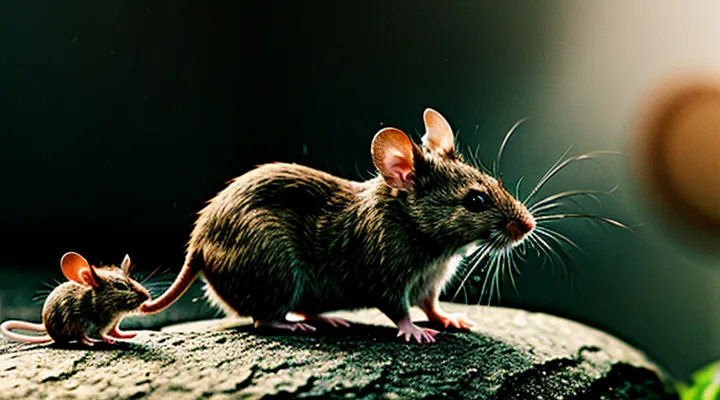
General Interpretations of Mice and Rats
Cultural and Symbolic Meanings of Rodents
Rodents have occupied a paradoxical position in human symbolism, embodying both reverence and revulsion across time and geography.
- Ancient Greece: mice associated with the goddess Demeter, symbolizing fertility and the cycle of harvest; rats linked to Apollo’s plague narratives, representing disease and divine punishment.
- Chinese tradition: the rat, first of the zodiac, signifies wealth, adaptability, and cunning; mouse imagery appears in folklore as a guardian of hidden treasures.
- Indigenous North America: mouse spirits act as messengers of the Earth Mother, conveying humility and the necessity of modest survival; rat figures are rarely revered, often portrayed as tricksters that test communal boundaries.
- Medieval Europe: mice serve as allegories for moral decay, while rats embody pestilence and societal breakdown.
In dream analysis, the presence of these rodents conveys layered messages:
- Resourcefulness – the animal’s ability to thrive in limited environments suggests the dreamer’s latent ingenuity.
- Unresolved anxiety – nocturnal activity mirrors subconscious concerns that surface during sleep.
- Material concerns – the rat’s association with wealth points to financial vigilance or impending opportunity.
- Social dynamics – a mouse’s timid behavior may reflect feelings of marginalization within a group.
Interpretation hinges on context: a solitary mouse crossing a quiet room emphasizes personal introspection; a swarm of rats invading a dwelling underscores collective threat or overwhelming stress. The animal’s condition—alive, dead, fleeing, or attacking—further refines meaning, indicating either potential growth, loss, avoidance, or confrontation.
When evaluating such visions, prioritize the cultural backdrop of the dreamer and the specific actions of the rodent. This approach yields a nuanced understanding that respects both historic symbolism and individual psyche.
Common Associations: Fear, Pestilence, Insignificance
Dreams featuring small rodents frequently trigger specific symbolic reactions. The presence of mice or rats usually signals underlying concerns rather than random imagery.
- Fear – The creature’s sudden appearance can mirror acute anxiety, suggesting a situation that feels threatening or uncontrollable. The animal’s skittish behavior amplifies the dreamer’s sense of vulnerability.
- Pestilence – Rodents are historically linked to disease and contamination. In a dream, they may represent perceived moral or physical impurity, indicating that the dreamer senses a hidden source of decay in personal or professional environments.
- Insignificance – The diminutive size of mice and rats often reflects feelings of marginalization. The dream may highlight a belief that one’s contributions are overlooked or that personal influence is minimal.
Interpreting these motifs requires aligning the symbols with current life circumstances. When the dreamer recognizes a direct correlation—such as a stressful project, health concerns, or a sense of being undervalued—the rodent imagery functions as a subconscious alert, prompting corrective action or reassessment.
Dreaming of Mice: Specific Meanings
Small Problems and Annoyances
Dreams featuring mice or rats often point to petty difficulties that occupy the mind. The presence of these small rodents suggests issues that feel trivial yet persistently nag, such as missed deadlines, minor miscommunications, or recurring minor setbacks. The imagery conveys a sense of irritation, reflecting how the dreamer perceives these nuisances as intrusive and hard to ignore.
The symbolic function of the animals aligns with the scale of the problems: rodents are diminutive, quick, and capable of slipping into hidden spaces, mirroring concerns that are minor in magnitude but difficult to eliminate. When the dream emphasizes frantic movement or infestation, it signals that the dreamer feels overwhelmed by a cluster of small irritations that together create a sense of disorder.
Typical manifestations of the underlying theme include:
- Repeated minor errors at work that require constant correction.
- Persistent background noise or clutter that disrupts focus.
- Ongoing minor disagreements with acquaintances that never fully resolve.
- Small financial leaks, such as unnoticed subscription fees.
Addressing these issues directly—by organizing, setting clear boundaries, or eliminating sources of irritation—reduces the likelihood that the subconscious will repeat the rodent motif in future sleep cycles.
Feelings of Vulnerability or Helplessness
Dreams featuring small rodents often signal a perception of personal exposure. The animal’s size and typical behavior evoke a sense of being overlooked or easily overrun, prompting an internal assessment of one’s capacity to protect oneself. When the subconscious presents mice or rats, the mind may be highlighting circumstances where the dreamer feels unable to influence outcomes, thereby reinforcing a feeling of helplessness.
These symbols can appear in specific contexts:
- Encountering a rodent in a confined space suggests fear of restriction or loss of autonomy.
- Observing a rodent escape through a narrow opening reflects anxiety about missed opportunities or an inability to contain challenges.
- Being chased by a rodent emphasizes heightened alertness to minor threats that feel disproportionately threatening.
Interpretation rests on the dreamer’s current life pressures. If recent events involve loss of control, financial strain, or relational imbalance, the rodent imagery functions as an alert to underlying vulnerability. Recognizing this pattern encourages proactive steps—such as establishing boundaries, seeking support, or addressing neglected responsibilities—to mitigate the sense of powerlessness that the dream conveys.
Hidden Fears or Anxieties
Dreams featuring small rodents often point to suppressed concerns that the subconscious tries to process. The presence of mice or rats signals an inner alarm about situations that feel out of control, even when external circumstances appear stable.
Typical emotional patterns linked to these symbols include:
- Persistent worry about personal inadequacy or failure.
- Fear of being invaded, betrayed, or undermined by others.
- Anxiety over health issues that remain unaddressed.
- Unease regarding financial instability or hidden debts.
The rodents’ behavior in the dream adds nuance. A frantic chase suggests urgent, unresolved tension; a calm observation indicates a deliberate, lingering apprehension. Repeated encounters amplify the intensity of the underlying stress, urging the dreamer to confront the source rather than ignore it.
Recognizing these hidden anxieties enables strategic coping. Identifying specific triggers, documenting recurring dream details, and applying targeted stress‑reduction techniques can transform the nocturnal message into actionable insight.
Opportunities and New Beginnings
Dreams featuring small rodents commonly signal the arrival of fresh possibilities. The presence of these creatures reflects an environment where unnoticed chances are beginning to surface.
Mice in a nocturnal vision often represent modest, yet tangible prospects. Their size suggests that the opportunities are subtle, requiring careful observation rather than bold pursuit. Rats, by contrast, convey hidden resources that may emerge from unexpected sources. Both symbols point toward a shift from stagnation to action.
When such imagery appears, it frequently accompanies the onset of a new phase. The dream acts as an internal cue that personal or professional cycles are ready to restart. Accepting this cue can accelerate the transition from planning to implementation.
Practical response:
- Record the dream details promptly to preserve the emotional tone.
- Identify areas in current life where small, overlooked options exist.
- Allocate time to explore these options without immediate pressure for results.
- Maintain flexibility, allowing the emerging opportunities to shape their own direction.
Dreaming of Rats: Deeper Interpretations
Betrayal and Deception
Dreams featuring mice or rats often signal hidden betrayal. The small size of these creatures suggests covert actions that escape immediate detection. Their presence points to a situation where trust is compromised by subtle manipulation.
Such visions associate with deception that operates behind the scenes. The animals’ quick, secretive movements mirror the way falsehoods can slip through cracks in communication. When the dreamer observes rodents scurrying, the subconscious highlights a need to scrutinize relationships for concealed motives.
Typical interpretations include:
- A colleague or partner may be withholding critical information.
- A friend could be acting in self‑interest while presenting loyalty.
- Business dealings might involve undisclosed agreements that undermine transparency.
- Family dynamics may conceal resentment expressed through indirect behavior.
Recognizing these symbols encourages proactive verification. Confronting the source of suspicion, requesting clarification, and monitoring inconsistencies can mitigate the impact of deceit. Dreams of mice and rats, therefore, function as warnings to reassess trust and demand honesty.
Guilt and Shame
Dreams that feature mice or rats often serve as a mirror for inner emotional states, particularly feelings of guilt and shame. The small, furtive nature of these rodents aligns with the tendency to conceal wrongdoing, prompting the subconscious to project unresolved moral discomfort into nocturnal imagery.
Guilt surfaces when the dreamer perceives the animal as a victim of neglect, contamination, or accidental harm. This scenario reflects an internal audit of actions that have caused harm to others or to one’s own values. The presence of a trembling or dying rodent signals a self‑imposed penalty, urging the dreamer to acknowledge and rectify the transgression.
Shame emerges when the rodent is associated with filth, disease, or disgrace. The dream may depict an infestation invading personal spaces, symbolizing a perceived loss of dignity or social standing. This representation forces the sleeper to confront the embarrassment tied to perceived inadequacy or moral failure.
Typical interpretations include:
- A dead mouse indicating remorse over a specific incident.
- A swarm of rats suggesting pervasive shame about a broader pattern of behavior.
- Attempting to kill or chase the animal, reflecting an effort to eradicate guilt.
- Observing the animal hiding, denoting suppressed shame that remains unaddressed.
These symbols function as an unconscious call to examine personal accountability, reconcile with past actions, and restore emotional equilibrium.
Resilience and Survival
Dreams that feature small rodents often act as a mirror of the psyche’s capacity to endure hardship. Psychological literature links the appearance of these creatures to an internal assessment of one’s ability to persist when circumstances become adverse.
The presence of a mouse or rat signals adaptive flexibility. These animals survive in environments that constantly shift, exploiting hidden resources and avoiding predators. When they surface in a dream, the mind highlights a parallel strategy: leveraging limited assets, remaining unobtrusive, and adjusting behavior to fit new demands.
Survival themes emerge in specific dream scenes:
- A rodent scurrying through a maze suggests the dreamer’s instinct to navigate complex problems without becoming trapped.
- Observing a rat hoarding food indicates an unconscious drive to secure essentials for future uncertainty.
- Being chased by a mouse reflects an acute awareness of threats and the need to react swiftly to preserve safety.
Collectively, these motifs underscore a subconscious endorsement of resilience. The mind uses the rodent’s reputation for endurance to reinforce the dreamer’s own potential for recovery and resourcefulness. Studies on dream symbolism confirm that such imagery frequently appears during periods of stress, serving as a psychological cue to activate coping mechanisms.
Material Concerns and Greed
Dreams featuring mice or rats often reflect anxieties about personal resources and the desire for accumulation. The presence of these small, opportunistic creatures signals an unconscious focus on material security, highlighting a preoccupation with acquiring, protecting, or hoarding possessions.
Interpretation of the symbols reveals several dimensions of greed:
- A feeling of inadequacy regarding wealth prompts the mind to project the image of creatures that scavenge and store food.
- Repeated encounters with rodents suggest a pattern of compulsive saving or an excessive attachment to material status.
- The behavior of the animals—furtive, invasive, relentless—mirrors a hidden drive to obtain more at the expense of ethical boundaries.
Addressing these concerns involves recognizing the underlying fear of scarcity, evaluating personal values, and consciously redirecting energy from relentless acquisition toward sustainable stewardship of resources.
Contextual Factors in Rodent Dreams
Color of the Rodent
The hue of a mouse or rat in a dream provides a distinct layer of interpretation beyond the animal’s general symbolism. Color functions as an emotional cue, reflecting the dreamer’s current psychological state or the nature of the issue being addressed.
- White indicates purity, a desire for cleanliness, or a need to cleanse a situation that feels contaminated. When a white rodent scurries through the dreamscape, it often signals an unconscious urge to eliminate guilt or shame.
- Black conveys hidden threats, suppressed fears, or the presence of an unseen obstacle. A black mouse or rat suggests that the dreamer is confronting a problem that remains concealed or is being ignored.
- Gray represents ambiguity and indecision. A gray rodent points to a situation lacking clear boundaries, urging the dreamer to seek clarification.
- Brown or earthy tones relate to practicality and grounded concerns. These colors emphasize routine matters, such as finances or daily responsibilities, that require attention.
- Red signals heightened anxiety, aggression, or a warning of imminent conflict. A red-colored rodent often appears when stress levels are elevated or when the dreamer feels threatened by external forces.
The intensity of the color also matters. Vivid, saturated shades amplify the associated emotion, while muted tones suggest a subtler influence. Consequently, interpreting the rodent’s color alongside its behavior and context yields a more precise understanding of the dream’s message.
Number of Rodents
Dreams that include mice or rats often convey messages through the quantity of animals observed. The mind translates the number into specific symbolic cues, allowing the sleeper to gauge the intensity or scope of the underlying issue.
- A single rodent suggests an isolated problem, a discreet source of anxiety that can be addressed without extensive effort.
- Two rodents indicate a paired conflict, such as a rivalry or a situation requiring negotiation between two parties.
- Three rodents point to a triangular dynamic, frequently involving competing interests or a need to balance three factors.
- A handful (four to six) reflects a growing concern, where the issue is spreading and may affect multiple areas of life.
- A swarm, described as many or countless rodents, signals overwhelming stress, loss of control, or a pervasive threat that demands immediate attention.
The shift from solitary to numerous appearances often mirrors the progression of the subconscious alert. Early signs appear as one or two creatures, warning of a nascent difficulty. As the dreamer’s awareness wanes, the number escalates, highlighting escalating pressure. Recognizing this pattern enables a proactive response before the situation escalates beyond manageable limits.
Actions of the Rodent in the Dream
When a rodent becomes the focal point of a dream, its behavior conveys distinct symbolic information. Each observable action functions as an indicator of underlying emotional states, personal concerns, or situational pressures.
- Scurrying across the floor – Signals a sense of urgency or an unresolved issue that demands immediate attention. The rapid movement suggests anxiety about time constraints or impending deadlines.
- Chewing or gnawing objects – Reflects a subconscious effort to break down complex problems. The act of gnawing denotes perseverance and the gradual dismantling of obstacles that appear insurmountable.
- Biting the dreamer – Represents feelings of vulnerability or perceived attacks from external sources. The bite may embody criticism, hostility, or a threat to personal boundaries.
- Hiding in shadows or crevices – Indicates suppressed emotions or hidden aspects of the self. The rodent’s concealment points to aspects of life that the dreamer avoids confronting.
- Being chased by the rodent – Highlights a pursuit of unresolved fears. The chase dynamic underscores a reversal of typical predator‑prey roles, suggesting that the dreamer feels pursued by minor irritations that have escalated.
- Observing a dead rodent – Conveys closure of a lingering worry. The death of the creature symbolizes the termination of a nagging concern or the end of a repetitive, draining pattern.
- Feeding the rodent – Suggests nurturing a previously neglected part of the psyche. Providing sustenance indicates willingness to integrate overlooked qualities such as adaptability or resourcefulness.
The specific manner in which the rodent acts determines the precise psychological message. Recognizing these patterns enables the dreamer to address the corresponding real‑world issues with clarity and purpose.
Your Interaction with the Rodent
Dream encounters with small rodents reveal personal attitudes toward vulnerability, resourcefulness, and hidden aspects of the self. The manner in which the dreamer engages the animal determines the interpretive focus.
When the dreamer actively pursues or attacks the creature, the narrative suggests resistance to perceived threats or an attempt to eradicate undesirable habits. This response often signals a conscious effort to confront anxieties that have been suppressed.
If the dreamer observes the rodent without interference, the scene reflects a passive stance toward emerging concerns. Acceptance of unnoticed details may indicate readiness to acknowledge subtle influences shaping behavior.
Feeding or caring for the mouse or rat denotes nurturing of neglected qualities. The act of providing sustenance implies recognition of latent talent, intuition, or emotional sensitivity that requires development.
Cooperating with the rodent—guiding it, sharing space, or communicating—symbolizes integration of instinctual drives into daily life. Such collaboration points to a balanced relationship between rational planning and spontaneous impulse.
Typical interactions and their primary connotations:
- Chasing or killing – active denial, effort to eliminate discomfort.
- Watching without action – observation, delayed response, potential insight.
- Feeding or sheltering – cultivation of hidden strengths, acknowledgment of inner resources.
- Collaborating or befriending – harmonious blending of logical and intuitive faculties.
Interpretation hinges on the emotional tone accompanying the interaction. Fear, curiosity, affection, or indifference each color the symbolic message, guiding the dreamer toward self‑assessment and purposeful adjustment.
The Dream Environment
When rodents such as mice or rats surface in a night vision, the surrounding dreamscape shapes their interpretation. The environment supplies the emotional tone, contextual clues, and sensory cues that determine whether the creatures represent hidden anxieties, resourcefulness, or transformation.
Key aspects of the dream setting include:
- Spatial context: indoor rooms, basements, attics, or open fields each carry distinct connotations. Enclosed, cluttered spaces often suggest confinement or suppressed memories, while open landscapes may point to freedom or exposure.
- Lighting conditions: dim, shadow‑filled areas amplify feelings of uncertainty and danger; bright, natural light can soften the symbolism, indicating clarity or acceptance.
- Atmospheric details: sounds of dripping water, distant traffic, or rustling leaves add layers of tension or calm that influence the emotional charge of the rodent encounter.
- Interaction with objects: presence of food, waste, or broken items creates associations with nourishment, neglect, or decay, respectively, altering the rodent’s narrative role.
- Companion figures: other characters—human or animal—present in the same scene can either mitigate or intensify the rodent’s message, depending on relational dynamics.
By evaluating these environmental parameters, one can discern whether the appearance of mice or rats signals a need to address neglected details, a warning about hidden threats, or an invitation to adapt and survive within the current life situation.
Psychological Perspectives on Rodent Dreams
Subconscious Worries and Stress
Dreams featuring mice or rats often surface when the mind processes unresolved tension. The small, quick‑moving creatures embody concerns that feel pervasive yet difficult to pin down. Their presence signals that the subconscious is flagging stressors that may be ignored during waking hours.
Typical sources of the anxiety reflected by rodent imagery include:
- Persistent workload that feels never‑ending.
- Financial pressures that create a sense of scarcity.
- Interpersonal conflicts that generate feelings of vulnerability.
- Health worries, especially fears of contagion or deterioration.
When these pressures accumulate, the brain translates them into vivid scenes where rodents scurry, gnaw, or invade personal spaces. This conversion serves two functions: it externalizes internal tension, and it prompts the dreamer to recognize patterns that merit conscious attention.
Interpretation benefits from examining the context of the dream. A scenario where the animal is trapped may indicate an attempt to contain stress, whereas an uncontrolled infestation points to perceived loss of control. Noticing whether the dreamer feels fear, disgust, or curiosity can further clarify which aspect of the stress is most salient.
Addressing the underlying worries reduces the frequency of rodent‑related dreams. Strategies such as structured problem‑solving, regular physical activity, and scheduled relaxation periods directly diminish the subconscious load that fuels these symbols. Consistent monitoring of stress levels and proactive mitigation create a mental environment where the mind no longer defaults to rodents as stress markers.
Instinctual Responses and Primal Fears
Dreams featuring small gnawing mammals trigger automatic biological reactions rooted in survival circuitry. The brain registers their presence as a signal of potential threat, prompting rapid physiological adjustments such as increased heart rate, heightened alertness, and muscle tension.
Typical instinctual responses include:
- Immediate urge to flee or hide
- Reflexive recoiling or squinting
- Elevated cortisol release
- Unconscious scanning of surroundings for escape routes
These reactions stem from primal fears that have evolved over millennia. Small rodents historically carried parasites, contaminated food stores, and could damage grain supplies, making them reliable indicators of disease and scarcity. The subconscious associates their image with contamination, loss of nourishment, and vulnerability to predation.
When the dream narrative centers on mice or rats, the mind often projects these ancient concerns onto current life situations. Feelings of helplessness, anxiety about health, or dread of resource depletion frequently accompany the imagery. The dream therefore functions as a warning system, urging the sleeper to examine areas where perceived threats to well‑being may be ignored.
Interpretation of such dreams benefits from recognizing the underlying survival mechanisms. By identifying the specific instinctual impulse—whether avoidance, aggression, or protective care—individuals can translate the symbolic warning into concrete actions, such as improving hygiene, securing supplies, or addressing lingering anxieties about loss.
Personal Growth and Transformation
Dreams featuring small rodents such as mice or rats often mirror inner processes of self‑evaluation and change. The presence of these creatures signals an awareness of habits, boundaries, or hidden anxieties that the dreamer is beginning to confront. Their subtle movements and survival instincts illustrate the subconscious assessment of personal resilience and the capacity to adapt to new circumstances.
When the dreamer observes the rodents actively navigating their environment, the mind translates this observation into a metaphor for personal development. The following aspects typically emerge:
- Recognition of previously unnoticed patterns that limit growth.
- Motivation to cleanse one’s life of clutter, both material and emotional, mirroring the rodent’s instinct to clear obstacles.
- Strengthening of problem‑solving skills, as the animal’s resourcefulness suggests practical approaches to challenges.
- Acceptance of vulnerability, indicated by the creature’s small stature, encouraging the individual to embrace humility while pursuing transformation.
Overall, the dream functions as a catalyst for introspection, urging the sleeper to refine self‑perception, reconfigure priorities, and pursue a more deliberate trajectory of personal evolution.
Practical Application: Responding to Rodent Dreams
Reflecting on Waking Life Concerns
When a dream presents mice or rats, the mind often mirrors unresolved issues from daily existence. The subconscious selects these small mammals because they embody characteristics—such as stealth, persistence, and infestation—that parallel personal anxieties.
- Financial pressures appear as a swarm of rodents, suggesting fear of depletion or loss.
- Interpersonal tension surfaces when rodents scurry through familiar spaces, indicating hidden resentment or power struggles.
- Health concerns manifest as gnawing pests, reflecting worry about bodily vulnerability or chronic discomfort.
- Professional uncertainty emerges as rats navigating mazes, symbolizing confusion about career direction or job security.
The emotional tone of the dream provides diagnostic clues. A feeling of disgust aligns with rejection of a specific situation; anxiety or panic points to imminent stressors; curiosity or calm suggests a willingness to confront the underlying problem.
Analyzing the setting enhances interpretation. A kitchen scene highlights matters of nourishment and domestic stability; an office environment directs attention to occupational responsibilities; an outdoor field expands the scope to broader societal or environmental worries.
To translate dream content into actionable insight, identify the waking circumstance that most closely matches the rodent’s behavior and the dreamer’s emotional response. Then address the corresponding concern through concrete steps—budget revision, conflict mediation, health screening, or career planning. This systematic approach converts symbolic imagery into practical resolution.
Addressing Underlying Issues
Rodent imagery in sleep often reflects unresolved personal concerns. The presence of mice or rats signals anxiety, feelings of vulnerability, or situations where the dreamer feels invaded or controlled.
To confront the root causes of these symbols, follow a systematic approach:
- Identify recent events that generate tension, such as conflicts at work, financial strain, or strained relationships.
- Record emotional reactions during the dream and compare them with waking feelings; note any patterns of fear, disgust, or helplessness.
- Examine habits that may reinforce stress, including irregular sleep, excessive caffeine, or neglect of self‑care.
- Seek clarification through journaling or discussion with a trusted confidant, focusing on specific triggers rather than general impressions.
- Implement targeted changes: restructure problematic schedules, set clear boundaries, or engage in therapeutic techniques like cognitive restructuring or exposure exercises.
Addressing these underlying issues reduces the frequency of rodent motifs and promotes clearer, more balanced dreaming. Continuous monitoring of progress ensures that the initial symbolism evolves into a sign of personal growth rather than persistent distress.
Seeking Professional Guidance
Dreams that feature rodents frequently evoke unease, yet their symbolic range spans from minor irritations to deep‑seated anxieties. Because the meaning depends on personal history, stress levels, and cultural background, self‑derived conclusions risk distortion.
Professional assistance supplies an objective framework for decoding such imagery, connects the dream to current emotional patterns, and guides constructive action. Therapists trained in analytical or cognitive approaches can differentiate between harmless metaphor and signals of underlying psychological strain.
- Accurate assessment of recurring rodent motifs reduces misinterpretation.
- Integration of dream content into treatment plans clarifies sources of tension.
- Identification of related sleep disturbances supports overall well‑being.
- Tailored coping strategies address the specific issues the dream reflects.