
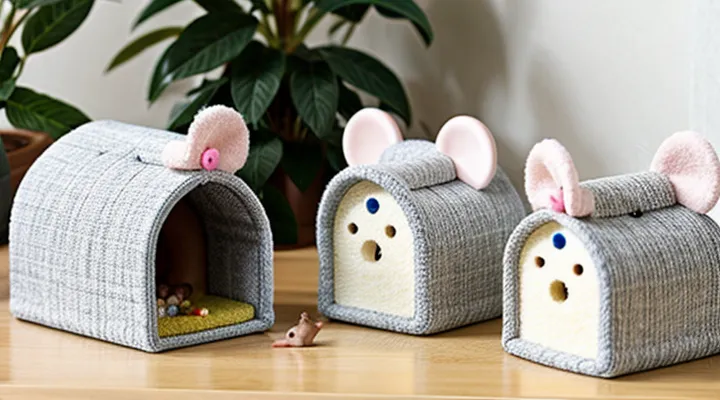
Understanding Your Mouse's Needs
Basic Requirements for a Mouse Habitat
Space Considerations
When planning a rodent habitat, the allocation of space determines both comfort and functionality. Adequate floor area allows natural foraging behavior, while sufficient height supports climbing and nesting activities. Overcrowding restricts movement and can lead to stress; a minimum of 10 cm² per mouse for floor space and an additional 5 cm³ per animal for vertical volume provides a baseline for healthy living conditions.
Key spatial factors include:
- Floor dimensions – rectangular enclosures of at least 30 cm × 45 cm accommodate multiple occupants without compromising individual zones.
- Vertical enrichment – platforms, ramps, and tubes should extend upward at least 20 cm to enable climbing and hideaway construction.
- Access points – doors and tunnels must be wide enough (minimum 5 cm) to allow unobstructed entry and exit, reducing the risk of injury.
- Safety clearance – maintain a gap of no less than 2 cm between moving parts and structural elements to prevent entrapment.
Optimizing layout involves arranging accessories to create distinct zones: feeding area, sleep compartment, and exercise space. Positioning these zones away from high‑traffic entry points reduces disturbance during rest periods. Regular assessment of space usage, combined with adjustments to enclosure size as the population changes, ensures sustained comfort and promotes natural behaviors.
Temperature and Humidity
Optimal ambient temperature for a small rodent dwelling lies between 18 °C and 24 °C. Temperatures below this band increase metabolic demand, while higher values risk hyperthermia and dehydration. Relative humidity should be maintained at 40 %–60 %. Lower humidity accelerates water loss through respiration; higher humidity encourages mold growth and respiratory irritation.
Temperature regulation techniques include:
- Insulated enclosure walls to reduce heat loss;
- Low‑voltage heating pads with built‑in thermostats for precise warming;
- Placement away from windows, doors, and air‑conditioning vents to avoid drafts;
- Use of temperature‑monitoring devices calibrated to the desired range.
Humidity management strategies consist of:
- Incorporating absorbent substrates such as wood shavings or paper bedding;
- Installing a small ventilation opening protected by mesh to allow air exchange;
- Adding a hygrometer to track relative humidity continuously;
- Employing a humidifier or desiccant packets when measurements fall outside the target range.
Consistent monitoring and adjustment of both parameters create a stable microclimate, supporting health, activity, and nesting behavior.
Safety and Security
Safety and security are fundamental considerations when constructing a comfortable mouse habitat. Robust structural design prevents accidental collapse and protects against external threats. Materials such as untreated wood, solid acrylic, or reinforced cardboard provide durability while remaining lightweight. All joints should be sealed with non-toxic adhesive to eliminate gaps that could allow predators or escape.
Key security measures include:
- Entrances equipped with spring‑loaded latches that close automatically after use.
- Mesh screens made from stainless‑steel wire to block insects and larger animals.
- Internal partitions constructed from smooth, rounded edges to reduce injury risk.
- Ventilation slots covered with fine mesh to ensure airflow without compromising enclosure integrity.
- Secure anchoring of the habitat to a stable surface, preventing tipping or displacement.
Fire safety requires the exclusion of open flames and the use of flame‑retardant materials. Electrical components, such as heating pads or LED lighting, must be low‑voltage and insulated, with cables routed away from chewable areas. Regular inspection of wiring and connections reduces the likelihood of short circuits.
Temperature regulation contributes to security by preventing overheating or hypothermia. Insulated walls maintain a stable internal climate, while removable panels allow quick access for cleaning and health checks without exposing the animal to sudden environmental changes.
Overall, integrating these safety protocols ensures that the mouse residence remains a protected, stable, and hygienic environment, supporting both the well‑being of the occupant and the peace of mind of the caretaker.
Designing the Ideal Mouse House
Choosing the Right Materials
Non-Toxic Options
Choosing building components that pose no health risk is essential for a mouse habitat that supports well‑being. Materials must be free of heavy metals, volatile organic compounds, and synthetic toxins.
- Untreated hardwood (e.g., oak, maple) – natural durability, no chemical treatments.
- Bamboo panels – renewable, naturally antimicrobial, no added preservatives.
- Uncoated cardboard – readily available, biodegradable, safe when free of inks.
- Natural fiber rope – suitable for climbing structures, free of synthetic binders.
Finishes and adhesives should also meet non‑toxic criteria. Water‑based acrylic paints certified as “low‑odor” provide color without harmful fumes. Natural oils such as linseed or walnut oil create a protective seal while remaining edible‑safe. Adhesives based on plant starch or casein avoid solvent residues.
Bedding and interior accessories require careful selection. Shredded paper, untreated cotton batting, and dried meadow hay offer warmth and nesting comfort without chemical additives. Unbleached fleece blankets supply softness while remaining free of dyes that could leach. All textiles should be washed in mild detergent before placement.
Maintenance procedures reinforce safety. Cleaning with warm water and a small amount of fragrance‑free dish soap removes debris without leaving residues. Rinse thoroughly and air‑dry before returning items to the enclosure. Avoid aerosol cleaners, alcohol‑based solutions, and any product listing “pet‑safe” only for larger animals, as those formulations often contain substances unsuitable for small rodents.
Easy to Clean Surfaces
Easy-to-clean surfaces are a fundamental requirement for a healthy mouse habitat. Cleanable materials prevent the buildup of waste, reduce the risk of disease, and simplify routine maintenance.
Recommended surface materials include:
- Smooth, non‑porous plastic panels that resist staining.
- Sealed hardwood or bamboo with a waterproof coating.
- Tempered glass sections that allow visual inspection without handling.
- Stainless‑steel inserts for feeding stations and water dispensers.
- Food‑grade silicone mats that can be removed and washed.
Effective cleaning practices consist of:
- Designing removable panels that detach without tools.
- Selecting components rated for dishwasher use to enable high‑temperature sterilization.
- Applying pet‑safe disinfectant wipes to interior surfaces after each cage cleaning.
- Rinsing glass and metal parts with warm water and mild detergent before drying.
Design considerations to enhance cleanability:
- Eliminate porous fabrics; replace them with washable fleece covers.
- Seal seams with silicone sealant to prevent moisture accumulation.
- Incorporate sloped trays that channel debris toward a removable collection drawer.
- Position feeding and watering devices on separate, easily detachable platforms.
Essential Features and Accessories
Bedding and Nesting Material
Bedding and nesting material provide insulation, moisture control, and a sense of security for small rodents. Soft, absorbent substrates enable temperature regulation and encourage natural burrowing behavior, contributing to overall well‑being.
Ideal materials possess low dust content, are non‑toxic, and retain shape after repeated use. They should be easy to replace and compatible with cage cleaning routines.
- Shredded paper products (e.g., tissue paper, recycled paper pulp) – lightweight, highly absorbent, minimal odor.
- Aspen wood shavings – low aromatic oils, fine texture, safe for respiratory health.
- Coconut fiber (coir) – natural humidity regulation, durable structure for nest building.
- Untreated cotton batting – soft, pliable, suitable for constructing nests.
- Hemp fibers – strong, breathable, biodegradable, offers long‑term durability.
Regular replacement of soiled bedding prevents bacterial growth and maintains air quality. Spot cleaning should occur daily; full substrate change recommended weekly or when moisture levels rise. Monitoring for signs of irritation ensures material suitability for each individual mouse.
Food and Water Stations
A well‑designed feeding area contributes directly to a mouse’s wellbeing, supporting regular intake and preventing contamination.
Placement should allow easy access without exposing supplies to bedding debris. Low‑profile dishes anchored to the cage floor keep the interior tidy, while elevated containers protect food from droppings. Materials that resist gnawing and are dishwasher‑safe reduce wear and simplify cleaning.
Key recommendations:
- Use stainless‑steel or heavy‑gauge plastic bowls; avoid porous wood that absorbs moisture.
- Provide a shallow water bottle with a sipper tube; ensure the tip remains above the bedding line to prevent spillage.
- Size dishes to accommodate the mouse’s daily consumption, typically 2–3 ml of water and 1–2 g of seed mix per animal.
- Position food on the opposite side of the water source to discourage simultaneous contamination.
Routine maintenance involves removing uneaten food each day, refilling fresh water twice daily, and sanitizing containers weekly with mild, non‑scented soap.
Supplementary accessories, such as a small ceramic feeder for treats or a nibble‑resistant cup for liquid supplements, enhance variety without compromising hygiene.
Enrichment and Play Areas
Enrichment and play areas are critical components of a well‑designed mouse habitat, providing mental stimulation and encouraging natural behaviors.
Incorporating varied structures prevents boredom, promotes exercise, and reduces stress‑related issues.
Effective elements include:
- Multi‑level platforms for climbing and surveying the environment;
- Solid‑material running wheels sized for the animal’s stride;
- Branches or wooden dowels to support gnawing and balance training;
- Foraging tubes filled with seeds or shredded paper to mimic searching for food;
- Hide‑away tunnels that allow retreat and exploration.
Placement should ensure unobstructed movement, with each item secured to prevent collapse. Regular rotation of toys and periodic rearrangement of the layout sustain interest. Cleaning schedules must address debris accumulation in chewable objects and replace worn components promptly to maintain safety.
Placement and Environment
Quiet and Undisturbed Location
A mouse thrives best when its shelter is positioned in a quiet and undisturbed location. The area should be free from frequent human movement, loud appliances, and other household traffic that can cause stress. Selecting a spot that remains consistently calm reduces the likelihood of startled reactions and promotes steady resting patterns.
Key characteristics of an optimal placement include:
- Low foot‑traffic zone, such as a corner behind a piece of furniture or inside a rarely opened cabinet.
- Distance from sources of vibration, for example, washing machines, refrigerators, or speakers.
- Minimal exposure to external noises, including televisions, radios, and street sounds.
- Stable ambient temperature, avoiding drafts from windows or heating vents.
- Protection from predators, such as cats or birds, by ensuring the enclosure is out of sight and unreachable.
Implementation steps:
- Survey the living space to identify areas meeting the criteria above.
- Test each candidate spot for noise levels using a simple sound‑meter app; select the quietest option.
- Verify that the chosen location maintains a constant temperature range of 18‑24 °C.
- Position the mouse house so that it is partially concealed, reducing visual disturbances while still allowing easy access for cleaning.
By adhering to these guidelines, the habitat will provide the mouse with a secure, tranquil environment that supports natural behaviors and overall well‑being.
Avoiding Drafts and Direct Sunlight
Drafts create rapid temperature fluctuations that can stress small rodents, impair immune function, and encourage respiratory issues. Direct sunlight raises interior temperatures beyond comfortable limits, leading to dehydration and overheating. Both conditions compromise the stability of nesting material and encourage the growth of mold.
Practical measures to eliminate these hazards:
- Position the enclosure away from windows, doors, and HVAC vents that generate airflow.
- Install a solid, insulated back panel or use a thick fabric cover to block external breezes.
- Provide adjustable shading, such as a removable cloth or hinged flap, to limit sunlight exposure during peak hours.
- Use a thermometer to monitor internal temperature; adjust placement if readings exceed the species‑specific comfort range.
- Seal gaps around the cage base with silicone or weather‑stripping to prevent drafts from the floor.
Maintaining a Healthy Mouse House
Regular Cleaning Schedule
Daily Spot Cleaning
Effective daily spot cleaning maintains hygiene in a small rodent habitat. Removing droppings, wet food, and soiled bedding each day prevents odor buildup and reduces the risk of respiratory irritation for the animal. Cleaning surfaces with a damp cloth eliminates residue that can attract pests or foster bacterial growth.
Key actions for routine spot maintenance include:
- Collect and discard any waste or uneaten food from the enclosure floor.
- Replace a portion of the bedding with fresh material, focusing on areas where moisture or odor is evident.
- Wipe the interior walls, ramps, and nesting zones with a mild, non‑toxic solution, then dry thoroughly.
- Inspect tunnels and hideouts for mold or debris; remove any compromised sections promptly.
Consistent application of these steps preserves a comfortable environment, supports the mouse’s health, and extends the lifespan of the habitat components.
Weekly Deep Cleaning
Weekly deep cleaning maintains the hygiene and durability of a small‑rodent enclosure, directly influencing the comfort of its occupant. Regular removal of all bedding, nesting material, and accessories eliminates waste buildup and reduces the risk of respiratory irritation.
- Strip the enclosure of all removable items.
- Dispose of used bedding in sealed bags.
- Wash the cage, walls, and accessories with warm water and a pet‑safe disinfectant; rinse thoroughly.
- Scrub corners, hideouts, and climbing structures with a soft brush to dislodge hidden debris.
- Dry all components completely before reinstalling.
- Replace bedding with fresh, low‑dust substrate; re‑arrange hideouts to encourage natural behavior.
Consistent deep cleaning prevents odor accumulation, discourages mite and parasite infestations, and preserves the structural integrity of tunnels and platforms. A clean environment supports stable body temperature, reduces stress, and encourages natural foraging activity, thereby enhancing overall well‑being. «A spotless habitat is a foundation for comfort».
Monitoring Your Mouse's Well-being
Recognizing Signs of Stress
Observing a mouse’s condition provides direct insight into the suitability of its environment.
Behavioral changes often precede physical symptoms. A mouse that becomes unusually reclusive, avoids the running wheel, or exhibits excessive burrowing in corners may be experiencing anxiety. Reduced interaction with cage mates, sudden aggression, or repetitive grooming can also indicate heightened stress levels.
Physical indicators include a ruffled or uneven coat, loss of fur in specific areas, and rapid weight fluctuations. Pupils that remain dilated for extended periods, frequent trembling, or abnormal posture—such as a hunched back or flattened ears—signal discomfort.
Environmental factors that commonly trigger stress are loud noises, sudden temperature shifts, and inadequate nesting material. Insufficient ventilation or overly bright lighting can exacerbate agitation.
To mitigate these issues, consider the following actions:
- Provide a quiet, temperature‑controlled room free from drafts.
- Supply multiple nesting options, including soft bedding and enclosed hideouts.
- Install a low‑noise wheel and ensure ample space for exploration.
- Maintain consistent lighting cycles, using dimmable sources to simulate natural daylight.
- Conduct regular health checks, recording any deviations in behavior or appearance.
Early detection of stress signs enables timely adjustments, fostering a habitat that supports the mouse’s well‑being and natural behaviors.
Providing Fresh Food and Water
Providing fresh food and water is a fundamental requirement for a healthy rodent habitat. Nutrient‑rich diet supports growth, immune function, and activity levels, while constant access to clean water prevents dehydration and urinary problems.
Fresh food should include a balanced mix of commercial rodent pellets, occasional fresh vegetables, and limited fruit. Pellets supply essential proteins and vitamins; leafy greens such as kale or romaine add fiber and micronutrients; fruits like apple slices provide natural sugars in moderation. All fresh items must be washed, trimmed of any bruised portions, and replaced daily to avoid spoilage.
Clean water must be available at all times. A sealed water bottle with a stainless‑steel spout reduces contamination risk. Position the bottle away from food dishes to prevent accidental drippage. Inspect the bottle each morning; refill with fresh water and disinfect the nozzle weekly using a mild, chlorine‑free solution.
Key practices for maintaining optimal nutrition:
- Store dry pellets in an airtight container to preserve freshness.
- Rotate fresh produce every 24 hours; discard leftovers promptly.
- Clean food dishes with warm, unscented soap after each feeding.
- Check water bottle for leaks before each refill; replace the bottle when signs of wear appear.
Regular monitoring of consumption patterns helps identify health concerns early. A sudden decrease in food intake or water usage may indicate illness, prompting immediate veterinary consultation. Maintaining a consistent supply of fresh nourishment and uncontaminated hydration creates a comfortable environment that encourages natural foraging behavior and overall well‑being.
Advanced Comfort Enhancements
Interactive Elements
Tunnels and Mazes
Tunnels and mazes provide essential spatial complexity for a mouse habitat, encouraging natural foraging behavior and physical activity.
Materials such as untreated wood, natural cork, and sturdy cardboard create durable passages while remaining safe for chewing. Smooth interior surfaces prevent injuries; rounded edges reduce the risk of snagging paws.
Placement of tunnels should connect sleeping quarters, feeding stations, and nesting areas, forming a continuous circuit that allows effortless navigation. Branching paths introduce choice, reducing stress associated with confined movement.
Maze configurations enhance cognitive stimulation. Simple three‑branch designs introduce decision‑making without overwhelming the animal. More elaborate layouts incorporate dead‑ends and loops, promoting exploration and problem‑solving.
Maintenance considerations:
- Easy‑disassemble sections for regular cleaning.
- Replace worn components weekly to avoid sharp edges.
- Use non‑toxic adhesives or natural joinery to secure connections.
Integrating tunnels and mazes within a comfortable mouse dwelling creates a balanced environment that supports physical health, mental enrichment, and natural behavior patterns.
Climbing Structures
Climbing structures provide essential vertical space that encourages natural foraging behavior and muscular development in small rodents. Elevated pathways reduce stress by offering escape routes from ground-level disturbances and create a three‑dimensional environment that mirrors wild habitats.
- Wooden dowels or bamboo poles, anchored at both ends, serve as sturdy ladders.
- Braided sisal rope wrapped around vertical supports forms flexible climbing ropes.
- Natural bark sections attached to walls create textured surfaces for grip.
- PVC tubes fitted with internal rungs act as enclosed tunnels with climbing opportunities.
Installation should prioritize stability; each element must be firmly fixed to prevent wobbling. Spacing between rungs or steps should accommodate the mouse’s stride, typically 1–2 cm. Materials must be untreated and free of toxic chemicals to ensure safety. Regular inspection of connections and surfaces helps maintain structural integrity and prolongs the lifespan of the habitat.
Sensory Stimulation
Safe Scent Enrichment
Scent enrichment, when applied safely, supports the natural foraging and exploratory instincts of pet mice, contributing to a stable and stress‑free environment. The primary objective is to introduce aromas that are non‑toxic, low‑irritant, and easily removable, ensuring that the olfactory stimulus does not compromise respiratory health.
Key considerations for selecting appropriate scents:
- Use only food‑grade essential oils diluted to a concentration of 0.1 % or less (e.g., lavender, chamomile, or citrus peel extracts).
- Verify that each component is listed as safe for rodents by reputable veterinary sources.
- Avoid strong, pungent substances such as peppermint, eucalyptus, or menthol, which can irritate the nasal passages.
- Prefer natural, plant‑derived aromas over synthetic fragrances that may contain hidden allergens.
Practical methods for integrating «Safe Scent Enrichment» into a mouse habitat:
- Soak a small, porous cotton ball in the diluted solution, place it in a corner of the enclosure, and replace it every 48 hours.
- Apply a thin layer of the mixture to wooden chew sticks or nesting material, allowing the scent to evaporate gradually.
- Incorporate scent‑infused bedding made from untreated hemp or shredded paper, ensuring that the material remains dry to prevent mold growth.
Routine monitoring includes observing the mice for signs of discomfort, such as reduced activity or excessive grooming, and adjusting the scent type or concentration accordingly. Regular replacement of scented items prevents buildup of residues that could alter air quality.
Gentle Lighting
Gentle lighting contributes to a calm environment for small rodents, reducing stress and encouraging natural activity cycles. Soft illumination mimics twilight, supporting the animal’s circadian rhythm while preventing eye strain.
Key considerations for implementing subtle light sources include:
- Use warm‑white LEDs (2700–3000 K) to create a soothing glow without harsh blue wavelengths.
- Install dimmable fixtures, allowing light intensity to be adjusted to the time of day.
- Position lights at low angles, avoiding direct beams that could startle the animal.
- Incorporate indirect lighting through translucent panels or frosted acrylic walls for even distribution.
- Combine natural daylight with artificial sources by placing the habitat near a north‑facing window, using sheer curtains to filter brightness.
Safety measures remain essential. Ensure all wiring is concealed, connections are insulated, and fixtures are securely mounted to prevent chewing hazards. Regularly inspect bulbs for heat output; low‑power LEDs generate minimal warmth, reducing fire risk.
By integrating these practices, a mouse enclosure achieves a tranquil visual atmosphere that promotes health, encourages exploration, and aligns with the overall goal of creating a comfortable living space.