
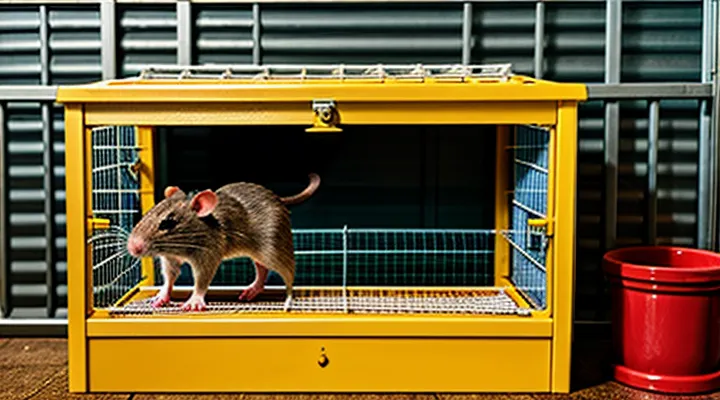
Why Temperature Matters for Rats
The Thermoregulatory System of Rats
How Rats Regulate Body Heat
Rats maintain core temperature through coordinated behavioral and physiological responses that directly influence the thermal conditions of their housing. When ambient temperature deviates from the recommended range, rats adjust activity, posture, and microenvironment to preserve homeostasis.
- Behavioral adjustments: moving to warmer or cooler zones, huddling, and altering nest material.
- Peripheral vasomotion: dilation of cutaneous vessels to dissipate heat; constriction to retain warmth.
- Non‑shivering thermogenesis: activation of brown adipose tissue increases metabolic heat production.
- Shivering: rapid muscle contractions generate additional heat during acute cold exposure.
Effective cage management relies on monitoring these mechanisms, ensuring that temperature fluctuations remain within limits that allow rats to employ their innate regulatory strategies without excessive stress.
Signs of Discomfort from Temperature Extremes
Temperature fluctuations outside the optimal range for laboratory rats produce observable physiological and behavioral responses. Elevated ambient heat stresses thermoregulatory mechanisms, while excessive cold challenges metabolic heat production. Both conditions compromise animal welfare and experimental reliability.
Typical indicators of thermal distress include:
- Rapid, shallow breathing or panting
- Excessive grooming or self‑scratching, especially of the ventral surface
- Hunched posture, reduced locomotion, or reluctance to explore
- Wet or damp fur resulting from sweating or condensation
- Elevated core body temperature measured via rectal probe (> 39 °C) in hot environments
- Decreased body temperature (< 36 °C) detected by infrared thermography in cold settings
- Abnormal feeding patterns, such as reduced intake in heat or increased consumption in cold
- Vocalizations or agitation when handling
Persistent presentation of these signs warrants immediate adjustment of cage climate to maintain a stable, species‑appropriate temperature range. Continuous monitoring of environmental parameters and animal behavior ensures early detection of thermal discomfort.
Identifying the Ideal Temperature Range
The Optimal Temperature Zone
Minimum Tolerable Temperature
Rats begin to experience cold‑induced stress when ambient temperature falls below their physiological lower limit. This limit is defined as the temperature at which core body temperature can be maintained without increased metabolic heat production.
Below approximately 10 °C (50 °F), rats exhibit shivering thermogenesis, elevated cortisol levels, and reduced locomotor activity. Prolonged exposure to such conditions leads to impaired immune function, slower wound healing, and higher mortality rates.
Laboratory guidelines commonly set the minimum acceptable cage temperature at 18 °C (64 °F). Values between 18 °C and 20 °C (64 °F–68 °F) provide a safety margin that accommodates variations in strain, age, and body mass.
Practical steps to keep temperature above the tolerance threshold:
- Install calibrated thermostats on heating devices.
- Use insulated cage racks or enclosures.
- Monitor ambient temperature with continuous data loggers.
- Adjust ventilation rates to prevent drafts.
- Conduct weekly checks of heating equipment performance.
Maximum Tolerable Temperature
Rats can sustain ambient temperatures only up to a limited point before physiological stress compromises health and experimental reliability. The upper limit for a tolerable cage environment is generally accepted as 30 °C (86 °F); temperatures above this level increase core body temperature, accelerate metabolic rate, and predispose animals to dehydration and heat‑induced organ dysfunction.
- Critical temperature range: 30 °C–32 °C marks the onset of observable distress; sustained exposure above 32 °C leads to rapid mortality.
- Behavioral indicators: panting, reduced activity, seeking cooler surfaces, and increased water consumption.
- Physiological signs: elevated heart rate, hyperthermia (>39 °C core), altered blood chemistry (elevated plasma sodium, reduced hematocrit).
Maintaining cage conditions below the 30 °C threshold requires active climate control. Recommended actions include:
- Installing calibrated thermostats with alarm functions for temperatures exceeding 28 °C.
- Providing adequate ventilation to dissipate heat generated by equipment and animal metabolism.
- Monitoring relative humidity, keeping it between 30 % and 70 % to prevent evaporative cooling deficits.
- Supplying supplemental cooling devices (e.g., chilled water bottles, ice packs) during seasonal peaks, ensuring they do not introduce drafts that could lower temperature below the lower comfort limit of 20 °C.
Compliance with recognized laboratory animal guidelines (e.g., the Guide for the Care and Use of Laboratory Animals, AAALAC standards) mandates regular temperature audits and immediate corrective measures when maximum tolerable limits are approached. Failure to adhere increases the risk of experimental variability and ethical violations.
Factors Influencing Ideal Temperature
Rat Age and Health Status
Rats of different developmental stages and physiological conditions require distinct thermal environments to maintain homeostasis. Neonates lack fully developed thermoregulatory mechanisms, making them susceptible to hypothermia at temperatures tolerated by mature animals. Adult rats with robust metabolism tolerate a broader range but still experience stress outside optimal limits. Animals recovering from illness or with compromised immune function exhibit reduced tolerance to temperature fluctuations and benefit from a more narrowly controlled ambient range.
- Neonatal (0–2 weeks): 28–30 °C (82–86 °F) – prevents heat loss, supports growth.
- Juvenile (3–6 weeks): 26–28 °C (79–82 °F) – balances metabolic demand and comfort.
- Adult (≥7 weeks), healthy: 24–26 °C (75–79 °F) – aligns with standard laboratory recommendations.
- Ill or immunocompromised: 22–24 °C (72–75 °F) – minimizes metabolic strain while avoiding excessive warmth that could exacerbate infection.
Adjusting cage temperature according to age and health status reduces physiological stress, improves experimental consistency, and promotes animal welfare. Continuous monitoring with calibrated thermometers ensures conditions remain within the specified intervals.
Humidity Levels
Maintaining appropriate humidity is essential for the health and comfort of laboratory rats kept under controlled temperature conditions. Relative humidity that deviates markedly from the recommended range can compromise respiratory function, skin integrity, and thermoregulation, thereby influencing experimental outcomes.
The optimal relative humidity for rat enclosures typically lies between 30 % and 60 % at the target temperature range of 20 °C–24 °C (68 °F–75 °F). Values below 30 % increase evaporative water loss and may cause nasal irritation; values above 60 % promote microbial growth and exacerbate heat stress.
Practical measures for achieving stable humidity:
- Install calibrated hygrometers with data‑logging capability.
- Use sealed cages equipped with breathable filter tops to limit external moisture exchange.
- Employ dehumidifiers or humidifiers calibrated to maintain the target range, adjusting output based on daily readings.
- Conduct weekly validation of sensor accuracy against a reference instrument.
- Replace bedding and water bottles regularly to prevent excess moisture accumulation.
Monitoring and adjusting humidity in conjunction with temperature control ensures a consistent microenvironment, reduces variability in physiological parameters, and supports reproducible research results.
Cage Location and Ventilation
Maintaining the desired temperature range for laboratory rats depends heavily on where the cage is placed and how air moves around it. Position the cage away from direct sunlight, heating vents, and drafts created by doors or windows. A stable environment reduces fluctuations caused by external heat sources or cold influxes.
Effective ventilation supplies fresh air while preventing rapid temperature loss. Use a cage design that incorporates adjustable airflow vents; set the flow to achieve a gentle exchange without creating turbulence that could cool the cage interior. Verify that the ventilation system delivers a consistent air exchange rate, typically 10–15 air changes per hour for small animal housing.
Key considerations for cage location and ventilation:
- Distance from radiant heat sources (e.g., lamps, equipment) – at least 30 cm.
- Separation from cold drafts – maintain a buffer zone of 45 cm on all sides.
- Placement on a level surface to avoid uneven heat distribution.
- Adjustable vent openings calibrated to maintain the target temperature range (20–24 °C for rats).
- Regular monitoring of ambient room temperature and humidity; adjust vent settings accordingly.
Periodic inspection of vent filters and seals prevents airflow obstruction and ensures the thermal environment remains within the specified limits. Aligning cage placement with these guidelines sustains the temperature range essential for rat health and experimental reliability.
Maintaining the Ideal Temperature
Heating Solutions for Cold Environments
Safe Heat Sources
Maintaining a stable temperature range in a rat housing environment is essential for physiological stability and experimental reproducibility. Heat sources must deliver consistent warmth without posing fire, electrical, or chemical hazards.
- Thermostatically controlled heating pads: Low‑profile silicone pads with built‑in temperature regulation; compatible with cage bedding when covered by a protective barrier.
- Infrared ceramic heaters: Fixed‑mount units that emit radiant heat; equipped with over‑temperature shutoff and insulated housing to prevent direct contact.
- Water‑filled heating bottles: Glass or acrylic containers filled with warm water; provide gradual heat release and are easy to sterilize.
- Heat‑maintaining nesting material: Commercially produced, non‑flammable polymer fibers that retain warmth after brief pre‑heating; do not require external power.
- Electric heating plates with safety grilles: Flat plates fitted with metal grilles to prevent rodents from chewing wires; include automatic temperature monitoring.
Installation guidelines:
- Position heat sources to create an even thermal gradient, avoiding direct exposure to the cage floor.
- Verify temperature with calibrated thermometers at multiple cage points before introducing animals.
- Conduct daily visual inspections for signs of wear, damage, or overheating.
- Integrate a fail‑safe circuit that cuts power if temperature exceeds the predetermined limit.
Adhering to these practices ensures that heat delivery remains reliable, minimizes risk to the animals, and complies with laboratory animal welfare standards.
Placement of Heating Elements
Effective thermal regulation in rodent housing depends on strategic positioning of heat sources. Uniform temperature distribution prevents cold spots that can compromise animal welfare and experimental consistency.
Placement guidelines:
- Mount heating pads beneath the cage floor, leaving a 2‑3 cm clearance to avoid direct contact with bedding. This creates upward convection while protecting bedding integrity.
- Align heat strips along the rear wall, parallel to the cage’s long axis. The wall acts as a thermal sink, distributing heat evenly across the enclosure.
- Avoid placing elements near ventilation openings or mesh panels, where drafts can dissipate heat rapidly.
- Use multiple low‑intensity emitters rather than a single high‑output unit. This reduces temperature gradients and minimizes localized overheating.
- Secure devices with non‑reactive brackets to prevent movement that could create uneven heating zones.
Monitoring recommendations:
- Install calibrated temperature probes at three points: center, rear corner, and front edge. Record readings at 5‑minute intervals for the first hour after activation, then hourly.
- Adjust emitter power settings until the recorded range stays within ±0.5 °C of the target thermal setpoint.
By adhering to these placement principles, the heat source maintains a stable microenvironment, supporting physiological stability and reliable data collection.
Cooling Strategies for Hot Environments
Ventilation and Air Circulation
Ventilation determines how effectively heat generated by rodents and equipment is removed from the enclosure. Continuous air exchange prevents temperature spikes caused by localized heating and distributes warm air evenly throughout the cage. Proper airflow also lowers humidity, which reduces the risk of condensation that can raise ambient temperature and impair thermal regulation.
Key factors for achieving stable thermal conditions through ventilation:
- Air exchange rate: Minimum 10 – 15 air changes per hour; higher rates are required in densely populated cages or when supplemental heating is used.
- Supply and exhaust placement: Position intake vents near the cage’s lower side and exhaust vents near the top to promote natural convection and avoid dead zones.
- Filtration: Use HEPA or fine‑mesh filters to maintain air quality without restricting flow, ensuring that temperature control is not compromised by clogged media.
- Fan selection: Choose low‑noise, variable‑speed fans that can be calibrated to maintain the desired temperature range while minimizing drafts that could cause stress.
Monitoring systems should record temperature, relative humidity, and airflow velocity at multiple points within the cage. Data integration with a temperature controller allows automatic adjustment of fan speed to keep the environment within the target range (typically 20 °C ± 2 °C for laboratory rats). Regular inspection of vent openings and filter integrity prevents performance degradation that could lead to temperature drift.
Designing the cage with smooth interior surfaces reduces turbulence, facilitating uniform heat distribution. Incorporating baffles or diffusers can break up high‑velocity streams, preventing localized cooling or heating that would otherwise disturb the overall temperature balance.
In summary, effective ventilation and well‑planned air circulation are essential components of thermal management in a rat housing system. By controlling exchange rates, placement, filtration, and monitoring, the enclosure maintains a consistent temperature conducive to animal health and experimental reliability.
Providing Cooling Options
Maintaining a stable thermal environment prevents heat‑induced stress and supports normal physiological functions in laboratory rats. When ambient temperatures rise above the optimal range, active cooling becomes necessary to preserve animal welfare and experimental integrity.
- Air‑flow enhancement: Install low‑velocity fans to circulate cage air without creating drafts. Position fans to promote uniform temperature distribution.
- Cold‑plate inserts: Place gel‑filled or refrigerated plates beneath bedding. Replace or re‑freeze plates every 12 hours to sustain a consistent cooling effect.
- Room‑level climate control: Set HVAC systems to maintain ambient temperature 2–3 °C below the upper limit of the preferred range. Use programmable thermostats for precise adjustments.
- Evaporative cooling pads: Incorporate moisture‑saturated pads behind cage walls. Monitor humidity to avoid excessive moisture buildup.
Implementing cooling measures requires regular verification. Use calibrated thermometers or infrared sensors to record cage temperature at multiple points. Document readings at least twice daily and adjust cooling devices promptly when values exceed target thresholds. Ensure that all equipment is cleaned and disinfected according to institutional biosafety protocols to prevent contamination.
Selecting appropriate cooling strategies depends on cage design, research protocol, and facility resources. Combining air‑flow enhancement with localized cold plates provides rapid temperature reduction while minimizing disturbance to the animals. Continuous monitoring and documentation guarantee that the thermal environment remains within the desired parameters throughout the study.
Preventing Overheating
Overheating jeopardizes rodent physiology, leading to stress, dehydration, and mortality; therefore, maintaining a stable thermal environment is mandatory.
Heat sources include ambient room temperature spikes, direct sunlight through cage walls, malfunctioning heating devices, and elevated humidity that reduces evaporative cooling.
- Position cages away from windows, radiators, and direct light.
- Use cages constructed of breathable material; avoid solid plastic that traps heat.
- Install adjustable ventilation fans or passive airflow grates.
- Keep room temperature within the recommended range of 20 °C ± 2 °C.
- Monitor relative humidity; maintain levels below 60 % to enhance heat dissipation.
- Employ insulated covers only during low‑temperature periods; remove them when ambient heat rises.
- Provide shaded hideouts and water bottles with chilled water to encourage evaporative cooling.
Regular temperature checks are required. Place calibrated digital thermometers at cage floor level and at the top of the enclosure; record readings at least twice daily. Integrate data loggers for continuous monitoring and set alarms for deviations beyond ±1 °C.
If temperatures exceed the safe limit, initiate immediate cooling actions: increase fan speed, open external vents, relocate cages to a cooler area, and supply ice‑cooled water. Document the incident and investigate the cause to prevent recurrence.
Monitoring and Adjusting Cage Temperature
Tools for Temperature Monitoring
Thermometers and Hygrometers
Accurate monitoring of ambient conditions is essential for maintaining a healthy environment for laboratory rats. Temperature and humidity sensors provide the data needed to keep the cage environment within the desired range for rodent welfare and experimental consistency.
Thermometers suitable for rodent housing include:
- Digital probe units with stainless‑steel sensors, resistant to cleaning agents and capable of continuous readout.
- Infrared handheld devices for quick spot checks, calibrated against a reference standard before each use.
- Integrated system modules that log temperature to a central database, allowing trend analysis and alarm configuration.
Placement of the sensor should be at cage level, away from direct airflow or heat sources, and secured to prevent interference by the animals. Calibration checks are recommended weekly using a certified reference thermometer.
Hygrometers complement temperature monitoring by measuring relative humidity, which influences respiratory health and skin integrity. Preferred hygrometer types are:
- Capacitive electronic sensors with built‑in temperature compensation, offering accuracy of ±2 % RH.
- Dual‑parameter devices that combine temperature and humidity readings in a single probe, simplifying data collection.
- Data‑logging models that store measurements at programmable intervals and provide downloadable files for analysis.
For reliable operation, hygrometers must be positioned similarly to thermometers, protected from condensation on the sensor surface, and validated against a calibrated humidity standard at least monthly. Integration of temperature and humidity data into a unified monitoring system enables automated control of heating, ventilation, and humidification equipment, ensuring the cage environment remains within the optimal parameters for rat research.
Data Loggers
Data loggers provide continuous, high‑resolution temperature records essential for maintaining the desired thermal environment in rodent housing. By capturing temperature at defined intervals, they enable researchers to verify that cage conditions remain within the target range throughout the experimental period.
Key specifications include:
- Accuracy of ±0.1 °C or better across the relevant range (15 °C–30 °C).
- Measurement resolution of 0.01 °C to detect subtle fluctuations.
- Sampling intervals configurable from 1 second to 1 hour, supporting both rapid response and long‑term trend analysis.
- Battery life exceeding 12 months, ensuring uninterrupted operation in typical cage setups.
Effective deployment requires strategic placement of the sensor within the cage, avoiding direct contact with bedding or heat sources that could skew readings. Calibration against a traceable reference thermometer before installation guarantees measurement fidelity. Data retrieval can be automated via USB, Bluetooth, or wireless network interfaces, allowing integration with laboratory information management systems.
Analysis of logged data supports the identification of temperature excursions, generation of alerts when values breach preset limits, and statistical assessment of environmental stability. Consistent use of calibrated data loggers thus safeguards animal welfare and experimental reproducibility by providing objective, auditable temperature documentation.
Recognizing Temperature-Related Stress
Behavioral Indicators
Optimal thermal conditions for laboratory rats are reflected in consistent, species‑typical behavior. When ambient temperature aligns with physiological needs, rats exhibit normal activity patterns, grooming, and social interaction without signs of stress.
- Sustained locomotion across the cage floor and climbing structures
- Regular self‑grooming bouts of appropriate duration
- Balanced social play and hierarchy establishment
- Normal feeding and drinking intervals without excessive consumption
- Absence of repetitive stereotypies such as bar‑biting, circling, or excessive pacing
Deviations from these patterns signal temperature mismatch. Reduced movement, huddling, or prolonged nesting indicate that the environment is too cold, while increased panting, rapid respiration, and avoidance of warm zones suggest overheating.
Continuous observation should combine direct video monitoring with periodic scoring of the listed behaviors. Data logged at 15‑minute intervals allow detection of trends and prompt adjustment of heating or cooling devices. Integration of behavioral metrics with ambient temperature loggers ensures that thermal settings remain within the range that supports physiological homeostasis and experimental reliability.
Physical Symptoms
Rats display clear physical signs when cage temperature strays from the optimal range, allowing caretakers to assess thermal comfort promptly.
- Shivering or tremors indicate heat loss and activation of thermogenic mechanisms.
- Rapid, shallow breathing or audible panting signals overheating and attempts to dissipate excess heat.
- Lethargy, reduced locomotion, and prolonged resting periods reflect energy conservation under cold stress.
- Fluffed or ruffled fur, especially around the neck and back, shows an effort to trap insulating air in low temperatures.
- Wet or sticky paws and tail, sometimes accompanied by discoloration, reveal vasodilation and sweating responses to high heat.
- Elevated heart rate detectable by pulse or auscultation accompanies both hypothermic and hyperthermic states, reflecting cardiovascular strain.
Persistent occurrence of these symptoms can lead to impaired immune function, reduced growth rates, and increased mortality. Monitoring and adjusting environmental controls to maintain the recommended thermal window mitigates these risks and supports overall laboratory animal welfare.
Troubleshooting Temperature Fluctuations
Maintaining a stable temperature within a rat housing environment is essential for animal welfare and experimental reliability. Sudden shifts above or below the target range can induce stress, alter metabolic rates, and compromise data integrity.
Typical sources of temperature instability include:
- Faulty heating, ventilation, and air‑conditioning (HVAC) components
- Placement of cages near doors, windows, or air vents that generate drafts
- Frequent opening of cage racks, which introduces ambient air
- Heat generated by lighting or other equipment placed too close to the cages
- Inaccurate or uncalibrated temperature sensors
Effective troubleshooting follows a systematic approach:
- Verify the actual temperature inside the cage using a calibrated probe. Record readings at multiple points throughout the day.
- Compare sensor output with HVAC set points. Adjust thermostat or replace malfunctioning units if discrepancies exceed ±1 °C.
- Relocate cages away from direct airflow or heat sources. Ensure racks are positioned centrally within the room to minimize external influences.
- Inspect seals around doors and windows. Apply weather stripping or draft blockers where gaps are detected.
- Reduce unnecessary cage opening time. Implement a schedule that limits exposure to ambient conditions.
- Calibrate or replace temperature sensors annually. Document calibration dates and results.
- Install an independent temperature logger for continuous monitoring. Set alerts for deviations beyond the acceptable range (typically 20 °C ± 2 °C for most rat strains).
After corrective actions, repeat temperature measurements to confirm stability. Log all observations, adjustments, and maintenance activities in a dedicated record. Consistent documentation supports traceability and facilitates rapid response to future fluctuations.