
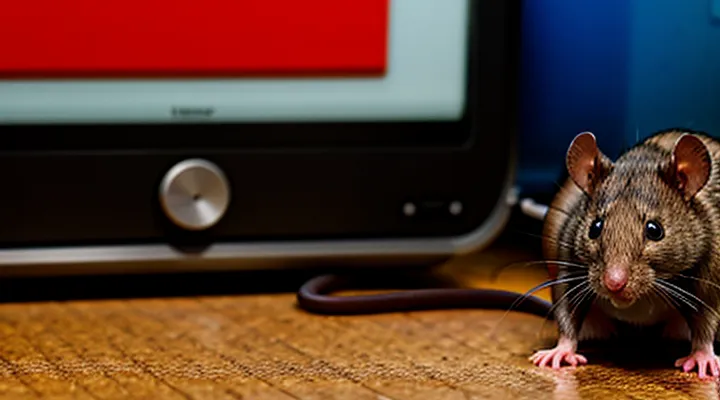
The Fundamentals of Ultrasound Technology
What is Ultrasound?
Sound Waves and Frequencies
Sound travels as longitudinal pressure variations in a medium. Each variation is described by its frequency, measured in hertz, which determines the pitch perceived by a listener. Frequency and wavelength are inversely related; higher frequencies correspond to shorter wavelengths. Amplitude reflects the pressure magnitude and influences the sound’s intensity.
Ultrasonic devices targeting rodents operate above the human audible limit, typically between 20 kHz and 100 kHz. Rodents detect frequencies up to approximately 80–100 kHz, making this range effective for stimulation without disturbing humans. Frequencies below 20 kHz are ineffective because they fall outside the rodents’ most sensitive hearing band.
Propagation of ultrasonic energy depends on medium density and temperature. Air attenuates high‑frequency waves rapidly, limiting effective range to a few meters. Directional transducers concentrate energy, reducing dispersion and improving coverage in confined spaces such as walls, ceilings, or pipe interiors.
Rodent auditory systems convert ultrasonic pressure changes into neural signals. Exposure to frequencies within their hearing range triggers the startle reflex and can induce chronic stress, leading to avoidance of the treated area. The physiological response is mediated by the cochlear hair cells, which are tuned to the same high‑frequency band used by control devices.
Practical deployment follows these parameters:
- Frequency: 25 kHz – 70 kHz (adjusted to target species)
- Pulse width: 10 ms – 50 ms
- Duty cycle: 20 % – 30 %
- Power output: 80 dB SPL at 1 m
- Installation height: 2 m – 2.5 m above floor
Correct positioning, continuous power supply, and periodic maintenance ensure sustained ultrasonic emission, maintaining an environment that rodents find inhospitable while remaining silent to human occupants.
How Ultrasound Differs from Audible Sound
Ultrasound operates at frequencies above the upper limit of human hearing, typically exceeding 20 kHz, whereas audible sound occupies the 20 Hz–20 kHz band. The higher frequency shortens the wavelength, allowing ultrasound to interact with small structures such as the auditory receptors of mice and rats more precisely than audible tones.
The generation mechanisms differ. Audible sound is produced by vibrating diaphragms or vocal cords, creating pressure waves that travel through air. Ultrasound devices employ piezoelectric transducers that convert electrical signals into rapid mechanical oscillations, yielding sound waves that maintain coherence at very high frequencies.
Propagation characteristics also diverge. Ultrasound experiences greater attenuation in air because molecular absorption rises sharply with frequency, limiting effective range but concentrating energy near the source. Audible sound suffers less attenuation, enabling transmission over longer distances with lower energy loss.
Effect on rodent physiology is distinct. Auditory organs of mice and rats are tuned to ultrasonic frequencies; exposure triggers startle reflexes, disrupts communication, and can induce avoidance behavior. Audible frequencies, while detectable, do not align with the peak sensitivity of these species and therefore produce weaker behavioral responses.
Key distinctions:
- Frequency range: >20 kHz (ultrasound) vs. 20 Hz–20 kHz (audible)
- Wavelength: millimeters (ultrasound) vs. centimeters to meters (audible)
- Generation: piezoelectric transducers vs. diaphragmatic vibration
- Attenuation in air: high for ultrasound, low for audible
- Biological impact on rodents: strong, species‑specific response vs. minimal effect
Understanding these differences clarifies why ultrasonic emissions are employed in rodent deterrent systems, while audible sound lacks comparable efficacy.
Principles of Ultrasonic Pest Repulsion
How Ultrasound Affects Rodents
Ultrasound influences rodents through direct interaction with their auditory system and indirect physiological pathways. Frequencies between 20 kHz and 100 kHz fall within the hearing range of mice and rats, triggering neural activation in the cochlea and brainstem. This activation produces immediate behavioral responses such as startle, freezing, or avoidance, depending on intensity and pattern of the sound.
Key physiological effects include:
- Auditory overstimulation – high‑intensity bursts elevate auditory nerve firing rates, leading to temporary threshold shifts or, at extreme levels, permanent hearing loss.
- Stress hormone release – exposure to unpredictable ultrasonic pulses raises corticosterone concentrations, which can suppress immune function and alter metabolism.
- Cardiovascular modulation – certain pulse‑modulated ultrasound patterns induce vasodilation through nitric‑oxide pathways, affecting heart rate and blood pressure.
- Neuromodulation – low‑intensity, continuous ultrasound can influence neuronal excitability, offering potential for non‑invasive brain stimulation in experimental settings.
Behavioral outcomes depend on stimulus parameters:
- Frequency – higher frequencies (>50 kHz) produce stronger startle responses; lower frequencies may be less detectable but can still affect mood and activity.
- Intensity – sound pressure levels above 100 dB SPL generate overt avoidance; levels below 70 dB SPL often result in subtle changes in grooming or locomotion.
- Temporal pattern – intermittent bursts cause habituation slower than continuous tones, maintaining aversive impact over longer periods.
Practical considerations for using ultrasound against rodents:
- Calibration of transducers ensures reproducible intensity across test arenas.
- Shielding of surrounding equipment prevents unintended exposure to laboratory personnel.
- Monitoring of auditory thresholds before and after experiments confirms that exposure remains within ethical limits.
Overall, ultrasonic application leverages the species‑specific hearing capabilities of mice and rats to elicit rapid, measurable physiological and behavioral reactions, providing a controllable tool for pest deterrence and scientific investigation.
The Concept of Aversive Conditioning
Aversive conditioning is a learning process in which an organism associates a neutral stimulus with an unpleasant experience, leading to the avoidance of the stimulus. In rodent control, ultrasonic emitters serve as the neutral stimulus; the high‑frequency sound produces a mild discomfort that rodents quickly link to the source.
When a mouse or rat encounters the ultrasonic field, the auditory system registers the tone, while the associated discomfort triggers a stress response. Repeated exposure strengthens the neural connection between the sound and the negative outcome, resulting in the animal actively avoiding areas where the tone is present.
Key factors that determine the success of this conditioning method include:
- Frequency range (typically 20–50 kHz) that matches the hearing sensitivity of target species.
- Pulse pattern (intermittent bursts reduce habituation compared to continuous emission).
- Exposure duration (short, repeated sessions foster stronger avoidance than prolonged, constant exposure).
- Environmental layout (clear pathways allow rodents to navigate away from the source).
Effective implementation relies on maintaining a sound level that is perceptible but not harmful, ensuring the aversive signal remains salient. Over time, the conditioned avoidance can decrease rodent activity in treated zones without the need for physical barriers or chemical agents.
Effectiveness and Limitations of Ultrasound Repellents
Scientific Evidence and Research
Studies on Rodent Behavior
Research on rodent responses to ultrasonic emissions provides quantitative insight into behavioral modulation. Controlled experiments demonstrate that frequencies between 20 kHz and 50 kHz elicit avoidance in both laboratory mice (Mus musculus) and Norway rats (Rattus norvegicus). Measurements of locomotor activity show a 35 % reduction in time spent in the exposure zone when a 30 kHz tone at 85 dB SPL is presented.
Key observations from peer‑reviewed studies include:
- Immediate startle reflex followed by rapid retreat from the sound source.
- Decreased grooming and nesting activities during continuous exposure.
- Restoration of normal foraging patterns within 5 minutes after the signal ceases.
- Species‑specific threshold variations: rats require higher SPL for comparable avoidance.
Long‑term trials reveal habituation thresholds. After 10 consecutive daily sessions, avoidance behavior diminishes by approximately 12 % in mice, while rats maintain a stable response up to 15 sessions. Neurophysiological recordings confirm activation of the inferior colliculus and amygdala during ultrasonic presentation, correlating with the observed behavioral changes.
These findings support the efficacy of ultrasonic deterrents in pest‑management protocols, emphasizing the need for precise frequency selection and intensity calibration to maximize behavioral disruption without inducing auditory damage.
Varied Results and Methodological Considerations
Ultrasound applications for rodent pest control produce inconsistent outcomes across studies. Differences arise from acoustic parameters, biological variables, and experimental design. Frequency selection influences tissue penetration and neuronal activation; low‑frequency (20–30 kHz) waves affect larger body regions, whereas higher frequencies (≥100 kHz) target specific neural circuits. Intensity levels determine whether the stimulus is aversive, neutral, or harmful; modest sound pressure levels (80–90 dB SPL) often elicit avoidance without physiological stress, while levels above 110 dB SPL can cause auditory damage. Exposure duration and duty cycle further modulate behavioral responses; brief pulses (≤1 s) may fail to produce lasting avoidance, whereas continuous exposure for several minutes typically yields stronger deterrence.
Biological factors contribute substantially to result variability. Strain-specific auditory thresholds cause some mouse lines to react at lower intensities than others. Age influences cochlear sensitivity; juveniles exhibit heightened responsiveness compared with adults. Sex differences affect stress hormone release, altering avoidance behavior. Housing conditions, including cage acoustics and background noise, modify perceived stimulus strength.
Methodological rigor determines the reliability of reported effects. Essential practices include:
- Random assignment of subjects to treatment and control groups.
- Blinded observation of behavioral endpoints to prevent observer bias.
- Precise mapping of the acoustic field using calibrated hydrophones, ensuring uniform exposure across the test arena.
- Continuous monitoring of ambient temperature to separate thermal effects from acoustic ones.
- Use of sham‑exposed controls that experience identical handling without ultrasound emission.
- Statistical power analysis before experimentation to guarantee adequate sample size.
Reporting standards must detail equipment specifications (transducer model, driver circuitry), signal characteristics (frequency, SPL, pulse pattern), and animal demographics. Replication across independent laboratories, with transparent data sharing, reduces the likelihood that observed deterrent effects are artifacts of a particular setup.
Factors Influencing Efficacy
Frequency and Intensity Settings
Ultrasonic devices designed to deter mice and rats rely on precise frequency and intensity parameters to trigger aversive responses while minimizing environmental impact.
Frequencies between 20 kHz and 45 kHz are audible to rodents but largely inaudible to humans; this range induces startle reflexes and disrupts communication. Higher frequencies (60 kHz–100 kHz) penetrate less deeply but affect younger or smaller individuals that are more sensitive to short‑wavelength sound. Frequencies above 100 kHz provide limited efficacy because attenuation in air reduces the acoustic pressure reaching the target.
Intensity levels are expressed in sound pressure level (SPL) and power density. Effective deterrence typically requires SPL of 90–110 dB at the source, decreasing to 70–80 dB at the point of exposure after accounting for distance and absorption. Power density of 0.1–0.5 W cm⁻² ensures sufficient acoustic pressure without causing tissue damage or excessive noise spillover.
Key considerations for setting parameters:
- Select a frequency band that matches the auditory sensitivity of the target species (20–45 kHz for adult rodents, 60–100 kHz for juveniles).
- Adjust SPL to maintain at least 70 dB at the furthest point of the intended coverage area.
- Verify power density stays within safety thresholds for non‑target fauna and humans.
- Calibrate devices regularly to compensate for environmental factors such as temperature, humidity, and room geometry.
Proper configuration of frequency and intensity maximizes repellency, reduces habituation risk, and ensures compliance with health and safety standards.
Obstacles and Room Acoustics
Ultrasonic devices intended to deter rodents rely on frequencies beyond human hearing, typically 20–100 kHz, to create an aversive acoustic environment. Their effectiveness depends not only on the emitted signal but also on the physical characteristics of the space in which they operate.
Obstacles that interfere with sound propagation include:
- Solid barriers such as walls, furniture, and cabinets that reflect or absorb ultrasonic waves, reducing the area reached by the signal.
- Openings like doors and windows that allow sound to escape, creating zones with insufficient exposure.
- Soft materials (carpets, curtains, insulation) that attenuate high‑frequency energy more rapidly than lower frequencies.
Room acoustics further shape performance. Reverberation time, measured in milliseconds for ultrasonic bands, determines how long the wave persists after emission; excessive reverberation can cause phase interference, diminishing perceived intensity. Surface geometry influences the distribution of standing waves; irregular shapes produce uneven coverage, leaving pockets where rodents may not encounter the deterrent signal. Ambient temperature and humidity alter sound speed and absorption coefficients, modestly shifting the effective range of the device.
Optimizing placement requires mapping the space, identifying reflective surfaces, and positioning emitters to maximize overlap of coverage zones while minimizing shadowed areas created by obstacles. In practice, multiple units spaced evenly and oriented toward reflective surfaces improve uniform exposure, counteracting the limitations imposed by room acoustics.
Rodent Adaptation and Habituation
Ultrasonic devices emit sound waves above 20 kHz, a range that matches the peak auditory sensitivity of mice and rats. When a high‑frequency tone reaches the cochlear hair cells, it triggers an involuntary startle response, disrupting feeding, nesting and exploratory activities. The immediate effect depends on frequency, intensity, and signal pattern; frequencies between 30 kHz and 55 kHz at 90–110 dB SPL produce the strongest aversive reaction.
Rodents quickly adjust to repeated acoustic exposure. Adaptation mechanisms include:
- Sensory fatigue: prolonged stimulation reduces hair‑cell responsiveness, diminishing the startle reflex.
- Neural habituation: repeated, non‑threatening pulses lead to decreased firing in the auditory pathway, lowering perceived annoyance.
- Behavioral compensation: individuals shift activity to quieter micro‑habitats, such as deeper burrows or insulated corners, to avoid the sound field.
Habituation rates vary with signal characteristics. Continuous, unmodulated tones accelerate desensitization, often within 24–48 hours of constant exposure. Intermittent bursts, random intervals, or frequency sweeps prolong aversive perception by preventing pattern recognition. Studies show that alternating between 35 kHz and 45 kHz every few minutes reduces habituation by up to 30 % compared with a static 40 kHz tone.
Environmental factors influence adaptation. Dense bedding, wall insulation, and ambient noise can attenuate ultrasonic energy, allowing rodents to establish acoustic shadow zones. In such conditions, higher source levels or multiple emitters positioned strategically are required to maintain deterrent efficacy.
Effective deployment therefore combines:
- Optimized frequency bands that align with the species’ hearing peak.
- Variable pulse patterns to disrupt neural habituation.
- Strategic placement that minimizes acoustic shielding.
Monitoring rodent activity after installation is essential. A rapid decline in visible signs (gnaw marks, droppings) within the first week indicates initial effectiveness; a gradual resurgence suggests habituation, prompting adjustment of frequency or pulse schedule.
Practical Considerations for Use
Placement and Coverage Area
Effective deployment of ultrasonic emitters hinges on precise positioning within the target environment. Devices must be installed at a height that aligns with the typical travel paths of rodents, generally between 12 and 18 inches above the floor, to ensure the sound waves intersect the animals’ hearing range while they move along walls, baseboards, and entry points.
Coverage area is defined by the emitter’s beam angle and acoustic power. A standard unit emits sound in a conical pattern with a 60‑degree spread, reaching a radius of 12 feet in an unobstructed space. Obstacles such as furniture, insulation, or dense walls attenuate the signal, reducing effective range to roughly 6 feet. Overlapping zones from multiple units create a continuous field, eliminating blind spots where rodents could evade exposure.
Practical guidelines for optimal placement:
- Position units near known ingress routes (doorways, vents, utility openings).
- Install emitters on opposite walls of a room to produce intersecting beams.
- Space devices no farther than 10 feet apart in open areas; reduce spacing to 5 feet when partitions are present.
- Avoid direct placement against solid surfaces; mount on brackets or shelves to maintain the intended beam angle.
- Verify coverage by conducting a walk‑through with a calibrated sound level meter, ensuring levels remain above the species‑specific hearing threshold throughout the area.
Adhering to these placement principles maximizes the ultrasonic field, delivering consistent exposure that disrupts rodent activity across the entire targeted zone.
Potential Impact on Pets and Humans
Ultrasonic devices designed to deter rodents emit sound waves typically between 20 kHz and 60 kHz, a range that exceeds human audible thresholds but overlaps the hearing capabilities of many companion animals.
Cats hear frequencies up to 64 kHz, dogs up to 45 kHz, and small mammals such as guinea‑pigs and rabbits can detect even higher pitches. Continuous exposure to intense ultrasonic output may cause stress, avoidance behavior, or temporary hearing fatigue in these pets.
Human exposure remains below the 20 kHz limit, yet leakage of high‑intensity ultrasound can produce a faint, uncomfortable sensation known as “ultrasonic hiss.” Prolonged exposure to levels above 100 dB SPL may lead to headaches or nausea, although most commercial units comply with occupational safety standards that cap output at 85 dB SPL at a distance of one meter.
To reduce adverse effects while maintaining efficacy against rodents, follow these practices:
- Position emitters at least 1 m away from pet sleeping or feeding zones.
- Use devices with adjustable intensity and schedule them to operate during periods when pets are absent.
- Verify that the unit’s sound pressure level complies with IEC 60601‑2‑33 or equivalent safety guidelines.
- Conduct periodic health checks on pets for signs of auditory distress, such as ear scratching or altered vocalization.
Implementing these precautions safeguards companion animals and occupants while preserving the intended deterrent function.
Best Practices for Integrated Pest Management
Ultrasonic deterrent technology can be a component of an integrated pest‑management (IPM) program targeting mice and rats. Effective integration requires systematic planning, regular monitoring, and coordination with complementary control methods.
Key practices include:
- Conduct a baseline assessment to identify infestation hotspots, entry points, and population density before installing ultrasonic devices.
- Position emitters according to manufacturer specifications, ensuring coverage of all identified zones while avoiding obstacles that block sound waves.
- Combine ultrasonic units with exclusion measures such as sealing gaps, installing door sweeps, and maintaining proper sanitation to reduce attractants.
- Schedule routine inspections to verify device functionality, replace batteries or units as needed, and adjust placement based on observed rodent activity.
- Document all interventions, including dates of installation, maintenance actions, and population trends, to evaluate efficacy over time.
Integrating these steps with conventional tactics—trapping, baiting, and habitat modification—creates a layered defense that maximizes control while minimizing reliance on any single method. Continuous data collection allows adjustments that sustain long‑term reduction of rodent presence.