
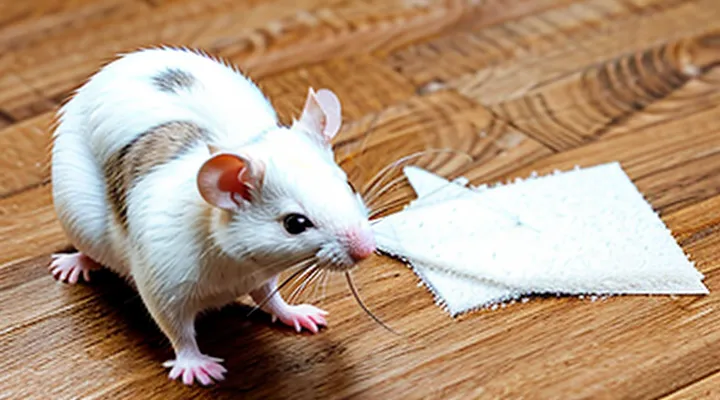
Understanding Mouse Glue Traps and Their Composition
Mouse glue traps consist of a flat surface coated with a high‑tack adhesive designed to immobilize rodents on contact. The adhesive layer is usually a polymer‑based formulation that remains sticky at room temperature and retains its grip even after exposure to dust or moisture.
Key components of the adhesive include:
- Polyacrylate or polyurethane polymers that provide the primary binding matrix.
- Tackifying resins such as rosin derivatives or hydrocarbon oils that increase stickiness.
- Plasticizers that keep the adhesive flexible and prevent cracking.
- Small amounts of solvents (often mineral spirits or alcohols) used during manufacturing to achieve the desired viscosity; these evaporate after the trap is dried.
The formulation may also contain preservatives to inhibit microbial growth and, in some products, fragrance or dye for visual identification. Toxicity levels are generally low, but direct skin contact can cause irritation, and inhalation of residual solvent vapors should be avoided.
Effective removal of the adhesive from flooring requires a solvent that can dissolve the polymer matrix without damaging the substrate. Recommended approaches are:
- Apply a small amount of mineral spirits or citrus‑based cleaner to the affected area, let it sit for a minute, then scrape the softened glue with a plastic scraper.
- Use a commercial adhesive remover formulated for polyacrylate residues, following the manufacturer’s safety instructions.
- After solvent treatment, clean the surface with warm, soapy water to eliminate any remaining residue and prevent slip hazards.
Safety precautions include wearing gloves, ensuring adequate ventilation when using solvents, and testing the cleaning agent on an inconspicuous spot to confirm compatibility with the floor material.
Gathering Your Tools and Materials
Essential Cleaning Agents
Oil-Based Solvents
Oil‑based solvents dissolve the polymer matrix of mouse‑trap adhesive, allowing the residue to be lifted without excessive scraping. Typical choices include mineral spirits, naphtha, and citrus‑based degreasers. Select a product with a low flash point and minimal odor when working in occupied spaces.
Application steps:
- Ventilate the area by opening windows and using a fan.
- Dampen a clean cloth with the solvent; avoid soaking the floor.
- Press the cloth onto the glue patch for 30–60 seconds to soften the bond.
- Gently scrape the loosened adhesive with a plastic scraper or a soft‑bristle brush.
- Wipe the area with a fresh, solvent‑dampened cloth until no tack remains.
- Rinse the spot with warm, soapy water to remove solvent traces, then dry with a lint‑free towel.
Safety measures:
- Wear chemical‑resistant gloves and safety goggles.
- Keep ignition sources away; many oil‑based solvents are flammable.
- Test the solvent on an inconspicuous patch to confirm compatibility with the floor finish.
After cleaning, dispose of used rags in a sealed container according to local hazardous‑waste regulations. For floors sensitive to solvents, consider a water‑based adhesive remover as a less aggressive alternative.
Alcohol-Based Solvents
Alcohol‑based solvents are effective for dissolving the adhesive left by mouse traps on hard‑floor surfaces. Choose a product with a high concentration of isopropyl alcohol (70 % or greater) or a denatured ethanol solution. These agents break down the polymer matrix of the glue, allowing it to be lifted without excessive scrubbing.
Apply the solvent to a clean microfiber cloth rather than directly onto the floor. Press the cloth onto the sticky area for 30–60 seconds; the solvent penetrates the residue and softens it. After the waiting period, wipe the spot with a firm, linear motion. If a trace of adhesive remains, repeat the application once more.
When the glue is removed, rinse the treated zone with warm water and a mild floor cleaner to eliminate any alcohol traces. Dry the surface with a lint‑free towel to prevent streaks.
Safety considerations:
- Work in a well‑ventilated area to disperse vapors.
- Wear nitrile gloves to protect skin from drying effects.
- Keep solvents away from open flames; alcohol vapors are flammable.
- Store any leftover solvent in a sealed container, labeled, and out of reach of children or pets.
Disposal guidelines:
- Allow used cloths to air‑dry completely before discarding.
- Follow local regulations for hazardous household waste; many jurisdictions accept small quantities of alcohol‑based solvents in regular trash once fully evaporated.
Using these steps, alcohol‑based solvents provide a rapid, low‑abrasion method for clearing mouse‑trap glue from flooring without damaging the substrate.
Household Products
Adhesive residue left by mouse traps can be removed with common household items without damaging most floor surfaces.
Warm water mixed with a few drops of dish soap softens the glue. Apply the solution with a soft cloth, let it sit for 30 seconds, then rub gently until the residue lifts.
White vinegar works as a mild solvent. Soak a rag in undiluted vinegar, place it on the sticky area for one minute, and wipe away the softened adhesive.
Rubbing alcohol (70 % isopropyl) dissolves many synthetic glues. Dampen a cotton ball, press on the residue, and scrape lightly with a plastic scraper.
Baking soda combined with a little water forms a paste that abrades without scratching. Spread the paste, let it dry, then brush off the residue.
Commercial adhesive removers such as Goo Gone are formulated for tough glue. Apply a thin layer, wait the manufacturer‑specified time, and wipe clean with a disposable towel.
Safety precautions: test any solution on an inconspicuous spot first; ventilate the area when using alcohol or commercial removers; wear gloves to protect skin. After cleaning, rinse the floor with plain water and dry thoroughly to prevent moisture damage.
Protective Gear
When dealing with adhesive residue left by rodent traps, appropriate protective equipment prevents skin contact, inhalation of fumes, and accidental ingestion.
- Nitrile or latex gloves, thickness ≥ 0.2 mm, resist chemical penetration and allow tactile control.
- Safety goggles or face shields, impact‑rated, shield eyes from splashes of solvent or loosened glue.
- Disposable coveralls or aprons, polyethylene‑coated, create a barrier against spills and facilitate quick removal.
- Respiratory protection, half‑mask with organic vapor cartridges, filters vapors from solvent‑based cleaners.
- Slip‑resistant boots, non‑absorbent soles, maintain traction on potentially sticky surfaces.
Select gloves that match the solvent used; for alcohol‑based removers, nitrile is preferred, while for acidic cleaners, thicker chemical‑resistant gloves are advisable. Ensure goggles have a seal to prevent vapor ingress. Replace respirator cartridges after each use or when the breathing resistance rises noticeably. Dispose of all disposable gear in sealed bags before discarding to avoid contaminating the environment.
Before beginning, inspect each item for tears, cracks, or compromised seals. Replace damaged equipment immediately to maintain a safe barrier throughout the cleaning process.
Cleaning Utensils
When dealing with adhesive left by rodent traps, select the right cleaning implements to prevent damage to the floor surface and ensure complete removal.
A practical kit includes:
- Rigid plastic scraper or putty knife – lifts solidified glue without scratching.
- Soft‑bristled brush – loosens residue in textured areas.
- Microfiber cloth – absorbs dissolved adhesive and leaves a lint‑free finish.
- Sponge with mild detergent – breaks down remaining tackiness.
- Disposable gloves – protect skin from chemical contact.
- Bucket of warm water – provides consistent temperature for effective dissolution.
Procedure
- Wear gloves, then use the plastic scraper to lift the bulk of the dried glue. Apply steady pressure; avoid metal tools that could gouge the floor.
- Dampen the brush with warm, soapy water and scrub the edges of the remaining film. Work in small sections to keep the area moist.
- Press a microfiber cloth onto the softened residue, allowing it to soak up the loosened adhesive. Replace the cloth when saturated.
- For stubborn spots, apply a thin layer of a water‑based adhesive remover. Let it sit according to the product instructions, then repeat steps 2 and 3.
- Rinse the floor with a clean, damp sponge to eliminate any cleaning agent traces. Dry the surface with a fresh microfiber towel to prevent streaks.
Maintain the utensil set by rinsing each item after use, storing them in a dry container, and discarding single‑use gloves. Regular inspection of the tools ensures they remain effective for future adhesive incidents.
Step-by-Step Glue Removal Techniques
Initial Assessment and Preparation
Identifying the Floor Type
Identifying the floor material is the first step before selecting an appropriate method for removing mouse‑trap adhesive. The choice of solvent, scraping tool, and cleaning technique depends on the surface’s composition, durability, and finish.
Visual cues reveal most floor types. Hardwood displays grain patterns and a clear sealant layer; laminate mimics wood but shows a uniform printed surface and click‑lock edges; ceramic or porcelain tiles have glazed, often glossy faces and grout lines; vinyl flooring appears as a continuous sheet with a smooth or textured surface; carpet consists of fibers and a backing layer.
Tactile assessment confirms the visual inspection. Run a fingernail or a coin across the surface: a sharp, audible click indicates tile or hardwood; a dull, soft feel suggests carpet or vinyl. For sealed wood or laminate, a drop of water beads and rolls; on unsealed wood, water is absorbed within seconds.
A quick durability test helps avoid damage. Place a small amount of isopropyl alcohol on an inconspicuous spot. If the area darkens or the finish lifts, the floor is likely sealed wood, laminate, or polished tile, requiring a milder solvent. If the liquid evaporates without effect, the surface can tolerate stronger agents.
Summarized steps:
- Observe grain, pattern, and seams to distinguish wood, laminate, tile, vinyl, or carpet.
- Feel the surface with a fingernail or coin to confirm texture and hardness.
- Perform a water bead test to detect sealants or porous finishes.
- Conduct a localized solvent test to gauge chemical resistance.
Accurate identification prevents unnecessary damage and ensures the adhesive removal process aligns with the floor’s specific characteristics.
Removing Loose Debris
Begin by clearing the floor of any loose particles that could interfere with adhesive removal. A clean surface prevents the glue from spreading and reduces the risk of scratches.
- Sweep the area with a stiff-bristled broom, moving debris toward a central point.
- Use a dustpan or a small shovel to collect the gathered material.
- Vacuum the remaining fine dust with a hose attachment set to low suction to avoid pulling the glue into the machine.
- Inspect the surface; repeat sweeping or vacuuming if visible fragments remain.
After all loose matter is eliminated, the floor is ready for targeted glue dissolution and wiping.
Applying Oil-Based Solutions
Using Vegetable Oil
Vegetable oil effectively loosens adhesive residues left by mouse traps on hard flooring. Apply a thin layer of oil directly onto the glue, allowing it to penetrate for 2–3 minutes. The oil softens the polymer, making the material pliable enough for removal without damaging the surface.
- Dampen a clean cloth with a small amount of oil; avoid excess to prevent slipping hazards.
- Press the cloth onto the sticky spot, maintain contact until the adhesive yields.
- Gently scrape the softened glue with a plastic spatula or a credit‑card edge, moving in the direction of the grain if the floor is wood.
- Wipe away residual oil with a paper towel, then clean the area with a mild detergent solution to eliminate any lingering greasiness.
For porous surfaces, test a hidden area first to ensure the oil does not stain. After removal, dry the floor thoroughly to prevent moisture damage. Use only a minimal quantity of oil; excessive application can attract dust and require additional cleaning.
Trying Peanut Butter or Mayonnaise
Sticky adhesive left on a floor after a mouse trap can be difficult to remove. Two household spreads—peanut butter and mayonnaise—offer a low‑cost approach that softens the glue, allowing it to be lifted without damaging the surface.
-
Spread a thin layer of smooth peanut butter over the glued area.
-
Let it sit for 3–5 minutes; the oil penetrates the adhesive.
-
Use a plastic scraper to lift the softened glue.
-
Wipe the residue with a damp cloth and a mild detergent.
-
Apply a generous coat of regular mayonnaise to the same spot.
-
Allow 2–4 minutes for the fats to break down the tack.
-
Scrape the loosened glue with a non‑abrasive tool.
-
Clean the remaining film with warm, soapy water.
-
Dry the surface thoroughly.
Peanut butter’s higher viscosity can trap more glue, making it useful for larger patches, while mayonnaise’s lower viscosity spreads more evenly on thin layers. Both products may leave a slight oily film; thorough washing prevents slip hazards. For delicate finishes, test a hidden area first to ensure no discoloration occurs. When either spread fails to release the adhesive, switch to a commercial solvent designed for the specific flooring material.
Employing Commercial Goo Removers
Adhesive residue left by mouse traps can compromise the appearance and safety of floor surfaces. Commercial adhesive removers provide a rapid, reliable solution without extensive scrubbing.
These products typically contain solvents such as citrus terpenes, mineral spirits, or proprietary polymer‑breakers. Formulations are designed to soften tacky layers while remaining compatible with common flooring materials, including laminate, vinyl, tile, and sealed wood.
Before treatment, read the label for hazardous warnings, wear gloves and eye protection, and ventilate the area. Conduct a spot test on an inconspicuous section to confirm that the remover does not discolor or damage the finish.
Application procedure
- Apply a thin layer of the remover directly onto the glue using a disposable brush or spray nozzle.
- Allow the solvent to act for the time specified by the manufacturer (generally 2–5 minutes).
- Gently lift the softened adhesive with a plastic scraper or a soft‑bristled brush; avoid metal tools that could scratch the floor.
- Wipe the area with a clean, damp microfiber cloth to remove residual solution.
- Rinse the spot with a mild detergent solution, then dry with a lint‑free towel.
After the residue is eliminated, inspect the surface for any lingering stickiness. If necessary, repeat the process on stubborn spots, but limit the number of applications to prevent over‑exposure to solvents. Properly dispose of used wipes and containers according to local regulations.
Utilizing Alcohol-Based Solutions
Rubbing Alcohol Application
Rubbing alcohol (isopropyl alcohol) effectively dissolves adhesive residues left by mouse traps on hard flooring. The solvent penetrates the polymer matrix of the glue, reducing viscosity and allowing the material to be lifted without excessive scraping.
To employ this method, follow the steps below:
- Choose 70 %–90 % isopropyl alcohol; higher concentrations evaporate faster, lower concentrations may require longer contact.
- Test a small, inconspicuous area to confirm that the alcohol does not discolor or damage the floor finish.
- Dampen a clean microfiber cloth or cotton pad with enough alcohol to wet the glue but not saturate the surrounding surface.
- Press the cloth onto the adhesive for 30–60 seconds. The solvent will soften the bond.
- Gently scrape the softened glue with a plastic scraper or a credit‑card edge, working from the edges toward the center to avoid spreading.
- Wipe the area with a fresh alcohol‑dampened cloth to remove remaining residue.
- Rinse the spot with a mild floor cleaner or water, then dry with a lint‑free towel to prevent streaks.
Safety considerations:
- Ensure adequate ventilation; alcohol vapors are flammable and can cause irritation.
- Wear disposable gloves to protect skin from prolonged exposure.
- Keep away from open flames or hot surfaces.
When applied correctly, rubbing alcohol eliminates glue without harming most sealed wood, laminate, tile, or vinyl floors, leaving a clean, residue‑free surface ready for normal use.
Nail Polish Remover (Acetone) Cautions
When acetone is chosen to dissolve adhesive left by rodent‑catch traps, several safety considerations must be observed. The solvent’s aggressive chemistry can damage flooring materials, ignite easily, and cause irritation to skin and respiratory passages.
- Flammability – Acetone vapor ignites at low temperatures; keep away from open flames, sparks, and hot surfaces. Store in a tightly sealed container and work in an area free of ignition sources.
- Ventilation – Use only in a well‑aired space; continuous airflow reduces inhalation of vapors that can cause dizziness, headache, or nausea.
- Surface compatibility – Test a hidden spot before full application. Acetone may dissolve finishes, sealants, or plastic floor trims, leaving discoloration or softening.
- Protective equipment – Wear nitrile gloves and safety goggles. Prolonged skin contact can lead to dryness, cracking, or dermatitis.
- Spill control – Contain any overflow with absorbent material that is not combustible. Dispose of waste according to local hazardous‑waste regulations.
- Child and pet safety – Keep the solvent out of reach; accidental ingestion or exposure can be severe.
If any of these precautions cannot be fully met, consider milder solvents such as isopropyl alcohol or a commercial adhesive remover specifically labeled safe for the floor type.
Mechanical Removal Methods
Gentle Scraping Techniques
Gentle scraping removes cured glue without damaging the floor surface. Use a thin, flexible putty knife or a plastic spatula; metal blades risk scratching wood, laminate, or tile. Hold the tool at a 30‑45‑degree angle and press lightly, allowing the edge to glide under the adhesive edge. Work in short sections, lifting the glue layer by layer rather than forcing it off in one motion.
- Test a small, inconspicuous area to confirm the tool does not mar the finish.
- Soften the glue with a few drops of warm water or a mild solvent (e.g., isopropyl alcohol) applied to a cloth; wait 30–60 seconds.
- Insert the blade under the softened edge, lift gently, and slide forward.
- If resistance increases, reapply moisture and repeat the lift.
After scraping, wipe the area with a damp microfiber cloth to remove residual tackiness. Finish by drying the surface with a clean towel and, if needed, apply a thin layer of floor polish to restore sheen. This method preserves the integrity of the flooring while efficiently eliminating adhesive remnants.
Heat Application (Hair Dryer) Considerations
When adhesive intended for rodent traps hardens on a hard‑floor surface, gentle heat can reduce its tackiness enough to scrape or wipe away without damaging the substrate.
- Use a medium‑heat setting; temperatures above 60 °C may melt the polymer but risk warping vinyl, laminate, or wood finishes.
- Keep the dryer 6–10 cm from the glue; excessive proximity creates hotspots that can scorch the floor.
- Move the airflow continuously; static exposure concentrates heat and may cause discoloration.
- Apply heat for 15–30 seconds per spot, then test the softened edge with a plastic scraper before proceeding.
- Ensure adequate ventilation; heated adhesive can emit fumes that irritate the respiratory system.
- Verify that the power cord and dryer nozzle remain dry; moisture combined with heat can create electrical hazards.
- Do not use a hair dryer on surfaces that are already warm from sunlight or recent cleaning, as cumulative heat may exceed safe limits.
After the adhesive softens, use a flat plastic tool to lift the edge, then wipe the residue with a damp cloth and a mild solvent if necessary. Allow the floor to cool before walking on it to prevent slip hazards.
Cleaning and Disinfecting the Area
Wiping Away Residue
When adhesive designed for rodent traps dries on a hard surface, the remaining film can be stubborn. Effective removal relies on proper solvent selection, controlled application, and thorough mechanical action.
Begin by identifying the floor type. On sealed hardwood, tile, or laminate, use a solvent that will not damage the finish. Common choices include:
- Isopropyl alcohol (70 % or higher)
- Acetone (test on a hidden spot first)
- Commercial adhesive remover labeled safe for the specific flooring
Apply the solvent liberally to the glue patch. Let it sit for 30–60 seconds; this softens the polymer matrix, reducing adhesion. Avoid excessive saturation that could seep into seams or joints.
After the dwell time, use a plastic scraper or a stiff‑bristled brush to lift the softened residue. Apply steady pressure, working from the edges toward the center to prevent spreading. For particularly tenacious spots, repeat the solvent application and scraping cycle.
Once the bulk of the glue is removed, eliminate any solvent trace and remaining film with a clean microfiber cloth dampened with warm water and a mild pH‑neutral floor cleaner. Rinse the cloth frequently to avoid redepositing adhesive.
Finally, dry the area with a dry, lint‑free towel. Inspect for streaks or sticky spots; a second light wipe with the water‑based cleaner ensures a uniform finish.
Key precautions:
- Test the solvent on an inconspicuous area before full application.
- Ensure adequate ventilation; some solvents emit strong vapors.
- Wear nitrile gloves to protect skin from irritation.
- Keep flammable solvents away from open flames or heat sources.
Following these steps removes adhesive residue efficiently while preserving the integrity of the floor surface.
Final Floor Cleaning
After the adhesive residue has been removed, the floor requires a thorough final cleaning to eliminate any remaining tackiness, dust, or chemical traces. Follow these steps to ensure a completely clean surface:
- Sweep or vacuum the area to collect loose particles and dried glue fragments.
- Prepare a cleaning solution appropriate for the flooring material: dilute mild dish soap in warm water for sealed wood, tile, or laminate; use a specialized adhesive remover diluted according to the manufacturer’s instructions for vinyl or concrete.
- Dampen a microfiber cloth or mop with the solution, wring out excess liquid, and wipe the surface in overlapping passes. Pay special attention to corners and seams where residue may accumulate.
- Rinse the floor with a clean, damp cloth or mop using plain water to remove any soap or remover residue.
- Dry the area promptly with a dry microfiber towel or allow it to air‑dry for at least 15 minutes before walking on it.
If the floor remains slightly sticky, repeat the wiping step with a fresh solution. Once the surface feels dry and non‑slippery, the cleaning process is complete and the floor is ready for normal use.
Preventing Future Glue Trap Mishaps
Safe Placement of Traps
When adhesive strips have been removed from the floor, traps should be positioned where residual stickiness will not compromise their function or create hazards. Place each trap on a surface that is dry, free of glue remnants, and stable enough to prevent tipping. Avoid areas near cleaning chemicals or wet spots, as moisture can weaken trap mechanisms and increase the risk of accidental release.
- Choose a location at least 12 inches away from any visible glue residue.
- Ensure the floor segment is level; use a thin piece of cardboard under the trap if the surface is uneven.
- Keep traps out of reach of children and pets by positioning them on low shelves or behind furniture, provided the floor beneath remains clean.
- Verify that the trap’s trigger area is unobstructed by debris or leftover adhesive.
After setting traps, inspect the surrounding floor regularly. If glue reappears, remove it promptly with a suitable solvent before it contacts the traps, maintaining both efficacy and safety.
Alternative Pest Control Methods
When adhesive traps are applied to floors, the residue often proves stubborn and hazardous. Selecting a pest‑control approach that minimizes glue use reduces cleanup complexity and health risks. Below are proven alternatives that eliminate rodents without leaving adhesive traces.
- Snap traps – steel spring devices deliver rapid, humane termination. Placement along walls and near known activity zones maximizes capture rates.
- Electronic traps – battery‑powered units emit a high‑voltage shock upon contact. They provide instant kill and require only periodic cleaning of the interior chamber.
- Live‑catch cages – multi‑entry designs allow rodents to enter but not exit. Captured animals can be released at a licensed relocation site, complying with local wildlife regulations.
- Ultrasonic repellents – devices emit frequencies above human hearing that deter rodents. Effectiveness increases when units are spaced to cover the entire affected area.
- Sealed bait stations – tamper‑proof containers hold anticoagulant or non‑anticoagulant rodenticides. Secure construction prevents accidental exposure and eliminates the need for surface adhesives.
Implementing these methods reduces reliance on glue, thereby simplifying floor maintenance. After removal of any remaining adhesive, a solvent such as isopropyl alcohol applied with a microfiber cloth dissolves residual tackiness without damaging most flooring materials. Regular inspection and prompt replacement of control devices sustain a rodent‑free environment while keeping the floor surface clean.
Protecting Floors During Trap Use
When setting mouse traps that use adhesive, protecting the floor prevents permanent damage and simplifies cleanup. Apply a barrier before placing traps; the barrier should be non‑absorbent, easy to remove, and compatible with the floor material.
- Lay a sheet of heavy‑weight polyethylene or a disposable floor protector under the trap area.
- Secure edges with low‑tack tape to avoid shifting.
- For tiled or hardwood surfaces, add a thin layer of cardboard or paperboard beneath the plastic sheet to distribute weight evenly.
- Replace the barrier immediately after the trap is no longer needed to prevent residue buildup.
Prepare the area by removing dust and debris, which can embed glue into surface pores. Sweep or vacuum, then wipe with a damp cloth to ensure a clean base. After trap removal, use a solvent safe for the floor type—such as mineral spirits on tile or a citrus‑based remover on laminate—to dissolve remaining adhesive. Apply the solvent to a soft cloth, not directly onto the floor, and work in small sections, wiping until the glue lifts.
Finish by rinsing the treated zone with a mild detergent solution, then dry thoroughly. Inspect for any lingering stickiness; repeat solvent application if necessary. Finally, reinstall the protective barrier if ongoing trapping is required, ensuring continuous floor safety throughout the process.