
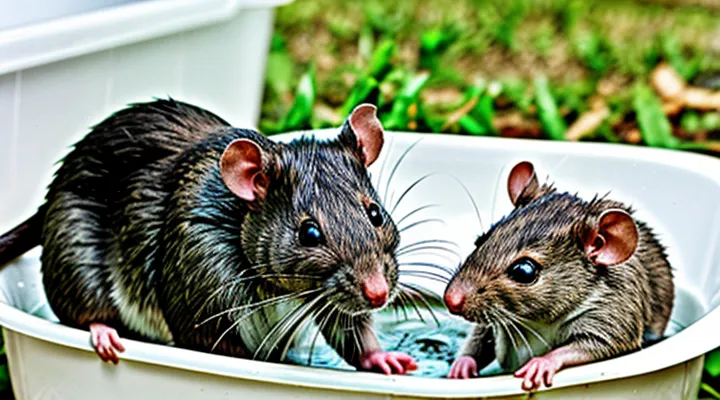
When is Bathing Your Rat Necessary?
Situations Warranting a Bath
Illness or Mobility Issues
When a rat presents with illness or limited mobility, the washing procedure must prioritize safety for both animal and handler. Begin with a health assessment; observable signs such as lethargy, respiratory distress, or joint swelling dictate whether immediate cleaning is advisable or if veterinary intervention should precede any handling. If the rat is stable enough for washing, support its body with a soft, non‑slipping surface and limit movement to prevent stress on compromised limbs.
Prepare a shallow vessel of lukewarm water (approximately 30 °C) and add a few drops of a mild, rodent‑safe cleanser. Submerge only the torso, keeping the head and hindquarters above the water to maintain airway clearance. Use a soft, damp cloth to gently wipe the fur, avoiding vigorous scrubbing that could exacerbate injuries. For rats with severe mobility issues, a hand‑held sprayer set to a low pressure can rinse without requiring the animal to shift position.
After cleaning, follow a concise drying protocol:
- Pat the fur with a lint‑free towel, applying gentle pressure.
- Place the rat in a warm, draft‑free enclosure for 5–10 minutes.
- Observe respiratory rate and behavior; any abnormal signs warrant immediate veterinary contact.
Maintaining a clean environment reduces the risk of secondary infections, which is especially critical for compromised rats. Regular monitoring of weight, appetite, and mobility informs future washing decisions and overall health management.
Strong Odor
Rats emit a potent smell when dirty fur and waste accumulate, creating an unpleasant environment for both the animal and its caretaker. The odor originates from urine, feces, and skin oils that cling to the coat, especially after a period without grooming. If the scent persists after a wash, it indicates incomplete removal of contaminants or inadequate drying.
Effective odor control requires a systematic approach:
- Use a mild, enzymatic pet shampoo that breaks down protein‑based waste.
- Rinse thoroughly with warm water to flush all residues.
- Apply a diluted white‑vinegar rinse (1 part vinegar to 4 parts water) to neutralize ammonia.
- Dry the rat completely with a low‑heat hair dryer or a clean towel; moisture fosters bacterial growth and odor.
- Provide a clean cage, replace bedding, and clean all accessories with a disinfectant safe for rodents.
Regular cleaning schedules prevent odor buildup. Wash the rat at least once every two weeks, increase frequency if the animal is housed in a densely populated cage or exhibits strong scent. Maintaining a dry, well‑ventilated environment further reduces the risk of persistent smells.
Visible Dirt or Contaminants
Visible dirt on a rat appears as soil patches, greasy fur, food crumbs, urine stains, or fecal smears. Common external contaminants include dust, bedding fibers, and parasites such as mites that are observable on the coat.
Addressing these substances reduces the risk of infection, prevents skin irritation, and protects the caregiver from zoonotic agents.
Safe removal procedure
- Wear disposable gloves and a face shield.
- Use lukewarm water (35‑38 °C) in a shallow basin; avoid submerging the animal’s head.
- Gently rinse the fur with a soft, lint‑free cloth to loosen loose particles.
- Apply a mild, rodent‑approved shampoo to the affected areas; work the lather from the tail forward, avoiding the eyes and ears.
- Rinse thoroughly to eliminate all soap residue.
- Pat dry with a clean towel; keep the rat warm until completely dry.
After cleaning, inspect the coat for remaining debris or signs of skin lesions. If visible contaminants persist, repeat the rinse or consult a veterinarian for targeted treatment. Protective clothing should be discarded or disinfected after each session to maintain a hygienic environment.
When Not to Bathe Your Rat
Regular Grooming by the Rat Itself
Rats spend a considerable amount of time cleaning themselves, and this natural behavior reduces the need for frequent external washing. Recognizing and supporting self‑grooming helps maintain coat condition, minimizes stress, and lowers the risk of skin irritation.
Observations that indicate effective self‑grooming include a smooth, glossy fur surface, absence of matted patches, and a clean face and paws. If a rat neglects grooming, the coat may become greasy, emit a strong odor, or develop hotspots that can lead to infection.
To facilitate healthy self‑maintenance, follow these practices:
- Provide a dust‑free environment; excessive bedding particles interfere with the rat’s ability to clean its fur.
- Offer chewable enrichment items; gnawing stimulates oral activity that complements facial grooming.
- Keep the cage temperature within the species‑appropriate range (18‑24 °C) to prevent excessive licking caused by discomfort.
- Supply a shallow water dish with fresh, lukewarm water; occasional sipping encourages hydration without forcing a bath.
- Perform regular health checks; remove debris or dried urine from the fur only when necessary, using a soft, damp cloth.
When external cleaning becomes unavoidable—such as after a spill or medical treatment—use a mild, rodent‑safe cleanser, limit exposure to a few minutes, and dry the animal promptly. Afterwards, allow the rat to resume its own grooming; this reinforces natural cleaning habits and reduces reliance on human intervention.
Stress or Fear of Water
Rats often exhibit anxiety when introduced to water, which can impede safe bathing procedures. Recognizing the physiological and behavioral signs of stress—such as frantic movement, vocalization, or rapid breathing—allows caretakers to intervene before the animal’s condition deteriorates.
Key factors that trigger water‑related fear include sudden temperature changes, unfamiliar environments, and lack of control over the situation. To minimize these triggers, maintain water temperature at 30‑32 °C, use a shallow, non‑slippery container, and ensure the rat can see the surroundings throughout the process.
Practical steps to reduce stress:
- Pre‑expose the rat to a moist towel for several minutes, allowing gradual acclimation to moisture.
- Conduct a brief, calm handling session before bathing, reinforcing trust and minimizing surprise.
- Introduce water slowly, using a gentle stream from a syringe or cup rather than pouring directly onto the animal.
- Keep the duration of immersion under two minutes, focusing on targeted cleaning of dirty areas.
- Provide immediate post‑bath warmth with a heated pad or soft towel, preventing a sudden chill that can exacerbate fear.
Monitoring cortisol levels is unnecessary for routine procedures; observable behavior offers sufficient feedback. If the rat displays persistent avoidance or extreme agitation, postpone the wash and repeat acclimation steps on subsequent days. Consistent application of these measures ensures that water exposure becomes a predictable, low‑stress component of rat care.
Preparing for a Safe Rat Bath
Gathering Your Supplies
Mild, Pet-Safe Shampoo
Mild, pet‑safe shampoo is the preferred cleaning agent for rats because it removes dirt without irritating delicate skin or respiratory membranes. Formulations designed for small mammals typically contain low‑pH surfactants, natural moisturizers such as aloe vera or chamomile, and omit harsh chemicals like sulfates, parabens, and synthetic fragrances.
Key ingredients to look for include:
- Gentle, non‑ionic surfactants (e.g., coco‑betaine) that create a soft lather.
- Conditioning agents (e.g., oatmeal, glycerin) that maintain coat moisture.
- Antimicrobial extracts (e.g., tea tree oil) at concentrations below 0.5 % to avoid toxicity.
- Hypoallergenic preservatives (e.g., phenoxyethanol) approved for veterinary use.
When selecting a shampoo, verify that the label states “suitable for rodents” or “safe for small pets.” Avoid products marketed for dogs or cats, as they often contain higher detergent levels. Check the ingredient list for any known allergens specific to the individual rat, and confirm that the product has undergone testing for inhalation safety.
Application procedure:
- Prepare a shallow container with lukewarm water (approximately 30 °C).
- Wet the rat’s body gently; avoid submerging the head.
- Dispense a pea‑size amount of shampoo onto the fur, spreading from neck to tail.
- Massage briefly—no more than 15 seconds—to release dirt.
- Rinse thoroughly with clean, lukewarm water until no suds remain.
- Pat dry with a soft towel; allow the animal to air‑dry in a warm, draft‑free area.
After washing, inspect the coat for signs of residual moisture or skin irritation. Apply a light, pet‑approved conditioner if the fur appears dry. Regular use of a mild, pet‑safe shampoo, combined with careful rinsing, ensures a clean coat while preserving the rat’s health and comfort.
Two Small Basins or Sinks
Two small basins or sinks provide a controlled environment for cleaning rodents without exposing them to hazardous conditions. Their limited depth prevents the animal from submerging fully, reducing stress and the risk of drowning. Plastic or stainless‑steel basins are preferred because they resist corrosion from cleaning agents and can be sterilized easily.
When preparing the basins, follow these steps:
- Place one basin on a non‑slippery surface at waist height to allow comfortable handling.
- Fill the first basin with lukewarm water (approximately 30‑35 °C) mixed with a mild, veterinary‑approved detergent at the concentration recommended by the product label.
- Fill the second basin with clean, lukewarm water for rinsing; add a few drops of a neutralizing solution if the detergent requires it.
- Position a clean towel or absorbent pad beside the basins for immediate drying after the rinse.
During washing, hold the rat gently but securely, supporting the body to prevent slipping. Submerge only the torso and limbs, avoiding the head and ears. Use a soft brush or gauze pad to remove debris, moving in the direction of fur growth. After cleaning, transfer the animal to the rinse basin, repeat the gentle agitation, and then place it on the towel to blot excess moisture.
Cleaning the basins after each use is essential. Discard residual water, scrub interior surfaces with a disinfectant, rinse thoroughly, and allow to dry before the next session. This routine maintains hygiene, prevents cross‑contamination, and ensures the basins remain safe for repeated use.
Soft Towels
Soft towels provide a gentle surface for removing excess water from a rat after rinsing. Their high absorbency reduces drying time, limiting exposure to cold environments that can cause hypothermia. Choose towels made from cotton or microfiber; both fibers are breathable and free of loose fibers that might be ingested. A towel measuring at least 12 × 12 inches accommodates an adult rat without folding, ensuring even pressure across the body.
When drying, follow these steps:
- Place the rat on a clean, flat area.
- Gently press the towel against the back, then the sides, avoiding vigorous rubbing.
- Rotate the towel to a dry section as needed, keeping the animal’s head uncovered to monitor breathing.
- Replace the towel if it becomes saturated; a wet towel can retain heat and impede evaporation.
After use, launder towels separately from other laundry at a minimum of 60 °C (140 °F) to eliminate potential pathogens. Avoid fabric softeners, which can leave residues irritating to the rat’s skin. Store clean towels in a dry, sealed container to prevent contamination before the next cleaning session.
Warm Water
Warm water is essential for effective rat cleaning because it loosens debris and reduces the risk of skin irritation. The temperature should be between 95°F (35°C) and 105°F (40°C); water cooler than this may not dissolve oils, while hotter water can cause burns.
Prepare the bathing solution by filling a shallow container with the appropriate amount of warm water. Test the temperature with a thermometer or by placing a fingertip in the water; the sensation should be comfortably warm, not hot.
When immersing the rat, support its body to prevent slipping. Submerge the animal briefly, allowing the water to flow over the fur and skin. Use a soft, lint‑free cloth or a silicone brush to gently remove dirt, avoiding aggressive scrubbing that could damage delicate fur.
After cleaning, rinse with clean, lukewarm water to eliminate any residue. Pat the rat dry with a soft towel, then place it in a warm, draft‑free area until fully dry.
Key considerations for warm water use:
- Maintain temperature within the 95‑105°F range.
- Verify temperature before each bath.
- Limit exposure time to a few minutes.
- Avoid direct contact with the rat’s face and ears.
- Ensure the bathing area is secure to prevent escape.
Treats for Positive Reinforcement
Treats serve as an effective tool for encouraging rats to cooperate during washing sessions. By pairing a brief handling period with a rewarding snack, the animal associates the process with a positive outcome, reducing stress and resistance.
Select treats that are safe, nutritionally appropriate, and highly palatable. Recommended options include:
- Small pieces of fresh fruit (e.g., banana, apple) without seeds or core.
- Commercial rodent treats formulated with low fat and high protein.
- Tiny portions of unsalted nuts such as peanuts or almonds, offered sparingly.
- Soft, dehydrated mealworms or cricket pieces for protein‑rich reinforcement.
- Small cubes of low‑sugar yogurt or plain cheese for a creamy incentive.
When using treats, follow these guidelines:
- Offer the treat immediately after the rat tolerates a handling cue, reinforcing the desired behavior.
- Keep treat size consistent to prevent overfeeding and maintain motivation.
- Rotate flavors periodically to sustain interest and avoid habituation.
- Store treats in airtight containers to preserve freshness and prevent contamination.
- Monitor the rat’s health; discontinue any treat that causes digestive upset.
Integrating these treats into the washing routine creates a predictable, reward‑based pattern that improves compliance and promotes a calmer experience for both the animal and the caretaker.
Setting Up a Calm Environment
Minimizing Distractions
When cleaning rodents, maintaining a focused environment prevents accidental injury to the animal and reduces the risk of contamination. A clear work area allows precise handling of tools and consistent application of gentle rinsing techniques.
Typical sources of interruption include sudden noises, unrelated conversations, mobile-device alerts, and cluttered countertops. Each of these elements can cause a handler to pause, lose grip, or apply excessive force, compromising the animal’s safety.
Effective measures for reducing distractions:
- Designate a quiet room solely for the cleaning procedure; close doors and silence alarms.
- Remove non‑essential equipment and keep only the required brushes, rinsing basin, and protective gloves within arm’s reach.
- Switch off or silence personal electronic devices before beginning.
- Schedule the task during periods of low foot traffic in the facility.
- Use a checklist displayed on the work surface to keep the sequence of steps visible and top‑of‑mind.
By implementing these controls, the operator sustains concentration, executes each washing step reliably, and upholds the standards required for safe rodent hygiene.
Ensuring Warm Room Temperature
Maintaining an appropriate ambient temperature is a prerequisite for a stress‑free wash. Rats are prone to hypothermia when exposed to cold air, which can impair circulation and increase the risk of injury during handling. A stable, warm environment supports normal physiological function and facilitates rapid recovery after the cleaning procedure.
Recommended temperature range: 24 °C – 26 °C (75 °F – 79 °F). This interval prevents heat loss without causing overheating, which could lead to dehydration or respiratory distress.
Practical steps to achieve and sustain the target temperature:
- Use a thermostatically controlled heater or warming pad placed beneath the wash area; avoid direct contact with the animal.
- Verify room temperature with a calibrated digital thermometer before each session; record the reading for traceability.
- Insulate the washing space with draft‑proof curtains or foam panels to reduce heat exchange with cooler surroundings.
- Limit exposure time by preparing all supplies in advance; once the rat is placed in the wash, keep the session under five minutes whenever possible.
- Provide a post‑wash warming cage equipped with a low‑intensity heat source and soft bedding; monitor the animal for signs of shivering or lethargy for at least ten minutes.
Regular calibration of heating equipment and consistent documentation of temperature readings ensure compliance with safe‑washing protocols and promote animal welfare throughout the process.
The Bathing Process: Step-by-Step
Initial Preparation of the Rat
Trimming Nails (If Necessary)
Trimming a rat’s nails is a precautionary step that may be required after a wash, especially when the claws become brittle or snagged on bedding. Overgrown nails can cause pain, affect gait, and increase the risk of self‑injury during handling.
Use a small animal nail clipper or a pair of precision scissors. Hold the rat gently but securely, supporting the body with one hand while the other hand stabilizes the paw. Identify the clear, pinkish nail matrix; only the translucent portion should be clipped. Cutting too close to the matrix can cause bleeding and pain.
Procedure
- Place the rat on a soft, non‑slippery surface.
- Grasp the toe pad between thumb and forefinger, exposing the nail.
- Trim only the tip of the nail, leaving a small margin above the pink area.
- Apply a small amount of styptic powder or cornstarch to any bleeding site immediately.
- Reward the rat with a treat to reinforce calm behavior.
If the rat shows signs of stress or resistance, pause the process and allow it to recover before attempting again. Regular inspection of nail length, performed weekly, reduces the need for emergency trimming after washing sessions.
Brushing Fur
Brushing the coat before cleaning a rat removes loose hair, debris, and tangles that can trap water and soap, reducing the risk of skin irritation during the wash. A soft‑bristle brush, preferably stainless steel or silicone, fits the animal’s small size and prevents damage to delicate fur.
Begin by securing the rat gently but firmly, using a towel or a restraint cup to limit movement without causing stress. Hold the brush at a shallow angle and sweep in the direction of hair growth, starting at the head and progressing toward the tail. Apply light pressure; excessive force can pull out hair or injure the skin.
Key steps for effective fur preparation:
- Inspect the coat for mats or foreign objects; remove them manually if necessary.
- Brush each area of the body for 30–45 seconds, ensuring even coverage.
- Pay special attention to the neck, underbelly, and hindquarters where fur tends to clump.
- After brushing, wipe the skin with a damp, lint‑free cloth to eliminate residual dust before introducing water.
Maintain a calm environment, keep the brush clean, and replace it regularly to avoid bacterial buildup. Proper fur grooming streamlines the subsequent washing phase, promotes better drying, and contributes to overall health of the pet rat.
The Gentle Wash
Using Shallow Water
Using shallow water provides a controlled environment that minimizes stress and reduces the risk of drowning while cleaning rodents. Fill a basin with water no deeper than two inches, ensuring the temperature stays between 75 °F and 80 °F (23 °C–27 °C). The limited depth allows the animal to stand comfortably, keeping its head above water at all times.
Prepare the rat by gently restraining it with a towel to prevent sudden movements. Apply a pet‑safe, mild cleanser to a soft cloth, then wipe the fur in the direction of hair growth. Rinse the cloth in the shallow water and repeat until all soap residues are removed. After washing, pat the animal dry with a clean towel, then place it in a warm, draft‑free area for recovery.
Key points for effective shallow‑water washing:
- Water depth: ≤2 in (≈5 cm)
- Temperature: 75–80 °F (23–27 °C)
- Restraint: towel wrap, not excessive pressure
- Cleanser: pet‑approved, unscented, mild pH
- Drying: absorbent towel, followed by warm environment
Following these guidelines ensures a safe, efficient cleaning process while protecting the rat’s health.
Applying Shampoo Carefully
Applying shampoo to a rat requires precise technique to avoid skin irritation and ingestion. Use a mild, pet‑safe formula without strong fragrances or harsh chemicals. Dispense a small amount—approximately a pea‑sized dollop—onto the palm of a gloved hand. Gently spread the lather over the rat’s coat, starting at the neck and moving toward the tail. Keep the solution away from the eyes, ears, and mouth; a cotton swab can help protect these sensitive areas.
Maintain a steady hand and short strokes to prevent tangling. Work the shampoo into the fur, allowing it to reach the skin without excess pressure. If the rat shows signs of discomfort, pause and assess the area before continuing.
Rinse thoroughly to eliminate residue. Use lukewarm water poured in a controlled stream, ensuring that water does not enter the nostrils or ears. Pat the animal dry with a soft towel; avoid vigorous rubbing, which can damage delicate hair.
Key steps for careful shampoo application:
- Choose a gentle, rodent‑approved shampoo.
- Measure a minimal amount; excess increases ingestion risk.
- Apply lather with a gloved hand, avoiding facial regions.
- Use short, gentle strokes to distribute foam evenly.
- Rinse completely with lukewarm water, protecting sensory openings.
- Dry with a soft towel, monitoring for any skin irritation.
Following these procedures minimizes stress, reduces the likelihood of chemical exposure, and supports a healthy coat during the washing process.
Avoiding Eyes, Ears, and Nose
When cleaning a rat, protect the delicate sensory organs to prevent injury and stress. Use a shallow basin filled with lukewarm water no deeper than the animal’s belly. Hold the rat gently but firmly, keeping the head elevated above the water line. Apply a small amount of pet‑safe shampoo to the body, avoiding contact with the eyes, ears, and nose.
- Position the rat so the face points away from the water flow.
- Use a soft, damp cloth to wipe the fur, steering clear of the ocular and auditory canals.
- Rinse with a handheld sprayer set to a gentle stream, directing water toward the torso while shielding the head.
- Pat dry with a clean towel, covering the face to keep moisture from entering the nose or ears.
If accidental contact occurs, flush the area with clean water immediately and monitor for irritation. This approach ensures thorough cleaning while preserving the rat’s sensory health.
Rinsing Thoroughly
Using Clean, Warm Water
Clean, warm water is the most effective medium for removing dirt, urine, and parasites from a rat’s coat without causing skin irritation. The temperature should be around 37‑38 °C (98‑100 °F), matching the animal’s body heat to prevent shock and maintain vascular flow.
- Fill a shallow basin with enough water to submerge the rat’s body while keeping the head above the surface.
- Test the water with a thermometer; adjust if it feels too hot or cool to the touch.
- Gently place the rat in the water, allowing the coat to become fully saturated.
- Use a soft, lint‑free cloth or a pet‑safe sponge to massage the fur, loosening debris and encouraging circulation.
- Rinse thoroughly with fresh warm water to eliminate soap residue, if any detergent was applied.
- Pat the rat dry with a clean towel; avoid vigorous rubbing that could damage fur or skin.
Maintain water cleanliness by replacing it after each wash or when it becomes visibly soiled. Using sterile containers and filtered water further reduces the risk of bacterial contamination. Regular application of this method supports hygiene, reduces disease transmission, and promotes overall health in captive rats.
Ensuring No Shampoo Residue Remains
When washing a rat, eliminating shampoo traces is essential to prevent skin irritation and ingestion of chemicals. Rinse the animal thoroughly before returning it to its habitat.
- Use lukewarm water at a gentle flow; avoid high pressure that could stress the rat.
- Apply a small amount of pet‑safe shampoo, lather briefly, then stop.
- Rinse each body region at least three times, ensuring water runs clear before moving to the next area.
- Inspect the fur and skin with a fingertip; any slick feeling indicates residual soap.
- Perform a final soak for 30 seconds in clean water to dislodge hidden droplets.
After the rinse, gently pat the rat dry with a soft towel and allow air drying for a few minutes. Confirm no suds remain by feeling the coat; a completely dry, non‑slippery surface signals successful removal of shampoo residue.
Drying Your Rat Safely
Towel Drying Gently
After rinsing a rat, remove excess water by pressing a clean, soft towel against the fur. Avoid rubbing, which can damage delicate hair and skin. Follow these steps:
- Place the animal on a dry surface with the towel folded to create a smooth pad.
- Gently press the towel onto the back, shoulders, and hindquarters, holding for a few seconds to absorb moisture.
- Move the towel to the next body region, repeating the press‑and‑hold motion.
- If the towel becomes saturated, replace it with a fresh one to prevent re‑wetting.
- Once most of the water is absorbed, allow the rat to air‑dry for a short period in a warm, draft‑free area before returning it to its enclosure.
This method minimizes stress, preserves coat integrity, and reduces the risk of hypothermia.
Avoiding Air Drying in Cold Environments
When cleaning a rat in a chilly setting, immediate removal of moisture prevents hypothermia. After rinsing, wrap the animal in a soft, absorbent towel and gently press to extract excess water. Keep the rat in a temperature‑controlled area, ideally between 20 °C and 24 °C, until the coat is completely dry.
Key practices for safe drying in cold environments:
- Use a pre‑warmed towel, not a cold one.
- Position the rat on a low‑heat heating pad set to a safe temperature (30 °C max) for a short period.
- Monitor body temperature with a rectal probe or infrared thermometer; stop heating if the temperature exceeds 38 °C.
- Avoid exposing the rat to drafts or open windows until the fur is fully dry.
These measures ensure the animal maintains core temperature, reduces stress, and supports recovery after washing.
Offering Treats and Comfort
When cleaning a rat, immediate reassurance reduces stress and improves cooperation. Present a small, familiar snack just before handling; the treat should be nutritionally appropriate and easy to consume, such as a piece of fruit or a pellet. Allow the rat to eat the reward while you gently support its body, creating a positive association with the upcoming wash.
Maintain a calm environment throughout the process. Keep the room temperature stable, avoid loud noises, and use soft lighting. Hold the rat securely but without restraint that could cause discomfort; a cupped hand supports the torso while the other hand steadies the tail. Speak in a low, steady voice to further soothe the animal.
After the wash, continue the comfort routine:
- Offer another treat within two minutes of drying the rat.
- Pat the fur lightly with a warm, lint‑free towel.
- Return the rat to its familiar enclosure promptly, ensuring water and food are readily available.
These steps create a predictable, gentle experience, encouraging the rat to remain calm during future cleaning sessions.
Post-Bath Care and Monitoring
Keeping Your Rat Warm
Providing a Cozy Environment
A comfortable setting reduces stress and improves the effectiveness of the washing process for rats. Temperature-controlled water prevents hypothermia; aim for 30‑32 °C. Soft, lint‑free towels allow gentle drying without irritating the skin.
Key elements for a cozy environment:
- Warm, draft‑free area where the rat can rest before and after cleaning.
- Non‑slippery surface in the washing basin to keep the animal stable.
- Low‑noise background to minimize anxiety.
- Soft, absorbent bedding placed nearby for immediate post‑wash recovery.
Handle the rat with slow, steady movements. Support the body fully, avoiding pressure on the spine. Use a mild, rodent‑safe cleanser applied with a soft cloth, then rinse thoroughly with the pre‑warmed water.
After washing, wrap the animal in a pre‑heated towel, then transfer to the warm bedding. Monitor temperature and behavior for several minutes to confirm calmness before returning the rat to its enclosure.
Monitoring for Chills
When cleaning rats, temperature regulation is a critical safety factor. Rats lose heat rapidly in water; prolonged exposure can lead to hypothermia, manifested as chills. Immediate detection prevents physiological stress and mortality.
Observe the animal for tremors, shivering, or a noticeable drop in body temperature. Use a digital rectal thermometer or a non‑invasive infrared device to confirm a core temperature below 35 °C (95 °F). If chills are detected, act without delay.
- Remove the rat from water promptly.
- Dry the animal with a soft, absorbent towel, focusing on the extremities.
- Place the rat in a pre‑warmed enclosure (approximately 28–30 °C or 82–86 °F) with low‑level heat sources such as a heating pad set to low.
- Monitor temperature every 5 minutes until it stabilizes above 35 °C.
- Resume cleaning only after the rat is fully dry and temperature is stable.
Document each incident, noting ambient room temperature, water temperature, and duration of immersion. Adjust future washing protocols—lower water temperature, shorten immersion time, or provide supplemental warming—to reduce the likelihood of chills. Consistent monitoring safeguards animal welfare during the cleaning process.
Observing for Stress or Skin Irritation
Checking for Redness or Flaking
When cleaning a pet rat, the first health check focuses on the skin and fur. Examine the animal’s body for any areas that appear pinker than normal, swollen, or tender to the touch. Redness indicates possible irritation, infection, or a reaction to cleaning agents and must be addressed before proceeding with a bath. Similarly, flaking or scaling of fur suggests dry skin, dermatitis, or parasitic infestation; these conditions require treatment prior to washing.
Key observations include:
- Localized redness around the ears, face, or tail base.
- Diffuse redness covering larger skin sections.
- Visible flakes or dry patches on the coat.
- Excessive shedding that leaves bald spots.
If any of these signs are present, consult a veterinarian or apply appropriate topical care before initiating the washing process. Only a healthy, irritation‑free rat should be subjected to a bath to ensure safety and effectiveness.
Noticing Behavioral Changes
Observing a rat’s behavior before, during, and after a cleaning session provides essential clues about the animal’s health and the suitability of the washing technique. Sudden lethargy, excessive grooming, or aggression can signal stress, discomfort, or an underlying medical issue that the cleaning process may exacerbate.
Key indicators to monitor:
- Reduced activity: The rat remains motionless or sleeps longer than usual.
- Altered appetite: Refusal to eat or drink for several hours after handling.
- Changes in coat: Dull, ragged, or excessively matted fur despite cleaning.
- Abnormal vocalizations: Frequent squeaks, chattering, or whining during the wash.
- Unusual posture: Hunched back, tucked tail, or reluctance to explore the environment.
If any of these signs appear, pause the cleaning routine and assess the situation. Provide a calm, warm recovery area, and limit handling to the minimum required for safety. Persistent or severe symptoms warrant veterinary evaluation to rule out infection, respiratory distress, or stress‑induced complications.
Consistent documentation of behavioral patterns creates a reliable reference for future cleaning sessions. Recording the rat’s response to specific temperatures, water depth, and handling techniques enables the refinement of protocols, ensuring that each wash remains both effective and humane.
When to Consult a Veterinarian
Persistent Skin Issues
Persistent skin problems in rodents demand careful handling during cleaning to prevent worsening of lesions and to protect the caretaker’s health. Identify any redness, scabs, or ulcerations before starting a wash. If lesions are present, isolate the animal and treat the skin condition prior to routine bathing.
Key steps for safe cleaning when skin issues are present:
- Use lukewarm water (30‑35 °C) to avoid thermal stress.
- Apply a mild, hypoallergenic cleanser specifically formulated for small mammals; avoid soaps with fragrances or harsh detergents.
- Limit immersion time to no more than two minutes; excessive exposure can strip natural oils and irritate compromised skin.
- Gently rinse with a soft spray or pour water over the animal; do not scrub aggressively.
- Pat dry with a clean, absorbent towel; refrain from using hairdryers or high‑heat airflow.
- After drying, apply a veterinarian‑approved topical ointment to affected areas before returning the rat to its enclosure.
Preventive measures reduce the likelihood of chronic dermatological conditions:
- Keep bedding dry and replace it regularly to limit moisture‑borne pathogens.
- Maintain a stable ambient temperature and humidity; fluctuations increase skin dryness.
- Provide a balanced diet rich in essential fatty acids, supporting skin integrity.
- Conduct weekly visual inspections to catch early signs of irritation.
If skin lesions persist despite proper cleaning and topical care, seek veterinary evaluation. Underlying infections, parasites, or nutritional deficiencies may require systemic treatment. Prompt professional intervention prevents escalation and ensures the animal’s welfare while maintaining safe handling practices for the caretaker.
Signs of Illness After Bathing
After a rat has been bathed, observe the animal closely for any deviation from normal behavior or physiology. Prompt identification of health problems reduces the risk of complications.
- Lethargy or reduced activity levels
- Decreased food or water intake
- Rapid, shallow breathing or audible wheezing
- Persistent scratching, rubbing, or signs of skin irritation
- Red or swollen eyes, nasal discharge, or coughing
- Diarrhea, abnormal stool consistency, or blood in feces
- Unsteady gait, tremors, or loss of balance
If any of these symptoms appear, take immediate action: keep the rat in a warm, quiet environment; avoid further handling that could stress the animal; and contact a veterinarian experienced with rodents. Early professional assessment is critical for effective treatment and recovery.