
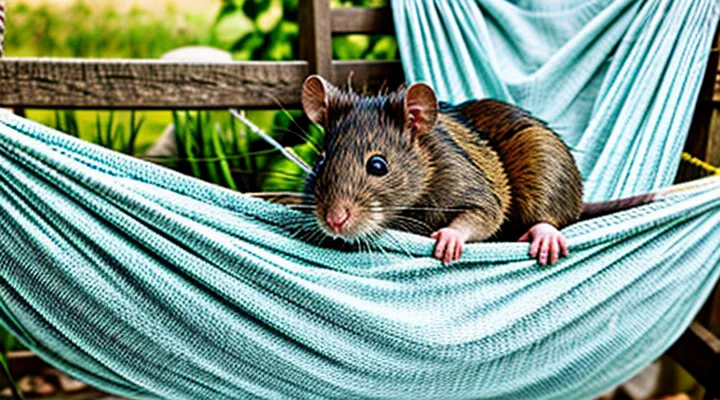
Why Proper Hammock Washing is Crucial
Health Benefits for Your Rats
Properly cleaning a rat’s hammock directly influences the animal’s well‑being. A fresh, unharmed sleeping surface eliminates the buildup of bacteria, molds, and parasites that thrive in damp or soiled fabric. Reduced microbial load lowers the risk of respiratory infections and skin irritations, which are common among rodents kept in unsanitary environments.
Regular, gentle washing preserves the hammock’s structural integrity, preventing frayed edges that could snag a rat’s delicate paws or tail. Intact hammocks provide reliable support for natural climbing and nesting behaviors, promoting muscular development and joint health.
Key health advantages of maintaining a clean, undamaged hammock include:
- Decreased incidence of respiratory and dermatological ailments.
- Enhanced sleep quality, leading to stronger immune response.
- Prevention of injuries caused by torn or rough material.
- Support for natural activity patterns, fostering cardiovascular fitness.
Implementing a routine that uses mild detergent, lukewarm water, and low‑temperature drying ensures the hammock remains both hygienic and structurally sound, delivering measurable health benefits for the rat.
Extending Hammock Lifespan
Proper care during cleaning directly influences hammock durability. Use a gentle detergent that does not contain bleach or harsh chemicals; such agents weaken fibers and cause premature wear. Rinse thoroughly with cool water to eliminate soap residue, which can attract dirt and degrade material over time.
Before washing, detach all hardware—buckles, carabiners, and suspension lines. Metal components retain moisture and accelerate corrosion if left attached. Inspect the fabric for tears or loose stitching; repair any damage prior to immersion to prevent enlargement during the wash cycle.
Select a washing method that minimizes agitation. Hand washing in a bathtub or large basin provides the most controlled environment. If a machine is unavoidable, choose the delicate cycle, set the spin speed to the lowest setting, and place the hammock in a mesh laundry bag to reduce friction.
After cleaning, remove excess water without wringing. Press the fabric between clean towels or hang it vertically in a shaded area. Direct sunlight can cause UV degradation, while high temperatures from a dryer weaken fibers. Allow the hammock to dry completely before reassembling.
Key practices for extending lifespan:
- Use mild, pH‑balanced soap; avoid bleach and fabric softeners.
- Rinse with cool, clean water; ensure no detergent remains.
- Detach and protect all metal parts during washing.
- Hand wash or use the machine’s delicate cycle with a mesh bag.
- Avoid wringing; press out water gently.
- Dry in shade, away from direct heat or sunlight.
Consistent application of these steps preserves tensile strength, maintains color integrity, and reduces the frequency of replacements, ensuring the hammock remains functional for many seasons.
Pre-Washing Preparations
Gathering Necessary Supplies
Safe Detergents and Soaps
When cleaning a rat hammock, the detergent must protect the fabric, maintain elasticity, and avoid residues that could harm the animal. Choose products formulated for delicate textiles, free of enzymes, bleach, and strong fragrances.
Recommended options include:
- Mild liquid laundry soap with a neutral pH (e.g., baby‑care or wool‑specific brands).
- Unscented dishwashing liquid diluted to a 1:10 ratio with water.
- Plant‑based, biodegradable cleaning concentrates labeled “safe for pets.”
Avoid powdered detergents, chlorine bleach, fabric softeners, and any additive containing dyes or optical brighteners, as these can degrade fibers or leave harmful chemicals.
Prepare a cleaning solution by mixing the chosen detergent with lukewarm water. Submerge the hammock, gently agitate, then rinse thoroughly with clean water until no suds remain.
After rinsing, press excess water out without wringing. Hang the hammock in a well‑ventilated area, away from direct sunlight, until completely dry before returning it to the cage.
Using the specified detergents ensures the hammock retains its structural integrity and remains safe for the rat’s environment.
Brushes and Scraping Tools
When cleaning rat hammocks, the choice of brush or scraping implement determines whether fabric fibers remain intact and stains are removed efficiently. Synthetic bristles that are soft yet firm avoid pulling threads, while metal scrapers with rounded edges eliminate dried residue without gouging the material. Selecting tools designed for delicate textiles prevents premature wear and preserves the hammock’s structural integrity.
Recommended implements include:
- Soft‑synthetic brush, 2‑inch width, gentle curvature for even pressure.
- Natural‑hair brush, fine tip, suitable for tight seams and fringe.
- Plastic scraper, beveled edge, non‑abrasive surface for stubborn spots.
- Nylon‑coated metal spatula, rounded tip, for hardened grime on reinforced corners.
- Dual‑material pad, microfiber side for polishing, rubber side for light agitation.
Each tool should be rinsed after use to remove debris, then air‑dried before storage. Applying the appropriate implement to the corresponding area of the hammock ensures thorough cleaning while safeguarding the fabric from damage.
Protective Gear
When cleaning rat hammocks, the choice of protective equipment directly influences the hammock’s integrity and the handler’s safety.
A suitable set of gear includes:
- Nitrile or latex gloves that resist water, mild detergents, and any disinfectants; they also prevent oils from skin from transferring to the fabric.
- A lightweight, water‑resistant apron or smock to shield clothing and reduce the risk of accidental splashes reaching the hammock’s stitching.
- Slip‑resistant footwear to maintain stable footing while the hammock is submerged or rinsed.
- Eye protection, such as safety glasses, to guard against splattering cleaning solutions.
Each item should be inspected before use; damaged gloves or cracked aprons can allow moisture to seep into seams, compromising the hammock’s structure.
During the wash cycle, keep the protective gear dry by handling the hammock over a basin or in a controlled sink environment. After cleaning, remove the equipment, rinse it if necessary, and store it in a clean, dry area to preserve its effectiveness for future washes.
Consistent use of this gear eliminates direct contact with harsh agents, minimizes abrasion, and ensures the hammock remains functional and hygienic after each cleaning session.
Initial Cleaning Steps
Removing Debris and Droppings
Before any washing, eliminate all solid waste and loose material. Residual droppings can embed fibers, cause odor, and create stains that become permanent during the wash cycle.
- Inspect the hammock in a well‑ventilated area.
- Shake the fabric vigorously to dislodge loose debris.
- Use a soft‑bristled brush to sweep remaining particles toward the edges.
- Apply a handheld vacuum with a brush attachment to remove finer matter from seams and corners.
- Spot‑clean visible droppings with a mild enzyme solution; let it sit for 30 seconds, then blot with a clean cloth.
After the surface is clear, the hammock can be immersed in a gentle detergent bath without risk of damage. The removal process preserves material integrity and ensures effective cleaning results.
Spot Treatment for Stains
When a rat hammock shows a localized stain, treat the spot before immersing the entire fabric. Direct application prevents the stain from spreading and reduces the need for aggressive washing cycles that could weaken the material.
- Identify the stain type (urine, food, oil). Choose a mild, enzyme‑based cleaner for organic stains; select a gentle solvent for oily residues.
- Apply a small amount of cleaner to a clean cloth. Dab the area; avoid rubbing, which can embed particles into the fibers.
- Allow the solution to work for 3–5 minutes. Do not exceed 10 minutes, as prolonged exposure may affect the hammock’s coating.
- Rinse the spot with lukewarm water using a spray bottle or a damp cloth. Remove all cleaning residue.
- Pat dry with a lint‑free towel. Air‑dry the hammock in a well‑ventilated area before the full wash.
Spot treatment isolates the problem area, preserves the hammock’s structural integrity, and minimizes the risk of fabric damage during the overall cleaning process. Use the same gentle detergent recommended for full washes when rinsing the treated spot to maintain consistency in care.
Washing Methods
Hand Washing Techniques
Soaking Process
The soaking stage prepares the hammock for thorough cleaning while preserving its delicate fibers. Use lukewarm water (30‑35 °C) to prevent shrinkage and maintain the structural integrity of the material. Add a mild, enzyme‑free detergent; excess soap can leave residues that attract dust and compromise the hammock’s texture.
- Submerge the hammock fully, ensuring no folds trap air.
- Gently stir the water for 2–3 minutes to distribute the cleaning solution.
- Allow the hammock to remain immersed for 5–7 minutes; this duration loosens grime without saturating the fibers.
- Periodically press the fabric against the tub wall to release trapped particles; avoid vigorous rubbing that could fray seams.
After soaking, rinse the hammock in clean, cool water until all detergent traces disappear. Squeeze out excess liquid with light pressure; do not wring. Hang the hammock in a well‑ventilated area, away from direct sunlight, to air‑dry completely before reuse. This method eliminates contaminants while safeguarding the hammock’s durability.
Gentle Scrubbing
Gentle scrubbing is the safest method for removing dirt from a rat hammock while preserving its fabric and stitching. Begin by filling a basin with lukewarm water and adding a small amount of mild, pH‑balanced detergent. Submerge the hammock briefly to loosen surface grime, then lift it out and support it on a clean, flat surface.
Use a soft‑bristled brush or a non‑abrasive sponge. Apply light pressure, moving in short, overlapping strokes along the grain of the material. Avoid vigorous circular motions that can stretch fibers or pull seams apart. Focus on stained areas, but treat the entire surface evenly to prevent uneven wear.
Rinse the hammock thoroughly with cool, clean water to eliminate detergent residue. Hold the fabric gently while draining to avoid twisting. Pat dry with a lint‑free towel, then air‑dry on a horizontal rack away from direct sunlight or heat sources. The hammock should retain its shape and strength when handled with this controlled scrubbing technique.
Rinsing Thoroughly
Rinsing removes detergent, debris, and any lingering contaminants that could weaken fibers or cause odor buildup. Inadequate rinsing leaves residues that attract moisture, encouraging mold and compromising the hammock’s structural integrity.
Begin the rinse with lukewarm water to prevent sudden temperature shifts that stress the material. Direct a steady stream over the entire surface, allowing water to flow through seams and stitching. Avoid high‑pressure jets that could fray delicate threads; gentle pressure ensures thorough cleaning without abrasion.
Confirm completeness by following these steps:
- Run water over the hammock for at least 30 seconds per section, observing that suds no longer appear.
- Press the fabric gently; if excess liquid drains quickly, residue is unlikely.
- Inspect seams and corners for trapped soap; repeat rinsing in those areas if necessary.
- Allow the hammock to drip dry briefly before removing excess water with a clean, absorbent towel.
A meticulous rinse safeguards the hammock’s durability and maintains a fresh, hygienic sleeping environment.
Machine Washing Techniques
Selecting the Right Cycle
When cleaning a rat hammock, the washing machine cycle determines whether the fabric retains its shape and the stitching remains intact. Select a program that limits mechanical stress and temperature.
- Use a delicate or hand‑wash cycle. These settings employ low agitation and short spin times, reducing the risk of tearing seams.
- Set the water temperature to cold or at most 30 °C (86 °F). Hot water can shrink synthetic fibers and weaken elastic components.
- Choose an extra‑rinse option if available. This removes detergent residues that could irritate the animals or degrade the material.
- Opt for a low‑speed spin (400 rpm or less). High spin speeds generate shear forces that may fray edges or detach hooks.
- Avoid cycles labeled “heavy duty,” “bulky,” or “whites.” Those programs use vigorous agitation and high temperatures, which are unsuitable for delicate pet accessories.
Confirm that the washing machine’s drum is clean before loading the hammock. Place the item in a mesh laundry bag to protect it from direct contact with the drum. After the cycle finishes, reshape the hammock while damp and air‑dry on a flat surface away from direct sunlight. This approach preserves structural integrity and extends the usable life of the hammock.
Using Mesh Laundry Bags
Mesh laundry bags protect delicate rat hammocks during the wash cycle. The fine netting prevents snagging on agitators and reduces friction that can fray fabric or damage woven strands.
Select a bag that meets these criteria:
- Mesh size small enough to contain the hammock but large enough to allow water flow.
- Fabric rated for high temperatures if hot‑water washing is required.
- Secure zipper or drawstring that closes tightly.
Prepare the hammock before placing it in the bag:
- Inspect for loose knots or broken ties; repair them to avoid catching inside the bag.
- Shake off excess debris to minimize lint accumulation.
- Fold the hammock loosely, avoiding tight rolls that could create pressure points.
Load the bag into the washing machine with similarly lightweight items, such as towels or synthetic garments, to balance the load. Set the machine to a gentle cycle, using cold or warm water (no hotter than 30 °C/86 °F) and a mild, enzyme‑free detergent. Avoid bleach or fabric softeners, which can weaken fibers.
After the cycle, remove the hammock from the bag promptly. Hang it in a well‑ventilated area, away from direct sunlight, to dry naturally. Do not tumble‑dry; the heat and tumbling motion can cause shrinkage or distortion.
Regularly clean the mesh bag itself. Rinse it after each use and occasionally run it through a short, cold wash cycle without detergent to remove trapped particles. Inspect the mesh for tears and replace the bag if damage is evident.
Water Temperature Considerations
When cleaning a rat hammock, temperature determines whether the fabric retains its shape and whether adhesives or stitching remain intact. Hot water can cause synthetic fibers to soften, leading to sagging or loss of elasticity, while cold water may not dissolve grease and urine residues effectively.
- Cold (≤30 °C / 86 °F): Suitable for delicate, non‑woven materials; preserves dyes and prevents shrinkage but may require longer soaking or stronger detergents.
- Warm (30‑40 °C / 86‑104 °F): Ideal for most cotton or blended hammocks; balances cleaning power with fabric safety, allowing detergents to work without stressing fibers.
- Hot (≥45 °C / 113 °F): Generally unsafe; can melt plastic components, loosen seams, and cause permanent deformation.
Select the lowest temperature that still removes contaminants. Test a hidden area if the hammock’s composition is unknown, then rinse thoroughly with water at the same temperature to avoid thermal shock during drying.
Drying and Post-Washing Care
Air Drying Best Practices
Proper Placement for Ventilation
Proper ventilation after cleaning a rat hammock prevents moisture buildup that can weaken fibers and promote mildew. Position the hammock where air circulates freely and moisture can evaporate quickly.
- Hang the hammock horizontally on a sturdy rod or bar, leaving at least six inches of clearance on all sides.
- Place the hammock in a room with a functioning exhaust fan or open windows to create cross‑draft.
- Avoid enclosed closets, cabinets, or under‑furniture spaces that trap humid air.
- If possible, use a low‑speed fan aimed at the hammock’s surface to accelerate drying without stressing the material.
- Ensure the support structure is level; uneven tension can cause sagging, which slows airflow in low spots.
Maintaining these placement guidelines preserves the hammock’s integrity while allowing thorough drying after washing.
Avoiding Direct Sunlight
When washing a rat hammock, exposure to direct sunlight can compromise the fabric’s integrity. UV radiation weakens fibers, causing discoloration and loss of elasticity. This effect is amplified when the material is wet, as moisture allows heat to penetrate more deeply.
To preserve the hammock’s condition, follow these precautions:
- Rinse the hammock in cool or lukewarm water away from windows or outdoor shade.
- If a machine wash is required, select a cycle that uses a closed‑door dryer or line‑dry indoors.
- After washing, place the hammock on a flat surface in a shaded area until it is completely dry.
- Avoid placing the hammock near radiators, heat lamps, or direct sunlight during any stage of the cleaning process.
By keeping the hammock out of direct light, the fibers retain their strength, color remains stable, and the overall lifespan of the product is extended.
Machine Drying Precautions
Low Heat Settings
Using low heat during the rinse and spin cycles preserves the delicate fibers and any glued components of a rat hammock. Excessive temperature can cause shrinkage, weaken seams, and deteriorate the material’s elasticity.
- Set the washing machine to a maximum water temperature of 30 °C (86 °F) or lower.
- Select a gentle or delicate program that limits the drum’s rotation speed.
- If the machine offers a “cold wash” option, activate it to keep the water below 20 °C (68 °F).
- Use a low‑speed spin, typically 400 rpm or less, to reduce stress on the hammock’s suspension points.
After the cycle finishes, remove the hammock promptly and lay it flat on a clean surface. Allow it to air‑dry at room temperature; avoid direct heat sources such as radiators, hair dryers, or sunlight, which can warp the fabric. Verify that the hammock is completely dry before reuse to prevent mildew growth.
Checking for Dampness
Before any cleaning procedure, confirm that the hammock is free of residual moisture. Moisture trapped in fabric or seams can lead to mildew, weaken fibers, and cause deformation during the wash cycle.
- Touch the material with fingertips; a cool, clammy sensation indicates hidden dampness.
- Press a small area between thumb and forefinger; if the fabric feels soft and does not rebound quickly, moisture is present.
- Use a handheld hygrometer or moisture meter; readings above 15 % relative humidity signal excess water.
If dampness is detected, follow these steps:
- Unfold the hammock fully and lay it on a flat, ventilated surface.
- Air‑dry for at least two hours, rotating the piece every 30 minutes to expose all sides.
- Apply gentle airflow with a low‑speed fan; maintain a distance of 12 inches to avoid fabric stress.
- Re‑measure moisture levels; proceed only when readings fall below the safe threshold.
Ensuring the hammock is completely dry before immersion prevents water‑induced distortion and preserves the structural integrity throughout the cleaning process.
Final Inspection and Storage
Checking for Damage
Before any cleaning, examine the hammock for signs of wear that could worsen during washing. Look for frayed edges, loose stitching, torn fabric, or weakened attachment points. Damage that is not addressed can lead to tearing, shape loss, or loss of the hammock’s structural integrity when exposed to water, detergent, or agitation.
Key inspection steps:
- Visual scan: Hold the hammock up and run your eyes along seams, corners, and hanging loops. Spot any discoloration, holes, or irregularities.
- Tactile test: Gently pull on fabric sections and stitching. Feel for looseness or gaps that indicate compromised seams.
- Attachment check: Verify that all metal rings, clips, or Velcro fasteners are intact and securely fastened.
- Weight test (optional): Apply light pressure with a hand or place a small weight to confirm the hammock supports load without sagging.
If any defect is found, repair it before proceeding. Use appropriate thread, fabric patches, or replacement hardware, matching the original material to maintain durability. Only after confirming the hammock is structurally sound should you begin the washing process.
Folding and Storing Clean Hammocks
After washing a rat hammock, proper folding prevents creases and prolongs fabric life. Lay the hammock flat on a clean surface, smooth out excess water with a dry towel, and allow it to air dry completely before handling. Once dry, fold the material in half lengthwise, aligning the edges to keep the structure uniform. Then fold the resulting strip into a compact rectangle, ensuring each layer lies flat to avoid stress on the seams.
Store the folded hammock in a location that shields it from moisture, direct sunlight, and pests. Ideal storage solutions include:
- A breathable fabric bag that permits air circulation.
- A sealed plastic container with a desiccant packet to control humidity.
- A dedicated shelf or drawer where the hammock remains undisturbed.
Periodically inspect the stored hammock for signs of mold, compression marks, or fraying. If any issues arise, re‑air the hammock and adjust the storage method to maintain optimal condition.