
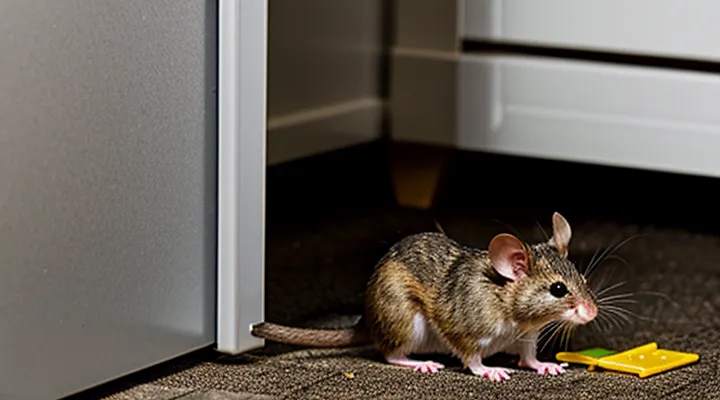
Understanding Glue Traps
What Are Glue Traps?
How Glue Traps Work
Glue traps consist of a flat board coated with a strong, non‑drying adhesive. The adhesive remains tacky for weeks, allowing the trap to capture rodents that step onto its surface. A small amount of food attractant is often applied to the board to encourage mice to investigate the trap.
When a mouse contacts the adhesive, its paws and fur become instantly stuck. The glue’s viscosity prevents the animal from pulling free, and the trap’s rigidity keeps the body immobilized. The trap does not rely on a mechanical trigger; capture occurs solely through the stickiness of the surface.
Key functional elements:
- Adhesive layer – formulated to stay tacky in a range of temperatures and humidity levels.
- Bait – typically a grain or peanut butter pellet placed at the trap’s edge to lure the mouse.
- Support board – rigid enough to hold the animal’s weight without bending, often made of cardboard or thin plastic.
- Placement strategy – traps are positioned along walls, behind appliances, or in known travel paths where mice naturally run.
The capture process concludes when the mouse remains adhered until removal. Proper disposal involves sealing the trap in a plastic bag and discarding it according to local pest‑control regulations.
Components of a Glue Trap
A glue trap consists of several distinct parts, each engineered to capture rodents efficiently.
- Adhesive layer – a viscous, non‑drying compound applied to the surface; it remains tacky for extended periods, preventing escape once a mouse contacts it.
- Backing material – typically a thin sheet of cardboard, plastic, or fiberglass that supports the adhesive, providing structural integrity while allowing the trap to lie flat.
- Attractant – a scented gel, powder, or food‑based lure placed on or near the adhesive zone; it draws mice toward the trap without requiring external bait.
- Indicator markings – printed symbols or color‑coded zones that signal when the trap has been triggered, aiding quick identification during inspection.
- Protective cover – a removable paper or plastic film that shields the adhesive during storage and transport, preserving stickiness until deployment.
- Packaging – sealed, moisture‑resistant containers that maintain product freshness and prevent accidental activation.
Understanding these components clarifies how each contributes to the trap’s overall performance and informs proper handling, placement, and disposal.
The Pros of Using Glue Traps for Mice
Cost-Effectiveness
Glue traps present a low upfront expense; a pack of 100 units typically costs between $5 and $10. This price includes the adhesive surface and a simple release sheet, eliminating the need for additional hardware such as bait stations or electronic devices. When a single trap captures multiple rodents, the cost per catch can fall below $0.10, making the method attractive for budget‑conscious pest control.
However, the economics shift when traps must be replaced frequently. Mice that avoid the adhesive surface or escape after partial contact render the trap ineffective, requiring additional purchases. In high‑infestation scenarios, the turnover rate can increase to several packs per month, raising the average expense to $0.30–$0.50 per captured mouse. Compared with snap traps, which cost roughly $0.15–$0.25 each and can be reused, glue traps may become less economical over time.
Disposal adds a hidden cost. Captured rodents are embedded in the adhesive, demanding careful handling to avoid contamination. Protective gloves, sealable bags, and a designated waste container are necessary, introducing material expenses and labor time. If local regulations mandate specific disposal methods, compliance may further elevate overall costs.
A concise comparison:
- Initial purchase: $0.05–$0.10 per trap (adhesive)
- Per‑catch cost (low infestation): <$0.10
- Per‑catch cost (high infestation): $0.30–$0.50
- Additional supplies: gloves, waste bags, disposal fees
- Alternative (snap trap): $0.15–$0.25 per unit, reusable, lower disposal overhead
In summary, glue traps deliver strong cost performance only in limited, low‑density mouse problems where few replacements are needed. For extensive infestations or environments with strict disposal rules, alternative devices often provide a more economical solution.
Ease of Use and Setup
Glue traps require minimal preparation. The package includes a pre‑coated adhesive surface; remove the protective film, attach a small stake or clip, and position the trap where rodent activity is evident. No tools, electricity, or bait are needed. Installation takes less than two minutes per unit, and the process does not demand specialized skills.
Key aspects of simplicity
- Preparation: Unwrap, peel protective layer, secure stake—three actions.
- Placement: Position on flat surfaces, near walls or entry points; no drilling or mounting hardware.
- Monitoring: Visual inspection reveals captures instantly; no additional equipment required.
- Disposal: Submerge trap in a sealed container with solvent, then discard according to local regulations.
Limitations affecting ease
- Surface sensitivity: Traps must be placed on smooth, dry surfaces; uneven or wet areas reduce adhesion.
- Safety concerns: Direct contact with the adhesive poses a risk to pets and children; protective gloves are advisable.
- Single‑use design: Each trap captures only a few rodents before the adhesive surface becomes saturated, requiring replacement.
Non-Toxic Nature
Adhesive mouse traps rely on a polymer-based glue that contains no chemical poisons. The formulation is designed to immobilize rodents through physical adhesion rather than toxic ingestion. Consequently, the risk of secondary poisoning for predators, pets, or children is eliminated when the trap is placed out of reach.
Key characteristics of the non‑toxic adhesive:
- Composed of food‑grade polymers, free of anticoagulants and neurotoxins.
- Does not release volatile compounds; scent remains neutral.
- Remains effective after exposure to typical household temperatures.
Safety advantages stem from the absence of lethal chemicals. If a non‑target animal contacts the trap, the outcome is confinement rather than systemic poisoning, allowing for humane release when appropriate. Human handling requires only basic protective gloves to avoid skin contact with the sticky surface.
Environmental impact is limited. The glue does not leach contaminants into soil or water, and the traps are disposable without hazardous waste classification. However, the adhesive material is not biodegradable; proper disposal in regular trash prevents environmental accumulation.
Potential drawbacks include:
- Accidental entrapment of non‑target species, requiring timely monitoring.
- Disposal of glued rodents generates biological waste that must follow local regulations.
- The sticky surface can cause minor skin irritation if handled without protection.
Overall, the non‑toxic nature of adhesive mouse traps offers a chemical‑free alternative for rodent control, provided users implement careful placement, regular inspection, and responsible disposal.
Suitable for Sensitive Areas
Adhesive mouse traps can be placed in locations where traditional snap or electronic devices pose a higher risk of accidental contact, such as kitchens, pantries, childcare rooms, or medical facilities. Their flat design eliminates protruding parts, reducing the chance of bruises or cuts for occupants and staff. Because the traps remain motion‑less, they do not generate noise, making them suitable for quiet environments like libraries or offices.
Advantages in sensitive zones
- No moving mechanisms; eliminates mechanical failure that could cause injury.
- Immediate immobilization; prevents rodents from contaminating food surfaces while alive.
- Small footprint; can be hidden beneath appliances or inside cabinets without obstructing traffic.
- Low cost; allows deployment of multiple units to cover extensive areas without substantial expense.
Disadvantages in sensitive zones
- Non‑lethal capture may be considered inhumane by some regulations, requiring disposal procedures that comply with health standards.
- Adhesive surfaces can trap non‑target insects, potentially leading to secondary contamination.
- Placement must avoid direct contact with food items; accidental adhesion of edible products can create sanitation concerns.
- Traps lose effectiveness once the adhesive is saturated with debris, necessitating frequent replacement in high‑traffic or dusty environments.
When selecting adhesive traps for delicate settings, prioritize models with removable, sealed backing to prevent accidental exposure, and integrate a schedule for inspection and disposal that aligns with the facility’s hygiene protocols. This approach balances the need for rodent control with the safety and cleanliness requirements of sensitive areas.
The Cons and Ethical Concerns of Using Glue Traps for Mice
Inhumane Treatment of Mice
Prolonged Suffering
Adhesive mouse traps capture rodents by immobilizing them on a sticky surface, creating a scenario where the animal may experience extended distress before death. The mechanism does not provide immediate incapacitation; instead, the mouse struggles to free itself, leading to prolonged pain, dehydration, and potential self‑inflicted injuries. This outcome raises ethical concerns and may conflict with humane pest‑control standards.
Key aspects of prolonged suffering associated with glue traps:
- Extended immobilization – The animal remains conscious while unable to move, often for several hours.
- Physical trauma – Attempts to escape can cause severe abrasions, torn limbs, or broken bones.
- Physiological stress – Continuous struggle triggers stress hormones, increasing pain perception and weakening the immune system.
- Delayed death – Without rapid euthanasia, the mouse may die from exhaustion, dehydration, or infection.
Regulatory agencies in several jurisdictions have classified adhesive traps as inhumane, prompting restrictions or bans. Alternatives such as snap traps, live‑catch cages, or integrated pest‑management strategies eliminate the prolonged agony by delivering immediate incapacitation or allowing humane release.
Injuries and Stress
Glue traps create a rapid immobilization of rodents by adhering them to a sticky surface. The physical restraint leads to several injury mechanisms.
- Traumatic injuries: limb entanglement, torn skin, broken bones from attempts to escape.
- Respiratory compromise: body weight pressing on the chest, obstruction of airways.
- Thermal stress: prolonged contact with the adhesive surface causes loss of body heat.
The immobilization also triggers acute stress responses.
- Physiological stress: elevated cortisol, increased heart rate, disrupted metabolic balance.
- Behavioral stress: frantic struggling, fear conditioning, potential long‑term aversion to similar environments.
Human handlers may experience secondary stress. Direct contact with the adhesive can cause skin irritation, allergic reactions, or accidental entrapment of fingers. Handling live, distressed rodents raises the risk of bites and transmission of zoonotic agents.
Mitigation strategies focus on proper placement, rapid removal of captured animals, and the use of protective gloves. Alternatives such as live‑catch traps reduce the incidence of severe injuries and stress but may involve different logistical considerations.
Potential for Non-Target Animals
Adhesive traps designed for mouse control can capture animals other than the intended target. When a trap is placed in an area frequented by birds, reptiles, or beneficial insects, the sticky surface does not discriminate, leading to unintended mortality.
Typical non‑target species include:
- Small songbirds that perch on walls or rafters
- Ground‑dwelling reptiles such as lizards and skinks
- Invertebrates, especially beetles and spiders that crawl across surfaces
- Domestic pets that investigate unfamiliar objects
Risk increases when traps are positioned near food sources, water lines, or natural pathways used by wildlife. Bait that emits strong odors attracts a broader range of foragers, while placement at ground level or on exposed surfaces provides easy access for non‑rodent fauna.
Mitigation strategies:
- Install traps inside sealed containers or behind barriers that limit entry to mice only.
- Position traps away from known wildlife corridors, nests, and feeding stations.
- Use species‑specific bait that minimizes attraction of birds and insects.
- Regularly inspect traps to remove captured non‑target animals promptly, reducing suffering and secondary hazards.
Implementing these precautions reduces collateral capture while preserving the effectiveness of adhesive devices for rodent management.
Mess and Hygiene Issues
Glue traps capture rodents by immobilizing them on a sticky surface, resulting in immediate physical mess. The adhesive retains fur, blood, and bodily fluids, which can spread to surrounding areas when the mouse moves or when the trap is handled. Decomposition begins within hours, producing a strong odor and increasing the likelihood of bacterial growth. Cleaning requires removal of the entire trap and any residue; standard household cleaners may not dissolve the adhesive, necessitating specialized solvents or mechanical scraping. Improper disposal of contaminated traps can release pathogens into the environment, creating a secondary health hazard.
Key hygiene concerns include:
- Direct skin contact with the sticky surface can cause irritation or allergic reactions.
- Transfer of rodent excretions to hands, clothing, or nearby surfaces without proper protective equipment.
- Risk of aerosolizing pathogens when the trap is shaken or moved during removal.
- Necessity of sealed, double‑bagged disposal to prevent leakage of contaminants.
Mitigating these issues demands wearing disposable gloves, using dedicated cleaning tools, and following local regulations for hazardous waste. Failure to observe these precautions compromises household cleanliness and may expose occupants to disease‑causing agents.
Limited Effectiveness for Large Infestations
Glue traps capture only a small fraction of a sizable mouse population. When dozens or hundreds of rodents are present, the limited surface area of each trap reduces the probability that any individual will encounter a sticky board. Consequently, the overall reduction in activity is marginal.
Key factors that diminish performance in large infestations:
- Sparse coverage – a handful of traps cannot monitor an extensive floor plan.
- Rapid saturation – once a trap seizes several mice, additional captures become unlikely because the adhesive surface is obscured.
- Avoidance behavior – surviving mice learn to recognize and circumvent sticky devices, further lowering catch rates.
- Health hazards – dead or immobilized rodents decompose, creating odor and disease vectors that may attract more pests.
The result is a prolonged presence of mice, increased risk of contamination, and the need for repeated trap replacement. In such scenarios, reliance on glue traps alone fails to achieve effective control.
Effective mitigation typically combines adhesive traps with complementary strategies:
- Snap or electronic devices – provide rapid kill rates and reduce population density.
- Bait stations – deliver anticoagulant or rodenticide formulations to target hidden individuals.
- Exclusion measures – seal entry points, install door sweeps, and repair structural gaps.
- Professional pest‑management services – assess infestation scope, apply integrated control plans, and monitor progress.
Integrating these methods addresses the shortcomings of adhesive traps and accelerates eradication of extensive mouse problems.
Legal and Ethical Restrictions
Local Regulations
Local regulations governing adhesive mouse traps vary widely, influencing both the legality of deployment and the responsibilities of users. Many jurisdictions classify these devices as pest‑control equipment subject to specific statutes that restrict placement in residential areas, public spaces, or near food preparation zones. Compliance often requires obtaining a permit, displaying warning signage, and adhering to approved disposal methods to prevent accidental capture of non‑target species.
Key regulatory aspects typically include:
- Permit requirements – licensing may be mandatory for commercial operators or for large‑scale residential use.
- Placement restrictions – prohibitions against setting traps in schools, hospitals, or areas accessible to children and pets.
- Labeling standards – mandatory safety warnings, instructions for humane removal, and contact information for reporting injuries.
- Disposal protocols – prescribed methods for sealing and discarding captured rodents to avoid environmental contamination.
- Reporting obligations – mandatory notification to local health departments after a certain number of captures or incidents.
Violations can result in fines, revocation of pest‑control licenses, or civil liability for harm to protected wildlife. Users should consult municipal codes, state statutes, or national wildlife protection acts before installing adhesive traps to ensure full legal compliance.
Animal Welfare Organizations' Stance
Animal welfare organizations evaluate glue‑based mouse capture devices as fundamentally inhumane. Their assessments focus on the method’s capacity to cause prolonged suffering, non‑target capture, and lack of a rapid, painless death.
- The adhesive surface immobilizes rodents, leading to dehydration, starvation, and severe stress.
- Non‑target species, including birds and beneficial insects, are routinely trapped.
- The devices provide no means to assess the animal’s condition, preventing timely intervention.
- Many groups cite veterinary consensus that glue traps violate basic animal welfare standards.
These organizations advocate for humane alternatives. Live‑catch traps that allow immediate release, snap traps designed for swift euthanasia, and integrated pest‑management strategies are repeatedly recommended. Some groups endorse exclusion techniques—sealing entry points and removing food sources—to reduce reliance on lethal devices.
Policy influence constitutes another priority. Several welfare groups have lobbied for legislative bans, resulting in prohibitions in multiple U.S. states and throughout the European Union. Their campaigns also pressure manufacturers to discontinue production and retailers to remove glue traps from shelves.
Best Practices and Alternatives to Glue Traps
When to Consider Using Glue Traps (and When Not To)
Glue traps can be effective in specific situations, but their suitability depends on several factors. Use them when:
- An infestation is limited to a single room or isolated area.
- Quick detection of mouse activity is required, as the adhesive surface provides immediate visual confirmation.
- Traditional snap or live traps have failed repeatedly, and a non‑lethal method is not preferred.
- The environment is dry and free of food particles that could reduce adhesion.
- There are no children, pets, or non‑target wildlife that could accidentally become trapped.
Avoid glue traps in the following circumstances:
- The infestation spreads across multiple rooms or the entire building; a comprehensive control program with bait stations or professional extermination is more appropriate.
- The area contains food preparation surfaces, pantry shelves, or other places where trapped mice could contaminate food supplies.
- The location is humid or prone to spills, which can compromise the adhesive and render the trap ineffective.
- There are vulnerable occupants such as small children, dogs, cats, or wildlife that could be harmed.
- Ethical considerations or local regulations prohibit the use of adhesive devices; alternative humane or mechanical methods should be selected.
Choosing the right moment for adhesive traps requires assessing the scope of the problem, the surrounding environment, and the safety of non‑target species. When conditions align with the criteria for use, glue traps can provide rapid, visible results; otherwise, opt for methods that offer broader coverage and lower risk of unintended harm.
Humane Mouse Control Methods
Snap Traps
Snap traps are a mechanical alternative to adhesive devices when dealing with mouse infestations. They function by delivering a rapid, forceful closure that kills the rodent instantly, eliminating the need for prolonged exposure to a sticky surface. The design typically consists of a spring‑loaded bar and a trigger mechanism that releases when the mouse contacts a baited platform.
Effectiveness depends on proper placement, bait selection, and regular inspection. Position traps along walls, behind appliances, and near known activity zones. Use high‑protein or grain baits to attract mice. Check traps daily; remove captured rodents promptly to prevent odor buildup and secondary infestations. Dispose of dead mice in sealed containers and reset the trap for continued use.
Advantages
- Immediate lethal action reduces suffering.
- No residue on surfaces, preserving cleanliness.
- Reusable; one trap can capture multiple mice over time.
- Low cost per unit compared to disposable adhesive pads.
Disadvantages
- Requires careful handling to avoid accidental injury.
- May be less effective in cluttered environments where mice can avoid contact.
- Captured rodents remain visible, which can be unsettling for occupants.
- Risk of non‑target captures if placed in areas accessible to pets or wildlife.
Live Traps
Live traps are cage‑style devices that capture mice without killing them. The animal enters through a one‑way door, triggering a latch that closes the entry point, allowing safe removal and release elsewhere.
Advantages
- Reusable; cost per capture decreases after initial purchase.
- No chemical residues; safe for households with children or pets.
- Allows humane handling; complies with animal‑welfare regulations.
- Reduces risk of secondary poisoning that can occur with toxic baits.
Disadvantages
- Requires regular monitoring; unattended traps may cause stress or injury to captured mice.
- Release must be performed at a suitable distance to prevent re‑infestation.
- Larger size may limit placement in tight spaces where glue boards fit more easily.
- Initial price higher than disposable adhesive options.
When integrating live traps into a rodent‑control plan that also uses adhesive devices, consider the following steps: choose trap sizes matching target species; position traps along walls and near known activity; inspect traps at least twice daily; disinfect cages after each capture; release mice at least one mile from the property to avoid return. Balancing these practices with the quick‑kill efficiency of adhesive boards provides a comprehensive approach to mouse management.
Baits and Poisons (with precautions)
Baits and poisons serve as chemical alternatives or supplements to adhesive devices when addressing a mouse problem. They attract rodents through taste and scent, delivering a lethal dose after ingestion.
Advantages
- Rapid mortality reduces infestation size quickly.
- Small quantities can treat large areas, minimizing placement effort.
- Formulations often include secondary attractants that increase uptake by wary individuals.
Disadvantages
- Risk of secondary poisoning affects pets, wildlife, and children.
- Resistant populations may survive exposure, requiring repeated applications.
- Odor or residue can contaminate food storage spaces, prompting additional sanitation.
Precautions
- Position baits out of reach of non‑target species; use tamper‑resistant stations.
- Follow label dosage instructions; excess amounts do not improve efficacy and raise hazard levels.
- Monitor placement sites regularly; replace depleted units and remove unused bait after the control period.
- Store containers in locked, ventilated areas away from food preparation zones.
Exclusion Techniques
Exclusion techniques aim to prevent rodents from entering a building by sealing entry points, installing barriers, and maintaining structural integrity. When combined with adhesive devices, exclusion reduces the likelihood that mice will encounter glue traps, thereby limiting the traps’ exposure to non‑target species and decreasing the need for frequent bait placement.
Key aspects of exclusion include:
- Identifying gaps larger than ¼ inch in walls, foundations, doors, windows, and utility penetrations.
- Applying durable materials such as steel wool, copper mesh, or silicone caulk to close openings.
- Installing door sweeps and weatherstripping to block entry while preserving ventilation.
- Conducting regular inspections to detect new breaches caused by settlement or pest activity.
Advantages of integrating exclusion with adhesive capture:
- Lower incidence of accidental captures of insects or small mammals.
- Reduced reliance on glue traps, extending their functional lifespan.
- Enhanced overall pest management effectiveness by addressing the source of infestation.
Disadvantages to consider:
- Initial labor and material costs can be higher than deploying traps alone.
- Incomplete sealing may give a false sense of security, allowing mice to bypass barriers.
- Some structures require professional assessment to avoid compromising building codes or safety features.
Effective implementation demands systematic survey of the premises, meticulous sealing of all identified openings, and periodic verification. By limiting access, exclusion diminishes the frequency and intensity of adhesive trapping, aligning with best practices for humane and efficient rodent control.
Proper Disposal of Glue Traps
Handling Trapped Mice
When a mouse becomes immobilized by an adhesive trap, immediate and safe handling is essential to prevent injury to the animal and exposure to hazardous chemicals. Wear disposable nitrile gloves and, if possible, a face shield to avoid contact with the glue and bodily fluids. Gently support the mouse’s body with one hand while using the other to lift the trap, keeping the adhesive surface away from the skin.
If release is intended, place the trap on a sturdy, flat surface and use a thin, rigid tool—such as a plastic spatula—to slide the mouse off the glue. Aim to move the animal quickly, minimizing the time it remains stuck, and release it at a safe distance from the residence, preferably in an area with natural cover.
When disposal is preferred, follow these steps:
- Keep the mouse inside the trap; do not attempt to remove it manually.
- Seal the entire trap in a disposable plastic bag, ensuring no glue residue contacts external surfaces.
- Place the bag in a secondary container before discarding it in regular trash, complying with local waste‑management regulations.
- Clean the work area with a solution of mild detergent and water, then sanitize with an approved disinfectant.
After handling, remove gloves without touching the exterior, wash hands thoroughly with soap, and inspect clothing for any glue splatter. Store any unused adhesive traps in a locked, child‑proof container, away from food preparation zones.
These procedures reduce the risk of accidental exposure, maintain sanitary conditions, and align with humane practices while managing rodent infestations.
Sanitization after Removal
After a mouse is captured with an adhesive trap, immediate sanitization prevents disease transmission and secondary infestations. The surface of the trap, the surrounding floor, and any objects the rodent touched must be decontaminated before disposal.
- Wear disposable gloves and a mask to protect against pathogens and residual adhesive.
- Place the used trap in a sealed plastic bag; this contains both the dead animal and the glue, reducing aerosolized particles.
- Apply a disinfectant with proven efficacy against rodent-borne bacteria (e.g., a 0.1 % bleach solution or a commercial EPA‑registered sanitizer). Allow the contact time recommended by the product label, typically 5–10 minutes.
- Wipe the floor or countertop with a disposable cloth soaked in the same disinfectant, then discard the cloth in a sealed bag.
- Clean any tools used for removal (tongs, tweezers) with hot, soapy water followed by a disinfectant rinse.
After the area dries, inspect for residual glue fragments. If any remain, scrape them gently with a plastic scraper and repeat the disinfectant application. Finally, wash hands thoroughly with soap and water, even if gloves were worn.
Proper sanitization eliminates bacterial and viral hazards, limits odor development, and prepares the environment for subsequent pest‑control measures.