
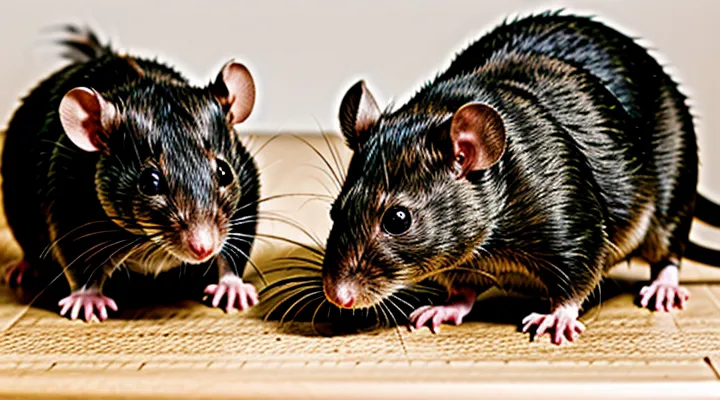
Understanding Why Nail Trimming is Necessary
The Importance of Paw Health
Maintaining healthy paws is essential for a rat’s mobility, comfort, and overall well‑being. Overgrown nails can alter gait, cause pressure on joints, and lead to painful injuries that interfere with normal activity.
Neglecting paw care results in:
- Nail breakage or splitting, which creates open wounds.
- Inflammation of the foot pads due to constant rubbing against surfaces.
- Reduced ability to climb, explore, and forage, which compromises nutrition and mental stimulation.
Regular nail trimming prevents these issues and supports normal behavior. When nails are kept at an appropriate length, rats can move freely, maintain proper posture, and avoid accidental self‑injury.
Effective paw health management includes:
- Inspecting paws daily for swelling, redness, or debris.
- Measuring nail length against the toe joint; the tip should not extend beyond the soft pad.
- Using a quiet, well‑lit environment during trimming to minimize stress.
- Applying a gentle, pet‑safe antiseptic to the nail bed after each session.
By integrating these practices into routine care, owners ensure that rats remain active, pain‑free, and capable of exhibiting natural behaviors without the complications associated with poor paw health.
Risks of Overgrown Nails
Potential Injuries to Rats
Rats are prone to specific injuries when their claws are handled improperly. The most common risks include:
- Accidental cuts – shearing the quick, the vascular tissue inside the nail, results in bleeding and pain.
- Nail fragments – leaving broken pieces can cause uneven growth and snagging on cage equipment.
- Joint strain – forcing the paw into an unnatural position may damage ligaments or tendons.
- Stress‑induced trauma – heightened fear can lead to self‑inflicted bites or scratches.
Each injury presents a clear impact on the animal’s health. Bleeding from a cut can lead to anemia if untreated, while retained fragments may become infected, producing swelling and discharge. Joint strain reduces mobility, increasing the risk of secondary injuries such as falls. Stress‑related trauma often escalates to aggressive behavior, complicating future handling.
Preventive measures focus on precise technique, appropriate tools, and calm handling. Using a small animal nail trimmer with a fine tip limits the chance of cutting the quick. Restraining the rat gently, preferably with a soft cloth, keeps the paw steady without excessive force. Inspecting the nail before each session identifies the quick’s position, allowing the operator to trim only the transparent tip. Immediate application of styptic powder or cornstarch stops bleeding, and regular monitoring ensures any minor damage heals before it worsens.
Damage to Owners and Furniture
Improper nail maintenance in pet rats often results in painful injuries to owners. Overgrown claws can slip during handling, puncturing skin or causing deep cuts that require medical attention. The risk increases when rats are startled, as they may reflexively scratch with sharp, untrimmed nails.
Untrimmed rat nails also damage household furnishings. Sharp tips catch on upholstery, tearing fabric and leaving visible marks on wooden surfaces. Repeated scratching accelerates wear on carpets and blankets, leading to costly replacements.
Key consequences:
- Skin lacerations for handlers
- Increased likelihood of infection from animal bites
- Visible scratches on furniture
- Premature degradation of fabrics and wood
- Higher maintenance expenses for home interiors
Regular, gentle nail trimming eliminates these problems. A calm environment, appropriate tools, and brief sessions keep claws at a safe length, protecting both people and possessions.
Preparing for a Stress-Free Trimming Session
Gathering the Right Tools
Recommended Nail Clippers
Choosing the appropriate nail clipper is essential for a calm, painless nail trim on a pet rat. The tool must fit the animal’s small paw size, provide precise control, and minimize the risk of crushing the quick.
A high‑quality clipper for rats typically possesses the following characteristics:
- Blade length 8–10 mm – short enough to cut the thin rodent nail without excess leverage.
- Curved or angled cutting edge – aligns with the natural curve of the nail, allowing a clean slice.
- Fine, sharp steel or ceramic blade – ensures a swift cut, reducing the animal’s stress response.
- Ergonomic handle – fits comfortably in one hand, giving steady pressure while the other hand restrains the rat.
- Safety lock or guard – prevents accidental closure and protects the user’s fingers.
Several models meet these criteria and are widely recommended by veterinarians and experienced rodent caretakers:
- Nylabone Small Pet Nail Trimmer – stainless steel, 9 mm blade, textured grip, includes a protective cap.
- Safari Professional Nail Trimmer for Small Animals – curved blade, rubberized handle, built‑in quick‑stop feature.
- Dremel 7300‑PT Pet Nail Grooming Kit – rotary tool with fine sanding drum, useful for gradual nail reduction without cutting.
- Pet Nail Clippers by Green Pet Supply – ceramic blades, low vibration, ideal for very timid rats.
When selecting a clipper, verify that the blade remains sharp after each use; a dull blade can crush the nail and cause bleeding. Clean the tool with alcohol after every session to maintain hygiene and prevent infection. Regular trimming, performed with the recommended clippers, keeps the rat’s nails at a safe length and reduces the likelihood of stress during handling.
Styptic Powder or Cornstarch
Styptic powder and cornstarch are effective agents for controlling minor bleeding that can occur when a rat’s nails are clipped. Both substances work by promoting rapid clot formation, reducing the animal’s discomfort and preventing the need for additional handling.
Styptic powder is a finely milled mineral salt, usually containing potassium nitrate or aluminum sulfate. It is sterile, inexpensive, and dissolves quickly on contact with blood. Application requires a small dab on a clean cotton swab; the swab is pressed gently against the nail tip for a few seconds until bleeding stops. The powder leaves no residue that can be ingested, making it safe for rodents.
Cornstarch offers a natural alternative. It absorbs moisture and creates a temporary seal over the cut surface. A pinch of dry cornstarch is placed on a sterile fingertip or a cotton ball, then applied to the bleeding nail. The cornstarch clumps and hardens, halting blood flow within seconds. Because it is a common food ingredient, it poses no toxicity risk if a rat ingests a small amount.
Key considerations for both options:
- Use a fresh, uncontaminated supply for each trimming session.
- Keep the amount minimal; excess powder can irritate the surrounding skin.
- Store in a dry container to prevent clumping and loss of effectiveness.
- Monitor the nail after application; if bleeding persists beyond a minute, reapply or seek veterinary advice.
Choosing between the two depends on availability and personal preference. Styptic powder provides a quick, clinical solution, while cornstarch offers a readily accessible, food‑grade choice. Both maintain a calm environment during nail maintenance by swiftly addressing bleeding without additional stress to the rat.
Towels and Treats
Use a soft, absorbent towel to secure the rat during nail trimming. Place the animal on a flat surface, then gently wrap the towel around its body, leaving the paws exposed. The towel’s texture prevents slipping and reduces sudden movements.
Offer a high‑value treat before, during, and after the procedure. A small piece of fresh fruit or a favorite seed mix creates a positive association with handling. Immediate reward after each nail clip reinforces calm behavior.
Key points for effective use of towels and treats:
- Wrap the rat snugly but not tightly; ensure the paws are accessible.
- Keep the towel damp if the animal tends to sweat, improving grip.
- Use a treat as a distraction while you clip each nail.
- Give a treat immediately after each clip to maintain a calm atmosphere.
By combining a secure towel wrap with consistent rewarding, the nail‑trimming session remains brief and stress‑free.
Creating a Calm Environment
Minimizing Distractions
When preparing to clip a rat’s nails, the environment must support focus. A quiet room eliminates sudden sounds that can startle the animal and disrupt the handler’s concentration. Close windows, turn off televisions, and silence mobile devices before beginning.
- Remove unrelated items from the work surface; only the rat, a secure holder, and the clippers should be present.
- Schedule the session during a time when household traffic is low, such as early morning or late evening.
- Use a single, dedicated lighting source to avoid shadows that may cause hesitation.
Consistent routines reinforce calm. Keep the same handling technique and positioning for each session, reducing the need for mental adjustments. If a distraction occurs, pause, restore the quiet, then resume without rushing.
Document any unexpected interruptions and the steps taken to resolve them. This record guides future sessions, ensuring that each nail‑trimming experience remains as undisturbed as possible.
Proper Lighting
Proper lighting is a critical factor when trimming a rat’s nails because clear visibility reduces the risk of cutting the quick and minimizes the animal’s anxiety. Bright, even illumination allows you to see the translucent nail and the pink quick beneath it, enabling precise cuts with minimal handling time.
To achieve optimal lighting:
- Use a daylight‑balanced LED lamp (5000–6500 K) positioned at a 45‑degree angle to the work surface. This angle eliminates harsh shadows and highlights the nail structure.
- Place the light source no closer than 12 inches to avoid glare that can startle the rat.
- Ensure the workspace is free of flickering lights; steady illumination prevents the animal from perceiving movement that could trigger stress responses.
- If natural daylight is available, position the rat near a window with indirect sunlight, supplementing with a diffused lamp to maintain consistent brightness throughout the session.
Adjust the lamp’s intensity so the nail appears translucent but not overexposed. A light meter reading of 300–500 lux on the work surface is sufficient for most indoor settings. Dimmer settings may be used for very sensitive rats, but maintain enough illumination to distinguish the quick.
Maintain the lighting setup for each trimming session. Consistency trains the rat to associate the lighting conditions with a routine, further reducing stress while allowing you to perform accurate, swift nail trims.
Introducing Positive Associations
Creating a calm environment for nail trimming begins with linking the procedure to pleasant experiences. Rats quickly associate tactile cues, sounds, and scents with outcomes; consistent positive reinforcement transforms fear into curiosity.
- Offer a favorite treat immediately before contact with the paw. The treat should be distinct from regular feeding to signal a special event.
- Use a soft brush or fingertip to massage the foot for a few seconds, then pause for a treat. Repeating this pattern builds a predictable, rewarding sequence.
- Introduce the clipping tool while the rat is occupied with a treat. Allow the animal to sniff and explore the instrument without applying pressure.
- Perform a brief, gentle trim on one nail, then reward with a treat and gentle petting. Limit each session to one or two nails to maintain the positive mood.
- Gradually increase the number of nails addressed per session, always concluding with a treat and calm handling.
Consistency across sessions reinforces the association. Over time, the rat anticipates the trimming routine as a source of reward rather than threat, reducing stress and facilitating safer, more efficient nail care.
Techniques for Trimming Rat Nails Effectively
The «Burrito» Method
Step-by-Step Guide
Trimming a pet rat’s nails can be performed safely and calmly when owners follow a precise routine. Prepare the environment, tools, and the animal before beginning, then proceed through each action methodically.
- Gather a pair of small animal nail clippers, a styptic powder or cornstarch for bleeding control, a soft towel, and a treat for positive reinforcement.
- Secure the rat on a flat surface, wrapping it gently in the towel so that only one paw is exposed at a time. This limits sudden movements while keeping the animal comfortable.
- Inspect the nail tip; the transparent portion (the quick) is visible in light‑colored nails, while dark nails require careful trimming a few millimeters from the tip to avoid the quick.
- Position the clipper perpendicular to the nail and apply a swift, clean cut. Do not crush or squeeze the nail, which can cause pain.
- If bleeding occurs, press a small amount of styptic powder or cornstarch onto the tip until it stops.
- Release the paw, reward the rat with a treat, and repeat the process for each remaining toe, alternating paws to prevent fatigue.
Conclude the session by allowing the rat to relax in its familiar habitat. Regular, brief trimming sessions—once every four to six weeks—maintain nail length and reduce stress over time.
Tips for Gentle Restraint
Effective nail trimming for rats requires a calm, secure hold that prevents sudden movements while minimizing anxiety. The handler must maintain control without applying excessive pressure, allowing precise access to the toe pads.
- Place the rat on a soft, non‑slippery surface; a folded towel or silicone mat provides a stable base.
- Use the thumb and forefinger to form a gentle “C” around the neck, supporting the head without restricting breathing.
- With the opposite hand, cradle the body by sliding a palm beneath the ribcage, keeping the limbs relaxed.
- Apply light, steady pressure to the hind leg with the index finger, guiding the toe outward to expose the nail.
- Offer a brief treat or soothing voice after each grip to reinforce a positive association.
Maintain a quiet environment, limit the session to a few minutes, and keep tools within easy reach. Regular, brief handling sessions familiarize the rat with the restraint, reducing stress during subsequent nail trims.
The Distraction Method
Using High-Value Treats
Using premium treats during nail trimming creates a positive association that reduces anxiety in rats. The high palatability of these rewards captures the animal’s attention, allowing a brief, focused handling period while the claw cutter is applied.
The effectiveness of this approach relies on three factors: the treat’s novelty, its nutritional value, and its immediate availability. Novelty ensures the rat perceives the reward as desirable; nutritional value maintains motivation without causing digestive upset; immediate availability links the reward directly to the trimming action.
Practical guidelines:
- Choose a treat that the rat rarely receives, such as freeze‑dried mealworms, small pieces of cooked egg, or a dab of soft fruit puree.
- Offer the treat only during the trimming session; refrain from giving it at other times to preserve its high value.
- Present the treat right before and after each claw is clipped, using a small spoon or fingertip to control the amount (approximately 0.2 g per clip).
- Keep the environment quiet and dimly lit; the treat’s scent and taste become the primary sensory focus.
- If the rat shows signs of stress, pause, allow the rat to consume the treat fully, then resume.
Consistently pairing the trimming procedure with a high‑value reward conditions the rat to anticipate a pleasant outcome, resulting in smoother handling and quicker nail cuts.
Enlisting a Helper
Enlisting a reliable assistant can significantly reduce the anxiety rats experience during nail trimming. A second person provides gentle restraint, maintains the animal’s calm, and allows the primary handler to focus on precision. Choose someone familiar with rodent behavior, preferably with prior experience handling small pets, to ensure consistent handling techniques.
Key steps for selecting and preparing a helper:
- Identify a candidate who demonstrates confidence around rats and understands basic restraint methods.
- Conduct a brief training session: demonstrate proper holding, observe the helper’s grip, and correct any tension that could startle the animal.
- Assign clear responsibilities: the helper maintains the rat’s position, monitors stress signals, and alerts the primary handler to any signs of discomfort.
- Practice the routine repeatedly before the actual trimming, reinforcing calm handling and smooth coordination.
During the trimming session, the assistant should keep the rat’s body steady, using a gentle but firm grip on the hind limbs while the primary handler focuses on the claws. Communication between the two participants—such as a simple “ready” cue—ensures timing aligns with the rat’s relaxed state, minimizing the risk of sudden movements and reducing overall stress.
Identifying the Quick
Visual Cues
When a rat’s paws are examined, the growth point of each nail is visible as a pale, translucent area near the tip. This area, often called the “quick,” contains blood vessels and nerves; cutting into it causes bleeding and discomfort. Recognizing the quick by its lighter color allows precise trimming while avoiding pain.
A clear visual cue is the curvature of the nail. Healthy nails curve gently upward and taper to a point. When the nail becomes overly long, the curve flattens, and the quick becomes more prominent. Trimming should stop just before the light band appears, preserving a short, curved shape that prevents snagging.
The presence of a dark spot at the nail’s base indicates the quick’s depth. In dark‑pigmented rats, the quick may be less obvious, but a subtle change in shade often marks its boundary. Using a magnifying glass or a well‑lit workspace enhances detection of this shift.
If the rat’s claws are shaved or partially trimmed, the quick may recede, creating a new visual marker: a thin, whitish line extending from the nail’s tip toward the base. This line signals where further cuts can be made safely.
Practical visual cues for stress‑free nail care:
- Light band near the tip → stop cutting before this line.
- Flattened curvature → indicates overgrowth, trim to restore curve.
- Darkened base or shade change → marks the quick’s lower edge.
- Thin white line after previous trims → new safe cutting zone.
By focusing on these visual indicators, the trimming process remains quick, accurate, and comfortable for the animal.
Avoiding Pain and Bleeding
When trimming a rat’s nails, preventing discomfort and hemorrhage requires precise preparation, gentle handling, and immediate response to any bleeding.
First, select a pair of sharp, stainless‑steel nail clippers designed for small mammals. Dull blades crush the nail, increasing pain and the likelihood of splintering. Keep the tools sterilized with alcohol before each use.
Second, acclimate the rat to restraint. Place the animal on a soft, non‑slipping surface and gently wrap it in a lightweight towel, exposing only one fore‑ or hind‑paw at a time. The wrap should be snug enough to limit movement but not so tight as to cause stress.
Third, locate the nail’s “quick,” the pink vascular core visible through the translucent portion of the nail. Trim only the clear, distal segment, staying at least 1 mm away from the quick. If the nails are dark, illuminate the area with a bright LED flashlight; the quick appears as a darker line near the nail base.
Fourth, apply steady pressure with the clippers, cutting in a single, clean motion. Avoid repeated snipping, which can generate heat and increase tissue trauma.
If bleeding occurs, act immediately:
- Press a sterile, pre‑moistened cotton ball against the tip for 30–60 seconds.
- Apply a small amount of powdered styptic agent or cornstarch to aid clotting.
- Reassess the nail after a few minutes; if bleeding persists, seek veterinary assistance.
Finally, reward the rat with a treat after each session to reinforce a positive association. Consistent, brief trimming sessions—no longer than a few minutes per paw—maintain nail length and reduce the risk of injury over time.
Post-Trimming Care and Maintenance
Rewarding Good Behavior
Rewarding good behavior is essential for a calm nail‑trimming session with a rat. Positive reinforcement creates a predictable association between the handling process and a pleasant outcome, reducing fear and resistance.
When the rat remains still or accepts the restraint, immediately offer a preferred treat such as a small piece of fresh fruit, a seed mix, or a commercial rodent reward. Deliver the reward within a few seconds to strengthen the link between the desired action and the benefit.
Key practices for effective reinforcement:
- Use high‑value treats that the rat does not receive regularly; this increases motivation.
- Keep reward portions tiny to avoid overfeeding while maintaining enthusiasm.
- Pair the treat with gentle verbal praise or a soft click, providing a secondary cue for compliance.
- Gradually phase out treats as the rat becomes accustomed to the procedure, substituting the cue alone to maintain calm behavior.
Consistent application of these steps builds confidence, shortens handling time, and minimizes stress during nail trimming. The result is a cooperative animal that tolerates the procedure with minimal resistance.
Monitoring for Any Issues
Monitoring during a nail‑clipping session prevents complications and ensures a calm experience for the rat. Observe the animal continuously from the moment it is restrained until the tools are set aside.
Key indicators to watch for include:
- Sudden attempts to escape or vigorous scratching, which suggest rising anxiety.
- Flinching, vocalizing, or rapid breathing, signaling discomfort.
- Bleeding from the nail bed; a clear red line appears when the quick is cut.
- Swelling or redness around the trimmed nail, implying tissue damage.
- Unusual posture, such as hunching or limping, indicating pain.
If any of these signs emerge, pause immediately. Apply gentle pressure to a bleeding nail with a clean cotton ball, then reassess the rat’s demeanor before proceeding. Replace the animal in its familiar enclosure for a short recovery period, and resume clipping only after calm behavior resumes.
After the session, conduct a brief inspection of each paw. Verify that all nails are trimmed evenly, without jagged edges, and that no cuts have exposed the quick. Document any irregularities—such as over‑trimmed nails or signs of infection—to adjust future handling techniques and maintain a consistent, low‑stress approach.
Establishing a Regular Trimming Schedule
A predictable trimming routine prevents overgrowth, reduces the risk of injury, and keeps the animal calm during each session.
To create an effective schedule, follow these steps:
- Observe the rat’s nail growth rate; most pets require clipping every 10‑14 days.
- Mark the calendar with recurring reminders on the chosen days.
- Choose a consistent time of day, preferably when the rat is naturally active but not overly excited.
- Prepare all tools—sharp nail clippers, styptic powder, and a quiet work surface—before the appointment.
Maintain the schedule by recording each session in a simple log, noting any difficulties or adjustments. If a clipping is missed, add an extra session within the next two days to avoid excessive length. Keeping the process uniform builds familiarity, minimizing stress for both caretaker and rat.