
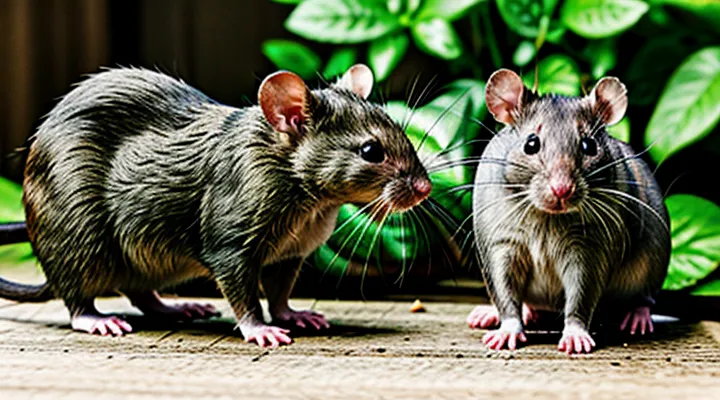
Common Causes of Itching
Parasitic Infestations
Parasitic infestations are a frequent cause of pruritus in laboratory and pet rats, often progressing to ulcerative lesions if left untreated. The parasites most commonly implicated include mites (e.g., Myobia musculi), lice (Polyplax spp.), and intestinal helminths such as Hymenolepis spp. Infestation triggers intense scratching, leading to epidermal disruption, secondary bacterial infection, and impaired welfare.
Accurate diagnosis requires systematic examination. Visual inspection of the coat and skin can reveal ectoparasites; dermatoscopic tools improve detection of minute mites. Fecal flotation or Baermann techniques confirm endoparasites. Laboratory confirmation guides targeted therapy and prevents unnecessary drug exposure.
Therapeutic protocol for ectoparasitic pruritus includes:
- Administration of an approved acaricide (e.g., selamectin, ivermectin) at the recommended dose, repeated after 7 days to break the life cycle.
- Topical antiparasitic spray containing pyrethrins or permethrin for immediate relief, applied to affected areas twice daily for 3 days.
- Broad‑spectrum antibiotic ointment (e.g., bacitracin) applied to lesions to prevent secondary infection.
For endoparasitic involvement:
- Oral anthelminthic (e.g., fenbendazole) administered for 5 consecutive days.
- Supportive fluid therapy and electrolyte supplementation in cases of severe diarrhea.
Environmental control is essential. Bedding must be replaced with sterile material, cages cleaned with a dilute bleach solution (1 % sodium hypochlorite), and all equipment disinfected. Quarantine of newly acquired rats for at least 30 days reduces introduction of parasites.
Monitoring after treatment involves weekly skin assessments for 4 weeks and repeat fecal examinations at 2‑week intervals. Persistent itch or lesion development warrants reevaluation of dosage, potential resistance, or co‑infection with bacterial pathogens.
Implementing these measures eliminates the parasitic source of itching, promotes rapid wound healing, and safeguards the health of rat colonies.
Allergic Reactions
Allergic reactions in rats frequently manifest as pruritus that progresses to cutaneous lesions. The immune response to environmental allergens triggers histamine release, leading to intense scratching and secondary trauma.
Clinical presentation includes erythema, papules, and ulcerated areas often located on the ventral abdomen, ears, and limbs. Diagnosis relies on observation of lesion distribution, exclusion of ectoparasites, and, when necessary, skin‐scraping or serum IgE testing to confirm hypersensitivity.
Effective management combines systemic and topical interventions:
- Antihistamines (e.g., diphenhydramine) administered orally to reduce histamine‑mediated itch.
- Short‑course corticosteroids (e.g., prednisolone) to suppress inflammatory cascade.
- Topical corticosteroid ointments applied directly to lesions for localized relief.
- Emollient sprays or moisturizers to restore barrier function and prevent further irritation.
Preventive strategies focus on minimizing exposure to known allergens. Regular cleaning of cages, use of hypoallergenic bedding, and avoidance of dust‑rich feed reduce sensitization risk. Environmental monitoring and prompt treatment of initial itching episodes limit lesion development and improve overall welfare.
Fungal Infections
Fungal pathogens such as Trichophyton and Microsporum species commonly colonize the skin of laboratory and pet rats, producing intense pruritus that can progress to erosions, ulcerations, and secondary bacterial invasion. Persistent scratching accelerates tissue loss and hampers healing, making prompt antifungal therapy essential for lesion management.
Accurate diagnosis relies on visual assessment of erythema, scaling, and alopecia, followed by laboratory confirmation. Recommended procedures include:
- Direct microscopic examination of hair shafts with potassium hydroxide preparation.
- Fungal culture on Sabouraud dextrose agar for species identification.
- Polymerase chain reaction when rapid results are required.
Therapeutic protocols combine topical and systemic agents to eliminate the infection and relieve itching:
- Topical azole creams (e.g., clotrimazole 1 %) applied twice daily to affected areas for 2–4 weeks.
- Oral itraconazole administered at 5 mg/kg once daily for 14 days, adjusted according to liver function.
- Antihistamine adjuncts (e.g., diphenhydramine 1 mg/kg) to reduce pruritic response during the initial treatment phase.
- Regular wound cleaning with sterile saline to prevent secondary bacterial colonization.
Environmental control reduces reinfection risk. Actions include:
- Thorough cage cleaning with a diluted bleach solution (1 % sodium hypochlorite) followed by rinsing and drying.
- Replacement of bedding with low‑dust, non‑absorbent material.
- Isolation of affected individuals until two consecutive negative cultures are obtained.
Implementation of these measures curtails fungal proliferation, alleviates pruritus, and promotes rapid resolution of skin lesions in rats.
Bacterial Skin Infections
Bacterial skin infections frequently accompany intense pruritus in laboratory and pet rats, often progressing to ulcerative lesions when left untreated. Pathogens such as Staphylococcus aureus, Pseudomonas aeruginosa, and Streptococcus spp. colonize compromised epidermis, exploiting the moist environment created by scratching. Infection amplifies inflammation, perpetuating the itch‑scratch cycle and accelerating tissue damage.
Accurate diagnosis requires aseptic collection of exudate or tissue biopsy for culture and sensitivity testing. Microscopic examination may reveal neutrophilic infiltrates and bacterial colonies, confirming the infectious component. Prompt identification of the causative organism guides targeted antimicrobial therapy and reduces the risk of resistance.
Effective management combines antimicrobial agents, supportive care, and environmental control:
- Administer a veterinarian‑prescribed antibiotic based on susceptibility results; common choices include enrofloxacin for gram‑negative organisms and clindamycin for gram‑positive cocci.
- Apply a topical antiseptic (e.g., chlorhexidine solution) to affected areas twice daily, avoiding excessive moisture.
- Provide systemic analgesics (e.g., meloxicam) to break the itch‑scratch feedback loop.
- Maintain a dry, clean cage environment; replace bedding regularly and monitor humidity levels.
- Implement a short course of antipruritic agents, such as low‑dose antihistamines, when histamine‑mediated itching is evident.
Regular monitoring of lesion size, discharge, and behavioral signs ensures early detection of treatment failure. Adjust therapy promptly if clinical improvement stagnates or adverse reactions emerge. Comprehensive care that addresses both infection and pruritus prevents progression to chronic ulceration and supports rapid recovery of rat skin integrity.
Nutritional Deficiencies
Nutritional imbalances are a frequent underlying factor in pruritic conditions that progress to skin lesions in laboratory rodents. Deficiencies in essential fatty acids, vitamin E, and zinc impair epidermal integrity and disrupt barrier function, increasing susceptibility to irritation and secondary infection.
Key deficiencies and their clinical impact:
- Essential fatty acids – reduced linoleic and α‑linolenic acid levels diminish ceramide synthesis, leading to dry, scaly skin that readily scratches.
- Vitamin E – antioxidant deficiency compromises cellular membranes, heightening oxidative stress and inflammatory responses in the dermis.
- Zinc – inadequate zinc impairs wound healing and keratinocyte proliferation, prolonging lesion development after scratching.
Corrective strategies focus on dietary reformulation and targeted supplementation. Provide a balanced diet enriched with omega‑6 and omega‑3 sources such as flaxseed oil or fish oil, ensuring a 4 : 1 ratio of linoleic to α‑linolenic acid. Incorporate vitamin E at 50–100 IU/kg feed, using natural tocopherol forms to enhance bioavailability. Add zinc sulfate or zinc‑methionine to achieve 120–150 ppm in the diet, monitoring serum levels to avoid toxicity.
Regular assessment of coat condition, skin moisture, and lesion progression guides adjustment of nutrient concentrations. Laboratory protocols should include baseline nutritional screening, periodic blood chemistry, and post‑intervention histopathology to verify restoration of barrier function and reduction of pruritus.
Implementing these nutritional corrections reduces scratching behavior, prevents lesion formation, and supports overall health in experimental rat populations.
Environmental Factors
Environmental conditions strongly influence the development of pruritus and subsequent skin lesions in laboratory rats. Temperature fluctuations, humidity extremes, and inadequate bedding quality create cutaneous irritation that accelerates scratching behavior. Poor ventilation increases airborne irritants, while excessive light exposure disrupts circadian rhythms, further aggravating dermal sensitivity.
- Temperature above 25 °C or below 18 °C
- Relative humidity outside the 45‑55 % range
- Bedding containing dusty fibers or chemical additives
- Inadequate airflow leading to ammonia accumulation
- Continuous bright lighting without a dark phase
Mitigation strategies focus on stabilizing the housing environment. Maintain ambient temperature within the 20‑23 °C window and humidity between 45 % and 55 %. Select low‑dust, absorbent bedding such as paper‑based or aspen shavings, and replace it regularly to prevent ammonia buildup. Implement a ventilation system that exchanges air at a minimum of 20 % per hour, and monitor ammonia concentrations to stay below 25 ppm. Provide a light cycle of 12 hours light and 12 hours darkness, using dimmer bulbs to reduce glare. Regularly inspect cages for signs of moisture or mold, and adjust cleaning schedules accordingly.
Consistent control of these environmental parameters reduces cutaneous irritation, limits scratching episodes, and lowers the incidence of lesion formation. Integration of environmental monitoring with routine health assessments ensures early detection of pruritic triggers and supports effective therapeutic interventions.
Diagnosing the Root Cause
Veterinary Examination
A veterinary examination of a rat presenting with pruritus and associated skin damage begins with a systematic physical assessment. The clinician observes the animal’s posture, activity level, and grooming behavior to identify signs of discomfort or self‑trauma. Close inspection of the coat reveals the distribution, severity, and stage of lesions, while palpation of affected areas determines the presence of edema, heat, or fluctuance indicative of secondary infection.
Diagnostic sampling follows the visual inspection. Skin scrapings collected from the margins of lesions are examined microscopically for ectoparasites such as mites or lice. Cytology of exudate identifies bacterial or fungal organisms. Blood collection enables complete blood count and serum chemistry, providing data on systemic inflammation, anemia, or organ dysfunction that may accompany chronic irritation.
Interpretation of findings guides therapeutic planning. Identification of a primary cause—parasite infestation, allergic reaction, or dermatophyte infection—directs targeted treatment, while secondary bacterial infection warrants antimicrobial therapy. Assessment of lesion depth and chronicity informs the need for wound care, including debridement, topical antiseptics, and protective bandaging.
Documentation of the examination, test results, and treatment rationale ensures continuity of care and facilitates monitoring of response to interventions. Regular re‑evaluation, scheduled at intervals appropriate to the severity of the condition, allows adjustment of the therapeutic regimen and prevention of further tissue damage.
Skin Scrapes and Biopsies
Diagnostic sampling of cutaneous tissue is essential when addressing pruritic lesions in laboratory rats. Accurate identification of underlying causes guides targeted therapy and prevents secondary complications.
A skin scrape provides superficial material for microscopic examination. Procedure steps include:
- Administration of short‑acting inhalant anesthesia.
- Placement of the rat on a sterile platform.
- Use of a sterile scalpel blade to gently rub the lesion surface in a clockwise motion.
- Collection of exfoliated cells onto a glass slide, followed by immediate fixation with methanol.
- Staining with Giemsa or Wright stain for parasite or bacterial detection.
A skin biopsy yields deeper tissue for histopathologic assessment. Recommended technique:
- Induction of general anesthesia with isoflurane.
- Preparation of the surgical site with povidone‑iodine and alcohol.
- Execution of a 3‑mm punch or incisional excision encompassing the full thickness of the lesion.
- Placement of the specimen in 10 % neutral‑buffered formalin for fixation.
- Embedding, sectioning, and staining (H&E, special stains as indicated).
Interpretation of results focuses on:
- Presence of ectoparasites such as Demodex or Sarcoptes.
- Bacterial colonies suggestive of secondary infection.
- Inflammatory infiltrates indicating allergic or autoimmune processes.
- Histologic evidence of epidermal hyperplasia, ulceration, or necrosis.
Therapeutic decisions derive directly from diagnostic outcomes. Identified parasites warrant ivermectin or selamectin regimens; bacterial isolates require appropriate antimicrobial agents; pronounced inflammation calls for anti‑inflammatory drugs such as meloxicam. Follow‑up skin scrapes or biopsies confirm treatment efficacy and monitor lesion resolution.
Blood Tests
Blood analysis provides objective data that clarify the underlying cause of severe pruritus and subsequent skin breakdown in rats. Quantitative and qualitative results identify infectious agents, immune dysregulation, metabolic disturbances, and organ dysfunction that may exacerbate lesion formation.
Key laboratory examinations include:
- Complete blood count (CBC) with differential: detects eosinophilia, leukocytosis, or anemia indicative of parasitic infection, bacterial involvement, or chronic inflammation.
- Serum biochemistry panel: evaluates hepatic and renal function, electrolyte balance, and glucose levels, which influence skin integrity and healing capacity.
- Serological assays for common rodent parasites (e.g., Sarcoptes spp., Mycoplasma spp.): confirm exposure when direct observation is inconclusive.
- Immunoglobulin E (IgE) quantification: assesses allergic sensitization that can precipitate scratching behavior.
- Inflammatory cytokine profiling (e.g., IL‑1β, TNF‑α): measures systemic inflammatory activity that may correlate with lesion severity.
- Corticosteroid hormone measurement: determines stress‑related endocrine changes that affect immune response and skin repair.
Sample acquisition must minimize additional stress. Preferred sites are the lateral tail vein or saphenous vein, employing gentle restraint and sterile technique. Anticoagulant choice (e.g., EDTA for CBC, heparin for chemistry) should match the intended assay. Prompt processing within two hours preserves analyte stability.
Interpretation of results guides therapeutic choices. Elevated eosinophils or IgE suggest an allergic component, warranting antihistamines or allergen avoidance. Positive parasitic serology directs antiparasitic treatment. Abnormal liver or kidney values necessitate dose adjustment of systemic medications to prevent further organ injury. High inflammatory cytokine levels support the use of anti‑inflammatory agents, while altered cortisol may indicate the need for stress‑reduction strategies. Integrating blood test data with clinical observation enables targeted interventions that reduce scratching, promote lesion resolution, and improve overall welfare.
Allergy Testing
Allergy testing identifies immunologic triggers of pruritus that progress to skin lesions in laboratory rats. Accurate diagnosis guides targeted therapy and prevents further tissue damage.
Testing methods include:
- Serum IgE quantification to detect systemic hypersensitivity.
- Intradermal injection of standardized allergens to observe localized wheal‑and‑flare responses.
- Patch testing with environmental extracts to assess delayed‑type reactions.
- Elimination diet trials to isolate food‑borne allergens.
Interpretation of results requires correlation with clinical signs and lesion distribution. Positive reactions indicate specific antigens that should be removed from the animal’s environment or diet, and inform selection of antihistamines or immunosuppressive agents.
Routine allergy screening is advisable for colonies with recurrent scratching behavior, especially when lesions persist despite conventional antipruritic treatment. Regular monitoring of test outcomes ensures early detection of new sensitivities and supports effective management of pruritic disorders.
Dietary Analysis
Dietary analysis provides objective data that guides nutritional interventions for rats suffering from pruritus and subsequent skin damage. By quantifying macro‑ and micronutrient levels, identifying potential allergens, and assessing moisture and fiber content, clinicians can pinpoint dietary factors that exacerbate or alleviate itching.
Key elements of a comprehensive assessment include:
- Measurement of protein, fat, and carbohydrate ratios to ensure balanced energy supply.
- Evaluation of essential fatty acid profiles, particularly omega‑3 and omega‑6 ratios, which influence skin barrier integrity.
- Detection of common allergenic proteins such as soy, wheat, or dairy components.
- Analysis of vitamin A, vitamin E, and zinc concentrations, nutrients directly involved in epidermal health.
- Determination of dietary moisture and fiber levels, factors affecting gastrointestinal microbiota and systemic inflammation.
Implementation steps:
- Collect a representative sample of the rat’s current feed and any supplemental treats.
- Submit the sample to a certified laboratory for proximate analysis and allergen screening.
- Compare results against established nutritional standards for laboratory rodents.
- Adjust the diet by eliminating identified allergens, supplementing deficient nutrients, and optimizing fatty acid ratios.
- Monitor skin condition and lesion progression regularly to evaluate the effectiveness of dietary modifications.
Evidence links deficiencies in omega‑3 fatty acids and vitamins to compromised skin barrier function, while excess allergenic proteins can trigger immune‑mediated itching. Correcting these imbalances through targeted dietary changes reduces pruritic behavior and promotes lesion healing, forming a critical component of an integrated treatment protocol.
Treatment Approaches for Itching and Lesions
Topical Treatments
Topical agents provide rapid relief for pruritic lesions in laboratory rats and reduce the risk of secondary infection. Selection of an appropriate preparation depends on the underlying cause, severity of irritation, and the rat’s skin tolerance.
Effective options include:
- Hydrocortisone cream (1 %) – anti‑inflammatory, decreases erythema and swelling; apply a thin layer twice daily.
- Pramoxine hydrochloride ointment (1 %) – local anesthetic, alleviates itching without systemic absorption; use once or twice daily as needed.
- Aloe‑vera gel – soothing, promotes wound healing; apply two to three times daily, ensuring the product is free of additives that may irritate.
- Chlorhexidine solution (0.05 %) – antiseptic, prevents bacterial colonization of excoriated skin; apply after cleaning the area, limit exposure to 5 minutes before rinsing.
- Vitamin E oil – antioxidant, supports tissue repair; massage gently onto the lesion once daily.
Preparation of the treatment site is critical. Clean the affected area with sterile saline, avoid harsh scrubbing, and allow the skin to air‑dry before applying the medication. Use disposable applicators to prevent cross‑contamination between animals.
Monitoring should include daily inspection for changes in lesion size, discharge, or signs of systemic reaction. Adjust the regimen promptly if inflammation persists or worsens, and consider rotating to a different topical class to avoid tachyphylaxis.
Oral Medications
Oral pharmacotherapy provides rapid systemic control of pruritus that can progress to cutaneous lesions in laboratory rats. Selection of agents depends on the underlying cause, severity of itching, and risk of adverse effects.
• Antihistamines – diphenhydramine (10 mg/kg PO q12h) and chlorpheniramine (5 mg/kg PO q24h) reduce histamine‑mediated scratching. Onset of action occurs within 30 minutes; sedation may limit use in behavioral studies.
• Corticosteroids – prednisolone (1–2 mg/kg PO q24h) suppress inflammatory pathways. Tapering is required after prolonged courses to avoid adrenal insufficiency.
• Antiparasitic agents – ivermectin (0.2 mg/kg PO single dose) eliminates mange‑related mites, eliminating the primary pruritic stimulus. Resistance monitoring is advisable.
• Analgesic/anti‑inflammatory drugs – meloxicam (1 mg/kg PO q24h) and buprenorphine (0.05 mg/kg PO q12h) alleviate pain associated with excoriated skin, decreasing secondary scratching.
• Antibiotics – enrofloxacin (10 mg/kg PO q12h) or doxycycline (5 mg/kg PO q24h) treat bacterial infection secondary to lesions; culture‑guided therapy improves outcomes.
Dosage calculations must account for body weight fluctuations caused by reduced feed intake during pruritic episodes. Administration via syringe or flavored liquid ensures accurate delivery. Monitoring includes daily assessment of skin integrity, behavior, and body weight; blood work is indicated after two weeks of corticosteroid therapy to detect hepatic or hematologic changes. Adjustments to the regimen should follow observed efficacy and tolerance.
Environmental Modifications
Environmental conditions exert direct influence on pruritic behavior and lesion development in rats. Suboptimal bedding, excessive humidity, and poor ventilation exacerbate skin irritation, increasing the risk of self‑inflicted wounds.
- Replace absorbent, dust‑free bedding with paper or aspen shavings; maintain a depth of 2–3 cm to reduce friction.
- Regulate relative humidity between 40 % and 60 %; extreme moisture promotes fungal growth and skin maceration.
- Keep ambient temperature within 20–24 °C; temperatures above this range stimulate excessive grooming.
- Implement a weekly deep‑cleaning schedule; remove waste, sanitize cages, and replace nesting material to limit allergen accumulation.
- Provide chewable enrichment items made of untreated wood; chewing redirects oral fixation away from fur and skin.
- Ensure adequate airflow; install filtered ventilation systems to disperse volatile compounds that may irritate the integument.
- Separate animals displaying severe itching from the main colony; isolate to prevent cross‑contamination of irritants.
Monitoring environmental parameters daily allows rapid identification of deviations that could precipitate pruritus. Adjustments based on observed trends maintain skin health and minimize lesion formation.
Dietary Changes
Dietary management can reduce pruritus and prevent secondary skin damage in laboratory rats. Nutrient composition influences inflammation, skin barrier function, and microbial balance, all of which affect scratching behavior.
Key dietary adjustments include:
- Increase omega‑3 fatty acids (e.g., fish oil, flaxseed) to modulate inflammatory pathways.
- Add vitamin E and zinc to support epidermal repair and antioxidant defenses.
- Provide high‑quality protein sources (e.g., soy, casein) to maintain tissue integrity.
- Limit excessive fat and simple carbohydrates that may exacerbate metabolic inflammation.
- Incorporate prebiotic fibers (inulin, oligosaccharides) to promote beneficial gut microbiota, indirectly reducing skin irritation.
Implementation requires gradual transition over 3–5 days to avoid gastrointestinal upset. Daily monitoring of coat condition and scratching frequency should accompany weight checks to ensure nutritional adequacy. Expected results are reduced lesion incidence and improved wound healing within two weeks of dietary modification.
Surgical Interventions
Surgical management of severe pruritus‑induced skin damage in rats requires precise techniques that directly address the underlying pathology while minimizing additional trauma.
Procedures commonly employed include:
- Debridement – removal of necrotic tissue to reduce bacterial load and promote healthy granulation; performed under sterile conditions with microsurgical instruments.
- Skin grafting – transplantation of autologous dermal sheets to restore continuity of the epidermal barrier; grafts are secured with absorbable sutures and protected by a temporary dressing.
- Peripheral nerve block – injection of local anesthetic agents near the sciatic or saphenous nerves to interrupt itch signaling; provides immediate relief and facilitates postoperative care.
- Dorsal rhizotomy – selective transection of dorsal root fibers responsible for pruritic transmission; indicated only when refractory to pharmacologic and less invasive measures.
Post‑operative protocols emphasize analgesia, infection prophylaxis, and regular wound assessment. Continuous monitoring of scratching behavior ensures early detection of recurrence, allowing prompt adjustment of therapeutic strategy.
Preventing Future Itching and Lesions
Regular Cage Cleaning and Hygiene
Regular cage cleaning eliminates fecal residues, urine crystals, and shed fur that can irritate the skin of laboratory rats. Accumulated waste promotes bacterial growth, which may exacerbate pruritus and increase the risk of secondary lesions. Maintaining a dry, odor‑free environment reduces the likelihood of dermatitis caused by moisture‑dependent pathogens.
Effective hygiene protocol includes:
- Daily removal of soiled bedding and spot cleaning of visible contaminants.
- Weekly full cage change with fresh, absorbent substrate.
- Disinfection of cage walls, food trays, and water bottles using an approved laboratory‑grade sanitizer.
- Inspection of cage components for cracks or wear that could harbor microbes.
Consistent monitoring of cage conditions ensures early detection of abnormal scratching behavior. Prompt corrective action, such as adjusting cleaning frequency or improving ventilation, mitigates skin irritation before lesions develop.
Proper Nutrition
Proper nutrition supports skin integrity and reduces the likelihood of self‑induced trauma in laboratory rodents. Balanced diets provide essential fatty acids, vitamins, and minerals that maintain epidermal barrier function and modulate inflammatory responses.
Key dietary components include:
- Omega‑3 fatty acids (e.g., fish oil, flaxseed) – enhance cell membrane fluidity and reduce pruritus‑related inflammation.
- Vitamin E – antioxidant that protects lipids from oxidative damage, preserving skin elasticity.
- Vitamin A – promotes keratinocyte differentiation and mucosal health, decreasing susceptibility to lesions.
- Zinc – co‑factor for enzymes involved in collagen synthesis and wound repair.
- High‑quality protein – supplies amino acids necessary for tissue regeneration and immune competence.
Feeding regimens should avoid excessive simple sugars and saturated fats, which can exacerbate dermatitis. Regular monitoring of body condition score ensures caloric intake matches metabolic demands, preventing undernutrition that predisposes to itching and secondary wounds. Adjustments to micronutrient supplementation may be required based on clinical observations and laboratory analyses.
Stress Reduction
Stress directly affects dermal integrity in laboratory rats; elevated anxiety intensifies pruritic behavior and accelerates formation of ulcerative lesions. Reducing environmental and physiological stressors therefore constitutes a critical component of any protocol aimed at controlling scratching and preventing tissue damage.
Effective stress‑mitigation measures include:
- Provision of nesting material and chewable objects to satisfy natural exploratory instincts.
- Maintenance of a stable light‑dark cycle with gradual transitions to avoid abrupt changes in circadian rhythm.
- Implementation of gentle handling techniques, such as brief acclimation periods and low‑velocity transfers, to minimize acute fear responses.
- Group housing of compatible individuals to promote social interaction, while monitoring for dominance‑related aggression.
- Enrichment of cage environment with tunnels, platforms, and varied textures to reduce boredom‑induced stereotypies.
Continuous assessment of stress levels should accompany lesion monitoring. Behavioral indicators (excessive grooming, reduced activity) together with physiological markers (elevated corticosterone, heart‑rate variability) provide quantifiable data for adjusting enrichment protocols. Lesion scoring systems, applied at regular intervals, enable correlation of stress reduction with healing trajectories.
Integrating stress‑reduction strategies with topical anti‑pruritic agents, dietary omega‑3 supplementation, and regular health checks enhances overall efficacy. A multimodal approach, grounded in environmental optimization, yields measurable decreases in scratching frequency and promotes rapid resolution of skin injuries.
Routine Veterinary Check-ups
Routine veterinary examinations provide systematic monitoring of rats prone to pruritus and subsequent skin breakdown. Early identification of irritants, parasites, or allergic responses reduces the risk of lesion development and supports timely therapeutic intervention.
Key elements of a standard check‑up include:
- Comprehensive physical inspection, focusing on fur condition, erythema, and excoriations.
- Dermatological sampling for ectoparasites, fungal agents, and bacterial cultures.
- Assessment of housing parameters such as bedding material, humidity, and temperature.
- Evaluation of diet for potential allergens or nutrient deficiencies.
Examinations are recommended at intervals of four to six weeks for colonies with a history of itching, and monthly for individuals displaying active scratching. Additional visits follow any change in behavior, rapid weight loss, or emergence of new skin lesions.
Documentation of findings informs adjustments to anti‑pruritic regimens, topical treatments, and environmental modifications. Consistent record‑keeping enables trend analysis, facilitating preventive strategies that mitigate lesion formation in affected rats.
Isolation of New Rats
Isolation of newly acquired rats constitutes a primary preventive measure against pruritic disorders that can progress to skin lesions. Separate housing limits exposure to pathogens, parasites, and allergens introduced by external colonies, thereby reducing the incidence of inflammatory skin reactions.
Key elements of an effective isolation protocol include:
- Placement of each new animal in an individually ventilated cage equipped with sterile bedding.
- Implementation of a quarantine period of 14 days, during which daily health observations record scratching behavior, skin integrity, and weight fluctuations.
- Administration of a broad‑spectrum ectoparasite prophylaxis at the start of isolation, followed by a second dose mid‑quarantine.
- Restriction of personnel access to the isolation zone; staff must wear dedicated gloves, gowns, and shoe covers to prevent cross‑contamination.
- Provision of a low‑dust, hypoallergenic diet and water system free of chemical irritants.
Environmental parameters must remain within defined limits: temperature 22 ± 2 °C, relative humidity 50 ± 10 %, and a 12‑hour light/dark cycle. Air filtration systems should achieve a minimum of 99.9 % removal efficiency for airborne particulates, reducing external irritants that could trigger scratching.
Continuous monitoring during quarantine enables early identification of dermatological signs. Prompt therapeutic intervention—such as topical corticosteroids or antihistamines—can be applied before lesions develop, preserving animal welfare and experimental integrity.
Isolation of new rats therefore minimizes the risk of itch‑induced skin damage, supports accurate data collection, and aligns with ethical standards for laboratory animal care.