
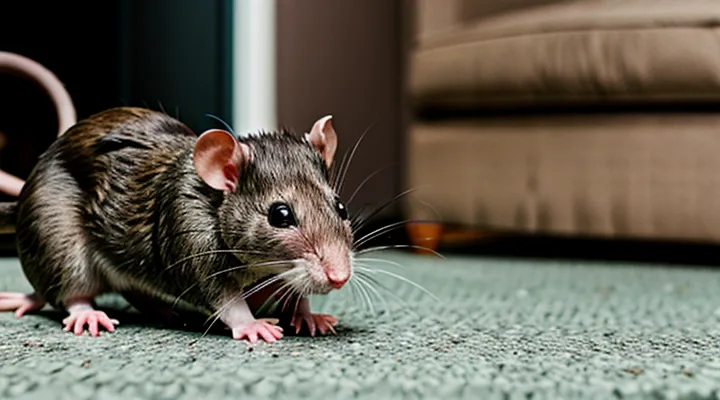
Understanding Rat Wounds
Types of Wounds in Rats
Abrasions and Scratches
Abrasions and scratches are superficial injuries that commonly affect laboratory and pet rats. They result from cage equipment, aggressive interactions, or accidental contact with sharp objects. The skin loss is usually shallow, but the risk of bacterial contamination is high due to the animal’s grooming behavior.
Assessment begins with visual inspection. Determine the length, width, and depth of each lesion; note any blood, debris, or exudate. Gentle palpation reveals tissue integrity and identifies possible underlying damage. Clean the area before any therapeutic intervention.
Cleaning protocol:
- Rinse the wound with sterile isotonic saline to remove loose debris.
- Apply a dilute chlorhexidine solution (0.05 % concentration) using a sterile gauze pad; avoid excess to prevent tissue irritation.
- Pat the surface dry with a new sterile pad, ensuring no residual moisture remains.
Treatment steps:
- Apply a thin layer of a broad‑spectrum topical antibiotic ointment (e.g., bacitracin or a veterinary‑approved product) to the cleaned surface.
- If the lesion exceeds 5 mm or is located on a joint, consider a non‑adhesive dressing secured with a breathable wrap to protect against self‑trauma.
- Monitor the wound daily for signs of inflammation: redness, swelling, heat, or purulent discharge.
Follow‑up care includes maintaining a clean cage environment, providing fresh water and a balanced diet to support healing, and limiting handling that may stress the rat. Seek professional veterinary assistance if the wound fails to improve within 48 hours, if systemic signs such as lethargy or loss of appetite appear, or if infection indicators intensify.
Lacerations and Puncture Wounds
Lacerations in rats present as linear tears of skin and underlying tissue, often accompanied by bleeding. Immediate assessment should determine depth, length, and presence of foreign material. Clean the wound with sterile saline, then apply a mild antiseptic solution such as diluted chlorhexidine. Remove debris with fine forceps; avoid aggressive scrubbing that could damage fragile tissue.
Puncture wounds create narrow channels that may harbor bacteria deep within the tract. After visual inspection, irrigate the entry point with a high‑pressure saline stream to flush out contaminants. If the tract is accessible, gently expand it with a sterile probe to allow thorough cleaning, then apply a topical antimicrobial ointment.
Both wound types require appropriate dressing to protect against infection while permitting airflow. Use a non‑adhesive gauze pad secured with a breathable bandage; change the dressing every 24 hours or sooner if it becomes soiled. Systemic antibiotics—typically a broad‑spectrum agent such as enrofloxacin—should be administered according to the animal’s weight and health status.
Monitoring includes daily checks for swelling, discharge, or discoloration. Any sign of worsening inflammation warrants immediate veterinary intervention. Pain management, using an analgesic like meloxicam, supports recovery and reduces stress.
Key steps for effective care:
- Assess wound dimensions and depth.
- Clean with sterile saline; apply mild antiseptic.
- Remove foreign material; debride if necessary.
- Irrigate puncture tracts thoroughly.
- Apply topical antimicrobial; cover with breathable dressing.
- Administer appropriate systemic antibiotics.
- Provide analgesia; monitor for complications.
Adherence to this protocol promotes rapid healing and minimizes the risk of secondary infection in small‑rodent patients.
Abscesses
Abscesses are localized collections of pus that develop within the tissue surrounding a rat’s wound. They result from bacterial infection, tissue necrosis, or foreign material and create a firm, swollen area that may be painful to the touch.
Typical indicators include a raised, heat‑producing lump, redness extending beyond the wound margins, and possible discharge of purulent fluid. Palpation reveals a fluctuant core, while elevated body temperature may accompany systemic involvement.
Effective management requires prompt intervention:
- Clean the wound with sterile saline, removing debris and necrotic tissue.
- Incise the abscess capsule with a sterile scalpel to allow drainage of pus.
- Irrigate the cavity repeatedly with antiseptic solution to reduce bacterial load.
- Apply a suitable topical antimicrobial ointment; consider systemic antibiotics based on culture results.
- Cover the site with a sterile dressing, changing it daily and monitoring for re‑accumulation of fluid or worsening inflammation.
Continuous observation ensures that the infection resolves and the wound heals without excessive scarring. Early detection and thorough drainage are critical to prevent spread of infection to adjacent organs.
Signs and Symptoms of a Wound
Behavioral Changes
When a rat sustains a wound, its behavior often changes before visible signs of infection appear. Recognizing these alterations enables timely intervention and reduces the risk of complications.
- Reduced movement or reluctance to explore the cage
- Decreased grooming, resulting in a rough or unkempt coat
- Hunched posture, indicating discomfort or abdominal pain
- Increased vocalization when handled or touched near the injury site
- Appetite loss or irregular feeding patterns
Each behavior reflects a specific physiological response. Limited activity suggests pain or weakness; diminished grooming can signal discomfort or fever; a hunched stance points to abdominal or musculoskeletal distress; heightened vocalization indicates heightened sensitivity; and altered eating habits may reveal systemic illness. Monitoring these cues informs the caregiver when to adjust analgesic dosing, increase wound cleaning frequency, or seek veterinary assessment.
A systematic observation routine improves outcomes. Check the animal twice daily in a quiet environment, record any deviation from baseline behavior, and compare findings with the wound’s appearance. If multiple behavioral changes emerge concurrently, prioritize pain management and reassess the wound for signs of swelling, discharge, or necrosis. Prompt response to behavioral cues supports effective wound care and promotes recovery.
Visible Injuries and Swelling
Visible injuries on a rat manifest as cuts, abrasions, punctures, or lacerations. Examine the skin for irregular edges, exposed tissue, or bleeding. Note discoloration that may indicate bruising or underlying hemorrhage. Assess the wound’s depth by gently probing with a sterile instrument; deeper lesions often require professional intervention.
Swelling accompanies most traumatic events. Identify edema by comparing the affected area with the corresponding region on the opposite side. Look for:
- Increased girth or bulging skin
- Taut, shiny surface indicating fluid accumulation
- Warmth relative to surrounding tissue
- Limited mobility or altered posture
Document the size, location, and severity of both the wound and any swelling before initiating treatment. Immediate cleaning with sterile saline and application of a suitable antiseptic reduce infection risk. Persistent or worsening swelling warrants veterinary evaluation.
Discharge or Odor
Discharge and odor are primary external signals that a wound in a rat may be developing an infection. Observation of fluid emergence or unusual smell should trigger immediate evaluation.
Serous discharge appears clear or slightly yellow, indicating normal exudate during the early healing phase. Purulent discharge is thick, opaque, and may range from white to greenish‑brown; such material suggests bacterial proliferation and requires intervention.
Odor assessment focuses on intensity and quality. A faint, clean scent is typical of healthy tissue. A strong, foul odor often accompanies anaerobic bacterial activity, while a sweet or metallic smell can be associated with specific pathogens such as Pseudomonas spp. Detection of any abnormal odor warrants prompt treatment.
Recommended actions:
- Gently cleanse the wound with sterile saline; avoid harsh scrubbing that could damage delicate tissue.
- Collect a sample of discharge using a sterile swab for microbiological culture; label and send to a veterinary laboratory.
- Apply a suitable topical antiseptic, such as chlorhexidine at a concentration safe for rodents, following the product’s instructions.
- Initiate systemic antibiotic therapy based on culture results; empirical broad‑spectrum agents may be used temporarily, but adjustment to culture‑directed medication is essential.
- Re‑examine the wound at 12‑hour intervals for changes in discharge volume, color, or odor; document findings systematically.
Persistent or worsening discharge, coupled with a persistent foul odor, indicates that the current regimen is insufficient and that veterinary consultation is required to prevent systemic spread and ensure recovery.
Immediate First Aid for Rat Wounds
Assessing the Wound
Safety Precautions
When addressing a rodent injury, personal protection prevents infection and reduces the risk of bites. Begin by washing hands thoroughly with soap and water, then apply disposable nitrile gloves. Keep the animal restrained with a gentle but firm grip, using a towel or a specialized holder to avoid sudden movements. Disinfect all instruments—scissors, tweezers, and gauze—with an approved antiseptic before each use, and replace them when contamination is suspected. Dispose of used materials in a sealed biohazard container to eliminate cross‑contamination.
- Wear gloves, a lab coat, and protective eyewear.
- Clean the work surface with a suitable disinfectant.
- Use a calm environment to minimize stress for the rat.
- Prepare a sterile saline solution for wound irrigation.
- Monitor for signs of allergic reaction to cleaning agents.
Initial Visual Inspection
The first step in rat wound management is a thorough visual assessment. Examine the affected area under adequate lighting, ensuring the animal is restrained safely to prevent further injury.
Key inspection points include:
- Location on the body and proximity to joints or sensitive structures
- Size measured in millimeters, noting length, width, and overall area
- Depth, differentiating superficial abrasions from penetrating wounds
- Presence of active bleeding or clotted blood
- Signs of infection such as redness, swelling, heat, pus, or foul odor
- Foreign material, fur, or debris embedded in the wound
Document findings promptly, using standardized notation to guide subsequent cleaning, debridement, and therapeutic decisions.
Cleaning the Wound
Gentle Flushing with Saline Solution
Gentle flushing with isotonic saline clears debris and reduces bacterial contamination in a rat’s wound. The solution’s osmolarity matches bodily fluids, preventing tissue irritation while delivering mechanical cleansing.
- Prepare sterile 0.9 % saline at room temperature.
- Load a 1 ml syringe fitted with a 23‑gauge catheter or blunt‑ended needle.
- Position the rat in a calm, restrained state; expose the wound without excessive handling.
- Introduce a slow stream of saline, directing flow parallel to the wound surface.
- Allow the fluid to dilute exudate, then absorb excess with sterile gauze.
- Repeat the flush 2–3 times per dressing change, or until the effluent appears clear.
Monitor for signs of swelling, persistent redness, or discharge. Replace the flushing solution with fresh sterile saline for each session. After the final flush, apply a sterile, non‑adhesive dressing to maintain a moist environment conducive to healing. Regular observation ensures prompt detection of infection or delayed closure.
Antiseptic Application (Diluted Betadine or Chlorhexidine)
Antiseptic selection is critical for preventing infection in small‑animal wound management. Effective agents must be non‑irritating, broad‑spectrum, and compatible with the delicate skin of rodents.
Diluted povidone‑iodine (Betadine) is prepared by mixing one part 10 % solution with nine parts sterile saline, achieving a 1 % concentration. Application steps:
- Clean the wound with sterile saline to remove debris.
- Apply the diluted solution using a sterile gauze pad, ensuring full coverage of the wound surface.
- Allow the antiseptic to remain for 30–60 seconds before gently blotting excess fluid.
- Re‑apply once daily until granulation tissue forms.
Chlorhexidine gluconate, typically supplied at 2 % or 4 % strength, requires dilution to 0.05 %–0.1 % for rodent use. Procedure:
- Prepare the dilution by adding 0.5 ml of 2 % solution to 100 ml sterile water (0.1 % final) or 0.25 ml to 100 ml (0.05 % final).
- After saline irrigation, soak a sterile swab in the diluted chlorhexidine and gently wipe the wound margins.
- Avoid direct contact with the eye and mucous membranes.
- Repeat the treatment every 12 hours until signs of healing are evident.
Both agents provide rapid bacterial kill, yet chlorhexidine offers prolonged residual activity, while povidone‑iodine exhibits superior efficacy against a broader range of organisms. Selection should consider the animal’s sensitivity, the wound’s depth, and the presence of necrotic tissue. Continuous monitoring for irritation or delayed healing is essential; discontinue use if adverse reactions occur.
Stopping Bleeding
Applying Gentle Pressure
Applying gentle pressure is a fundamental step in rat wound care. The technique stabilises bleeding, reduces tissue swelling, and prepares the area for antiseptic treatment.
To implement the method correctly, follow these actions:
- Use a clean, sterile gauze pad sized to cover the entire wound.
- Hold the gauze with fingertips, avoiding excessive force that could damage delicate skin.
- Press evenly for 1–2 minutes, monitoring for cessation of bleeding.
- If bleeding persists, replace the gauze with a fresh sterile pad and repeat the pressure cycle.
- After hemostasis, proceed to clean the wound with a suitable antiseptic solution before applying any dressing.
Consistent application of mild pressure minimizes trauma and supports faster recovery in small‑animal patients.
When to Seek Emergency Vet Care
Recognizing signs that demand immediate veterinary intervention can prevent fatal outcomes in a wounded rat. Delays increase the risk of infection, shock, and systemic complications.
• Severe bleeding that does not stop with gentle pressure
• Swelling, heat, or discoloration spreading rapidly from the wound site
• Pus, foul odor, or tissue necrosis evident within hours
• Sudden lethargy, unresponsiveness, or inability to move
• Labored breathing, rapid heart rate, or pale, mottled skin
• Excessive pain response to mild stimulation, such as vocalization or frantic attempts to escape
If any of these indicators appear, contact an emergency animal clinic without hesitation. Provide a brief description of the injury, the rat’s current behavior, and any first‑aid measures already applied. Prompt professional care maximizes the chance of recovery.
Ongoing Care and Monitoring
Dressing and Bandaging (If Necessary)
Choosing Appropriate Materials
Selecting materials that match the size and physiology of a rat is a prerequisite for effective wound management. Sterile gauze, non‑adhesive pads, and fine‑woven silk sutures provide reliable coverage without compromising tissue integrity.
- Sterile gauze pads, cut to 1‑2 cm squares, absorb exudate while allowing airflow.
- Non‑adhesive silicone dressings prevent trauma during removal.
- Fine‑woven silk sutures, 5‑0 or 6‑0, enable precise closure of small incisions.
- Antimicrobial ointments, such as bacitracin, reduce infection risk when applied thinly.
Material choice depends on three criteria: biocompatibility, sterility, and appropriate dimensions. Biocompatible fabrics avoid allergic reactions; all items must be autoclaved or supplied sterile. Dimensions should not exceed the wound margin, ensuring the dressing remains in place without restricting movement.
Regular inspection confirms dressings remain intact and free of contamination. Replace any material that becomes wet, soiled, or detached to maintain a clean healing environment.
Proper Application Techniques
Proper Application Techniques for Rodent Wound Care
Before any treatment, restrain the animal gently to prevent stress and injury. Clean the wound with a sterile saline solution, applying steady pressure to remove debris. Pat the area dry with sterile gauze; avoid rubbing, which can damage tissue.
Select an appropriate antiseptic—chlorhexidine or povidone‑iodine diluted to veterinary‑grade concentration. Apply a thin layer using a sterile applicator, ensuring complete coverage without excess fluid pooling.
When dressing the wound, follow these steps:
- Cut gauze to fit the lesion, leaving a margin of at least 0.5 cm around the edges.
- Place a non‑adhesive pad over the antiseptic‑treated surface.
- Secure the pad with a flexible, breathable bandage; wrap evenly, maintaining light tension to allow circulation.
- Fasten the bandage with medical tape, ensuring no gaps that could let contaminants enter.
After dressing, monitor the rat for signs of infection—redness, swelling, discharge, or altered behavior. Change the bandage every 24 hours or sooner if it becomes soiled. Record observations in a log to track healing progress.
Pain Management
Recognizing Signs of Pain
Recognizing pain in a wounded rat is essential for effective wound management. Pain often manifests through subtle behavioral and physiological changes that may be overlooked without careful observation.
Typical indicators include:
- Vocalizations such as high‑pitched squeaks when the animal is handled or moved.
- Hunched posture, with the back rounded and abdomen tucked inward.
- Reduced grooming activity, evident from a dull or uneven coat.
- Decreased food and water intake, leading to weight loss or lethargy.
- Reluctance to move, demonstrated by limited exploration of the cage or avoidance of climbing structures.
- Guarding behavior, where the rat protects the injured area by limiting contact with the limb or body part.
Additional signs may appear as changes in facial expression, such as widened eyes or flattened ears, and altered respiration patterns, including rapid or shallow breathing. Monitoring these cues consistently allows timely intervention, preventing the escalation of pain and promoting faster recovery.
Consulting a Veterinarian for Medication
When a wound appears on a pet rat, professional veterinary guidance determines safe and effective drug therapy. A veterinarian assesses infection risk, evaluates tissue damage, and selects medications appropriate for the species’ physiology.
- Arrange an appointment promptly; delay increases complications.
- Supply the clinician with full information: wound onset, appearance, any prior treatments, and the rat’s overall health status.
- Allow thorough examination; the vet may perform a culture to identify bacterial agents.
- Discuss prescribed options, including oral antibiotics, topical ointments, or analgesics, noting dosage, frequency, and duration.
- Follow the medication schedule exactly; administer each dose at the recommended time and using the correct method.
- Observe the rat for adverse reactions or signs of improvement; report any concerns to the veterinarian without delay.
Adhering to veterinary recommendations ensures the wound heals efficiently while minimizing toxicity and resistance risks. Continuous communication with the clinician supports optimal recovery and long‑term health for the animal.
Preventing Infection
Maintaining a Clean Environment
Maintaining a clean environment is essential for successful wound management in rats. A sterile cage reduces the risk of secondary infection and promotes faster tissue regeneration.
Regular cage cleaning should follow a strict schedule. Remove all bedding, sanitize surfaces with a rodent‑safe disinfectant, and replace with fresh, low‑dust material. Disinfectant solutions must be diluted according to manufacturer instructions to avoid toxicity.
Hand hygiene prevents pathogen transfer. Wash hands with soap and water before and after handling the animal, then apply an alcohol‑based sanitizer. Gloves should be changed between each cage to eliminate cross‑contamination.
Monitoring the enclosure for moisture and debris limits bacterial growth. Inspect for urine splashes, food spills, and soiled nesting material at least twice daily and address any issues immediately.
Key practices:
- Replace bedding every 24 hours or when soiled.
- Clean food and water dishes with hot, soapy water; rinse thoroughly before refilling.
- Disinfect cage walls, bars, and accessories using a 0.5 % chlorhexidine solution.
- Use disposable paper towels for wiping surfaces; discard after each use.
- Store cleaning supplies in a separate, sealed container to avoid accidental ingestion.
By adhering to these protocols, the habitat remains inhospitable to pathogens, supporting optimal healing conditions for the injured rodent.
Daily Wound Checks
Daily wound inspection is essential for preventing infection and promoting healing in laboratory rodents. The observer should perform checks at the same time each day to maintain consistency and to detect subtle changes promptly.
Key elements of each examination:
- Visual assessment of the wound surface for swelling, discoloration, or exudate.
- Measurement of wound dimensions with a sterile ruler or caliper; record length and width to track size reduction.
- Evaluation of surrounding fur and skin for signs of irritation or hair loss.
- Palpation of the area to identify tenderness or abnormal tissue consistency.
- Documentation of any debris, crust, or discharge; note color, consistency, and odor.
- Verification that bandages or protective dressings remain intact and properly positioned.
If any abnormality appears—such as increased redness, pus formation, or a sudden increase in size—prompt veterinary consultation is required. Clean the wound with sterile saline, replace dressings, and adjust analgesic or antibiotic protocols as directed by a professional. Consistent daily records enable trend analysis and support evidence‑based adjustments to the care plan.
Nutrition and Hydration
Ensuring Adequate Food Intake
Adequate nutrition is a critical factor in the recovery of a rat with a wound. Energy and protein supplies support tissue regeneration, immune function, and overall vitality.
Key practices for maintaining proper food intake include:
- Provide a diet rich in protein (e.g., boiled egg, lean meat, soy-based pellets).
- Increase caloric density by adding small amounts of healthy fats such as sunflower oil or nuts, ensuring no choking hazards.
- Offer fresh, moist foods (fruit mash, vegetable puree) to stimulate appetite and prevent dehydration.
- Keep feeding stations clean and accessible; place food near the cage’s warm area to encourage consumption.
- Monitor daily intake; replace uneaten portions within a few hours to maintain freshness.
Signs of inadequate nutrition manifest as weight loss, reduced activity, and delayed wound closure. Immediate actions involve:
- Reassessing the diet composition and increasing protein and calorie content.
- Adding supplemental feeding devices (e.g., syringe‑fed nutrient gels) if the rat refuses solid food.
- Consulting a veterinarian for possible underlying health issues that impair appetite.
Consistent observation and timely dietary adjustments promote efficient healing and reduce the risk of complications.
Providing Fresh Water
Fresh water is a fundamental element of rat wound management. Adequate hydration supports physiological processes that promote tissue repair and immune function. Dehydration can impair circulation, delay clot formation, and increase susceptibility to infection.
Provide water in a clean, leak‑proof bottle equipped with a stainless‑steel or plastic sipper tube. The bottle should be positioned at a height that allows easy access without forcing the animal to stretch. Replace the bottle daily, or more frequently if contamination is observed. Disinfect the bottle and tube with a mild bleach solution (one part bleach to nine parts water), rinse thoroughly, and allow to dry before refilling.
If a bottle is unavailable, a shallow dish with fresh water may be used. Ensure the dish is stable, cleaned after each use, and filled with water at room temperature. Avoid ice cubes or extremely cold water, which can discourage drinking.
Monitor intake by measuring the volume of water provided and the amount remaining after a set period (e.g., 12 hours). A reduction in consumption may indicate pain, stress, or worsening of the wound and should prompt immediate veterinary assessment.
Maintain water quality by using filtered or bottled water free of chlorine and heavy metals. Store water containers in a cool, dark place to prevent bacterial growth. Regularly inspect the sipper tube for biofilm; clean with a brush if residue accumulates.
Consistent access to fresh water, combined with proper wound cleaning and dressing, creates an environment conducive to rapid recovery.
When to Contact a Veterinarian
Wounds Requiring Professional Attention
Deep or Large Wounds
Deep or large wounds in rats demand immediate, thorough care to prevent infection and promote healing. Clean the area with a sterile saline solution, removing debris and necrotic tissue. Apply a mild antiseptic, such as povidone‑iodine diluted to a safe concentration, ensuring coverage of the entire wound surface.
After decontamination, place a sterile, non‑adherent dressing that absorbs exudate while protecting the wound from external contaminants. Secure the dressing with a breathable bandage, avoiding excessive pressure that could impair circulation.
Monitor the wound daily for signs of infection, including redness, swelling, heat, or discharge. If any of these indicators appear, adjust treatment promptly:
- Increase frequency of dressing changes.
- Introduce a broad‑spectrum antibiotic appropriate for rodents, following veterinary guidance.
- Re‑evaluate the wound for deeper tissue involvement that may require surgical intervention.
Maintain the rat’s environment at optimal temperature and humidity to support tissue regeneration. Provide a balanced diet rich in protein and vitamin C to enhance the body's natural repair mechanisms. Regularly assess the wound’s size and depth, documenting progress to ensure effective recovery.
Wounds that Won't Stop Bleeding
Uncontrolled hemorrhage in a small rodent demands swift intervention to prevent hypovolemic shock. Immediate pressure applied to the wound with a sterile gauze pad can stem blood loss within seconds. If bleeding persists, a hemostatic agent such as powdered styptic or a gelatin sponge should be added directly to the wound before re‑applying pressure.
- Place sterile gauze over the bleeding site.
- Press firmly for at least one minute; maintain pressure until bleeding ceases.
- If bleeding continues, sprinkle a small amount of styptic powder onto the wound.
- Re‑apply gauze and pressure; monitor for cessation of flow.
When direct pressure and hemostatic powder fail, consider advanced measures. Cauterization with a fine electrocautery tip or the use of a topical tissue adhesive can provide rapid closure of small arterial punctures. For larger lacerations, suturing with 5‑0 or 6‑0 absorbable thread, combined with a pressure dressing, improves hemostasis and reduces infection risk.
After hemostasis is achieved, observe the rat for signs of continued bleeding, swelling, or discoloration. Maintain a warm, quiet environment and limit activity for several hours. If bleeding recurs, if the wound is deep, or if the animal shows lethargy or pale mucous membranes, professional veterinary assessment is required without delay.
Signs of Severe Infection
Severe infection in a rat’s wound manifests through observable clinical changes that require immediate veterinary intervention. Recognizing these signs prevents systemic complications and promotes recovery.
- Expanding redness that extends beyond the wound margins
- Marked swelling causing distortion of surrounding tissue
- Elevated local temperature detectable by touch
- Purulent discharge, often thin or thick, with a foul odor
- Persistent or worsening pain, indicated by the animal’s reluctance to move the affected area
- Lethargy, reduced activity, or a noticeable decline in grooming behavior
- Anorexia or marked decrease in food and water intake
- Fever, identified by a rectal temperature exceeding the normal range for rats (approximately 37‑38 °C)
- Rapid or labored breathing, suggesting systemic involvement
Accompanying systemic signs such as weight loss, dehydration, or sudden collapse further confirm the infection’s severity. Prompt assessment and targeted antimicrobial therapy are essential to halt disease progression.
Post-Treatment Follow-up
Scheduled Check-ups
Regular veterinary examinations are integral to successful wound management in rats. After the initial cleaning and dressing, a predetermined schedule of follow‑up visits ensures that healing progresses without complications such as infection or dehiscence.
Key elements of a monitoring plan include:
- Initial reassessment 24–48 hours post‑treatment to verify dressing integrity and detect early signs of infection.
- Subsequent examinations every 2–3 days until granulation tissue appears, then weekly until complete closure.
- Documentation of wound dimensions, coloration, exudate volume, and animal behavior at each visit.
- Adjustment of antimicrobial therapy based on culture results or observed changes.
Adherence to the schedule allows timely intervention, reduces the risk of chronic wounds, and supports overall recovery.
Addressing Complications
Complications can arise despite careful wound management in rats. Prompt identification and appropriate response prevent deterioration and support recovery.
Signs of infection include redness, swelling, heat, foul odor, and discharge. Systemic indicators such as lethargy, loss of appetite, or elevated temperature suggest deeper involvement. Immediate actions involve thorough debridement, sterile irrigation with isotonic saline, and application of a broad‑spectrum antibiotic formulated for rodents. Re‑evaluate the antimicrobial choice if cultures reveal resistant organisms.
Potential dehiscence requires reinforcement of the closure. Techniques include:
- Re‑suturing with absorbable material placed at appropriate tension.
- Adding a supportive dressing that maintains a moist environment while protecting from self‑trauma.
- Monitoring for at least 48 hours to confirm stability.
Foreign bodies, including hair or bedding fragments, may embed in the wound cavity. Detection relies on visual inspection and, if necessary, radiographic imaging. Removal must be performed under aseptic conditions, followed by irrigation and antiseptic application.
Excessive granulation tissue can impede epithelialization. Management strategies consist of:
- Gentle trimming with sterile scissors to reduce bulk.
- Topical application of a silver‑based gel to control bacterial load.
- Adjustment of dressing frequency to balance moisture retention and tissue exposure.
Chronic wounds demand regular reassessment. Indicators such as stalled closure, persistent exudate, or recurring infection call for:
- Revision of the antimicrobial regimen.
- Consideration of adjunctive therapies, for example, low‑level laser treatment or hyperbaric oxygen, if available.
- Consultation with a veterinarian experienced in small‑animal surgery.
Consistent documentation of wound dimensions, appearance, and treatment interventions facilitates early detection of adverse trends and guides timely corrective measures.