
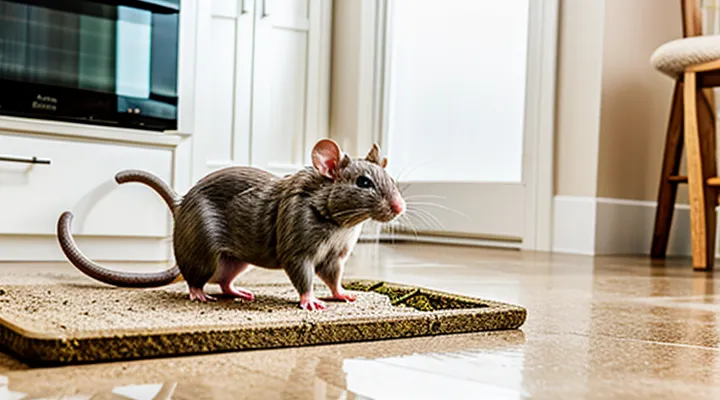
Preparing for Litter Training
Understanding Rat Behavior
Why Rats Can Be Litter Trained
Rats possess innate habits that make litter training feasible. Their instinct to separate waste from living areas mirrors the behavior of many small mammals that create distinct latrine sites in the wild. This natural tendency reduces the risk of contaminating food stores and promotes colony health.
The species’ high learning capacity supports rapid acquisition of new routines. Rats respond to positive reinforcement, such as treats, within a few repetitions, allowing owners to condition them to deposit droppings in a designated substrate. Their acute sense of smell enables them to recognize and prefer a clean, odor‑free surface, reinforcing consistent use of a litter box.
Additional factors that facilitate training include:
- Strong territorial instinct; rats mark specific zones, making a fixed litter area attractive.
- Fine motor control; paws can manipulate bedding material to cover waste, keeping the environment tidy.
- Social learning; individuals observe and imitate cage mates, accelerating group adoption of the habit.
Understanding these biological and behavioral traits explains why rats can reliably be taught to use a litter box, resulting in a cleaner habitat and easier maintenance for caretakers.
Natural Habits to Leverage
Rats instinctively select confined, clean spaces for elimination. Their natural tendency to keep nesting areas free of waste can be redirected toward a designated tray. Place the tray in a corner of the cage where the rats already spend time, and ensure the substrate mimics the texture of typical bedding. This alignment with their preference for familiar surfaces encourages consistent use.
Rats habitually dig and create tunnels. Incorporate a shallow tunnel or a cardboard tube that leads directly to the litter area. The tunnel satisfies their burrowing impulse while guiding them to the appropriate spot for waste disposal.
Scent marking drives territorial behavior. After the rats use the tray, add a small amount of soiled bedding from their regular enclosure to the tray. The familiar odor reinforces the location as an acceptable elimination zone, prompting repeat visits.
Nocturnal activity peaks during dark periods. Schedule brief observation sessions at night to confirm tray usage, and keep the tray accessible throughout the rats’ active hours. Consistent availability aligns with their natural schedule.
A concise list of habits to leverage:
- Preference for tidy, enclosed spaces → use a compact, well‑maintained tray.
- Burrowing instinct → provide a tunnel or tube leading to the tray.
- Scent‑based territory marking → seed the tray with familiar bedding odor.
- Nighttime activity → ensure tray accessibility during dark cycles.
- Social learning → allow one rat that reliably uses the tray to model behavior for cage mates.
By matching these innate behaviors with a strategically placed, appropriately textured litter area, rats can be guided to use the tray reliably without extensive conditioning.
Gathering Necessary Supplies
Choosing the Right Litter Box
Selecting an appropriate litter box is the first decisive factor in successful rat toilet training. The container must accommodate the animal’s size, encourage consistent use, and allow for easy maintenance.
A suitable box typically meets the following criteria:
- Dimensions – interior length at least 4 inches, width 3 inches, and height 2 inches; provides sufficient space for a rat to turn and settle without feeling cramped.
- Material – smooth, non‑porous plastic or stainless steel; resists odor absorption and simplifies cleaning.
- Access – low entry point or removable lid; enables the rat to enter without climbing, reducing hesitation.
- Stability – weighted base or non‑slipping bottom; prevents displacement during use.
- Cover option – optional lid with ventilation; contains litter while allowing airflow to control smell.
Placement influences acceptance. Position the box in a quiet corner of the cage, away from food and water stations, and near the rat’s natural nesting area. Ensure the surface surrounding the box remains dry to avoid discouraging entry.
Litter choice interacts with box selection. Use a low‑dust, absorbent substrate such as paper‑based pellets or kiln‑fired clay. Avoid clumping cat litter, which can adhere to paws and cause irritation.
Routine cleaning reinforces training. Empty waste daily, rinse with mild soap, and replace litter weekly. Consistent hygiene eliminates scent cues that might attract the rat to alternative locations.
By matching box size, material, access, and stability to the rat’s physical needs, and by situating the device strategically within the habitat, owners create a reliable environment that promotes regular litter box use.
Selecting Appropriate Litter Materials
Choosing the right litter material directly influences a rat’s willingness to use a designated area. The substrate must be safe, absorbent, and acceptable to the animal’s natural behaviors.
- Non‑toxic: free of chemicals, fragrances, or dust that could irritate the respiratory system.
- Low dust: minimizes airborne particles that can cause respiratory issues.
- High absorbency: controls moisture, preventing odor buildup and bacterial growth.
- Texture: mimics natural bedding, encouraging digging and covering behavior.
- Easy to clean: allows quick removal of waste without damaging the litter box.
Commonly effective options include paper‑based pellets, untreated wood shavings (such as aspen), and cellulose fiber litter. Avoid clumping cat litter, scented products, and cedar shavings, which can be harmful or deter usage. Select a material that satisfies the criteria above, then monitor the rats for acceptance and adjust if necessary.
Essential Cleaning Supplies
Effective litter box training for rats depends on maintaining a sanitary environment. Cleanliness reduces odor, discourages accidents outside the box, and supports the animals’ health, which in turn reinforces consistent use of the designated area.
Key cleaning items include:
- Absorbent, dust‑free litter – encourages rats to dig and cover waste; choose a material that clumps for easy removal.
- Disposable liners or pads – simplify daily scooping and prevent litter from embedding in the box.
- Enzymatic waste cleaner – breaks down urine and feces proteins, eliminating lingering smells that could deter rats.
- Pet‑safe disinfectant – sanitizes the box without harming rodents; apply weekly or after any spills.
- Rubber gloves – protect hands from contaminants and prevent cross‑contamination during maintenance.
- Small scoop or spoon – allows precise removal of solid waste without disturbing the remaining litter.
- Seal‑able waste bags – contain odor and prevent accidental exposure when disposing of used litter.
Routine cleaning protocol:
- Remove solid waste with the scoop after each session.
- Replace a portion of the litter daily to maintain dryness.
- Perform a full litter change and box sanitization weekly using the enzymatic cleaner and disinfectant.
- Wash hands thoroughly after handling supplies.
Adhering to this supply list and schedule ensures a clean, inviting litter box that rats will consistently use.
The Training Process
Initial Setup and Placement
Introducing the Litter Box to the Cage
Introducing a litter box into a rat cage requires deliberate placement and gradual habituation. Choose a box that fits comfortably within the cage dimensions, leaving enough space for climbing structures and food stations. Use a low‑profile container with smooth edges to prevent injury.
- Position the box in a quiet corner, away from the water bottle and food dish, where rats naturally seek secluded areas.
- Fill the box with a thin layer of non‑clumping, dust‑free substrate such as paper pellets or shredded paper; avoid pine or cedar shavings that can irritate respiratory tracts.
- Secure the box with a lightweight lid or mesh cover to prevent escape while maintaining airflow.
- Allow rats to explore the box during their active periods; observe without interference for 10‑15 minutes each session.
- Reinforce positive interaction by placing a small treat inside the box after a rat enters, encouraging repeat visits.
- Gradually increase the substrate depth to 1‑2 cm once the rats show consistent interest, then begin rewarding only when waste is deposited inside.
Monitor behavior for signs of avoidance, such as frequent grooming near the box or refusal to enter. Adjust placement or substrate type if necessary. Consistent exposure combined with immediate, low‑value rewards accelerates acceptance, leading to reliable litter box use.
Strategic Placement for Success
Place the litter tray where the rat naturally rests or explores. Rats favor corners with low traffic, so a quiet corner of the cage reduces anxiety and encourages consistent use.
Select a surface that mimics the animal’s instinct to dig. A shallow layer of absorbent, unscented material such as paper pellets or shredded paper provides a familiar texture and facilitates waste removal.
Separate the feeding area from the litter zone by at least 6‑8 inches. Rats avoid contaminating food sources; a clear distance reinforces the distinction between eating and eliminating spaces.
Secure the tray to the cage floor. A firmly attached box prevents displacement during climbing or nesting, ensuring the rat always returns to the same spot.
Consider multiple small trays for larger enclosures. Distribute them evenly along preferred pathways; the rat will adopt the nearest box, reducing accidents outside the designated area.
Maintain a consistent cleaning schedule. Remove waste daily and replace substrate weekly to keep odor low and the environment attractive for repeated use.
Encouraging Use of the Litter Box
Using Scent to Attract
Using scent as a cue significantly improves a rat’s willingness to enter a designated bathroom area. Rats possess a highly developed olfactory system; they respond to familiar and appealing odors more readily than to visual or tactile signals alone.
Select attractants that mimic natural preferences. Preferred scents include:
- Small amounts of fresh hay or straw, placed on the litter surface.
- A few drops of unscented coconut oil mixed with a tiny quantity of catnip oil; the combination masks the litter’s smell while providing a mild, pleasant aroma.
- Diluted vanilla extract (1 ml per 100 ml water) sprayed lightly onto the litter; the sweet scent encourages exploration without overwhelming the animal.
Apply the chosen scent uniformly across the litter material. Ensure the concentration is low enough to avoid irritation; a light mist or a thin layer of scattered material suffices. Reapply every 2–3 days, coinciding with litter changes, to maintain consistent olfactory cues.
Pair scent with positive reinforcement. When a rat uses the scented area, deliver an immediate reward such as a brief treat or gentle verbal praise. The association between the odor and the reward strengthens the behavior.
Avoid strong or aversive odors (e.g., citrus, peppermint, strong cleaning agents) that can deter the rat or cause stress. Test any new scent on a single rat before full implementation to confirm acceptance.
By integrating subtle, attractive smells with consistent reinforcement, the scent strategy directs rats toward the litter box, accelerates habit formation, and reduces accidents elsewhere in the enclosure.
Positive Reinforcement Techniques
Positive reinforcement drives rat litter‑box training by pairing the desired action with an immediate, desirable reward. The rat learns that using the box results in a beneficial outcome, increasing the likelihood of repeat performance.
- Identify a high‑value treat (e.g., small pieces of fruit, mealworms, or specialized rat snacks).
- Present the treat the moment the rat places any waste in the box.
- Use a consistent cue word such as “box” or a clicker sound to mark the exact moment of the behavior.
- Keep sessions brief (5‑10 minutes) and repeat several times daily.
- Gradually reduce the frequency of treats while maintaining the cue, allowing the habit to persist without constant food rewards.
Implementation steps:
- Place the litter box in a quiet corner, filled with absorbent material that mimics natural substrate.
- Observe the rat’s natural elimination spots; relocate the box gradually toward those locations.
- When the rat eliminates in the box, deliver the treat within one second and accompany it with the cue.
- Record each successful instance to monitor progress and adjust timing if delays occur.
- After several days of consistent responses, phase out the cue while continuing occasional treats to reinforce the behavior.
If the rat fails to adopt the box, evaluate the reward’s appeal, ensure the box is clean, and eliminate competing odors. Adjust the treat type or size, and verify that the cue is audible and distinct. Consistent application of these techniques results in reliable litter‑box use without regression.
Dealing with Accidents
Cleaning Up Effectively
Effective cleanup directly influences the success of teaching rats to use a litter tray. Prompt removal of waste prevents odors, discourages accidents, and reinforces the desired behavior.
- Remove solid waste immediately after detection; use a small scoop or tweezers to avoid disturbing the bedding.
- Empty the litter container at least once daily; for larger colonies, increase frequency to twice a day.
- Wash the tray with warm water and mild, unscented detergent; avoid strong chemicals that could repel the animals.
- Rinse thoroughly, then dry completely before adding fresh litter. Moisture retained in the tray can attract mold and discourage use.
- Replace litter material regularly; discard any clumped or heavily soiled sections to maintain a consistent texture.
Establish a cleaning schedule that aligns with the rats’ activity patterns. Perform a brief inspection each morning and evening; note any spills or damp spots and address them immediately. Consistency reduces the likelihood of secondary messes.
Recommended supplies include:
- Stainless‑steel or plastic tray with smooth interior surfaces.
- Fine‑granular, absorbent litter such as paper‑based or wood‑chip varieties.
- Small hand scoop, dedicated cleaning brush, and a separate container for waste.
- Unscented dish soap and a clean cloth for drying.
By adhering to these procedures, caretakers create a hygienic environment that supports rapid adoption of litter‑box habits and minimizes health risks.
Adjusting Training Methods
When a rat does not consistently use a litter tray, modify the training approach rather than persisting with a single method. Begin by evaluating the current setup: size of the tray, type of substrate, and placement relative to the cage’s activity zones. If the rat avoids the tray, try a finer, low‑dust material such as shredded paper or specialized rodent litter; some individuals prefer sand or wood shavings. Relocate the tray to a quieter corner or nearer a preferred nesting area, observing the animal’s movement patterns to identify the most frequented pathways.
Adjust the reinforcement schedule. Deliver a small food treat within five seconds of a successful deposit, then gradually increase the interval before the reward to encourage internal motivation. Rotate between treats and brief, gentle petting to prevent reliance on a single incentive. Reduce the frequency of verbal cues; overuse can lead to habituation, diminishing response.
Vary the timing of exposure. Introduce the tray during the rat’s active phase (typically dusk to early night) and remove it during long periods of inactivity. Short, consistent exposure—five to ten minutes each session—helps the animal associate the tray with a specific context without overwhelming it.
If regressions occur, temporarily revert to a more familiar substrate while maintaining the revised tray location and reward timing. Once the rat resumes proper use, re‑introduce the preferred litter gradually. Document each change, noting the rat’s behavior, to refine the protocol systematically and achieve reliable litter‑box usage.
Troubleshooting Common Issues
Rats Not Using the Box
Rats may reject a litter box for several practical reasons. Inadequate placement, unsuitable substrate, or a box that is too small can create discomfort. A strong scent from previous accidents or cleaning agents may also deter use. Additionally, rats often prefer to eliminate near food or water sources, especially if those areas are more accessible than the box.
- Position the box in a quiet corner away from feeding stations.
- Choose a low‑dust, absorbent material such as paper pellets or aspen shavings; avoid cedar or pine.
- Ensure the opening is large enough for the rat to enter without squeezing.
- Clean the box daily with mild, unscented soap; rinse thoroughly to remove residue.
- Introduce a small amount of soiled bedding to the box to provide a familiar odor cue.
Consistent reinforcement accelerates adoption. Observe each rat’s habits and place the box where elimination occurs most frequently. Reward immediate post‑use behavior with a brief treat or gentle petting. If avoidance persists, reassess the box’s dimensions, substrate, and location until the animal shows willingness to enter.
Switching to Different Litter
When a rat becomes accustomed to a particular substrate, changing to a new litter can disrupt the established habit. The transition should be gradual, allowing the animal to recognize the new material as a suitable surface for elimination.
Begin the switch by mixing a small proportion of the new litter with the old one. Use a ratio of 1 part new to 4 parts old for the first two days. Observe the rat’s behavior; if it continues to use the box, increase the proportion of the new litter by 25 % every 48 hours. By the end of one week, the box should contain only the new substrate.
Key factors to monitor during the transition:
- Texture: Rats prefer fine, absorbent material that mimics natural bedding. Rough or scented litters may be rejected.
- Odor: Strong fragrances can deter use. Opt for unscented, low‑dust products.
- Safety: Ensure the litter is non‑toxic and free of sharp particles that could injure paws.
If the rat avoids the box after a change, revert to the previous mixture for 24 hours, then repeat the gradual increase. Consistency in placement, size of the box, and cleaning schedule supports acceptance of the new litter.
Maintaining Consistency
Consistent routines shape a rat’s expectation of where and when to eliminate, turning the litter box from a novelty into a predictable resource.
- Keep the litter box in the same corner of the cage for the entire training period.
- Replace or refresh litter at identical intervals each day, preferably after the first morning cleaning.
- Offer a small food reward within five seconds of a correct deposit; repeat the timing for every successful use.
- Conduct brief, scheduled observation sessions—morning, midday, and evening—to record each instance of box use and adjust timing only if the pattern deviates.
Regularly assess the rat’s behavior against the established schedule. If a deviation appears, revert immediately to the original timing before making any modification. Maintaining an unvarying environment and reward structure eliminates confusion, accelerates habit formation, and ensures reliable litter box use.
Beyond Basic Training
Advanced Tips for Success
Training Multiple Rats
Training several rats to use a litter box requires consistent management of the environment, clear cue signals, and individualized reinforcement. Begin by selecting a box large enough for the group, placing absorbent bedding, and positioning it in a low‑traffic corner. Rats will quickly recognize a dedicated area when it is the only location offering the preferred substrate.
A systematic approach improves success rates:
- Introduce the box – Allow all rats to explore the empty box for several minutes each day. Remove any alternative hiding spots that could compete with the box.
- Mark the location – Place a small amount of soiled bedding from the cage inside the box to provide a familiar scent cue.
- Reward immediately – When a rat deposits waste in the box, deliver a brief treat (e.g., a piece of fruit or a pellet) within seconds. Consistency links the behavior to a positive outcome.
- Separate problematic individuals – If one rat consistently avoids the box, temporarily house it alone with the box to reinforce the habit before re‑introducing it to the group.
- Maintain cleanliness – Clean the box daily, removing waste and refreshing bedding. A clean box encourages repeated use.
Monitor each rat’s progress for signs of hesitation or accidents. Adjust the box’s placement if the group avoids it, ensuring easy access from all cage corners. Over time, the entire colony will adopt the litter box as the standard elimination site, reducing mess and simplifying cage maintenance.
Litter Box Maintenance Schedule
A consistent cleaning routine is essential for keeping a rat’s litter box hygienic and encouraging continued use. Replace soiled litter at least once daily; this removes urine and feces that can cause odors and health issues. Perform a thorough scoop of debris every 12 hours for multi‑rat households to prevent buildup.
- Morning (around 8 AM): Remove clumps, discard used litter, add fresh material to a depth of 1–2 cm.
- Midday (around 2 PM): Spot‑check for wet spots; if present, replace the affected area and replenish litter.
- Evening (around 7 PM): Empty the entire box, wash with mild, unscented soap and warm water, rinse thoroughly, dry, then refill with fresh litter.
Deep cleaning should occur weekly. Empty the box completely, scrub with a brush, rinse, and allow to air‑dry before adding new litter. Rotate to a fresh box every two weeks to avoid lingering bacteria.
Monitor litter condition daily. If a strong odor persists despite regular scooping, increase the frequency of full changes or consider a different litter substrate that offers better absorbency. Maintaining this schedule supports rat health, reduces disease risk, and reinforces the habit of using the designated area.
Long-Term Benefits
A Cleaner Cage Environment
A tidy cage creates conditions that encourage rats to accept a litter box. Odors, waste buildup, and soiled bedding trigger avoidance of the designated area; a clean environment removes those deterrents.
- Remove droppings and urine daily with a small scoop.
- Replace bedding weekly or sooner if damp.
- Use low‑dust, absorbent substrate that clumps for easy removal.
- Wash the cage, accessories, and litter box with mild, unscented soap; rinse thoroughly.
- Disinfect once a month with a diluted solution of hydrogen peroxide or white vinegar; avoid harsh chemicals that may irritate the animals.
Cleanliness reduces stress and reinforces the association between the litter box and a pleasant, hygienic spot. Rats explore the fresh substrate, deposit waste there, and develop a consistent habit. Maintaining these standards accelerates the training process and sustains long‑term use of the litter box.
Enhanced Pet-Owner Bond
Training rats to use a litter box establishes a predictable routine that signals reliability to the animal. Consistent cues and rewards reinforce the rat’s confidence that its needs will be met without surprise. This reliability forms the foundation for a stronger connection between pet and owner.
Enhanced bond outcomes include:
- Clear two‑way communication through consistent signal‑reward cycles.
- Increased trust as the rat learns that the owner respects its comfort zones.
- Shared accomplishment that motivates both parties to engage in further training activities.
- Reduced stress for the rat, leading to more relaxed interactions during handling.
A stable elimination routine frees the owner to focus on enrichment, play, and observation, deepening mutual understanding. The resulting relationship supports advanced training goals and promotes long‑term companionship.