
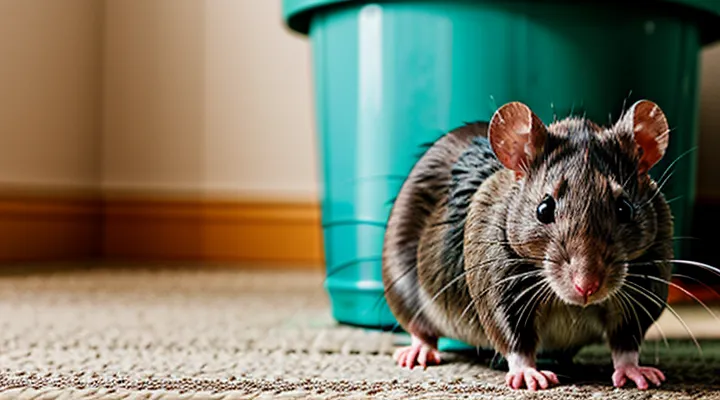
Understanding Rat Behavior and Psychology
Why Train Your Rat?
«Benefits for Rat»
Training rats in a domestic environment yields several measurable advantages for the animals themselves. Structured sessions introduce predictable routines, which reduce stress by establishing clear expectations. Regular mental challenges stimulate neural pathways, enhancing problem‑solving abilities and preventing cognitive decline. Physical activity incorporated into training—such as obstacle navigation or target‑pressing—promotes muscular development, improves cardiovascular health, and helps maintain optimal body weight. Social interaction with the trainer reinforces bonding, leading to increased confidence and reduced fear of humans. Consistent reinforcement of desired behaviors strengthens the rat’s sense of control over its surroundings, fostering resilience in novel situations.
Key benefits include:
- Reduced anxiety through routine and predictability
- Enhanced cognitive function and learning capacity
- Improved physical fitness and joint mobility
- Strengthened human‑rat relationship, encouraging trust
- Greater adaptability to environmental changes
Collectively, these outcomes support the rat’s overall welfare, making home‑based training a valuable component of responsible pet care.
«Benefits for Owner»
Training pet rats in a domestic environment yields measurable advantages for the caretaker. Consistent instruction improves the animal’s predictability, reducing accidental escapes and property damage. A well‑behaved rat responds reliably to cues, allowing safe handling during grooming, health checks, and veterinary visits. The reduced risk of injury translates into lower medical expenses and fewer emergency situations.
Structured training also enhances the owner’s sense of competence. Mastering cue‑association techniques provides clear evidence of progress, reinforcing confidence in animal‑care skills. This competence often extends to other small‑animal hobbies, broadening the caretaker’s expertise.
Key benefits can be summarized as follows:
- Decreased likelihood of destructive behavior (chewing, urination, hoarding).
- Streamlined routine tasks (handling, cage cleaning, medication administration).
- Lowered veterinary costs due to early detection of health issues.
- Strengthened human‑animal bond, fostering emotional well‑being.
- Transferable training knowledge applicable to additional pets or future projects.
Basic Rat Communication
«Body Language Cues»
Understanding a rat’s body language is essential for effective home training. Rats communicate through posture, facial expressions, and movement; recognizing these signals enables precise guidance and reduces stress.
Key cues to observe:
- Erect posture with raised tail – indicates alertness and readiness to explore; use this moment to introduce new tasks.
- Flattened ears against the head – signals fear or submission; pause training, provide a safe space, and avoid forcing interaction.
- Whisker forward position – shows curiosity; present enrichment items or reward immediately.
- Rapid grooming or excessive licking – reflects anxiety; reduce stimulus intensity and reassess the training step.
- Squeaking patterns – short, sharp squeaks often denote excitement; longer, drawn‑out squeals may convey discomfort.
- Tail twitching – gentle flicks suggest mild agitation; vigorous whipping signals heightened stress and requires immediate cessation of the activity.
Applying these observations improves conditioning. When a rat displays an alert posture, present a cue (e.g., a click or verbal marker) followed by a treat to reinforce the desired behavior. If fear signs appear, retreat to a neutral cue and repeat the exercise later at a lower intensity. Consistent pairing of positive reinforcement with clear, recognizable body language creates a reliable feedback loop, accelerating learning while maintaining the animal’s welfare.
«Vocalizations and Their Meanings»
Rats communicate through a limited but distinct set of sounds that convey emotional state, intent, and reaction to stimuli. Recognizing these vocalizations enables precise interaction and accelerates behavioral conditioning in a domestic setting.
- High‑pitched squeal (150–250 Hz) – indicates acute distress or pain; immediate cessation of the provoking action is required.
- Low‑frequency chirp (30–70 Hz) – signals contentment or anticipation of a reward; reinforces positive reinforcement schedules.
- Soft, continuous whine (50–120 Hz) – expresses mild discomfort or uncertainty; suggests a need for gradual exposure to the task.
- Rapid, repetitive chatter (200–300 Hz) – accompanies social play or exploratory behavior; useful for timing enrichment intervals.
- Brief, sharp bark (300–400 Hz) – serves as a warning of perceived threat; prompts the trainer to remove or desensitize the source.
During training sessions, observe the dominant vocal pattern before introducing new cues. If a distress squeal emerges, pause and reassess the stimulus intensity. When a chirp follows a cue, pair the signal with the intended reward to strengthen the association. A whine during a novel obstacle indicates that the rat requires additional habituation before progressing. Consistent interpretation of these sounds reduces trial‑and‑error cycles and produces reliable performance improvements.
Essential Training Supplies and Setup
Creating a Safe Training Environment
«Designated Training Space»
A dedicated training area provides a stable environment in which rats can learn tasks without distraction. The space should be isolated from the main living area, allowing the animal to focus on the exercises while remaining safe from household hazards.
- Minimum dimensions: 30 × 30 cm floor space per rat, with additional room for obstacles.
- Enclosure type: clear acrylic or wire cages with secure lids; bars must be no larger than ½ inch to prevent escape.
- Ventilation: adequate airflow to prevent overheating; mesh panels are preferable to solid walls.
- Flooring: washable, non‑slip surface such as textured plastic or sealed wood; avoid soft bedding that can obscure cues.
- Lighting: low‑intensity, steady illumination; avoid flickering or overly bright lights that may stress the animal.
Placement should favor quiet corners away from loud appliances, direct sunlight, and drafts. The area must be easily reachable for the owner to set up training tools and retrieve the rat promptly after each session.
Routine upkeep includes daily removal of waste, weekly deep cleaning with mild, non‑toxic disinfectant, and regular inspection of bars, locks, and any attached apparatus. Maintaining these standards ensures a consistent, hygienic environment that supports effective learning for pet rats.
«Minimizing Distractions»
When conditioning a pet rat, the training environment must remain free of competing stimuli. Uncontrolled noises, sudden movements, and visual clutter divert the animal’s attention and undermine the formation of reliable behavioral cues.
To create a distraction‑minimal setting:
- Choose a quiet room; close windows and turn off appliances that generate intermittent sounds.
- Remove objects that move or reflect light, such as televisions, ceiling fans, and reflective surfaces.
- Schedule sessions during periods of low household activity, typically early morning or late evening.
- Use a single, neutral-colored training mat to define the work area and prevent background patterns from drawing focus.
- Limit the number of people present to one handler; additional observers increase unpredictable motion and sound.
Consistent application of these controls sharpens the rat’s concentration, accelerates learning, and produces repeatable responses that can be transferred to more complex tasks.
Recommended Training Tools
«Treats and Rewards»
Treats and rewards constitute the primary mechanism for shaping desired behaviors in domestic rats. They provide a clear, measurable signal that a specific action has met the trainer’s expectations, allowing rapid learning through repetition.
Effective treats meet three criteria: high palatability, minimal caloric impact, and ease of handling. Common options include:
- Small pieces of fresh fruit (e.g., apple, banana)
- Soft vegetables (e.g., carrot, cucumber)
- Commercial rat treats formulated for low fat and sugar
- Tiny portions of lean protein such as cooked chicken or boiled egg white
Select items that the rat readily consumes within seconds; delayed consumption weakens the association between action and reward.
Timing is critical. Deliver the treat the instant the behavior occurs, preferably accompanied by a distinct marker signal (clicker, verbal cue). This immediate feedback creates a strong link in the animal’s memory.
Begin with continuous reinforcement: reward every successful attempt while the behavior is being acquired. Once consistency is achieved, transition to a variable‑ratio schedule, providing rewards intermittently to maintain performance without excessive feeding.
Balance food rewards with non‑nutritional incentives. Brief grooming sessions, gentle hand‑holding, or brief play with a safe chew toy reinforce training while limiting caloric intake. Rotate flavors regularly to prevent habituation and preserve motivation.
Safety considerations include eliminating toxic foods (e.g., chocolate, onions, citrus peel), monitoring body condition to avoid obesity, and storing treats in airtight containers to prevent spoilage. Regularly assess the rat’s weight and adjust portion sizes accordingly.
By adhering to these guidelines, trainers can employ treats and rewards as precise tools that accelerate learning, sustain engagement, and preserve the health of pet rats during home‑based training programs.
«Clicker Training Basics»
Clicker training provides a clear, repeatable signal that tells a rat a desired behavior has been performed correctly. The method relies on a small handheld device that produces a sharp, consistent sound followed immediately by a food reward. This pairing creates an association between the click and a positive outcome, enabling the animal to learn new actions quickly.
To begin, obtain a clicker that produces a distinct, audible click. Choose high‑value treats such as small pieces of dried fruit, mealworms, or commercial rat treats. Keep treats in a shallow dish for easy access during sessions.
- Introduce the clicker – Press the clicker and immediately give a treat. Repeat 10–15 times to establish the click‑treat link.
- Select a target behavior – Common starter actions include approaching a hand, stepping onto a platform, or retrieving a small object.
- Mark the behavior – When the rat performs the first hint of the target action, press the clicker, then deliver a treat.
- Shape gradually – Reward increasingly precise versions of the behavior, reducing the distance between the click and the final action.
- Add a cue word – Once the behavior is reliable, say a short word (e.g., “up”) just before clicking. Continue rewarding after the click.
- Practice short sessions – Conduct 5‑minute training bouts 2‑3 times daily. End each session on a successful attempt to maintain motivation.
Consistency in timing is critical; the click must occur within a fraction of a second after the desired response. Avoid using the click for unrelated noises, as this dilutes the signal. Keep the training environment calm, free of loud distractions, to help the rat focus on the auditory cue.
Progress can be measured by the rat’s ability to perform the behavior on cue without a click, followed by a treat. When the rat reliably executes the action, reduce treat frequency while maintaining occasional reinforcement to preserve the learned skill. This approach forms the foundation for more complex tasks in a home training program.
«Target Stick»
The target stick is a handheld cue that directs a rat’s attention during domestic training sessions. Constructed from a lightweight rod—typically bamboo, PVC, or carbon fiber—and topped with a small, brightly colored marker, the device provides a clear visual focus without overwhelming the animal’s senses.
Effective use of the target stick follows a three‑step sequence:
- Introduce the cue – Present the stick at a comfortable distance, allowing the rat to sniff and observe the marker. Reward any glance or approach with a treat.
- Shape the behavior – Gradually move the stick toward a desired location (e.g., a clicker box or a specific platform). Each successful touch of the marker with the rat’s nose earns immediate reinforcement.
- Generalize the command – Vary the stick’s angle, height, and distance while maintaining consistent rewards. This trains the rat to follow the cue across different environments within the home.
Safety considerations include ensuring the marker is non‑toxic, the rod is smooth to prevent splinters, and the stick is stored out of reach when not in use. Regular cleaning with mild soap and water removes residue that could distract the animal.
Incorporating the target stick into a home‑based training program accelerates learning, enhances precision in task execution, and provides a reliable communication channel between the handler and the rat.
Core Training Techniques
Positive Reinforcement Principles
«Timing and Consistency»
Consistent timing is the foundation of successful rat training. Rats learn by associating a specific cue with an immediate outcome; any delay weakens the connection and prolongs the learning curve. Deliver the reward within one to two seconds after the desired behavior appears. This interval ensures the animal perceives the action and the reinforcement as a single event.
Maintain the same schedule for each training session. Conduct short, daily sessions—five to ten minutes each—rather than occasional lengthy bouts. Regular exposure reinforces neural pathways and prevents extinction of the learned response.
Key practices for timing and consistency:
- Use a distinct, repeatable cue (verbal command or hand signal) before the behavior.
- Present the treat or praise immediately after the cue is fulfilled.
- Keep session length uniform; adjust only by adding or removing repetitions, not by altering overall duration.
- Record the time of each reinforcement to verify that the delay never exceeds two seconds.
- Stick to a fixed daily training window (e.g., 08:00–09:00) to establish a routine for the rat.
By enforcing precise intervals and a stable schedule, the rat quickly distinguishes correct actions from errors, leading to faster acquisition of desired skills.
«Varying Rewards»
Varying rewards is a core technique for maintaining engagement during domestic rat training. Presenting a single treat repeatedly leads to rapid loss of interest; alternating incentives preserves motivation and accelerates learning.
Effective variation includes:
- Different food items (seed pellets, small fruit pieces, cheese cubes).
- Non‑edible rewards (brief grooming, tactile stimulation, verbal praise).
- Sensory cues (light flashes, soft clicks) paired with treats.
Timing influences effectiveness. Deliver the reward immediately after the target behavior to reinforce the association; delay of more than two seconds weakens the link. Alternate between continuous reinforcement for new commands and intermittent reinforcement for established behaviors to prevent extinction.
Monitor each rat’s preferences. If a particular reward no longer elicits a response, replace it with an alternative from the list. Adjust portion size to avoid overfeeding while ensuring the incentive remains desirable. Record successful pairings to refine the schedule and sustain progress.
Introduction to Clicker Training
«Charging the Clicker»
Charging the clicker is the first step in establishing a reliable communication signal for home rat training. The process conditions the animal to associate the click sound with a reward, creating a clear behavioral cue.
- Select a clicker that produces a sharp, consistent sound audible over background noise. Test it by pressing several times to ensure reliability.
- Load a treat container with small, high‑value food items such as millet or tiny pieces of fruit. Keep the treats within easy reach.
- Sit at the rat’s cage level, hold the clicker in one hand and a treat in the other. Press the clicker once, then immediately deliver a treat into the rat’s mouth. Repeat this sequence 10–15 times in a single session.
- Observe the rat’s reaction. If the animal pauses or looks toward the hand after the click, the association is forming. If no response occurs, increase the treat size slightly and repeat the sequence.
- Conduct short charging sessions (2–3 minutes) two to three times per day. Consistency reinforces the link between sound and reward.
- After several days, test the conditioned response by clicking without presenting a treat. If the rat still looks for a reward, the clicker is fully charged and ready for training tasks.
Successful charging eliminates hesitation during subsequent cue training, allowing precise timing of desired behaviors.
«Shaping Behavior»
Shaping behavior is a systematic method of reinforcing successive approximations toward a target action. It enables a rat to acquire complex tasks by rewarding each incremental step that brings the animal closer to the desired performance.
- Identify the final behavior (e.g., navigating a maze, pressing a lever).
- Observe the rat’s natural movements that resemble the goal.
- Deliver a small food reward immediately after the first observable approximation.
- Gradually raise the criteria: require the rat to perform a slightly more precise version before rewarding.
- Continue tightening the requirements until the exact target action occurs consistently.
- Transition to intermittent reinforcement to maintain the behavior without constant rewards.
Key considerations: use high‑value treats to ensure motivation; keep reward delivery within one second of the desired movement; maintain a calm environment to prevent stress; record each session’s criteria to track progress objectively. Consistent application of these steps yields reliable acquisition of sophisticated behaviors in a domestic setting.
Lure and Reward Method
The lure and reward method conditions a rat to perform a target behavior by pairing a desirable stimulus with a positive consequence. The approach relies on three elements: a clear cue, an enticing lure, and an immediate reward.
Implementation begins with selecting a food item the rat finds highly palatable, such as a small piece of sunflower seed or a dab of peanut butter. Present the lure within a reachable distance and wait for the rat to approach. As soon as the animal makes contact, deliver a secondary reward—typically a treat or a brief session of gentle petting—to reinforce the action. Repeating this sequence builds a reliable association between the cue and the desired response.
To apply the method systematically, follow these steps:
- Identify a distinct cue (e.g., a clicker sound or a hand signal).
- Offer the lure while presenting the cue.
- Observe the rat’s approach and contact with the lure.
- Immediately administer the reward.
- Gradually increase the distance between cue and lure to shape longer‑range behaviors.
Consistent timing and a predictable pattern are critical. Over time, the rat will respond to the cue alone, reducing reliance on the physical lure while maintaining the learned behavior.
Teaching Basic Commands
Coming When Called
«Name Recognition»
Teaching a rat to respond to its name creates a reliable cue for more complex training. The animal learns to associate a specific sound with a positive outcome, which streamlines later conditioning sessions.
Begin with a quiet, distraction‑free area. Use a single, short name spoken in a calm voice. Offer a high‑value treat (e.g., a piece of sunflower seed) each time the rat looks toward the speaker. Repeat the sequence several times per session, limiting each session to five minutes to prevent fatigue.
- Say the chosen name once, then pause for two seconds.
- If the rat turns its head or moves toward you, immediately deliver the treat and a brief click or verbal marker.
- If the rat does not respond, repeat the name without additional cues and wait another two seconds.
- After ten successful responses, increase the interval between name and reward to three seconds, then five seconds, reinforcing the association.
- Conduct three to four sessions daily, maintaining identical volume and tone.
Gradually introduce mild distractions (soft background music, a moving toy) while preserving the name‑response pattern. If the rat’s accuracy drops below 70 % in a session, revert to the previous interval length and reinforce until performance recovers. Consistent timing, clear auditory cue, and immediate reinforcement establish robust name recognition for home‑based rat training.
«Gradual Distance Increase»
Gradual distance increase is a core component of effective domestic rat conditioning. The method trains the animal to travel farther on cue while maintaining reliability and confidence.
- Begin with a cue that prompts the rat to move a short, clearly defined length (10–15 cm). Reward immediately upon completion.
- Extend the target distance by 5–10 cm each session, keeping the cue identical and the reward consistent.
- Use visual markers (tape, tiles) to delineate each new length, ensuring the rat can perceive the change.
- Record the distance achieved before each reward; stop progression if the rat hesitates or shows signs of stress.
Consistency determines success. Do not skip increments; maintain the same number of repetitions per distance before advancing. Monitor the rat’s behavior for anxiety indicators and adjust the pace accordingly. Regular short sessions (5–10 minutes) yield steady improvement without fatigue.
Sitting on Command
«Luring into Position»
Effective luring directs a rat’s attention toward a specific spot, enabling precise behavioral shaping. Begin by selecting a quiet area free of distractions; the space should allow the animal to see the target without obstruction. Use a low‑profile platform or a small, stable tray as the designated position.
Prepare a high‑value food item—such as a piece of dried fruit, seed mix, or a small cheese cube—reserved exclusively for training sessions. Place the treat on a thin finger or a small spoon, ensuring the rat can see and scent it clearly. Hold the lure just outside the rat’s line of sight, then move it slowly toward the target area. Maintain a steady pace; abrupt motions cause hesitation.
Steps to lure a rat into position
- Position the target platform within the rat’s natural travel path.
- Hold the treat at a distance of 6–8 inches from the rat.
- Move the treat forward in a smooth, continuous line toward the platform.
- Release the treat onto the platform once the rat reaches the desired spot.
- Immediately reward the rat with an additional piece of food and brief verbal praise.
If the rat bypasses the platform, reduce the distance between the lure and the target, or add a secondary cue such as a soft click from a trainer’s clicker. Consistency in lure speed, treat type, and release point reinforces the association between the cue and the correct position.
Conclude each session with a brief free‑exploration period, allowing the rat to integrate the learned behavior without pressure. Regular short sessions—5 to 10 minutes, three times daily—solidify the luring response and prepare the animal for more complex tasks.
«Verbal Cues»
Verbal cues serve as the primary channel for signaling desired actions to a pet rat during indoor training sessions. A cue must be short, distinct, and consistently paired with the target behavior to create a clear association.
Choose words that differ markedly from everyday conversation. Common selections include “up,” “down,” “spin,” and “stay.” Use a neutral tone; avoid emotional inflection that could confuse the animal. Record the chosen cue and rehearse it before each session to maintain uniformity.
Timing of the cue is critical. Issue the verbal command immediately before presenting the stimulus that elicits the behavior, then deliver a reward the moment the rat complies. Delayed cues or rewards weaken the link between word and action.
Reinforcement follows the same pattern each time: verbal cue → prompt → immediate treat or gentle petting. Consistency across all training episodes solidifies the cue’s meaning.
Typical verbal cues for basic tasks:
- “Come” – encourages the rat to approach the trainer’s hand.
- “Jump” – prompts the rat to leap onto a low platform.
- “Turn” – directs a 180‑degree rotation on a cue stick.
- “Fetch” – instructs the rat to retrieve a small object.
Advanced cues can be built by combining simple commands, such as “up‑right” for climbing onto a vertical surface while maintaining orientation. Begin with one cue, master it, then introduce the next to prevent confusion.
If a rat fails to respond, verify that the cue remains unchanged, the reward is immediate, and the environment is free of distracting noises. Adjust volume or pitch only if the animal shows consistent misinterpretation; otherwise, preserve the original wording.
Regular short sessions—five to ten minutes, twice daily—reinforce the cue‑behavior connection without causing fatigue. Over time, the rat will execute the commanded actions reliably upon hearing the designated word.
Standing Up
«Targeting High»
Training rats to perform high‑target tasks expands their physical confidence and sharpens problem‑solving abilities. The approach involves teaching the animal to reach elevated platforms, bars, or shelves using a clear cue and a consistent reward system.
Begin by selecting a sturdy, low‑profile platform that can be gradually raised. Secure the platform to prevent wobbling; unstable surfaces cause hesitation and increase the risk of injury. Use a distinct verbal cue such as “high” paired with a hand signal. Introduce the cue while the platform is at ground level, rewarding the rat immediately when it steps onto the surface. Repeat until the association is solid, then incrementally increase the platform height. Maintain a short session length—five to ten minutes—to preserve focus and prevent fatigue.
Key considerations:
- Safety – Ensure the platform height does not exceed the rat’s jumping capability; a maximum of 6 cm above the floor is advisable for beginners.
- Reward timing – Deliver treats within one second of the correct response to reinforce the behavior.
- Consistency – Use the same cue and hand signal in every session; variation confuses the animal.
- Progress monitoring – Record the highest successful jump each week to adjust difficulty appropriately.
After the rat reliably reaches the elevated platform, introduce variations such as moving the platform laterally or adding a narrow bridge. These adjustments challenge balance and encourage adaptability. Concluding each training block with a successful high‑target attempt strengthens confidence and prepares the rat for more complex tasks within the domestic training program.
Fetching Small Objects
«Teaching ‘Take It’»
Training a rat to respond to the cue “Take It” establishes a reliable exchange for food, treats, or objects. The process relies on consistent timing, clear signals, and positive reinforcement.
Begin with a quiet environment free of distractions. Use a small hand‑held treat container that opens with a gentle squeeze. Hold the container in the rat’s line of sight, then say the word “Take It” in a calm, steady tone. Immediately open the container, allowing the rat to retrieve the treat. Repeat the sequence 5–8 times per session, keeping each session under five minutes to prevent fatigue.
Key steps:
- Introduce the cue – Pair the spoken word with the opening of the container without requiring the rat to act first.
- Add the action – After the cue, wait one second before releasing the treat; the rat learns that the sound predicts the opportunity.
- Gradual delay – Extend the pause between cue and release by 0.5‑second increments once the rat consistently approaches.
- Introduce a hand signal – Combine the verbal cue with a simple hand motion (e.g., a slight upward flick) to reinforce the command.
- Generalize the command – Practice in different rooms, on varied surfaces, and with alternative treat containers to ensure the cue is not context‑specific.
Troubleshooting tips:
- If the rat hesitates, shorten the delay between cue and treat.
- Reduce ambient noise if the rat appears startled by the verbal cue.
- Use high‑value treats (e.g., sunflower seeds) during initial learning phases; transition to standard pellets once the behavior is stable.
Maintain a log of session dates, duration, and observed response latency. Regular review of the data highlights progress and identifies plateaus. Consistent application of the outlined protocol yields a dependable “Take It” response, enabling more complex training sequences in a home setting.
«Teaching ‘Drop It’»
Teaching a rat to release an object on command, often called “Drop It,” relies on consistent timing, appropriate rewards, and clear signals. Begin each session with a calm environment and a familiar hand‑off object such as a small treat‑wrapped ball.
- Introduce the object – Place the item in the rat’s mouth, allow a few seconds of chewing, then gently open the mouth with a thumb and forefinger while saying a short cue word (e.g., “drop”).
- Reward the release – As soon as the object leaves the mouth, give a high‑value treat and praise. The immediate reward reinforces the desired behavior.
- Repeat with variation – Practice with different objects, distances, and hand positions, maintaining the same cue word. Consistency in the verbal cue prevents confusion.
- Phase out the hand – After several successful releases, present the cue without touching the rat’s mouth. Provide the treat only when the rat drops the item voluntarily.
- Increase interval – Gradually extend the time between cue and reward, encouraging the rat to hold the release command longer before receiving the treat.
Key points for success: keep sessions brief (5–10 minutes), end on a positive note, and avoid forcing the mouth open, which can cause stress. Regular short practice sessions embed the “Drop It” response into the rat’s routine, making the skill reliable in everyday handling.
Advanced Tricks and Problem Solving
Learning Agility Courses
«Building Mini Obstacles»
Constructing miniature obstacles provides essential physical and mental stimulation for domesticated rats. The structures must be safe, stable, and sized to accommodate the animal’s natural climbing and tunneling behaviors.
Begin with materials that are non‑toxic and easy to clean. Common choices include untreated wood blocks, PVC pipe sections, cardboard tubes, and plastic platforms. Secure all joints with non‑sharp fasteners such as brass screws or silicone adhesive to prevent injury. Ensure that each element can support the rat’s weight without wobbling.
Typical obstacle components include:
- Elevated platforms: 2–3 inches high, spaced 4–6 inches apart.
- Low arches: 1‑inch clearance, allowing passage while encouraging stretching.
- Tunnel segments: 1‑inch diameter, 6‑inch length, linked to form mazes.
- Climbing ramps: gentle slope of 15°–20°, surface covered with sisal rope for grip.
Arrange the pieces in a modular layout that can be reconfigured regularly. Alternate vertical and horizontal challenges to engage different muscle groups. Test each configuration for stability before introducing the rat, and remove any loose fragments after each session. Regularly rotate obstacles to maintain novelty and prevent habituation.
«Guiding Through the Course»
Training rats in a domestic environment requires a structured approach that balances consistency, safety, and gradual skill development. The following outline presents a complete course framework, each segment designed to build on the previous one.
The introductory phase establishes trust. Begin with daily handling sessions of five to ten minutes, allowing the rat to explore the palm and become accustomed to human scent. Offer a small piece of fresh fruit as a reward after each contact. Record the animal’s response to gauge comfort level and adjust session length accordingly.
The second phase introduces basic commands. Use a distinct verbal cue such as “come” paired with a hand signal. Present a treat at a short distance, release the cue, and reward the rat immediately upon approach. Repeat the exercise until the rat reliably follows the cue from a distance of fifteen centimeters, then incrementally increase the range.
The third phase focuses on target training. Place a colored lid or a small plastic disc on the floor as a target. Pair the cue “touch” with a gentle tap on the rat’s nose, encouraging it to make contact with the object. Reward each successful touch. Progress to moving the target across the enclosure, reinforcing precision and speed.
The fourth phase incorporates obstacle navigation. Construct a simple maze using cardboard tubes and low ramps. Guide the rat through the course using the previously learned cues, rewarding completion of each segment. Adjust difficulty by adding turns or narrow passages, ensuring the rat maintains motivation through consistent reinforcement.
The final phase consolidates learned behaviors into a routine. Schedule three short training sessions per day, rotating through recall, target, and obstacle drills. Document performance metrics—response time, accuracy, and error rate—to monitor progress and identify areas needing reinforcement.
Key resources for the trainer include:
- A set of small, high‑value treats (e.g., unsalted peanuts, dried fruit)
- A clicker or consistent verbal marker for timing reinforcement
- Safe, non‑toxic materials for constructing obstacles
- A logbook or digital spreadsheet for tracking session data
By adhering to this systematic course, the trainer creates a predictable learning environment that encourages rats to respond reliably to commands, navigate challenges, and maintain engagement over the long term.
Solving Common Behavioral Issues
«Nipping and Biting»
Rats may bite or nip when they feel threatened, overstimulated, or uncertain about a new task. Recognizing the triggers—sudden movements, loud noises, or handling that deviates from routine—prevents escalation. Consistency in interaction reduces anxiety, allowing the animal to associate human contact with safety rather than danger.
Effective mitigation follows a three‑step protocol:
- Observation – Identify specific situations that precede a nip. Record time, environment, and handling technique.
- Desensitization – Gradually expose the rat to the identified stimulus at a low intensity. Use brief, calm sessions, rewarding calm behavior with a treat.
- Positive reinforcement – Immediately after a non‑aggressive response, provide a high‑value food reward. Repeat until the rat reliably chooses the reward over the bite response.
If a bite occurs, pause interaction for several minutes to allow the rat to reset. Resume with a slower, gentler approach, keeping hands within the rat’s visual field. Avoid direct eye contact that may be perceived as a threat.
Additional precautions include:
- Trimming nails regularly to lessen injury risk.
- Providing ample enrichment (chew toys, tunnels) to channel natural gnawing instincts away from humans.
- Maintaining a predictable routine; abrupt changes increase stress and aggression.
By systematically applying observation, desensitization, and reinforcement, owners can transform nipping and biting from defensive reactions into opportunities for cooperative training within a home environment.
«Cage Aggression»
Cage aggression manifests when rats defend their enclosure against perceived threats, often displaying lunges, bites, or vocalizations. The behavior typically emerges after a change in cage setup, introduction of new rats, or inconsistent handling.
Identifying aggression requires close observation of body language: flattened ears, rigid posture, rapid tail movement, and sudden attacks toward the hand or other rodents indicate heightened territoriality. Recording incidents helps track patterns and triggers.
Mitigation strategies:
- Maintain a stable environment; avoid frequent rearrangement of bedding, toys, or feeding stations.
- Introduce new rats gradually, using a neutral holding area before allowing direct contact.
- Limit handling sessions to short, calm periods; increase duration only after the rat shows relaxed behavior.
- Provide multiple hideouts and enrichment items to reduce competition for resources.
- Ensure the cage size meets recommended space guidelines—minimum 2 sq ft per rat—to prevent crowding stress.
Training sessions should occur outside the cage once the animal exhibits consistent calmness. Begin with simple cue-response exercises, such as targeting a stick or following a hand movement, before progressing to more complex tasks. Consistency, patience, and a low‑stress environment are essential for converting aggressive tendencies into cooperative behavior.
«Chewing on Undesirable Objects»
Rats naturally explore their environment with their teeth, often targeting cords, furniture legs, or other prohibited items. Redirecting this instinct prevents damage and reinforces desired behavior.
- Provide chew‑safe alternatives such as untreated wood blocks, natural fibers, or commercially available dental toys. Replace each forbidden object with an approved substitute within the same vicinity.
- Rotate chew items weekly to maintain novelty and sustain interest.
- Apply a pet‑safe deterrent spray to surfaces you wish to protect; the unpleasant taste discourages repeated attempts.
- Supervise free‑range sessions, intervening promptly when the rat approaches an undesirable object and guiding it toward the designated chew material.
- Reinforce successful chewing on appropriate items with a brief treat or verbal cue, linking the action to a positive outcome.
Consistent application of these measures conditions the rat to recognize acceptable chewing targets, reduces property damage, and supports overall training objectives.
Maintaining Training and Bonding
Short and Frequent Sessions
«Keeping it Fun»
Keeping training sessions enjoyable prevents boredom and encourages steady progress. Use a rotating selection of toys—tunnels, chew sticks, and puzzle feeders—to introduce novelty each week. Present each new item for a brief period, then replace it with another to maintain interest.
Incorporate short, varied exercises rather than lengthy repetitions. Alternate between target‑press training, obstacle navigation, and scent‑tracking drills. Limit each activity to five minutes, followed by a five‑minute play break, to sustain focus without causing fatigue.
Apply positive reinforcement consistently. Offer a favored treat immediately after a correct response, then pause before starting the next task. This clear cause‑and‑effect relationship reinforces learning while keeping the atmosphere light.
Schedule regular social interaction. Allow the rat to explore a safe, supervised play area with gentle handling by the trainer. Interaction builds confidence and associates training with pleasant human contact.
Monitor stress signals—piloerection, freezing, or excessive grooming. If any appear, pause the session, provide a quiet retreat, and resume only after the rat appears relaxed. Maintaining a low‑stress environment ensures that fun remains the dominant element of the training process.
General Socialization and Handling
«Building Trust»
Building trust is the foundation of any successful domestic rat training program. Trust develops when the animal perceives the handler as a reliable source of food, safety, and predictable interaction. Consistency, patience, and respect for the rat’s natural behaviors accelerate this process.
- Offer food directly from the hand to associate the handler with nourishment.
- Approach the cage slowly, avoiding sudden movements that could startle the rat.
- Speak in a calm, low tone while the rat explores the enclosure.
- Allow the rat to initiate contact; do not force handling.
- Use brief, gentle sessions (5‑10 minutes) several times daily to reinforce positive associations.
After initial trust is established, maintain it by keeping routines stable. Replace treats with the same type of reward each session to prevent confusion. Monitor the rat’s body language; flattened ears, rapid breathing, or retreating indicate stress and require a pause in interaction. Gradually increase handling duration as the rat shows comfort, always ending sessions on a positive note.
Regularly clean the habitat, provide enrichment, and respect the animal’s need for solitude. These practices sustain the bond, ensuring the rat remains receptive to more advanced commands and tricks.
Continuing Education and New Challenges
Owners who have mastered basic rat conditioning frequently pursue structured learning to refine techniques and address emerging obstacles. Continuing education provides access to current research, specialized curricula, and peer feedback that elevate training efficacy.
Resources for ongoing development include:
- Certified online modules covering operant conditioning, enrichment design, and humane reinforcement.
- Local workshops led by experienced rodent behaviorists offering hands‑on demonstration of complex cues.
- Peer‑reviewed journals publishing studies on cognitive capacities of domesticated rats and evidence‑based training protocols.
- Community forums where practitioners exchange case studies, troubleshoot problem behaviors, and recommend equipment upgrades.
New challenges arise as rats progress beyond elementary commands. Advanced objectives often involve multi‑step sequences, problem‑solving tasks, and social interaction drills. Specific issues to anticipate:
- Diminishing motivation when novelty wears off; countered by rotating stimuli and adjusting reward schedules.
- Increased sensitivity to environmental stressors, requiring regular health monitoring and habitat optimization.
- Behavioral plateaus that necessitate incremental difficulty adjustments and precise timing of cues.
- Equipment wear, prompting periodic replacement of tunnels, wheels, and clicker devices to maintain reliability.
Effective navigation of these challenges depends on systematic record‑keeping, periodic skill assessment, and willingness to integrate emerging best practices. By committing to lifelong learning, rat trainers sustain progress, prevent regression, and foster a dynamic, rewarding partnership with their pets.