
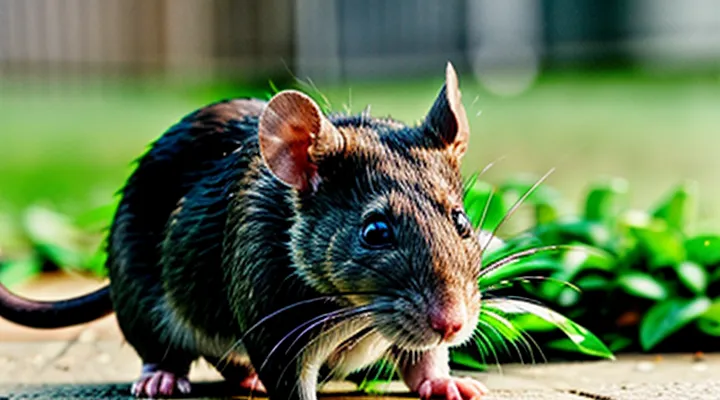
«Understanding Rat Vision»
«How Rats See»
Rats possess a visual system adapted to nocturnal activity. Their eyes are positioned laterally, providing a wide field of view that exceeds 300 degrees. Visual acuity is low; rats resolve details only at close range, typically a few centimeters. Photoreceptor composition favors rod cells, granting sensitivity to dim light but limiting color discrimination. Rats detect motion efficiently, especially against contrasting backgrounds, and rely on visual cues for navigation and predator avoidance.
- Wide peripheral vision enables detection of objects without head movement.
- Limited sharpness restricts detailed inspection to near objects.
- Predominant rod activity supports vision in low‑light environments.
- Dichromatic color perception allows differentiation of blues and greens, but reds appear muted.
- Motion sensitivity drives rapid response to moving stimuli.
When visual function declines, rats exhibit behaviors that differ from normal activity. They may collide with cage bars, ignore visual signals such as flashing lights, and show reduced exploratory movement in unfamiliar areas. Pupillary response may become sluggish, and the animal might favor tactile or olfactory cues over sight.
- Frequent impacts with enclosure walls or objects.
- Absence of startle reaction to sudden visual changes.
- Preference for whisker‑guided navigation over visual scanning.
- Diminished response to light‑based enrichment (e.g., LED toys).
- Slow or absent pupil dilation when exposed to bright light.
Addressing suspected blindness involves veterinary assessment and environmental modification. A professional eye examination can confirm retinal or optic nerve pathology. Housing should incorporate textured surfaces, stable lighting, and consistent layout to reduce disorientation. Enrichment that emphasizes touch and scent compensates for reduced visual input. Regular monitoring of feeding behavior and weight helps detect secondary health issues.
- Schedule ophthalmic evaluation by a qualified veterinarian.
- Maintain uniform cage arrangement; avoid frequent rearrangement of objects.
- Provide chewable tunnels, textured platforms, and scent‑rich bedding.
- Use low‑intensity, steady lighting to prevent glare.
- Observe feeding patterns; adjust placement of food dishes to accessible, well‑lit areas.
«Common Causes of Blindness in Rats»
«Genetic Predisposition»
Genetic predisposition can increase the likelihood that a rat will develop visual impairment. Certain strains carry mutations affecting retinal development, photoreceptor function, or optic nerve integrity. Breeders who maintain detailed lineage records can identify lines with higher incidence of congenital blindness.
Observable indicators linked to hereditary vision loss include:
- Persistent bumping into cage walls or objects despite familiar surroundings.
- Failure to respond to moving light sources, even when other senses remain active.
- Lack of pupillary constriction when exposed to bright illumination.
- Consistent inability to locate food placed at variable positions.
When a rat exhibits these behaviors, a genetic evaluation should follow. DNA testing kits designed for laboratory rodents can detect known mutations associated with retinal degeneration. If a mutation is confirmed, segregation of affected individuals from breeding programs prevents further propagation.
Recommendations for caretakers:
- Acquire rats from reputable suppliers that provide health certificates specifying ocular genetic status.
- Conduct regular behavioral assessments, focusing on navigation and light response, to catch early signs.
- Implement environmental modifications—low‑contrast flooring, consistent food placement, and tactile markers—to support visually compromised animals.
- Consult a veterinary ophthalmologist for confirmatory examinations, such as electroretinography, when hereditary blindness is suspected.
By integrating genetic screening with vigilant observation, owners and researchers can reduce the prevalence of blindness in rat populations and ensure appropriate care for affected individuals.
«Age-Related Degeneration»
Age‑related degeneration of the retina, optic nerve, or ocular structures is a primary cause of vision loss in senior rats. Cellular wear, reduced blood flow, and accumulation of metabolic by‑products impair photoreceptor function, leading to progressive blindness.
Observable indicators include:
- Frequent collisions with cage walls, feeders, or enrichment items.
- Failure to locate food or water when placed in a new position.
- Absence of startle response to sudden light flashes.
- Reduced grooming of the face and eyes.
- Persistent head tilting toward the side of the affected eye.
Veterinary assessment should focus on:
- Ophthalmic examination with a slit‑lamp or indirect ophthalmoscope.
- Measurement of intra‑ocular pressure to rule out secondary glaucoma.
- Retinal imaging or electroretinography when available.
Management strategies:
- Maintain consistent cage layout; avoid rearranging objects.
- Provide low‑level, uniform lighting to reduce shadows.
- Install tactile cues such as textured ramps or raised feeding stations.
- Offer soft, easily locateable food to prevent malnutrition.
- Schedule regular health checks every three to six months for rats over one year of age.
Implementing these measures minimizes stress and supports the quality of life for rats experiencing age‑related visual decline.
«Injury and Trauma»
Rats that sustain head wounds, facial fractures, or severe eye trauma often exhibit sudden loss of vision. Distinguishing injury‑related blindness from congenital or age‑related deficits requires attention to specific behavioral changes.
- Collisions with objects or walls despite normal movement patterns.
- Failure to locate food or water placed in familiar locations.
- Hesitation or avoidance of bright light sources.
- Excessive grooming of the eyes or facial region.
- Unusual head tilting or circling in one direction.
These signs frequently follow incidents such as blunt force impacts, bite wounds near the orbital area, or exposure to chemicals that damage retinal tissue. Prompt veterinary assessment should include:
- Visual reflex testing (pupillary light response, menace response).
- Ophthalmic examination for corneal abrasions, lens opacity, or retinal detachment.
- Neurological evaluation to rule out brain injury affecting visual pathways.
If trauma is confirmed, treatment options may involve wound cleaning, antibiotic therapy, anti‑inflammatory medication, and, when appropriate, surgical repair. Protective housing modifications—soft bedding, reduced clutter, and low‑intensity lighting—help prevent further injury while the rat recovers. Continuous monitoring of the listed behaviors determines whether vision improves or remains compromised, guiding long‑term care decisions.
«Illness and Infection»
Rats may lose vision as a direct result of disease or infection; recognizing these health issues enables timely intervention.
Common conditions that impair sight include:
- Mycoplasma pulmonis infection, which can produce chronic eye discharge and corneal inflammation.
- Encephalitozoon cuniculi, a microsporidian parasite that frequently causes cataracts and retinal degeneration.
- Streptococcus spp. or Pseudomonas spp. ocular infections, leading to ulceration of the cornea and potential perforation.
- Vitamin A deficiency, resulting in keratinization of the conjunctiva and progressive blindness.
Observable indicators of disease‑related blindness are:
- Sudden loss of coordination, frequent collisions with enclosure walls or objects.
- Absence of response to moving objects or light sources.
- Persistent ocular discharge, swelling, or crust formation.
- Visible clouding of the lens or irregular pupil shape.
Recommended actions:
- Schedule an immediate veterinary assessment; request ocular cytology, culture, and PCR testing to identify pathogens.
- Initiate appropriate antimicrobial or antiparasitic therapy based on laboratory results.
- Supplement diet with vitamin A–rich foods or fortified pellets if deficiency is suspected.
- Maintain strict hygiene: clean bedding daily, disinfect cages, and isolate affected individuals to prevent spread.
- Monitor recovery daily; document changes in behavior and eye appearance, adjusting treatment as needed.
Prompt diagnosis and targeted treatment reduce the risk of permanent visual impairment and improve overall rat health.
«Recognizing Signs of Blindness in Rats»
«Behavioral Indicators»
«Bumping into Objects»
Rats that cannot see often collide with walls, furniture, or cage accessories. The behavior appears as sudden changes in direction, repeated head‑first impacts, or frequent pauses after contact. These incidents differ from normal exploration because the rat does not adjust its path based on visual cues and may exhibit heightened anxiety after each collision.
Typical manifestations include:
- Repeated strikes against the same object within a short period.
- Failure to navigate around obstacles that other rats avoid effortlessly.
- Hesitant or erratic movement immediately after impact.
- Increased vocalization or frantic scratching following a bump.
When bumping becomes a consistent pattern, assess the environment for alternative explanations such as lighting deficiencies, clutter, or recent changes in cage layout. If none are present, consider visual impairment as a likely cause.
Recommendations for caretakers:
- Provide a clear, uncluttered layout with consistent placement of food, water, and nesting material.
- Install low‑level lighting or use red light, which many rodents perceive better than bright white light.
- Introduce tactile markers (e.g., textured strips) along walls to guide navigation.
- Conduct a simple vision test by gently moving a familiar object into the rat’s line of sight and observing whether it avoids contact.
- Consult a veterinarian for a comprehensive ophthalmic examination if collisions persist despite environmental adjustments.
«Hesitation and Disorientation»
Rats that cannot see often pause before moving, appearing uncertain about the direction of travel. This hesitation is most evident when the animal encounters a new object or a change in terrain; it may stop, sniff, and then move only after repeated tactile exploration. The delay can last several seconds and may be accompanied by repetitive head tilts as the rat attempts to locate a visual cue that is absent.
Disorientation manifests as aimless wandering, frequent collisions with walls, furniture, or cage bars, and an inability to follow familiar routes. A blind rat may circle the same area repeatedly, fail to locate food or water stations, and show a reduced response to light sources. These behaviors differ from normal exploratory curiosity by their lack of purposeful progress and by the repeated failure to achieve a goal despite repeated attempts.
Recommendations for caregivers:
- Provide a stable, uncluttered environment to reduce obstacles that a sight‑impaired rat cannot anticipate.
- Arrange food and water at consistent locations; use scent markers or textured surfaces to guide the animal.
- Install low‑level lighting or use infrared devices that do not rely on the rat’s vision but help the owner monitor movement.
- Encourage tactile navigation by placing textured mats or ramps that the rat can feel with its whiskers and paws.
- Observe the frequency and duration of hesitation episodes; prolonged or worsening signs may indicate further sensory decline and warrant veterinary assessment.
Prompt identification of hesitation and disorientation enables timely intervention, improves the rat’s quality of life, and reduces the risk of injury.
«Difficulty Navigating Familiar Environments»
Rats that struggle to move through areas they have previously explored often exhibit visual impairment. The loss of sight eliminates reliable cues such as contrast and depth perception, forcing the animal to rely on tactile and olfactory signals that are less efficient for rapid navigation.
Typical manifestations include:
- Repeated collisions with walls, furniture, or cage accessories that were previously avoided.
- Pausing or circling at familiar corners before proceeding.
- Preference for moving along the cage edge rather than through the center.
- Increased reliance on whisker contact to locate objects, evident by frequent whisker‑to‑surface probing.
To assess and address this condition, follow these steps:
- Observe the rat in a low‑stress environment for a minimum of ten minutes, recording the frequency of collisions and hesitation behaviors.
- Introduce a simple maze with distinct tactile markers; compare performance with a control rat of known visual health.
- Reduce visual clutter by removing unnecessary objects and ensuring uniform lighting, which helps distinguish whether the difficulty stems from blindness or other sensory deficits.
- Provide textured pathways (e.g., rubber mats) to guide movement and reduce the risk of injury.
- If uncertainty persists, conduct a reflex‑based vision test, such as the pupillary light response or a visual placing assay, to confirm ocular function.
Consistent documentation of navigation failures, combined with targeted environmental adjustments and formal vision testing, enables reliable identification of blindness in rats and supports appropriate care measures.
«Changes in Play and Exploration»
Rats that lose vision typically alter how they interact with their environment. Their play becomes less coordinated, and exploratory behavior shifts from active investigation to cautious, limited movement.
- Reduced chasing or wrestling with cage mates; attempts to engage often end abruptly.
- Preference for staying close to familiar walls or objects rather than venturing into open areas.
- Decreased use of forepaws to manipulate toys; instead, rats may rely on mouth or body contact.
- Repetitive circling or bumping into barriers, indicating reliance on tactile cues over sight.
- Longer pauses before approaching new items, suggesting uncertainty about spatial layout.
These behavioral changes serve as practical indicators of visual loss. To confirm suspicion, compare the rat’s activity with a known sighted counterpart under identical conditions. Conduct simple tests such as placing a treat behind a transparent barrier; a blind rat will fail to locate it despite visible cues.
If blindness is confirmed, adjust the habitat to support safe exploration. Provide consistent tactile landmarks, such as textured flooring or stable structures, to replace visual references. Keep the cage layout unchanged to prevent disorientation. Offer enrichment that stimulates other senses—scented objects, auditory toys, and chewable materials—to maintain engagement and prevent frustration. Regular veterinary evaluation ensures underlying health issues are addressed and that the rat’s quality of life remains optimal.
«Physical Signs»
«Cloudy or Discolored Eyes»
Cloudy or discolored eyes are a primary visual indicator that a rat may have impaired sight. The cornea or lens can develop opacity, giving the eye a milky appearance, while bruising, infection, or hemorrhage may produce yellow, green, or reddish hues. These changes often accompany reduced responsiveness to light and difficulty navigating familiar environments.
Key observations include:
- Loss of normal shine in the eye surface; the eye looks dull or fogged.
- Presence of unusual coloration such as yellowing, brown spotting, or blood‑tinged patches.
- Reduced pupil constriction when exposed to bright light.
- Hesitation or avoidance of obstacles that the rat previously crossed without difficulty.
When cloudy or discolored eyes are noted, immediate steps should be taken:
- Isolate the rat to prevent injury from collisions.
- Conduct a gentle visual inspection for scratches, swelling, or discharge.
- Schedule a veterinary examination within 24 hours to determine the underlying cause.
- Follow professional recommendations for treatment, which may involve antibiotic eye drops, anti‑inflammatory medication, or surgical intervention if cataracts are present.
Monitoring the eye condition daily and documenting any changes in clarity or color provides valuable information for the veterinarian and helps assess the effectiveness of prescribed therapies.
«Dilated Pupils»
Dilated pupils often indicate visual impairment in rats. When the eyes fail to respond to light, the pupils remain enlarged even in bright environments. This condition can result from retinal degeneration, optic nerve damage, or prolonged exposure to darkness.
Key observations:
- Pupils appear larger than normal and do not constrict when a flashlight is directed at the eye.
- The animal may exhibit reduced reaction to sudden movements or changes in lighting.
- Vision‑dependent behaviors, such as navigating obstacles, become erratic or absent.
Recommendations for caretakers:
- Conduct a light‑reflex test by shining a low‑intensity beam into each eye; note the absence of constriction.
- Compare pupil size with a healthy conspecific to verify abnormal dilation.
- Consult a veterinarian experienced in rodent ophthalmology for a thorough examination, including possible retinal imaging.
- Adjust the habitat to accommodate potential blindness: provide tactile cues, maintain consistent layout, and use low‑level ambient lighting to reduce stress.
Monitoring pupil response regularly helps differentiate temporary dilation caused by stress from persistent signs of blindness. Prompt veterinary assessment can prevent further complications and improve the animal’s quality of life.
«Uneven Eye Movement»
Uneven eye movement frequently appears when a rat’s visual system is compromised. The animal may shift one eye independently while the other remains fixed, or the pupils may dilate at different rates. This asymmetry often accompanies a lack of coordinated tracking when an object passes across the visual field.
Observable characteristics include:
- One eye that fails to follow moving stimuli while the opposite eye maintains pursuit.
- Disparate pupil size or sluggish response to light changes.
- Head tilting toward the side with the functional eye, suggesting compensation for the weaker side.
When uneven eye movement is detected, immediate steps help protect the rat’s welfare:
- Verify the symptom by presenting a slow-moving object from various angles; note which eye responds.
- Reduce bright lighting and avoid sudden flashes that could cause discomfort.
- Provide tactile enrichment—textures, tunnels, and chew toys—to compensate for diminished vision.
- Consult a veterinarian experienced with rodents to assess underlying causes, such as cataracts, retinal degeneration, or neurological injury.
- Adjust the habitat to include low‑contrast patterns and stable surfaces, facilitating navigation for a partially sighted animal.
Consistent monitoring of eye symmetry, combined with environmental modifications and professional evaluation, enables early identification of visual impairment and supports the rat’s quality of life.
«Redness or Swelling Around the Eyes»
Redness or swelling around a rat’s eyes frequently indicates an underlying ocular problem that can compromise vision. In many cases, inflammation results from infections, injuries, or allergic reactions that affect the cornea, conjunctiva, or surrounding tissues. Persistent discoloration, puffiness, or discharge should prompt immediate evaluation because untreated inflammation can lead to cataracts, retinal damage, or complete loss of sight.
Key observations include:
- Visible redness extending beyond the iris, often accompanied by a glossy or watery appearance.
- Swelling that causes the eyelids to appear puffy or prevents the eye from closing fully.
- Discharge that is clear, yellow, or blood‑tinged, suggesting infection or trauma.
- Behavioral changes such as bumping into objects, reluctance to explore, or reduced activity, which may accompany visual decline.
When these signs appear, isolate the affected rat to prevent further injury, clean the area with a sterile saline solution, and consult a veterinarian experienced with small mammals. Diagnostic steps typically involve a thorough eye exam, possible fluorescein staining to detect corneal ulcers, and, if necessary, antimicrobial or anti‑inflammatory treatment. Early intervention improves the likelihood of preserving vision and preventing permanent damage.
«Testing for Blindness»
«Obstacle Course Test»
The obstacle‑course test provides a practical means of evaluating visual function in a rat. By arranging a series of narrow tunnels, low bridges, and sharp turns, the animal’s ability to navigate without hesitation can be observed directly.
Key observations during the test:
- Frequent pauses at turns or obstacles indicate possible visual deficits.
- Repeated collisions with walls or failure to locate the exit suggest impaired sight.
- Consistent reliance on whisker contact rather than eye movement highlights compensatory behavior.
- Normal, swift progression through the course demonstrates functional vision.
When performance suggests blindness, follow these recommendations:
- Confirm findings with additional assessments, such as the visual placing reflex or light‑dark box test.
- Adjust the rat’s environment to reduce hazards: remove high‑contrast obstacles, provide tactile cues, and keep pathways clear.
- Monitor health status regularly; visual loss can be linked to neurological or ocular disease requiring veterinary intervention.
- Document each test session, noting latency, error count, and any compensatory strategies, to track changes over time.
The obstacle‑course test, when applied systematically, yields reliable evidence of visual impairment and guides appropriate care measures.
«Light Reflex Test»
The light reflex test evaluates a rat’s pupillary response to sudden illumination, providing a quick indicator of visual function. When light reaches a functional retina, the pupil constricts; absence of this reaction suggests possible blindness.
To conduct the test:
- Position the rat in a calm environment, preferably on a neutral surface.
- Use a small, handheld flashlight with a focused beam.
- Direct the light toward one eye at a distance of 2–3 cm for a brief moment (1–2 seconds).
- Observe the pupil for constriction; repeat on the opposite eye.
- Record the response: normal constriction, delayed constriction, or no change.
Interpretation:
- Immediate, symmetric constriction indicates intact optic pathways.
- Delayed or weak constriction may reflect partial vision loss or ocular injury.
- No constriction on either side strongly suggests total visual impairment.
Recommendations:
- Perform the test daily for new or recovering rodents to track changes.
- Combine results with behavioral observations, such as obstacle avoidance, for a comprehensive assessment.
- If the test shows no response, consult a veterinarian for ophthalmic examination and consider environmental modifications (e.g., tactile cues, low‑light housing) to reduce stress and improve welfare.
«Hand-Motion Test»
The hand‑motion test assesses a rat’s visual response by presenting a moving hand or object within its field of view and observing behavioral reactions.
- Position the rat on a neutral surface, allowing free movement.
- Stand directly opposite the animal, approximately 12–15 cm away.
- Move a hand slowly from left to right, then right to left, maintaining a consistent speed.
- Repeat the motion at varying heights (low, mid‑level, high) to cover different visual angles.
- Record any head turning, ear twitching, or approach behavior during each pass.
Interpretation of observations:
- Immediate head or body orientation toward the moving hand indicates functional vision.
- Delayed or absent orientation suggests reduced visual acuity or blindness.
- Repeated attempts to locate the hand without success, combined with a lack of startle response, strengthen the suspicion of total visual loss.
Recommendations for further assessment:
- Conduct the test in a quiet environment to eliminate auditory cues.
- Perform multiple trials at different times of day to rule out fatigue.
- Pair the hand‑motion test with a light‑source test (e.g., flashing LED) for corroboration.
- If results consistently show no response, consult a veterinarian for a comprehensive ophthalmic examination.
«Caring for a Blind Rat»
«Creating a Safe Environment»
«Minimizing Obstacles»
A rat that cannot see must navigate its environment without relying on visual cues. Reducing physical barriers prevents injuries, promotes natural behaviors, and facilitates accurate assessment of its condition.
- Keep flooring smooth and non‑slippery; replace uneven or textured surfaces with solid, low‑friction material.
- Remove protruding objects such as cage accessories, toys, or food dishes that extend beyond the cage wall.
- Arrange enrichment items in a predictable pattern, allowing the rat to learn a consistent route.
- Provide low‑profile ramps or graded steps rather than steep ladders; ensure transitions are gradual.
- Use clear, unobstructed pathways between feeding stations, water bottles, and nesting areas.
- Secure cords, wires, and detachable parts that could entangle a rat lacking depth perception.
Regularly inspect the enclosure for new debris, loose bedding, or worn components. Replace or reposition items that become hazardous. Maintaining an obstacle‑free habitat supports the rat’s safety and assists caregivers in monitoring other signs of visual impairment.
«Maintaining Consistency in Cage Layout»
Consistent cage layout simplifies the identification of visual deficits in rats. When objects, tunnels, and feeding stations remain in fixed positions, any deviation in the animal’s navigation pattern becomes more apparent. A sudden hesitation, repeated collisions, or failure to locate familiar landmarks signals potential loss of sight.
Key elements to preserve:
- Placement of shelters and hideouts at the same corners of the enclosure.
- Orientation of enrichment items (e.g., wheels, chew toys) relative to the cage walls.
- Location of food and water dispensers, ensuring they are always reachable from the same approach angle.
- Lighting fixtures positioned to cast uniform shadows, avoiding sudden changes that could mask visual impairment.
Regularly verify that the layout matches the documented arrangement. Use a simple schematic or photograph as a reference before each observation session. If adjustments are required, record the new positions and allow a habituation period of at least 24 hours before reassessing the rat’s behavior.
By maintaining a stable environment, caretakers can differentiate between normal exploratory variability and signs that indicate blindness, leading to timely intervention and appropriate care.
«Using Scent Cues»
Rats rely heavily on olfactory information; loss of vision alters how they interact with scent. When a rat cannot see, it compensates by increasing sniffing frequency and moving closer to odor sources. These behavioral shifts provide reliable indicators of visual impairment.
Typical scent‑related signs of blindness include:
- Rapid, repeated sniffs of the same area, especially near food or bedding.
- Persistent circling or bumping into objects followed by immediate sniffing of the impacted surface.
- Preference for scented markers (e.g., peppermint or vanilla) placed along pathways to guide movement.
- Reduced reliance on whisker‑mediated exploration, replaced by heightened nose‑to‑object contact.
Recommendations for caretakers:
- Place distinct, non‑toxic odors at strategic points (feeding stations, exit routes) to create a navigable scent map.
- Monitor sniffing patterns; a sudden increase may signal loss of visual cues.
- Use scent trails to assess the rat’s ability to follow a path without visual input; consistent success indicates adaptation, while hesitation suggests impairment.
- Combine scent cues with other observations (e.g., stumbling, lack of startle response) for a comprehensive assessment of blindness.
«Enrichment and Stimulation»
«Interactive Toys»
Interactive toys provide measurable responses that reveal visual function in pet rats. When a rat encounters a toy that moves, lights up, or changes position, its ability to locate and interact with the object indicates sight capability.
Typical reactions that suggest impaired vision include:
- Failure to approach a moving toy despite normal curiosity.
- Repeated collisions with stationary obstacles incorporated into the toy.
- Absence of pawing or sniffing behavior directed at visual cues.
- Preference for tactile or auditory aspects over visual ones when both are present.
Choosing effective toys requires attention to sensory balance. Opt for items that combine bright, high‑contrast patterns with clear sound cues, such as click‑activated mazes or LED‑lit tunnels that emit gentle tones. Ensure all components are free of sharp edges and securely attached to prevent injury.
Adaptation strategies for blind rats involve substituting visual signals with scent or vibration. Apply a mild, non‑toxic fragrance to the toy’s entry points, attach a low‑frequency buzzer, or use textured surfaces that guide movement. Regularly rotate and clean toys to maintain consistent sensory cues and avoid habituation.
«Supervised Out-of-Cage Time»
Supervised out‑of‑cage sessions provide a practical setting for observing visual function in pet rats. During these periods the animal moves freely, allowing the caretaker to assess navigation, obstacle avoidance, and response to visual cues without the constraints of a confined enclosure.
Key observations that indicate impaired sight include:
- Frequent collisions with cage bars, furniture, or toys despite familiar surroundings.
- Hesitation or repeated pauses before crossing open spaces or stepping onto platforms.
- Failure to locate food or water sources placed at known positions.
- Reliance on whisker contact or scent tracking rather than direct visual approach.
- Inconsistent reactions to sudden light changes, such as turning away from a bright flash or not responding to a dimming lamp.
If several of these behaviors appear consistently, a veterinary evaluation is advisable. Regular supervised outings, combined with controlled lighting and safe obstacles, enhance early detection and support appropriate care strategies.
«Social Interaction»
Rats rely on visual cues to navigate social hierarchies, recognize companions, and coordinate activities. When sight is compromised, changes in interaction patterns become evident and can serve as early indicators of visual impairment.
- Failure to approach familiar cage mates promptly; the rat remains distant or hesitates before contact.
- Reduced participation in group grooming; the animal either avoids grooming sessions or receives fewer grooming attempts from peers.
- Increased reliance on whisker and auditory signals during play; the rat initiates or responds to play only after tactile or sound cues.
- Disrupted dominance displays; the rat does not respond to typical posture or movement cues that signal rank.
- Frequent collisions with conspecifics during group movement; the rat bumps into others despite familiar surroundings.
To assess these behaviors, observe the rat in a stable group for at least 24 hours, recording frequency of the listed signs. If multiple indicators appear, conduct a controlled vision test, such as a light‑box obstacle course, to confirm impairment. Provide environmental adjustments: maintain consistent lighting, use high‑contrast markers on feeding stations, and ensure ample tactile enrichment. Limit sudden introductions of new rats until vision status is clarified, reducing stress and preventing injury.
«Veterinary Care and Management»
«Regular Check-ups»
Regular veterinary examinations are essential for early detection of visual impairment in pet rats. A systematic approach during each visit allows owners to identify subtle changes before they progress to full blindness.
During a routine check‑up, the practitioner should:
- Observe the rat’s response to moving objects and light sources in a controlled environment.
- Perform a menace test by quickly waving a hand or object near the eyes without touching them; a normal rat will blink or turn away.
- Examine pupil size and symmetry; unequal or dilated pupils may indicate neurological issues affecting vision.
- Inspect the eyes for discharge, cloudiness, or lesions that could obstruct sight.
- Assess the animal’s navigation in a familiar maze or obstacle course; hesitancy or frequent collisions suggest compromised vision.
Owners are advised to schedule examinations at least every six months for adult rats and quarterly for seniors or those with a history of eye problems. Prompt referral to an ophthalmology specialist is warranted if any of the above signs appear, ensuring timely treatment and preservation of visual function.
«Addressing Underlying Causes»
Rats that exhibit stumbling, bumping into objects, or unresponsive pupils often suffer from blindness that stems from preventable or treatable conditions. Identifying and correcting the root causes reduces suffering and improves recovery prospects.
- Physical injury: fractures or head trauma can damage optic nerves. Immediate veterinary assessment and imaging determine the extent of damage; surgical repair or supportive care follows.
- Genetic disorders: hereditary retinal degeneration appears in specific strains. Breeding programs that exclude affected lines and early genetic screening limit propagation.
- Nutritional deficiencies: lack of vitamin A or essential fatty acids impairs retinal function. Balanced diets enriched with high‑quality rodent pellets and occasional fresh greens restore nutrient levels.
- Infectious agents: viral or bacterial infections (e.g., Sendai virus, Mycoplasma) may inflame ocular tissues. Antimicrobial therapy based on culture results, combined with anti‑inflammatory medication, mitigates damage.
- Toxic exposure: rodenticides, heavy metals, or certain cleaning agents can induce optic neuropathy. Removing the source, providing chelation therapy when indicated, and ensuring a safe enclosure protect vision.
- Age‑related degeneration: senior rats naturally lose photoreceptor cells. Environmental enrichment that emphasizes tactile and auditory cues compensates for diminishing sight.
Effective management begins with a thorough veterinary examination, including ocular inspection, fundus photography, and, if needed, electroretinography. Once a cause is confirmed, targeted interventions—surgical, pharmacological, dietary, or environmental—address the specific factor. Regular monitoring of visual behavior ensures that corrective measures maintain or restore functional eyesight.
«Pain Management»
When a rat’s vision deteriorates, discomfort often accompanies the loss of sight. Recognizing pain early prevents secondary health issues and supports recovery.
Visible indicators of discomfort include:
- Reluctance to move or explore familiar areas
- Excessive grooming of the face or eyes
- Vocalizations such as high‑pitched squeaks when touched
- Changes in posture, especially a hunched stance
- Decreased appetite or irregular drinking patterns
Effective pain control requires a systematic approach:
- Conduct a veterinary assessment to determine the underlying cause (e.g., ocular infection, trauma, neurological impairment).
- Administer analgesics prescribed for rodents, typically non‑steroidal anti‑inflammatory drugs (NSAIDs) or opioid alternatives, following dosage guidelines.
- Provide a soft, low‑light enclosure to reduce visual stress and encourage natural movement.
- Monitor behavior daily; adjust medication based on observed pain levels and side‑effects.
- Incorporate supportive care such as gentle handling, temperature‑regulated bedding, and easy access to food and water.
Implementing these measures minimizes suffering while facilitating accurate observation of blindness‑related behaviors.