
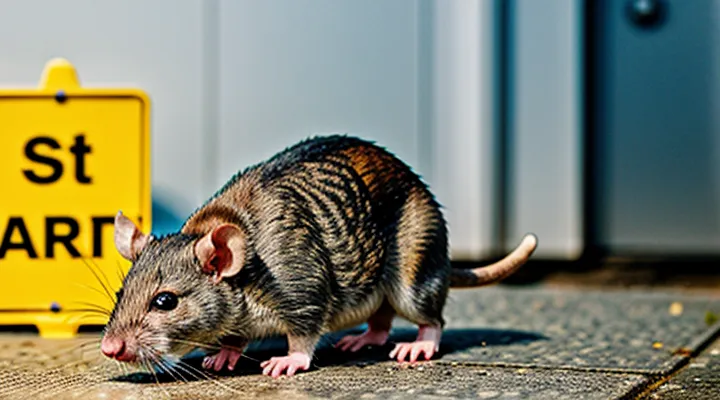
Understanding Rat Vision
The Basics of Rat Eyesight
How Rats See the World
Rats possess a visual system adapted to low‑light environments. Their eyes are relatively small, positioned laterally, granting a wide field of view that approaches 300 degrees. This panoramic perspective enables detection of movement across most of the surrounding space, though the central region of focus remains narrow.
The retinal composition includes a high density of rod cells and a modest proportion of cones. Rod dominance enhances sensitivity to dim illumination but limits color discrimination; rats primarily perceive a limited spectrum ranging from ultraviolet to green. Consequently, they rely on contrast and motion rather than vivid hues to navigate.
Depth perception is modest because the eyes lack significant overlap in visual fields, reducing binocular vision. Rats compensate by integrating tactile input from whiskers and olfactory cues, forming a multimodal representation of their environment. This integration allows precise navigation through complex mazes and cluttered burrows despite limited acuity.
Key characteristics of rat vision:
- Visual acuity: approximately 1 cycle/degree, far below human standards.
- Night vision: effective at luminance levels as low as 0.001 cd/m².
- Color range: ultraviolet to green, with minimal red sensitivity.
- Field of view: roughly 300 degrees, minimal binocular overlap.
Understanding these attributes clarifies how visual impairment manifests. Loss of rod function diminishes night navigation, while damage to the optic nerve reduces overall field coverage. Recognizing the baseline capabilities of rat sight provides a benchmark for assessing blindness and informs diagnostic criteria.
Common Eye Problems in Rats
Rats are prone to several ocular conditions that can impair vision or be mistaken for blindness. Recognizing these disorders helps differentiate true visual loss from temporary or treatable eye issues.
- Conjunctivitis – inflammation of the conjunctiva, presenting with redness, discharge, and swelling; may cause discomfort that leads to reduced visual response.
- Corneal ulceration – lesions on the corneal surface, often resulting from trauma or infection; symptoms include cloudiness, pain, and reluctance to navigate familiar surroundings.
- Cataracts – opacification of the lens, typically progressive; visible as a gray or white spot in the eye and associated with diminished light perception.
- Retinal degeneration – degeneration of photoreceptor cells, commonly linked to genetic factors; manifests as night blindness, erratic movement, and loss of obstacle avoidance.
- Glaucoma – increased intraocular pressure causing optic nerve damage; signs include bulging eyes, reduced pupil size, and gradual loss of visual acuity.
Evaluating a rat’s eye health involves systematic observation of pupil response, reflexive tracking of moving objects, and inspection for physical abnormalities. Veterinary examination, including ophthalmoscopy and intraocular pressure measurement, confirms the specific condition and guides appropriate treatment. Accurate identification of these common eye problems prevents misinterpretation of visual deficits and supports timely intervention.
Recognizing Signs of Blindness in Rats
Behavioral Indicators of Vision Loss
Bumping Into Objects
Rats with impaired vision frequently collide with cage bars, furniture, or other stationary items. The behavior appears as sudden, erratic movements followed by a pause as the animal reassesses its position. These collisions occur even when the rat is familiar with its environment, indicating a loss of visual cues rather than exploratory curiosity.
Observable characteristics of this symptom include:
- Repeated head or body impacts against the same object within a short time frame.
- Hesitation or altered gait immediately after contact, often followed by a cautious, sideways shuffle.
- Absence of typical avoidance responses, such as turning away before reaching the obstacle.
Veterinarians confirm blindness by combining this external sign with additional assessments, such as a light‑reflex test and a maze navigation trial conducted under controlled lighting. The frequency and intensity of object‑bumping episodes provide a reliable preliminary indicator, prompting further diagnostic procedures.
Disorientation and Hesitation
Rats that cannot see often display marked disorientation. They move without a clear path, frequently colliding with cage bars, furniture, or other obstacles. Their trajectories become irregular, with sudden changes in direction that lack purpose. This erratic locomotion distinguishes visual impairment from normal exploratory activity.
Hesitation accompanies the loss of vision. A blind rat may pause repeatedly before proceeding, appear uncertain when approaching new objects, and linger at the entrance of tunnels or tubes. The animal’s speed drops noticeably, and it may remain motionless for extended periods despite the presence of food or stimuli.
Typical manifestations include:
- Repeated impacts with walls, bars, or objects
- Circular or looping movement patterns without reaching a goal
- Frequent stops and prolonged pauses before advancing
- Slow, tentative steps when navigating unfamiliar terrain
- Reluctance to enter enclosed spaces such as tubes or burrows
- Failure to locate food placed in a fixed location after a brief interval
Observation of these behaviors, especially when they appear together, provides strong evidence of visual deficiency. Confirmation requires a simple light‑response test: expose the rat to a brief, bright flash and note the absence of a startle or orientation response. Combining behavioral cues with the light test yields a reliable diagnosis.
Difficulty Navigating Familiar Environments
Rats that cannot see often exhibit a marked decline in their ability to move through areas they previously knew well. When an otherwise confident animal suddenly hesitates at a familiar corner, bumps into walls, or repeatedly circles the same spot, this behavior signals visual impairment.
Typical manifestations include:
- Frequent collisions with obstacles that were previously avoided.
- Unsteady gait, with sudden stops or erratic changes in direction.
- Repeated attempts to locate a familiar food source, followed by prolonged searching despite unchanged placement.
- Reliance on whisker contact to determine surface texture rather than visual cues.
- Disorientation when returning to a known nesting area, resulting in longer travel times.
Observation of these patterns should prompt a formal assessment. A practical approach combines environmental testing with physiological examination:
- Place the rat in a familiar maze and record the number of errors (wall contacts, wrong turns) compared to baseline performance.
- Conduct a light‑dark box test, noting reduced avoidance of illuminated zones, which may indicate loss of visual perception.
- Perform a direct ophthalmic inspection using a handheld ophthalmoscope to check for cataracts, retinal degeneration, or corneal opacities.
Consistent evidence of navigation difficulty, especially when paired with abnormal test results, confirms blindness and guides subsequent care decisions.
Startle Response to Touch or Sound
Rats with normal vision exhibit a rapid, involuntary flinch or retreat when a sudden tactile stimulus (such as a light brush against the whiskers) or an abrupt sound (like a clap) is presented. The reaction typically occurs within milliseconds and is characterized by a brief pause, a quick head turn, or a short sprint away from the source.
When visual input is absent, the startle response to touch or sound may change in several measurable ways:
- Latency increase – the interval between stimulus and movement lengthens, often exceeding 200 ms.
- Amplitude reduction – the distance traveled during the escape maneuver shortens, sometimes limited to a few centimeters.
- Consistency loss – the rat may respond to some stimuli and ignore others of comparable intensity, indicating reliance on residual sensory cues.
To assess these indicators, follow a standardized protocol:
- Place the rat in a familiar enclosure with minimal ambient noise.
- Deliver a calibrated tactile cue (e.g., a soft brush stroke across the dorsal midline) and record the time to first movement using a stopwatch or video frame analysis.
- After a rest period, present a sudden auditory cue (e.g., a 90 dB click) and repeat the timing measurement.
- Conduct three trials for each stimulus type, calculate average latency and distance traveled, and compare results to baseline data from sighted control rats.
Interpretation guidelines:
- Average latency > 150 ms and average escape distance < 5 cm strongly suggest compromised visual processing.
- Variable responses (some trials within normal range, others delayed) may indicate partial vision loss or compensatory reliance on other senses.
- Normal latency and distance generally rule out blindness, though other ocular disorders may still be present.
Document all observations, ensure consistent lighting and background noise levels, and repeat the assessment after any therapeutic intervention to track changes in visual function.
Physical Signs and Symptoms
Changes in Eye Appearance
Rats that have lost vision often display distinct alterations in the appearance of their eyes. Observers should focus on the following characteristics:
- Corneal opacity or a milky sheen that obscures the normally clear surface.
- Abnormal coloration, such as a yellowish tint or bruising around the iris.
- Dilated or fixed pupils that fail to constrict in response to light.
- Absence of normal eye movement; the globe remains stationary even when the animal is startled.
- Excessive tearing or dry, crusted edges, indicating a failure of normal tear production or drainage.
These visual cues provide reliable evidence of visual impairment before more invasive tests are performed. Veterinarians confirm blindness through ophthalmoscopic examination, reflex testing, and, when necessary, electroretinography. Prompt recognition of eye‑appearance changes enables timely intervention and appropriate care for the affected rat.
Cloudy or Opaque Eyes
Cloudy or opaque eyes are a primary visual indicator that a rat may have lost sight. The cornea or lens appears milky, whitish, or hazy, eliminating the normal glossy sheen. Transparency loss often accompanies reduced response to light and diminished pupil size.
Observable characteristics include:
- Milky or yellowish corneal surface
- Absence of the normal red‑reflex when a light is shone on the eye
- Limited pupil dilation in low‑light conditions
- Excessive tearing or discharge that may further cloud the eye
Diagnostic procedures recommended for confirming blindness involve:
- Direct visual inspection with a bright light source to assess the red‑reflex.
- Application of fluorescein dye to reveal corneal ulcers or abrasions.
- Use of an ophthalmoscope to examine the lens and retina for cataracts or retinal degeneration.
- Veterinary evaluation for detailed ocular examination and possible imaging.
Common causes of ocular opacity in rats are cataracts, corneal ulcers, severe infections, or trauma. Early detection of cloudiness enables prompt veterinary care, which can prevent further deterioration and improve the animal’s overall well‑being.
Enlarged or Swollen Eyes
Enlarged or swollen eyes frequently appear in rats that have lost vision. The condition manifests as protrusion of the eyeball, puffiness around the orbit, or a glossy, stretched cornea. Swelling may result from chronic irritation, infection, or a buildup of fluid when the ocular muscles cannot regulate pressure due to compromised sight.
Key observations include:
- One or both eyes appear markedly larger than normal.
- The sclera (white of the eye) looks hazy or cloudy.
- The pupil may be fixed, unresponsive to light.
- The rat shows reduced or absent blink reflex.
- The animal avoids obstacles despite appearing to navigate by touch.
Veterinary assessment confirms blindness when swelling coexists with:
- Ophthalmic examination revealing cataracts, retinal degeneration, or optic nerve atrophy.
- Lack of consensual and direct pupillary response.
- Inability to track moving objects or locate food without tactile cues.
Management steps:
- Schedule a professional eye exam to rule out treatable infections or injuries.
- Maintain a stable, hazard‑free environment to prevent injuries caused by impaired vision.
- Monitor for secondary complications such as ulceration or corneal drying, which may require lubricating eye drops or protective ointments.
Recognizing swollen eyes promptly enables accurate diagnosis of visual loss and facilitates appropriate care for the affected rat.
Redness or Irritation
Rats with visual impairment often exhibit ocular redness or facial irritation. The inflammation may appear as pink or blood‑shot eyelids, swollen conjunctiva, or a gritty sensation that causes the animal to rub its face against cage bars. Such signs can result from chronic exposure to bright light, infection, or trauma that accompanies loss of sight, because a blind rat cannot avoid hazards that damage the eyes.
Observe the following indicators:
- Persistent swelling or discharge around the eyes.
- Frequent pawing at the face or head.
- Reduced responsiveness to visual cues while the animal still reacts to tactile or auditory stimuli.
- Changes in grooming behavior, such as neglect of the eye region.
When redness or irritation is noted, perform a basic examination: gently lift the eyelid to assess corneal clarity, check for ulceration, and compare both eyes for symmetry. If any abnormality persists for more than 24 hours, or if the rat shows signs of pain, consult a veterinarian for a thorough ophthalmic evaluation and appropriate treatment.
Lack of Pupil Response
A rat that cannot adjust its pupils to changes in light likely has impaired visual function. The absence of a constriction response when a bright source is introduced, or failure to dilate in darkness, indicates that the optic nerve or retinal pathways are not transmitting signals.
To evaluate pupil reaction, follow these steps:
- Position the rat in a neutral lighting environment to establish a baseline.
- Introduce a focused light source (e.g., a flashlight) for a few seconds and observe the eyes for any constriction.
- Move the rat to a dimly lit area and watch for dilation.
- Record the presence or absence of movement in both eyes; unilateral lack of response may suggest localized damage, while bilateral absence points to a systemic issue.
Persistent lack of pupil response, especially when combined with other behavioral signs such as bumping into objects or reduced navigation ability, warrants veterinary examination. Diagnostic tools may include ophthalmoscopy to inspect the retina and electrophysiological tests (ERG) to assess retinal function. Early identification enables appropriate care and prevents further complications.
Nystagmus (Involuntary Eye Movements)
Nystagmus describes rapid, involuntary eye movements that can occur in rats with impaired visual function. When the visual pathway is compromised, the brain may generate oscillatory signals, producing a characteristic shaking of the eyes that persists even in the absence of external stimuli.
Observable features include:
- Horizontal or vertical jerking motions visible when the animal is at rest or being handled.
- Alternating slow phases followed by quick corrective saccades.
- Persistence of movement regardless of lighting conditions.
- Absence of coordinated tracking when a moving object is presented.
To assess nystagmus, follow a systematic examination:
- Place the rat in a neutral environment with uniform illumination.
- Observe the eyes from a side view while the animal is calm; note any rhythmic oscillations.
- Introduce a moving visual stimulus (e.g., a small light source) and record whether the eyes attempt to follow or continue the involuntary pattern.
- Document the direction, frequency, and amplitude of the movements for comparison with baseline data.
The presence of nystagmus suggests dysfunction in the vestibular‑ocular or visual pathways, often accompanying retinal degeneration or optic nerve damage. Recognizing this sign aids in distinguishing total blindness from partial visual loss, guiding further veterinary assessment and potential intervention.
Diagnosing Blindness in Rats
Home-Based Observation Techniques
Obstacle Course Test
The obstacle‑course test provides a direct, measurable method for evaluating visual function in rats. By requiring the animal to navigate a series‑of barriers that rely on sight, the test distinguishes between normal and impaired vision without invasive procedures.
The arena typically consists of a linear track or maze with alternating visual markers, low‑contrast patterns, and narrow gaps. Sections may be illuminated at reduced levels to emphasize reliance on vision. Textured flooring and tactile guides are placed alongside the visual elements to allow comparison of sensory strategies.
During the trial, the rat is released at the entrance and observed until it reaches the exit. Recorded parameters include travel time, number of collisions, and frequency of pauses at visual cues. A blind subject will demonstrate prolonged latency, repeated contact with obstacles, and a shift toward whisker‑guided navigation.
Key observations indicative of visual loss:
- Failure to avoid visible barriers
- Travel time markedly longer than baseline values
- Frequent collisions with walls or edges
- Preference for tactile over visual cues
- Absence of pause or hesitation at visual markers
Interpretation relies on established performance ranges for sighted rats. Deviations beyond two standard deviations from the norm suggest significant visual impairment. The test’s quantitative output supports a diagnosis when combined with reflex assessments such as the pupillary light response.
For reliable results, repeat the course under consistent lighting, calibrate obstacle spacing to the species’ size, and corroborate findings with complementary examinations. This systematic approach enables accurate identification of blindness in laboratory and pet rats.
Treat or Toy Tracking Test
The Treat or Toy Tracking Test evaluates a rat’s ability to follow a moving object or locate a reward using visual cues. During the test, a small treat or a brightly colored toy is moved along a predetermined path while the rat is released in an arena. The observer records whether the animal adjusts its trajectory to keep the object within sight and reaches the target without hesitation.
Key observations include:
- Immediate orientation toward the moving item indicates functional vision.
- Delayed or absent response suggests visual impairment.
- Repeated collisions with obstacles while pursuing the object confirm reduced depth perception.
- Consistent reliance on whisker contact or scent tracking, rather than sight, points to blindness.
Interpretation relies on comparison with baseline data from sighted control rats. If the test subject shows a 70 % or higher failure rate in reaching the moving target across three trials, blindness is likely. Complementary assessments, such as the light‑dark box or optokinetic drum, should follow to confirm the diagnosis and rule out motor deficits.
Proper execution requires a quiet environment, uniform lighting, and a consistent speed for the moving object. The test’s simplicity allows rapid screening of multiple rats, facilitating early detection of visual loss and timely veterinary intervention.
Response to Light
Rats rely on visual cues for navigation, foraging, and predator avoidance. When light is introduced, a sighted rat typically exhibits one or more of the following reactions:
- Immediate orientation toward or away from the source, often moving to a shaded area.
- Rapid pupil dilation or constriction observable through the cornea.
- Startle response, such as freezing or a quick dash to cover.
A rat that fails to display any of these behaviors under normal lighting conditions may have impaired vision. Consistent lack of pupil change, absence of directional movement, and no startle response after repeated light exposure strongly suggest blindness. Confirmation requires veterinary assessment, which may include ophthalmoscopic examination and electroretinography to evaluate retinal function.
When to Consult a Veterinarian
Importance of Professional Diagnosis
Professional evaluation provides the only reliable method for confirming visual impairment in a rat. Visual signs such as bumping into objects, hesitancy in navigating mazes, or altered pupil response can result from numerous conditions—including cataracts, retinal degeneration, or neurological disorders—each requiring distinct management. A veterinarian or trained laboratory animal specialist can perform:
- Direct ophthalmoscopy or slit‑lamp examination to view ocular structures.
- Reflex testing (e.g., menace response) under controlled lighting.
- Imaging or electrophysiological studies when structural damage is suspected.
- Differential diagnosis to separate blindness from motor or vestibular deficits.
Accurate identification of the underlying cause prevents unnecessary treatments, reduces animal stress, and ensures compliance with welfare regulations. Follow‑up examinations track disease progression and evaluate therapeutic efficacy, allowing timely adjustments to care plans. In research settings, professional diagnosis safeguards data integrity by eliminating visual impairment as an uncontrolled variable.
Veterinary Examination Procedures
Veterinarians assess visual impairment in rats through a systematic examination that combines history gathering, physical inspection, and specialized ocular testing.
First, the practitioner records the animal’s recent environment, diet, trauma incidents, and any observed changes in behavior such as bumping into objects or altered navigation patterns. This information guides the selection of diagnostic steps.
Second, a general physical exam evaluates overall health, body condition, and signs of systemic disease that could affect vision, such as infections or metabolic disorders.
Third, a focused ocular assessment includes the following procedures:
- Menace response test – a rapid hand movement toward the eye elicits a blink if vision is intact. Absence suggests possible blindness or neurological deficit.
- Pupillary light reflex – a light source applied to each eye checks for constriction; lack of response may indicate retinal or optic nerve dysfunction.
- External eye inspection – examination of the cornea, conjunctiva, and eyelids for lesions, discharge, or cataracts.
- Fluorescein staining – a dye applied to the cornea highlights epithelial defects under a cobalt‑blue light.
- Ophthalmoscopy – direct or indirect visualization of the retina, optic disc, and vasculature to detect degeneration, detachment, or inflammation.
- Tonometry – measurement of intraocular pressure to rule out glaucoma, which can impair vision.
- Neurological assessment – evaluation of cranial nerve function and brainstem reflexes to differentiate ocular from central causes.
If initial tests indicate pathology, advanced diagnostics may follow:
- Ultrasound biomicroscopy – provides cross‑sectional images of intraocular structures when media opacity prevents ophthalmoscopic view.
- Magnetic resonance imaging – identifies brain lesions affecting visual pathways.
- Laboratory analysis – blood work and urine tests detect systemic conditions (e.g., diabetes, infectious agents) that could compromise ocular health.
The culmination of these examinations yields a definitive diagnosis, enabling targeted treatment or management strategies for the rat’s visual impairment.
Ophthalmoscopic Examination
Ophthalmoscopic examination provides a direct view of the rat’s retinal and optic nerve structures, allowing veterinarians to confirm or exclude blindness. The procedure begins with gentle restraint and the application of a mydriatic agent to dilate the pupil. A handheld indirect ophthalmoscope equipped with a condensing lens (typically 20‑30 diopters) is positioned a few centimeters from the cornea, and the examiner scans the fundus while maintaining a steady focus.
Key observations include:
- Retinal integrity – uniform coloration and absence of lesions suggest functional photoreceptors; areas of pallor or atrophy indicate degeneration.
- Optic disc appearance – a well‑defined, pink disc with a clear cup-to-disc ratio denotes normal optic nerve health; pallor, cupping, or edema point to optic neuropathy.
- Vascular patterns – regular, branching vessels reflect adequate perfusion; hemorrhages, tortuosity, or avascular zones signal vascular compromise.
- Presence of cataracts or corneal opacity – any media opacity that blocks fundus visualization may be the primary cause of visual loss.
Interpretation relies on comparative data from healthy control rats. Consistent retinal pallor or optic disc atrophy, combined with behavioral signs of visual deficit, confirm blindness. If fundus assessment is obstructed by cataracts, a subsequent slit‑lamp or ultrasound examination may be required.
Safety considerations:
- Use a low‑intensity light source to prevent retinal phototoxicity.
- Maintain body temperature throughout the procedure to avoid hypothermia.
- Monitor the rat for stress signs; anesthesia is optional but may be employed for prolonged examinations.
Ophthalmoscopic findings, when integrated with clinical observations, deliver a definitive diagnosis of visual impairment in rats.
Electroretinography (ERG)
Electroretinography (ERG) records the electrical response of retinal cells to light stimulation, providing a direct assessment of photoreceptor and inner‑retinal function. The technique involves placing a corneal or subdermal electrode on the rat’s eye, delivering brief flashes of defined intensity, and measuring the resulting waveform, which comprises an initial a‑wave (photoreceptor activity) followed by a b‑wave (bipolar and Müller cell activity).
When evaluating visual impairment, ERG distinguishes between functional loss and structural damage. A markedly reduced or absent a‑wave indicates photoreceptor degeneration, while a diminished b‑wave suggests downstream retinal dysfunction. Normal amplitude and latency values serve as reference points; deviations beyond established thresholds confirm compromised retinal signaling.
The procedure requires anesthesia to prevent movement, careful alignment of the light source, and calibration of stimulus intensity. Data acquisition software generates quantitative parameters—peak amplitude (µV) and implicit time (ms)—that can be compared across test sessions to monitor progression or recovery.
Advantages of ERG include:
- Objective measurement independent of behavioral responses.
- Ability to detect subclinical deficits before overt signs appear.
- Rapid execution, typically completing within 10–15 minutes per animal.
Limitations involve:
- Necessity for specialized equipment and trained personnel.
- Potential influence of anesthesia on retinal responsiveness.
- Inability to localize lesions beyond the retinal level; additional imaging may be required for optic nerve assessment.
In research settings, ERG complements behavioral tests such as the visual water maze, offering a comprehensive profile of visual capacity and confirming whether observed deficits stem from retinal blindness.
Caring for a Blind Rat
Creating a Safe and Predictable Environment
Avoiding Furniture Rearrangements
When evaluating a rat’s visual condition, a stable environment provides reliable context for interpreting behavior. Any alteration to the surrounding furniture can introduce variables that mask or mimic signs of blindness.
- New obstacles change the animal’s travel routes, leading to hesitation that may be mistaken for visual deficit.
- Shifts in furniture position modify shadow patterns, creating confusing visual cues.
- Altered tactile landmarks disrupt the rat’s reliance on whisker‑based navigation, producing atypical exploratory patterns.
- Unexpected changes provoke stress, which can suppress normal activity and obscure diagnostic observations.
To preserve diagnostic integrity, maintain the existing layout throughout the assessment period. Record the current arrangement, avoid moving items, and use the same lighting setup for each observation session. If rearrangement is unavoidable, document the changes meticulously and repeat baseline observations after the rat has acclimated.
Consistent surroundings eliminate extraneous factors, allowing clear identification of genuine visual impairment signs such as unsteady gait, failure to avoid obstacles, and lack of response to moving stimuli.
Padding Sharp Edges
When assessing a rat for visual impairment, the environment must be safe enough to prevent accidental injury. Sharp cage components, metal feeders, and protruding fixtures can cause trauma to a rat that cannot navigate by sight. Properly cushioning these hazards allows the animal to move freely, making behavioral observations more reliable.
- Cover the interior corners of the cage with silicone or rubber pads.
- Wrap metal water bottles and food dispensers in soft tubing.
- Replace plastic tunnels with flexible, padded alternatives.
- Ensure bedding is thick enough to cushion falls, but not so deep that it obscures movement.
A padded setup reduces the likelihood of bruises or fractures that could mimic or mask signs of blindness, such as hesitancy or clumsiness. It also encourages the rat to explore, revealing characteristic behaviors—head tilting, bumping into objects, or reliance on whisker contact—that indicate loss of vision.
Regularly inspect padding for wear. Replace damaged sections promptly to maintain a consistently safe environment throughout the diagnostic period.
Providing Consistent Food and Water Locations
Consistent placement of food and water supplies creates a reliable reference point for observing a rat’s navigation abilities. When the location remains unchanged, any deviation in the animal’s approach can be attributed more directly to sensory limitations rather than to environmental variability.
Changing the position of nourishment sources forces the rat to relearn routes, which masks hesitation, missteps, or collisions that would otherwise indicate visual impairment. Stable placement eliminates this confounding factor, allowing clearer interpretation of movement patterns.
- Choose a fixed spot on the cage floor or enclosure wall.
- Mark the area with a non‑toxic, odorless cue (e.g., a small piece of silicone or a textured mat).
- Refill bowls at the same time each day to maintain routine.
- Record the rat’s path to the bowl over several days, noting pauses, veering, or contact with obstacles.
Observations that suggest blindness include frequent bumps into the bowl’s rim, prolonged circling before reaching the source, and reliance on whisker contact rather than visual cues. Maintaining a constant feeding location amplifies these behaviors, making diagnosis more straightforward.
Enhancing Sensory Experiences
Olfactory Stimulation
Rats rely heavily on scent to navigate their environment; therefore, olfactory cues provide a practical means of evaluating visual capability. When a rat cannot see, it compensates by increasing reliance on smell, which alters its behavior in predictable ways.
Observations that suggest blindness through scent‑driven responses include:
- Persistent sniffing of objects that sighted rats ignore after brief investigation.
- Repeated contact with the same surface while searching for food or nesting material, indicating lack of visual confirmation.
- Failure to avoid obstacles that emit no odor, contrasted with rapid avoidance of scented barriers.
- Preference for scented pathways over non‑scented ones even when both lead to the same destination, reflecting dependence on smell for direction.
Diagnostic procedures that incorporate olfactory stimulation are straightforward. Place a scented marker (e.g., a drop of vanilla extract) at a fixed distance from the rat’s starting point. A sighted rat will typically locate the source after a few glances and may use visual cues to approach. A blind rat will rely on sniffing, taking longer to orient but eventually following the scent trail directly. Measuring latency to reach the marker and the pattern of movement provides quantitative data on visual impairment.
Combining olfactory tests with other assessments—such as the visual placing response or maze navigation under varying lighting—strengthens the overall diagnosis. The scent‑based approach adds an objective metric that does not require specialized equipment, making it suitable for routine health checks in laboratory and pet settings.
Auditory Cues
Rats depend heavily on hearing to navigate and locate food, so alterations in auditory behavior often reveal visual deficits. When a rat cannot see, it compensates by sharpening its response to sound, producing observable patterns that differ from sighted individuals.
- Frequent head turns toward any noise, even faint or distant sounds, indicate heightened reliance on auditory input.
- Startle responses become exaggerated; a sudden tone may trigger a rapid sprint or freeze that is more intense than in normal rats.
- Vocalizations may increase in frequency or volume when the animal encounters unfamiliar environments, reflecting stress caused by lack of visual cues.
- Persistent orientation toward the source of a single sound, despite obstacles, suggests the rat is using hearing as its primary guide.
- Difficulty maintaining balance on narrow surfaces while ambient noise is present can signal that the animal is unable to integrate visual and auditory information.
Diagnostic observation of these cues should be combined with controlled sound‑localization tests. Present a series of tones from different directions and record the rat’s head‑turn latency and accuracy. Consistently short latencies and precise turning point to reliance on hearing, while failure to locate sounds may indicate broader sensory impairment. Complementary assessments, such as the whisker‑based tactile maze, help distinguish auditory compensation from other neurological issues. Together, these methods provide a reliable framework for confirming blindness in rodents through their auditory behavior.
Tactile Exploration
Rats rely on whisker‑mediated touch to navigate, locate food, and assess obstacles. When vision is lost, tactile exploration changes noticeably.
- Rat moves slowly, pauses frequently, and extends whiskers forward before each step.
- Head tilts upward or downward to compensate for missing visual cues, resulting in a more pronounced whisker sweep.
- Increased reliance on forepaws to feel surfaces; paws touch and lift objects repeatedly.
- Reduced ability to negotiate tight spaces; the animal backs away from narrow gaps despite normal body size.
- Hesitation when presented with novel textures; the rat sniffs and rubs the object before attempting to grasp it.
Veterinarians assess these behaviors by placing the rat on a textured platform and observing whisker positioning, paw placement, and gait. A consistent pattern of cautious, whisker‑dominant movement, coupled with difficulty in navigating obstacles, strongly indicates visual impairment. Combining tactile observation with a light‑reflex test confirms the diagnosis.
Socialization and Enrichment for Blind Rats
Interaction with Cagemates
Rats with compromised vision often alter how they engage with fellow occupants of the cage. Reduced or absent visual cues lead to reliance on tactile and olfactory signals, which manifests in distinct social patterns.
- Hesitant approach to other rats; the affected individual may pause before contacting a cagemate, appearing uncertain of distance.
- Increased use of whisker‑based exploration when near a partner, resulting in more frequent nose‑to‑nose contacts and prolonged sniffing.
- Failure to respond to visual dominance displays, such as grooming or posture cues, causing the blind rat to miss hierarchical signals and remain submissive.
- Unusual retreat from open spaces toward the cage walls or corners where tactile feedback is strongest, often accompanied by clustering with other rats for safety.
- Disrupted play behavior; the rat may initiate or receive fewer chase or wrestling bouts because it cannot track rapid movements.
Observation of these interaction changes, combined with standard ophthalmic examinations (e.g., pupil light reflex, fundoscopic inspection, and visual placing test), provides a reliable framework for confirming visual loss. Consistent documentation of social behavior alongside clinical assessments strengthens diagnostic confidence and guides appropriate husbandry adjustments.
Gentle Handling and Communication
Gentle handling reduces stress, allowing subtle visual cues to emerge. When approaching a rat, support the body with both hands, avoid sudden movements, and keep the grip loose but secure. This technique prevents panic‑induced behaviors that can mask signs of impaired sight.
Clear communication with the animal involves consistent verbal tones and tactile signals. Speak in a calm, steady voice while handling, and use light taps on the flank to indicate direction. Repetition of these cues helps the rat associate the handler’s presence with safety, making it more likely to display natural exploratory actions that reveal vision deficits.
Observing responses under controlled handling yields reliable diagnostic information:
- When gently lifted, a sighted rat will turn its head toward a light source; a blind rat may keep its head neutral or turn toward sound.
- During a soft touch on the whisker pads, a visually competent rat often follows the motion with its eyes; lack of ocular tracking suggests visual impairment.
- While the rat is cradled, presenting a familiar food item near the edge of its visual field tests the ability to locate objects without relying on scent alone.
Consistent, low‑stress interaction also facilitates the use of additional assessments, such as maze navigation or obstacle courses, because the rat remains cooperative and less likely to hide deficits behind defensive behavior. By integrating gentle handling and clear communication, caretakers obtain a clearer picture of visual function without confounding stress responses.
Specially Designed Toys
Specially designed toys serve as practical tools for evaluating visual impairment in pet rats. These toys incorporate tactile, auditory, and olfactory cues that encourage interaction without relying on sight. By observing a rat’s response to such stimuli, owners can differentiate between normal exploratory behavior and the signs associated with loss of vision.
Key characteristics of effective diagnostic toys include:
- Textured surfaces (e.g., ridged plastic, soft rubber) that provoke whisker exploration; blind rats typically exhibit heightened reliance on whisker contact.
- Embedded sound emitters (low‑frequency clicks or squeaks) that attract attention; a rat with compromised sight will orient more quickly toward auditory cues.
- Strong, non‑toxic scents (herb or cheese extracts) placed within the toy; blind individuals often display increased sniffing activity and prolonged investigation.
- Stable, low‑centered design preventing accidental tipping; ensures safe navigation for rats lacking depth perception.
When a rat consistently fails to locate the toy by vision alone yet engages successfully through touch, sound, or smell, the behavior aligns with common blindness indicators such as hesitancy to move toward light sources, bumping into obstacles, and reduced response to visual cues. Repeating the assessment with multiple toys reinforces diagnostic confidence and helps distinguish temporary disorientation from persistent visual deficits.
Causes of Blindness in Rats
Genetic Predisposition
Inherited Conditions
Inherited genetic disorders are a common source of visual impairment in laboratory and pet rats. Certain alleles affect retinal development, optic nerve formation, or photoreceptor function, leading to partial or complete loss of sight from birth or early life. Recognizing these conditions requires observation of specific behavioral cues and, when necessary, clinical testing.
Typical indicators of congenital blindness include:
- Failure to navigate toward light sources or avoidance of bright areas.
- Persistent bumping into cage walls, furniture, or other obstacles despite repeated exposure.
- Lack of startle response to sudden visual stimuli while maintaining normal reactions to auditory or tactile cues.
- Inability to locate food or water trays placed at fixed positions, even after training.
Differential diagnosis separates inherited blindness from acquired causes such as trauma or infection. Genetic screening, when available, confirms the presence of mutations linked to retinal dystrophies (e.g., rd1, rd10) or optic nerve hypoplasia. Ophthalmic examination under sedation reveals:
- Absent or severely reduced pupillary light reflex.
- Flattened retinal layers or degeneration visible through indirect ophthalmoscopy.
- Optic nerve pallor or atrophy.
Electroretinography (ERG) provides quantitative assessment of photoreceptor activity; flat or markedly diminished waveforms indicate functional blindness. When ERG is unavailable, fundus photography can document structural abnormalities for veterinary consultation.
Early identification of hereditary visual deficits enables appropriate husbandry adjustments, such as consistent cage layouts, tactile markers, and reliance on non‑visual enrichment, thereby improving welfare for blind rats.
Breeding Considerations
When planning a rat breeding program, the possibility of visual impairment must be factored into selection criteria, health monitoring, and cage design. Breeders should prioritize genetic screening to detect hereditary eye disorders, eliminate carriers from breeding pairs, and document any incidents of blindness in lineage records.
Key considerations include:
- Genetic testing: Perform DNA analysis for known mutations linked to retinal degeneration; exclude affected individuals from future litters.
- Pedigree analysis: Review ancestry charts for patterns of blindness; avoid pairing animals from lines with recurrent visual defects.
- Health examinations: Conduct routine ophthalmic assessments on breeding stock; record findings in a centralized database.
- Environmental adaptation: Provide low‑light or uniformly illuminated enclosures for blind or partially sighted rats; avoid sharp objects that rely on visual detection.
- Social dynamics: Monitor interactions between blind offspring and sighted siblings; intervene if aggression or neglect arises.
- Record‑keeping: Maintain detailed logs of diagnostic outcomes, breeding decisions, and offspring health status to support ongoing evaluation.
By integrating these measures, breeders can reduce the incidence of blindness, ensure the welfare of affected animals, and sustain a healthy colony.
Age-Related Conditions
Cataracts
Cataracts are clouded lenses that impair light transmission, leading to reduced visual acuity in rats. The condition develops when proteins within the lens aggregate, forming opaque areas that scatter incoming light. Early-stage cataracts may not produce obvious behavioral changes, but as opacity expands, rats exhibit specific signs that indicate compromised vision.
Observable signs include:
- Bumping into cage walls or objects despite normal locomotor ability
- Hesitation to navigate familiar pathways, especially in low‑light environments
- Reduced response to moving stimuli, such as food pellets or enrichment items
- Increased reliance on whisker and auditory cues for orientation
- Pupillary dilation that does not constrict appropriately to bright light
Diagnosis relies on direct ocular examination. A veterinarian can assess lens clarity using a handheld ophthalmoscope or a slit‑lamp biomicroscope. The examiner looks for:
- Diffuse or localized lens opacity
- Presence of cortical, nuclear, or posterior subcapsular cataract patterns
- Absence of retinal or optic nerve abnormalities that might mimic blindness
If cataract severity is confirmed, surgical removal of the clouded lens (phacoemulsification) restores vision in many cases. Post‑operative care includes anti‑inflammatory eye drops and monitoring for intra‑ocular pressure changes. In research settings, cataract identification helps differentiate visual impairment from neurological deficits, ensuring accurate interpretation of behavioral data.
Glaucoma
Glaucoma is a progressive eye condition that impairs the optic nerve in rats, frequently leading to loss of vision. Elevated intra‑ocular pressure damages retinal ganglion cells, reducing visual acuity and eventually causing blindness.
Typical indicators of glaucoma in a rat include:
- Cloudy or hazy cornea
- Dilated, non‑reactive pupil
- Decreased response to light flashes
- Unsteady gait or reluctance to navigate obstacles
- Reduced interest in food placed in unfamiliar locations
Veterinary assessment relies on objective measurements:
- Tonometry to record intra‑ocular pressure; values above 20 mm Hg suggest pathology.
- Direct ophthalmoscopy to visualize optic disc cupping and retinal thinning.
- Gonioscopy to evaluate drainage angle integrity.
- Visual placing test to confirm functional vision loss.
Early detection through these observations and examinations enables timely intervention, potentially preserving remaining sight.
Injury and Trauma
Head Injuries
Head trauma is a common underlying factor when a rat loses vision. Sudden impact to the skull can damage the optic nerves, retinal tissue, or brain regions that process visual information, resulting in blindness that mimics other ocular disorders.
Observable indicators of a head injury‑related visual deficit include:
- Repeated collisions with cage walls, furniture, or food dishes.
- Failure to locate familiar objects after a short displacement.
- Lack of response to light sources, even when the environment is brightly illuminated.
- Abnormal head posture, such as tilting or holding the head unusually low.
- Unsteady gait, frequent stumbling, or an inability to climb vertical surfaces.
Diagnosis begins with a thorough physical examination. Palpate the skull for tenderness, swelling, or fractures. Assess reflexes: a diminished pupillary light reflex or absent blink response suggests optic nerve impairment. Conduct a neurological assessment to differentiate central processing deficits from peripheral eye damage. Direct visual inspection using an ophthalmoscope can reveal retinal hemorrhage, optic disc swelling, or lens opacity. When external evaluation is inconclusive, imaging techniques such as radiography or micro‑CT provide detailed views of skull integrity and intracranial structures.
Prompt identification of head‑injury signs and appropriate diagnostic steps enable timely intervention, whether through surgical repair, anti‑inflammatory treatment, or supportive care, and improve the likelihood of preserving residual visual function.
Eye Injuries
Eye injuries are a primary cause of visual loss in rats and often present the first clues that a rodent’s sight is compromised. Trauma, ulceration, infection, and cataract formation each produce distinct physical changes that can be observed without specialized equipment.
- Corneal abrasions or ulcers appear as cloudy or white patches on the eye surface, frequently accompanied by excessive tearing or rubbing of the eye with the paws.
- Penetrating wounds may leave visible lacerations, swelling, or discoloration of the surrounding tissue.
- Inflammatory conditions such as conjunctivitis generate redness, swelling of the eyelids, and discharge that can obscure vision.
- Cataracts manifest as a gradual clouding of the lens, producing a milky appearance that reduces the animal’s ability to focus on objects.
Behavioral indicators reinforce the physical signs. Rats with impaired vision may stumble against cage bars, exhibit reduced exploration of new objects, or show a diminished response to moving stimuli. A loss of the normal “light‑avoidance” reaction—where the animal retreats from bright areas—suggests compromised retinal function.
Diagnosis proceeds through systematic observation and, when necessary, veterinary examination. Initial assessment involves:
- Visual inspection of each eye for opacity, discoloration, or structural damage.
- Evaluation of pupil response to light; a sluggish or absent constriction signals retinal or optic nerve involvement.
- Gentle probing of the cornea with a fluorescein strip; staining highlights epithelial defects.
- Referral to a veterinarian for slit‑lamp examination or ophthalmoscopy to confirm cataract development, retinal degeneration, or deeper ocular trauma.
Prompt identification of eye injuries enables timely treatment—topical antibiotics for infections, surgical repair for lacerations, or cataract removal in severe cases—thereby preventing irreversible blindness in affected rats.
Illnesses and Infections
Respiratory Infections
Respiratory infections in rats can produce symptoms that overlap with visual deficits, complicating the assessment of blindness. Recognizing the infection’s impact on ocular function helps prevent misinterpretation of signs.
Common manifestations of a respiratory illness that may be mistaken for vision loss include:
- Nasal discharge that obscures the eyes, creating the appearance of reduced sight.
- Persistent sneezing or coughing that forces the animal to keep its head lowered, limiting visual engagement.
- Fever‑induced lethargy, reducing the rat’s willingness to explore and giving the impression of blindness.
- Inflammation of the sinuses or nasolacrimal ducts, leading to swelling around the eyes and temporary visual obstruction.
Distinguishing true blindness from infection‑related effects requires targeted diagnostic steps:
- Conduct a thorough physical examination of the nasal passages, throat, and eyes for discharge, swelling, or lesions.
- Measure body temperature; elevated readings support a systemic infection.
- Perform a light‑reflex test by gently shining a low‑intensity light into each eye; a normal constriction response indicates functional vision.
- Use a cotton swab to assess the presence of mucus in the nasal cavity; excessive mucus suggests respiratory involvement.
- If infection is confirmed, initiate appropriate antimicrobial therapy and reassess visual behavior after the illness resolves.
By systematically evaluating respiratory health alongside ocular examinations, practitioners can accurately differentiate between infection‑induced visual impairment and genuine blindness in rats.
Tumors
Tumors located near the optic nerves, brain, or ocular structures can impair visual function in rats. Growths may compress the optic chiasm, obstruct retinal blood flow, or infiltrate the retina itself, leading to partial or complete loss of sight.
Typical manifestations of tumor‑induced vision loss include:
- Sudden or progressive inability to navigate familiar environments;
- Failure to respond to moving objects or light sources;
- Disorientation when presented with visual cues such as patterned flooring;
- Unusual head tilting or circling behavior directed toward the affected eye.
Physical examination often reveals swelling or a palpable mass in the cranial region. Ophthalmic assessment may show:
- Abnormal pupil dilation or lack of constriction;
- Reduced or absent pupillary light reflex;
- Retinal detachment or hemorrhage observable with an ophthalmoscope.
Diagnostic confirmation relies on imaging and tissue analysis. Recommended procedures are:
- High‑resolution magnetic resonance imaging (MRI) to identify intracranial or orbital lesions;
- Computed tomography (CT) for bone involvement and calcified masses;
- Fine‑needle aspiration or surgical biopsy to obtain cellular samples for histopathology.
Early detection of neoplastic lesions improves the likelihood of successful intervention, whether through surgical excision, radiation therapy, or chemotherapy, and can prevent irreversible blindness.
Vitamin Deficiencies
Vitamin deficiencies can mimic or contribute to visual impairment in rats. Several nutrients are essential for retinal health and optic nerve function; insufficient intake may lead to symptoms that resemble blindness.
- Vitamin A: Deficiency impairs phototransduction, producing night blindness, reduced pupil reflex, and difficulty navigating low‑light environments. Rats may bump into obstacles or fail to locate food in dim conditions.
- Vitamin B2 (riboflavin): Shortage disrupts corneal epithelial maintenance, causing ulceration, photophobia, and clouded corneas that obscure vision.
- Vitamin B12 (cobalamin): Lack can damage the optic nerve, resulting in delayed visual responses and reduced ability to track moving objects.
- Vitamin E: Antioxidant deficiency accelerates retinal degeneration, leading to progressive loss of visual acuity and increased susceptibility to oxidative injury.
Recognizing these deficiencies requires observation of specific behaviors and physical signs:
- Altered pupillary response – sluggish or absent constriction when exposed to light suggests retinal or optic nerve compromise.
- Navigational errors – frequent collisions with cage walls, inability to locate familiar objects, or hesitation in familiar pathways.
- Eye appearance – corneal opacity, excessive tearing, or abnormal discharge may indicate nutrient‑related corneal disease.
- Activity level – reduced exploration or reluctance to move in low‑light conditions points to functional vision loss.
Diagnostic confirmation combines clinical assessment with laboratory testing:
- Blood work: Measure serum levels of retinol, riboflavin, cobalamin, and tocopherol to identify deficiencies.
- Ophthalmic examination: Use ophthalmoscopy to evaluate retinal integrity, optic disc appearance, and corneal clarity.
- Dietary review: Analyze the rat’s feed composition for adequate vitamin content; commercial rodent diets should meet established nutritional standards, but supplemental feeding or poor-quality food may create gaps.
- Response to supplementation: Administer appropriate vitamin preparations and monitor for rapid improvement in pupillary reflexes and navigation; reversal of symptoms supports a deficiency etiology.
Distinguishing vitamin‑related visual impairment from other causes, such as trauma or genetic retinal degeneration, hinges on the presence of systemic deficiency signs and the rat’s response to targeted nutritional therapy. Prompt identification and correction of vitamin gaps restore visual function and prevent irreversible ocular damage.