
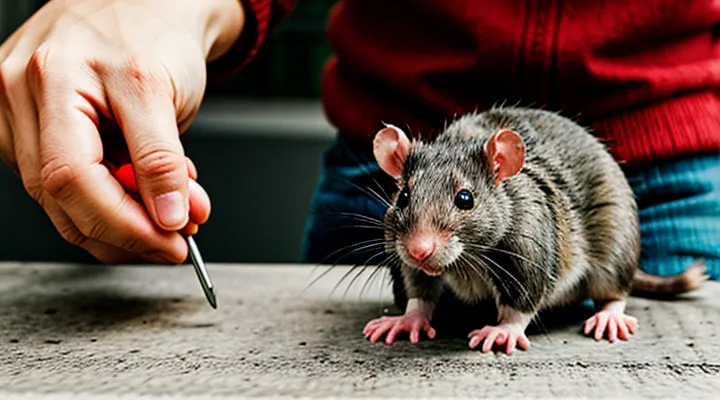
Understanding Your Rat's Behavior
Reading Body Language
Signs of Fear and Stress
Recognizing fear and stress in a pet rat is a prerequisite for successful hand‑holding training. Observable indicators allow owners to adjust handling techniques before anxiety escalates.
- Flattened ears pressed against the head
- Rigid, tense body posture
- Rapid, shallow breathing
- Dilated pupils or darkened eye rings
- Frequent grooming or excessive scratching
- Tail tucked close to the body or curled tightly
- Vocalizations such as high‑pitched squeaks or chattering
- Attempts to flee or hide when approached
Each sign reflects a heightened stress response that can impede trust building. When any of these behaviors appear, pause interaction, provide a calm environment, and limit direct contact until the rat exhibits relaxed cues such as a loose posture, normal grooming, and gentle sniffing. Consistent observation and timely response reduce fear conditioning, creating a foundation for comfortable hand contact.
Signs of Comfort and Curiosity
Recognizing a rat’s comfort and curiosity is essential for successful hand‑holding training. When a pet feels safe, it will display specific behaviors that indicate readiness to interact physically.
- Relaxed body posture, ears forward or gently flicking, and a loose tail
- Calm, steady breathing and absence of rapid whisker twitching
- Approaching the hand voluntarily, sniffing, and light nibbling without aggression
- Sitting or standing on hind legs to explore the hand, sometimes reaching with forepaws
- Vocalizations such as soft chirps or trills, which differ from alarm squeaks
- Slow, deliberate grooming of the hand or nearby objects, showing investigative interest
Interpreting these signals guides the owner’s approach: move slowly, keep the hand steady, and reward the rat with treats or gentle petting when it displays any of the listed behaviors. Consistent reinforcement strengthens the association between the hand and positive experiences, gradually extending the duration of contact. Over time, the rat learns that hand‑holding is a safe, rewarding activity, leading to a cooperative and trusting partnership.
Building Trust from Day One
Creating a Safe Environment
Establish a secure habitat before attempting any hand‑holding training. A sturdy cage with solid bars, a secure latch, and a lockable door prevents escapes and protects the rat from predators. Position the enclosure on a stable surface away from drafts, direct sunlight, and loud appliances that could cause stress.
Select appropriate bedding such as paper‑based pellets or aspen shavings; avoid pine or cedar, which contain oils harmful to respiratory health. Maintain a dry layer of bedding, replace it weekly, and clean the cage with mild, unscented soap at least once a month. Provide a nesting material that is non‑toxic and easy to manipulate, allowing the rat to build a personal retreat.
Remove hazards that could injure the animal:
- Small gaps where tails can become trapped
- Loose wires or cords within reach
- Toxic plants or chemicals on nearby surfaces
- Sharp objects, including broken cage parts
Offer enrichment items—tunnels, chew toys, and climbing platforms—while ensuring each piece is securely anchored. Rotate toys regularly to sustain curiosity without overcrowding the space.
Monitor temperature and humidity; ideal conditions range from 68–75 °F (20–24 °C) and 40–60 % relative humidity. Use a thermometer and hygrometer to track fluctuations, adjusting ventilation or heating as needed.
Consistent cleaning, hazard elimination, and environmental stability create the foundation for a rat that feels safe enough to accept gentle hand contact.
Gentle Introduction to Your Presence
Begin by entering the rat’s enclosure calmly, keeping movements slow and voice low. The animal senses vibrations; abrupt actions trigger flight responses. Allow the rat to observe you from a distance for several minutes before approaching.
- Position yourself at one side of the cage, avoiding direct eye contact; rats interpret prolonged stare as threat.
- Extend a hand with the palm down, fingers slightly curled, and pause for 5–10 seconds. This pause gives the rat time to assess scent and temperature.
- If the rat approaches, let it sniff the fingertips. Do not attempt to touch at this stage; reward any investigative behavior with a small treat placed nearby.
- Repeat the hand‑extension session 2–3 times daily, gradually decreasing the pause interval as the rat shows reduced hesitation.
- After consistent approach without startle, gently place a finger on the rat’s back for a moment, then withdraw. Increase contact duration by a few seconds each day until the rat tolerates a full hand hold.
Maintain a consistent schedule; irregular sessions can reset progress. Clean the enclosure regularly to prevent lingering odors that may obscure your scent. Monitor the rat’s body language—flattened ears, slow whisker movement, and relaxed posture indicate acceptance, while rapid grooming or darting signals the need for a slower pace.
The Taming Process: Step-by-Step
Initial Acclimation: Letting Your Rat Settle In
Providing Space and Quiet
Providing a rat with ample space and a quiet environment lays the foundation for successful hand‑holding training. Rats are naturally cautious; a confined or noisy area triggers stress, which hinders their willingness to approach a human hand. Choose a cage that exceeds the minimum size recommendation, allowing at least three times the floor space of a standard 20‑inch cage. Position the enclosure in a low‑traffic room, away from loud appliances, televisions, and frequent door openings.
Key actions to create the optimal setting:
- Allocate a separate zone within the cage for sleeping, using a hideaway that blocks light and sound.
- Maintain a consistent daily routine; limit sudden noises during interaction sessions.
- Rotate toys and enrichment items weekly to keep the environment stimulating without overcrowding.
- Ensure the room temperature remains stable, avoiding drafts that can cause discomfort.
When the rat perceives its habitat as safe and spacious, it becomes more receptive to gentle contact, accelerating the transition from observation to hand‑holding.
Observing from a Distance
Observing a rat from a distance establishes the foundation for safe hand‑holding. Initial encounters should occur without direct contact, allowing the animal to assess the owner’s presence without feeling threatened.
Distance observation lets the rat map the environment, recognize routine movements, and become accustomed to the owner’s scent and voice. These factors reduce stress responses and increase the likelihood of voluntary approach when tactile interaction begins.
Practical steps for effective distant observation:
- Position yourself 3–4 feet away from the cage; remain still for several minutes.
- Speak in a calm, consistent tone; avoid sudden vocal spikes.
- Offer visual cues such as slow hand gestures without extending toward the rat.
- Record the rat’s reactions: time spent near the cage wall, ear position, and vocalizations.
- Adjust distance gradually based on the animal’s comfort level; reduce space by a foot after each successful observation session.
Consistent distant observation creates a predictable pattern that the rat can anticipate. Over time, the rat will approach voluntarily, facilitating the transition to gentle hand‑holding without fear.
Scent and Sound Familiarization
Talking Softly to Your Rat
Speaking in a calm, low‑volume tone encourages a rat to relax and respond positively. Rats possess acute hearing; sudden loud sounds trigger stress, while gentle speech signals safety. When you address your rat, keep your voice steady, avoid rapid fluctuations, and maintain a consistent pitch.
Key practices for soft vocal interaction:
- Position yourself at the rat’s level before speaking.
- Use a whisper‑like cadence, roughly 60–70 dB, comparable to a quiet conversation.
- Pair words with a slow hand movement; the combined cue reinforces the message.
- Limit speaking sessions to a few minutes to prevent habituation fatigue.
- Observe the rat’s ears and whisker orientation; relaxed ears indicate acceptance.
Regularly incorporating soft talk during feeding, handling, and cage cleaning builds a predictable auditory environment. Over time, the rat associates your voice with positive experiences, making hand‑holding and other interactions smoother. Consistency in tone and volume remains the most reliable factor for fostering trust.
Introducing Your Scent Gradually
Gradual scent introduction helps a rat associate the owner’s odor with safety, reducing fear during hand‑holding training. Begin by placing a small cloth infused with the owner’s scent near the cage for several minutes each day. Replace the cloth with a fresh piece after a few days to maintain a consistent aroma.
Next, gently rub the same scented cloth on the rat’s whiskers and paws while it is calm. Limit each session to 10–15 seconds to avoid overstimulation. Observe the rat’s reaction; signs of tension indicate the need to shorten exposure.
Finally, incorporate the scented cloth into hand‑holding practice. Hold the cloth in the palm while presenting the hand, allowing the rat to sniff the familiar scent before making contact. Repeating this routine daily builds a predictable sensory cue, encouraging the rat to approach the hand voluntarily.
Key steps:
- Introduce scented cloth near cage.
- Apply cloth to rat’s body briefly.
- Use cloth during hand‑holding attempts.
Consistent application creates a reliable olfactory link, facilitating smoother transition to comfortable hand contact.
Hand Training: From Curiosity to Contact
Offering Treats from a Distance
When encouraging a rat to approach your hand, distance‑based treat delivery creates a clear, low‑pressure association. Begin by selecting a highly palatable reward—small pieces of fresh fruit, cooked egg, or a commercial rodent treat—ensuring the portion is no larger than a pea. Present the treat on a fingertip held 12–18 inches away from the rat’s cage opening or from the rat itself if it is already out.
- Establish visibility – Place the treat within the rat’s line of sight, allowing it to see the food without immediate contact.
- Maintain consistency – Offer the treat at the same distance for several consecutive sessions, typically three to five minutes per day.
- Gradual reduction – After the rat reliably reaches for the treat, decrease the gap by one to two inches per session, monitoring for hesitation.
- Reinforce successful reaches – When the rat extends its nose or paws toward the treat, immediately release the food into its mouth, reinforcing the behavior.
- Avoid hand movement – Keep the hand steady; sudden motions can trigger flight responses and disrupt learning.
Progressively narrowing the distance conditions the rat to anticipate a reward for approaching the hand, reducing fear and fostering trust. Once the rat consistently reaches from a few centimeters away, transition to allowing it to take the treat directly from your palm, then introduce gentle contact by lightly resting a finger on its back while it eats. This systematic approach builds a reliable pathway from distant treat acceptance to comfortable hand‑holding.
Gradual Hand Exposure
Gradual hand exposure builds trust and reduces fear, allowing the rat to accept gentle contact without stress. Begin with short sessions, keeping the hand motionless near the cage. Let the rat approach voluntarily; retreat if signs of avoidance appear. Increase duration only after the animal remains calm for several minutes.
- Place a hand on the cage lid for a few seconds, withdraw, repeat several times a day.
- Introduce a gloved hand inside the enclosure, allowing the rat to sniff and explore without pressure.
- Offer a small treat from the fingertips, encouraging the rat to nibble while the hand remains still.
- Once the rat consistently takes treats, gently slide the hand toward its back, supporting the body without restraining movement.
- Progress to light, brief lifts, always returning the rat to the floor quickly and rewarding calm behavior.
Maintain consistent timing, avoid abrupt movements, and observe body language. A patient, step‑by‑step approach results in a rat that willingly rests in the owner’s hand.
Encouraging Hand-Holding
Luring onto Your Palm
Getting a rat to step onto your palm requires a reliable lure and consistent timing. Choose a small, high‑value treat such as a piece of raisin, banana slice, or a dab of peanut butter. Hold the treat between thumb and forefinger, allowing the scent to reach the rat’s nose.
- Position your hand low and steady, palm facing upward.
- Extend the treat just beyond the fingertips, keeping it within the rat’s line of sight.
- Wait for the rat to approach; when it pauses, gently tap the palm’s edge to signal a landing spot.
- As soon as the rat places a paw on the surface, reward immediately with the treat and a brief petting motion.
- Release the rat after a few seconds, then repeat the sequence several times a day.
Consistency reinforces the association between the palm and the reward. Gradually reduce the treat’s size while maintaining the same hand position, encouraging the rat to stay longer without food as the primary motivator. Over weeks, the rat will recognize the palm as a safe platform and will willingly climb onto it for interaction.
Short, Positive Hand-Holding Sessions
Short, positive hand‑holding sessions build trust and encourage a rat to enjoy human contact. Begin each session with a calm environment; eliminate sudden noises and bright lights. Offer a treat in the palm to create an immediate association between the hand and reward. Gently place the rat on the open palm, allowing it to explore without restraint. Keep the session under two minutes, ending while the rat remains relaxed to reinforce a pleasant experience.
Key practices for effective sessions:
- Use a consistent hand position, palm up, fingers relaxed.
- Maintain eye contact at the rat’s level, avoiding direct stares.
- Speak softly, using a steady tone to signal safety.
- Reward immediately after the rat lifts a paw or stays still, reinforcing desired behavior.
- Gradually increase contact time by a few seconds each day, never exceeding the rat’s comfort threshold.
Monitor the rat’s body language: a relaxed posture, slow breathing, and gentle whisker movements indicate readiness for longer interaction. If signs of stress appear—rapid breathing, tail twitching, or attempts to escape—terminate the session and resume later with a shorter duration. Consistent, brief, positive hand‑holding builds a foundation for extended handling and deepens the bond between owner and pet.
Advanced Hand-Holding Techniques
Training for Longer Periods
Training a rat to tolerate hand‑holding for extended periods requires a structured approach that builds endurance while keeping the animal comfortable. Begin with short sessions of 30‑60 seconds, then add 10‑15 seconds each day. Consistency prevents confusion and reinforces the desired behavior.
Key elements of the routine include:
- Positive reinforcement: Offer a favorite treat immediately after the rat remains calm in the hand. The reward creates a clear association between the action and a pleasant outcome.
- Gentle grip: Use a relaxed, cupped hand that supports the rat’s body without restricting breathing. Avoid squeezing or sudden movements that trigger stress.
- Quiet environment: Conduct sessions in a low‑noise area to minimize distractions.
- Observation: Watch for signs of agitation such as rapid breathing, tail flicking, or attempts to escape. Pause the session if any appear.
Gradually increase the duration only after the rat shows no stress indicators for the current length. Aim for a target of 5‑10 minutes, split into two or three daily sessions if the animal’s tolerance is limited. Overtraining can lead to regression, so incorporate rest days each week.
Document each session’s length, the rat’s behavior, and the type of reward used. This record helps identify patterns, adjust timing, and maintain progress toward reliable, longer hand‑holding periods.
Handling During Playtime
During play sessions, gentle handling establishes the foundation for a rat’s willingness to accept hand contact. The rat perceives touch as part of its enrichment routine, so consistent, calm interaction reinforces trust.
- Choose a quiet area free of sudden noises.
- Begin with a short, 5‑minute session; extend only when the rat remains relaxed.
- Offer a favorite treat in the palm, allowing the rat to approach voluntarily.
- Use a slow, open‑hand motion; avoid wrapping the paw or applying pressure.
- Support the torso with one hand while the other maintains a light, steady presence.
- Observe ear and whisker position; relaxed posture indicates comfort.
Avoid pulling, squeezing, or abrupt movements, which trigger defensive bites or escape attempts. If the rat shows signs of stress—raised fur, rapid breathing, or attempts to flee—pause the session, return to a neutral cage environment, and resume after a few minutes of calm.
Consistent, brief handling during play cultivates a predictable pattern, enabling the rat to associate the owner’s hand with safety and reward. Repetition over weeks typically results in the rat willingly climbing onto an outstretched hand without hesitation.
Common Challenges and Troubleshooting
Dealing with Nipping and Biting
Understanding the Cause
Rats resist hand‑holding primarily because of instinctual fear of unfamiliar contact and the perception of a predator’s grasp. When a rat’s natural defenses are triggered, stress hormones surge, leading to rapid flight responses and defensive biting. Recognizing these triggers allows owners to address the root of the behavior rather than merely managing symptoms.
Typical causes include:
- Lack of early socialization with humans, resulting in limited exposure to gentle handling.
- Prior negative experiences, such as rough grabs or accidental injury, which create lasting aversion.
- Inadequate environmental enrichment, causing heightened anxiety that transfers to interactions.
- Genetic predisposition toward skittishness, observed more frequently in certain strains.
Mitigating these factors involves gradual desensitization, consistent gentle touch, and a calm environment. Introducing brief, light contact during routine care—feeding, cage cleaning, or health checks—builds trust incrementally. Repetition over weeks reduces the stress response, allowing the rat to associate the hand with safety rather than threat.
Monitoring physiological signs, such as flattened ears, rapid breathing, or fur puffing, provides immediate feedback on the animal’s comfort level. Adjusting the pace of interaction based on these cues prevents reinforcement of fear and promotes a steady progression toward relaxed hand‑holding.
Gentle Correction Techniques
When a rat resists being held, gentle correction helps redirect behavior without causing stress. The aim is to reinforce desired actions while maintaining trust.
Begin each session with a calm environment. Place the rat on a stable surface, offer a familiar treat, and wait for the animal to approach voluntarily. If the rat moves away or bites, pause, withdraw the hand, and give a brief moment for the rat to settle before attempting again. This pause signals that the unwanted response ends the interaction, encouraging the rat to choose a calmer approach.
Apply these specific techniques:
- Guided Touch – Lightly place a finger near the rat’s forepaws, then slowly slide the hand forward. If the rat pulls back, stop and wait a few seconds before repeating the motion. Consistency teaches the rat that forward movement leads to a stable hold.
- Positive Interruption – When the rat shows signs of tension (e.g., stiff body, rapid breathing), gently tap the cage wall or introduce a soft sound. The distraction interrupts the negative response, allowing you to resume the hand‑holding attempt after the rat relaxes.
- Reward‑Based Reinforcement – Immediately after the rat permits brief contact, deliver a small piece of fruit or seed. Pairing the tactile experience with a reward conditions the rat to associate hand contact with a positive outcome.
- Gradual Duration Increase – Start with a one‑second hold, then incrementally add half‑second intervals each session. Do not exceed the rat’s comfort threshold; a brief retreat indicates the need to reduce duration before proceeding.
Monitor body language closely. A relaxed tail, soft whisker movement, and steady breathing confirm that the rat accepts the correction. Conversely, rapid tail flicks, vocalizations, or attempts to escape require a reset of the session and a return to basic guided touch.
Consistency across daily practice sessions builds a reliable pattern. Over weeks, the rat learns that gentle, predictable handling results in predictable rewards, leading to steady hand‑holding tolerance.
Overcoming Shyness and Fear
Patience and Consistency
Patience and consistency form the foundation of successful rat hand‑holding training. A rat learns to trust through repeated, calm exposure to the owner’s hand; abrupt or infrequent attempts disrupt progress.
- Offer a treat from an open palm for several minutes each day before attempting to lift the animal.
- Keep sessions short (2–3 minutes) and end on a positive note; repeat the routine at the same time each day.
- Avoid sudden movements; approach the cage slowly, let the rat sniff the hand, then gently cup the body.
- Record the rat’s response; if tension appears, pause for a few minutes before resuming the same gentle method.
Consistency eliminates uncertainty. By applying the identical sequence of actions daily, the rat associates the hand with safety and reward, reducing stress and encouraging voluntary contact. Patience prevents premature force; waiting for the rat to approach the hand willingly ensures a lasting bond and reliable hand‑holding behavior.
Creating Positive Associations
Creating positive associations is essential when encouraging a rat to accept hand‑holding. Pair gentle contact with rewards that the animal values, such as favorite treats or brief moments of calm petting. Consistency reinforces the link between the owner’s hand and a pleasant experience, reducing fear and increasing willingness to stay attached.
- Offer a small piece of food each time the rat allows a fingertip to touch its back.
- Begin with short, light touches; extend duration only after the rat remains relaxed.
- Use a calm voice and steady movements to avoid startling the animal.
- Gradually increase the pressure of the grip, always checking for signs of stress.
- End each session with a positive reward, even if progress is minimal, to cement the association.
Regular practice builds trust. Maintain a predictable schedule, limit sessions to a few minutes, and always observe the rat’s body language. When the animal shows signs of comfort—e.g., relaxed posture, slow breathing—extend the interaction. Over time, the rat learns that the owner’s hand predicts safety and reward, making hand‑holding a natural behavior.
Maintaining Trust and Progress
Regular Interaction
Regular, predictable contact builds the trust needed for a rat to tolerate hand‑holding. Begin each session at the same time of day, using a calm voice and gentle movements. Consistency signals safety, reducing the animal’s anxiety and encouraging a willingness to approach.
- Offer a treat from the palm, allowing the rat to take it voluntarily; repeat daily.
- Hold the cage lid open for a few minutes, letting the rat explore the hand without restraint.
- Keep sessions brief (1–2 minutes) at first, extending the duration only as the rat shows comfort.
- Observe body language; pause interaction if the rat freezes, backs away, or exhibits rapid grooming, then resume after a short break.
Gradual escalation, paired with routine handling, conditions the rat to associate the hand with positive outcomes, ultimately enabling confident hand‑holding.
Avoiding Stressful Situations
Rats respond sharply to sudden noises, bright lights, and abrupt movements. Identify these triggers early and keep the training area quiet, dimly lit, and free of unexpected activity. Consistency in the environment reduces the likelihood of panic and helps the animal focus on the handler’s presence.
Maintain a predictable routine. Feed the rat at the same times each day, and schedule short handling sessions after meals when the animal is calm. Limit sessions to five minutes initially, extending only when the rat shows relaxed behavior. A steady schedule signals safety and prevents anxiety caused by irregular interactions.
When approaching the rat, move slowly, keep hands low to the ground, and allow the animal to sniff before making contact. Support the body with both hands to avoid insecure footing. If the rat attempts to flee, pause, lower the volume of surrounding sounds, and give the animal a moment to re‑establish composure before resuming.
Common stressors and mitigation tactics
- Loud or sudden sounds – use soft background music or silence; avoid slamming doors.
- Bright or flashing lights – dim lights; cover windows with curtains.
- Rapid hand motions – practice slow, deliberate gestures; rehearse before contact.
- Unfamiliar scents – keep the training space clean; wash hands with unscented soap.
- Inconsistent handling times – create a fixed daily schedule; record session lengths.