
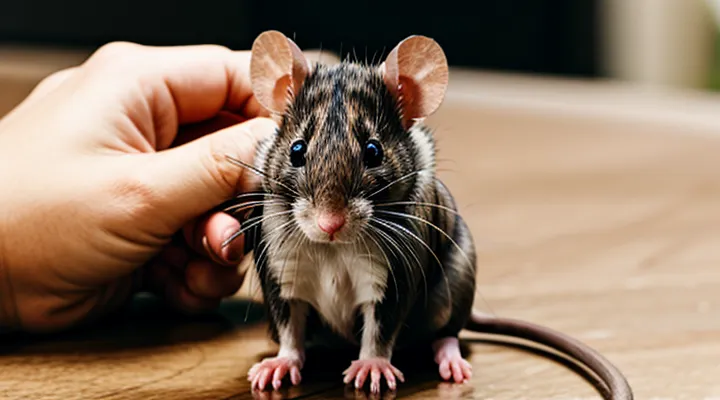
«Understanding Fancy Rats»
«Rat Behavior and Social Needs»
Understanding a fancy rat’s natural behavior is essential for successful hand‑training. These rodents are inherently curious, explore by sniffing and nibbling, and rely heavily on scent cues to assess their environment. When approached, they expect gentle, predictable movements; sudden gestures trigger flight responses. Recognizing these instincts helps owners create a calm setting that encourages the rat to stay close and accept contact.
Fancy rats are highly social animals. In the wild they live in colonies where hierarchy, grooming, and communal nesting maintain group cohesion. In captivity, the same drives persist, making companionship a critical factor in temperament. A solitary rat often exhibits heightened stress, reduced willingness to interact, and may develop stereotypic behaviors such as excessive bar‑chewing.
Key social requirements:
- Continuous interaction with at least one conspecific; a pair or small group provides stability.
- Daily gentle handling sessions lasting 5–10 minutes to build trust.
- Opportunities for environmental enrichment (tunnels, chew toys, nesting material) that stimulate natural foraging and grooming activities.
- Consistent routine regarding feeding times and cage cleaning to reinforce predictability.
When these behavioral and social foundations are met, the rat readily learns to accept hand contact, responds to cues, and can perform simple tricks. The trainer’s role shifts from imposing control to facilitating the animal’s innate desire for connection, resulting in a cooperative, confident pet.
«Establishing Trust: The Foundation»
Building trust is the first requirement for any hand‑taming effort with a fancy rat. Trust develops when the animal perceives the handler as a source of safety and predictable care. Consistency, calm demeanor, and respect for the rat’s boundaries create the conditions for reliable interaction.
Effective steps to establish trust:
- Offer food from the hand at the same time each day; the rat learns to associate the handler’s presence with a positive reward.
- Keep movements slow and deliberate; sudden gestures trigger flight responses.
- Allow the rat to explore the handler’s lap or arm without forced contact; let curiosity drive the approach.
- Speak in a low, steady tone; vocal consistency reinforces a sense of stability.
Once the rat routinely accepts food and approaches voluntarily, progress to gentle contact. Begin with brief, light touches on the back or head, then gradually increase duration. Observe body language: relaxed posture, whisker forward, and slow breathing indicate acceptance; raised fur or rapid retreat signal discomfort and require a pause. Reinforce each successful interaction with a treat, maintaining the pattern of predictable, rewarding experiences.
Sustaining trust demands regular, brief sessions rather than occasional long handling. Daily exposure reinforces the established bond and prevents regression. Any deviation—such as loud noises, rough handling, or erratic schedules—disrupts the trust foundation and can undo progress. By adhering to consistent, low‑stress practices, the handler secures a stable relationship that supports further training and handling proficiency.
«Preparing for Taming»
«Creating a Safe Environment»
«Cage Setup and Location»
A successful hand‑training program for a fancy rat begins with a well‑designed living environment. The cage must provide ample space, secure construction, and enrichment that encourages exploration and confidence.
- Minimum dimensions: 24 in × 18 in × 18 in for a single adult; larger for multiple rats.
- Bar spacing: ½ in or less to prevent escape.
- Materials: stainless steel or powder‑coated metal to avoid rust and toxic coatings.
- Flooring: solid base covered with absorbent, dust‑free bedding such as paper pellets; avoid cedar or pine shavings.
- Enrichment: climbing ladders, tunnels, chew‑safe toys, and a hammock for resting.
- Food and water: heavy‑base ceramic dishes to prevent tipping; place them on one side to keep the area tidy.
Location influences the rat’s willingness to approach humans. Choose a spot that balances activity and security.
- Quiet area: away from loud appliances, doors, and high‑traffic corridors.
- Visible zone: within the owner’s line of sight for regular interaction; a corner of a living room or a dedicated home office works well.
- Stable temperature: maintain 68‑74 °F (20‑23 °C) and avoid drafts; a room with consistent heating is ideal.
- Light: natural daylight cycles support health, but provide a shaded retreat to reduce stress.
Regularly inspect the cage for wear, replace soiled bedding, and rotate toys to sustain interest. Proper setup and placement create a safe, stimulating backdrop that encourages the rat to seek out human contact, laying the foundation for reliable hand‑taming.
«Minimizing Stressors»
Minimizing stressors directly influences a fancy rat’s willingness to accept hand contact.
Typical stressors include:
- Loud or abrupt noises
- Sudden hand movements or gestures
- Unfamiliar scents on clothing or accessories
- Overcrowded or poorly ventilated cages
- Inconsistent feeding or cleaning schedules
Effective mitigation measures:
- Maintain a quiet environment; use soft background sounds rather than sharp alerts.
- Approach the rat with slow, deliberate motions; keep hands open and steady.
- Wear clean, scent‑free clothing; wash hands before each interaction.
- Provide a spacious cage with multiple hiding spots and adequate airflow.
- Establish a fixed daily routine for feeding, cleaning, and handling sessions.
Applying these practices reduces physiological arousal, encourages trust, and accelerates the process of getting a fancy rat comfortable with human hands.
«Essential Supplies»
«Treats and Toys»
Treats serve as primary reinforcement when encouraging a fancy rat to accept hand contact. Small, high‑protein pieces such as cooked chicken, boiled egg, or commercial rodent treats delivered directly from the fingertips create a clear association between the hand and a positive outcome. Consistency in timing—offering the reward immediately after the rat approaches or climbs onto the hand—strengthens the connection and accelerates habituation.
Toys complement food rewards by providing mental stimulation and opportunities for safe interaction. Items that can be manipulated with the paws or mouth while the rat remains on the hand reinforce confidence and reduce stress. Recommended selections include:
- Soft chew blocks made from natural fibers
- Small wooden tunnels that fit the palm
- Puzzle feeders that dispense a treat when the rat solves a simple task
Rotate treats and toys regularly to prevent habituation. Introduce new items one at a time, observing the rat’s reaction before adding additional stimuli. Gradual exposure, paired with immediate reward, establishes reliable hand‑taming behavior in fancy rats.
«Handling Gloves (Optional)»
Handling gloves are an optional tool for individuals working to increase a fancy rat’s comfort with direct hand contact. They create a barrier that reduces the likelihood of accidental scratches or bites while the animal adjusts to being held. Use gloves only when the rat shows signs of fear or aggression, or when the handler has sensitive skin that could be irritated by the rodent’s whiskers and saliva.
Typical glove materials include nitrile, latex, and lightweight cotton. Nitrile offers high puncture resistance and easy cleaning; latex provides a snug fit but may cause allergic reactions; cotton is breathable but offers minimal protection against sharp teeth. Choose a glove that fits snugly to maintain tactile feedback, allowing the handler to sense the rat’s movements and respond calmly.
Benefits of employing gloves:
- Immediate protection for skin and nails
- Reduced stress for handlers who are inexperienced or have delicate hands
- Easy decontamination between sessions
Potential drawbacks:
- Diminished tactile sensitivity may delay recognition of subtle rat cues
- Rats may perceive gloves as foreign objects, prolonging acclimation
- Improper fit can restrict hand movement, affecting gentle handling techniques
If gloves are used, follow these hygiene practices: wash with mild soap after each session, dry thoroughly, and inspect for tears before reuse. Store in a clean, dry environment to prevent bacterial growth. When the rat shows consistent calmness during hand interactions, consider discarding gloves to enhance direct bonding and improve the animal’s responsiveness to human touch.
«The Taming Process: Step-by-Step»
«Phase 1: Acclimation»
«Allowing Them to Settle In»
Allow the rat to adjust to its new environment before attempting any direct contact. Place the cage in a quiet area, away from sudden noises and heavy foot traffic. Provide multiple hiding spots—such as a small tunnel, a ceramic house, and a piece of overturned box—so the animal can retreat when it feels insecure.
Introduce food and water gradually. Offer fresh vegetable pieces, small fruit chunks, and high‑quality rat pellets at the same locations each day. Consistent feeding times create a predictable routine, encouraging the rat to associate the cage with safety and nourishment.
Observe the rat’s behavior for signs of comfort: regular grooming, calm exploration, and occasional social interactions with other rats (if housed together). When the animal moves freely between hideouts and shows no prolonged periods of freezing, it is ready for gentle hand exposure.
Steps to facilitate settlement
- Position the cage at eye level to reduce the perception of threat.
- Scatter bedding evenly, avoiding deep piles that could conceal hazards.
- Add a few chewable items (wood blocks, cardboard) to satisfy natural gnawing urges.
- Offer a treat from the hand once the rat approaches voluntarily; do not force contact.
- Limit handling sessions to two minutes initially, extending only as the rat remains relaxed.
Once the rat routinely approaches the hand for food and shows no signs of stress during brief touches, increase handling duration and incorporate gentle petting. Consistent, low‑pressure interaction solidifies the bond and prepares the rat for extended hand‑time.
«Gentle Talking and Scent Introduction»
Gentle vocal interaction and controlled scent exposure create a reliable pathway for a fancy rat to accept human hands. Consistent, low‑volume speech signals safety, while familiar smells reduce fear and encourage approach behavior.
When speaking to the rat, use a calm, steady tone. Begin with short phrases such as “hello” or “good rat” while the animal is in its enclosure. Repeat the same words at the same time each day, preferably during feeding or cleaning sessions. Avoid sudden volume changes; a smooth delivery reinforces the perception of a non‑threatening environment.
Scent introduction follows a similar pattern. Apply a small amount of the handler’s scent to a clean fingertip or a soft cloth, then place it near the rat’s nest without direct contact. Allow the animal to investigate the odor at its own pace. After several sessions, gently rub the scented fingertip on the rat’s back or flank, observing for signs of relaxation. Rotate scents by using bedding or hideouts that have been pre‑exposed to the handler’s odor, ensuring the rat associates the smell with positive experiences.
Practical steps:
- Speak softly to the rat for 2‑3 minutes daily, using the same phrase each time.
- Place a scented cloth in the cage for 5‑10 minutes after each speaking session.
- Once the rat shows curiosity, lightly touch the scented fingertip to the animal’s side, pausing if the rat retreats.
- Repeat the cycle for 2‑3 weeks, adjusting duration based on the rat’s responsiveness.
These practices establish a predictable auditory and olfactory framework, encouraging the rat to view human hands as a source of comfort rather than threat.
«Phase 2: Hand Introduction»
«Offering Treats Through Bars»
Treat-based bar feeding is an effective method for encouraging a fancy rat to accept hand contact. The rat associates the bar with a positive reward, which reduces fear and builds trust.
- Choose small, soft treats that can be held on a thin, sturdy bar (e.g., a wooden dowel or plastic rod).
- Attach one treat per bar, ensuring the treat does not slip.
- Present the bar at a comfortable distance, allowing the rat to sniff and reach for the treat.
- Gradually lower the bar toward your hand while the rat remains focused on the treat.
- Once the rat takes the treat from the bar, gently rest the bar against your palm and let the rat lick the treat from your skin.
Consistent repetition shortens the latency between the rat’s approach and its willingness to touch the hand. Vary the bar’s length and angle to prevent habituation and maintain the rat’s interest. Over several sessions, replace the bar with direct hand offering of treats, thereby completing the transition from mediated feeding to unrestricted hand interaction.
«Placing Hand Inside the Cage»
Placing your hand inside the cage is the first physical step in encouraging a fancy rat to accept human contact. The rat must perceive the intrusion as non‑threatening, which requires a calm approach, steady posture, and consistent timing.
- Approach the cage from the front, keeping your arm parallel to the bars.
- Lower your hand slowly, allowing the rat to see the movement before it feels any pressure.
- Extend a fingertip toward the rat’s nose; the scent and warmth help the animal recognize you as a source of food.
- Pause for a few seconds to let the rat investigate. If it retreats, wait and try again after a short interval.
- When the rat shows curiosity, gently place the palm on the cage floor, keeping fingers relaxed and slightly curled.
Maintain steady breathing and avoid sudden gestures. Ensure the cage remains clean and free of sharp objects that could injure either party. Use a treat placed on the palm to reinforce the positive association. Repeating the procedure daily builds trust, eventually allowing the rat to step onto the hand voluntarily.
«Phase 3: Encouraging Contact»
«Lure to Hand with Treats»
Using edible incentives is the most reliable method for encouraging a fancy rat to approach and accept a hand. The rat associates the scent and taste of a preferred treat with the presence of the handler, creating a positive feedback loop that drives voluntary contact.
Select treats that are small, highly palatable, and safe for rodents. Ideal options include tiny pieces of fresh fruit, cooked chicken, or commercially available rat treats specifically formulated for high reward value. Avoid foods containing excessive sugar, salt, or additives that could cause digestive upset.
- Hold the treat between thumb and forefinger, keeping it visible but out of reach.
- Release the treat a short distance from the rat’s nose, allowing it to sniff and move toward the scent.
- When the rat reaches the treat, pause and keep the hand steady; the rat will naturally extend its mouth toward the food.
- Once the rat grasps the treat, gently close the fingers around it, maintaining a light grip that secures the treat without restraining the animal.
- Repeat the sequence several times per session, gradually reducing the distance between the treat and the hand until the rat accepts direct contact without hesitation.
Consistency in timing and reward size reinforces the behavior. Conduct short training bouts—five to ten minutes—several times daily to prevent fatigue. Maintain a calm environment, limit sudden movements, and ensure the hand remains clean to avoid startling the rat. Over repeated sessions, the animal will learn to approach the hand voluntarily, establishing a foundation for further handling techniques.
«Short Touching Sessions»
Short touching sessions are essential for building a rat’s confidence in human hands. Keep each interaction under two minutes to prevent stress and maintain focus on positive reinforcement.
Begin by placing the rat’s cage near a stable surface where the animal can see the handler. Offer a treat from an open palm, allowing the rat to approach voluntarily. Once the rat takes the treat, gently rest a fingertip on its back for a moment, then withdraw. Repeat this pattern, gradually extending the contact time by a few seconds each session.
Key practices for effective short sessions:
- Use high‑value food rewards such as millet or small pieces of fruit.
- Maintain a calm voice and steady posture; sudden movements increase anxiety.
- Observe body language: flattened ears, rapid breathing, or attempts to escape indicate discomfort.
- End the session before signs of stress appear, even if the rat has not yet taken the treat.
Progression follows a predictable curve. After several days of brief contacts, the rat will tolerate longer touches, eventually allowing the handler to cup its body or guide it onto an open hand. Consistency—daily sessions at the same time—reinforces the association between hand contact and positive outcomes.
If a session fails, pause for at least 15 minutes before trying again. Resetting the environment, such as dimming lights or providing a quiet corner, can help the rat recover confidence. Over time, short touching sessions evolve into a reliable foundation for more extensive handling, enabling safe and enjoyable interaction with the pet rat.
«Phase 4: Handling and Cuddling»
«Gentle Scooping Techniques»
Gentle scooping is the most reliable method for bringing a fancy rat into hand contact. The technique minimizes stress and encourages the rat to view the hand as a safe platform.
Begin by positioning the rat on a stable surface, such as a clean tray or the cage floor. Approach slowly, keeping the palm level with the rat’s body. Place the palm beneath the rat’s chest, allowing the front paws to rest on the hand while the hindquarters remain supported by the surface. Lift only a few inches, maintaining a steady, horizontal motion.
Key points for successful scooping:
- Palm orientation – flat, warm, and facing upward to distribute weight evenly.
- Grip pressure – light enough to avoid compression, firm enough to prevent slipping.
- Release timing – lower the rat gently onto the palm or a secure hand‑held container within two seconds of lift.
- Eye contact – maintain a calm gaze; sudden movements can trigger flight response.
Practice the motion repeatedly in short sessions of two to three minutes. Observe the rat’s body language: relaxed ears, calm whisker position, and steady breathing indicate acceptance. If the rat shows signs of tension—raised fur, rapid breathing, or attempts to escape—return it to the surface and retry after a brief pause.
Consistency reinforces the association between the hand and safety. Over several days, the rat will tolerate longer holds and allow more extensive handling, facilitating further training tasks.
«Lap Time and Play»
Lap time and play provide the foundation for a reliable bond with a fancy rat, allowing the animal to associate the human hand with positive experiences. Consistent, brief sessions build trust faster than prolonged, irregular interactions.
Prepare a calm environment before each session. Remove loud noises, secure loose objects, and ensure the rat’s cage is clean. Offer a familiar treat within reach of the hand to encourage the rat’s approach.
- Place the rat on a secure, flat surface such as a lap or a low table.
- Extend a hand slowly, palm up, keeping fingers relaxed.
- Present a small piece of vegetable or seed directly on the fingertips.
- Allow the rat to sniff, then nibble the treat while maintaining gentle contact.
- Withdraw the hand after the rat finishes eating, repeat the sequence for 2–3 minutes.
Observe the rat’s body language: relaxed whiskers, steady breathing, and gentle nibbling indicate comfort. If the rat retreats, pause, reduce session length, and re‑establish a calm setting before retrying. Gradually increase duration to five minutes as confidence grows.
Regular, predictable lap time and play sessions reduce fear responses, reinforce the hand as a source of nourishment, and lay the groundwork for more advanced handling techniques.
«Common Challenges and Solutions»
«Nervous or Skittish Rats»
Nervous or skittish fancy rats react to sudden movements, loud sounds, and unfamiliar hands. Their heightened sensitivity stems from a natural wariness of predators, which makes gentle, predictable interaction essential for building trust.
Begin each session by placing the rat’s cage near the work surface. Allow the animal to observe the environment for several minutes without direct contact. This observation period reduces anxiety and encourages the rat to approach voluntarily.
- Approach the cage from the side, avoiding direct eye contact.
- Offer a fingertip treat, keeping the hand steady and low.
- Pause after the rat sniffs, then gently slide the finger onto the back of the neck.
- If the rat withdraws, retreat calmly and repeat the offering after a short interval.
- Gradually increase contact duration, progressing from a brief touch to holding the rat for a few seconds.
Consistent repetition of these steps conditions the rat to associate hands with safety and reward. Over time, the animal’s flight response diminishes, allowing the owner to handle the rat confidently and without stress.
«Biting and Nipping Behavior»
Biting and nipping are natural defensive responses that appear when a fancy rat feels threatened, uncomfortable, or overstimulated during hand training. The behavior often originates from a lack of trust, sudden movements, or improper handling techniques that trigger a fear response.
Typical signs preceding a bite include flattened ears, rapid whisker movement, a tense body, and a sudden freeze. When these cues appear, the rat is likely to deliver a quick nip aimed at the hand or fingers that caused the perceived danger.
Effective management relies on three core actions:
- Reduce triggers: Approach slowly, avoid loud noises, and keep hand movements predictable.
- Reinforce calm behavior: Offer treats when the rat remains relaxed during brief contacts; repeat the interaction in short intervals.
- Correct nipping: Immediately withdraw the hand, pause for several seconds, then resume with a gentler approach. Consistent, calm responses teach the rat that biting yields no attention and that gentle contact is rewarded.
Progress depends on patience and consistency. Regular, low‑stress sessions gradually replace fear with confidence, resulting in a rat that accepts hand contact without resorting to bites or nips.
«Building Confidence Over Time»
Confidence develops through repeated, low‑stress exposure. Begin each session by allowing the rat to watch you from a safe distance; visual familiarity reduces anxiety before any physical contact.
- Place a hand near the cage without reaching in; pause until the rat approaches voluntarily.
- Offer a small treat on the fingertip; accept brief nibbling as the first tactile interaction.
- Gradually increase the duration of hand presence, extending the time the rat rests on the palm before withdrawing the treat.
- Introduce gentle strokes along the back and sides, monitoring for signs of tension such as rapid breathing or sudden retreats.
- Once the rat tolerates light handling, progress to lifting it briefly, supporting the body fully, and returning it to the enclosure.
Consistency matters. Conduct short sessions (two to five minutes) daily, never exceeding the rat’s comfort threshold. Use the same hand and voice tone to reinforce predictability. Reward calm behavior immediately; ignore brief hesitations without punishment.
Typical progress spans two to four weeks, depending on the individual’s temperament. Indicators of growing confidence include steady grooming while perched on the hand, relaxed posture, and willingness to explore beyond the initial contact area. When these signs appear, extend handling time and introduce new positions, such as holding the rat in a cupped hand or allowing it to climb onto the forearm. Continuous, patient practice solidifies trust and results in a rat that accepts hand interaction without stress.
«Maintaining the Bond»
«Daily Interaction and Playtime»
Consistent daily interaction builds the trust required for a fancy rat to accept human hands. Begin each session with a calm approach: extend a hand at the rat’s eye level, keep fingers relaxed, and allow the animal to sniff before any contact. Limit initial handling to 1–2 minutes, then gradually extend the duration as the rat shows comfort.
Key activities for effective playtime include:
- Exploratory walks: Place a clean, safe enclosure on a low table and let the rat wander while you guide with gentle hand movements. This encourages the animal to associate hands with a secure environment.
- Object manipulation: Offer lightweight toys such as wooden blocks, paper tubes, or chew sticks. Encourage the rat to retrieve items and bring them to your palm, reinforcing hand proximity.
- Target training: Use a small, brightly colored stick as a target. Reward the rat with a treat when it touches the stick with its nose, then shift the target toward your hand to develop a direct hand‑to‑mouth connection.
- Gentle grooming: Softly brush the rat’s coat using a fingertip brush. The tactile experience desensitizes the animal to hand contact and improves coat health.
Maintain a predictable schedule: two short sessions in the morning and two in the evening create a routine that reduces anxiety. Observe body language; flattened ears, a tucked tail, or rapid breathing indicate stress, prompting an immediate pause. End each interaction with a brief treat and a calm retreat, reinforcing the positive association.
Over weeks of structured play, the rat will increasingly seek hand contact, allowing safe, hands‑free handling for routine care and veterinary examinations.
«Recognizing Rat Body Language»
Understanding a rat’s body language is essential for successful hand‑handling. Rats communicate through posture, ear position, whisker orientation, tail movement, and vocalizations. Recognizing these cues allows you to gauge comfort levels, prevent stress, and build trust.
When a rat approaches with a relaxed body, ears forward, and whiskers slightly fanned, it signals curiosity and readiness for interaction. A low, steady tail and slow, rhythmic breathing indicate calmness. In contrast, a stiff body, flattened ears, and tightly curled tail suggest fear or aggression. Rapid tail flicking, hissing, or teeth chattering are clear warnings to pause the approach.
Practical steps for reading and responding to these signals:
- Observe the rat from a distance before reaching out; note ear and tail posture.
- Wait for forward‑leaning movement and gentle sniffing before extending a hand.
- If the rat backs away, freezes, or displays defensive posture, withdraw and give space.
- Reward calm behavior with soft vocal tones and brief, gentle petting.
- Repeat short sessions, gradually increasing contact time as the rat’s posture remains relaxed.
Consistent attention to these non‑verbal indicators accelerates the process of training a fancy rat to accept hand contact, reducing anxiety for both animal and handler.