
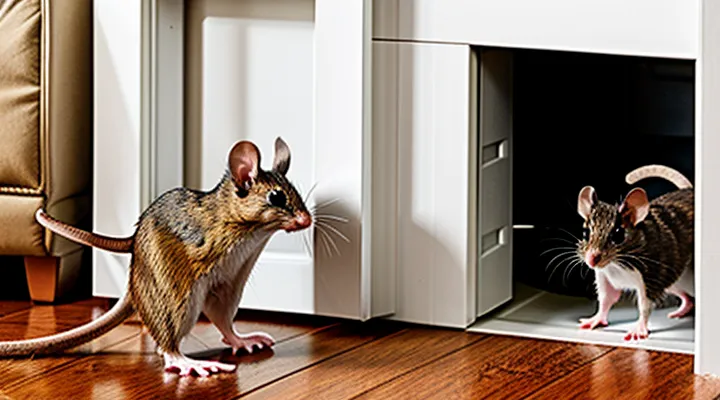
Understanding the Fear of Mice
The Psychological Roots of Musophobia
Learned Behavior and Cultural Influences
Fear of rodents often originates from early experiences that associate mice with danger or disgust. Classical conditioning creates a link between the sight or sound of a mouse and an unpleasant reaction, while observational learning reinforces the response when family members or peers display alarm. Media depictions that portray mice as carriers of disease or as sinister characters amplify the learned association, turning a neutral animal into a source of anxiety.
Cultural narratives shape the perception of mice in several ways. Folklore in many societies casts rodents as symbols of impurity, reinforcing avoidance behaviors. Religious texts that label mice as unclean contribute to collective aversion. Popular entertainment frequently uses exaggerated portrayals of mice as pests, which solidifies negative stereotypes across generations.
Understanding these mechanisms enables targeted interventions:
- Systematic exposure to harmless mice, beginning with photographs and progressing to live observation, weakens conditioned fear responses.
- Cognitive reframing replaces threat interpretations with factual information about mice’s low health risk in domestic settings.
- Social modeling by trusted individuals who display calm behavior around rodents demonstrates alternative, non‑threatening responses.
- Cultural reinterpretation, such as highlighting positive roles of mice in scientific research or ecological balance, reduces stigma.
By addressing both the learned components and the cultural backdrop, the persistent dread of house mice can be diminished, leading to a more rational coexistence.
Evolutionary Explanations
Fear of house‑bound rodents often stems from deep‑rooted evolutionary mechanisms. Ancestral humans faced predators that resembled small mammals, prompting the development of heightened vigilance toward swift, unpredictable movements. This vigilance generalized to any creature sharing similar size and behavior, including domestic mice.
Evolutionary pressure favored avoidance of potential disease vectors. Early societies encountered pathogens transmitted by rodents, such as fleas carrying plague bacteria. Natural selection therefore reinforced aversive reactions to rodents, increasing survival odds for individuals who quickly withdrew from contact.
Neurobiological pathways support these adaptations. The amygdala processes rapid threat detection, while the hypothalamic‑pituitary‑adrenal axis mobilizes stress responses. Both systems react to visual and auditory cues characteristic of mouse activity, producing immediate physiological arousal.
Understanding these origins clarifies why rational persuasion alone often fails. Strategies that align with innate circuitry—gradual desensitization, controlled exposure, and replacement of threat perception with neutral associations—prove effective in diminishing irrational dread.
Key evolutionary explanations:
- Generalization of predator‑avoidance circuitry to small, fast mammals.
- Historical association of rodents with contagious diseases.
- Automatic activation of the amygdala‑driven threat detection network.
- Evolutionary bias toward rapid flight responses in confined environments.
Common Reactions to Mice
Panic and Anxiety Symptoms
Panic and anxiety triggered by the presence of rodents manifest through distinct physiological and psychological signs. Recognizing these indicators is essential for effective desensitization strategies.
- Rapid heart rate, trembling, sweating
- Shortness of breath, chest tightness, dizziness
- Nausea, stomach upset, cold extremities
- Muscle tension, shaking hands, inability to remain still
Mental responses often accompany the physical turmoil:
- Overwhelming sense of dread, persistent worry about mouse encounters
- Intrusive thoughts about infestation, loss of control
- Heightened vigilance, scanning rooms for movement
- Difficulty concentrating, memory lapses, avoidance of areas where rodents may appear
«Panic attacks are sudden periods of intense fear that peak within minutes and can include both bodily sensations and catastrophic thoughts». When such episodes arise in response to rodent sightings, the individual may experience a cascade of symptoms that reinforce avoidance behavior. Early identification of these patterns allows for targeted interventions, such as controlled exposure, relaxation techniques, and cognitive restructuring, ultimately reducing the fear response associated with household mice.
Avoidance and Distress
Avoidance of mice often manifests as deliberately sealing entry points, establishing physical barriers, and limiting exposure to rodent activity. Effective implementation requires systematic inspection of walls, foundations, and utility openings, followed by the installation of metal mesh, weather‑stripping, or sealed caulking. Regular maintenance of these defenses reduces the likelihood of accidental encounters that trigger fear responses.
Distress associated with rodent presence appears in heightened physiological arousal, such as increased heart rate, sweating, and muscle tension, as well as psychological symptoms including intrusive thoughts and persistent anxiety. Monitoring these indicators provides objective data for assessing the severity of the phobia and guiding intervention.
Practical measures to diminish both avoidance and distress:
- Conduct a comprehensive audit of potential ingress sites; document findings and prioritize remediation.
- Apply durable sealing materials to all identified gaps; verify integrity after each weather cycle.
- Introduce gradual, controlled exposure to neutral rodent cues (e.g., photographs, recorded sounds) while practicing relaxation techniques.
- Implement cognitive restructuring exercises that replace catastrophic interpretations with factual assessments of risk.
- Seek professional guidance for systematic desensitization programs when self‑directed efforts prove insufficient.
Consistent application of these strategies replaces reactive avoidance with proactive risk management, thereby lowering the physiological and emotional impact of rodent‑related fear.
Practical Strategies for Managing Mouse Encounters
Assessing the Mouse Situation
Identifying Signs of Mice
Identifying signs of mice is essential for addressing a rodent problem before it escalates.
Typical evidence includes small, dark droppings approximately one‑centimetre long, often found near food sources, along baseboards, or in hidden corners. Fresh droppings appear shiny, while older ones become dry and crumbly.
Gnaw marks indicate active chewing activity; mice prefer soft materials such as wood, plastic, and electrical wiring. Look for smooth, crescent‑shaped bite edges on furniture, cabinets, and insulation.
Tracks become visible when mice walk on dusty surfaces, leaving fine footprints with four toe marks on each hind foot. A light dusting of flour or talc can help reveal these paths.
Nesting material consists of shredded paper, fabric, or insulation, typically gathered in concealed locations like wall voids, attics, or under appliances.
Audible cues include scratching or scurrying sounds, especially at night when mice are most active.
Unpleasant odors may develop from urine, which contains a strong, ammonia‑like scent.
Damage to food packaging, such as torn bags or chewed seals, signals that mice have accessed stored provisions.
Promptly recognizing these indicators enables effective mitigation measures, reducing fear and preventing further infestation.
Estimating the Severity of Infestation
Assessing mouse infestation begins with objective observation. Record the number of droppings, gnaw marks, and nesting material found in each room. Compare these counts to established thresholds: fewer than ten droppings per square meter typically indicates a low‑level presence; between ten and fifty suggests moderate activity; over fifty signals a severe problem.
Identify entry points by inspecting foundations, vents, and utility openings. Each uncovered gap increases the risk of population growth and should be logged. Evaluate damage to food packaging, wiring, and structural components; extensive harm correlates with higher infestation severity.
Measure activity patterns using motion‑activated cameras or non‑lethal traps. Frequent captures or repeated sightings within a 24‑hour period confirm elevated mouse numbers. Summarize findings in a concise table, ranking each factor (droppings, entry points, damage, activity) on a scale from 1 (minimal) to 5 (critical). The combined score provides a clear metric for determining the urgency of control measures.
Humane Mouse Control Methods
Trapping and Removal Techniques
Effective control of house‑bound rodents requires systematic trapping and removal. Selecting appropriate devices and applying them correctly minimizes encounters and reduces anxiety.
Common trapping options include:
- Live‑capture cages: allow relocation without killing, suitable for households preferring humane methods.
- Snap traps: deliver rapid impact, ideal for swift elimination of single specimens.
- Glue boards: adhere to fur or skin, useful for monitoring but demand careful handling to avoid non‑target injuries.
- Electronic traps: emit a high‑voltage pulse, provide instant kill and easy disposal.
Placement guidelines:
- Identify travel routes by observing droppings, gnaw marks, and food residues.
- Position traps perpendicular to walls, with trigger side facing the anticipated path.
- Use attractive bait such as peanut butter, seeds, or dried fruit; apply a pea‑sized amount to ensure focus.
- Check traps at least twice daily; remove captured rodents promptly to prevent scent buildup.
- Dispose of dead rodents in sealed bags, then clean the area with a disinfectant solution.
Post‑removal measures:
- Seal entry points by installing steel wool or caulking around gaps, vents, and pipe openings.
- Store food in airtight containers; eliminate crumbs and spills that attract foraging behavior.
- Maintain regular inspection cycles to detect early signs of re‑infestation.
Consistent application of these techniques reduces rodent activity, thereby diminishing fear associated with their presence.
Exclusion and Prevention Measures
Exclusion and prevention focus on denying mice access to the interior of a dwelling and eliminating conditions that attract them. Effective measures combine structural reinforcement, sanitation, and strategic deterrence.
- Seal all openings larger than ¼ inch with steel wool, cement, or metal mesh; prioritize gaps around pipes, vents, and utility lines.
- Install door sweeps and weatherstripping on exterior doors to block entry points.
- Repair cracked foundation walls, broken window screens, and damaged siding promptly.
- Store food in airtight containers; remove crumbs and spills from countertops, floors, and pet feeding areas.
- Keep garbage in sealed bins and dispose of waste regularly.
- Eliminate standing water sources by fixing leaks and drying damp areas such as basements and crawl spaces.
- Maintain a tidy yard: trim vegetation away from the house, store firewood off the ground, and clear debris that could serve as shelter.
- Employ non‑lethal deterrents, such as ultrasonic devices or peppermint oil‑infused cotton balls, near known activity zones.
- Use snap traps or electronic traps only where necessary, positioning them along walls and behind objects where mice travel.
Consistent application of these steps reduces the likelihood of mouse incursions, thereby diminishing the fear associated with their presence. Regular inspection of the property ensures that newly formed entry points are addressed before infestations develop.
Desensitization and Exposure Therapy
Gradual Exposure Techniques
Gradual exposure reduces mouse‑related anxiety by repeatedly presenting the feared stimulus at increasing levels of intensity. The process relies on systematic desensitization, allowing the nervous system to adapt without triggering panic responses.
The first stage involves visual contact from a safe distance. A picture or video of a mouse placed at least several meters away provides a low‑intensity cue. Repeated viewing for several minutes each session diminishes the automatic alarm reaction.
The second stage introduces controlled proximity. A transparent container housing a mouse can be positioned a few feet from the observer. Interaction remains limited to observation; touching is avoided until the individual reports calm physiological responses.
The third stage permits direct, brief contact. A clean, hand‑held mouse is offered for a few seconds, then released. Duration extends only as long as the person remains relaxed, with immediate cessation if distress reappears.
Key elements for successful implementation:
- Fixed schedule: daily sessions of 10–15 minutes maintain steady progress.
- Incremental steps: each session increases exposure distance or duration by no more than 10 % of the previous level.
- Monitoring: heart rate, breathing pattern, and subjective anxiety rating are recorded to ensure the exposure remains within tolerable limits.
- Reinforcement: successful sessions are followed by a preferred activity or a small reward, strengthening the association between exposure and positive outcomes.
Integrating relaxation techniques—such as diaphragmatic breathing or progressive muscle relaxation—during exposure further stabilizes the autonomic response. Consistent application of these practices leads to a measurable reduction in mouse‑related fear, enabling comfortable coexistence with rodents in the home environment.
Cognitive Behavioral Approaches
Cognitive behavioral methods address mouse‑related anxiety by altering thought patterns and behavioral responses. The approach begins with identifying automatic negative beliefs such as «all mice are dangerous» or «seeing a mouse will cause a panic attack». Challenging these thoughts involves gathering evidence, evaluating likelihood, and replacing distorted conclusions with realistic assessments like «most house mice are harmless and avoid contact».
Exposure techniques follow cognitive restructuring. Gradual, controlled encounters start with viewing pictures of mice, progress to watching videos, and culminate in safe, brief visual contact with a live mouse inside a transparent container. Each step is paired with relaxation strategies—deep breathing, progressive muscle relaxation, or mindfulness—to reduce physiological arousal.
A typical cognitive behavioral protocol includes:
- Daily thought‑recording to capture fear‑inducing situations and associated emotions.
- Structured exposure schedule with clearly defined duration and intensity.
- Regular practice of relaxation exercises before and after exposure sessions.
- Review of progress, noting decreases in subjective anxiety ratings and physiological signs.
Reinforcement of successful encounters strengthens confidence. Positive self‑feedback such as «I handled the situation without excessive fear» consolidates new learning. Over time, the individual develops a more balanced perception of mice, diminishing avoidance behavior and allowing normal household activities to resume without distress.
Cultivating a Fear-Free Environment
Maintaining a Clean and Secure Home
Food Storage and Waste Management
Proper food storage and diligent waste management remove the primary attraction that draws rodents into residential spaces. Secure containers prevent scent leakage, while sealed trash bins eliminate easy access points. Reducing food‑related cues lowers the likelihood of mouse sightings, directly decreasing the anxiety associated with unwanted guests.
Practical measures:
- Place all dry products in containers with gasketed lids; metal or heavy‑wall plastic options provide the best barrier.
- Keep pantry shelves organized; rotate stock to avoid spoilage that emits strong odors.
- Install trash cans equipped with tight‑fitting lids; empty them daily and store them away from entryways.
- Compost only in sealed outdoor units; avoid indoor compost bins that emit volatile compounds.
- Clean countertops and floors after each meal; wipe crumbs and spills immediately.
- Seal gaps around cabinets, countertops, and appliances with silicone caulk to block hidden entry routes.
Implementing these steps creates an environment where food sources are inaccessible, making the home less appealing to mice and reducing the fear response associated with their presence. «A well‑managed waste system is the most effective deterrent.»
Sealing Entry Points
Sealing entry points eliminates the primary route mice use to infiltrate homes, directly reducing the likelihood of encounters that trigger fear. Identify all potential gaps: gaps around pipes, vents, utility lines, foundation cracks, and door thresholds. Use durable materials such as steel wool, copper mesh, caulk, expanding foam, or concrete patches to close each opening. Apply steel wool followed by caulk for irregular gaps; install copper mesh behind drywall repairs to prevent gnawing. Reinforce door sweeps and weather stripping to block gaps beneath doors. Regularly inspect exterior walls after seasonal weather changes, repairing any new fissures promptly.
Key actions:
- Conduct a thorough visual inspection of the building envelope.
- Prioritize openings larger than a quarter‑inch, as mice can squeeze through smaller spaces.
- Apply appropriate sealing material based on gap size and location.
- Verify seal integrity by checking for fresh gnaw marks or droppings after two weeks.
- Maintain a schedule for re‑inspection and touch‑up repairs.
By systematically eliminating access routes, mouse presence diminishes, leading to a calmer indoor environment and reduced anxiety about rodent sightings.
Seeking Professional Help
When to Consult a Pest Control Expert
Mice activity that persists despite basic preventive measures signals the need for professional intervention. When simple traps, sealing entry points, and sanitation fail, a qualified pest control specialist can assess the situation and implement targeted solutions.
- Repeated sightings of live mice or droppings in multiple rooms
- Evidence of gnaw marks on wiring, insulation, or furniture
- Presence of mouse nests or extensive urine stains
- Increased noise during night hours suggesting a growing population
Additional factors that justify expert assistance include:
- Health concerns such as potential disease transmission or allergic reactions
- Structural damage risk, especially to electrical components or stored food supplies
- Failure of DIY methods after several weeks of consistent effort
- Requirement for legally compliant eradication methods in rental properties or commercial settings
Contact a certified pest control professional promptly when any of these indicators appear. Early engagement reduces the likelihood of infestation escalation and minimizes associated health and property risks.
When to Seek Therapy for Phobias
Fear of rodents can develop into a specific phobia that interferes with daily routines. Professional intervention becomes advisable when the anxiety pattern meets any of the following criteria:
- Persistent avoidance of rooms, storage areas, or outdoor spaces where mice may appear, leading to functional limitations.
- Intense physiological reactions—rapid heartbeat, shortness of breath, trembling—triggered by mere sight or thought of a mouse.
- Disproportionate distress that lasts for at least six months, as defined by diagnostic guidelines.
- Recurrent intrusive thoughts about infestation that impair concentration or sleep quality.
- Ineffectiveness of self‑help strategies, such as exposure exercises or relaxation techniques, after several weeks of consistent practice.
When these indicators are present, a qualified mental‑health professional can conduct a formal assessment. Cognitive‑behavioral therapy, particularly exposure‑based protocols, demonstrates high efficacy for rodent‑related phobias. Pharmacological options may complement therapy if severe anxiety hampers participation in exposure tasks. Early referral prevents escalation of avoidance behaviors and reduces the risk of secondary issues, such as generalized anxiety or depressive symptoms.
Clients should seek evaluation if any single sign persists beyond a month despite attempts to manage fear independently. Documentation of symptom frequency and impact assists clinicians in tailoring treatment intensity, ranging from brief, focused sessions to longer‑term programs. Collaboration with a therapist ensures systematic desensitization, cognitive restructuring, and skill acquisition for managing future encounters with mice.