
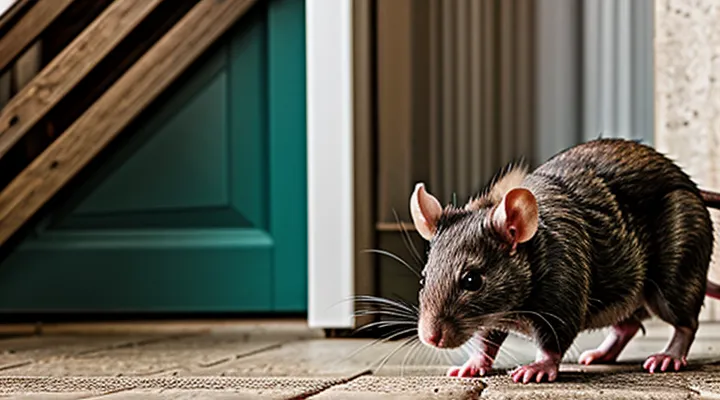
Understanding Rat Behavior
Why Rats Soil Inappropriately
Scent Marking
Rats use scent marking to claim territory, signal reproductive status, and communicate stress. When a rat deposits urine or feces in a specific spot, the odor signals ownership and deters other rodents from entering. This behavior often leads to repeated soiling in the same area, especially if the space is perceived as safe or attractive.
Understanding scent marking enables targeted intervention. Reducing the effectiveness of the odor eliminates the incentive for the animal to return, while simultaneously discouraging future marking.
- Clean affected surfaces with enzymatic cleaners that break down pheromonal compounds; standard detergents leave residues that rats can still detect.
- Apply a pet‑safe repellent containing citrus or eucalyptus oil around the problem zone; strong scents mask rat markers and create an aversive environment.
- Install physical barriers such as metal flashing or plastic edging to prevent access to preferred marking sites.
- Provide alternative, acceptable marking locations (e.g., a small sand patch or a designated litter box) to redirect the behavior.
- Monitor the area for fresh deposits and repeat cleaning within 24 hours to prevent reinforcement of the scent trail.
Consistency in eliminating scent cues and offering a controlled outlet reduces the likelihood that a rat will continue to soil inappropriate spots. The combined approach of thorough odor removal, environmental modification, and behavioral redirection forms the most reliable method for managing scent‑driven marking.
Stress and Anxiety
Rats experience heightened stress and anxiety when their environment fails to meet their physical and psychological needs. Elevated cortisol levels trigger a cascade of physiological responses that can disrupt normal elimination patterns, leading the animal to mark unsuitable surfaces. Recognizing the link between emotional distress and inappropriate soiling is essential for effective intervention.
Key stressors include:
- Overcrowding or lack of visual barriers that limit personal space.
- Inconsistent lighting cycles that interfere with circadian rhythms.
- Sudden changes in cage layout, bedding, or temperature.
- Exposure to unfamiliar scents, loud noises, or predator cues.
Symptoms of anxiety manifest as repetitive grooming, excessive scratching, reduced appetite, and frequent attempts to urinate or defecate outside designated zones. When these signs appear, immediate corrective measures can restore stability.
Practical steps to reduce anxiety and curb unwanted elimination:
- Provide a minimum of 0.5 sq ft of floor space per rat, plus vertical enrichment such as climbing structures and hideouts.
- Maintain a regular light‑dark schedule (12 hours each) and avoid abrupt shifts.
- Use a consistent, absorbent bedding material; replace it regularly to prevent odor buildup.
- Introduce a limited number of novel objects gradually, allowing the rat to explore at its own pace.
- Implement a predictable cleaning routine, removing waste before it becomes a source of stress.
- Offer a balanced diet with occasional treats to reinforce positive associations with the enclosure.
By addressing the underlying emotional triggers, caretakers can effectively eliminate the behavior of marking inappropriate areas, ensuring a healthier, calmer rodent and a cleaner habitat.
Inadequate Litter Training
Inadequate litter training frequently leads to a rat eliminating outside the intended tray, creating sanitation problems and property damage. When a rat does not associate the litter box with the appropriate place to relieve itself, it will seek alternative sites that appear convenient or safe.
Typical indicators of insufficient training include repeated deposits on furniture, walls, or bedding, rapid removal of waste from the box, and avoidance of the litter area despite its accessibility. These behaviors suggest that the rat does not recognize the tray as a reliable option.
Correcting the issue requires systematic adjustments:
- Select a low‑dust, absorbent substrate that mimics natural nesting material.
- Position the litter box in a quiet corner, away from food and water stations, but within the rat’s usual travel routes.
- Maintain a consistent box location; relocate only after the rat demonstrates confidence in using it.
- Keep the litter clean by scooping waste at least twice daily and performing a full substrate change weekly.
- Reinforce successful use with brief, gentle praise or a small food reward immediately after the rat deposits in the box.
- Observe the rat’s habits for a few days; if avoidance persists, introduce a second box in a different quiet spot to increase accessibility.
Implementing these measures establishes a clear association between the litter tray and elimination, reducing the likelihood of the rat contaminating inappropriate areas. Continuous monitoring and prompt adjustment of the setup ensure lasting compliance.
Identifying the Problem Areas
Visual Cues
Visual cues provide rats with clear signals about permissible and prohibited zones, reducing accidental marking in unsuitable spots. Consistent, high‑contrast markings create a mental map that directs the animal toward designated areas.
- Bright tape or paint applied to the edges of acceptable zones draws attention and distinguishes boundaries.
- Patterns such as stripes or checkerboards on surfaces where elimination is allowed reinforce the intended use.
- Light‑emitting diodes (LEDs) placed near target zones illuminate the area during active periods, encouraging activity there.
- Reflective stickers on the perimeter of undesired zones create a visual deterrent that rats avoid.
Placement of cues must align with the animal’s line of sight. Mount markers at a height of 4–6 inches from the floor, where rats naturally scan their environment. Ensure that cues remain unobstructed by clutter or debris, as interference diminishes effectiveness.
Regular maintenance sustains cue visibility. Replace faded tape, refresh paint, and verify LED operation weekly. Consistency across all relevant locations prevents confusion and reinforces the learned pattern.
Combining visual cues with complementary strategies—such as scent deterrents and physical barriers—maximizes compliance, leading to a noticeable decline in inappropriate marking.
Olfactory Detection
Rats rely on scent to identify familiar and safe locations. Their nasal receptors detect urine, feces, and glandular secretions, creating a chemical map of the environment. When an area carries the rat’s own odor, it signals a permissible spot for elimination, while unfamiliar or neutral scents discourage use.
To redirect this behavior, manipulate the olfactory landscape:
- Clean all previously soiled surfaces with enzymatic agents that break down odor molecules, eliminating the chemical cue that invites repeat use.
- Apply strong, non-toxic repellents (e.g., citrus oil, peppermint oil, or ammonia) to zones where elimination is undesirable. The contrasting scent overwrites the rat’s memory of the area as acceptable.
- Introduce a distinct, pleasant scent in designated toilet zones, such as a small amount of catnip or a commercially available rodent attractant. Consistent exposure trains the animal to associate that scent with a preferred spot.
- Rotate or refresh repellent applications every 48‑72 hours to maintain potency, as rodents quickly acclimate to faded odors.
Monitoring the scent profile of the environment provides early detection of new activity. Place scent‑sensitive strips or use a handheld gas detector near potential problem areas; a rise in volatile organic compounds indicates recent rat presence, prompting immediate cleaning and repellent reinforcement.
By systematically managing olfactory cues, owners can shape rat behavior, confining elimination to appropriate locations and reducing contamination of unwanted spaces.
Observing Rat Habits
Observing your rat’s daily routine provides the data needed to redirect its elimination behavior. Begin by documenting the times the animal is most active; rodents typically concentrate activity during dawn and dusk. Record the specific spots where droppings or urine appear, noting proximity to food, water, and nesting material. Identify patterns such as repeated use of corners, edges of cages, or areas near heat sources.
Gather sensory clues that indicate preferred latrine sites. Look for:
- Fresh droppings with a glossy surface, suggesting recent use.
- Wet patches or a faint scent of ammonia, marking urine locations.
- Scratching marks or displaced bedding, indicating a chosen spot for marking.
Compare these observations with the placement of enrichment items. If the rat associates a particular object with comfort, it may avoid soiling nearby. Adjust the environment by moving food bowls, water bottles, and toys away from identified problem zones.
Monitor changes after each adjustment. Consistent reduction in waste in undesired places confirms that the observed habits have been correctly interpreted and modified. Continuous observation ensures that any new patterns are detected early, allowing prompt environmental tweaks to maintain appropriate hygiene zones.
Immediate Cleaning Strategies
Removing Droppings and Urine
Effective removal of rat droppings and urine is essential for eliminating attractants and protecting health. Begin by isolating the contaminated zone; wear disposable gloves, a mask, and eye protection to prevent exposure to pathogens. Use a disinfectant that is proven against hantavirus and leptospirosis, such as a 1:10 bleach solution, and apply it to all visible waste. Allow the solution to sit for at least ten minutes before wiping with disposable paper towels. Dispose of all contaminated materials in sealed bags and place them in an outdoor trash container away from the home.
Key steps for thorough decontamination:
- Identify all affected surfaces, including walls, floors, cabinetry, and hidden crevices.
- Saturate droppings and urine spots with the chosen disinfectant; do not spray dry, as aerosolized particles can be inhaled.
- Scrub the area with a disposable scrub pad; replace pads after each use to avoid cross‑contamination.
- Rinse with clean water if the surface tolerates moisture; otherwise, allow it to air‑dry completely.
- Seal and discard all cleaning tools, gloves, and protective gear in a sealed bag.
After cleaning, ventilate the space for several hours to disperse residual odors that may lure additional rodents. Follow up with preventive measures—secure food sources, seal entry points, and monitor for new signs of activity—to sustain a clean environment and discourage further soiling.
Neutralizing Odors
Enzyme Cleaners
Enzyme cleaners break down organic matter at a molecular level, eliminating the scent cues that encourage rodents to revisit eliminated sites. By destroying proteins, fats, and uric acids, they remove the chemical signals that rats use to identify safe latrine spots, thereby reducing the likelihood of repeat marking.
Effective application of enzyme cleaners involves the following steps:
- Identify all areas where rat droppings or urine have been detected.
- Remove visible debris with a disposable paper towel; discard the material in a sealed bag.
- Apply a generous amount of enzyme cleaner to the contaminated surface, ensuring full coverage of the affected material.
- Allow the solution to remain wet for the manufacturer‑specified dwell time, typically 10–15 minutes, to enable enzymatic activity.
- Rinse or blot excess liquid if the substrate is porous; let the area air‑dry completely before reintroducing any objects.
Regular cleaning schedules reinforce the scent‑free environment. After initial treatment, repeat the enzymatic process weekly for the first month, then biweekly for an additional two months, adjusting frequency based on observed rodent activity. Combine enzymatic sanitation with physical barriers, such as sealing entry points and removing food sources, to sustain a habitat that deters rats from establishing new waste zones.
Natural Solutions
Rats mark territory by urinating and defecating in places they perceive as safe. Natural deterrents disrupt this behavior without chemicals.
- Sprinkle cayenne pepper, crushed red pepper flakes, or black pepper around entry points and suspected latrine spots. The strong scent irritates the rodent’s nasal passages and discourages lingering.
- Place fresh mint leaves, peppermint oil‑soaked cotton balls, or dried eucalyptus in corners. Rodents find these aromatic compounds aversive and avoid areas where they are concentrated.
- Deploy predator scents such as coyote urine or fox feces, available in powdered form. The presence of a natural predator triggers a fear response, prompting the rat to seek alternative locations.
- Use a mixture of equal parts water and white vinegar to clean surfaces after an incident. The acidic odor eliminates lingering pheromones that attract the animal back to the same spot.
- Install natural barriers like tightly fitted steel wool or copper mesh at openings. Rats cannot gnaw through these materials, limiting access to preferred nesting zones.
Maintain a clean environment: remove food scraps, store waste in sealed containers, and eliminate standing water. Consistent application of the above methods, combined with diligent sanitation, reduces the likelihood that a rat will choose inappropriate areas for elimination.
Modifying the Environment
Litter Box Placement
Properly locating a litter box is essential for preventing a rat from eliminating in unsuitable spots. The box should sit where the animal feels safe yet remains accessible, avoiding high‑traffic or noisy areas that may cause stress.
- Choose a quiet corner away from loud appliances, doors, and bright lights.
- Position the box on a solid, non‑slippery surface; avoid wire cages or elevated platforms that could tip.
- Keep the box no more than two feet from the rat’s primary enclosure, allowing easy entry without long travel.
- Ensure the box is large enough for the rat to turn around comfortably; a minimum of 8 × 8 inches works for most adults.
- Place a thin layer of absorbent, unscented substrate; replace it regularly to maintain cleanliness.
Monitor the rat’s behavior after placement. If accidents persist, relocate the box a short distance toward the observed problem area, gradually guiding the animal to the new spot. Adjust the substrate depth if waste clumps or sticks, as this can deter use. Consistent placement and prompt cleaning reinforce the desired habit, reducing the likelihood of inappropriate soiling.
Choosing the Right Litter
Selecting appropriate bedding is essential for directing a rat’s elimination behavior toward designated zones. The right material reduces accidents, supports hygiene, and encourages consistent use of the chosen spot.
Key attributes to evaluate when choosing litter:
- High absorbency to keep the area dry and discourage wandering.
- Minimal dust production; low‑particle content protects respiratory health.
- Non‑toxic composition; avoid scented or chemically treated products.
- Neutral or mildly earthy scent; strong fragrances can deter use.
- Texture that mimics natural substrate; fine granules or shredded paper work well.
- Size of particles suitable for the cage depth; too large creates gaps, too fine may cling to paws.
- Easy removal and replacement; consider clumping or pellet designs that simplify cleaning.
After selecting a candidate, place a measured amount in the target zone and observe the rat’s response for several days. Adjust quantity or texture if the animal avoids the area. Regularly replace soiled litter to maintain dryness and prevent odor buildup, which can trigger relocation of elimination sites. Consistent monitoring and prompt maintenance reinforce the desired behavior.
Providing Enrichment
Toys and Tunnels
Using toys and tunnels can redirect a rat’s natural instincts toward appropriate behavior, thereby reducing the likelihood of elimination in unsuitable spots. Enrichment items stimulate activity, satisfy exploratory urges, and create clear boundaries between play zones and designated latrine areas.
Introduce a variety of chewable toys, such as wooden blocks, natural branches, and safe plastic accessories. Rotate items weekly to maintain interest and prevent habituation. Place toys near, but not directly on, the preferred bathroom location; this encourages the rat to associate the area with positive interaction while keeping the latrine separate.
Integrate tunnels that mimic burrowing environments. Choose models with open ends to allow easy entry and exit, and ensure the interior diameter accommodates comfortable movement. Position tunnels so they lead toward the litter zone, forming a natural pathway that guides the rat away from furniture, walls, or other prohibited surfaces. Secure tunnels to the cage base to avoid movement that could cause stress.
Key considerations for effective implementation:
- Select non‑toxic, chew‑resistant materials.
- Provide at least one tunnel per 100 cm² of cage floor.
- Keep toys and tunnels clean; remove droppings and debris daily.
- Observe the rat’s preferences; adjust placement based on observed traffic patterns.
- Combine tunnels with a consistent litter substrate to reinforce proper toileting spots.
By maintaining a dynamic environment with appropriate toys and well‑placed tunnels, owners can shape behavior, lessen stress, and promote the use of intended elimination zones. This strategy supports overall health and minimizes damage to household items.
Chewing Opportunities
Provide a variety of safe chew items to satisfy a rat’s instinctual gnawing behavior. When a rat can fulfill this need, it is less likely to mark inappropriate surfaces with urine or feces.
- Offer untreated hardwood blocks, such as maple or birch, that resist splintering.
- Include cardboard tubes, paper rolls, or corrugated sheets; replace them regularly to maintain freshness.
- Use natural fiber chew toys, for example, sisal rope or hemp twine, secured to the cage frame.
- Rotate items every few days to prevent habituation and keep interest high.
Place chew items near areas where the rat typically attempts to soil. Proximity encourages the animal to redirect its activity toward the provided objects. Ensure that all materials are free of toxic coatings, adhesives, or paint. Inspect items daily for damage; discard any that become excessively worn.
Combine chewing opportunities with a consistent cleaning schedule. Remove any droppings promptly, then replace the cleared space with a fresh chew object. This routine reinforces the association between the designated chewing zone and the preferred elimination area, reducing the likelihood of the rat seeking alternative spots.
Reinforcing Positive Behavior
Reward-Based Training
Treats and Praise
Treats and praise serve as the primary reinforcement tools when re‑directing a rat’s elimination behavior. A consistent reward schedule creates a clear association between the desired action—using an appropriate litter area—and a positive outcome, which reduces the likelihood of accidents elsewhere.
Begin each training session by placing a small, high‑value treat directly on the target substrate. Allow the rat to investigate and consume the treat only after it makes contact with the material. Immediately follow the consumption with a brief, enthusiastic verbal cue, such as “good work,” to reinforce the behavior. Repeating this pattern several times a day establishes a predictable link between the substrate and the reward.
Key practices for effective reinforcement:
- Timing: Deliver the treat within one second of the correct action; delayed rewards lose their impact.
- Frequency: Provide a reward for every successful use during the initial phase, then gradually shift to a variable schedule to maintain the habit.
- Variety: Rotate treat flavors to prevent satiation while keeping motivation high.
- Volume: Use treats sized no larger than a pea to avoid overfeeding and maintain focus on the behavior.
- Verbal praise: Keep the cue short and consistent; avoid lengthy commentary that can confuse the animal.
Gradual reduction of treat frequency encourages the rat to perform the correct behavior out of habit rather than dependence on food. At this stage, praise alone can sustain the learned pattern, provided the verbal cue remains consistent. If a misstep occurs, withhold any reward and clean the area promptly to prevent reinforcement of the error.
By applying precise timing, controlled treat size, and consistent verbal acknowledgement, the rat learns to associate the appropriate litter spot with positive outcomes, thereby minimizing inappropriate soiling.
Consistency in Training
Consistent training creates a reliable pattern that a rat can recognize and follow, reducing the likelihood of marking in forbidden zones. When cues, rewards, and timing remain uniform, the animal learns the exact behavior expected and the boundaries that must be respected.
- Repeating the same command each session eliminates ambiguity.
- Delivering the reward immediately after the correct action reinforces the connection.
- Using identical cues (verbal, visual, or tactile) prevents mixed signals.
Implementing consistency requires a structured routine. Begin each training period with a brief warm‑up that repeats the chosen cue. Follow with a short series of targeted exercises: place the rat on a neutral surface, present the cue, and reward only when the animal refrains from urinating. Limit each session to five‑minute intervals to maintain focus and avoid fatigue. Record the time, cue used, and outcome to track progress and identify deviations.
Regular monitoring safeguards the training plan. Review logs weekly; if a session deviates from the established pattern, adjust immediately to restore uniformity. Gradually extend the duration between sessions only after the rat reliably complies with the cue in multiple consecutive attempts.
By adhering to a fixed schedule, using identical signals, and providing immediate reinforcement, the rat receives clear guidance that discourages inappropriate soiling and promotes desired behavior.
Deterring Undesirable Behavior
Using Repellents
Scent-Based Deterrents
Scent-based deterrents exploit rats’ acute olfactory sensitivity to create environments that rats find hostile. The approach relies on volatile compounds that either signal danger or are intrinsically repellent, discouraging the animals from marking or traversing treated zones.
Commonly used odorants include:
- Peppermint oil: strong menthol aroma interferes with rodents’ scent trails.
- Citrus extracts (lemon, orange): acidic vapors trigger aversion.
- Eucalyptus or tea tree oil: antimicrobial properties add a secondary deterrent effect.
- Predator urine (fox, coyote): mimics the presence of natural enemies.
- Ammonia solution: sharp chemical odor disrupts normal nesting behavior.
Application guidelines:
- Dilute essential oils with water or a carrier (e.g., vodka) at a ratio of 1 % to 5 % depending on surface porosity.
- Saturate cotton balls or cloth strips with the solution and place them near entry points, feeding stations, and known soiling sites.
- Replace treated media every 3–5 days, or sooner if the scent diminishes.
- Avoid direct contact with food or water sources to prevent contamination.
- Combine with physical barriers (sealed gaps, traps) for maximal efficacy.
Effectiveness depends on consistent reapplication, proper placement, and environmental factors such as airflow. Overreliance on a single scent may lead to habituation; rotating between peppermint, citrus, and predator urine mitigates adaptation. Safety considerations include using non‑toxic concentrations for pets and humans, and ensuring ventilation to prevent respiratory irritation. When integrated with sanitation and exclusion measures, scent-based deterrents provide a reliable component of a comprehensive rodent management strategy.
Taste-Based Deterrents
Taste-based deterrents exploit rats’ aversion to certain flavors, providing a non‑toxic method for redirecting their activity away from prohibited zones.
Bitter substances such as denatonium benzoate, commercially known as Bitrex, create an immediate unpleasant sensation when a rat contacts a treated surface. Apply a thin, uniform coating to the edges of cabinets, baseboards, or any location prone to marking. Reapply after cleaning or exposure to moisture, as the deterrent loses potency when diluted.
Capsaicin, the active component of hot peppers, triggers a burning sensation on the oral mucosa and nasal passages. Dissolve powdered cayenne or a concentrated capsaicin extract in water, then spray the solution onto surfaces that rats attempt to gnaw or sit on. Allow the spray to dry fully before allowing human contact; the compound persists for several days but may fade under direct sunlight.
Citrus oils, particularly lemon or orange, emit a strong scent and a sour taste that many rodents find repellent. Mix 10 ml of pure essential oil with 200 ml of water and a mild emulsifier, then mist the mixture onto the target area. Reapply weekly, especially after cleaning.
Synthetic taste aversives, such as bitter almond extract (containing amygdalin) or quinine, function similarly to denatonium. Use a 1 % solution, brush onto surfaces, and permit it to air‑dry. These agents are safe for humans and pets when used as directed, but avoid ingestion by children.
Implementation checklist
- Identify all zones where rats deposit urine or feces.
- Select a deterrent compatible with the material (wood, metal, plastic).
- Prepare a solution at the recommended concentration.
- Apply evenly, ensuring complete coverage of edges and corners.
- Monitor for signs of continued activity; adjust concentration or rotate deterrents if habituation occurs.
- Document reapplication schedule to maintain efficacy.
Taste-based deterrents are most effective when combined with sanitation, exclusion of entry points, and removal of food sources. They do not eradicate the pest but create an environment that discourages marking in unsuitable locations.
Creating Barriers
Rats access prohibited zones primarily through gaps, openings, and unprotected surfaces. Installing physical obstacles blocks entry and redirects activity to designated areas.
- Seal cracks, holes, and gaps in walls, floors, and foundation with steel wool, metal mesh, or cement.
- Fit door sweeps and weather stripping to prevent passage beneath doors.
- Cover vent openings with fine‑mesh screens that resist chewing.
- Install rodent‑proof cabinets or containers for food and waste, using tight‑locking lids.
- Place low‑profile barriers, such as plastic or metal edging, around planting beds, garbage stations, or storage sheds to discourage climbing.
In addition to solid structures, deterrent barriers create an environment rats avoid.
- Apply non‑toxic repellents (e.g., peppermint oil, ammonia) to the outer surface of barriers; reapply regularly to maintain potency.
- Use ultrasonic emitters placed near potential entry points; position devices to cover overlapping zones for continuous coverage.
- Deploy sticky pads or tracking powders at the base of barriers to monitor attempts and identify weak spots.
Maintenance of barriers is essential. Inspect installations weekly for signs of wear, chewing, or displacement. Repair damage promptly with materials that match the original barrier’s durability. Replace worn repellents according to manufacturer guidelines. Consistent upkeep preserves the integrity of the defense system and sustains its effectiveness in preventing rat contamination of undesired areas.
Addressing Health Concerns
Ruling Out Medical Issues
When a rat repeatedly urinates or defecates outside its designated area, the first priority is to determine whether a health problem is causing the behavior. Illnesses such as urinary tract infections, gastrointestinal distress, or dental pain can alter a rat’s normal elimination patterns. Identifying and treating these conditions eliminates a common source of inappropriate soiling.
Diagnostic actions
- Observe for signs of discomfort: excessive grooming of the genital area, vocalizations when moving, or reluctance to use the litter box.
- Check stool consistency and color; watery, blood‑stained, or unusually hard feces indicate possible infection or dietary imbalance.
- Monitor water intake; a sudden increase may signal a urinary issue, while a decline can point to dehydration or kidney problems.
- Conduct a physical examination: gently palpate the abdomen and assess the teeth for overgrowth, which can cause pain and affect posture.
- Arrange a veterinary visit for laboratory tests, including urinalysis, fecal smear, and blood work, to confirm or rule out infection, parasites, or metabolic disorders.
Intervention steps
- Follow the veterinarian’s treatment plan: administer prescribed antibiotics, antiparasitics, or pain relievers as directed.
- Adjust diet to include high‑fiber foods and fresh water to support digestive health and prevent constipation.
- Ensure the enclosure provides a clean, well‑ventilated litter area with appropriate substrate to reduce irritation.
- Re‑evaluate behavior after treatment; a return to proper elimination suggests the medical issue was the cause. If symptoms persist, repeat diagnostic testing to uncover less obvious conditions.
By systematically assessing health status and addressing any medical concerns, owners can eliminate a primary factor that drives a rat to soil in unsuitable locations, paving the way for behavioral strategies to be effective.
Consulting a Veterinarian
Consult a veterinarian when a rat repeatedly eliminates in forbidden locations. A professional assessment identifies medical conditions, such as urinary tract infections or gastrointestinal disturbances, that can provoke inappropriate marking. The veterinarian also evaluates stress factors, dietary deficiencies, and hormonal imbalances that may influence behavior.
When scheduling the appointment, provide the following information:
- Age, sex, and breed of the rat.
- Duration and frequency of the unwanted elimination.
- Recent changes in diet, environment, or routine.
- Observed symptoms: blood in urine, diarrhea, lethargy, or aggressive behavior.
During the visit, the veterinarian may perform a physical examination, request laboratory tests, and recommend imaging if necessary. Based on findings, the professional will prescribe medication, suggest dietary adjustments, or outline a targeted behavior modification plan. Follow the prescribed treatment schedule precisely and report any adverse reactions promptly.
After treatment, maintain regular check‑ups to monitor progress. Adjustments to the plan may be required if the problem persists. Keeping detailed records of the rat’s elimination patterns assists the veterinarian in refining the approach and ensures long‑term resolution.
Long-Term Prevention
Regular Litter Box Maintenance
Regular litter box upkeep directly influences a rat’s willingness to use the designated area. Dirty or improperly maintained boxes encourage the animal to seek alternative spots, increasing the risk of inappropriate elimination.
A clean box provides a scent‑free environment that signals safety. Rats are sensitive to odor; lingering waste and urine intensify the smell, prompting avoidance. Consistent removal of soiled litter eliminates these cues and reinforces the box as the preferred location.
Key maintenance actions:
- Scoop out solid waste and clumped litter at least twice daily.
- Replace the entire litter substrate weekly, or sooner if moisture accumulates.
- Use a dust‑free, absorbent material such as paper‑based or wood‑chip litter; avoid scented or aromatic products that may irritate the rat’s nasal passages.
- Keep the litter depth at 2–3 cm to allow proper digging while preventing excess material that can become a breeding ground for bacteria.
- Clean the box with mild, unscented soap and hot water during full litter changes; rinse thoroughly to remove residue.
- Position the box on a stable surface away from food and water stations, minimizing accidental contact with waste.
Monitoring the box’s condition is essential. Visible wet spots, strong odors, or a decrease in usage indicate that cleaning frequency must increase. Adjust the schedule based on the number of rats and the size of the enclosure.
By adhering to these practices, owners create a hygienic, appealing environment that discourages rats from seeking alternative elimination sites, thereby supporting effective behavior management.
Managing Stress Factors
Rats often mark unsuitable spots when they experience environmental stress. Reducing these stressors removes the motivation for inappropriate elimination and encourages the use of designated bedding or litter areas.
- Provide a stable temperature range; avoid sudden drafts or overheating.
- Maintain consistent lighting cycles; abrupt changes in light exposure heighten anxiety.
- Ensure ample hiding places such as shelters or tunnels; lack of secure retreats forces rats to seek alternative locations for urination.
- Limit exposure to loud noises, vibrations, and sudden movements; these stimuli trigger heightened alertness and urinary marking.
- Keep the enclosure clean; residual odors from previous accidents reinforce the behavior.
- Offer a balanced diet and regular feeding schedule; hunger or nutritional imbalance raises stress levels.
- Minimize handling time that exceeds the animal’s tolerance; excessive contact can cause discomfort and lead to misplaced elimination.
Implementing these measures creates a predictable environment, lowers physiological arousal, and directs the rat’s natural instincts toward appropriate waste zones. Continuous monitoring and prompt adjustment of any emerging stress factor sustain the desired behavior.
Continued Environmental Enrichment
Continual environmental enrichment prevents a rat from seeking alternative elimination sites by keeping the animal mentally and physically stimulated. A bored rat may develop stress‑related behaviors, including inappropriate marking, so providing varied, engaging stimuli is essential for sustained compliance.
Key components of an ongoing enrichment program include:
- Structural variety: rotate tunnels, climbing ropes, and platforms weekly to introduce new spatial challenges.
- Foraging opportunities: hide small food pellets in puzzle feeders or rolled paper tubes to encourage natural searching behavior.
- Sensory stimulation: offer safe scent objects such as citrus peels or herbal bundles, changing them every few days to prevent habituation.
- Social interaction: if compatible, pair rats or allow supervised play sessions; monitor for aggression and separate if necessary.
- Physical exercise: supply a solid‑surface wheel, hamster ball, or treadmill designed for rodents, ensuring daily access.
Implementation schedule:
- Assess current enrichment items and remove any that are worn or no longer engaging.
- Introduce one new element each week, observing the rat’s response for signs of interest or stress.
- Record observations in a simple log, noting frequency of appropriate litter use and any deviations.
- Adjust or replace items that fail to maintain interest within two weeks.
Regular evaluation of the enrichment plan guarantees that the rat’s environment remains dynamic, reducing the likelihood of unwanted elimination outside designated areas.