
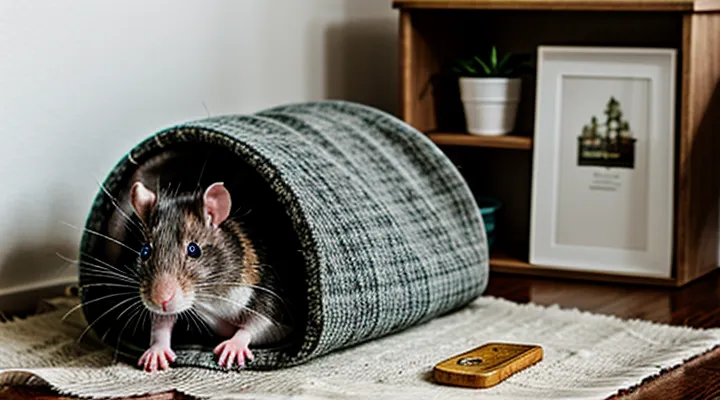
Why Sew a Rat Home?
Benefits for Your Pet
Creating a custom, well‑crafted shelter for a pet rat directly influences its physical health, mental stimulation, and overall longevity. A hand‑stitched habitat can be tailored to the animal’s size, providing adequate space for movement, nesting, and exercise, which reduces the risk of obesity and musculoskeletal problems. The use of breathable fabrics and secure seams prevents drafts while allowing proper ventilation, minimizing respiratory issues common in poorly ventilated cages.
A personalized enclosure also encourages natural behaviors. Incorporating hideaways, tunnels, and textured surfaces replicates a rat’s native environment, fostering foraging instincts and exploratory activity. This enrichment lowers stress levels, curtails stereotypic behaviors, and promotes social interaction when multiple rats share the space.
Key benefits for the pet include:
- Enhanced physical condition through ample room and safe materials
- Reduced incidence of illness via optimal airflow and temperature control
- Increased mental engagement from varied enrichment elements
- Strengthened owner‑rat bond resulting from the hands‑on construction process
- Cost efficiency compared with commercial alternatives, allowing reinvestment in additional toys or nutrition
These advantages collectively contribute to a healthier, more content rat and simplify ongoing care responsibilities.
Advantages Over Store-Bought Options
Creating a rat habitat yourself eliminates the compromises inherent in mass‑produced products. Hand‑sewn enclosures match the specific dimensions of the cage, allow selection of breathable fabrics, and enable incorporation of features such as removable panels and integrated tunnels.
- Cost efficiency: Materials bought in bulk cost less per unit than pre‑assembled cages; excess fabric can be stored for future projects.
- Material control: Natural fibers, untreated cotton, or fleece reduce the risk of chemical residues that may irritate sensitive skin.
- Customization: Adjustable seam placement, pocket size, and interior padding accommodate the animal’s size, activity level, and nesting preferences.
- Durability: Reinforced stitching and double‑stitched edges extend lifespan beyond the typical wear of factory models.
- Environmental impact: Reusable fabrics and minimal packaging lower waste compared with disposable commercial alternatives.
A self‑made rat home delivers functional, economical, and environmentally responsible shelter, directly addressing the animal’s welfare while granting the builder full oversight of quality and design.
Planning Your Rat’s Abode
Choosing the Right Design
Hammocks
A hammock provides a suspended sleeping platform that saves floor space and offers a sense of security for a pet rat. Soft fabric draped between two anchor points mimics natural nesting sites, encourages gentle exercise, and reduces the risk of injury from hard surfaces.
Select breathable, lightweight material such as cotton flannel or fleece. Cut a rectangle measuring 12 × 8 inches for an average adult rat; larger rats may require 14 × 10 inches. Fold the edges ½ inch inward and stitch a clean hem to prevent fraying. Use a fine, strong thread (e.g., polyester) and a 3‑mm stitch length to ensure durability without excessive bulk.
Secure the hammock to the cage by attaching two sturdy loops at opposite short sides. Recommended method:
- Fold ¼‑inch fabric strips, sew them into reinforced loops with a double stitch.
- Insert metal or plastic eye hooks into the cage’s sidebars, ensuring they can bear the rat’s weight.
- Thread the loops through the hooks and tie a slip knot, allowing easy removal for cleaning.
Inspect the finished product before installation. Verify that seams are even, no loose threads remain, and the hammock hangs at least 2 inches above the cage floor. Regularly wash the fabric in warm water, air‑dry, and re‑sew any worn areas to maintain a safe, comfortable environment for the rat.
Tunnels
Tunnels provide essential vertical and horizontal connections between nesting chambers, feeding stations, and exercise areas, allowing a pet rat to explore safely while maintaining privacy. Properly designed tunnels mimic natural burrows, reduce stress, and encourage natural foraging behavior.
Materials such as breathable cotton fabric, lightweight fleece, or sturdy canvas work best. Cut fabric to the desired length, then fold edges inward by ½ inch and stitch a straight seam to prevent fraying. Reinforce the tunnel entrance with a double stitch to withstand frequent entry and exit.
Construction steps:
- Measure the distance between two designated areas; add 2 inches for seam allowance.
- Cut fabric according to the measured length and a width of 3–4 inches, ensuring enough space for the rat’s body.
- Fold each long edge inward, pin, and sew a straight stitch along the fold.
- Turn the tube inside out, press flat, and attach a short, reinforced flap at each end for easy attachment to other habitat components.
- Secure tunnels to the cage frame using zip ties, Velcro strips, or small wooden dowels, aligning them with existing platforms and hiding spots.
Regularly inspect seams for wear and replace fabric as needed to maintain a safe, hygienic passage network.
Beds
A well‑crafted rat bed provides insulation, security, and a designated resting spot, essential for a small pet’s health. Choose soft, washable fabrics such as fleece or cotton flannel; avoid synthetic fibers that can cause static. Select a stuffing that retains shape but compresses easily, like shredded polyester or natural fiber batting.
Materials
- Two pieces of fabric, each 8 × 12 cm (adjust size for the rat’s body length)
- 2 cm wide polyester thread, heat‑resistant
- Needle or sewing machine with a fine‑pointed needle
- Scissors, fabric glue (optional)
- Stuffing material
Construction steps
- Cut fabric to the specified dimensions, ensuring straight edges.
- Place pieces together, right sides facing inward; align edges.
- Sew a rectangular seam along three sides, leaving a 2 cm opening on the fourth side.
- Turn the case right‑side out through the opening.
- Fill with enough stuffing to support the rat’s weight without compressing fully.
- Close the opening with a hidden stitch or a small flap sewn shut.
Position the finished bed in a quiet corner of the cage, away from water bowls and food containers. Regularly launder the cover to prevent odor buildup and replace stuffing if it loses resilience. Proper maintenance extends the bed’s functional life and keeps the rat’s environment consistently comfortable.
Essential Materials and Tools
Fabric Selection
When choosing material for a DIY rat enclosure, prioritize safety, durability, and comfort. The fabric must resist chewing, tolerate frequent washing, and allow airflow to prevent heat buildup.
- Cotton canvas: Heavy‑weight, natural fibers, easy to launder, resistant to tearing.
- Felt (100 % wool): Soft surface, excellent insulation, low lint, but requires gentle cleaning.
- Denim: Thick, chew‑resistant, breathable; pre‑wash to remove residual chemicals.
- Polyester‑cotton blends (60/40): Balanced strength and softness, quick‑dry, low static.
Avoid fabrics treated with flame retardants, formaldehyde‑based finishes, or synthetic dyes known to leach toxic substances. Verify that the material is free of PVC, polyurethane coatings, or metal threads.
Prepare the chosen fabric by washing it once in warm water with a mild detergent, then drying thoroughly. Inspect for loose threads or seams that could pose entanglement hazards; trim or reinforce as needed before cutting.
Source fabrics from reputable suppliers that provide material safety data sheets. Bulk purchases lower cost per square foot, but ensure the fabric meets the outlined criteria before committing to large quantities.
Sewing Notions
Choosing the right sewing notions determines the durability and comfort of a handcrafted rodent habitat. Durable fabric, appropriate thread, and safe hardware form the foundation of a functional enclosure.
- Fabric – heavyweight cotton or canvas, 10‑12 oz, resists chewing and provides insulation. Avoid synthetic blends that melt under heat.
- Thread – polyester or nylon, 100‑weight, offers tensile strength and resists fraying. Match color to fabric for a clean finish.
- Needles – universal size 90/14 for medium‑weight material; a sharp point reduces fabric distortion.
- Pins and clips – stainless‑steel pins prevent rust; quilting clips hold layers without puncturing the fabric.
- Fasteners – metal snaps, Velcro strips, or plastic buckles secure doors and ventilation panels while remaining chew‑resistant.
- Interfacing – fusible or sew‑in, 1‑on‑1 weight, adds reinforcement to high‑stress zones such as handles and corners.
- Bias tape – ¼‑inch wide, folded to cover raw edges and prevent fraying at seams.
Selecting each component according to the size of the rat and the intended layout minimizes stress on the structure. Measure the enclosure dimensions before cutting fabric; add a ½‑inch seam allowance to accommodate stitching. Use a straight stitch for main seams, reinforcing with a double‑stitch at corners and attachment points. Apply interfacing to door flaps and any load‑bearing edges before stitching to prevent tearing.
Safety considerations include eliminating loose threads, sealing all seams, and inspecting fasteners for sharp edges. After assembly, wash the fabric to remove residue, then allow it to dry completely before placing bedding. Store spare notions in a labeled container to facilitate future repairs or expansions.
Safety Considerations
When building a handmade shelter for a pet rat, safety must dominate every decision. Choose fabrics that are free of toxic dyes, flame‑resistant, and washable at high temperatures. Verify that stitching is tight enough to prevent fraying that could become a choking hazard.
Select stuffing that does not shed fibers capable of entering the animal’s respiratory system. Natural fibers such as untreated cotton or hemp are preferable to synthetic polyester, which can release fine particles when compressed.
Avoid any decorative elements that could be detached and swallowed. If embellishments are used, secure them with reinforced stitching or embed them within the fabric layers.
Consider the environment where the enclosure will sit. Place the structure on a stable, non‑slipping surface to reduce the risk of tipping. Keep the shelter away from direct heat sources, open flames, and electric cords.
Maintain cleanliness to prevent bacterial growth. Design the home with removable panels or seams that allow thorough washing without damaging the structure.
Key safety checks
- Fabric: non‑toxic, flame‑retardant, washable at ≥60 °C
- Stitching: no gaps larger than 2 mm, reinforced at stress points
- Fill: natural, low‑shedding, hypoallergenic
- Accessories: permanently fixed, no small detachable parts
- Placement: stable base, away from heat and electricity
- Maintenance: easy disassembly, regular laundering
By adhering to these guidelines, the crafted habitat will provide a secure, healthy environment for the rat while minimizing risk of injury or illness.
Step-by-Step Sewing Guide
Preparing the Fabric
Choosing appropriate material is the first step in constructing a comfortable rat enclosure. Natural fibers such as cotton, linen, or fleece provide breathability and softness, while synthetic blends resist moisture and wear. Verify that the fabric is free of toxic dyes, chemicals, or loose threads that could be ingested.
Before cutting, pre‑wash the cloth in mild detergent at 30 °C (86 °F) and tumble dry on low heat. This eliminates residual chemicals and reduces post‑assembly shrinkage. Allow the fabric to air‑dry completely to prevent distortion during sewing.
Measure the intended dimensions of the nest, adding a 1‑2 cm seam allowance on each side. Mark the pattern directly on the fabric with a water‑soluble pen or tailor’s chalk. Use a rotary cutter or sharp scissors to follow the lines precisely, ensuring edges remain straight.
If additional stability is required, apply a lightweight interfacing to the interior panels. Cut the interfacing to match the fabric pieces, then adhere with a low‑temperature iron according to the manufacturer’s instructions. This step reinforces corners and prevents sagging under the animal’s weight.
Finalize preparation by trimming excess threads, inspecting seams for gaps, and organizing the pieces in the order of assembly. Properly prepared fabric reduces stitching time, improves durability, and creates a safe, snug habitat for the pet rodent.
Basic Sewing Techniques
Seaming
Seaming joins fabric panels, creates a watertight enclosure, and prevents the small pet from escaping. Proper seams add durability and keep the interior clean.
Required materials: sturdy cotton or fleece, polyester thread, sewing machine with a universal needle, sharp scissors, pins, measuring tape, iron, seam allowance of ¼‑½ inch, optional binding tape for reinforcement.
Procedure:
- Measure each panel, add seam allowance, cut fabric accurately.
- Align edges, pin together with right sides facing each other.
- Set machine stitching length to 2‑3 mm for a tight stitch.
- Sew along the pinned line, maintaining consistent speed.
- Trim excess fabric, press seam open or to one side as the design dictates.
- Reinforce corners with backstitches or a small square of fabric.
- Apply binding tape to high‑stress edges, stitching it in place.
Common seam types:
- Plain seam: quick, suitable for interior walls where exposure is minimal.
- French seam: encloses raw edges, ideal for outer panels that meet the rat’s paws.
- Flat‑felled seam: adds thickness, useful for base panels that support weight.
Final checks include confirming that all seams are secure, no gaps remain, and the interior surface is smooth to avoid irritation. Once verified, the sewn sections can be assembled into a complete, comfortable habitat.
Hemming
Hemming secures the edges of fabric panels that form the walls, floor, and roof of a handmade rodent nest. A clean fold prevents fraying, adds durability, and creates a neat finish that will withstand the animal’s activity.
Choose a hem width of ¼‑½ inch for lightweight cotton or linen; thicker fleece may require a ¾‑inch fold. Cut the fabric slightly larger than the intended dimensions to allow for seam allowances and the hem itself.
Steps to apply a hem
- Measure and mark the desired hem line on the raw edge with tailor’s chalk.
- Fold the fabric inward along the line, pressing with an iron to set the crease.
- Fold the edge again, aligning the second fold with the first seam line, creating a double‑fold hem.
- Pin the folded edge to keep it in place while stitching.
- Stitch a straight seam ¼ inch from the inner edge of the fold, using a matching thread and a medium‑weight needle.
- Remove pins, press the seam flat, and repeat on all sides of each panel.
When sewing the hem, a sewing machine with a straight‑stitch setting provides even tension. For small or delicate pieces, a hand‑sewn slip stitch offers flexibility and reduces bulk.
Tips for a rat‑friendly finish
- Use non‑toxic, washable thread to maintain hygiene.
- Select a thread color that blends with the fabric to avoid visible lines that might distract the pet.
- Double‑stitch the hem on high‑traffic edges, such as the entrance opening, to reinforce strength.
- Test the hem by gently pulling the fabric; it should resist tearing without excessive stiffness.
Proper hemming results in a smooth, sturdy enclosure that resists wear and keeps the interior clean, contributing to a comfortable, self‑crafted habitat for a pet rat.
Attaching Loops
Attaching loops creates secure anchor points for hanging bedding, toys, and feeding stations within a self‑made rat enclosure. The technique ensures that accessories remain suspended without sagging, reducing mess and allowing easy cleaning.
Select a durable, non‑abrasive thread such as polyester or nylon. Cut loops to a length of 2–3 cm, forming a closed circle that can slide onto fabric edges. Reinforce each loop with a double stitch to prevent fraying.
Procedure:
- Pin the loop onto the intended location on the fabric or felt panel.
- Stitch around the loop using a tight backstitch, keeping the needle entry and exit points close together.
- Pull the thread taut, then tie a secure knot on the underside of the fabric.
- Trim excess thread, leaving a short tail for future reinforcement if needed.
For heavier items, double the loops and use a heavier fabric such as canvas. Space loops evenly, typically 5–7 cm apart, to distribute weight uniformly. Test each attachment by applying gentle tension before final assembly.
Properly attached loops improve structural integrity, simplify accessory replacement, and extend the lifespan of the homemade rat habitat.
Specific Project Instructions
Simple Hammock
A simple hammock provides a suspended resting area that mimics a rat’s natural tendency to perch above ground. The design requires minimal material and can be assembled with basic sewing skills.
Materials needed:
- Two strips of breathable fabric (cotton or fleece), each 12 cm wide and 30 cm long
- One strip of sturdy webbing, 5 mm wide, 20 cm long
- Two small metal D‑rings or eye bolts
- Thread compatible with the fabric
- Sewing needle or sewing machine
- Scissors
- Measuring tape
Construction steps:
- Fold each fabric strip lengthwise, sew a straight seam along the long edge, and turn inside out to create a smooth tube.
- Thread the webbing through the tube, leaving 2 cm of excess at each end.
- Secure the webbing by stitching a reinforcing stitch at each end, ensuring the fabric does not slip.
- Attach a D‑ring to each end of the webbing with a tight lock stitch; the rings will serve as attachment points for the cage bar.
- Test the hammock for load capacity by gently pulling on the D‑rings; the seam should remain flat and the webbing should not stretch.
Installation guidelines:
- Position the hammock between two parallel bars of the cage, keeping the distance between bars at approximately 15 cm.
- Ensure the hammock hangs at least 5 cm above the cage floor to prevent the rat from stepping onto it.
- Check weekly for signs of wear, fraying, or loose stitching; replace the hammock if any damage is detected.
The hammock’s low profile and breathable material create a comfortable, secure perch that encourages natural climbing behavior while remaining easy to clean and replace.
Fleece Tunnel
A fleece tunnel provides a warm, soft passage that encourages natural burrowing behavior and offers a private retreat for a pet rat. Its lightweight construction makes it easy to attach to cages, while the plush interior helps maintain body temperature.
Materials needed:
- 100 % polyester fleece, at least 0.5 mm thickness
- Heavy‑weight fabric scissors
- Sewing needle or sewing machine with a fine stitch setting
- Thread matching the fleece color
- Measuring tape or ruler
- Optional: Velcro strips or zip ties for mounting
Construction steps:
- Measure the desired length (typically 12–18 in) and diameter (2–3 in) to fit the cage dimensions. Add 1 in to each end for seam allowance.
- Cut two identical rectangular pieces: length = measured length + 2 in; width = π × diameter.
- Fold each piece lengthwise, right sides together, and sew a long seam along the fold, leaving a 2‑in opening at one end.
- Turn the tube inside out through the opening, then press the seam flat.
- Fold the open end inward by 0.5 in, sew a closed edge, and reinforce with a second row of stitches.
- Attach mounting hardware (Velcro or zip ties) to the tunnel’s exterior, positioning them at regular intervals for secure placement.
Final considerations:
- Trim excess threads to prevent chewing hazards.
- Wash the fleece before first use to remove any manufacturing residues.
- Inspect the tunnel weekly for wear; replace damaged sections promptly to ensure safety.
Pouch Bed
A pouch bed provides a soft, enclosed sleeping area that helps a pet rat feel secure while fitting easily into a DIY habitat.
Materials
- 100 % cotton or fleece fabric, 10 × 12 inches per panel
- Lightweight interfacing for structure (optional)
- Sewing needle or machine with a fine needle
- Thread matching fabric color
- Scissors, pins, and a fabric marker
- Small stuffing material (e.g., polyester fiberfill)
Construction steps
- Cut two identical rectangles from the chosen fabric.
- If using interfacing, fuse it to the inside of one rectangle following the manufacturer’s instructions.
- Align the right sides of the rectangles, pin the edges, and sew a straight seam along three sides, leaving one short side open.
- Turn the pouch right‑side out, press the seam flat, and fill lightly with stuffing to achieve a plush interior.
- Hand‑stitch the remaining opening closed with a slip stitch for a neat finish.
Finishing touches
- Trim any excess thread and inspect seams for durability.
- Place the pouch in a quiet corner of the cage, attaching it to the side with a safety pin or a small clip if desired.
- Clean the pouch regularly by hand‑washing in mild detergent and air‑drying to maintain hygiene.
Customization and Decoration
Adding Personal Touches
When personalizing a handmade rodent shelter, prioritize safety, durability, and the animal’s preferences. Choose natural‑fiber fabrics such as cotton, linen, or hemp; these resist static, breathe well, and withstand chewing. Avoid synthetic blends that may shed fibers or release harmful chemicals.
Select a color palette that contrasts with the bedding, allowing the pet to navigate the interior easily. Darker shades hide stains, while a bright accent—such as a stitched patch or embroidered motif—provides visual interest without compromising comfort.
Incorporate functional details that reflect the rat’s habits:
- Hidden compartments sewn into side panels for treats or small toys; close with Velcro or snap fasteners to prevent accidental opening.
- Adjustable tunnels created from rolled fabric tubes; secure with removable ties so the layout can be reconfigured as the animal explores.
- Personalized tags embroidered with the pet’s name; place on a corner flap where it is visible but does not interfere with movement.
Add texture variations to stimulate tactile curiosity. Attach strips of fleece, sisal rope, or untreated wicker at strategic points; these materials are chew‑friendly and encourage natural gnawing behavior.
Maintain hygiene by stitching removable covers for the sleeping area. Use double‑stitched seams to reinforce high‑stress zones and facilitate washing without damaging the overall structure.
Finally, test each modification with the rat present. Observe interaction, note any signs of stress, and adjust placement or material choice accordingly. This iterative approach ensures the habitat remains both aesthetically unique and fully functional for its occupant.
Ensuring Rat Safety with Decorations
When adding decorative elements to a rat enclosure, prioritize materials that are non‑toxic, chew‑resistant, and easy to sanitize. Avoid painted wood, pressure‑treated lumber, and any item containing glue or varnish that could release harmful chemicals if gnawed.
- Use natural fibers such as untreated cotton, fleece, or hemp for hammocks and nest pads. These fabrics can be washed at high temperatures and do not splinter.
- Select solid‑core plastic or stainless‑steel accessories for ladders, tunnels, and hideouts. These surfaces withstand constant chewing and resist bacterial growth.
- Ensure all edges are smooth; sand or file any rough spots on wooden or acrylic pieces before placement to prevent cuts.
Position decorations to maintain clear pathways. Rats navigate by scent and whisker contact; cluttered layouts increase the risk of entrapment and stress. Space each item at least two inches apart, allowing the animal to move freely and inspect each structure safely.
Secure loose items to the cage frame. Unanchored objects can tip over, causing falls or creating gaps through which a rat might escape. Use zip ties or pet‑safe silicone adhesives to fasten accessories firmly.
Regularly inspect decorations for wear. Replace any piece that shows fraying, splintering, or corrosion. A routine check every two weeks prevents hidden hazards from developing unnoticed.
By adhering to these guidelines, decorative features enhance aesthetic appeal while preserving a secure, healthy environment for the pet rodent.
Care and Maintenance
Cleaning Your Rat’s Home
Keeping a rat’s enclosure clean is essential for health and comfort. Regular cleaning prevents odors, reduces the risk of disease, and maintains a pleasant environment for both pet and owner.
Start each cleaning cycle by removing the rat and placing it in a secure temporary cage. Discard all soiled bedding and replace it with fresh, absorbent material such as paper-based or aspen shavings. Clean the cage interior with warm water and a mild, unscented detergent; avoid harsh chemicals that could linger on surfaces. Rinse thoroughly and allow the cage to dry completely before adding new bedding.
Maintain hygiene between deep cleans by following these routine actions:
- Spot‑clean any wet spots or urine immediately with a damp cloth.
- Remove droppings from corners and corners of accessories daily.
- Rotate toys and hideouts weekly, washing them in the same mild solution and rinsing well.
- Inspect the cage for cracks or worn areas; repair or replace damaged parts promptly.
After the cage is reassembled, return the rat, observe its behavior, and ensure water bottles and food dishes are clean and functional. Consistent, methodical cleaning sustains a safe, comfortable habitat and supports the overall well‑being of the animal.
Repairs and Replacements
Inspect the habitat weekly for torn seams, frayed edges, and loosened fastenings. Replace any compromised fabric before the rat can escape or injure itself.
Repair steps
- Trim ragged edges with sharp scissors to prevent further unraveling.
- Align the damaged sections, overlap by at least ¼ inch, and stitch using a strong, double‑threaded needle.
- Apply a few backstitches at the start and end of each seam to secure the knot.
- Reinforce high‑traffic corners with a small patch of durable cotton or fleece, sewn in a tight zig‑zag pattern.
Replacement guidelines
- Swap out bedding material every 2–3 days; wash reusable pads in hot water, then dry completely before reuse.
- When the outer shell shows signs of wear—thin spots, discoloration, or loss of insulation—cut the old panel and sew a new one from medium‑weight fleece or brushed cotton.
- Use a fabric glue rated for pet use only when a quick seal is needed, but always follow up with stitching for lasting strength.
Maintain structural integrity by tightening all zip ties, Velcro strips, or snaps after each cleaning cycle. Store spare fabric, thread, and needles in a sealed container to keep them free from dust and odors. Regular maintenance prolongs the habitat’s comfort and safety, eliminating the need for complete reconstruction.