
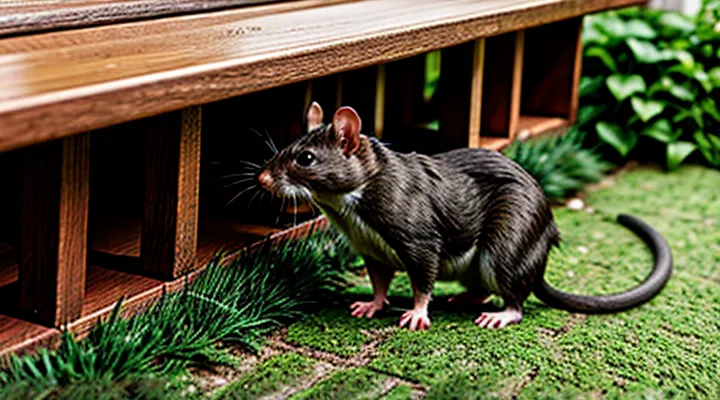
Understanding Rat Behavior and Why They Invade
Common Entry Points for Rats
Cracks in Foundations
Cracks in a building’s foundation provide direct pathways for rats to enter living spaces. These openings allow rodents to move from soil or crawl spaces into walls, floors, and rooms, where they can establish nests and cause damage. Sealing such gaps eliminates one of the most reliable access points, thereby reducing the likelihood of infestation.
Effective measures include:
- Inspecting the perimeter of the foundation for visible fissures, especially after settlement or moisture fluctuations.
- Cleaning debris and loose material from each crack to ensure proper adhesion of repair products.
- Applying hydraulic cement or epoxy grout that expands as it cures, filling the void completely and creating a durable barrier.
- Installing metal flashing or steel mesh over larger openings before sealing, adding structural reinforcement.
- Maintaining proper drainage around the building to prevent water accumulation that can widen existing cracks.
Regular monitoring of the foundation’s condition, combined with prompt repair of newly formed fissures, sustains a barrier that deters rodent intrusion and supports overall structural integrity. «A sealed foundation limits rat access and contributes to a healthier indoor environment».
Gaps Around Pipes
Gaps surrounding plumbing fixtures constitute common entry points for rodents. Small openings around water supply lines, sewer pipes, and drainage systems allow rats to infiltrate interior spaces. Precise identification of these gaps prevents unnoticed access.
Inspection should focus on the following locations:
- Base of sink and bathtub drains
- Exterior wall penetrations for supply and waste pipes
- Utility chases where conduit passes through floors or ceilings
- Areas where pipe insulation has been removed or damaged
Sealing procedures include:
- Insertion of steel wool into openings, followed by application of expanding foam to create a durable barrier
- Use of silicone or polyurethane caulk to fill irregular cracks around pipe collars
- Installation of metal flashing or pipe sleeves where larger gaps exist, securing them with corrosion‑resistant screws
- Wrapping of exposed pipe sections with rodent‑proof mesh, especially in crawl spaces and attics
Routine maintenance involves periodic visual checks, replacement of degraded sealants, and verification that insulation remains intact. Prompt remediation of new gaps sustains a rat‑free environment.
Open Vents and Chimneys
Open vents and chimneys provide direct pathways for rodents to enter a dwelling. Unprotected openings allow rats to climb, squeeze, and navigate into living spaces, creating health risks and property damage.
To eliminate this route, implement the following measures:
- Install stainless‑steel mesh or hardware cloth with openings no larger than ¼ inch over all vent openings. Secure the mesh with corrosion‑resistant fasteners to prevent displacement.
- Fit chimney caps constructed of metal that includes a fine‑mesh screen. Ensure the cap sits flush with the chimney flue and is sealed against the chimney crown.
- Seal gaps around vent frames, ductwork, and chimney flashing using high‑quality silicone or expanding foam. Target cracks as small as 1 mm, as rats can exploit minimal spaces.
- Regularly inspect vent covers and chimney caps for damage, rust, or loose fittings. Replace compromised components immediately.
- Maintain clear clearance around vent and chimney structures; remove debris, nests, and vegetation that could support rodent activity.
By reinforcing «vents» and «chimneys» with durable barriers and routine maintenance, the likelihood of rat intrusion diminishes significantly, contributing to a secure and sanitary home environment.
Damaged Screens and Doors
Damaged screens and doors create direct pathways for rodents to enter living spaces. Gaps, tears, and loose hinges compromise the building envelope, allowing rats to exploit even small openings. Once inside, rats can cause structural damage, contaminate food, and spread disease, making prompt repair essential for effective rodent control.
Repair measures should address all potential entry points:
- Inspect every exterior screen and door for holes, frayed mesh, or warped frames.
- Replace torn screen material with heavy‑duty, rodent‑resistant mesh.
- Reinforce door frames using steel strips or weather‑stripping to eliminate gaps.
- Secure hinges and latches; install self‑closing mechanisms where possible.
- Apply a continuous silicone sealant around door perimeters and screen edges to block narrow fissures.
Regular maintenance prevents new damage. Schedule quarterly checks, especially after severe weather, to identify and fix emerging vulnerabilities before rats can exploit them.
Signs of a Rat Infestation
Droppings and Urine Stains
Droppings and urine stains signal active rodent activity and create an environment that attracts further infestations. The presence of feces releases pheromones that communicate territory, encouraging other rats to explore the same area. Urine marks leave a lingering scent detectable by the rodent’s highly developed olfactory system, reinforcing the perception of a safe habitat.
Effective removal requires thorough decontamination. Steps include:
« Wear protective gloves and a mask to avoid health risks. »
« Ventilate the area for at least 15 minutes before starting. »
« Scrape solid droppings into a sealed bag; discard according to local regulations. »
« Mix a solution of one part bleach to ten parts water; apply to surfaces stained by urine. »
« Allow the solution to contact the stain for a minimum of five minutes, then rinse with clean water. »
« Dry the area completely; consider using a fan or dehumidifier. »
After cleaning, prevent recontamination by sealing entry points, eliminating food sources, and maintaining low humidity. Regular inspection of potential nesting sites helps detect new droppings early, enabling prompt intervention before populations expand.
Gnaw Marks
Gnaw marks are the primary visual evidence of rodent activity inside a dwelling. Their presence indicates that rats have accessed structural components, wiring, or stored food, creating pathways for further damage and disease transmission.
Typical gnaw marks appear as shallow, crescent‑shaped notches on wood, plastic, or metal surfaces. Width ranges from ¼ inch to ½ inch, depth seldom exceeds ¼ inch. Marks concentrate around edges of cabinets, baseboards, and utility conduits, often accompanied by fresh droppings or urine stains.
When gnaw marks are detected, immediate action prevents escalation. Damage to insulation, electrical wiring, or plumbing can lead to fire hazards or costly repairs. Persistent gnawing also compromises the integrity of entry points, allowing additional rodents to infiltrate.
Effective response includes:
- Seal all identified entry holes with steel wool, metal mesh, or cement‑based filler.
- Replace or repair gnawed structural elements to eliminate nesting sites.
- Remove food sources by storing provisions in airtight containers and cleaning spills promptly.
- Deploy snap traps or electronic traps near active gnawing zones; position bait at the rear of the trap to encourage engagement.
- Apply non‑toxic repellents, such as peppermint oil‑infused cotton balls, in concealed areas where gnaw marks are prevalent; reapply weekly for sustained effect.
- Conduct a thorough inspection of the entire property weekly for new gnaw marks, adjusting control measures accordingly.
Consistent monitoring and remediation of gnaw marks substantially reduce rat presence and protect the household from further infestation.
Scratching Noises
Scratching noises often indicate the presence of rodents within walls, ceilings, or floor cavities. The sound typically results from gnawing or nesting activity and can be heard during quiet periods, especially at night. Identifying the source helps target control measures effectively.
Key actions to address scratching noises:
- Inspect suspected areas for entry points such as gaps around pipes, vents, or foundation cracks.
- Seal openings with steel wool, caulk, or metal flashing to prevent further intrusion.
- Place snap traps or electronic traps near active zones, ensuring they are positioned away from children and pets.
- Deploy rodent‑repellent devices that emit ultrasonic frequencies, which disrupt rodent communication and discourage nesting.
- Maintain a clean environment by storing food in sealed containers, promptly cleaning spills, and removing clutter that provides shelter.
Regular monitoring of the affected locations confirms the success of interventions. Absence of scratching sounds after sealing entry points and deploying traps signals a reduced rodent presence. Continued vigilance, combined with proactive exclusion techniques, sustains a rat‑free household.
Unpleasant Odors
Rats possess a highly sensitive olfactory system that reacts negatively to strong, unpleasant smells. Introducing such odors into potential entry points and nesting areas creates an environment that rodents find hostile, reducing the likelihood of infestation.
- Ammonia: concentrated solution placed in shallow dishes near cracks and gaps.
- Peppermint oil: several drops on cotton balls, refreshed weekly, positioned in cupboards and under appliances.
- Vinegar: undiluted white vinegar sprayed around doors, windows, and baseboards.
- Citronella: solid blocks or liquid spray applied to exterior walls and porch railings.
- Mothballs (naphthalene): small amounts placed in sealed containers within attics and crawl spaces.
Application requires careful placement to avoid direct contact with food surfaces and to prevent damage to furnishings. Ensure adequate ventilation when using volatile chemicals such as ammonia and naphthalene; follow manufacturer safety guidelines. Regular replacement of odor sources maintains potency, as most scents diminish within a few days.
Effectiveness diminishes if odors are masked by other household smells or if rodents become habituated. Combining unpleasant odors with physical barriers—sealed entry points, traps, and sanitation—provides a comprehensive strategy for deterring rats from residential spaces.
Prevention Strategies
Sealing Entry Points
Using Steel Wool and Caulk
Steel wool, when tightly packed into entry points, creates a barrier that rodents cannot bite through. The abrasive fibers damage teeth, discouraging repeated attempts. Apply steel wool to gaps around pipes, vents, and foundation cracks, then seal with a layer of silicone caulk. The caulk locks the wool in place, preventing displacement by weather or building movement.
Effective implementation steps:
- Identify all openings larger than ¼ inch; common sites include utility penetrations, door frames, and attic vents.
- Insert steel wool until the cavity is completely filled; compress to eliminate voids.
- Coat the packed area with a generous bead of caulk, smoothing to ensure a continuous seal.
- Inspect seals periodically; replace steel wool that shows signs of corrosion or compression loss.
Caulk alone provides a moisture‑resistant seal but lacks mechanical resistance to gnawing. Combined with steel wool, the barrier offers both physical deterrence and long‑term protection. Use a silicone‑based caulk for flexibility and durability; latex or acrylic varieties may crack under temperature fluctuations.
Maintenance requires re‑application after major renovations or when signs of rodent activity reappear. Regular visual checks of sealed points maintain the integrity of the defense system.
Repairing Damaged Structures
Effective rat control begins with eliminating the openings that allow rodents to enter a dwelling. Structural damage creates precisely those vulnerabilities; repairing them removes the primary pathways rats use to infiltrate homes.
Common forms of damage that facilitate entry include:
- Cracks in foundation walls or basement floors
- Gaps around utility penetrations, such as pipes and wires
- Broken or missing sections of exterior siding and sheathing
- Deteriorated roof flashing and eaves
- Unscreened vents, chimneys, and attic access points
Repair procedures follow a logical sequence:
- Conduct a thorough inspection of the building envelope to locate all breaches.
- Clean each opening to remove debris, nesting material, and gnawed wood.
- Apply durable sealants or mortar to fill cracks and holes no larger than a quarter‑inch.
- Install steel wool or copper mesh within larger gaps before sealing, providing an additional physical barrier.
- Replace compromised siding, sheathing, or roofing components with pressure‑treated lumber or metal flashing.
- Fit hardware cloth or stainless‑steel screens over vents, chimneys, and attic openings, securing them with appropriate fasteners.
Materials recommended for long‑lasting protection comprise cement‑based sealants, epoxy caulk, hardware cloth (¼‑inch mesh), steel wool, copper mesh, and pressure‑treated lumber. Selecting corrosion‑resistant options ensures durability in humid or exposed environments.
Regular maintenance reinforces the repaired barriers. Schedule biannual inspections, address new cracks promptly, and verify that screens remain intact. Continuous vigilance prevents rodents from exploiting fresh damage, sustaining a rat‑free interior.
«Rats exploit any weakness in a building», therefore eliminating structural defects constitutes a fundamental component of any comprehensive rodent‑deterrence strategy.
Eliminating Food Sources
Proper Food Storage
Proper food storage is essential for preventing rodent intrusion. Food that is accessible, aromatic, or left uncovered provides a strong attractant, encouraging rats to enter living spaces in search of nourishment.
- Seal all dry goods in airtight, rigid containers made of metal or heavy‑wall plastic.
- Transfer leftovers to sealed containers within two hours of preparation; discard any spoilage promptly.
- Store pet food in sealed bins and place them away from walls and floor level.
- Keep compost, garbage, and recycling bins closed with tight‑fitting lids; locate them outside the building if possible.
- Clean countertops, floors, and shelves regularly to remove crumbs and residue.
Eliminating food sources reduces the likelihood of rats establishing a foothold, thereby supporting broader pest‑control measures. Maintaining disciplined storage practices creates an environment that is inhospitable to rodents.
Regular Cleaning Practices
Regular cleaning removes food residues and shelter that attract rodents, thereby reducing the likelihood of infestation.
Key practices include:
- Eliminate crumbs and spills immediately from kitchen surfaces, floors and countertops.
- Store dry goods in sealed containers made of metal or heavy‑wall plastic.
- Dispose of garbage daily in bins equipped with tight‑fitting lids; keep outdoor bins away from building walls.
- Sweep beneath appliances, furniture and shelving to expose hidden debris.
- Vacuum carpets and rugs regularly, focusing on edges and corners where droppings may accumulate.
- Wash dishes promptly; avoid leaving dishes in the sink overnight.
Consistent execution of these measures deprives rats of nourishment and nesting sites, creating an environment that discourages their presence.
Maintaining a spotless interior complements other control methods, forming a comprehensive strategy for keeping rodents out of the home.
Securing Trash Cans
Rats are drawn to food remnants and odors that accumulate in improperly sealed waste containers. Open lids or damaged lids provide easy entry points, while overflowing bins create a continuous scent trail that guides rodents into the home environment.
Effective measures for securing trash cans include:
- Selecting containers with tight‑fitting, lockable lids made of durable material.
- Inspecting lids regularly for cracks, warping, or worn hinges; replace damaged components promptly.
- Positioning bins away from building foundations, preferably on a stand that elevates them several inches from the ground.
- Using a secondary barrier such as a metal mesh or heavy‑duty strap to reinforce the lid closure.
- Emptying trash daily, especially in warm weather, to minimize food odor buildup.
- Storing bins in a well‑ventilated, shaded area to discourage nesting and reduce moisture.
Consistent implementation of these practices removes a primary food source and eliminates convenient access routes, thereby reducing the likelihood of rat activity within residential premises.
Reducing Attractants
Removing Clutter
Removing excess items from living spaces eliminates potential rat shelters and reduces food access.
Clutter creates concealed pockets where rodents can build nests, store debris, and hide unnoticed. Accumulated paper, cardboard, and unused containers retain moisture and odors that attract foraging behavior.
Practical measures:
- Sort and discard items no longer needed; recycle or donate usable materials.
- Store essential belongings in sealed, rigid containers with tight‑fitting lids.
- Keep storage areas elevated from the floor; avoid placing boxes directly on ground level.
- Maintain clear pathways around appliances, cabinets, and utilities; ensure no gaps exceed one inch.
Regular inspection of decluttered zones confirms that no new debris accumulates. Prompt removal of discovered waste prevents reestablishment of rodent harborage.
Consistent organization sustains an environment hostile to rats, supporting broader pest‑control strategies.
Trimming Vegetation
Overgrown vegetation creates shelter and easy travel routes for rodents, allowing them to approach foundations, crawl spaces, and entry points. Reducing plant density eliminates hiding places and limits food sources, thereby decreasing the likelihood of rats entering residential structures.
Key actions for effective vegetation management:
- Cut back shrubs and hedges to a height of no more than 12 inches (30 cm) from the ground, creating a clear perimeter around the building.
- Remove vines and climbing plants that reach walls, roofs, or gutters; these provide direct pathways to roof eaves and attic openings.
- Trim tree branches so they do not touch the house; maintain a minimum clearance of 2 feet (60 cm) to prevent rodents from using branches as bridges.
- Dispose of garden waste promptly; compost piles should be covered and situated at least 10 feet (3 m) from the foundation.
- Keep grass at a moderate length, mowing regularly to prevent dense growth that offers cover.
Maintaining a trimmed landscape removes structural advantages that rats exploit, supporting broader rodent‑prevention measures.
Addressing Water Sources
Eliminating accessible water is fundamental for discouraging rodent activity. Rats require a reliable source of moisture to survive, and the presence of standing water or frequent leaks creates an inviting environment.
- Repair all pipe leaks, faucet drips, and roof penetrations promptly.
- Install drip‑free faucets and use automatic shut‑off valves where possible.
- Ensure that sinks, bathtubs, and washing machines are dried after use; avoid leaving dishes soaked overnight.
- Clear gutters and downspouts of debris to prevent overflow that can pool near foundations.
- Replace broken or cracked water‑holding containers with sealed alternatives.
- Store pet water bowls on elevated platforms and refresh daily to limit stagnation.
Maintain a dry perimeter by directing irrigation away from the house foundation and using soil grading that slopes outward. Regularly inspect basements, crawl spaces, and attics for condensation or moisture accumulation; apply dehumidifiers in humid areas. By systematically removing water sources, the habitat becomes unsuitable for rats, reducing the likelihood of infestation.
Repellent Methods
Natural Repellents
Peppermint Oil
Peppermint oil serves as a natural rodent deterrent due to its potent menthol aroma, which rats find unpleasant. The scent interferes with the animals’ sensory receptors, prompting avoidance of treated areas.
Application methods include:
- Soaking cotton balls with a few drops of oil and placing them in potential entry points, such as gaps around doors, windows, and vents.
- Mixing oil with water (approximately 10 ml per liter) and spraying the solution on baseboards, shelves, and pantry shelves.
- Using an ultrasonic diffuser to disperse the fragrance throughout rooms where activity has been observed.
Safety measures require diluting the oil to prevent skin irritation, storing containers out of reach of children and pets, and avoiding direct contact with food preparation surfaces. Regular renewal—every 2–3 days—maintains potency, as the volatile compounds dissipate quickly.
Combining peppermint oil with rigorous sanitation, sealing of cracks, and removal of food sources enhances overall effectiveness in preventing rats from entering the home.
Essential Oils
Essential oils provide a natural alternative for deterring rodents within residential spaces. Their strong aromatic compounds interfere with the olfactory receptors of rats, creating an environment that rats avoid.
- Peppermint oil – high menthol concentration, strong repellent scent.
- Eucalyptus oil – cineole-rich, disrupts scent trails.
- Citronella oil – citrus notes, masks food odors.
- Clove oil – eugenol content, toxic at high exposure.
- Thyme oil – thymol component, irritates respiratory pathways.
Application methods include soaking cotton balls with a few drops of oil and placing them in entry points, nesting areas, and along walls. Diluting oil in water (approximately 10 ml per litre) and spraying the solution on baseboards and exterior foundations extends coverage. Regular replacement every 3–5 days maintains potency.
Safety measures require ventilation when applying concentrated oils, avoidance of direct skin contact, and keeping treated materials out of reach of children and pets. Compatibility with household surfaces should be verified to prevent staining.
Chili Powder
Chili powder contains capsaicin, a compound that produces a strong, irritating odor and taste for rodents. The sensory overload deters rats from entering treated areas and discourages them from returning.
Effective use requires strategic placement. Sprinkle a thin layer of chili powder around known entry points, such as gaps beneath doors, vent openings, and cracks in walls. Apply the powder along baseboards, behind appliances, and inside pantry shelves where rodents are likely to travel. For areas prone to cleaning, mix a small amount of chili powder with flour or cornstarch; the blend adheres longer to surfaces.
- Identify all potential ingress routes.
- Apply a light, even coating of chili powder at each location.
- Reapply after any cleaning, moisture exposure, or seasonal changes.
Safety considerations are essential. Capsaicin can irritate skin, eyes, and mucous membranes; wear gloves and avoid direct contact. Keep treated zones out of reach of pets and children, and store chili powder in sealed containers to prevent accidental ingestion.
Chili powder is most effective when integrated with other control measures. Seal structural gaps, maintain sanitation to eliminate food sources, and use traps or bait stations in conjunction with the powder barrier. The combined approach reduces the likelihood of infestation and supports long‑term rodent exclusion.
Commercial Repellents
Ultrasonic Devices
Ultrasonic devices emit high‑frequency sound waves that are inaudible to humans but disturb the auditory system of rodents. The emitted frequencies typically range from 20 kHz to 65 kHz, causing discomfort and prompting rats to vacate the area.
Effective deployment requires strategic placement. Devices should be positioned:
- Near entry points such as doors, windows, and utility openings.
- In dark, concealed locations where rats tend to travel, for example behind appliances or inside wall cavities.
- At a height of 30–45 cm above the floor to align with the typical path of rodent movement.
Continuous operation maximizes deterrence. Most units include a timer or motion sensor; disabling these features reduces efficacy. Power sources may be mains electricity or rechargeable batteries; mains‑powered units provide uninterrupted coverage, while battery‑powered models offer flexibility in locations without outlets.
Key considerations when selecting a device:
- Frequency range – broader spectra address a wider variety of rodent species.
- Coverage area – manufacturers specify square footage; overlapping zones ensure no blind spots.
- Safety certifications – look for CE, UL, or equivalent approvals to guarantee compliance with electromagnetic emission standards.
- Warranty and customer support – indicate reliability and availability of replacement parts.
Limitations include reduced effectiveness in open spaces, interference from dense furniture, and potential habituation if the device is not periodically adjusted. Combining ultrasonic deterrents with physical barriers, sanitation measures, and regular inspection of potential nesting sites yields the most reliable results.
Maintenance involves cleaning the speaker grille of dust and debris, verifying that the power indicator confirms operation, and replacing batteries or malfunctioning units according to the manufacturer’s schedule. Regular testing with a handheld ultrasonic detector confirms that the emitted frequency remains within the specified range.
Overall, ultrasonic devices constitute a non‑chemical, low‑maintenance option for discouraging rats from residential environments when installed correctly and integrated into a comprehensive pest‑management plan.
Scent-Based Repellents
Scent‑based repellents rely on strong odors that rodents find intolerable. The approach eliminates the need for physical traps while maintaining a clean indoor environment.
Commonly used odors include:
- Peppermint oil — highly volatile, disrupts rodent olfactory receptors.
- Eucalyptus oil — contains cineole, creates an unpleasant aromatic barrier.
- Ammonia solution — produces a pungent vapor that mimics predator waste.
- Predator urine — signals presence of natural enemies, triggers avoidance behavior.
- Citronella oil — offers a citrus scent that rodents typically reject.
The deterrent effect occurs when volatile compounds saturate the air, overwhelming the animal’s sense of smell and prompting relocation to areas with milder scents. Effectiveness peaks when the odor source is placed near entry points, food storage, and nesting sites.
Application guidelines:
- Dilute essential oils (10 ml per liter of water) and spray on cotton balls or cloth strips.
- Position soaked materials within 30 cm of gaps, vents, and cupboards.
- Refresh solutions every 3–5 days to maintain potency.
- Combine with sealing of cracks and removal of food residues for optimal results.
Scent methods provide temporary suppression; persistent infestations may require integrated pest management, including exclusion techniques and professional assessment.
Safety notes: essential oils can irritate skin and respiratory passages; use gloves and ensure adequate ventilation. Keep repellents out of reach of children and pets to prevent accidental ingestion.
Trapping and Extermination
Humane Trapping
Live Traps
Live traps provide a humane method for removing rats that have entered residential spaces. The device consists of a cage with a trigger mechanism that closes the door when the animal steps on a pressure plate, keeping the rodent alive for later release.
The trapping process relies on two principles: a confined entry point that guides the rat into the cage, and a bait that stimulates the animal to activate the trigger. Once the door shuts, the trap secures the rat without causing injury.
Key factors when choosing a live trap:
- Sturdy construction of metal or heavy‑duty plastic to prevent escape.
- Size sufficient for adult rats (minimum interior dimensions 12 × 8 × 6 cm).
- Sensitive trigger that reacts to a weight of 30–100 g.
- Easy‑open door for rapid release.
Effective placement follows these guidelines:
- Position traps along walls, behind appliances, and near known gnawing sites.
- Align the entrance so the rat must pass through the trigger zone.
- Keep traps on flat, stable surfaces to avoid false triggers.
- Use multiple traps if activity is widespread.
Bait selection influences capture rates. Preferred attractants include:
- Small pieces of peanut butter or cheese.
- Fresh fruit such as apple or banana.
- Commercial rodent lure with strong scent.
Regular monitoring is essential. Check traps at least once daily; remove captured rats promptly to reduce stress. Release should occur at a distance of at least 100 m from the residence, in a wooded or rural area, following local wildlife regulations. After release, reset the trap with fresh bait and continue observation until activity ceases.
Proper Release Practices
Proper release of captured rats minimizes the risk of re‑infestation and complies with local wildlife regulations. Release sites must be at least several miles from residential areas, preferably in wooded or agricultural zones where natural predators exist. Selecting a location with abundant cover and food sources increases the likelihood that the animal will survive without returning to the home environment.
When handling a live trap, wear thick gloves to prevent bites and protect skin. Transfer the rat directly into a sturdy transport container with ventilation holes. Avoid prolonged confinement; aim to release the animal within 30 minutes of capture.
Key steps for humane release:
- Identify an approved release area meeting distance and habitat criteria.
- Verify that the site is free from human activity and domestic pets.
- Prepare a release point with ground cover and minimal obstacles.
- Open the transport container, allow the rat to exit voluntarily, and retreat promptly.
- Clean and disinfect the trap according to manufacturer guidelines to eliminate scent trails that could attract other rodents.
Document the release date, time, and location for future reference. Maintaining accurate records supports compliance audits and helps evaluate the effectiveness of the overall rodent‑deterrence program.
Lethal Trapping
Snap Traps
Snap traps remain a proven mechanical method for reducing rat activity inside residential structures. Their design relies on a spring‑loaded bar that delivers an instantaneous closure, causing immediate fatal injury.
Effective deployment requires several precise steps. First, select a trap constructed from sturdy wood or heavy‑duty plastic, with a trigger mechanism sensitive enough to react to the light pressure of a rat’s forepaw. Second, position traps along established rodent pathways: behind appliances, beneath cabinets, within wall voids, and near suspected entry points. Place each unit perpendicular to the wall, with the trigger end facing the expected direction of travel. Third, apply an attractive bait such as peanut butter, dried fruit, or a small piece of meat, securing it to the trigger plate to prevent premature release. Fourth, set the trap by pulling back the spring bar until it locks into the holding notch, ensuring the latch is fully engaged before release.
Safety considerations demand that traps be handled with gloves to avoid accidental activation and that they be placed out of reach of children and pets. After a capture, wear protective gloves, immobilize the trap, and transport the carcass to a sealed bag for disposal in accordance with local regulations. Clean the trap surface with a mild disinfectant before resetting or storing it.
Regular monitoring, at least once daily, maximizes effectiveness. Replace bait promptly if it becomes stale, and relocate traps if no activity is observed after several days. Combining snap traps with exclusion measures—such as sealing cracks, installing door sweeps, and maintaining sanitation—creates a comprehensive strategy that markedly reduces rat presence in the home.
Electronic Traps
Electronic traps provide a rapid, non‑chemical solution for eliminating rodents inside residential premises. The devices detect a rodent’s presence through infrared sensors or capacitive plates, then deliver a high‑voltage shock that results in immediate mortality. This mechanism eliminates the need for bait, reducing the risk of accidental poisoning of children or pets.
Key benefits include:
- Instant kill, preventing disease transmission and property damage.
- Reusable components, lowering long‑term costs compared to disposable traps.
- No chemical residues, facilitating compliance with health‑safety regulations.
Effective deployment requires strategic placement along established runways, near walls, and close to entry points. Power options vary between mains‑connected units and battery‑operated models; selection should match the duration of expected use and accessibility to electricity. Regular inspection of sensor functionality and cleaning of the shock chamber prolongs device lifespan and maintains efficacy.
Potential drawbacks involve the necessity of a reliable power source and the initial investment, which may exceed that of traditional snap traps. Additionally, electronic traps generate a brief audible discharge, which could be disruptive in quiet environments. Proper assessment of these factors ensures optimal integration of electronic trapping into a comprehensive rodent‑control program.
Professional Pest Control
When to Call an Expert
Rats can cause structural damage, contaminate food, and transmit disease. Recognizing when self‑treatment is insufficient prevents escalation and protects health.
Key indicators that professional assistance is required:
- Visible gnaw marks on wiring, insulation, or wooden structures.
- Accumulation of droppings exceeding a few pellets per day.
- Persistent noises in walls or attic despite traps and bait stations.
- Evidence of breeding, such as nests made of shredded material.
- Inability to locate entry points after thorough inspection.
- Recurring infestations after multiple DIY attempts.
When any of these conditions appear, contacting a licensed pest‑control specialist ensures comprehensive assessment, proper sealing of entryways, and safe application of eradication methods. Professionals also provide documentation for insurance claims and comply with local regulations regarding rodent management.
Long-Term Solutions
Effective rat control requires measures that remain functional for months or years, not temporary fixes. Sustainable strategies focus on eliminating entry points, removing resources, and establishing environmental conditions that discourage rodent habitation.
- Seal all gaps larger than ¼ inch in foundations, walls, and utility penetrations with metal mesh, cement, or expanding foam.
- Install door sweeps and weather‑stripping on every exterior door to block access.
- Store food in airtight containers; keep garbage in sealed bins and remove waste regularly.
- Maintain a clean yard: trim vegetation away from the house, keep compost piles distant, and eliminate standing water.
- Encourage natural predators by installing owl boxes or raptor perches where local regulations permit.
- Deploy permanent, tamper‑resistant snap traps or electronic devices in concealed locations, checking them weekly.
- Contract licensed pest‑management professionals for periodic inspections and targeted baiting programs.
- Implement a monitoring log to record sightings, trap activity, and maintenance actions, adjusting the plan as needed.
Consistent application of these practices creates a hostile environment for rats, reducing the likelihood of re‑infestation and protecting the property over the long term. «Preventive maintenance» becomes the cornerstone of lasting rodent exclusion.