
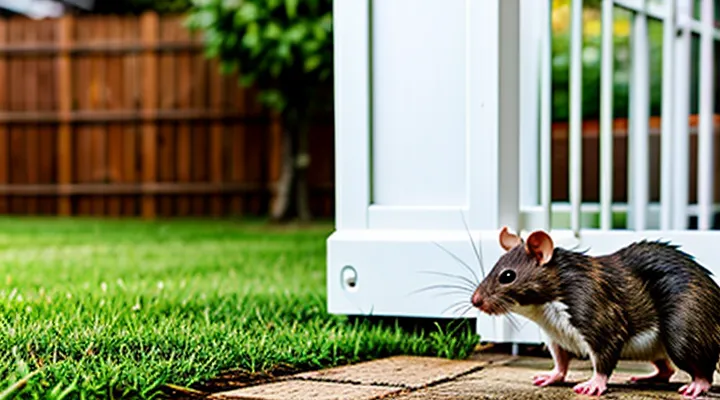
Understanding the Threat: Why Rats Are a Problem
Health Risks Associated with Rats
Rats serve as vectors for numerous pathogens that can compromise human health, making robust residential control essential. Their ability to infiltrate kitchens, storage areas, and structural cavities creates direct pathways for disease transmission and environmental contamination.
- «Leptospirosis» – bacterial infection acquired through contact with urine‑contaminated water or surfaces; symptoms include fever, headache, and renal impairment.
- «Hantavirus pulmonary syndrome» – virus spread via aerosolized droppings; leads to severe respiratory distress and high mortality rates.
- «Salmonellosis» – foodborne illness caused by ingestion of food tainted with rat feces; results in gastro‑intestinal upset and dehydration.
- «Rat‑bite fever» (streptobacillosis) – bacterial infection following a bite or scratch; manifests as fever, rash, and joint pain.
- «Plague» – Yersinia pestis transmitted by flea bites that have fed on infected rats; produces fever, swollen lymph nodes, and can be fatal without prompt treatment.
- Allergic reactions – exposure to dander and urine may trigger asthma attacks, rhinitis, and skin irritation.
- Food contamination – gnawing of packaging introduces droppings and urine into consumables, increasing risk of food poisoning.
- Structural damage – gnawing of wiring and insulation can cause electrical fires, leading to secondary injuries and respiratory hazards from smoke inhalation.
Addressing these risks requires timely identification of infestation signs, sealing entry points, and employing proven deterrent measures to maintain a safe living environment.
Property Damage Caused by Rats
Rats inflict substantial damage on residential structures, creating costly repairs and compromising safety. Their gnawing habit targets a wide range of materials, leading to deterioration that often goes unnoticed until severe failure occurs.
- Structural timber: constant chewing weakens beams, joists, and supports, increasing risk of collapse.
- Electrical wiring: insulation stripped by incisors can expose conductors, raising the likelihood of short circuits and fire hazards.
- Insulation and ductwork: nests built within walls and vents degrade thermal performance and obstruct airflow.
- Plumbing: rubber seals and plastic pipes are vulnerable to bite marks, resulting in leaks and water damage.
- Stored goods: food, clothing, and paper products suffer contamination, loss, and odor absorption.
Damage extends beyond physical destruction. Compromised wiring can trigger electrical outages, while weakened structural components may require professional assessment before occupancy. Water intrusion from damaged plumbing fosters mold growth, further degrading indoor air quality. Contaminated belongings often necessitate disposal rather than remediation, amplifying financial loss.
Understanding the scope of rat‑induced damage underscores the urgency of implementing reliable control strategies. Preventive measures that deter entry, eliminate attractants, and employ proven repellents reduce the probability of gnawing incidents, thereby preserving property integrity and minimizing repair expenses.
Identifying Rat Infestation
Signs of Rat Presence
Rats leave unmistakable evidence that indicates their activity within a dwelling. Recognizing these indicators enables prompt intervention and reduces the risk of infestation.
• Fresh droppings, typically ½ inch long, dark‑brown, and found along walls, in cabinets, or near food sources.
• Gnaw marks on wood, plastic, or wiring, characterized by clean, parallel cuts approximately ¼ inch wide.
• Chewed packaging, particularly of grains, cereals, or pet food, showing torn edges and shredded material.
• Visible burrows or tunnels in insulation, behind appliances, or within stored items, often accompanied by a distinct, musky odor.
• Wet stains or yellowish discoloration on surfaces, resulting from concentrated urine.
• Squeaking or scratching noises, especially at night, emanating from concealed spaces such as attics or crawl spaces.
• Accumulated nesting material, including shredded paper, fabric, or dried plant matter, gathered in hidden corners.
• Grease or smudge tracks along walls and baseboards, left by the animal’s paws.
Early detection of these signs is a prerequisite for effective control measures. Prompt identification allows targeted placement of traps, sealing of entry points, and sanitation practices that deter further activity.
Common Entry Points for Rats
Rats gain access to homes through structural imperfections that provide shelter and food. Identifying and sealing these openings reduces infestation risk and limits the need for chemical controls.
- Gaps around plumbing and gas pipes, especially where they penetrate walls or floors
- Cracks in foundation walls, slab edges, and basement floors
- Unsealed spaces around door frames, window sills, and sliding‑door tracks
- Openings in ventilation ducts, exhaust fans, and attic vents
- Utility penetrations for electrical conduit, cable TV, and telephone lines
- Roof eaves, soffit vents, and chimney flues lacking proper caps or mesh
- Crawl‑space entries where soil meets the structure
- Sewer‑line cracks or loose sewer clean‑out covers
Sealing each identified point with steel wool, copper mesh, caulk, or cement creates a physical barrier that rats cannot gnaw through. Regular inspection of the exterior envelope, especially after seasonal weather changes, ensures that new gaps are promptly addressed, maintaining a rat‑free environment.
Prevention: Keeping Rats Away
Sealing Entry Points
Inspecting Your Home«s Exterior
Inspecting the exterior of a residence is a prerequisite for any effective rodent‑deterrence strategy. Identifying and eliminating potential access points prevents rats from establishing a foothold.
- Examine foundation walls for cracks, gaps around utility lines, and openings beneath vents; seal each with steel‑wool and caulk.
- Verify that doors and windows close tightly; install weather‑stripping where necessary.
- Inspect eaves, soffits, and roof overhangs for damaged flashing or loose shingles; repair to maintain a continuous barrier.
- Trim shrubs, tree branches, and vines that touch the building; maintain a clearance of at least two feet to reduce shelter.
- Position garbage containers away from the structure; use lids that close securely and keep lids free of debris.
Regularly walk the perimeter after heavy rain or seasonal changes to detect new damage. Prompt repair of identified weaknesses sustains the integrity of the barrier and reduces the likelihood of infestation.
Repairing Cracks and Gaps
Sealing structural openings eliminates the primary pathway rats use to enter a dwelling. Cracks in foundations, gaps around plumbing, openings beneath doors, and fissures in walls provide easy access for rodents seeking shelter and food.
Typical entry points include:
- Foundation cracks larger than ¼ in (6 mm)
- Gaps surrounding pipes, cables, and vent ducts
- Openings at utility penetrations
- Spaces beneath baseboards and flooring joints
- Unsealed gaps around door thresholds and window frames
Effective repair procedure:
- Inspect all exterior and interior surfaces for visible cracks and gaps. Use a flashlight and mirror to locate hidden openings.
- Clean debris and loose material from each opening with a wire brush or vacuum.
- Apply steel wool or copper mesh to fill larger gaps; compress material firmly to prevent future movement.
- Seal remaining voids with appropriate caulk: silicone for flexible joints, polyurethane for concrete cracks.
- For extensive fissures, use expanding polyurethane foam or hydraulic cement, following manufacturer instructions.
- Install metal flashing or rigid metal plates over high‑traffic cracks in foundations and walls to provide a durable barrier.
Recommended materials:
- Steel wool or copper mesh – resistant to gnawing
- Silicone or polyurethane caulk – flexible, weather‑proof
- Expanding polyurethane foam – expands to fill irregular spaces
- Hydraulic cement – adheres to wet surfaces, hardens quickly
- Metal flashing or steel plates – long‑term protection for large cracks
Routine maintenance:
- Conduct quarterly visual checks, focusing on areas identified during initial inspection.
- Reapply sealants after seasonal temperature fluctuations or after any structural repairs.
- Replace deteriorated steel wool or mesh promptly to maintain integrity.
By systematically repairing cracks and gaps, the likelihood of rodent intrusion diminishes markedly, supporting a rat‑free environment within the home.
Food Storage and Sanitation
Proper Disposal of Garbage
Proper garbage management is a critical factor in preventing rodent incursions within a dwelling. Food remnants and organic waste emit strong odors that attract rats, encouraging them to explore and establish nests near waste storage areas.
- Store waste in containers equipped with tight‑fitting lids; inspect seals regularly for damage.
- Empty trash bins at least once daily, especially in kitchens and utility rooms.
- Place bins away from walls and corners to eliminate hidden pathways.
- Clean spills and food residues promptly; use disinfectants that eliminate lingering scents.
- Separate compostable material from regular trash, and keep compost bins sealed and located outdoors.
Consistent removal of garbage eliminates the primary food source that draws rats into homes. By maintaining sealed containers, frequent disposal, and thorough cleaning, the environment becomes inhospitable to rodents, supporting the overall strategy of rodent deterrence.
Securing Food Sources
Securing food sources eliminates the primary attraction that draws rodents into residential spaces. When consumables are inaccessible, rats lose the incentive to explore and establish nests, reducing the likelihood of infestation.
- Store dry goods, grains, and pet food in airtight containers made of metal or heavy‑wall plastic; ensure lids seal completely.
- Keep countertops, tables, and shelves free of crumbs; wipe surfaces after each meal and after handling snacks.
- Dispose of kitchen waste in bins equipped with tight‑fitting lids; empty the bins daily and clean them with a mild disinfectant.
- Relocate outdoor trash cans away from the house’s foundation; use rat‑proof lids and elevate cans on platforms to prevent climbing.
- Maintain compost piles in sealed containers; avoid placing fresh kitchen scraps directly on the ground where rodents can access them.
Regularly inspect pantry shelves for signs of gnawing or spilled contents; promptly clean any residue. Eliminate standing water from pet dishes and sinks, as moisture supports food storage for rats. By rigorously managing food accessibility, the environment becomes inhospitable to rodent activity, supporting long‑term prevention.
Landscaping and Yard Maintenance
Trimming Vegetation
Trimming vegetation around a residence reduces shelter and food sources that attract rodents. Overgrown bushes, tall grass, and dense hedges create pathways for rats to travel from external habitats to indoor spaces. Maintaining a clear perimeter eliminates hiding spots and limits access to compost, pet food, and garden waste.
Effective trimming practices include:
- Cutting grass to a height of no more than 5 cm and mowing weekly during warm months.
- Pruning shrubs to a width of 30 cm from the house foundation, removing lower branches that touch walls.
- Removing dead leaves, stems, and accumulated debris from garden beds and compost piles.
- Trimming vines that climb exterior walls or support structures, preventing rats from using them as bridges.
- Disposing of trimmed material away from the property, preferably in sealed containers or municipal collection.
Regular vegetation management, combined with proper waste storage and sealing of entry points, creates an environment where rats find little incentive to approach the home.
Removing Debris and Clutter
Removing debris and clutter eliminates shelter and food sources that attract rodents. Loose cardboard, paper stacks, and accumulated trash create hidden pathways and nesting sites, making the environment more inviting for rats.
Key actions for decluttering:
- Collect and discard all waste in sealed containers; replace with tightly lidded bins.
- Flatten and recycle cardboard boxes; store them in a dry, elevated area away from walls.
- Keep storage areas organized; place items on shelves rather than on the floor.
- Eliminate piles of firewood, compost, or garden refuse near the house; store them at least three meters from the foundation.
- Regularly sweep beneath appliances, furniture, and cabinets to remove crumbs and droppings.
Consistent removal of potential hideouts reduces rat activity and enhances the effectiveness of other control measures.
Effective Rat Repellent Methods
Natural and Humane Approaches
Peppermint Oil and Other Essential Oils
Essential oils present a non‑chemical alternative for discouraging rodents within residential environments. Their volatile compounds create an olfactory barrier that rats find unpleasant, prompting avoidance of treated areas.
Peppermint oil exerts its repellent effect through high concentrations of menthol and menthone. These constituents overstimulate the nasal and gustatory receptors of rats, leading to temporary disorientation and reduced willingness to explore scented zones. The oil’s strong, minty aroma dissipates quickly, requiring regular renewal to maintain efficacy.
Application guidelines recommend diluting peppermint oil at a ratio of 10 ml of oil to 1 liter of water or a neutral carrier such as mineral oil. The solution should be applied to cotton balls, cloth strips, or spray bottles, then placed in locations frequented by rats: entry points, pantry shelves, under appliances, and along baseboards. Reapplication every 48 hours sustains the deterrent effect, especially in high‑traffic zones.
Other essential oils documented as effective rodent repellents include:
- Eucalyptus oil – rich in eucalyptol, produces a sharp, camphorous scent.
- Citronella oil – contains citronellal, interferes with rat pheromone communication.
- Clove oil – high in eugenol, acts as a potent irritant.
- Tea tree oil – offers terpinen‑4‑ol, contributes to a hostile olfactory environment.
- Rosemary oil – provides cineole, adds a complementary aromatic layer.
When employing essential oils, observe safety precautions: avoid direct skin contact; use gloves if handling concentrated oil. Keep treated materials out of reach of children and pets, as ingestion may cause irritation. Test a small, inconspicuous area before widespread application to prevent staining or material degradation. Ensure adequate ventilation to reduce inhalation risk.
Essential oils function best as components of an integrated pest‑management strategy. They should accompany measures such as sealing entry points, eliminating food sources, and maintaining cleanliness. Reliance on scent alone may yield temporary relief; persistent infestations often require combined physical and environmental controls.
Ultrasonic Repellents
Ultrasonic repellents emit high‑frequency sound waves that rodents cannot tolerate. Devices generate frequencies typically between 20 kHz and 65 kHz, creating an invisible barrier around the source. Rats experience discomfort, leading them to avoid the protected area.
Effective deployment requires strategic placement. Position units near entry points, such as gaps under doors, basement windows, and utility openings. Ensure direct line of sight between the device and target zones; obstacles like furniture or walls diminish signal propagation. Overlapping coverage zones improve consistency in larger spaces.
Key considerations:
- Frequency range should match the target species; some models allow adjustable settings.
- Continuous operation demands reliable power supply; plug‑in units avoid battery depletion.
- Periodic cleaning of speaker grills prevents dust accumulation that can weaken output.
- Verify that devices comply with local safety regulations to avoid interference with pets or hearing‑sensitive individuals.
Limitations include reduced effectiveness in highly cluttered environments and potential habituation if rats become accustomed to the sound. Combining ultrasonic repellents with exclusion techniques—sealing cracks, removing food sources, and setting traps—enhances overall control.
Cost varies from budget models around $20 to premium units exceeding $100, reflecting differences in power output, coverage area, and durability. Selecting a product with a warranty and documented field testing provides greater assurance of performance.
Trapping Methods: Live Traps
Live traps provide a humane solution for removing rats from residential spaces. The devices consist of a cage with a trigger mechanism that closes the door when the animal enters, allowing capture without injury.
Key considerations for effective use:
- Selection of trap – Choose a model sized for Norway rats (approximately 12–16 inches long). Sturdy wire mesh and a secure latch are essential.
- Bait placement – Apply a small amount of high‑fat food such as peanut butter, dried fruit, or cooked meat to the trigger plate. Position the bait at the far end of the cage to ensure the rat fully enters.
- Location – Place traps along known runways, near walls, behind appliances, or in dark corners. Align the entrance with the direction of natural movement.
- Monitoring – Check traps at least twice daily. Prompt removal of captured rats reduces stress and prevents escape.
- Release protocol – Transport the cage to a location at least 0.5 mile from the property, preferably in a wooded area with adequate shelter. Open the latch, allow the rat to exit, then return the trap to its storage position.
Maintenance includes cleaning the cage after each capture with a mild disinfectant to eliminate scent trails that may deter future activity. Regular inspection of trap placement and bait effectiveness enhances capture rates and contributes to long‑term rodent control.
Chemical Solutions
Baits and Poisons: Safe Usage
Baits and poisons remain a core component of rodent control when applied with strict safety protocols. Effective products include anticoagulant pellets such as bromadiolone, first‑generation compounds like warfarin, and acute agents such as zinc phosphide. Each formulation carries a specific toxicity profile; selection should match the infestation level and target species while respecting local regulations.
Placement of toxic baits demands isolation from children, domestic animals, and non‑target wildlife. Use tamper‑resistant stations that lock the bait inside a sealed compartment. Position stations along wall edges, behind appliances, and near known runways, avoiding kitchens, food storage, and pet feeding zones. Stations must be mounted at least 18 inches above the floor to reduce accidental contact.
Handling procedures protect both the applicator and the household environment. Wear disposable gloves, wash hands thoroughly after each use, and store unused bait in its original, unopened container within a locked cabinet. Dispose of dead rodents promptly in sealed bags, then place them in a municipal waste bin designated for hazardous material. Do not scatter bait on the floor or mix different poison types.
Key safety measures:
- Deploy only approved, labeled products.
- Install tamper‑resistant bait stations.
- Keep stations out of reach of non‑target organisms.
- Wear gloves and wash hands after contact.
- Store unused bait securely, away from food items.
- Dispose of carcasses in sealed containers, following local guidelines.
Adhering to these practices maximizes rodent mortality while minimizing risk to humans, pets, and the surrounding ecosystem. «Never combine rodenticides with other chemicals»; such mixtures can increase toxicity unpredictably and violate safety standards.
Professional Extermination Services
Professional extermination services provide a systematic approach to eliminating rodent problems that exceed the capacity of DIY measures. Trained technicians conduct a thorough inspection, identify species, assess population size, and locate entry points. Based on this assessment, they develop a targeted treatment plan that may include strategically placed baits, snap or electronic traps, and, when legally permitted, certified rodenticides.
Engaging experts becomes essential when signs such as gnaw marks, droppings, or audible activity appear in multiple rooms, or when structural damage and health hazards are evident. Certified operators apply integrated pest management principles, ensuring that control methods comply with local regulations and minimize risks to non‑target species and household members.
The typical service sequence includes:
- Initial site inspection and documentation of infestation indicators.
- Selection of appropriate control agents and devices.
- Implementation of exclusion measures, such as sealing cracks, installing door sweeps, and repairing vents.
- Deployment of monitoring tools to verify efficacy.
- Post‑treatment follow‑up visits to confirm eradication and advise on preventive practices.
Advantages of professional intervention encompass guaranteed results, adherence to safety standards, and reduced likelihood of recurrence. Technicians possess specialized knowledge of rodent behavior, enabling precise placement of control devices and rapid identification of hidden harborage sites.
When choosing a provider, prioritize firms that hold valid pest‑control licenses, carry comprehensive liability insurance, employ certified applicators, and offer transparent service contracts with performance guarantees. Customer testimonials, industry affiliations, and documented success rates further indicate reliability.
Integrated Pest Management (IPM) for Rats
Integrated Pest Management (IPM) for rats is a systematic approach that combines preventive measures, monitoring, and targeted control actions to reduce rodent populations while minimizing risks to humans, pets, and the environment. The strategy relies on accurate assessment of infestation levels, identification of attractants, and the application of multiple control tactics in a coordinated sequence.
Key components of a rat‑focused IPM program include:
- Inspection and identification of entry points, nesting sites, and food sources.
- Exclusion measures such as sealing gaps, installing door sweeps, and repairing structural defects.
- Sanitation practices that eliminate accessible food, water, and shelter.
- Monitoring through bait stations, tracking plates, or motion‑activated cameras to gauge activity trends.
- Control tactics applied in order of least to most invasive: mechanical traps, habitat modification, biological agents (e.g., predatory birds), and, when necessary, regulated use of rodenticides.
- Evaluation of outcomes and adaptation of tactics based on monitoring data.
Effective implementation begins with a thorough inspection to locate all potential access routes. Sealing openings no larger than a quarter‑inch prevents ingress, while removing clutter reduces hiding places. Regular waste management—tight‑fitting containers, prompt removal of spilled food—limits attractants. Monitoring devices placed along walls and near suspected pathways provide quantitative data; a rise in detections triggers escalation to mechanical traps, positioned perpendicular to walls with bait placed at the rear. If trap captures remain insufficient, habitat modification, such as trimming vegetation away from the building, further reduces shelter. Chemical control should follow strict labeling guidelines, employing low‑toxicity products placed in tamper‑resistant stations to protect non‑target species.
Continuous review of monitoring records ensures that interventions remain proportionate and that any resurgence is addressed promptly. The cyclical nature of IPM—assessment, prevention, monitoring, control, and evaluation—maintains rat populations at acceptable levels while preserving health and safety standards.