
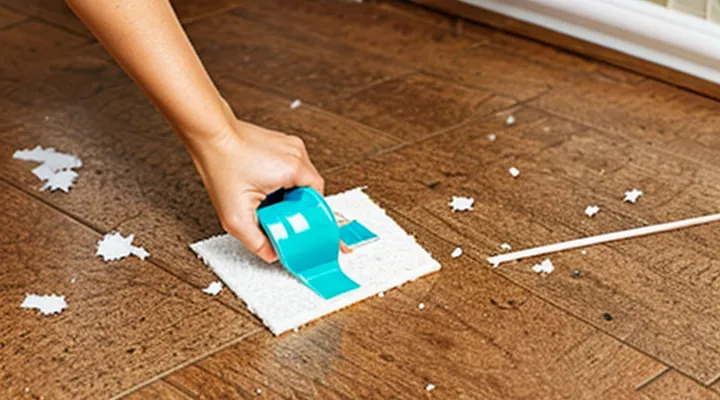
«Understanding the Problem: Mouse Glue Traps and Residue»
«What Are Mouse Glue Traps and How Do They Work?»
Mouse glue traps are flat, adhesive‑coated platforms designed to capture rodents that walk across them. The surface is covered with a non‑drying, tacky compound that remains sticky for weeks, even under low humidity. When a mouse steps onto the trap, its paws and tail become ensnared, preventing escape.
The trap’s operation relies on three basic elements:
- Adhesive layer: A polymer‑based glue that adheres to fur and skin without hardening quickly, allowing the animal to be held in place.
- Backing material: Typically cardboard, plastic, or thin wood, providing a rigid surface that supports the adhesive and can be placed directly on the floor.
- Scent attractants (optional): Food‑derived odors or pheromones applied to the trap to increase the likelihood of contact.
Placement strategy affects effectiveness. Position traps along known mouse pathways—near walls, behind appliances, or where droppings are visible. Press the trap firmly to the floor to eliminate air gaps that could reduce contact. Replace traps after a few captures or when the adhesive begins to lose its tack.
Safety considerations include wearing gloves when handling used traps to avoid skin contact with the glue, and securing the area to prevent accidental capture of non‑target pets or small children. Disposal involves sealing the trap in a plastic bag and discarding it according to local waste regulations.
«Why Is Glue Residue a Problem?»
«Aesthetic Concerns»
When mouse adhesive residue remains on a floor, its visual impact can compromise the room’s appearance. Stains, discoloration, and residue buildup disrupt the uniformity of wood grain, tile pattern, or carpet texture, making the surface look unkempt and potentially lowering perceived value.
Preserving the original finish requires selecting solvents or mechanical methods that do not erode sealants, wax, or paint. Harsh chemicals may strip protective layers, leaving the floor vulnerable to scratches and further discoloration. Testing a small, inconspicuous area before full‑scale application prevents unintended damage.
Key aesthetic considerations include:
- Color consistency: Choose cleaning agents that are color‑neutral and do not leave behind tinting or bleaching.
- Surface integrity: Opt for non‑abrasive tools; avoid steel wool or coarse scrub pads that can scratch delicate finishes.
- Residue removal: Ensure the method eliminates all adhesive traces; leftover film can attract dust and create a dull sheen.
- Drying time: Prefer fast‑evaporating solutions to reduce the period during which the floor appears wet or streaked.
- Post‑cleaning treatment: Reapply appropriate sealant or polish after residue removal to restore gloss and protect against future stains.
«Practical Difficulties»
Eliminating adhesive residue left by mouse traps on flooring presents several tangible obstacles. The glue adheres strongly to a variety of surfaces, making mechanical removal risky. Scraping with a blade can scratch hardwood, chip laminate, or damage tile grout, while excessive force may embed particles deeper into the material.
The chemical approach introduces its own constraints. Solvents capable of softening the adhesive often react with finishes, strip sealants, or discolor paint. Selecting a product that dissolves the glue without harming the substrate requires testing on an inconspicuous area, which adds time and uncertainty.
Safety considerations limit the methods available. Many solvents emit fumes that irritate the respiratory system, demanding ventilation and protective equipment. In households with children or pets, exposure risk narrows the choice of acceptable agents.
Practical execution is further complicated by the tendency of the glue to spread when wet. Applying liquid solutions can cause the adhesive to smear across a larger area, increasing cleanup workload and potentially creating new sticky zones.
Finally, disposal of contaminated materials must comply with local regulations. Used pads, cloths, and solvent containers often fall under hazardous waste categories, requiring separate collection and increasing overall effort.
- Strong adhesion vs. surface integrity
- Solvent compatibility with finishes
- Respiratory and dermal safety
- Risk of adhesive migration during treatment
- Regulatory requirements for waste handling
«Potential Hazards»
Removing mouse adhesive residue from flooring can introduce several safety concerns that require immediate attention.
The adhesive itself often contains strong chemicals such as latex, acrylic polymers, or industrial solvents. Direct skin contact may cause irritation, allergic reactions, or chemical burns. Inhalation of vapors released during solvent application or heat‑based removal can lead to respiratory irritation, dizziness, or longer‑term lung damage.
Physical interaction with the sticky material poses additional risks. Pulling hardened glue can strain muscles, damage joints, or cause accidental cuts if sharp tools are used. The residue creates a slippery surface; walking over partially removed glue can result in falls, especially on smooth tiles or polished wood.
Improper disposal of contaminated materials may attract other pests or spread the adhesive to unintended areas, contaminating food preparation zones or children's play spaces. Heat‑based methods, such as using a hair dryer or heat gun, generate localized temperatures that can ignite flammable floor finishes or nearby combustible items, creating fire hazards.
A concise list of the primary hazards includes:
- Chemical skin irritation and allergic response
- Respiratory irritation from fumes or vapors
- Musculoskeletal injury from forceful removal
- Slip‑and‑fall accidents on residual glue
- Pest attraction and cross‑contamination
- Fire risk from heat application on flammable surfaces
Mitigating these hazards involves wearing protective gloves, goggles, and respirators; ensuring adequate ventilation; testing a small area before full‑scale removal; using non‑flammable tools; and disposing of adhesive waste in sealed containers. Immediate compliance with these precautions reduces the likelihood of injury, health effects, and property damage.
«Gathering Your Tools and Materials»
«Essential Cleaning Agents»
«Natural Solutions»
Mouse trap glue can harden on hardwood, laminate, or tile, creating a stubborn, slippery layer that attracts dust and debris. Conventional solvents may damage finishes or emit fumes; natural alternatives offer effective removal while preserving floor integrity.
- Vinegar mixed with warm water (1 part vinegar to 3 parts water) softens adhesive; apply with a spray bottle, let stand 5‑10 minutes, then scrape gently with a plastic putty knife.
- Baking soda combined with a few drops of liquid dish soap creates a mildly abrasive paste; spread on the residue, allow 5 minutes to dry, then rub with a damp cloth until the glue lifts.
- Olive oil or vegetable oil penetrates the tacky surface; coat the area, wait 10 minutes, and wipe away the softened glue with a microfiber towel.
- Lemon juice, acidic enough to break down the polymer, can be applied directly; after a short soak, the residue becomes pliable and can be lifted with a soft brush.
After treatment, rinse the floor with clean water and dry thoroughly to prevent moisture damage. Test each solution on an inconspicuous spot before full application to ensure compatibility with the specific flooring material.
«Chemical Solvents»
Chemical solvents provide a direct method for dissolving adhesive remnants left by rodent traps on various flooring surfaces. Selection depends on the glue composition and the floor material.
- Acetone: effective on most synthetic adhesives; evaporates quickly; unsuitable for polished wood or laminate because it can cloud finishes.
- Isopropyl alcohol (70‑90 %): penetrates water‑based glues; safe for sealed tile, vinyl, and sealed hardwood; may require repeated application for thick deposits.
- Citrus‑based solvent: biodegradable; works well on natural‑rubber adhesives; mild on most sealed surfaces but slower than acetone.
- Mineral spirits: suitable for oil‑based adhesives; compatible with sealed stone and tile; flammable, requiring ventilation.
Application protocol:
- Test a small, inconspicuous area to confirm that the solvent does not damage the finish.
- Apply the solvent to a clean cloth or soft brush; avoid direct pouring onto the floor.
- Gently rub the adhesive spot, allowing the chemical to break down the bond for 30–60 seconds.
- Wipe away softened glue with a fresh cloth; repeat until residue disappears.
- Rinse the treated area with mild soap solution to remove solvent traces, then dry with a lint‑free towel.
Safety considerations: use gloves and eye protection; work in a well‑ventilated space; keep solvents away from open flames. Proper disposal follows local hazardous‑waste regulations.
When applied correctly, chemical solvents eliminate mouse trap glue without excessive scraping, preserving the integrity of the floor.
«Protective Gear»
When tackling adhesive residue left by rodents on a hard surface, personal safety depends on appropriate protective equipment. Direct contact with the glue can cause skin irritation, while inhalation of dust or solvent vapors poses respiratory risk. Secure barriers prevent accidental exposure and maintain a clean work area.
- Gloves: Nitrile or latex gloves with a thickness of at least 4 mil resist puncture and chemical penetration. Replace them immediately if torn or contaminated.
- Eye protection: Impact‑resistant safety glasses or goggles shield the eyes from splashes and airborne particles.
- Respiratory mask: A N95 or higher‑rated respirator filters fine dust and any volatile compounds released during solvent application.
- Protective clothing: Disposable coveralls or a long‑sleeve work shirt with aprons reduce skin exposure; choose materials that are easy to discard after use.
- Footwear: Slip‑resistant boots or shoes with steel toe caps protect against accidental drops of tools and provide stability on wet surfaces.
Before beginning, inspect all gear for integrity, ensure proper fit, and keep a spare set within reach. After the task, dispose of single‑use items according to local hazardous waste guidelines and wash reusable equipment with mild detergent. Maintaining this equipment protocol minimizes health hazards and supports efficient removal of the adhesive.
«Scraping and Wiping Tools»
When mouse‑trap glue remains on a floor, the first step is to break up the solid mass. A sturdy, flat scraper—such as a putty knife with a metal blade or a rigid plastic spatula—applies enough pressure to lift the bulk without damaging the surface. Position the tool at a shallow angle and push forward, working in short sections to avoid spreading the adhesive.
After the majority of the glue is removed, a wet‑wipe method eliminates residues. Choose a microfiber cloth or disposable wipe saturated with a solvent appropriate for the flooring material: warm soapy water for sealed wood, a diluted citrus‑based cleaner for tile, or a mild mineral‑spirit solution for laminate. Wipe in a single direction, rinsing the cloth frequently to prevent re‑deposition.
Additional tools improve efficiency and safety:
- Scraper with replaceable blade – maintains sharpness, reduces effort.
- Heat‑resistant glove – protects hands from hot solvents and sharp edges.
- Plastic putty knife – less likely to scratch delicate finishes.
- Micro‑fiber mop – covers larger areas quickly after scraping.
- Vacuum with HEPA filter – captures loosened particles before wiping.
Complete the process by drying the area with a clean, dry cloth to prevent moisture damage. Regular inspection of the floor after treatment confirms that no sticky traces remain.
«Preparing the Area for Cleaning»
«Safety First: Ventilating and Protecting»
When tackling adhesive residues left by rodents, begin by securing the work area. Open windows and doors to create a cross‑draft; position a portable fan to draw fresh air across the contaminated surface. This reduces inhalation of volatile compounds released from the glue and any cleaning agents.
- Wear disposable nitrile gloves to prevent skin contact with toxic residues.
- Use a N95 or higher‑efficiency respirator to filter airborne particles and vapors.
- Protect eyes with safety goggles that seal around the temples.
- Lay disposable drop cloths or plastic sheeting to contain runoff and facilitate cleanup.
After ventilation is established, apply a low‑odor solvent such as citrus‑based adhesive remover. Work in small sections, allowing the solvent to soften the glue before gently scraping with a plastic putty knife. Avoid metal tools that could damage the flooring.
Dispose of used gloves, wipes, and solvent‑soaked materials in sealed bags. Seal the bags, label them as hazardous waste, and follow local regulations for disposal. Finally, rinse the treated area with warm water and a mild detergent, then dry thoroughly to prevent slip hazards.
«Initial Removal of Large Debris»
When mouse‑capture glue has solidified, the first task is to eliminate all visible chunks before applying solvents. Large pieces can obstruct removal tools and spread residue if left on the surface.
- Wear disposable gloves to prevent skin contact.
- Use a flat metal or plastic scraper to lift each solid fragment. Apply steady pressure; avoid gouging the floor.
- Collect the detached pieces in a disposable container; seal it for later disposal.
- Sweep the surrounding area with a dry brush to gather loose fragments.
- Vacuum the sweeped debris with a HEPA‑rated filter to capture any microscopic particles.
After the bulk material is cleared, the floor is ready for chemical treatment or mechanical scraping of the remaining adhesive. This preparatory step reduces the amount of solvent required and minimizes damage to the underlying flooring.
«Testing Cleaning Solutions on an Inconspicuous Area»
Before applying any solvent to the entire surface, confirm that the product will not damage the finish. Select a hidden spot—such as under a piece of furniture or near a wall corner—and follow these steps:
- Apply a small amount of the chosen cleaner directly to the test area. Use a cotton swab or soft cloth to spread it evenly over the glue residue.
- Allow the solution to sit for the manufacturer‑recommended dwell time, typically 1–5 minutes. Observe any discoloration, bleaching, or surface softening.
- Gently wipe the area with a clean, damp rag. If the glue lifts without leaving a mark, proceed to the next step; if the floor shows any adverse reaction, discontinue use of that product and select an alternative.
- After removal, rinse the spot with plain water and dry thoroughly. Inspect for lingering stickiness or residue; repeat the application if necessary, but never exceed the recommended exposure time.
Document the results for each product tested. Record the cleaner’s brand, concentration, exposure duration, and any visual changes. This log will guide the final selection of a safe, effective solution for full‑scale removal of mouse adhesive from the flooring.
«Step-by-Step Glue Removal Techniques»
«Method 1: Using Heat»
«Applying Heat Safely»
Applying heat to soften rodent adhesive on a floor requires controlled temperature, proper tools, and safety measures. Excessive heat can damage flooring materials, release toxic fumes, or cause burns. Follow these guidelines to ensure effective removal while protecting the surrounding environment.
Equipment selection
- Hair‑dryer or portable heat gun with adjustable temperature settings.
- Thermometer or infrared sensor to monitor surface temperature.
- Protective gloves, safety glasses, and a fire‑resistant blanket.
Preparation
- Clear the area of loose debris and furniture to prevent accidental contact with hot surfaces.
- Test the heat source on a hidden spot of the floor to verify that the material tolerates the intended temperature.
- Set the device to the lowest temperature that softens the glue, typically between 120 °F (49 °C) and 150 °F (66 °C) for wood, laminate, or tile.
Heat application
- Hold the heat gun or hair‑dryer at a distance of 6–8 inches (15–20 cm) from the adhesive.
- Move the device continuously to avoid concentrating heat in one spot.
- Observe the glue; when it becomes pliable, stop heating to prevent overheating the floor.
Removal and cleanup
- Use a plastic scraper to lift the softened glue, minimizing damage to the substrate.
- Wipe the area with a damp cloth and mild detergent to eliminate residue.
- Allow the floor to cool completely before replacing furniture.
Safety precautions
- Keep flammable materials away from the heat source.
- Do not exceed the recommended temperature range; overheating can cause warping or discoloration.
- Ensure adequate ventilation to disperse any fumes released from heated adhesive.
By regulating temperature, monitoring the surface, and employing protective gear, heat can be applied safely to dissolve mouse glue without compromising floor integrity.
«Scraping the Softened Glue»
When adhesive residue becomes tacky after applying a solvent, the most efficient method for removal is to scrape the softened material with a rigid implement. Begin by selecting a tool that will not damage the flooring surface: a plastic putty knife, a metal scraper with a beveled edge, or a razor‑blade scraper protected by a thin piece of cardboard. Test the edge on an inconspicuous area to confirm that it does not gouge or scratch.
Apply a suitable softening agent—such as warm soapy water, a commercial adhesive remover, or a mixture of vinegar and water—and allow it to penetrate the glue for 2–3 minutes. The solvent reduces the adhesive’s cohesion, making it pliable enough to lift without excessive force.
Proceed with the scraping action as follows:
- Hold the scraper at a shallow angle (approximately 15–20°) to the floor.
- Apply steady, moderate pressure while moving the blade in one direction; avoid jerky motions that could create ridges.
- Remove the loosened layer in thin strips; thicker sections may require a second application of solvent.
- After each pass, wipe the area with a clean, damp cloth to collect residual fragments and prevent the solvent from drying and re‑hardening the glue.
If stubborn spots remain, repeat the softening‑scraping cycle until the surface is clear. Finally, rinse the floor with plain water, dry with a lint‑free towel, and inspect for any scratches. A smooth, residue‑free floor indicates successful removal.
«Method 2: Oil-Based Solutions»
«Applying Vegetable or Mineral Oil»
Applying vegetable or mineral oil is an effective method for loosening adhesive residues left by rodent traps on hard flooring. The oil penetrates the polymer matrix, reducing surface tension and allowing the glue to release from the substrate.
- Choose a food‑grade vegetable oil (e.g., canola, olive) or a mineral oil that is odorless and non‑reactive.
- Pour a small amount onto a clean cloth; avoid saturating the floor.
- Gently press the cloth onto the glue spot, let it soak for 30–45 seconds.
- Use a plastic scraper or a soft‑bristled brush to lift the softened adhesive.
- Wipe the area with a fresh damp rag to remove residual oil and glue fragments.
- Dry the floor with a lint‑free towel or allow it to air‑dry completely before foot traffic resumes.
Safety considerations:
- Test the oil on an inconspicuous area to verify that it does not discolor the finish.
- Keep oil away from open flames and hot surfaces.
- Dispose of used cloths in a sealed bag to prevent accidental ingestion by pets.
After removal, clean the floor with a mild detergent solution to eliminate any lingering oil film, then rinse with clear water and dry. This procedure restores the floor’s appearance without damaging the underlying material.
«Allowing for Penetration»
When dealing with adhesive residue left by rodent traps, the most reliable way to break the bond is to let a solvent infiltrate the glue layer. Penetration creates a chemical reaction that softens the polymer matrix, allowing the material to be lifted without damaging the substrate.
Begin by selecting a solvent that can dissolve the specific type of glue. Common choices include mineral oil, vegetable oil, or a commercial adhesive remover containing citrus or petroleum distillates. Apply the liquid generously to the affected area, ensuring complete coverage of the sticky surface.
- Wait 5–10 minutes for the fluid to seep into the adhesive.
- Gently scrape the softened residue with a plastic putty knife or a stiff card.
- Wipe away remaining traces with a clean cloth soaked in the same solvent.
- Rinse the floor with warm water and a mild detergent to eliminate any oily film.
- Dry the surface thoroughly before applying a protective finish if required.
The waiting period is crucial; it permits molecular diffusion that reduces the glue’s tensile strength. Skipping this step often results in tearing the floor finish or leaving fragments embedded in the wood grain.
If the initial application does not achieve complete softening, repeat the process. Multiple thin layers of solvent penetrate more effectively than a single heavy application, because each layer can reach deeper pockets of adhesive.
Finally, verify that the floor’s finish remains intact by testing an inconspicuous spot before full‑scale treatment. This precaution prevents inadvertent damage while ensuring the adhesive is fully removed.
«Wiping and Buffing»
When mouse‑trap adhesive remains on a hard surface, wiping followed by buffing restores a smooth, safe floor. Begin by selecting a solvent that softens the glue without damaging the substrate. Recommended options include mineral spirits for sealed wood, isopropyl alcohol for laminate, and a mild citrus‑based remover for vinyl. Apply the solvent to a clean microfiber cloth rather than directly onto the floor to control moisture.
- Dampen the cloth with the chosen solvent, ensuring it is only lightly wet.
- Press the cloth onto the glue spot for 30–60 seconds to allow the adhesive to loosen.
- Move the cloth in a steady, overlapping motion, wiping the area until the residue disappears. Replace the cloth when it becomes saturated with glue.
After the adhesive is removed, the floor requires a finishing pass to eliminate any solvent streaks and to restore uniform gloss. Use a dry, lint‑free polishing pad or a soft‑bristle brush for buffing:
- Buff the treated zone in a circular pattern, applying light pressure.
- Extend the motion a few centimeters beyond the cleaned area to blend with surrounding flooring.
- Continue until the surface reflects light evenly and feels smooth to the touch.
If a faint film remains, repeat the wiping step with a fresh cloth and a reduced amount of solvent, then repeat the buffing process. Conclude by cleaning the entire floor with a mild detergent solution and drying thoroughly to prevent slip hazards. This sequence eliminates mouse glue efficiently while preserving the floor’s integrity.
«Method 3: Solvent-Based Solutions»
«Understanding Solvent Types»
When tackling adhesive residue left by rodents on flooring, selecting the appropriate solvent determines the efficiency of removal and protects the substrate. Solvents fall into three primary categories, each with distinct chemical properties and suitable applications.
- Polar solvents – water‑based solutions such as diluted dish soap, vinegar, or commercial citrus cleaners. They dissolve water‑soluble adhesives and are safe for most sealed wood, tile, or laminate surfaces. Application involves moistening the area, allowing brief penetration, then wiping with a clean cloth.
- Semi‑polar solvents – alcohols (isopropyl, ethyl) and acetone. These break down synthetic polymers and rubber‑based glues. Use a small amount on a lint‑free pad, test on an inconspicuous spot, and avoid prolonged exposure on unfinished wood to prevent discoloration.
- Non‑polar solvents – mineral spirits, turpentine, and specialized adhesive removers containing petroleum distillates. Effective against strong epoxy or polyurethane adhesives. Apply with a disposable brush, let the solvent act for 2–3 minutes, then scrape gently with a plastic scraper to lift the softened glue.
Considerations for each type include ventilation, flammability, and material compatibility. Polar options pose minimal health risks and are ideal for light residues. Semi‑polar agents offer a balance of potency and safety for medium‑strength adhesives. Non‑polar solvents provide maximum strength but require protective gloves, goggles, and adequate airflow.
By matching the solvent’s polarity to the glue’s composition, the removal process becomes faster, reduces damage risk, and results in a clean, intact floor surface.
«Application with Caution»
Removing adhesive left by rodents requires a method that eliminates the residue without damaging the substrate. The chosen solvent or chemical must be applied sparingly, ensuring that the floor’s finish remains intact.
Before any treatment, conduct a spot test in an inconspicuous area. Observe the reaction for at least five minutes; any discoloration, warping, or surface softening indicates incompatibility. If the test shows no adverse effects, proceed with the full application under controlled conditions.
- Wear gloves and eye protection to prevent skin contact and splashes.
- Apply a minimal amount of solvent to a clean cloth, never directly onto the floor.
- Press the cloth onto the glue patch, allowing the liquid to penetrate for 30–60 seconds.
- Gently scrape the softened adhesive with a plastic putty knife; avoid metal tools that could gouge the surface.
- Wipe away residual solvent with a damp rag, then dry the area thoroughly.
After removal, ventilate the room until any lingering vapors dissipate. Store the chemicals in a sealed container, out of reach of children and pets. Refrain from repeated applications; excessive exposure may compromise the floor’s integrity.
«Post-Solvent Cleaning»
After the adhesive has been softened or dissolved with an appropriate solvent, the remaining film must be eliminated to restore the floor’s surface. Residual solvent can attract dust, cause discoloration, or weaken the finish if left unattended.
- Dampen a clean microfiber cloth with warm water and a mild pH‑neutral detergent. Wipe the treated area in a single direction to lift dissolved glue particles.
- Rinse the cloth frequently in clean water, then repeat the wipe‑down until no slip‑resistant film remains.
- For hardwood or laminate, follow the wet cleaning with a dry, lint‑free towel to remove excess moisture and prevent swelling.
- If the floor is tile or sealed concrete, a final pass with a solution of equal parts water and white vinegar neutralizes any remaining solvent traces and restores shine.
Allow the surface to air‑dry completely before walking on it. In high‑traffic zones, consider applying a thin layer of floor‑compatible sealant after cleaning to protect against future residue buildup.
«Method 4: Freezing the Glue»
«Using Ice Packs or Dry Ice»
Applying ice packs or dry‑ice blocks is an effective way to detach mouse glue without damaging the floor surface. The process relies on the adhesive’s loss of flexibility when exposed to low temperatures, causing it to crack and release from the substrate.
- Place a sealed plastic bag around a commercial ice pack or a piece of dry ice.
- Position the bag directly over the glue spot, ensuring full coverage.
- Keep the cold source in place for 5–10 minutes, or until the adhesive feels brittle to the touch.
- Gently scrape the hardened glue with a plastic putty knife or a credit‑card edge; avoid metal tools that could scratch the floor.
- If residue remains, repeat the cooling step, then wipe the area with a damp cloth and a mild floor‑safe detergent.
Safety considerations: handle dry ice with insulated gloves, work in a well‑ventilated area to prevent carbon dioxide buildup, and never leave ice packs unattended on the floor for extended periods to avoid water damage. This cold‑treatment method minimizes the need for harsh chemicals and preserves the integrity of wood, laminate, or tile finishes.
«Chipping Away Brittle Glue»
When the adhesive left by rodent traps dries, it becomes brittle and can be broken into manageable pieces. The most effective method for dealing with this type of glue is to chip it away rather than trying to dissolve it.
Begin by protecting the surrounding area. Lay down a disposable drop cloth or old newspaper to catch fragments. Wear gloves to avoid skin irritation from any residual chemicals.
Use a sturdy, flat tool such as a putty knife, a plastic scraper, or a thin metal spatula. Position the edge at the edge of the hardened glue and apply steady pressure. Work in small sections, lifting the glue away from the floor without forcing it deeper into the surface. If the glue resists, tap the tool gently with a hammer to loosen the bond.
Collect the removed pieces in a trash bag. After the bulk of the adhesive is gone, inspect the floor for remaining shards. For any stubborn fragments, repeat the chipping process, ensuring the tool remains at a low angle to avoid scratching the flooring material.
Finally, clean the exposed area with a mild detergent solution and a soft cloth. Rinse with water, dry thoroughly, and, if necessary, apply a floor‑appropriate sealant to protect the surface from future damage.
Key steps:
- Cover surrounding area and wear protective gloves.
- Choose a flat, rigid scraper (putty knife, plastic scraper, metal spatula).
- Position edge at glue perimeter, apply steady pressure, and lift.
- Tap gently with a hammer if needed to loosen brittle sections.
- Remove fragments, repeat until surface is clear.
- Clean, rinse, dry, and seal the floor.
«Dealing with Stubborn Residue and Stains»
«Repeat Applications of Cleaning Agents»
When mouse‑trap adhesive remains on a floor, a single treatment rarely dissolves the entire deposit. Applying a cleaning solution repeatedly ensures progressive softening and removal of the stubborn residue.
Each application should follow a consistent sequence:
- Saturate the affected area with a solvent‑based cleaner or a citrus‑based degreaser.
- Allow the liquid to penetrate for 5–10 minutes; the adhesive becomes pliable.
- Gently scrape with a plastic putty knife, avoiding damage to the surface.
- Wipe away the loosened material with a clean, damp microfiber cloth.
Repeat the cycle until no tacky film is detectable. Typically, three to five iterations suffice, but heavily saturated spots may require additional rounds. Between applications, rinse the floor with warm water to remove residual chemicals and prevent buildup that could impair adhesion of subsequent layers.
Monitoring the surface after each pass is essential. If the adhesive reappears after drying, extend the soaking time or switch to a stronger solvent such as mineral spirits, then resume the repeat‑application protocol. Consistent, methodical re‑treatment guarantees complete elimination of mouse glue without compromising the flooring material.
«Employing Abrasive Scrubbing (If Floor Type Allows)»
Abrasive scrubbing can eliminate residual adhesive when the substrate tolerates mechanical wear. Suitable surfaces include unfinished hardwood, sealed concrete, and stone tiles; avoid unsealed or delicate finishes such as laminate, vinyl, or painted floors, as abrasion may damage the coating.
Procedure
- Select a fine‑grade abrasive pad (e.g., steel wool #000 or non‑scratch scouring pad).
- Dampen the pad with warm water; add a few drops of mild detergent if the glue is oily.
- Apply steady pressure, moving the pad in small circular motions over the affected area.
- Periodically wipe the surface with a clean, damp cloth to remove loosened residue and prevent buildup.
- Continue until the adhesive disappears or becomes indistinguishable from the surrounding floor.
- Rinse the area with clear water and dry with a microfiber towel.
Precautions
- Test the pad on an inconspicuous spot to confirm that the finish remains intact.
- Wear protective gloves to avoid skin irritation from both the abrasive material and any remaining glue.
- Ventilate the space if solvents are used in conjunction with scrubbing.
- After cleaning, apply a suitable floor sealant if the surface has been stripped of its protective layer.
«Considerations for Different Floor Types»
«Hardwood Floors»
Hardwood flooring requires careful handling when dealing with adhesive residues left by rodent traps. The porous surface can absorb chemicals, making removal more challenging than on tile or vinyl.
Preparation
- Clear the area of debris and loose glue fragments using a plastic scraper; avoid metal tools that may gouge the wood.
- Test any solvent on an inconspicuous spot to verify that it does not discolor or dull the finish.
Solvent selection
- Choose a water‑based adhesive remover labeled safe for sealed wood. Solvents containing acetone or strong alcohol can damage the finish.
- Dilute the product according to the manufacturer’s instructions; excessive concentration increases the risk of bleaching the surface.
Application process
- Apply a thin layer of the approved remover with a soft cloth, allowing it to sit for the time specified (usually 2–5 minutes).
- Gently rub the softened glue using a non‑abrasive pad; maintain even pressure to prevent scratching.
- Wipe away dissolved residue with a clean, damp microfiber cloth. Repeat the cycle only if necessary.
Finishing steps
- Dry the floor completely with a lint‑free towel.
- If the finish appears dulled, lightly sand the affected spot with 220‑grit sandpaper and reapply a matching polyurethane coat.
- Re‑seal the entire area to restore protection against future spills.
Preventive measures
- Position traps on a disposable mat to contain any adhesive.
- Inspect the floor regularly for signs of new residue and address them promptly to avoid long‑term staining.
«Tile and Linoleum»
Mouse adhesive traps often leave residue on hard flooring such as ceramic tile and linoleum. The smooth, non‑porous nature of these surfaces allows the glue to be scraped, softened, or dissolved without damaging the material, provided the correct approach is used.
Wear disposable gloves and protective eyewear before beginning. Ensure the area is well‑ventilated; avoid inhaling fumes from solvents.
Gather the following items: a plastic scraper or old credit card, warm water, mild dish detergent, white vinegar or isopropyl alcohol, clean microfiber cloths, and a bucket. Do not use metal tools, abrasive pads, or harsh chemicals such as acetone, which can etch tile glaze or degrade linoleum backing.
- Dampen a cloth with warm, soapy water; press onto the glue for 30–60 seconds to soften the adhesive.
- Scrape the loosened residue gently with the plastic scraper, working from the edges toward the center.
- If remaining tackiness persists, apply a small amount of white vinegar or isopropyl alcohol to a fresh cloth and blot the area; allow 1–2 minutes for the solvent to act.
- Repeat scraping and blotting until the surface is clean.
- Rinse the floor with clean water, wipe dry with a dry microfiber cloth, and inspect for any streaks.
After removal, dry the floor completely and apply a thin layer of tile‑safe sealant or linoleum conditioner if the manufacturer recommends it. Regular cleaning will prevent future buildup and keep the surface ready for any additional pest‑control measures.
«Carpeted Surfaces»
Carpeted flooring contaminated with mouse adhesive requires swift, precise action to prevent permanent staining and fiber damage. Begin by isolating the affected area, laying a protective sheet or newspaper underneath to catch runoff. Apply a solvent that is safe for upholstery—such as a diluted mixture of white vinegar and warm water (1:1) or a commercial adhesive remover labeled for carpet use. Dampen a clean cloth with the solution, then press it onto the glue spot for 30–60 seconds, allowing the liquid to penetrate the adhesive.
- Gently scrape softened glue with a plastic scraper or a blunt edge; avoid metal tools that may cut carpet fibers.
- Blot the area with a fresh, damp cloth to lift residual residue; repeat solvent application if necessary.
- Rinse the treated section with a small amount of plain water, then blot dry with absorbent towels.
- Once the glue is fully removed, sprinkle a light layer of baking soda on the damp patch, let it dry, then vacuum to restore carpet texture.
After treatment, inspect the carpet for discoloration. If a faint mark remains, apply a carpet‑safe stain remover following the product’s instructions, then rinse and dry thoroughly. Ensure the floor is completely dry before allowing foot traffic to prevent re‑adhesion of debris.
«Post-Cleaning Care and Prevention»
«Thorough Rinsing and Drying»
After the adhesive has been softened and scraped away, the remaining film must be eliminated completely to prevent slipping and to protect the floor finish.
Begin by applying a generous amount of warm water mixed with a mild detergent. Use a clean mop or a soft‑bristled brush to agitate the surface, ensuring the solution penetrates every crevice where glue may linger. Rinse the area with fresh water, repeating the wash‑and‑rinse cycle until no suds or residue appear.
Once the floor is free of any trace of adhesive, remove excess moisture promptly. Employ a dry microfiber cloth or a low‑speed floor squeegee to absorb liquid. Follow with a clean, dry towel to eliminate any remaining dampness. Allow the surface to air‑dry for at least 15 minutes before walking on it or applying a protective coating.
Key actions for effective rinsing and drying:
- Warm, soapy water application
- Thorough agitation with a soft brush or mop
- Multiple rinses until clarity is achieved
- Immediate removal of liquid using absorbent material
- Final air‑dry period of 15 – 20 minutes
These steps guarantee a residue‑free floor, ready for normal use or further treatment.
«Restoring Floor Finish (If Necessary)»
After the adhesive is removed, examine the surface for scratches, discoloration, or loss of protective coating. If the finish appears compromised, restoration is required to protect the substrate and maintain appearance.
Begin by eliminating any residue left from the removal process. Use a mild detergent mixed with warm water, apply with a soft cloth, and rinse thoroughly. Allow the area to dry completely before proceeding.
If the floor’s top layer is damaged, follow these steps:
- Lightly sand the affected zone with fine‑grit sandpaper (120–150 grit) to smooth rough edges and expose fresh material. Keep the sanding motion even to avoid creating low spots.
- Remove dust with a vacuum and a tack cloth, ensuring no particles remain that could mar the new finish.
- Apply a compatible wood filler or epoxy patch to fill any gouges or holes. Follow the manufacturer’s cure time precisely.
- Once the filler is cured, sand the patched area again with progressively finer grit (180 then 220) to blend it with the surrounding surface.
- Choose a finish that matches the existing one—polyurethane, oil‑based varnish, or water‑based sealant. Apply the first coat with a high‑quality brush or a low‑nap roller, maintaining a thin, uniform film.
- Allow the coat to dry as specified (typically 2–4 hours), then lightly sand with 320‑grit paper to promote adhesion of subsequent layers.
- Apply two to three additional coats, sanding lightly between each, to achieve a durable, even sheen.
After the final coat, let the floor cure for the recommended period—often 24–48 hours—before walking on it or replacing furniture. Proper ventilation during drying reduces odor and accelerates the process. Regular maintenance, such as gentle cleaning and periodic re‑application of sealant, will extend the restored finish’s lifespan.
«Preventing Future Mouse Infestations»
«Sealing Entry Points»
Sealing entry points prevents mice from returning and reapplying adhesive traps, making glue removal a one‑time effort. Begin by inspecting walls, baseboards, and under appliances for cracks, holes, or gaps larger than a quarter inch. Prioritize openings near known mouse activity, such as near the contaminated glue spot.
- Clean each opening with a brush to remove dust and debris.
- Insert steel wool or copper mesh into gaps; these materials are difficult for rodents to chew through.
- Apply a high‑quality silicone or acrylic caulk over the filler, smoothing the surface to create a continuous seal.
- For larger holes, cut a piece of sheet metal or rigid foam, secure it with screws or nails, then caulk the edges.
- After sealing, allow the caulk to cure completely before testing the area for any remaining mouse access.
Regularly check sealed areas for new damage, especially after seasonal temperature changes, and repair promptly. Maintaining an airtight perimeter eliminates the need for repeated glue cleanup and supports a lasting, pest‑free environment.
«Proper Food Storage»
Proper food storage directly reduces the likelihood of rodent activity, which in turn minimizes the need for adhesive traps and the subsequent cleanup of residue. Secure containers prevent crumbs and odors from reaching floor surfaces, eliminating attractive food sources for mice.
Store dry goods in airtight, hard‑sided bins rather than cardboard boxes. Use containers with snap‑tight lids and keep them on elevated shelves away from walls. Regularly inspect packaging for tears or openings and replace damaged containers promptly.
Maintain a clean pantry by discarding expired items and wiping shelves with a mild detergent after each restock. Arrange food items so that none touch the floor; a minimum clearance of 6 inches deters rodents from climbing onto storage units.
When leftovers are present, place them in sealed containers and refrigerate within two hours of preparation. Label containers with dates to ensure timely consumption and avoid prolonged exposure that could attract pests.
«Alternative Pest Control Methods»
When adhesive traps fail or leave residue, consider non‑chemical strategies that deter rodents without relying on glue.
- Physical barriers: Install metal or copper mesh around entry points; rodents cannot gnaw through these materials, preventing future contamination.
- Sanitation: Eliminate food sources and water access; a clean environment reduces attraction, making traps unnecessary.
- Ultrasonic emitters: Devices emit high‑frequency sound beyond human hearing, creating an uncomfortable zone for mice and discouraging movement across treated areas.
- Predator cues: Distribute synthetic owl or hawk feathers, or use commercially available predator urine sprays; the scent triggers innate avoidance behavior.
- Habitat modification: Trim vegetation, seal cracks, and store items off the floor to remove shelter and travel routes.
Each method addresses the underlying cause of rodent activity, reducing reliance on adhesive products and minimizing the need for residue removal. Implementing a combination of these approaches creates a comprehensive, low‑impact control program that limits future glue deposits on flooring surfaces.