
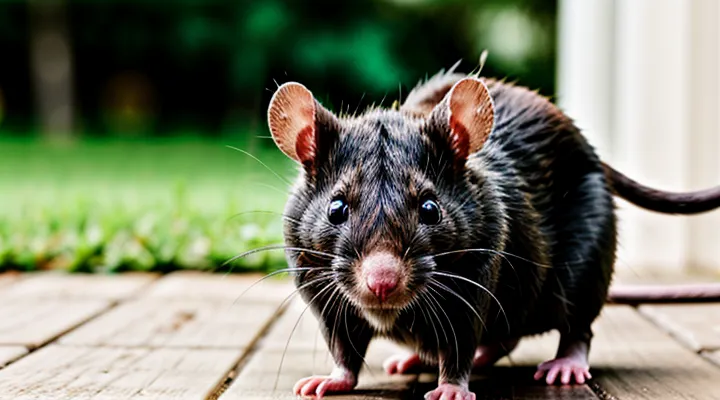
Immediate Actions Post-Bite
Assessing the Wound
Identifying Severity
When a pet rat bites and the wound begins to bleed, the first task is to determine how serious the injury is. Immediate assessment prevents complications and guides appropriate care.
Observe the wound for these indicators of severe bleeding:
- Blood flow that does not slow within 30 seconds.
- A deep puncture that exposes muscle or bone.
- Rapid swelling or discoloration spreading from the bite site.
- Signs of shock, such as pale skin, rapid heartbeat, or dizziness.
If any of these signs appear, treat the bite as a medical emergency. Apply firm pressure with a clean cloth for at least five minutes, elevate the affected area, and seek veterinary or human medical attention without delay.
When bleeding is light and stops quickly, follow these steps:
- Clean the area with mild soap and warm water.
- Disinfect with an antiseptic solution.
- Apply a sterile bandage to protect the site.
- Monitor for infection: redness, warmth, pus, or increasing pain over the next 24‑48 hours.
Document the bite’s size, depth, and location. Record the time of occurrence and any changes observed during the monitoring period. This information assists professionals in diagnosing and treating the injury accurately.
Estimating Blood Loss
When a rat bite results in bleeding, assessing the volume of blood loss is the first objective. Small rodents have limited blood volume; a 300‑gram rat carries roughly 20 ml of blood. Any loss approaching 5 ml represents a clinically relevant percentage and warrants prompt attention.
Steps to estimate loss
- Observe the wound for active spurting; continuous flow suggests more than 1 ml per minute.
- Count drops if a gauze is applied; one drop approximates 0.05 ml. Multiply the number of drops by 0.05 to obtain an estimate.
- Weigh the used dressing; each gram of absorbed blood equals 1 ml. Subtract the dry weight of the material to isolate the blood weight.
- Compare the total to the animal’s estimated blood volume; loss exceeding 10 % (≈2 ml) signals the need for veterinary intervention.
If the calculated loss is under 2 ml, apply firm pressure for 5–10 minutes, then clean the site with mild antiseptic. For losses above this threshold, contact a veterinarian immediately, as rapid fluid replacement may be required.
First Aid for the Bite
Cleaning the Wound Properly
When a pet rat punctures the skin and bleeding occurs, immediate wound care prevents infection and promotes healing. Begin by sanitizing your hands with an alcohol‑based sanitizer or soap and water. Apply gentle pressure with a clean gauze pad to control bleeding; maintain pressure for several minutes until flow subsides.
After hemostasis, rinse the area thoroughly under running lukewarm water. Use a mild antiseptic solution—such as diluted povidone‑iodine or chlorhexidine—to irrigate the wound. Avoid harsh scrubbing; let the fluid flush debris from the tissue. Pat the surrounding skin dry with a sterile gauze.
Finally, cover the cleaned wound with a sterile non‑adhesive dressing. Secure it with medical tape, ensuring the dressing remains snug but not restrictive. Replace the dressing at least once daily or whenever it becomes wet or contaminated. If signs of infection appear—redness, swelling, warmth, or pus—consult a veterinarian promptly.
Applying Pressure to Stop Bleeding
When a pet rat’s bite results in bleeding, immediate pressure is the most effective measure to control hemorrhage.
First, protect your hands with disposable gloves or a clean cloth to reduce infection risk.
Next, place a sterile gauze pad directly over the wound. Apply firm, steady pressure using the palm of your hand; avoid intermittent squeezing, which can reopen clots. Maintain the pressure for at least five minutes, checking intermittently for continued bleeding.
If bleeding persists after the initial period, add another gauze layer without removing the first, and continue pressure.
Once the flow stops, keep the pressure for an additional two to three minutes to allow clot formation. Then, gently release pressure and inspect the site. If the wound remains open or oozes, repeat the pressure application.
Finally, clean the area with mild antiseptic solution, cover with a sterile dressing, and seek veterinary advice promptly, especially if the bite is deep, the rat shows signs of infection, or the owner is unsure about tetanus vaccination status.
Bandaging the Injury
When a pet rat’s bite results in bleeding, immediate attention to the wound is essential. Begin by washing hands thoroughly, then clean the injury with warm water and mild antiseptic solution. Pat the area dry with a sterile gauze pad.
Next, apply direct pressure to stop the flow of blood. Use a clean, absorbent pad and maintain firm pressure for several minutes. If bleeding persists, add another pad without removing the first, continuing pressure until hemostasis is achieved.
After bleeding subsides, prepare a sterile dressing:
- Cut a piece of non‑adhesive gauze slightly larger than the wound.
- Place the gauze over the cleaned area, ensuring full coverage.
- Secure the gauze with a flexible, hypoallergenic bandage or self‑adhesive wrap.
- Wrap the bandage snugly but not so tight as to impede circulation; check that two fingers can slide under the material.
Finally, inspect the bandage for signs of looseness or swelling. Replace the dressing at least once daily or sooner if it becomes wet or contaminated. Observe the bite site for redness, swelling, or discharge, and seek veterinary care if any of these symptoms develop.
Understanding Why Rats Bite
Common Reasons for Biting
Fear and Stress
When a pet rat tears the skin and bleeding begins, the immediate emotional surge often includes intense fear and physiological stress. Fear triggers the sympathetic nervous system, raising heart rate and sharpening focus on the wound, which can impair steady handling of the animal and delay first‑aid measures. Stress hormones such as cortisol elevate blood glucose and suppress immune function, potentially worsening the injury’s outcome if the response is sluggish.
Effective management of these reactions relies on rapid mental and physical techniques:
- Recognize the fear response, label it, and shift attention to the task of cleaning the wound.
- Initiate deep, diaphragmatic breathing for 4‑6 seconds per inhale, followed by an equal exhale, to activate the parasympathetic system.
- Apply direct pressure with a sterile gauze pad for 5‑10 minutes to control bleeding, keeping the focus on measurable progress.
- After hemostasis, assess the rat’s behavior for signs of trauma; a calm animal is more likely to cooperate with further care.
By consciously reducing fear and stress, the caregiver maintains clear judgment, ensures proper wound management, and minimizes the risk of infection or escalation of the incident.
Pain or Illness
A rat bite that draws blood causes immediate sharp pain. The wound can quickly become swollen, red, and tender. If the animal’s teeth introduced bacteria, the area may throb, develop pus, or spread warmth beyond the bite site, indicating infection.
Symptoms of illness after a rat bite include fever, chills, rapid heartbeat, and malaise. Unusual swelling in lymph nodes near the bite, or a spreading rash, suggests systemic involvement. Persistent or worsening pain, especially after initial care, signals deeper tissue damage or infection.
Immediate care steps
- Apply firm pressure with a clean cloth for at least one minute to stop bleeding.
- Rinse the wound under running water for 30 seconds; use mild soap around the edges.
- Disinfect with an antiseptic solution such as hydrogen peroxide or povidone‑iodine.
- Cover with a sterile non‑adhesive dressing; change dressing daily or when it becomes wet.
- Administer an over‑the‑counter analgesic (e.g., ibuprofen) according to label dosage to reduce pain and inflammation.
When to seek professional medical attention
- Bleeding persists after 10 minutes of pressure.
- Redness expands more than 2 cm from the bite.
- Fever exceeds 38 °C (100.4 °F) or chills develop.
- Numbness, tingling, or loss of function in the affected limb.
- Known exposure to rabies‑endemic areas or an unfamiliar rat.
Medical evaluation may include tetanus booster verification, prophylactic antibiotics, and laboratory testing for pathogens such as Streptobacillus moniliformis (rat‑bite fever). Prompt treatment reduces pain duration and prevents serious illness.
Territoriality
Territorial instincts can provoke a rat to bite aggressively enough to cause bleeding, especially when the animal perceives an intrusion into its established space. Rats defend nests, feeding stations, and favorite routes; sudden changes in environment or handling methods that threaten these zones often trigger defensive attacks.
Indicators of territorial aggression include raised whiskers, stiff posture, rapid tail flicks, and a focused stare before a bite. The bite itself may be deeper and accompanied by a quick, forceful snap, reflecting the rat’s attempt to repel the perceived invader.
Immediate actions after a bleeding bite:
- Apply firm pressure with a clean cloth or sterile gauze for several minutes to stop bleeding.
- Rinse the wound with lukewarm water, then cleanse with mild antiseptic.
- Cover the area with a sterile bandage; monitor for signs of infection such as redness, swelling, or pus.
- Seek veterinary advice if bleeding persists beyond ten minutes or if the wound appears large.
Long‑term management reduces the likelihood of territorial bites:
- Maintain consistent cage layout; avoid frequent rearrangement of toys, tunnels, or food dishes.
- Introduce new objects gradually, allowing the rat to explore under supervision.
- Use calm, predictable handling techniques; approach from the side rather than directly in front of the rat’s face.
- Provide multiple enrichment items to distribute territorial claims across several locations, minimizing competition over a single area.
Misinterpretation of Human Cues
When a rat’s bite results in bleeding, the owner’s reaction often hinges on how accurately they read the animal’s signals. Misreading these cues can escalate a brief defensive nip into a more serious injury.
Rats communicate discomfort through subtle body language: flattened ears, rapid whisker movement, a stiffened tail, and a sudden freeze. If an owner interprets a brief pause as curiosity rather than fear, they may approach too closely, prompting the rat to bite.
Common errors include:
- Assuming eye contact indicates trust; in rats, direct stare can be threatening.
- Treating a quick head turn as invitation; it frequently signals the desire to withdraw.
- Ignoring vocalizations such as high‑pitched squeaks, which often precede defensive actions.
Correcting misinterpretation requires deliberate observation. Owners should pause when any of the listed signs appear, give the rat space, and avoid sudden hand movements. Gradual re‑introduction of handling, starting with gentle palm offers while the rat is calm, reinforces positive associations.
If a bite occurs, immediate steps are essential: apply pressure to stop bleeding, clean the wound with mild antiseptic, and monitor for infection. Simultaneously, review the preceding interaction to identify which cue was missed. Adjusting future handling based on that analysis reduces the likelihood of repeated incidents.
Accidental Bites During Feeding
When a rat bites while being fed, the injury can reach the bleeding stage despite the animal’s small size. Immediate action limits infection risk and promotes faster recovery.
- Apply firm pressure with a clean gauze pad for at least one minute to stop bleeding.
- Rinse the wound with lukewarm water, then clean with mild antiseptic solution.
- Cover the area with a sterile dressing; change it daily or whenever it becomes wet.
Observe the bite site for signs of swelling, redness, or pus. If any of these appear, or if the wound does not improve within 24 hours, seek veterinary evaluation. Rats carry bacteria such as Streptococcus and Pasteurella that can cause serious infections in humans.
Prevent future incidents by adjusting feeding techniques: use tweezers or a feeding dish, avoid hand‑to‑mouth contact, and ensure the rat is calm before offering food. Regularly trim the animal’s teeth under veterinary supervision to reduce the force of accidental bites.
Differentiating Between Bite Types
Warning Nips vs. Aggressive Bites
Pet rats may bite, but not all bites signal the same threat. A warning nip typically involves a brief, shallow puncture that stops quickly, often accompanied by a squeak or a quick retreat. An aggressive bite penetrates deeper, may cause prolonged bleeding, and is usually followed by a defensive posture such as raised fur, a stiff tail, or a prolonged stare.
Key distinctions:
- Depth: warning nips are superficial; aggressive bites reach muscle or skin.
- Duration: warning nips end within seconds; aggressive bites persist until the rat is restrained or releases.
- Accompanying signals: warning nips lack additional defensive cues; aggressive bites are paired with body language indicating fear or hostility.
When a warning nip occurs, clean the area with mild antiseptic, apply gentle pressure to stop bleeding, and observe the rat for signs of stress. Reinforce calm handling, reduce sudden movements, and provide a safe retreat space to prevent escalation.
In the case of an aggressive bite, immediate steps include:
- Secure the rat using a towel or gloved hand to prevent further injury.
- Apply firm pressure to the wound for at least one minute to control bleeding.
- Wash the site with soap and water, then disinfect with a veterinary‑approved antiseptic.
- Monitor the wound for swelling or infection; seek veterinary care if bleeding continues beyond five minutes or if signs of infection appear.
Preventive measures focus on recognizing early warning signs. Offer regular handling sessions to build trust, keep nails trimmed to reduce bite severity, and avoid overstimulation or loud noises that may trigger defensive behavior. Consistent observation of body language enables owners to intervene before a warning nip escalates into a full‑force bite.
Predatory vs. Defensive Bites
Pet rats bite for two primary reasons. A predatory bite is a rapid, forceful snap aimed at subduing prey; it is usually brief, with the animal holding the target briefly before releasing. A defensive bite occurs when the rat feels threatened, resulting in a longer, more sustained grip as the animal attempts to protect itself.
Distinguishing features help identify the motive. Predatory bites are characterized by a quick, clean incision and a lack of prolonged struggle. Defensive bites often involve a clenched jaw, shaking, and an attempt to bite repeatedly. The rat’s body language provides clues: an arched back, flattened ears, and a tense tail suggest fear, whereas a focused stare and forward lunging indicate hunting intent.
When a bite causes bleeding, the response should be systematic:
- Clean the wound with mild soap and lukewarm water; avoid harsh antiseptics that can damage tissue.
- Apply gentle pressure with a sterile gauze pad until bleeding stops, typically within a few minutes.
- Inspect the bite for deep punctures; if the wound is deeper than a half‑centimeter or shows signs of infection, seek veterinary care promptly.
- Observe the rat for changes in behavior; prolonged aggression or repeated biting may signal stress, illness, or inadequate handling, requiring environmental adjustments or professional advice.
Understanding the bite type guides both immediate care and long‑term strategies for preventing future incidents.
Preventing Future Bites
Handling Techniques
Proper Handling and Restraint
When a pet rat bites deeply enough to cause bleeding, immediate focus must shift to secure handling that prevents further injury to both the animal and the caretaker. The first action is to create a calm environment: reduce noise, dim bright lights, and eliminate sudden movements that can exacerbate the rat’s defensive posture.
Prepare protective equipment before approaching the animal. Wear thin, puncture‑resistant gloves to shield hands while maintaining tactile sensitivity. Keep a clean towel or soft cloth within reach; it will serve as a temporary barrier and a means to apply gentle pressure if needed.
Restraint should follow a three‑step protocol:
- Approach from the side – Position yourself at the rat’s flank to avoid direct eye contact, which can trigger aggression.
- Secure the tail – Grasp the base of the tail with the thumb and forefinger, applying just enough pressure to immobilize without crushing.
- Encircle the body – Slip the opposite hand around the torso, sliding the palm over the back and gently pulling the body toward the tail. Maintain a firm yet relaxed grip, supporting the hindquarters with the fingers of the first hand.
While the rat is restrained, assess the wound. Apply a sterile gauze pad to the bleeding site, using the cloth from step 2 to hold gentle pressure for one to two minutes. Once bleeding subsides, release the animal slowly, allowing it to regain composure before returning it to its enclosure.
Consistent practice of these handling techniques reduces the likelihood of repeat bites and establishes a predictable response pattern that both caretaker and rat can trust.
Building Trust and Bonding
When a rat’s bite causes bleeding, the immediate priority is to treat the wound safely and then address the underlying relationship. Proper wound care prevents infection and signals to the animal that the owner remains calm and in control, which is essential for rebuilding confidence.
First, clean the wound with mild antiseptic solution, apply a sterile dressing, and monitor for signs of infection. Simultaneously, observe the rat’s behavior for signs of stress, such as rapid breathing, freezing, or aggressive posturing.
After the physical injury is managed, focus on trust restoration through consistent, low‑stress interactions:
- Offer food from the hand at a distance that the rat accepts without reaching. Gradually decrease the gap as the animal shows comfort.
- Use gentle voice tones and slow movements. Sudden gestures can reinforce fear.
- Introduce brief, positive handling sessions lasting no longer than a few minutes. Reward calm behavior with treats.
- Maintain a predictable routine for feeding, cleaning, and playtime. Predictability reduces anxiety and encourages the rat to anticipate safe experiences.
- Provide enrichment items—tunnels, chew toys, climbing structures—to allow the rat to explore and exercise control over its environment.
Monitoring progress is critical. Record each interaction, noting the rat’s response and any signs of regression. If aggression persists despite consistent, patient bonding efforts, consult a veterinarian or a certified animal behavior specialist to rule out medical issues or to develop a tailored behavior plan.
Reestablishing a secure bond after a bleeding bite requires a two‑phase approach: immediate, hygienic wound care followed by deliberate, gentle reinforcement of positive associations. Consistency, patience, and respect for the rat’s boundaries are the core elements that transform a traumatic incident into an opportunity for stronger mutual trust.
Environmental Factors
Cage Setup and Enrichment
A well‑designed cage reduces stress that can trigger a rat to bite severely. Choose a spacious enclosure—minimum 2 sq ft per animal—and provide a solid base with a removable tray for easy cleaning. Install multiple levels, ramps, and tunnels to encourage vertical movement and prevent boredom.
Include chew‑resistant materials such as untreated wood, natural branches, and safe acrylic toys. Rotate items weekly to maintain novelty and stimulate foraging behavior. Place a hide box in a quiet corner; a secure retreat lowers anxiety and discourages defensive aggression.
Maintain hygiene by wiping any blood‑stained surfaces with a dilute chlorhexidine solution before replacing bedding. Replace soiled bedding daily and sterilize water bottles and feeding dishes weekly. Observe the rat’s posture, vocalizations, and interaction patterns after each cleaning cycle; sudden changes may signal discomfort that could lead to biting.
Provide a balanced diet with occasional enrichment foods—raw veggies, small fruit pieces, and mealworms—to satisfy natural chewing instincts. Schedule short, regular handling sessions, gradually increasing duration while monitoring the animal’s response. Consistent, low‑stress interaction reinforces trust and lessens the likelihood of a bite that results in bleeding.
Diet and Nutrition
When a pet rat inflicts a deep bite that causes bleeding, the body’s ability to repair tissue depends heavily on nutritional support. Providing the right balance of macronutrients and micronutrients accelerates clot formation, reduces inflammation, and strengthens immune defenses.
Protein supplies the amino acids required for collagen synthesis and new cell growth. Aim for 1.2–1.5 g of high‑quality protein per kilogram of body weight daily. Sources include lean poultry, fish, eggs, low‑fat dairy, legumes, and soy products. Distribute protein intake evenly across meals to maintain a steady supply of building blocks.
Vitamin C enhances fibroblast activity and stabilizes capillary walls. Include citrus fruits, strawberries, bell peppers, and broccoli to reach 90 mg for women or 110 mg for men. Vitamin C supplements may be considered if dietary intake is insufficient.
Zinc is essential for DNA replication and immune cell function. Incorporate oysters, red meat, pumpkin seeds, and fortified cereals to achieve the recommended 8 mg (women) or 11 mg (men) per day. Zinc deficiency can delay wound closure.
Omega‑3 fatty acids modulate inflammation. Provide fatty fish such as salmon, mackerel, or sardines two to three times weekly, or use algae‑based supplements for plant‑based options. A daily intake of 1–2 g of EPA/DHA supports a balanced inflammatory response.
Adequate hydration maintains blood volume and facilitates nutrient transport. Consume at least 2 L of water daily, adjusting upward if fever or increased activity occurs.
Avoid foods that impede healing: excessive sugar can impair immune function; high‑sodium processed items may increase swelling; alcohol interferes with clotting mechanisms and should be omitted until the wound fully resolves.
A sample daily plan:
- Breakfast: Greek yogurt with berries, chia seeds, and a slice of whole‑grain toast.
- Mid‑morning: Handful of pumpkin seeds and an orange.
- Lunch: Grilled salmon salad with mixed greens, bell peppers, and olive‑oil dressing.
- Afternoon snack: Cottage cheese and sliced cucumber.
- Dinner: Lean turkey stir‑fry with broccoli, carrots, and brown rice.
- Evening: Herbal tea and a small kiwi.
Supplementation should be guided by a veterinarian or a qualified nutritionist, especially if the rat’s health status or medication regimen presents special considerations. Consistent adherence to this nutritional framework promotes faster tissue repair and reduces the risk of infection following a severe bite.
Recognizing Warning Signs
Body Language of a Stressed Rat
Rats reveal stress through distinct physical cues that precede aggressive actions such as biting. Recognizing these cues enables owners to intervene before injury occurs and to manage the aftermath more effectively.
Typical stress signals include:
- Flattened ears pressed against the head
- Rigid, upright posture with a raised tail
- Rapid, shallow breathing visible at the nostrils
- Darkened or dilated pupils
- Teeth baring accompanied by a high‑pitched squeal
- Sudden, jerky movements or attempts to flee
When a rat exhibits several of these signs simultaneously, the probability of a bite rises dramatically. Immediate response should consist of calmly removing the animal from the situation, avoiding sudden motions that could further alarm it, and applying gentle pressure to the tail base to guide the rat away from the handler.
After a severe bite that results in bleeding, the first priority is to control hemorrhage with clean pressure. Following hemostasis, assess the wound for depth and contamination, then clean with mild antiseptic solution. Monitoring the rat’s behavior post‑incident provides additional insight: continued avoidance, excessive grooming of the bite area, or persistent defensive postures indicate ongoing stress that may require environmental adjustments, such as reducing noise, providing hiding spaces, and limiting handling frequency. Implementing these observations reduces future risk and supports the rat’s recovery.
Vocalizations and Postures
Rats communicate stress, fear, and aggression through distinct sounds and body positions, and recognizing these signals can prevent escalation after a bite that has broken the skin.
-
High‑pitched squeaks: Immediate threat, heightened arousal, likely to repeat biting if not addressed.
-
Low‑frequency chattering: Defensive posture, preparation for further aggression.
-
Soft, intermittent whines: Discomfort or pain, may accompany bleeding but not necessarily indicate intent to re‑bite.
-
Rigid, upright stance: Muscles tensed, back arched, tail lifted; signals readiness to attack.
-
Crouched, hunched posture: Body lowered, ears flattened, tail tucked; reflects fear and may lead to defensive biting.
-
Side‑lying or relaxed posture: Loose muscles, tail relaxed, ears forward; indicates reduced aggression, suitable for safe handling.
When a rat bites and bleeding occurs, follow these steps:
- Remain calm; sudden movements amplify stress cues.
- Observe vocal output and posture for at least five seconds to assess intent.
- If high‑pitched squeaks or an upright stance persist, cease handling, give the rat space, and secure the area to prevent further injury.
- If low‑frequency chattering appears but the posture is crouched, apply gentle restraint with a towel, focusing on calming the animal rather than forcing movement.
- When soft whines accompany a relaxed posture, clean the wound promptly, then return the rat to its enclosure, monitoring for any change in signals.
Accurate interpretation of these auditory and visual cues guides immediate response, minimizes additional bites, and supports recovery for both owner and pet.
Training and Socialization
Positive Reinforcement Methods
When a pet rat inflicts a bleeding bite, immediate medical care for the wound takes precedence. After cleaning and dressing the injury, the next objective is to modify the rat’s behavior to prevent recurrence. Positive reinforcement offers a reliable, humane pathway.
First, identify the precise trigger for the bite—such as sudden movements, loud noises, or handling errors. Record the circumstances in a brief log to detect patterns. This data guides the timing of reinforcement sessions.
During training, reward the rat for calm responses. Follow each gentle touch or approach with a high‑value treat (e.g., small piece of cooked egg, fruit puree) delivered within two seconds of the desired behavior. The tight interval strengthens the association between calmness and reward.
Implement a consistent cue phrase (“easy,” “soft”) paired with a gentle hand motion. Speak the cue before initiating contact, then wait for the rat to pause or display relaxed posture. Only after the cue is obeyed should the treat be offered. Repeating this routine builds a reliable signal that the handling will not result in pain.
Structure sessions in short bursts—three to five minutes, twice daily. End each session on a positive note, even if progress is minimal, to maintain motivation. Gradually increase the difficulty: start with brief hand hovering, then progress to light petting, and finally to brief lifts, always rewarding the calm response before moving to the next step.
If a bite occurs during a session, cease interaction immediately, refrain from punishment, and allow the rat to retreat. After a brief rest period, resume training from the previous successful step. This approach prevents fear escalation and preserves the trust built through reinforcement.
Maintain a stable environment: predictable lighting, minimal loud sounds, and regular feeding times reduce stress, which in turn lowers aggression risk. Consistency in routine, cues, and rewards reinforces the desired calm behavior, making future handling safer for both owner and rat.
Gradual Introduction to New Environments
Gradual exposure to unfamiliar surroundings reduces stress‑induced aggression in pet rats. Begin by selecting a quiet, low‑traffic area and placing familiar bedding, toys, and food to create a sense of security. Allow the rat to explore the space at its own pace, limiting human interaction during the initial minutes.
1. Set up a temporary enclosure that mirrors the new environment’s dimensions but retains known objects.
2. Introduce the rat for short intervals (5–10 minutes), observing body language for signs of tension such as flattened ears or rapid breathing.
3. Extend each session by 2–3 minutes once the animal displays relaxed posture, grooming, or calm exploration.
4. If the rat attempts to bite or exhibits defensive postures, terminate the session immediately, return to a familiar enclosure, and resume after a brief rest period.
Maintain a consistent routine: same time of day, identical placement of resources, and minimal sudden noises. Over several days, the rat will associate the new setting with safety, decreasing the likelihood of severe biting incidents. After the rat demonstrates confidence in the temporary enclosure, transition the setup to the permanent location, preserving the established cues to reinforce calm behavior.
When to Seek Professional Help
Medical Attention for Humans
Signs of Infection
A bite from a pet rat that results in bleeding introduces bacteria directly into the wound, creating a high risk of infection. Immediate cleaning with soap and water reduces surface contaminants, but vigilance for systemic involvement remains essential.
Common indicators that the wound is becoming infected include:
- Redness spreading beyond the bite margins
- Swelling or warmth around the area
- Persistent throbbing or increasing pain
- Pus or cloudy fluid discharge
- Fever above 38 °C (100.4 °F)
- Swollen lymph nodes near the bite site
Observe the wound for at least 24 hours after initial care. If any of the listed signs appear, seek professional medical evaluation promptly. Early antibiotic therapy, tetanus booster assessment, and possible rabies prophylaxis are standard interventions for rat‑bite injuries. Continuous monitoring ensures timely treatment and minimizes complications.
Tetanus and Rabies Concerns
When a domestic rat punctures the skin and bleeding occurs, two infectious risks dominate: tetanus and rabies.
Tetanus risk derives from Clostridium tetani spores that thrive in anaerobic wound environments. Immediate actions reduce this threat:
- Flush the wound with running water for at least five minutes; use mild soap if available.
- Apply gentle pressure to stop bleeding, then cover with a sterile dressing.
- Verify the latest tetanus immunization; a booster is recommended if the last dose was administered more than ten years ago, or five years for dirty wounds.
- Seek professional medical evaluation promptly; a physician may administer tetanus immune globulin and a vaccine dose if indicated.
Rabies considerations focus on the virus that can be transmitted through saliva. Pet rats are rarely rabid, yet the possibility cannot be dismissed without verification:
- Confirm the rat’s health status; a healthy, vaccinated pet poses negligible risk.
- Contact local veterinary or public‑health authorities to report the incident and obtain guidance.
- If the animal cannot be observed for ten days or is unavailable, initiate post‑exposure prophylaxis according to health‑department protocols.
- Document the bite details—time, location, animal behavior—to aid medical decision‑making.
Overall, prompt wound care, verification of tetanus immunization, and consultation with health professionals constitute the essential response to a bleeding rat bite.
Consulting a Doctor
If a rat bite produces bleeding, professional medical evaluation is essential. Immediate steps include applying pressure to stop the flow, cleaning the wound with mild soap and water, and covering it with a sterile dressing. After these measures, contact a healthcare provider without delay.
When calling the clinic or emergency department, convey the following details:
- Species and health status of the animal (e.g., domesticated rat, recent veterinary check‑up).
- Size and location of the puncture or laceration.
- Time elapsed since the incident.
- Presence of any visible signs of infection (redness, swelling, pus).
- Personal medical history relevant to wound healing (diabetes, immunosuppression, allergies to antibiotics).
The clinician will assess the risk of bacterial infection, including Streptobacillus moniliformis and other rodent‑associated pathogens. They may prescribe:
- Empirical antibiotics targeting common rat‑borne bacteria.
- Tetanus prophylaxis if immunization status is uncertain or outdated.
- Analgesics for pain management.
Follow‑up instructions typically involve monitoring the site for increasing redness, warmth, or discharge, and returning for reassessment if symptoms worsen. Documentation of the bite and any treatment received should be retained for future reference.
Veterinary Consultation for Rats
Persistent Aggression
Persistent aggression in a domesticated rat signals underlying stress, health issues, or misdirected social behavior. When such aggression results in a bite that causes bleeding, immediate and systematic action protects both the animal and the owner.
Visible indicators of ongoing aggression include repeated lunging, teeth snapping without provocation, and a refusal to retreat when approached. Contributing factors often involve inadequate enrichment, territorial disputes, pain from illness, or hormonal fluctuations.
Responding to a bleeding bite requires two phases: emergency care and long‑term behavior modification.
- Apply gentle pressure with a clean cloth to stop bleeding; maintain pressure for at least one minute.
- Clean the wound with mild antiseptic solution; avoid harsh chemicals that could irritate tissue.
- Observe the rat for signs of shock: lethargy, rapid breathing, or pale gums. If any appear, seek veterinary assistance promptly.
- Record the incident: date, time, circumstances, and the rat’s demeanor before the bite.
- Evaluate the environment for triggers: overcrowding, lack of tunnels, or sudden changes in routine.
- Introduce enrichment items—chewing toys, climbing structures, foraging puzzles—to reduce boredom and redirect energy.
- Schedule a health check to rule out pain or illness that may provoke aggression.
- Implement consistent handling techniques: approach slowly, support the body, and limit direct eye contact that can be perceived as threatening.
- If multiple rats coexist, consider gradual re‑introduction under supervised conditions, monitoring for dominance disputes.
- Maintain a regular schedule for feeding, cleaning, and interaction to provide stability.
Addressing persistent aggression eliminates the risk of repeat bleeding incidents and promotes a healthier, calmer companion.
Sudden Behavioral Changes
A rat that suddenly attacks and draws blood often signals a shift in its mental or physical state. Recognizing the underlying change is essential for safe handling and effective intervention.
Common triggers for abrupt aggression include pain, illness, fear, or environmental stress. Indicators that a rat is experiencing one of these triggers may appear as:
- Withdrawal from social interaction or reduced grooming
- Rapid breathing, panting, or trembling
- Uncharacteristic vocalizations such as high‑pitched squeaks
- Excessive aggression toward familiar handlers or cage mates
When a bite occurs, immediate steps protect both the owner and the animal:
- Separate the rat calmly; avoid sudden movements that could heighten fear.
- Apply gentle pressure to the wound with a clean cloth to stop bleeding.
- Clean the site with mild antiseptic solution; monitor for signs of infection.
- Observe the rat for additional abnormal behaviors; record any patterns.
- Contact a veterinarian promptly, especially if the bite was severe, the rat shows lethargy, loss of appetite, or unusual discharge.
After veterinary assessment, address the root cause. Pain relief, treatment of illness, or adjustments to habitat—such as reducing loud noises, providing hiding spaces, or stabilizing temperature—can restore normal behavior and reduce the risk of future biting incidents. Continuous monitoring of the rat’s demeanor ensures early detection of any recurrence.
Underlying Health Issues
Pet rats may bite severely when underlying health problems create pain or discomfort. Recognizing these conditions helps prevent injuries and supports the animal’s welfare.
Common medical factors that trigger aggressive biting include:
- Dental overgrowth or malocclusion, which causes constant mouth pain.
- Skin infections, abscesses, or wounds that make the rat hypersensitive to touch.
- Respiratory or gastrointestinal illness that induces lethargy and irritability.
- Nutritional deficiencies, particularly low calcium or vitamin C, leading to muscle cramps and agitation.
- Hormonal fluctuations during breeding cycles, which can increase territorial behavior.
- Neurological disorders such as seizures or vestibular dysfunction that affect coordination and response to stimuli.
- Chronic pain from arthritis, spinal misalignment, or internal injuries.
A veterinary examination should assess each of these possibilities through physical inspection, dental radiographs, blood work, and, when needed, imaging studies. Prompt treatment—dental trimming, antimicrobial therapy, dietary correction, or pain management—reduces the likelihood of severe bites. Continuous monitoring of the rat’s behavior and health status remains essential for early detection of recurring issues.
Long-Term Care and Relationship Repair
Rebuilding Trust with Your Rat
Gradual Reintroduction and Positive Reinforcement
When a rat bite results in bleeding, the immediate priority is wound care and veterinary assessment. After medical needs are addressed, rebuilding the animal’s confidence requires a methodical return to interaction that couples controlled exposure with reward‑based training.
- Begin with a neutral enclosure separate from the primary habitat. Allow the rat to explore the space without direct hand contact for several minutes each day.
- Position the hand at a comfortable distance, keeping movements slow and predictable. Observe the rat’s body language; retreat if signs of tension appear.
- Gradually decrease the gap by a few centimeters per session, never forcing contact. Continue until the rat approaches voluntarily.
Positive reinforcement solidifies the new association between the owner and a safe environment.
- Offer a small, high‑value treat each time the rat approaches within reach or exhibits calm behavior near the hand.
- Pair the treat with a brief, gentle touch on the back or head, limiting contact to a few seconds initially.
- Use a consistent cue word or clicker sound to mark the exact moment of desired behavior, reinforcing predictability.
- Increase the duration of touch incrementally, always ending the session on a positive note.
Progress assessment should be recorded daily, noting distance, response latency, and signs of stress. If regression occurs, revert to the previous comfortable distance before advancing again. Consistent, low‑pressure exposure combined with immediate rewards gradually restores trust while minimizing the risk of future aggression.
Avoiding Punishment
When a domesticated rat delivers a bite that results in bleeding, the instinct to punish can undermine trust and worsen behavior. Effective response focuses on wound care, behavior assessment, and reinforcement of calm interactions, while deliberately avoiding punitive measures.
First, address the injury. Clean the wound with mild antiseptic, apply pressure to stop bleeding, and monitor for signs of infection. Seek veterinary evaluation if bleeding persists or the rat shows distress.
Second, evaluate the circumstances of the bite. Identify triggers such as sudden movements, handling errors, or fear responses. Document patterns to distinguish isolated incidents from recurring aggression.
Third, implement corrective strategies without punishment:
- Replace harsh scolding with calm, neutral tone.
- Pause handling sessions immediately after the bite; give the rat space to recover.
- Reinforce gentle behavior using treats or soft petting when the rat remains calm during future interactions.
- Adjust handling technique: support the body, avoid restraining the neck, and move slowly to reduce perceived threat.
- Provide enrichment (toys, tunnels) to reduce stress and prevent frustration‑driven aggression.
Finally, maintain consistent routine. Regular, low‑stress contact builds confidence and reduces the likelihood of future bites. If aggression continues despite these measures, consult a veterinary behavior specialist for tailored guidance.
Monitoring Rat's Behavior
Journaling Behavioral Patterns
Keeping a systematic record of a rat’s actions before and after a serious bite provides measurable data for safe handling. A written log transforms isolated incidents into a pattern that can be anticipated and mitigated.
Document each episode with precise details:
- Date and time of the bite.
- Location of the bite on the body and severity of bleeding.
- Immediate circumstances (feeding, handling, environmental changes).
- Rat’s observable behavior moments before the incident (posturing, vocalizations, movement).
- Owner’s response (touch, restraint, verbal cues).
Review entries weekly to identify recurring triggers. Look for clusters such as:
- Increased aggression after a specific feeding schedule.
- Bite occurrence during handling after a change in cage layout.
- Correlation between temperature fluctuations and defensive posture.
When a trigger is confirmed, adjust the routine accordingly:
- Align feeding times with calm periods identified in the log.
- Modify handling technique to avoid the posture that precedes aggression.
- Stabilize ambient temperature to the range that coincides with reduced biting.
Implement preventive measures based on the journal’s conclusions, then continue recording to verify effectiveness. Ongoing documentation ensures that each response is grounded in observed behavior rather than speculation.
Seeking Expert Behavioral Advice
When a pet rat delivers a bite that results in bleeding, immediate professional guidance becomes critical. The incident signals a possible shift in the animal’s stress level, health status, or environmental cues that only a qualified specialist can accurately interpret.
Professional insight prevents recurrence and safeguards both the rat’s welfare and the owner’s safety. An expert can differentiate between defensive aggression, pain‑induced reactions, and territorial behavior, then recommend precise interventions tailored to the individual’s temperament and living conditions.
Steps to secure qualified behavioral advice:
- Identify a veterinarian experienced with small rodents; verify credentials and rodent‑specific continuing education.
- Locate a certified animal behaviorist who lists exotic or small‑mammal expertise; request references or case studies involving rats.
- Contact the selected professional to schedule an in‑person assessment; prepare a brief record of the bite incident, including timing, context, and any recent changes in diet, housing, or handling.
- During the consultation, provide the specialist with access to the rat’s enclosure, routine schedule, and any observable stress signals (e.g., excessive grooming, vocalizations, or aggression toward cage mates).
The specialist’s evaluation will typically include a health examination to rule out pain or illness, a behavior analysis to identify triggers, and a plan that may involve enrichment adjustments, handling techniques, and a monitoring schedule. Follow‑up appointments ensure the prescribed modifications produce the intended reduction in aggressive incidents.