
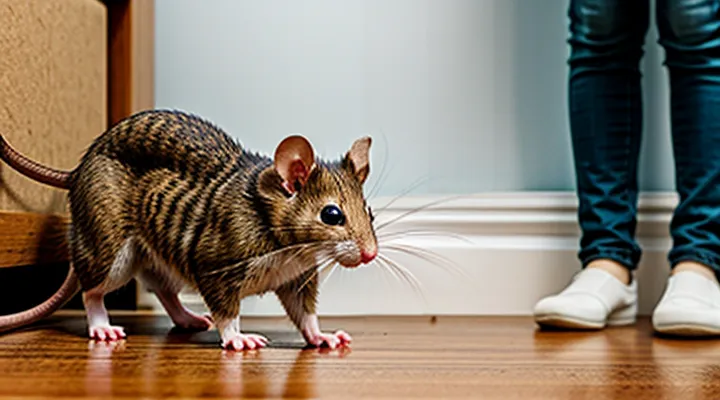
Understanding the Mouse Problem
Identifying Mouse Presence
Signs of Infestation
Signs of infestation provide the primary data needed to plan an efficient rodent control strategy in a dwelling. Early detection reduces the amount of toxicant required and limits exposure risk for occupants.
• Presence of droppings, typically dark, pellet‑shaped, found along walls, behind appliances, or in concealed corners.
• Gnaw marks on furniture, cables, food packaging, or structural elements, indicating active chewing.
• Grease tracks or smudges along baseboards and cabinets, left by the animal’s oily fur.
• Scratching noises, especially at night, heard within walls, ceilings, or empty rooms.
• Unusual odors, often described as musky or ammonia‑like, emanating from nesting sites.
• Sightings of live mice or fresh footprints in dusty areas.
Identifying these indicators promptly enables the selection of the most cost‑effective toxic bait, appropriate placement density, and minimal waste of resources. Accurate assessment prevents unnecessary expenditure on excessive quantities of poison and supports compliance with safety regulations.
Locating Entry Points
Mice gain access through structural gaps, utility penetrations, and ventilation components. Identifying these routes is essential for effective control and cost‑efficient placement of rodenticides.
Typical entry points include:
- Gaps around pipes, cables, and wires exceeding ¼ inch.
- Unsealed cracks in walls, floors, and foundation joints.
- Openings behind appliances such as refrigerators, dishwashers, and stoves.
- Damaged or missing weather stripping on doors and windows.
- Vents, dryer exhausts, and chimney flues lacking mesh screens.
- Utility openings for electrical conduits, plumbing, and gas lines.
Inspection procedure:
- Conduct a visual sweep of interior walls, baseboards, and ceilings, focusing on corners and junctions.
- Use a flashlight to illuminate dark recesses and detect movement or droppings.
- Apply a thin sheet of talc or powdered chalk along suspected gaps; disturbance indicates rodent activity.
- Examine exterior perimeters for cracks, gaps, and gaps around exterior doors and windows.
- Seal identified openings with steel wool, caulk, or expanding foam before deploying poison baits.
Sealing entry points reduces bait consumption and lowers overall expense by limiting re‑infestation. Immediate remediation of discovered gaps prevents future incursions and maximizes the efficacy of any poisoning strategy.
Assessing the Scale of Infestation
Visual Inspection
Visual inspection provides the primary data needed to plan a cost‑effective rodent‑poisoning strategy in a dwelling. Inspectors should focus on three categories: evidence of activity, potential entry points, and placement suitability for bait stations.
Evidence of activity includes droppings, gnaw marks, and urine stains. Droppings found near food storage, along walls, or in concealed corners indicate active foraging zones. Gnaw marks on wiring, furniture, or structural components reveal preferred pathways. Fresh urine trails, detectable by a metallic scent, confirm recent movement.
Potential entry points encompass gaps around pipes, vents, and doors. Measure each opening; gaps larger than ¼ inch permit mouse ingress. Sealable materials such as steel wool combined with caulk reduce future entry and lower long‑term bait consumption.
Placement suitability assesses surface type, accessibility, and risk to non‑target occupants. Flat, dry surfaces near identified activity zones allow stable bait placement. Avoid locations within reach of children, pets, or food preparation areas. Secure bait stations with lockable covers where required by local regulations.
A concise checklist can streamline the inspection process:
- Locate droppings and gnaw marks; record density per square meter.
- Identify and measure all gaps; prioritize those exceeding ¼ inch.
- Map high‑traffic routes; mark optimal bait station sites.
- Verify compliance with safety standards for bait containment.
Accurate visual assessment reduces unnecessary bait purchase, limits exposure risk, and facilitates targeted application of rodenticides, ultimately lowering overall expenditure while maintaining effective control.
Dropping Analysis
Dropping analysis refers to the systematic evaluation of gravity‑based delivery of rodenticide within a residential unit. The approach quantifies how placement height, particle size, and dosage concentration influence mortality rates and exposure risk to occupants. Data collection includes drop distance, impact surface, and dispersion pattern, allowing precise calibration of lethal dose per individual mouse.
Key variables affect both efficacy and safety. Height selection determines kinetic energy; higher drops increase impact force but may elevate dust generation. Particle granularity controls adhesion to surfaces and likelihood of ingestion after impact. Dosage concentration must balance rapid lethality against the potential for sub‑lethal exposure, which can lead to bait aversion. Environmental factors such as flooring material and ventilation influence residue spread and cleanup requirements.
Cost considerations separate into material, labor, and disposal components:
- Rodenticide purchase: bulk pricing reduces unit cost but may require specialized formulation for dropping.
- Application labor: professional placement of drop points and calibration of release mechanisms incurs hourly rates.
- Protective equipment: gloves, masks, and containment trays add fixed expenses.
- Waste management: collection and safe disposal of contaminated debris follow regulatory fees.
Comparative assessment shows that dropping delivers a discreet, low‑visibility method relative to traditional bait stations. Advantages include reduced tampering risk and minimal visual clutter. Limitations involve the need for precise positioning to avoid accidental contact with human traffic and the potential for uneven distribution in cluttered rooms. Cost efficiency improves when the number of required drop points aligns with the apartment’s layout, minimizing material waste while maintaining coverage.
Overall, dropping analysis provides a data‑driven framework for selecting, pricing, and implementing a gravity‑based poisoning strategy that meets efficacy standards and regulatory safety requirements.
Rational Poisoning Strategies
Choosing the Right Bait
Types of Rodenticides
Rodenticides fall into distinct categories defined by active ingredient and physiological impact on rodents. Selecting an appropriate class balances efficacy, safety, and expense for indoor applications.
• «Anticoagulants» – interfere with blood clotting; primary compounds include warfarin, brodifacoum and difethialone. Single‑dose products typically cost $0.10–$0.30 per tablet; multi‑dose formulations range $0.05–$0.15 per tablet. Require several days to induce mortality, reducing immediate odor concerns.
• «Bromethalin» – disrupts neuronal energy metabolism. Effective at low concentrations, priced $0.12–$0.25 per pellet. Causes rapid onset of paralysis, suitable when swift elimination is desired.
• «Zinc phosphide» – releases phosphine gas upon ingestion. Costs $0.20–$0.35 per tablet. Immediate toxic effect, but strong odor limits placement in confined living spaces.
• «Cholecalciferol» (vitamin D3) – induces hypercalcemia leading to organ failure. Market price $0.08–$0.18 per capsule. Low secondary poisoning risk, advantageous in multi‑unit dwellings.
• «Sodium fluoroacetate» – blocks the citric‑acid cycle. Price $0.15–$0.30 per granule. Highly toxic, necessitates sealed bait stations to prevent accidental exposure.
Each category presents a specific risk profile and cost structure. Anticoagulants dominate market share due to affordability and delayed action, while bromethalin and cholecalciferol address scenarios demanding rapid results or reduced secondary toxicity. Proper selection aligns with the overall objective of efficient, controlled mouse eradication in an apartment setting.
Bait Formulations
Bait formulations designed for indoor rodent control combine toxic agents with attractants to ensure rapid consumption by mice while minimizing exposure to non‑target organisms. Formulations are calibrated to deliver lethal doses within a short period, reducing the number of applications required in a confined living space.
Active ingredients fall into three principal categories:
- Anticoagulants (e.g., warfarin, brodifacoum, difenacoum) – inhibit blood clotting, cause internal hemorrhage.
- Neurotoxins (e.g., bromethalin, chlorophacinone) – disrupt neuronal function, produce paralysis.
- Metabolic poisons (e.g., zinc phosphide) – release phosphine gas upon ingestion, impair cellular respiration.
Each category is available in several delivery formats. Pellet‑type baits provide precise dosing, block‑type baits offer greater mass for prolonged exposure, and liquid emulsions permit application to hard‑to‑reach areas. Cost per kilogram varies according to active ingredient potency and formulation complexity:
- Anticoagulant pellets: $15 – $25.
- Neurotoxin blocks: $18 – $30.
- Zinc phosphide liquids: $22 – $35.
Selection criteria prioritize potency, palatability, and stability under typical apartment conditions (temperature, humidity). High‑palatability attractants – grain, peanut butter, or dried fruit – are blended with the toxic core to encourage immediate consumption. Concentrations are calibrated to deliver an estimated 0.1 mg of active ingredient per gram of bait, aligning with established lethal dose thresholds for adult mice.
Placement guidelines emphasize concealed locations near known activity paths, while avoiding areas accessible to children or pets. Bait stations constructed of metal or heavy‑duty plastic prevent accidental handling and contain the formulation within a controlled environment. Regular inspection of stations ensures bait integrity and facilitates timely replacement, sustaining efficacy throughout the control period.
Strategic Placement of Baits
High-Traffic Areas
High‑traffic zones in an apartment provide the most reliable points for delivering rodenticide to mice. These areas include kitchen countertops, pantry shelves, under the sink, behind refrigerators, and entryways to rooms. Placement of bait in such locations maximizes exposure because mice travel along these routes while foraging.
- Bait type – anticoagulant pellets and quick‑acting toxins both function effectively; choice influences cost per unit and required dosage.
- Quantity – a single 0.5 g pellet per high‑traffic spot typically suffices; replenishment every 3–5 days maintains potency.
- Containment – sealed bait stations prevent accidental ingestion by non‑target species and reduce waste, adding a modest expense that improves safety.
- Distribution – spacing stations 1–2 m apart along walls and under cabinets creates a continuous barrier without excessive product use.
Cost efficiency derives from targeting only the most frequented pathways. Over‑application in low‑traffic corners inflates expense and increases risk without improving kill rates. Monitoring stations weekly identifies depleted bait and confirms activity, allowing precise adjustments to inventory and placement.
Safety Considerations for Pets and Children
When deploying rodenticides in a residential unit, the presence of non‑target animals demands strict control measures.
Poison containers must be sealed and placed out of reach of children and pets. Store them in locked cabinets or high shelves, preferably behind a child‑proof latch.
Access routes to bait stations should be limited to areas inaccessible to cats, dogs, birds, or small mammals. Install barriers such as plastic grates or mesh with openings smaller than 1 cm.
If bait is used, select formulations that require ingestion of a specific dose to be lethal; this reduces accidental exposure from incidental contact.
Monitoring after application is essential. Conduct visual inspections at least twice daily for signs of secondary poisoning, such as lethargy or vomiting in animals.
Dispose of used bait and contaminated materials in sealed, labeled bags, then place them in a hazardous‑waste collection point.
Recommended practices:
- Keep all rodenticides in original packaging with clear hazard labels.
- Record the location, type, and quantity of each bait placement.
- Educate household members about the risks and emergency procedures.
- Maintain a pet‑safe environment by removing food dishes and toys from bait zones.
In the event of suspected ingestion, contact a veterinary professional immediately and provide product details. Prompt treatment can mitigate severe outcomes.
Monitoring and Follow-Up
Bait Consumption Tracking
Effective rodent control in an apartment hinges on precise monitoring of bait uptake. Accurate tracking converts raw material costs into measurable outcomes, allowing adjustments that maintain lethal efficacy while minimizing waste.
Key data points to record include:
- Initial bait mass placed at each station;
- Timestamp of placement;
- Remaining mass at regular intervals;
- Number of rodents confirmed dead;
- Environmental variables such as temperature and humidity.
Measurement tools range from portable digital scales to calibrated dispensers with built‑in volume indicators. Recording can be performed on paper logs or simple spreadsheet templates; both options incur negligible expense compared with bait acquisition.
Consumption rate calculation follows the formula: (initial mass − remaining mass) ÷ elapsed days. The resulting daily depletion figure aligns with infestation intensity, guiding dosage recalibration. If consumption exceeds projected thresholds, increase station density or replace bait with higher‑potency formulations. Conversely, low uptake signals possible bait aversion, prompting flavor modification or alternative toxicants.
Systematic data collection yields cost efficiency by restricting purchase to quantities justified by observed consumption. It also supports compliance with safety regulations, as documented usage demonstrates responsible handling of hazardous substances.
Re-Baiting Schedules
Re‑baiting schedules determine when fresh poison baits replace exhausted ones, ensuring continuous control of rodent activity. A predictable timetable prevents gaps that allow surviving mice to resume feeding, thereby maintaining pressure on the population.
Typical intervals depend on bait type and environmental conditions. For anticoagulant pellets, replace every 3–4 days in high‑traffic areas; for fast‑acting powders, replace every 2 days when humidity exceeds 60 %. Low‑traffic zones may extend to 7 days without loss of efficacy. Adjustments follow observed consumption rates: rapid depletion signals increased activity, prompting earlier replacement.
Cost considerations focus on balancing bait expenditure against labor. Bulk purchasing reduces unit price by 15–20 %. Scheduling replacements during routine cleaning cuts additional labor time. A simple calculation—average daily bait cost multiplied by days between replacements—provides a baseline budget; adding a 10 % contingency covers unexpected spikes in consumption.
Effective re‑baiting relies on systematic observation. Record bait weight before placement, check weight after each interval, and note any signs of avoidance. If weight loss falls below 30 % of initial mass, schedule the next replacement sooner. Conversely, minimal loss permits extending the interval, conserving resources.
- Identify high‑traffic zones; assign 2‑day replacement cycle.
- Mark low‑traffic zones; assign 5‑7‑day cycle.
- Weigh bait at placement; log weight daily.
- Replace when weight drops below 30 % of original.
- Review consumption data weekly; adjust intervals accordingly.
Alternative and Supplementary Methods
Trapping as an Adjunct
Snap Traps
Snap traps provide a mechanical alternative to chemical rodenticides while maintaining cost efficiency in a residential setting. Their immediate kill mechanism eliminates the need for delayed toxicity, reducing exposure risk for occupants and pets.
A typical snap trap consists of a spring‑loaded bar, a trigger platform, and a sturdy base. The bar releases with sufficient force to break the vertebral column of a mouse, ensuring rapid mortality. Models vary in size, material (plastic or metal), and sensitivity adjustment.
Cost considerations:
- Basic plastic units: $2–$5 each.
- Reinforced metal versions: $5–$12 each.
- Bulk packs (10–20 units): $15–$30, lowering per‑trap expense.
- Additional accessories (bait stations, protective gloves): $3–$8 per item.
Deployment guidelines:
- Position traps along walls, behind appliances, and in known activity corridors.
- Use a small amount of attractive bait (peanut butter, dried fruit) placed on the trigger platform.
- Set the trigger sensitivity to accommodate the target species without false releases.
- Check traps daily; remove captured rodents promptly to prevent odor buildup.
- Dispose of carcasses in sealed bags, then clean the trap with disinfectant before reuse.
Safety measures include wearing gloves during handling, securing traps out of reach of children, and labeling the area as “trapped”. Regular inspection prevents accidental activation.
When compared with rodenticides, snap traps present a lower upfront cost and eliminate the need for repeated purchases of poison. The per‑kill expense remains competitive, especially when bulk packs are employed. Proper placement and maintenance maximize efficacy, making snap traps a rational component of an integrated mouse‑control strategy in an apartment environment.
Glue Traps
Glue traps offer a non‑chemical approach to rodent control in a residential setting. The device consists of a sheet coated with adhesive, typically placed along walls, behind appliances, and near known entry points. Once a mouse contacts the surface, it becomes immobilized, allowing for later disposal.
Cost considerations are straightforward. A standard 12‑inch trap costs between $0.25 and $0.40 per unit when purchased in bulk. Packs of 100 traps range from $20 to $30, providing a per‑trap price advantage. Additional expenses include protective gloves ($5–$8 for a pair) and sealed disposal bags ($2–$3 per box). The total investment for a typical one‑room apartment, assuming placement of 10 traps, remains under $10 for the traps themselves, with supplementary safety items adding roughly $10.
Methodology:
- Identify high‑traffic pathways using visual signs of droppings or gnaw marks.
- Position traps perpendicular to the wall, adhesive side facing the expected travel direction.
- Secure traps with tape or a small weight to prevent displacement.
- Inspect daily; remove captured rodents with gloves, place in sealed bag, and dispose of according to local regulations.
- Replace traps promptly to maintain continuous coverage.
Effectiveness is contingent on proper placement and regular monitoring. Studies indicate capture rates of 70–85 % when traps are positioned at established runways. However, glue traps do not deliver a lethal dose; they merely immobilize the animal, requiring manual removal.
Safety notes:
- Keep traps out of reach of children and pets; accidental contact can cause distress.
- Use disposable gloves to avoid skin irritation from adhesive residues.
- Follow local waste‑disposal guidelines for dead rodents to prevent disease transmission.
In summary, glue traps present a low‑cost, readily available method for managing mouse infestations in an apartment, provided that users adhere to strategic placement, routine inspection, and appropriate safety practices.
Exclusion Techniques
Sealing Entry Points
Sealing entry points constitutes the first line of defense before deploying any toxic bait. Identifying gaps eliminates the need for higher concentrations of poison, reduces exposure risk, and lowers overall expenditure.
Common infiltration routes include:
- Gaps around baseboards and floorboards, typically 1‑3 mm wide.
- Openings behind appliances, especially refrigerators and stoves.
- Unsealed pipe sleeves and cable conduits.
- Cracks in wall plaster or drywall near windows and doors.
Effective sealing methods:
- Apply stainless‑steel mesh (¼‑inch gauge) to larger openings; cost ranges from $5 to $12 per square foot, offering durability against chewing.
- Use silicone‑based rodent‑proof sealant for gaps under 2 mm; a 10‑oz tube costs $4‑$7 and provides a flexible barrier.
- Install expandable foam rods for irregular cracks; price per can is $6‑$9, with a cure time of 10‑15 minutes.
- Fit metal flashing around pipe penetrations; material costs $3‑$5 per linear foot, secured with stainless screws.
After sealing, verify integrity by conducting a visual inspection and a low‑pressure air test. Re‑seal any missed spots before placing poison stations. This preventative step reduces the quantity of bait required, directly influencing the cost efficiency of rodent eradication in a residential setting.
Maintaining Apartment Hygiene
Maintaining a clean living space reduces the likelihood of rodent attraction and complements any chemical control strategy. Regular removal of food residues, proper storage of perishables, and immediate disposal of waste eliminate primary food sources for mice. Sealing entry points—such as gaps around pipes, vents, and door frames—prevents access to the interior, thereby lowering the required dosage and frequency of toxic baits.
Key hygiene actions include:
- Cleaning countertops and floors after meals; use a damp cloth to remove crumbs and spills.
- Storing grains, cereals, and pet food in airtight containers; avoid leaving open packages on shelves.
- Emptying trash bins daily; secure lids to contain odors that may draw pests.
- Inspecting and repairing damaged screens, baseboards, and flooring seams; apply steel wool or silicone caulk to fill openings.
- Vacuuming behind appliances and furniture regularly; collect debris that could serve as nesting material.
Implementing these practices minimizes the amount of poison needed, which directly influences overall expenditure. Fewer bait stations and reduced replenishment cycles translate into lower material costs and less frequent professional intervention. Consistent hygiene also limits secondary contamination risks, ensuring that any deployed toxic agents remain confined to targeted areas and do not compromise resident health.
Cost Analysis
Initial Investment in Bait and Traps
Pricing of Different Rodenticides
Pricing of rodenticides varies by active ingredient, formulation, and packaging size. Commercial anticoagulant baits such as «brodifacoum» or «diphacinone» are typically sold in 50‑gram sachets for $3 to $5, while bulk 1‑kilogram containers range from $45 to $60. Second‑generation anticoagulants like «bromadiolone» cost $4 to $7 per 50‑gram pack and $50 to $70 per kilogram. Non‑anticoagulant options, for example zinc phosphide pellets, are priced at $2 to $3 per 25‑gram packet and $40 to $55 per kilogram. Powdered formulations of «warfarin» sell for $0.10 to $0.15 per gram, with common 100‑gram packages priced around $12 to $15. Traps pre‑loaded with poison (snap or glue) are marketed as kits; a standard kit containing ten traps and 5 grams of bait costs approximately $20 to $30. Bulk purchases for professional pest‑control services often receive volume discounts, reducing unit cost by 10 % to 25 % compared with retail prices.
Cost of Various Trap Types
The financial outlay for rodent‑control solutions in a dwelling varies markedly by device type. Snap traps represent the lowest entry cost; a pack of twelve plastic units typically sells for €3–€5, while stainless‑steel models range from €6 to €12 per set of ten. Glue boards occupy the mid‑range; a box containing fifty sheets costs €8–€14, equivalent to €0.16–€0.28 per sheet. Bait stations, designed for poisoned pellets, are priced according to capacity and safety features: a single‑use station averages €2.50, whereas a reusable unit with a detachable lock costs €7–€10. Electronic traps, offering instant kill via a high‑voltage shock, command higher prices; basic models start at €20, and advanced versions with multiple chambers reach €45–€60. Disposable poison cartridges, intended for placement in sealed containers, are sold in bulk; a pack of 100 cartridges is priced at €15–€22, translating to €0.15–€0.22 each. The total expense for a comprehensive control plan depends on the chosen combination, with a basic setup (snap traps and glue boards) achievable for under €20, while a fully equipped strategy (electronic traps plus bait stations) may exceed €100.
Long-Term Prevention Costs
Materials for Exclusion
Effective rodent exclusion relies on durable barriers and precise sealing techniques. Steel‑wool, copper mesh, and silicone caulk provide long‑lasting resistance to gnawing, while expandable foam blocks irregular gaps. All three materials resist deterioration from humidity and temperature fluctuations commonly encountered in residential units.
Cost considerations:
- Steel‑wool (¼‑inch grade): approximately $5–$8 per pound, sufficient for sealing openings up to ½ inch.
- Copper mesh (½‑inch gauge): $12–$15 per square foot, ideal for reinforcing vents and utility penetrations.
- Silicone caulk (10 oz tube): $4–$6, suitable for small cracks and joints.
- Expanding foam (12 oz can): $7–$9, effective for larger voids but requires careful application to avoid excess buildup.
Application sequence enhances efficiency. Begin with steel‑wool or copper mesh to fill entry points, follow with silicone caulk to smooth surfaces, and finish with expanding foam to fill residual cavities. Proper installation eliminates alternative pathways, reducing reliance on toxic baits and minimizing overall expense.
Professional Pest Control Consultation
Professional pest‑control consultation provides a systematic assessment of rodent activity in a dwelling, identification of entry points, and formulation of a control plan that aligns with safety regulations. The service includes site inspection, risk evaluation, selection of appropriate baits, and guidance on placement to maximize efficacy while minimizing exposure to occupants and pets.
Cost components typically break down as follows:
- Initial inspection fee: $80 – $150, covering travel and detailed survey.
- Bait formulation and supply: $30 – $70 per kilogram of anticoagulant or alternative rodenticide.
- Application labor: $50 – $100 per hour, depending on complexity of the layout.
- Follow‑up monitoring: $40 – $80 per visit, usually scheduled at two‑week intervals for the first month.
Recommended methods emphasize rational use of poison:
- Selection of rodenticides with proven low secondary toxicity, such as first‑generation anticoagulants for limited‑duration exposure.
- Deployment of sealed bait stations to restrict access to non‑target species.
- Integration of exclusion techniques, including sealing gaps larger than ¼ inch and installing door sweeps.
- Documentation of bait locations and quantities to ensure compliance with local health codes.
Engaging a certified consultant reduces the likelihood of ineffective dosing, legal penalties, and unintended harm. The expert’s knowledge of dosage calculations, species‑specific behavior, and regulatory limits translates into a cost‑effective solution that achieves rapid population reduction while preserving household safety.