
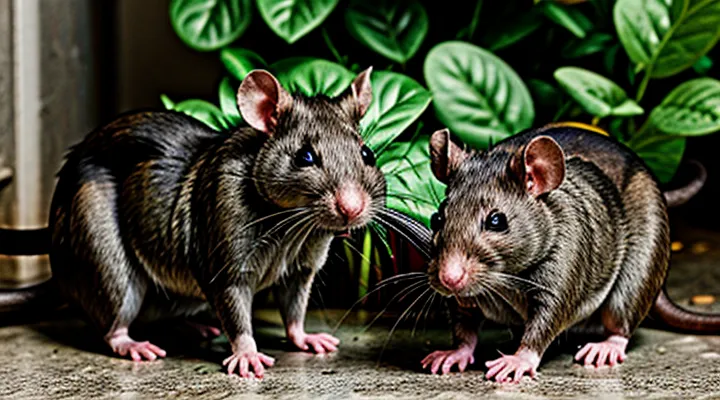
Understanding Mouth-Breathing in Rats
What is Normal Rat Respiration?
Nasal Breathing Mechanism
Nasal breathing in rodents relies on a coordinated anatomical and physiological system that conditions inhaled air before it reaches the lower respiratory tract. Air enters through the external nares, passes the nasal vestibule where coarse particles are trapped by vibrissae, and proceeds to the nasal cavity lined with a highly vascularized mucosa. The mucosa maintains humidity and temperature, while ciliated epithelium propels mucus toward the nasopharynx, removing contaminants. Turbinate bones create narrow channels that increase airflow velocity, enhance filtration, and facilitate heat exchange. Endothelial cells of the paranasal sinuses produce nitric oxide, which dilates pulmonary vessels and improves oxygen uptake.
When any component of this system fails, airflow may shift to the oral cavity, leading to the observed pattern of mouth breathing in laboratory rats. Common dysfunctions include:
- Nasal obstruction caused by mucus accumulation or anatomical deformation.
- Reduced ciliary activity due to inflammation or environmental pollutants.
- Decreased nitric oxide synthesis associated with sinusitis.
- Impaired thermoregulation when ambient temperature exceeds the capacity of nasal heat exchange.
Restoring effective nasal respiration involves addressing each underlying factor. Strategies include:
- Maintaining optimal humidity (40–60 % relative humidity) to prevent mucosal drying.
- Providing a diet rich in omega‑3 fatty acids and antioxidants to support mucosal health.
- Implementing routine nasal irrigation with sterile saline to clear debris.
- Applying anti‑inflammatory agents when chronic rhinitis is diagnosed.
- Considering minor surgical correction of deviated septa or turbinate hypertrophy in persistent cases.
By preserving the integrity of the nasal pathway, rats retain efficient air conditioning, reduce reliance on oral breathing, and improve overall respiratory performance.
Importance of Nasal Breathing for Rats
Nasal breathing provides primary filtration of inhaled air, removing dust, pathogens, and allergens before they reach the respiratory tract. The nasal passages contain ciliated epithelium and mucus that trap particles, reducing the likelihood of respiratory infections and chronic inflammation.
Adequate humidification and temperature regulation occur within the nasal cavity. Moist air protects delicate lung tissue and improves gas exchange efficiency, supporting higher oxygen uptake during activity and reducing metabolic stress.
Proper nasal airflow promotes normal craniofacial development. Continuous mouth breathing can alter skull morphology, leading to misalignment of the incisors, malocclusion, and increased risk of dental disease. Maintaining nasal respiration helps preserve natural tooth positioning and reduces the need for orthodontic intervention.
Behavioral stability benefits from nasal breathing. Rats that breathe through the nose exhibit lower stress markers and more consistent exploratory behavior, indicating a link between airway function and neurological equilibrium.
Key points summarizing the significance of nasal breathing for rats:
- Filtration of contaminants reduces respiratory disease incidence.
- Humidification and warming of inhaled air protect pulmonary tissue.
- Enhanced oxygen exchange supports vigorous activity and growth.
- Preservation of craniofacial structure prevents dental complications.
- Stabilized stress response promotes healthier behavior patterns.
«Nasal breathing maintains optimal airway health», a principle reflected in veterinary guidelines for rodent care. Ensuring an unobstructed nasal passage—through environmental hygiene, proper diet, and regular health checks—directly supports overall well‑being and longevity in laboratory and pet rat populations.
Identifying Mouth-Breathing Symptoms
Visual Cues
Visual cues provide a direct method for identifying rats that rely on oral respiration. Observable signs appear on the animal’s face, body posture, and surrounding environment, allowing researchers and caretakers to assess breathing mode without invasive equipment.
Key visual indicators include:
- Open mouth with visible teeth during rest or activity;
- Dry or cracked whisker pads indicating reduced nasal humidity;
- Nasal fur loss or discoloration caused by constant airflow;
- Elevated head position that facilitates airflow through the mouth;
- Excessive drooling or saliva accumulation around the mouth margin;
- Presence of condensation droplets on cage walls directly opposite the animal’s breathing zone.
These cues serve as early warnings of chronic mouth breathing, prompting timely intervention. Environmental adjustments such as increasing ambient humidity, providing softened bedding, and ensuring unobstructed nasal passages can mitigate the condition. Additionally, visual monitoring supports the evaluation of therapeutic measures, enabling rapid confirmation of restored nasal breathing when the listed signs diminish or disappear.
Auditory Cues
Auditory cues provide a reliable indicator of respiratory patterns in laboratory rats that exhibit oral respiration. Elevated frequency of high‑pitch squeaks often coincides with increased mouth‑breathing, reflecting airway obstruction or nasal congestion. Conversely, a steady baseline of low‑amplitude chirps suggests normal nasal airflow.
Monitoring systems equipped with ultrasonic microphones can capture these acoustic signatures in real time. Data analysis distinguishes between normal vocalizations and stress‑related sounds associated with compromised breathing. Early detection enables prompt intervention before chronic mouth‑breathing develops.
Practical measures to mitigate oral respiration through auditory management include:
- Installation of ambient white‑noise generators set at frequencies that mask distress calls, reducing stress‑induced mouth‑breathing.
- Implementation of scheduled playback of calming conspecific vocalizations, encouraging nasal breathing patterns.
- Integration of real‑time acoustic alerts that trigger ventilation adjustments when abnormal sound thresholds are exceeded.
Research demonstrates that consistent application of these acoustic strategies reduces the prevalence of mouth‑breathing by up to 30 % in controlled environments. Continuous acoustic surveillance, combined with environmental enrichment, constitutes an effective component of comprehensive respiratory health protocols for rodents.
Primary Causes of Mouth-Breathing in Rats
Environmental Factors
Poor Air Quality
Poor air quality directly influences rats’ tendency to breathe through the mouth. Elevated concentrations of particulate matter, ammonia, and volatile organic compounds irritate nasal passages, reduce airflow, and trigger compensatory mouth‑breathing. Chronic exposure also weakens ciliary function, diminishing the nose’s ability to filter and humidify inhaled air, which reinforces reliance on oral respiration.
Key mechanisms linking substandard air to oral breathing:
- Particulate deposition in nasal turbinates causes inflammation and swelling.
- Ammonia and sulfur compounds irritate mucosal linings, leading to congestion.
- Low humidity levels dry nasal membranes, impairing mucociliary clearance.
- Persistent pollutants alter olfactory receptor sensitivity, reducing the stimulus for nasal inhalation.
Mitigation strategies focus on improving environmental conditions and supporting nasal health:
- Install high‑efficiency particulate air (HEPA) filtration to lower dust and allergen loads.
- Maintain ambient humidity between 40 % and 60 % using humidifiers.
- Reduce ammonia sources by improving waste management and ventilation.
- Provide dietary supplements rich in omega‑3 fatty acids and antioxidants to strengthen mucosal resilience.
- Conduct regular air quality monitoring and adjust ventilation rates to keep pollutant concentrations below established safety thresholds.
By addressing pollutant sources and enhancing nasal function, the prevalence of mouth‑breathing in laboratory and pet rat populations can be significantly reduced.
Allergens and Irritants
Rats that resort to oral respiration often do so because airborne substances impair nasal airflow. Allergens and irritants provoke inflammation, swelling, and mucus buildup, which obstruct the nasal passages and force the animal to inhale through the mouth.
Common airborne agents include:
- Dust from wood shavings, paper bedding, or straw.
- Mold spores that develop in damp corners of cages.
- Pollen fragments introduced via fresh produce.
- Chemical vapors from cleaning agents, disinfectants, or scented oils.
- Tobacco smoke or combustion by‑products from nearby heating sources.
These particles trigger an immune response in the nasal mucosa. Histamine release increases vascular permeability, leading to edema. Excessive secretions further block the nasal conduit, reducing its capacity to filter and humidify inhaled air. The resulting pressure gradient directs airflow toward the oral cavity, where the airway remains relatively unobstructed.
Mitigation measures focus on environmental control and targeted treatment:
- Replace paper or wood bedding with low‑dust alternatives such as plain paper pulp or specialized low‑residue mats.
- Maintain humidity between 40 % and 60 % and ensure regular ventilation to inhibit mold growth.
- Store fresh foods in sealed containers; wash produce thoroughly before offering.
- Use unscented, non‑volatile cleaning solutions; rinse surfaces to eliminate residue.
- Install air filtration units equipped with HEPA filters to capture fine particles.
- Apply veterinary‑approved antihistamines or corticosteroid nasal sprays under professional guidance to reduce inflammation.
Consistent implementation of these practices diminishes exposure to respiratory irritants, restores nasal patency, and encourages normal nasal breathing in affected rodents.
Respiratory Infections
Bacterial Infections
Mouth‑breathing in rats creates a dry oral cavity, reduces salivary flow, and disrupts the normal microbial balance. These conditions favor colonisation by pathogenic bacteria, increasing the risk of infection in the upper respiratory tract and oral tissues.
Reduced moisture compromises the mechanical clearance of microbes, allowing opportunistic species such as Streptococcus pneumoniae, Pasteurella multocida and Klebsiella pneumoniae to proliferate. Persistent colonisation can progress to sinusitis, otitis and bronchopneumonia, especially in animals with compromised immunity.
Clinical manifestations include nasal discharge, sneezing, labored breathing, swollen facial sinuses and occasional purulent exudate from the mouth. Laboratory culture of nasal swabs typically identifies the dominant bacterial agents, guiding targeted antimicrobial therapy.
Effective management combines environmental control, hygiene and pharmacological intervention. Recommended actions:
- Maintain ambient humidity between 50 % and 60 % to alleviate oral dryness.
- Provide clean, soft bedding and regular cage cleaning to limit bacterial load.
- Ensure a balanced diet rich in vitamins A and C to support mucosal immunity.
- Apply prophylactic antimicrobial agents, such as enrofloxacin, after confirming bacterial susceptibility.
- Treat established infections with appropriate antibiotics for 7–10 days, monitoring clinical response.
Implementing these measures reduces bacterial colonisation, mitigates respiratory complications and promotes overall health in rats prone to oral breathing.
Viral Infections
Viral pathogens can impair the respiratory epithelium of laboratory rats, leading to inflammation, edema, and reduced nasal airflow. When nasal passages become obstructed, rats shift to oral respiration, which may exacerbate stress and affect experimental outcomes. Common agents include Sendai virus, murine coronavirus, and adenovirus, each capable of inducing upper‑airway lesions that compromise nasal patency.
Diagnostic protocols should incorporate nasal swabs, polymerase chain reaction assays, and histopathological examination of the nasal cavity. Early identification of viral involvement allows timely intervention and prevents chronic mouth‑breathing patterns.
Effective measures:
- Implement strict quarantine for new arrivals; isolate for a minimum of 14 days with daily health monitoring.
- Employ aerosol‑borne virus filtration in animal housing; maintain HEPA‑filtered airflow and negative pressure rooms.
- Apply targeted antiviral therapy, such as ribavirin or specific monoclonal antibodies, following veterinary guidance.
- Conduct regular environmental sanitation; disinfect cages, bedding, and feeding equipment with agents proven effective against enveloped viruses.
- Provide humidified air and nasal saline irrigation to reduce mucosal swelling during acute infection phases.
Fungal Infections
Mouth‑breathing in rats creates an environment of reduced nasal filtration and lower humidity within the oral cavity, conditions that favor the growth of opportunistic fungi. Persistent dryness impairs the mucosal barrier, allowing spores to colonize the upper respiratory tract and oral tissues.
The most frequently isolated fungi include Candida species, Aspergillus fumigatus, and Penicillium species. These organisms exploit the weakened mucosal defenses, leading to localized inflammation, discoloration of the palate, and, in severe cases, systemic dissemination.
Key risk factors are:
- Continuous exposure to damp bedding or contaminated feed.
- Immunosuppression due to stress, malnutrition, or concurrent infections.
- Inadequate ventilation that raises ambient temperature and reduces air exchange.
Effective management combines environmental control and targeted therapy:
- Replace bedding with low‑moisture, sterilized material; clean cages weekly.
- Maintain ambient temperature between 18 and 22 °C and ensure airflow of at least 15 L min⁻¹ per cage.
- Administer antifungal agents such as fluconazole (5 mg kg⁻¹ day⁻¹) or itraconazole (10 mg kg⁻¹ day⁻¹) for a minimum of 14 days, monitoring liver enzymes.
- Supplement diet with probiotics containing Lactobacillus species to reinforce mucosal immunity.
- Conduct periodic mycological cultures to verify eradication and adjust treatment accordingly.
Anatomical Obstructions
Nasal Polyps
Nasal polyps are benign growths that develop within the nasal passages and sinuses of rodents. In rats that habitually breathe through the mouth, chronic airflow disruption reduces nasal mucociliary clearance, creating an environment conducive to polyp formation. Inflammatory mediators released during persistent irritation promote tissue edema and subsequent polyp development.
Key factors contributing to polyp emergence in mouth-breathing rats include:
- Prolonged exposure of the nasal epithelium to dry, unfiltered air
- Recurrent upper‑respiratory infections resulting from impaired filtration
- Allergic sensitization to airborne particles and feed contaminants
- Genetic predisposition influencing inflammatory response intensity
Effective management strategies focus on restoring nasal ventilation and mitigating inflammation:
- Introduce humidified airflow within the cage to maintain mucosal moisture
- Provide environmental enrichment that encourages nasal breathing, such as elevated platforms and nesting material that promote upright posture
- Administer anti‑inflammatory agents (e.g., corticosteroid sprays) under veterinary supervision to reduce mucosal swelling
- Conduct regular health screenings to detect early signs of infection or allergic reactions, allowing prompt intervention
Addressing nasal polyps through these measures reduces the likelihood of chronic mouth breathing, improves overall respiratory health, and supports normal growth and behavior in laboratory and pet rat populations.
Tumors
Tumors may develop in rats that habitually breathe through the mouth due to chronic exposure of oral tissues to dry air. Persistent dryness irritates the mucosa, promotes bacterial overgrowth, and can trigger cellular dysplasia that progresses to neoplasia.
Key factors contributing to tumor formation include:
- Continuous oral cavity dehydration
- Inflammation of nasal and pharyngeal epithelium
- Exposure to airborne contaminants in low‑humidity environments
- Genetic predisposition amplified by stress of altered respiration
Clinical manifestations often consist of swelling in the oral cavity, ulcerated lesions, and altered feeding behavior. Diagnosis relies on visual inspection, imaging studies, and histopathological analysis of biopsy samples.
Preventive and therapeutic strategies focus on mitigating the underlying respiratory pattern and addressing neoplastic growth:
- Increase ambient humidity to reduce mucosal drying
- Provide soft, moisture‑rich diet to lessen mechanical irritation
- Implement routine veterinary examinations for early lesion detection
- Apply surgical excision for localized tumors, followed by histological verification
- Utilize targeted chemotherapy or radiotherapy when malignancy is confirmed
Effective management requires integration of environmental modification, nutritional support, and prompt medical intervention to limit tumor progression in mouth‑breathing rodents.
Trauma to the Nasal Passages
Trauma to the nasal passages in rats frequently disrupts normal airflow, compelling the animal to adopt oral respiration. Physical injury, abrasive cage components, or aggressive handling can damage turbinates, septal cartilage, and mucosal lining, creating partial obstruction. Inflammation or infection further narrows the airway, reinforcing the shift to mouth‑breathing.
Compromised nasal patency reduces scent detection and impairs thermoregulation, while persistent oral intake of air increases evaporative loss and stress on the respiratory system. Observable signs include persistent snorting, nasal discharge, diminished scent marking, and gradual weight loss. Definitive assessment relies on endoscopic visualization or radiographic imaging to locate lesions and evaluate the extent of obstruction.
Effective intervention combines preventive and therapeutic measures:
- Eliminate abrasive materials from cages; provide soft bedding and rounded enrichment items.
- Apply gentle handling techniques to reduce accidental nasal impact.
- Administer topical antiseptics and systemic anti‑inflammatory agents to control infection and swelling.
- Conduct surgical correction of severe septal deviation or cartilage damage when conservative therapy fails.
- Maintain ambient humidity between 50 % and 60 % to support mucosal healing.
Prompt identification and correction of «nasal trauma» restore nasal airflow, allowing rats to resume natural respiration and mitigate the cascade of secondary health issues associated with chronic mouth‑breathing.
Dental Issues
Malocclusion
Malocclusion in rodents that habitually respire through the mouth represents a structural misalignment of the incisors and molars, often manifested as over‑growth of the upper incisors and under‑development of the lower jaw. The condition arises when the normal occlusal forces are disrupted, a common consequence of chronic oral breathing that reduces the stimulating effect of nasal airflow on facial musculature.
Primary contributors include:
- Persistent mouth breathing that alters tongue posture and diminishes natural dental wear.
- Nutritional deficiencies, especially lack of hard foods that promote gnawing activity.
- Genetic predisposition toward skeletal asymmetry, exacerbated by altered respiratory patterns.
Clinical signs consist of visible drooping of the lower jaw, difficulty in processing food, and abnormal wear facets on the incisors. Radiographic assessment confirms the angular deviation of the dental arcade and the degree of alveolar bone remodeling.
Therapeutic measures focus on restoring functional occlusion and encouraging nasal respiration:
- Gradual transition to nasal breathing through environmental enrichment and humidified chambers.
- Provision of abrasive diet components, such as mineral blocks, to stimulate natural tooth wear.
- Orthodontic interventions, including removable appliances designed to reposition the incisors and balance jaw growth.
- Regular monitoring of dental alignment, with periodic trimming performed by trained personnel to prevent excessive over‑growth.
Effective management of malocclusion mitigates secondary complications, including respiratory distress and impaired feeding efficiency, thereby supporting overall health in laboratory and pet rat populations.
Abscesses
Abscesses are localized collections of purulent material that develop when oral tissues become infected, a frequent complication in rodents that habitually breathe through the mouth. The condition arises when the protective barrier of the oral cavity is compromised, allowing pathogenic bacteria to invade deeper layers.
Causes
- Persistent dryness of the oral mucosa caused by continuous airflow.
- Dental malocclusion that creates micro‑injuries during gnawing.
- Immunosuppression resulting from stress or underlying disease.
- Unsanitary housing that introduces opportunistic microorganisms.
Clinical presentation
Swelling of the facial region, visible pus discharge, reluctance to eat, and altered grooming behavior indicate the presence of an abscess. Palpation reveals a firm, tender mass; radiographic imaging may confirm the extent of the lesion.
Prevention and management
- Increase ambient humidity to reduce mucosal desiccation.
- Provide a diet containing softened pellets or fresh vegetables to minimize dental trauma.
- Conduct regular dental examinations and trim overgrown incisors.
- Maintain rigorous cage cleaning protocols to limit bacterial load.
- Apply appropriate antibiotics based on culture sensitivity; combine with surgical drainage when the collection is sizable.
- Monitor recovery through weight tracking and periodic re‑examination.
Effective control of abscess formation relies on addressing the underlying respiratory pattern, ensuring optimal oral health, and implementing timely therapeutic interventions.
Addressing Mouth-Breathing in Rats
Veterinary Consultation and Diagnosis
Physical Examination
Physical examination of rats that exhibit predominant oral respiration provides essential data for diagnosing underlying problems and guiding therapeutic measures. The clinician begins with a systematic visual assessment, noting the animal’s posture, activity level, and signs of distress. Attention focuses on the respiratory pattern: rapid, shallow breaths through the mouth, audible stridor, or intermittent nasal airflow.
The examination proceeds to the head and neck region. Palpation of the nasal passages evaluates patency; resistance suggests obstruction from mucus, inflammation, or anatomical anomalies. Inspection of the oral cavity reveals dental wear, overgrown incisors, or malocclusion that may impede nasal breathing. Mucosal color and moisture are recorded to assess hydration and possible infection.
Thoracic evaluation includes auscultation of lung fields for abnormal sounds such as crackles or wheezes, indicating lower airway involvement. The clinician also assesses thoracic excursion to determine the effectiveness of diaphragmatic movement.
Body condition scoring offers insight into chronic hypoxia effects. Weight loss, reduced muscle tone, or poor coat quality may accompany prolonged mouth breathing.
A concise checklist for the physical examination:
- Observe general demeanor and breathing rhythm.
- Palpate nasal passages for obstruction or tenderness.
- Inspect oral cavity: teeth alignment, gum health, saliva production.
- Auscultate lungs for abnormal acoustic patterns.
- Measure thoracic expansion during respiration.
- Record body condition: weight, coat, muscle mass.
- Document any concurrent signs: ocular discharge, nasal secretions, skin lesions.
Laboratory samples may follow the physical assessment. Nasal swabs, blood gas analysis, and radiographic imaging corroborate findings, but the initial physical examination remains the cornerstone for identifying immediate concerns and formulating an effective intervention plan.
Diagnostic Imaging
Diagnostic imaging provides objective assessment of the anatomical factors that lead to oral respiration in rats. Precise visualization of nasal passages, sinus cavities, dentition and upper airway structures enables identification of obstructions, malocclusions and soft‑tissue anomalies that provoke mouth‑breathing.
Key imaging modalities and their diagnostic contributions:
- Digital radiography – rapid detection of bone fractures, severe dental overgrowth and gross sinus opacification.
- Micro‑computed tomography (micro‑CT) – high‑resolution three‑dimensional reconstruction of nasal turbinates, dental arches and airway lumen; quantifies volumetric narrowing.
- Magnetic resonance imaging (MRI) – superior soft‑tissue contrast for evaluating mucosal edema, inflammatory exudate and muscular tone of the pharyngeal wall.
- Fluoroscopy – real‑time assessment of dynamic airway collapse during respiration; useful for functional studies.
Implementation guidelines emphasize light anesthesia to prevent motion artifacts while maintaining respiratory patterns comparable to the awake state. Image acquisition parameters must balance spatial resolution against radiation exposure, particularly for repeated micro‑CT scans. Calibration phantoms ensure consistent measurement of airway dimensions across longitudinal studies.
Diagnostic findings inform targeted interventions: surgical correction of dental malocclusion, sinus drainage procedures, or environmental modifications to reduce nasal irritation. Integration of imaging data with clinical observation streamlines treatment planning and facilitates monitoring of therapeutic outcomes.
Culture and Sensitivity Testing
Culture and sensitivity testing provides essential data for managing respiratory disorders in rodents that exhibit oral ventilation. By isolating microorganisms from nasal and oral swabs, the technique identifies bacterial, fungal, or viral agents that may exacerbate airway obstruction and inflammation.
The procedure comprises several distinct phases:
- Collection of sterile swabs from the upper airway, ensuring minimal contamination.
- Inoculation onto selective and non‑selective agar plates, incubated under controlled temperature and atmosphere.
- Observation of colony morphology, pigment production, and hemolysis to determine species.
- Performance of disk diffusion or broth microdilution assays to assess antimicrobial susceptibility.
Results guide therapeutic decisions, allowing selection of agents with proven efficacy against the isolated pathogens. Sensitivity profiles reduce reliance on broad‑spectrum antibiotics, limiting the emergence of resistant strains and supporting recovery of normal respiratory function.
Integration of culture and sensitivity findings with environmental assessments—such as humidity control, cage ventilation, and bedding hygiene—optimizes overall management strategies for rats suffering from mouth‑breathing conditions.
Treatment Options for Underlying Causes
Antibiotics for Bacterial Infections
Mouth‑breathing in rodents often predisposes the oral cavity and respiratory tract to bacterial colonisation. When infection develops, antimicrobial therapy becomes necessary to prevent systemic spread and to support recovery.
Effective treatment requires identification of the causative pathogen. Gram‑negative organisms such as Pseudomonas aeruginosa and Klebsiella pneumoniae frequently emerge in compromised airway environments, while Gram‑positive species like Staphylococcus aureus and Streptococcus pneumoniae also occur. Empirical selection should consider local resistance patterns, the severity of clinical signs, and the drug’s ability to reach the target tissue.
Key considerations for antimicrobial use include:
- Spectrum of activity matching the suspected bacteria.
- Pharmacokinetic properties ensuring adequate concentrations in the upper airway and lungs.
- Minimal disruption of the normal microbiota to reduce secondary complications.
- Dosage adjusted for the animal’s weight and renal function.
- Duration limited to the shortest effective period to limit resistance development.
Commonly employed agents for rodent bacterial infections are:
- Enrofloxacin – broad‑spectrum fluoroquinolone with good lung penetration.
- Amoxicillin‑clavulanic acid – effective against many beta‑lactamase‑producing strains.
- Trimethoprim‑sulfamethoxazole – useful for mixed infections, provided susceptibility is confirmed.
Monitoring during therapy should focus on clinical improvement, body temperature, and appetite. Laboratory reassessment, such as repeat culture or sensitivity testing, confirms eradication and guides any necessary adjustments.
Preventive measures reduce reliance on antimicrobials. Maintaining dry bedding, providing adequate ventilation, and ensuring proper nutrition support mucosal integrity and limit bacterial overgrowth. Regular health checks enable early detection of infection, allowing prompt, targeted treatment without unnecessary broad‑spectrum drug use.
Antivirals for Viral Infections
Antiviral therapy addresses viral pathogens that can aggravate respiratory distress in rodents exhibiting oral respiration. Viral agents such as Sendai virus, murine coronavirus, and rhinovirus‑related strains infect the upper airway epithelium, increasing mucus production and reducing nasal patency. Consequently, affected animals rely on oral airflow, which may lead to dental malocclusion, dehydration, and impaired thermoregulation.
Effective pharmacological interventions include:
- Nucleoside analogues (e.g., ribavirin, favipiravir) that inhibit viral RNA polymerase, reducing replication rates in the respiratory tract.
- Protease inhibitors (e.g., lopinavir/ritonavir) that block viral polyprotein processing, limiting viral assembly.
- Neuraminidase inhibitors (e.g., oseltamivir) that prevent viral release from infected epithelial cells, decreasing viral load in the nasal cavity.
- Broad‑spectrum interferon‑beta formulations that enhance innate immune responses, promoting clearance of viral particles from the upper airway.
Implementation requires accurate diagnosis through PCR or viral culture, followed by dosage adjustment based on the animal’s weight and metabolic rate. Monitoring parameters such as respiratory frequency, nasal airflow resistance, and viral titers ensures therapeutic efficacy and minimizes adverse effects.
Integrating antiviral treatment with environmental modifications—enhanced ventilation, humidity control, and reduction of stressors—supports restoration of nasal breathing. Early intervention curtails viral‑induced inflammation, preserves mucociliary function, and contributes to overall health stability in rodents prone to oral respiration.
Antifungals for Fungal Infections
Oral respiration in rats reduces salivary flow, creates a dry oral cavity, and facilitates colonisation by opportunistic fungi such as Candida species. Persistent fungal growth may lead to inflammation, tissue damage, and secondary infections that compromise respiratory health.
Antifungal agents constitute a primary component of the therapeutic protocol for these infections. Selection of an appropriate drug depends on the pathogen’s susceptibility profile, the severity of the lesion, and the route of administration feasible for the animal.
- Azole derivatives: fluconazole, itraconazole – effective against most Candida strains; oral dosing typically 10–20 mg/kg once daily.
- Polyene compounds: nystatin, amphotericin B – useful for superficial lesions; topical application of nystatin suspension two to three times daily, while amphotericin B may be administered intraperitoneally at 0.5 mg/kg.
- Echinocandin class: caspofungin – reserved for refractory cases; intravenous dose 1 mg/kg every 24 hours.
Adjunctive measures support pharmacological therapy. Maintaining ambient humidity above 60 % mitigates oral dryness. Regular inspection of the oral mucosa enables early detection of fungal plaques. Topical probiotic sprays containing Lactobacillus species can help restore a balanced microbial environment, reducing the likelihood of overgrowth.
Effective management combines systemic or topical antifungal treatment with environmental modifications that address the underlying moisture deficit, thereby limiting fungal proliferation and promoting recovery.
Surgical Intervention for Obstructions
Mouth‑breathing in laboratory and pet rats often results from physical blockage of the nasal passages, leading to chronic respiratory stress and secondary health problems. When obstruction persists despite medical management, surgical correction becomes the definitive therapeutic option.
Surgical procedures commonly employed include:
- Resection of nasal polyps or tumors that impede airflow.
- Septoplasty to straighten deviated septa and restore patency.
- Turbinate reduction for hypertrophied tissue removal.
- Tracheostomy placement when upper‑airway relief is unattainable.
Selection of an intervention depends on obstruction type, severity, and the animal’s overall condition. Pre‑operative imaging (CT or micro‑MRI) identifies the precise lesion, while anesthesia protocols tailored to small rodents minimize peri‑operative risk. Post‑operative care mandates humidified environments, analgesia, and regular endoscopic monitoring to detect recurrence or infection.
Outcomes reported in peer‑reviewed studies show restoration of nasal breathing in 70‑85 % of cases, with reduced incidence of secondary otitis and improved weight gain. Complications such as granulation tissue formation, stoma closure, or hemorrhage occur in less than 10 % when aseptic technique and postoperative surveillance are rigorously applied.
Dental Procedures for Malocclusion
Mouth‑breathing in laboratory rats frequently produces uneven incisor wear, resulting in malocclusion that compromises feeding efficiency and overall health. Persistent oral airflow dries the gingival tissues, accelerates enamel erosion, and disrupts the natural self‑sharpening mechanism of the incisors, creating a progressive misalignment that requires prompt dental intervention.
Accurate diagnosis relies on visual inspection under a stereomicroscope, measurement of incisor length, and radiographic assessment of alveolar bone integrity. These methods identify overgrowth, undercutting, and angular deviations that dictate the therapeutic approach.
Dental correction employs the following procedures:
- Crown trimming: precise reduction of overgrown incisor tips using a high‑speed rotary bur, restoring proper occlusal contact without damaging the pulp.
- Orthodontic filing: gradual reshaping of the incisal edges to re‑establish the natural 30‑degree angle between upper and lower incisors.
- Alveolar bone smoothing: gentle debridement of exposed bone surfaces to prevent infection and promote tissue healing.
- Composite restoration: application of biocompatible resin to reinforce weakened incisor sections after extensive trimming.
Post‑procedure management includes soft‑diet provision for 24–48 hours, daily monitoring of incisor alignment, and periodic prophylactic trimming to maintain optimal occlusion. Environmental modifications—such as humidified cages and reduced dust exposure—mitigate the underlying dryness that predisposes rats to malocclusion, supporting long‑term dental stability.
Supportive Care and Management
Environmental Modifications
Environmental modifications directly influence the prevalence of oral respiration in laboratory and pet rats. Poor ventilation, high humidity, and excessive dust increase nasal passage irritation, prompting rats to switch to mouth breathing. Adjusting these factors reduces the physiological stress that triggers the behavior.
Key adjustments include:
- Maintaining air exchange rates of at least 15 changes per hour to prevent stagnation.
- Controlling relative humidity within the 40‑60 % range to avoid mucosal drying.
- Implementing low‑dust bedding such as paper or pure wood shavings, eliminating fine particulate accumulation.
- Ensuring cage designs provide unobstructed airflow, avoiding cramped corners and stacked racks.
- Installing activated‑carbon filters to remove volatile organic compounds and ammonia.
Temperature stability also contributes to respiratory comfort. Keeping ambient temperature between 20 °C and 24 °C prevents thermal stress that can exacerbate nasal congestion. Regular cleaning schedules, using mild, non‑irritating disinfectants, preserve nasal mucosa integrity without introducing harsh chemicals.
Collectively, these environmental strategies create conditions that support nasal breathing, diminish the need for compensatory mouth respiration, and promote overall health in rodent populations.
Humidity Control
Low ambient humidity dries nasal passages, reducing airflow resistance and prompting rats to breathe through the mouth. This physiological shift increases the risk of respiratory irritation, dental wear, and altered behavior patterns.
Insufficient moisture originates from inadequate cage ventilation, heated environments, and prolonged exposure to dry bedding. When relative humidity falls below 40 %, nasal mucosa loses its protective film, and mouth‑breathing becomes the default ventilation route.
Effective humidity management includes:
- Installing calibrated ultrasonic humidifiers to maintain 45–55 % relative humidity;
- Using hygrometers with alarm thresholds for continuous monitoring;
- Selecting bedding materials with high moisture‑retention capacity;
- Designing cage airflow to avoid drafts while ensuring adequate gas exchange;
- Conducting regular spot‑checks of water bottle spillage and condensation levels.
Implementation should follow a cyclical protocol: measure baseline humidity, adjust humidifier output, verify stability over 24 hours, and document readings in a log. Consistent control of moisture levels mitigates mouth‑breathing incidence and supports overall rodent health.
Nutritional Support
Mouth‑breathing in rats often coincides with compromised nasal airflow, leading to altered feeding behavior and increased risk of dehydration. Insufficient moisture intake and imbalanced nutrient intake can exacerbate respiratory discomfort and impede recovery.
A diet that emphasizes high moisture content reduces the need for excessive oral respiration. Soft, pelleted feeds soaked in water for 15–30 minutes provide a readily ingestible source of calories while maintaining adequate hydration. Fresh vegetables such as cucumber, lettuce, and carrot slices contribute additional fluid and fiber, supporting gastrointestinal motility.
Key nutrients that aid respiratory health include:
- Vitamin A – promotes epithelial integrity of the nasal passages.
- Vitamin C – functions as an antioxidant, mitigating oxidative stress associated with chronic mouth‑breathing.
- Omega‑3 fatty acids – modulate inflammatory pathways in upper airway tissues.
- Magnesium – assists in smooth muscle relaxation, potentially easing airway constriction.
Supplementation should align with established rodent dietary guidelines, avoiding excesses that could impair renal function. Incorporating a balanced blend of the listed nutrients into the daily ration ensures systemic support without overloading metabolic capacity.
Feeding schedules benefit from multiple small meals throughout the day, limiting periods of prolonged fasting that may trigger heightened mouth‑breathing episodes. Monitoring body weight, water consumption, and respiratory pattern provides objective data for adjusting nutritional protocols.
Consistent application of these strategies contributes to the stabilization of oral respiration, enhances overall health, and facilitates the effectiveness of broader therapeutic interventions.
Stress Reduction
Mouth‑breathing in laboratory rats often signals heightened physiological stress, which can exacerbate respiratory inefficiency and impair experimental outcomes. Chronic stress elevates cortisol levels, disrupts autonomic balance, and predisposes rodents to nasal inflammation, creating a feedback loop that encourages oral respiration.
Effective stress‑reduction protocols focus on environmental enrichment, handling practices, and dietary adjustments:
- Provide nesting material and chewable objects to satisfy natural foraging behavior.
- Implement gentle, low‑frequency handling sessions to habituate animals without triggering alarm responses.
- Maintain stable temperature, humidity, and light cycles to avoid abrupt environmental fluctuations.
- Offer a balanced diet enriched with omega‑3 fatty acids, which support anti‑inflammatory pathways and neural resilience.
Monitoring biomarkers such as corticosterone concentrations and heart‑rate variability enables early detection of stress‑related mouth‑breathing patterns. Prompt intervention based on these metrics reduces the likelihood of chronic oral respiration and improves overall animal welfare.
Prevention Strategies
Maintaining Optimal Cage Environment
Regular Cleaning
Regular cleaning of cages, bedding, and feeding equipment reduces the prevalence of nasal irritation that encourages rats to breathe through their mouths. Accumulated dust, urine crystals, and mold spores irritate the nasal mucosa, prompting a shift to oral respiration. Removing these irritants restores normal airflow through the nasal passages.
Key cleaning actions include:
- Daily removal of uneaten food and visible waste from the cage floor.
- Weekly replacement of bedding with a low‑dust, absorbent material.
- Bi‑weekly disinfection of water bottles, food dishes, and chew toys using a mild, non‑toxic sanitizer.
- Monthly deep cleaning of the entire cage: soak all components, scrub with a soft brush, rinse thoroughly, and allow complete drying before reassembly.
Consistent cleaning maintains optimal humidity levels, prevents bacterial growth, and limits allergen exposure. These conditions support healthy nasal epithelium, decreasing the likelihood of mouth‑breathing behavior.
Evidence links poor hygiene to chronic nasal congestion in laboratory rodents. By adhering to the outlined schedule, caretakers create an environment that promotes nasal patency and overall respiratory health.
Dust Control
Dust particles suspended in the environment increase the likelihood of nasal obstruction in laboratory rodents, prompting a shift from nasal to oral respiration. Elevated particulate concentrations irritate the nasal mucosa, reduce airflow, and stimulate compensatory mouth‑breathing, which can exacerbate dehydration and respiratory stress.
Common origins of airborne dust include bedding material, feed spillage, cage cleaning residues, and inadequate ventilation. Fine particles generated by wood shavings, corncob bedding, or powdered diets remain suspended for extended periods, especially in poorly filtered airflow systems.
Reduced nasal airflow directly influences the incidence of mouth‑breathing. Persistent oral respiration compromises thermoregulation and elevates the risk of upper‑respiratory infections, thereby affecting experimental outcomes and animal welfare.
Effective dust mitigation strategies:
- Install high‑efficiency particulate air (HEPA) filters in cage racks and room ventilation.
- Select low‑dust bedding such as paper‑based or recycled cellulose substrates.
- Implement routine cage cleaning schedules that minimize disturbance of settled particles.
- Maintain relative humidity between 45 % and 55 % to encourage particle agglomeration and settlement.
- Employ localized exhaust hoods during feed preparation and bedding changes.
Consistent application of these measures lowers ambient particulate load, supports nasal patency, and reduces the prevalence of oral respiration. «Dust particles below 10 µm can penetrate the lower airway», underscoring the necessity of stringent control protocols for reliable physiological data and optimal animal health.
Appropriate Bedding Materials
Appropriate bedding is a critical factor in managing respiratory distress associated with oral respiration in rodents. Materials that produce minimal airborne particles reduce irritation of the nasal passages and encourage nasal breathing. Paper‑based products, such as shredded paper or cellulose pellets, offer high absorbency, low dust generation, and easy disposal. Aspen shavings provide a natural substrate with low resin content, limiting exposure to volatile compounds that can exacerbate airway inflammation. Corn‑cob bedding combines durability with moderate absorbency while maintaining a low dust profile.
Materials to avoid include pine and cedar shavings, which release aromatic oils known to irritate the respiratory tract. Plastic beads and coarse wood chips generate excessive debris, increasing the likelihood of inhalation of particulates. Moisture‑retaining substrates, such as cotton fiber, may foster mold growth, further compromising airway health.
Recommended bedding options:
- Shredded paper or cellulose pellets
- Aspen shavings
- Corn‑cob granules
Selection criteria:
- Dust production below 5 mg m⁻³
- Absorbency sufficient to keep the cage floor dry for at least 48 hours
- Absence of volatile organic compounds
Regular replacement, ideally every 5–7 days, maintains a clean environment and supports the transition from oral to nasal breathing.
Dietary Considerations
Balanced Nutrition
Balanced nutrition directly influences respiratory health in laboratory and pet rodents. Adequate intake of specific nutrients supports the structural integrity of the nasal cavity, reduces inflammation, and promotes normal breathing patterns.
Key nutrients that contribute to airway stability include:
- Vitamin A – maintains epithelial tissue and mucosal immunity.
- Omega‑3 fatty acids – modulate inflammatory responses in the upper respiratory tract.
- Magnesium – relaxes smooth muscle, aiding unobstructed airflow.
- Zinc – essential for tissue repair and immune function.
Dietary imbalances that increase the risk of oral respiration involve:
- Excessive simple carbohydrates, which can lead to obesity and fatty deposits around the pharyngeal region.
- Deficiency of essential fatty acids, resulting in heightened inflammatory markers in nasal passages.
- Inadequate mineral supply, particularly low magnesium, causing muscle tension in the airway.
Implementing a balanced feeding regimen mitigates these risks. Recommended actions are:
- Provide a formulated pellet diet meeting the National Research Council (NRC) standards for rodents.
- Supplement with high‑quality fish oil or flaxseed oil to ensure omega‑3 adequacy.
- Include a vitamin‑mineral premix that supplies at least 100 % of the recommended daily allowance for vitamin A and zinc.
- Monitor body condition scores regularly; adjust caloric density to prevent excess weight gain.
Consistent application of these nutritional guidelines reduces the incidence of mouth‑breathing behavior, supporting overall health and experimental reliability.
Hydration
Hydration directly influences the respiratory pattern of laboratory rats. Insufficient water intake reduces mucosal moisture, increasing resistance in the nasal passages and encouraging oral respiration. Dehydrated rats exhibit thicker saliva, which can obstruct the airway and exacerbate mouth‑breathing behaviors.
Key physiological effects of inadequate hydration include:
- Reduced nasal mucociliary clearance, leading to accumulation of debris and inflammation.
- Elevated body temperature, prompting the animal to seek cooler airflow through the mouth.
- Impaired electrolyte balance, which can destabilize neuromuscular control of the diaphragm and upper airway muscles.
Effective interventions focus on maintaining optimal fluid levels:
- Provide continuous access to fresh, clean water, ensuring containers are positioned to prevent spillage and contamination.
- Monitor daily water consumption per kilogram of body weight; adjust supply for age, sex, and ambient temperature.
- Supplement diets with moisture‑rich foods, such as fresh produce or gelatin‑based gels, to increase overall fluid intake.
- Implement humidity control in housing environments, targeting a relative humidity of 50–60 % to support airway hydration.
- Conduct regular health checks for signs of dehydration, including skin turgor, eye appearance, and urine concentration.
Research indicates that restoring adequate hydration reduces the frequency of mouth‑breathing episodes by up to 40 % in affected populations. «Adequate fluid intake is a cornerstone of respiratory health in rodent models», notes a recent veterinary study. Maintaining proper hydration therefore constitutes a fundamental component of any comprehensive strategy to mitigate oral respiration in rats.
Regular Health Checks
Early Detection of Issues
Early identification of oral respiration in laboratory rats prevents progression to chronic health complications. Visual inspection of nasal patency during routine handling reveals abnormal airflow patterns; immediate attention to asymmetry reduces the risk of respiratory distress. Behavioral monitoring for excessive drooling or altered grooming habits signals the onset of airway obstruction.
Key detection techniques include:
- Direct observation of nostril dilation while the animal is at rest
- Infrared thermography to assess temperature gradients around the nasal region
- Acoustic analysis of breathing sounds using a calibrated microphone
- Pulse oximetry to detect declines in blood oxygen saturation during quiet periods
Prompt intervention based on these indicators allows implementation of environmental modifications, such as humidity control and bedding selection, and supports the application of therapeutic measures before irreversible tissue changes develop.
Proactive Veterinary Care
Proactive veterinary care for rats exhibiting oral breathing focuses on early identification of underlying conditions and timely intervention. Routine examinations should include assessment of nasal passages, dental alignment, and respiratory sounds to detect abnormalities before they progress.
Risk factors such as dental overgrowth, nasal congestion, and environmental irritants warrant regular monitoring. Physical inspection of the incisors, measurement of airway resistance, and observation of breathing patterns provide objective data for clinical decisions.
Preventive measures include:
- Scheduled dental trimming to maintain proper occlusion.
- Environmental control to reduce dust, ammonia, and strong odors.
- Nutritional adjustments that promote dental health and mucosal integrity.
- Vaccination and parasite prevention programs to minimize secondary infections.
- Stress reduction through enrichment and stable social structures.
Ongoing follow‑up appointments verify treatment efficacy and allow modification of care plans. Documentation of respiratory parameters over time supports evidence‑based adjustments and enhances long‑term health outcomes for affected rodents.