
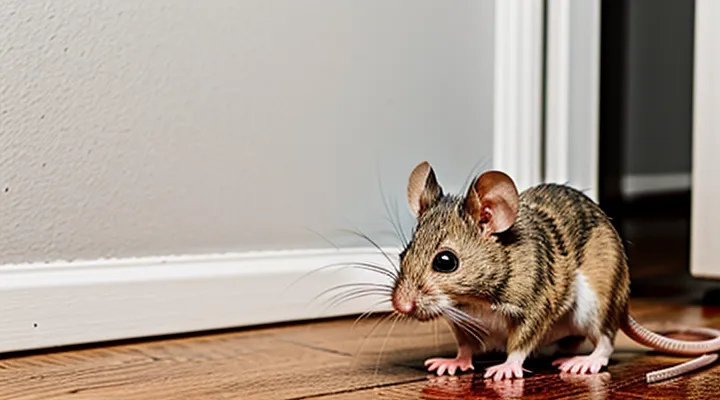
«Understanding the Mouse Problem»
«Signs of a Mouse Infestation»
«Droppings and Urine Trails»
The presence of «Droppings and Urine Trails» signals active rodent activity and introduces pathogens such as hantavirus, leptospirosis, and salmonella. These contaminants settle on surfaces, become airborne when disturbed, and pose direct health risks to occupants.
- Wear disposable nitrile gloves before any contact.
- Seal droppings and wet spots in a plastic bag; avoid crushing to prevent aerosol formation.
- Apply a disinfectant containing 5 % bleach solution (one part bleach to nine parts water) to all affected areas; allow a minimum of ten minutes contact time.
- After disinfection, remove the bagged waste and dispose of it in a sealed container outside the home.
- Ventilate the room for at least thirty minutes using open windows or exhaust fans.
Prompt removal of contaminated material eliminates disease vectors and reduces attractants for remaining rodents. Thorough decontamination of «Droppings and Urine Trails» therefore constitutes a critical component of rapid, health‑safe mouse eradication.
«Gnaw Marks and Damage»
The presence of «Gnaw Marks and Damage» signals active rodent activity and indicates areas requiring immediate attention. Typical gnaw marks appear on wooden beams, plastic insulation, electrical wiring, and food packaging; the bite radius usually measures 2–6 mm, matching the size of a mouse’s incisors. Fresh marks exhibit clean, shallow cuts, while older ones show ragged edges and splintered material.
Damage extends beyond structural compromise. Chewed wiring creates short‑circuit hazards, increasing fire risk. Compromised insulation reduces thermal efficiency, raising energy consumption. Contaminated food stores invite bacterial growth, posing health threats without direct contact with the animals.
Identifying these signs enables a focused eradication strategy that minimizes exposure to pathogens. Recommended actions include:
- Seal entry points near visible gnaw marks with steel‑wool and caulk.
- Place snap traps or electronic traps directly adjacent to damaged areas.
- Replace or repair compromised wiring and insulation promptly.
- Dispose of contaminated food and clean affected surfaces with a disinfectant safe for household use.
Prompt remediation of «Gnaw Marks and Damage» prevents escalation, protects infrastructure, and eliminates health risks associated with rodent infestations.
«Unusual Sounds»
Detecting «Unusual Sounds» in walls, ceilings, or floorboards signals rodent activity. The noises commonly include high‑pitched squeaks, rapid gnawing, and intermittent rustling as mice move through insulation or stored materials. Recognizing these acoustic cues allows immediate intervention before infestations spread.
Identifying the precise location of the sounds reduces exposure to allergens and disease vectors. Use a handheld listening device or a smartphone’s voice‑recording function, placing it against suspected surfaces for 30‑second intervals. Mark the spot where the volume peaks; this point typically aligns with a mouse pathway or nesting site.
After pinpointing the source, follow a three‑step protocol to eliminate the pests safely:
- Deploy sealed snap traps or electronic traps at the marked location, positioning them perpendicular to the wall to intersect the rodent’s travel route.
- Seal entry points with steel wool and caulking; steel wool prevents chewing, while caulk blocks gaps around pipes, vents, and baseboards.
- Remove food residues and water sources by storing perishables in airtight containers, cleaning crumbs promptly, and fixing leaky fixtures.
Implementing this approach within hours of hearing «Unusual Sounds» curtails infestation growth while minimizing contact with rodent droppings, urine, and pathogens. Regular monitoring of acoustic activity ensures that the removal process remains effective and health‑safe.
«Why Act Quickly?»
«Health Risks Associated with Mice»
Mice infestations present a direct threat to human health. Their presence introduces pathogens, allergens, and contaminants that compromise safety in residential environments.
- Hantavirus – transmitted through inhalation of aerosolized rodent droppings, urine, or saliva; can cause severe respiratory illness.
- Salmonella and other bacterial infections – spread by consumption of food contaminated with mouse excrement; lead to gastrointestinal distress.
- Leptospirosis – acquired from contact with urine‑laden water or surfaces; may result in kidney damage and fever.
- Lymphocytic choriomeningitis virus – carried in rodent blood and secretions; can cause neurological symptoms.
Allergic reactions arise from mouse hair, dander, and urine proteins, provoking asthma attacks and chronic sinus irritation. Food supplies become compromised when mice gnaw packaging and deposit waste, increasing the risk of foodborne illness. Structural damage caused by gnawing on wiring and insulation creates fire hazards and promotes mold growth, further aggravating respiratory conditions.
Rapid elimination of rodents reduces exposure to these hazards. Prevention measures—sealing entry points, maintaining cleanliness, and employing traps or bait stations—directly lower the probability of disease transmission and allergic sensitization.
«Structural Damage to Your Home»
Mice can compromise the integrity of a building by gnawing on structural components. Their incisors continuously grow, prompting them to chew on wood, drywall, and insulation. This activity creates holes that weaken load‑bearing elements and reduce thermal efficiency. In addition, rodents often target electrical wiring, stripping insulation and exposing live conductors, which increases the risk of short circuits and fire.
Rapid elimination of rodents prevents these forms of damage. Sealing entry points, applying non‑toxic bait stations, and using ultrasonic deterrents interrupt the infestation cycle before structural compromise occurs. Professional inspection identifies hidden gnaw marks and assesses compromised areas, allowing targeted repair that restores strength and safety.
Key damage categories include:
- Wood framing: bite marks, reduced load capacity.
- Insulation: loss of material, increased energy consumption.
- Wiring: stripped insulation, heightened fire hazard.
- Plumbing: chewed seals, potential leaks.
Addressing the problem promptly preserves the building’s structural soundness and eliminates health hazards associated with rodent‑borne pathogens.
«Food Contamination Concerns»
Mice infiltrate kitchens and pantries, leaving droppings, urine, and gnawed packaging that directly compromise edible goods. Contamination introduces pathogens such as Salmonella, Hantavirus, and Leptospira, increasing the risk of food‑borne illness.
Droppings settle on surfaces, become embedded in stored items, and can be aerosolized during cleaning. Urine stains porous foods, rendering them unsafe. Gnaw marks create entry points for insects and allow external contaminants to reach interior contents.
Effective control requires eliminating access to food and removing existing residues. Store dry goods in airtight containers, relocate perishables to elevated shelves, and keep countertops free of crumbs. Regularly inspect pantry shelves for signs of gnawing or droppings.
Practical steps:
- Seal all food in containers with snap‑fit lids or heavy‑duty zip locks.
- Remove pet food overnight; store in metal bins.
- Vacuum and mop floors using disinfectant solution after any rodent sighting.
- Dispose of infested items in sealed bags; avoid direct hand contact.
- Install traps or bait stations away from food zones; monitor and replace promptly.
By restricting food availability and promptly sanitizing contaminated areas, the likelihood of food‑related health hazards diminishes while rodent removal proceeds swiftly.
«Safe and Effective Removal Strategies»
«Prevention: Sealing Entry Points»
«Inspecting Your Home's Exterior»
Inspecting the exterior of a residence is a critical step in preventing rodent ingress while avoiding exposure to pathogens. Begin with a thorough visual sweep of the building envelope, focusing on potential entry points that mice can exploit.
- Examine the foundation for cracks, gaps around utility penetrations, and deteriorated caulking. Seal openings with steel wool, copper mesh, or silicone‑based sealants resistant to gnawing.
- Assess the roofline for damaged eaves, loose soffits, and unprotected vents. Install metal flashing or mesh covers on all vent openings, including attic fans and dryer exhausts.
- Inspect siding, clapboard, and exterior trim for loosened panels or missing nails. Repair or replace compromised sections to eliminate shelter opportunities.
- Review the perimeter for vegetation that contacts the house. Trim back shrubs, vines, and tree branches to maintain a minimum clearance of 12 inches, reducing bridge pathways for rodents.
- Survey drainage systems to ensure water does not accumulate near the foundation. Direct runoff away using properly graded gutters and downspouts, as damp soil attracts mice.
After sealing and repairing identified vulnerabilities, conduct a final walk‑through to verify that all gaps are closed and that protective barriers are intact. This systematic exterior assessment creates a hostile environment for mice, supporting rapid removal efforts without compromising household health.
«Common Entry Points and How to Seal Them»
«Common Entry Points and How to Seal Them» is a critical factor in preventing rodent intrusion while maintaining a safe indoor environment.
Typical gaps through which mice gain access include:
- Openings around utility pipes and cables, often larger than a quarter‑inch.
- Cracks in foundation walls, especially near damp soil.
- Gaps beneath doors and windows, including weather‑stripping wear.
- Unsealed holes for vents, dryer exhausts, and chimney flues.
- Openings around garage door thresholds and attic access panels.
Effective sealing measures consist of:
- Installing steel wool or copper mesh into small openings, then covering with caulk or expanding foam to block re‑entry.
- Applying high‑quality silicone or acrylic sealant to cracks in concrete, brick, or wood, ensuring a smooth, continuous barrier.
- Fitting door sweeps and tight‑fitting weather‑stripping to eliminate gaps beneath entry doors.
- Using metal flashing or louvered covers on vents and exhaust pipes, secured with rust‑resistant screws.
- Replacing damaged attic hatch doors with insulated, latch‑secured panels and sealing perimeter seams with durable sealant.
Regular inspection of these points, followed by immediate repair, reduces the likelihood of mouse entry and supports rapid, health‑safe removal efforts.
«Non-Toxic Trapping Methods»
«Snap Traps: Best Practices and Placement»
Snap traps provide a rapid, chemical‑free method for eliminating mice while maintaining a safe indoor environment. The device relies on a spring‑loaded bar that delivers an instantaneous kill, preventing disease transmission and eliminating the need for poisons.
Key selection criteria include:
- Bar strength sufficient to break the rodent’s spine.
- Sensitive trigger that activates with minimal pressure.
- Smooth, rust‑resistant surface to avoid bait contamination.
- Secure, tamper‑proof housing to protect children and pets.
Effective placement maximizes encounter rates and reduces escape chances. Position traps:
- Directly against interior walls, where mice travel along edges.
- Within 12 inches of identified entry points such as gaps around pipes or vents.
- Behind appliances, under furniture, and in concealed corners.
- In areas with visible droppings or gnaw marks, indicating active pathways.
Safety practices protect occupants and ensure proper disposal:
- Wear disposable gloves when setting or retrieving traps.
- Check traps at regular intervals, preferably every 12 hours.
- Seal captured rodents in a sealed bag before discarding in an outdoor trash container.
- Reset or relocate traps after each capture to maintain coverage.
Adhering to these guidelines delivers swift mouse removal with minimal health hazards.
«Live Traps: Catch and Release Techniques»
Live traps provide a non‑lethal method for removing rodents while minimizing exposure to disease agents. The device captures mice alive, allowing immediate relocation away from the dwelling.
When selecting a trap, consider the following attributes:
- Size compatible with adult house mice (approximately 7–10 cm body length).
- Transparent or mesh construction for visual confirmation of capture.
- Mechanism that closes securely without crushing the animal.
- Bait receptacle that holds attractants without leaking.
Placement guidelines enhance capture efficiency:
- Position traps along walls, behind appliances, and near known gnawing sites.
- Set traps perpendicular to the wall, with the entry point facing the baseboard.
- Deploy multiple traps at a density of one per 10 m² in heavily infested areas.
- Check traps at least twice daily to reduce stress on captured mice.
Handling captured rodents requires protective measures:
- Wear disposable gloves to prevent direct contact with saliva or urine.
- Transfer the mouse to a release container without shaking the trap.
- Avoid handling more than one animal simultaneously to limit cross‑contamination.
Release protocol ensures humane relocation and prevents re‑entry:
- Transport the mouse at least 500 m from the residence, preferably to a wooded or field environment.
- Release the animal during daylight hours to reduce predation risk.
- Open the container on the ground, allowing the mouse to exit voluntarily.
Routine maintenance preserves trap effectiveness and household hygiene:
- Clean the trap after each use with hot, soapy water.
- Disinfect with a 10 % bleach solution, rinse, and dry thoroughly.
- Inspect for wear or damage before redeployment.
Employing these practices achieves rapid rodent removal while safeguarding human health.
«Baiting Strategies for Different Trap Types»
Effective bait selection varies with trap design, influencing speed of capture and exposure risk.
Snap traps benefit from highly attractive, low‑moisture baits that encourage immediate gnawing. Suitable options include small pieces of dried fruit, peanut butter, or a mixture of rolled oats and cinnamon. Position the bait at the trigger end, ensuring it does not obstruct the spring mechanism.
Glue boards require a strong olfactory lure that draws mice onto the adhesive surface. Recommended baits consist of fresh cheese cubes, a dab of vanilla extract, or a drop of almond oil. Apply a thin layer to the center of the board, avoiding excess that could spread beyond the target area.
Electronic traps operate best with moist, aromatic baits that stimulate sniffing without creating splatter. Effective choices are a few drops of soy sauce, a fragment of cooked bacon, or a small pellet of catnip. Place the bait on the interior platform, allowing the mouse to step onto the sensor before contact.
Live‑catch cages demand a balanced bait that sustains interest while preventing escape. Ideal baits include a slice of apple, a piece of boiled egg, or a teaspoon of honey. Secure the bait near the entry tunnel, ensuring the mouse can reach it without triggering premature closure.
Key considerations for all trap types:
- Use fresh, uncontaminated bait to minimize pathogen spread.
- Limit bait quantity to prevent spillage and reduce secondary exposure.
- Rotate bait varieties weekly to avoid habituation.
- Store unused bait in sealed containers away from food preparation zones.
Adhering to these strategies supports swift rodent elimination while maintaining a safe indoor environment.
«Natural Deterrents and Repellents»
«Essential Oils and Their Effectiveness»
Essential oils provide a non‑chemical option for deterring rodents while preserving indoor air quality. Their strong volatile compounds interfere with the olfactory receptors that mice use to navigate and locate food sources.
Commonly employed oils include :
- «peppermint» – contains menthol, which creates an unpleasant scent for rodents; apply a few drops to cotton balls and place them near entry points.
- «eucalyptus» – rich in eucalyptol, offers a similar repellent effect; dilute in water and spray along baseboards.
- «citronella» – emits a citrus aroma that discourages nesting; use in wick diffusers for continuous release.
- «lavender» – possesses mild antimicrobial properties; combine with other oils to enhance overall deterrence.
Effectiveness depends on concentration, placement, and frequency of renewal. Oils evaporate quickly; reapplication every 48 hours maintains a detectable barrier. Direct contact with untreated surfaces does not eliminate established infestations; combine oil treatments with sealing gaps and removing food attractants for optimal results.
Safety considerations focus on inhalation and skin exposure. Use food‑grade oils, avoid excessive amounts, and keep applications out of reach of children and pets. Conduct a brief patch test on a hidden surface to verify material compatibility before widespread use.
«Other Natural Solutions»
«Other Natural Solutions» provide effective, health‑safe methods for rapid rodent removal.
- Peppermint oil applied to cotton balls placed near entry points creates an odor mice avoid.
- Cayenne pepper or powdered cloves sprinkled along baseboards act as repellents without toxic residues.
- Ultrasonic emitters generate frequencies uncomfortable for rodents while remaining inaudible to humans.
- Steel wool packed into cracks blocks access, allowing no passage for small mammals.
- Domestic cats, introduced responsibly, offer natural predation that discourages infestation.
Sealing gaps with caulk, installing door sweeps, and maintaining a clutter‑free environment reduce shelter opportunities, supporting the effectiveness of natural deterrents.
Combining multiple approaches enhances speed of removal while preserving indoor air quality and minimizing health hazards.
«Maintaining a Mouse-Free Environment»
«Proper Food Storage Techniques»
Proper Food Storage Techniques are essential for preventing rodent entry and minimizing disease risk. Secure containers eliminate food odors that attract pests, while airtight seals block access routes.
- Use rigid plastic or glass jars with screw‑top lids; avoid cardboard boxes that can be gnawed.
- Store grains, cereals, and pet food in containers no larger than daily consumption to reduce open space.
- Keep pantry shelves clear of spills; clean crumbs immediately with a damp cloth.
- Position containers away from walls and appliances; maintain a minimum gap of 5 cm to deter chewing.
- Label containers with purchase dates; rotate stock to consume older items first.
Regularly inspect storage areas for signs of damage. Replace compromised lids, repair torn seals, and discard any food that shows moisture or mold. Vacuum floors and vacuum‑clean pantry corners weekly to remove residual particles that could lure rodents. Implementing these measures supports swift rodent removal while protecting household health.
«Eliminating Water Sources»
Eliminating water sources deprives rodents of a critical survival requirement, directly reducing their presence in residential spaces. Moisture accumulates in kitchens, bathrooms, and utility areas, creating attractive foraging zones. Promptly addressing these sites removes a primary incentive for infestation.
Identify and repair leaks in pipes, faucets, and appliances. Use a moisture meter to locate hidden dampness behind walls or under flooring. Replace worn seals and tighten connections to prevent drip formation. After repairs, dry the affected area thoroughly with a dehumidifier or ventilation fan.
Maintain a dry environment by implementing the following practices:
- Store food in sealed containers; avoid open dishes that attract moisture.
- Wipe countertops and tables after each use; remove residual liquids.
- Empty pet water bowls nightly; refill only when necessary.
- Clean up spills immediately; mop floors with absorbent material.
- Ensure garbage cans have tight‑fitting lids; line with moisture‑resistant bags.
Reduce condensation by regulating indoor humidity. Set thermostat and humidistat to maintain relative humidity below 50 %. Install exhaust fans in kitchens and bathrooms to expel steam during cooking and bathing. Insulate cold surfaces to prevent moisture buildup from temperature differentials.
Regular inspection reinforces preventive measures. Conduct weekly checks of plumbing fixtures, under‑sink areas, and basement corners. Document any recurring moisture patterns and adjust mitigation strategies accordingly. By systematically eliminating water sources, mouse activity declines sharply, supporting rapid removal without exposing occupants to health hazards.
«Regular Cleaning and Decluttering»
Regular cleaning eliminates food residues that attract rodents and reduces the scent trails mice use to navigate indoor spaces. Removing crumbs, spills, and pet food promptly cuts off the primary incentive for infestation.
Effective actions include:
- Store dry goods in sealed containers made of glass, metal, or heavy‑wall plastic.
- Sweep floors and vacuum upholstery after each meal preparation.
- Clean under appliances and behind cabinets with a damp cloth to erase hidden droppings.
- Dispose of garbage in bins with tight‑fitting lids; empty them daily.
Decluttering removes potential shelters and obstructs movement pathways. Items stacked on the floor, piles of paper, and unused furniture create dark, insulated zones where mice can nest and reproduce. Maintaining an organized environment limits these opportunities.
Practical measures:
- Keep storage areas free of excess boxes and bags.
- Elevate items off the ground using shelves or pallets.
- Seal gaps around baseboards, vents, and pipe entries with steel wool or caulk.
- Conduct a weekly inspection of closets and garages to identify accumulated debris.
Consistent implementation of cleaning and organization shortens the time required to eliminate rodents while minimizing exposure to pathogens carried by mouse droppings.
«When to Call a Professional»
«Identifying a Severe Infestation»
«Identifying a Severe Infestation» requires clear, observable indicators that differentiate occasional sightings from a population capable of causing structural damage and disease transmission.
Key signs include:
- Presence of droppings exceeding 10 per 100 sq ft, typically dark, pellet‑shaped, and located near food sources, walls, or insulation.
- Gnaw marks on wood, plastic, or wiring, especially where fresh edges appear within a few days.
- Audible activity after dark, such as scratching or scurrying, persisting for more than two consecutive nights.
- Multiple live captures or sightings in traps, indicating a breeding group rather than a solitary intruder.
- Chewed or contaminated food packaging, with evidence of urine staining on surfaces.
When these criteria converge, the infestation qualifies as severe. Immediate intervention is essential to prevent escalation into health hazards, structural compromise, and increased difficulty of eradication.
«Benefits of Professional Pest Control»
Professional pest‑control services provide a reliable method for eliminating mice while minimizing health hazards. Trained technicians identify entry points, apply species‑specific treatments, and ensure that chemicals are used according to safety standards. This approach reduces the likelihood of accidental ingestion or inhalation of toxic substances by occupants.
Key advantages include:
- Precise application of rodent‑specific baits that limit exposure to non‑target organisms.
- Compliance with local health regulations, guaranteeing that all procedures meet established safety criteria.
- Immediate reduction of infestation levels, shortening the period during which disease‑carrying rodents are present.
- Regular monitoring and follow‑up visits that prevent re‑infestation and maintain a rodent‑free environment.
Choosing professional pest control aligns with the goal of swift mouse removal without compromising household health. The systematic, regulated, and monitored nature of the service delivers consistent outcomes that DIY methods cannot reliably achieve.
«Choosing a Reputable Exterminator»
Choosing a reputable exterminator is essential for rapid, health‑safe mouse eradication. Professional services reduce exposure to pathogens, ensure compliance with local regulations, and apply proven control methods.
- Verify licensing and certification from recognized pest‑control authorities.
- Request written proof of insurance covering property damage and personal injury.
- Examine client testimonials and independent reviews for consistency of results.
- Confirm use of Integrated Pest Management (IPM) strategies that prioritize minimal chemical application.
- Ask for a detailed action plan outlining inspection, trapping, exclusion, and follow‑up procedures.
- Ensure the provider offers a guarantee period for re‑infestation monitoring.
Contact at least two candidates, compare their documentation, and assess responsiveness during the initial inquiry. A transparent pricing structure, clear communication of safety protocols, and a willingness to answer specific health‑concern questions indicate professionalism.
Selecting an exterminator who meets these standards accelerates mouse removal while protecting occupants from disease vectors and chemical hazards. The result is a swift, secure resolution without compromising household health.