
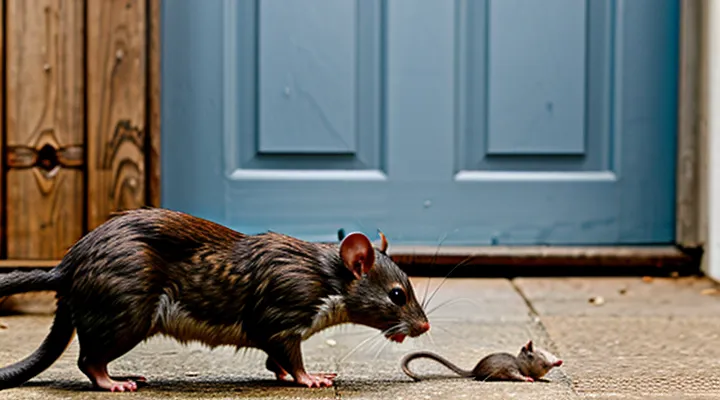
Understanding the Enemy: Rat Behavior and Signs
Common Rat Species Found in Homes
Understanding which rat species infest a residence determines the most effective removal strategy. Different species exhibit distinct habits, entry points, and damage patterns, allowing targeted actions that reduce time and effort.
- Norway rat (Rattus norvegicus) – Large, robust, brown‑gray coat; prefers ground‑level entry through basements, crawl spaces, and sewer connections; creates extensive burrows and gnaws on wiring and insulation.
- Roof rat (Rattus rattus) – Smaller, slender, black‑brown fur; favors elevated access such as attics, eaves, and rooflines; climbs along wires and seeks shelter in stored food, pantry items, and ceiling voids.
- Black rat (Rattus rattus) – synonym for roof rat – Shares the same characteristics and habitat preferences; identification relies on tail length exceeding body length and a more arboreal behavior.
- Brown rat (Rattus norvegicus) – synonym for Norway rat – Identified by a shorter, thicker tail and a preference for low‑lying, moisture‑rich environments.
Accurate identification guides the selection of traps, baits, and exclusion measures. For ground‑dwelling species, focus on sealing foundation cracks, installing snap traps along walls, and placing bait stations near burrow entrances. For climbing species, prioritize attic inspections, trim vegetation near the roof, and position traps in elevated pathways. Prompt recognition of the resident species accelerates removal and minimizes property damage.
Signs of a Rat Infestation
Droppings and Urine Trails
Droppings and urine trails provide the most reliable evidence of active rat presence. Fresh feces appear as dark, cylindrical pellets about half an inch long; older droppings turn lighter and crumble. Urine leaves a faint, ammonia‑like scent that intensifies in confined spaces and may darken fabrics or wood. Both signs concentrate along established travel routes, near food sources, and in concealed nesting areas.
Identifying these markers requires systematic inspection. Begin at suspected entry points, then follow the line of droppings, noting any changes in direction. Use a blacklight to reveal urine stains invisible to the naked eye; the stains fluoresce a pale green under ultraviolet light. Record each intersection where droppings accumulate, as these points indicate high traffic and optimal trap placement.
Applying the data improves capture speed. Position snap or live traps directly on the main runway, aligning the trigger mechanism with the front edge of a droppings cluster. Bait traps with protein‑rich foods that match the rats’ diet; place a small amount of bait on top of the droppings to reinforce the scent trail. Seal alternative routes with steel wool or caulk to force movement toward the traps.
Actionable steps
- Inspect corners, cabinets, and behind appliances for dark pellets and wet spots.
- Illuminate suspected urine with a UV flashlight; mark glowing areas.
- Trace the continuous line of droppings to locate the central runway.
- Set traps on the runway, using a few grams of bait placed on fresh droppings.
- Block secondary passages to concentrate activity at trap sites.
Consistent monitoring of droppings and urine trails, combined with precise trap placement, accelerates indoor rat removal while minimizing unnecessary exposure to chemicals.
Gnaw Marks and Damage
Rats leave unmistakable evidence that points directly to their presence. Recognizing gnaw marks and related damage accelerates detection and enables swift removal.
Fresh gnaw marks appear on wood, plastic, and electrical wiring. The bite edges are clean, with a single‑to‑double‑hole pattern ranging from ¼ inch to ½ inch in diameter. Multiple parallel bites indicate a feeding corridor. Examine baseboards, cabinet doors, and the backs of appliances for these signatures.
Chewed insulation reveals itself as frayed, exposed fibers that may spark or short circuits. Look for shredded foam, stripped cable jackets, and torn fabric. Damage to structural components, such as chewed joist beams or compromised drywall, weakens the building envelope and creates additional entry points.
Typical locations where gnaw damage concentrates include:
- Areas beneath sinks and around plumbing fixtures
- Storage rooms with cardboard boxes or paper stacks
- Attics and crawl spaces where insulation is abundant
- Near pet food containers and garbage bins
Documenting each finding—photo, location, and size—creates a map of activity. The map guides placement of traps or bait stations directly along the identified pathways, minimizing the time required to capture the rodents.
Sounds and Sighting
Rats reveal their presence through distinct noises and observable signs; recognizing these cues shortens the time needed for capture.
Typical rodent sounds include:
- Scratching on walls, ceilings, or stored boxes, especially at night.
- Squeaking or chattering when multiple individuals communicate.
- Quiet footfall on loose insulation or pipework, audible when the structure is silent.
- Rapid gnawing on wood, plastic, or wiring, producing a high‑pitched rasp.
Visual indicators provide complementary evidence:
- Fresh droppings, ½‑inch black pellets, clustered near food sources or travel routes.
- Gnaw marks on packaging, furniture legs, or electrical cords, often with clean, crisp edges.
- Grease trails along walls where rats rub their bodies.
- Small, shallow burrows in insulation, stored grain, or compost bins.
- Sudden movement in hidden areas when lights are switched on, especially near concealed entry points.
Effective capture strategy merges auditory and visual data. Position snap or electronic traps at locations where scratching is loudest, aligning bait with visible droppings or gnaw marks. Deploy motion‑activated devices near grease trails to confirm activity before setting permanent traps. Regularly monitor for new sounds and signs; immediate adjustment of trap placement prevents rats from establishing alternative routes.
Unpleasant Odors
Unpleasant odors signal rat activity and can be leveraged to locate infestations quickly. Rats emit a musky scent from urine, droppings, and glandular secretions; these smells linger in hidden areas such as wall voids, attics, and crawl spaces. Detecting strong, ammonia‑like or greasy odors points to active nesting sites, allowing immediate placement of traps or bait.
Effective use of odor cues includes:
- Inspecting low‑traffic corners, behind appliances, and under furniture for stale, sour smells.
- Using a flashlight to follow odor trails to potential entry points.
- Deploying traps directly where the strongest odor is detected, increasing capture probability.
Controlling the source of foul smells reduces rat attraction. Remove food residues, clean spilled liquids, and seal garbage containers. Regular sanitation eliminates the scent that draws rats, enhancing the speed and success of removal efforts.
Immediate Action: Preparing for Rat Control
Essential Safety Precautions
Protecting Children and Pets
When rodents infest a residence, the immediate priority is eliminating the pests without exposing children or pets to danger.
Select trapping devices that minimize accidental contact. Snap traps equipped with safety shields, electronic models that deliver a quick, contained shock, or live‑catch cages with secure lids are preferable to toxic baits. Avoid rodenticides entirely; they present a high risk of accidental ingestion.
Place traps where young ones and animals cannot reach them. Secure traps on elevated surfaces such as the top of cabinets, behind appliances, or inside sealed boxes with small entry holes. Ensure the bait is placed inside a compartment that requires deliberate handling to access.
Maintain continuous oversight. Inspect traps at least once each day; remove captured rodents promptly and dispose of them in sealed bags. Clean the surrounding area with a mild disinfectant to prevent disease transmission.
Implement environmental controls that reduce the need for traps.
- Seal cracks, gaps, and utility openings with steel wool or caulk.
- Store food in airtight containers; clean up crumbs and spills immediately.
- Keep garbage in containers with tight‑fitting lids and remove it regularly.
By combining secure trapping methods with rigorous placement, monitoring, and preventative maintenance, families can eradicate rats swiftly while safeguarding the health of children and pets.
Handling Baits and Traps Safely
Effective rodent control at home depends on precise, risk‑free use of baits and traps. Mishandling these devices can expose occupants, pets, and the environment to toxins and injuries. Follow established protocols to protect health while eliminating rats quickly.
When preparing baits, observe the following measures:
- Store products in sealed containers away from food preparation areas.
- Wear disposable gloves to prevent skin contact with toxic compounds.
- Keep baits out of reach of children and non‑target animals; use tamper‑proof stations when possible.
- Label each bait station with hazard warnings and placement instructions.
- Replace expired or damaged bait promptly to maintain efficacy.
Trap deployment requires equal caution:
- Select traps designed for rat capture, ensuring they meet local safety standards.
- Position devices along walls, behind appliances, and near known activity zones; avoid high‑traffic human pathways.
- Use sprung or electronic mechanisms according to manufacturer specifications; never modify the trigger assembly.
- Inspect traps after each capture; dispose of captured rodents using sealed bags and disinfect the device before reuse.
- Maintain a log of trap locations and capture dates to monitor progress and adjust placement.
After each operation, implement thorough cleanup:
- Wash hands with soap and water after removing gloves.
- Clean surfaces that contacted bait or trap components with a disinfectant approved for rodent control residues.
- Dispose of used bait containers and trap debris in accordance with local hazardous waste regulations.
- Ventilate the area to eliminate lingering odors that might attract additional rodents.
Adhering to these procedures minimizes accidental poisoning, reduces cross‑contamination, and ensures that rat eradication proceeds efficiently and safely.
Inspecting Your Home for Entry Points
Identifying Gaps and Cracks
Rats enter through openings that are often unnoticed. Examine exterior walls, foundation, and roof for any space larger than a quarter‑inch. Inspect utility penetrations, such as pipe sleeves and cable conduits, and seal any gaps with steel wool or caulking. Pay special attention to areas where different building materials meet, as contraction can create hairline cracks.
Typical locations where rats gain access:
- Gaps around doors and windows, including weather‑stripping wear.
- Openings around vent pipes, chimney flues, and exhaust fans.
- Cracks in concrete slabs, especially near basements or crawl spaces.
- Spaces around electrical wiring and plumbing that pass through walls.
- Unsealed gaps under siding, gutters, and eaves.
After locating each opening, apply a durable sealant, metal mesh, or expanding foam that rats cannot gnaw through. Verify the repair by running a thin piece of wire or a flashlight beam through the sealed area; any residual space indicates a need for further reinforcement. Consistent inspection and maintenance of these gaps dramatically reduce rat entry, accelerating the overall removal process.
Securing Doors and Windows
Seal entry points to prevent rats from entering the house. Unsealed doors and windows provide the most common routes for rodents seeking shelter and food.
Inspect each door and window for gaps larger than a quarter inch. Check the perimeter of the frame, the space between the door and the floor, and any removable screens. Use a flashlight to spot hidden cracks behind trim or molding.
Apply appropriate barriers to close identified openings:
- Install weather‑stripping around door frames, ensuring a tight fit when the door closes.
- Attach a door sweep to the bottom of exterior doors; choose a sweep with a flexible rubber strip that contacts the floor surface.
- Replace torn or missing window screens with sturdy mesh; secure the mesh with a tight frame.
- Fill larger cracks with steel wool followed by caulk or expanding foam; steel wool deters chewing, while sealant creates a permanent block.
Regularly test the integrity of seals after seasonal temperature changes or after cleaning. Reapply weather‑stripping or replace worn sweeps promptly. Maintain a clear area around doors and windows to discourage rats from nesting near the openings.
By systematically sealing doors and windows, the home eliminates the primary pathways rats use to gain access, supporting rapid and effective rodent control.
Sealing Foundation and Utility Openings
Sealing gaps in foundations and around utilities removes the entry points rats exploit, making rapid home rat control possible.
Identify all cracks, holes, and gaps in the perimeter wall, basement floor, and crawl‑space walls. Use a flashlight and a thin mirror to inspect hard‑to‑see areas. Mark each opening with chalk or tape before repair.
Repair methods:
- Fill small cracks (≤¼ in) with hydraulic cement; allow curing time per product instructions.
- For larger openings, install steel mesh or hardware cloth (¼‑in or smaller) and cover with cement or concrete patch.
- Apply expanding polyurethane foam to irregular gaps around pipe sleeves before securing with metal flashing.
Seal utility penetrations:
- Wrap pipe entries with stainless‑steel pipe collars; fasten with corrosion‑resistant screws.
- Install airtight vent covers on dryer, bathroom, and kitchen exhaust vents; choose models with built‑in mesh screens.
- Cover electrical conduit gaps with metal plates or silicone sealant rated for pest control.
Materials checklist:
- Hydraulic cement
- Steel mesh or hardware cloth (¼ in)
- Expanding polyurethane foam
- Stainless‑steel pipe collars
- Airtight vent covers with mesh
- Silicone or acrylic sealant labeled for pest exclusion
After completion, conduct a visual inspection to confirm no remaining openings. Schedule quarterly checks, especially after heavy rain or construction work, to maintain a sealed envelope that prevents new rat incursions.
Effective Trapping Strategies
Types of Traps for Quick Catching
Snap Traps: The Classic Method
Snap traps remain the most reliable tool for rapid rodent control inside a residence. Their mechanism relies on a spring‑loaded bar that delivers an instantaneous, lethal strike when a rat applies pressure to the trigger plate. The design eliminates the need for chemicals, reduces the risk of secondary poisoning, and provides immediate confirmation of a catch.
Effective use of snap traps requires attention to three critical factors: placement, bait selection, and safety precautions.
- Position traps along walls, behind appliances, and in dark corners where rats travel. Align the trigger plate perpendicular to the wall to match the animal’s natural path.
- Apply a small amount of high‑protein bait such as peanut butter, bacon, or canned fish. Concentrate the bait on the trigger plate to ensure the rat contacts the mechanism.
- Wear gloves when handling traps to prevent scent transfer. Place traps out of reach of children and pets, securing them to a stable surface to avoid accidental discharge.
Regular monitoring enhances results. Check traps daily, dispose of dead rodents in sealed bags, and reset with fresh bait. Replace any trap that shows signs of rust or loss of spring tension, as diminished force reduces lethality and may allow escape.
When deployed correctly, snap traps can eliminate a household rat infestation within a few days, providing a swift, cost‑effective solution without the complications of poison or electronic devices.
Electronic Traps: Modern Efficiency
Electronic traps provide a fast, humane solution for indoor rodent control. The device delivers a high‑voltage shock that instantly incapacitates a rat, eliminating the need for poison or manual handling. Sensors detect the presence of a rodent, trigger the discharge, and automatically reset for the next capture, allowing continuous operation without user intervention.
Key advantages include:
- Immediate lethality, reducing suffering and preventing disease spread.
- Sealed chambers prevent accidental contact with pets or children.
- Low odor and no chemical residue, making the traps suitable for kitchens and food storage areas.
- Reusable design lowers long‑term expenses compared with disposable snap traps.
When selecting an electronic trap, consider:
- Voltage rating (typically 2,000–3,000 V) sufficient to ensure quick neutralization of adult rats.
- Power source—battery‑operated models offer portability, while plug‑in units guarantee uninterrupted performance.
- Chamber size; a larger interior accommodates bigger rodents and reduces escape risk.
- Indicator lights or audible alerts that confirm a successful capture.
- Warranty and customer support, reflecting product reliability.
Installation requires placement along established rodent pathways, near walls, or close to food sources. Position the trap with the entry slot facing the direction of travel, maintain a clear line of sight for the sensor, and keep the area free of clutter. After each capture, dispose of the dead rodent according to local regulations, clean the chamber with mild detergent, and reset the device.
Maintenance involves regular battery checks or ensuring the power cord remains connected, inspecting the sensor for dust accumulation, and verifying that the discharge circuit functions correctly. Replacing worn batteries or resetting the internal fuse restores optimal performance.
Overall, electronic traps combine rapid action, safety, and cost efficiency, making them a practical choice for homeowners seeking swift rat elimination without chemical hazards.
Live Traps: Catch and Release (with caution)
Live traps provide a humane alternative for removing rats from a residence while preserving the animal for relocation.
Choose a trap constructed of sturdy wire mesh or clear plastic, equipped with a sensitive trigger mechanism and a secure latch. Models with a smooth interior surface prevent injury during capture.
Position traps along established rat pathways: near walls, behind appliances, or close to food sources. Bait with high‑protein items such as peanut butter, cooked meat, or dried fruit. Secure the bait in the far end of the trap to ensure the rat fully enters before the trigger activates.
Inspect traps at least twice daily. When a rat is caught, wear thick gloves, cover the trap with a towel, and transport it to the release site. Avoid direct contact with the animal’s saliva or urine.
Release the rat at least 100 meters from the home, preferably in a wooded or agricultural area where shelter and food are available. Verify local regulations regarding wildlife relocation; some jurisdictions require permits or prohibit release of certain species.
Clean the trap with a bleach solution after each use to eliminate pathogens and odor that could deter future captures.
Best Bait Choices for Rats
Foods Rats Cannot Resist
Rats are drawn to foods high in fat, protein, and sugar; leveraging these preferences accelerates indoor rodent capture. Selecting the most irresistible items and placing them strategically in traps maximizes catch rates.
- Peanut butter – strong scent, adheres to trap surfaces.
- Bacon or cooked pork – rich fat and protein, emits potent aroma.
- Chocolate – high sugar content, strong odor.
- Sunflower seeds – oily texture, easy to secure in bait stations.
- Dried fruit (e.g., raisins, apricots) – sweet flavor, low moisture loss.
- Cheese (especially aged varieties) – strong smell, high fat.
- Pet food (wet or dry) – familiar scent, protein-rich composition.
Apply a thin layer of the chosen bait to snap or live traps, ensuring the lure does not obstruct the trigger mechanism. Replace bait daily to maintain freshness and scent potency. Store remaining bait in airtight containers to prevent accidental attraction of non‑target wildlife. Using these high‑draw foods consistently reduces inspection time and improves overall effectiveness of rapid home rodent control.
Non-Food Baits and Attractants
Non‑food baits provide an effective alternative when food items are unsuitable or unavailable. They exploit rats’ natural instincts, such as territorial marking, nesting behavior, and curiosity, to lure the pests into traps.
Common non‑food attractants include:
- Petroleum‑based oils (e.g., mineral oil, lanolin) applied to trap surfaces; rats investigate oily residues.
- Synthetic pheromones that mimic male or female scent; commercially available blends trigger mating or territorial responses.
- Strong odors such as ammonia, peppermint oil, or naphthalene crystals; rats investigate unfamiliar chemical cues.
- Dust powders containing powdered silica or diatomaceous earth; these substances irritate the respiratory system, prompting movement toward escape routes where traps are placed.
Placement strategies:
- Position baits along known runways, behind appliances, and near wall voids.
- Secure bait patches on the trap’s trigger mechanism to ensure contact.
- Use minimal quantities to prevent saturation and maintain a distinct scent trail.
Monitoring and disposal:
- Check traps every 12–24 hours; replace bait after each capture to preserve potency.
- Wear gloves when handling baits and trapped rodents; dispose of carcasses in sealed bags.
- Clean trap surfaces with mild detergent to remove residual odor before re‑baiting.
Employing these non‑food attractants accelerates rodent capture without relying on edible lures, making the process faster and safer for household environments.
Optimal Trap Placement
High-Traffic Rat Areas
Rats concentrate activity along routes that provide food, shelter, and easy movement. Identifying these corridors is essential for swift rodent removal inside a residence.
- Kitchen countertops, especially near garbage disposals and food prep areas.
- Behind appliances such as refrigerators, stoves, and dishwashers where insulation creates hidden pathways.
- Under sinks and pantry shelves where moisture accumulates and stored goods are accessible.
- Basement or crawl‑space joist spaces that connect multiple rooms and offer darkness.
- Utility closets containing wiring, plumbing, or HVAC ducts that serve as protected tunnels.
- Exterior entry points adjacent to garden beds, compost bins, or pet feeding stations, which often extend into interior walls.
Targeting traps and bait stations directly within these high‑traffic zones maximizes encounter rates. Place snap or electronic traps along walls at a 45‑degree angle, with the trigger side facing the wall to align with the rat’s natural running line. Bait stations should be positioned in concealed corners of the listed areas, using a small amount of attractive food such as peanut butter or dried fruit to avoid spillage that could attract non‑target wildlife.
Regular inspection of the identified pathways, combined with immediate trap placement, reduces the time required to achieve effective control. Monitoring trap activity every 12 hours allows rapid adjustment of bait placement and ensures that any newly discovered routes are addressed promptly.
Concealed and Secure Locations
Placing traps where rats cannot see them and where they remain protected from accidental disturbance is essential for rapid control. Choose locations that are close to walls, behind appliances, under cabinets, or within insulated gaps. Rats travel along established pathways; positioning devices along these routes maximizes encounters while keeping the setup out of sight.
- Identify active runways by observing droppings, gnaw marks, or grease trails.
- Position traps perpendicular to the wall, with the bait side facing the expected travel direction.
- Use sealed snap traps or enclosed bait stations to prevent pets and children from accessing the lure.
- Secure traps inside plastic containers that have small entry holes, allowing rats to enter but not exit.
- Place devices near known entry points such as pipe openings, vent shafts, or cracks, ensuring they are hidden behind insulation or furniture.
Maintain the concealment by regularly checking for displacement caused by household traffic or cleaning. Replace or relocate traps if they become visible or if rats begin to avoid the area. Consistent placement in covert, protected spots accelerates removal while minimizing disruption to occupants.
Advanced Control Methods and Prevention
Utilizing Rat Baits and Rodenticides
Understanding Different Formulations
Effective rat control at home depends on selecting the appropriate formulation of the product used. Formulations fall into three categories: solid baits, liquid attractants, and ready‑to‑use traps.
Solid baits contain anticoagulant or non‑anticoagulant rodenticides mixed into grain, wax, or polymer blocks. They deliver a precise dose when a rat gnaws the material, ensuring rapid ingestion while minimizing exposure to non‑target species when placed in tamper‑proof stations.
Liquid attractants consist of flavored solutions that coat the interior of snap or electronic traps. The scent stimulates feeding behavior, increasing the likelihood of a successful strike. Formulations often include sugar, peanut oil, or meat extracts, each tailored to the local rat population’s preferences.
Ready‑to‑use traps are pre‑assembled devices with built‑in bait compartments. They combine mechanical action with a formulated lure, reducing setup time and user error. Variants include spring‑loaded snap traps, multi‑catch designs, and electric shock units.
Choosing the optimal formulation requires matching the product’s delivery method to the infestation level, accessibility of entry points, and safety constraints of the household environment. Proper placement, regular inspection, and timely replacement of depleted formulations sustain efficacy and prevent re‑infestation.
Safe Application and Monitoring
When setting traps, select devices certified for indoor use and free of toxic chemicals. Wear disposable gloves to prevent skin contact with bait or rodent fluids. Position traps along walls, behind appliances, and near known gnaw marks; rodents prefer concealed routes. Secure each trap to a stable surface to avoid displacement by shaking or accidental knocks.
After deployment, inspect traps at least twice daily. Remove captured rats with sealed containers, then dispose of carcasses in a trash bag that is tightly closed and placed in an outdoor bin. Clean the trap surface with a mild disinfectant before re‑baiting. Record the date, location, and result of each inspection to identify high‑activity zones and adjust trap density accordingly.
Maintain a monitoring schedule:
- Morning check – document captures, replace bait if needed.
- Evening check – repeat documentation, ensure traps remain functional.
- Weekly review – analyze recorded data, relocate or add traps where activity persists.
Adhering to these procedures minimizes health risks, limits accidental exposure, and sustains an effective, rapid response to indoor rat infestations.
Risks and Environmental Impact
Rapid rodent control inside a residence carries several safety concerns and ecological consequences that must be evaluated before implementation.
Potential hazards include:
- Toxic chemicals that can be absorbed through skin or inhaled, posing health risks to occupants.
- Accidental ingestion by children or pets, leading to acute poisoning.
- Development of rodent resistance when poisons are overused, reducing long‑term effectiveness.
- Improper disposal of dead rodents, which may spread disease agents.
- Mechanical traps that malfunction, causing injury to non‑target animals.
Environmental repercussions stem from the same control agents:
- Pesticide residues leaching into soil and water, disrupting microbial communities.
- Non‑target wildlife, such as birds and beneficial insects, affected by bait or trap placement.
- Persistent chemicals accumulating in the food chain, potentially impacting nearby ecosystems.
- Increased waste from disposable traps and poisoned carcasses, adding to landfill burden.
Mitigation strategies focus on minimizing exposure and ecological footprint:
- Prioritize snap traps or live‑catch devices that do not involve chemicals.
- Employ bait stations with built‑in safety locks to restrict access by children and pets.
- Rotate control methods to prevent resistance buildup.
- Follow local regulations for carcass disposal, using sealed containers and professional services when necessary.
- Conduct regular inspections to ensure traps remain functional and correctly positioned.
Natural Repellents and Deterrents
Essential Oils and Strong Scents
Essential oils deter rodents by exploiting their acute sense of smell. Concentrated extracts create an environment that rats find hostile, prompting them to vacate concealed areas.
- Peppermint oil: Apply 10 ml diluted in 500 ml water, spray near entry points, nesting sites, and along walls. The menthol scent overwhelms rodent olfactory receptors.
- Eucalyptus oil: Mix 15 ml with carrier oil, dab on cotton balls, and place in corners, attics, or crawl spaces. The strong camphoraceous aroma repels for several days.
- Citronella oil: Combine 12 ml with vinegar, soak rags, and tuck beneath cabinets or behind appliances. The citrus notes mask food odors and discourage foraging.
- Clove oil: Use 8 ml mixed with mineral oil, soak small fabric strips, and position near burrows or pipe openings. The pungent phenolic compounds act as a chemical barrier.
Apply treatments repeatedly, preferably every 48 hours, because volatile compounds dissipate quickly. Ensure ventilation to avoid excessive inhalation for occupants and pets. For maximum effect, integrate oil deployment with physical exclusion measures such as sealing cracks, installing traps, and removing food sources. This multi‑modal approach accelerates the removal of rats from a domestic setting.
Ultrasonic Devices: Do They Work?
Ultrasonic repellents emit high‑frequency sound waves that rodents cannot hear. The devices claim to disrupt rats’ nervous systems, causing avoidance of treated areas.
Effectiveness depends on several factors:
- Frequency range: 20–65 kHz covers most rat hearing thresholds; devices outside this band show reduced impact.
- Coverage area: manufacturers list square footage, but sound intensity drops sharply with distance, leaving corners and furniture as safe zones for rodents.
- Obstructions: walls, appliances, and clutter absorb or reflect waves, creating dead spots where rats can remain undisturbed.
- Rat acclimation: prolonged exposure may lead to habituation, diminishing the repellent effect after weeks.
Scientific studies provide mixed results. Laboratory tests show temporary aversion in controlled environments, while field trials in residential settings report limited success, often requiring supplementary measures. Peer‑reviewed reviews conclude that ultrasonic devices alone rarely achieve complete eradication.
Practical recommendations for homeowners seeking rapid rodent control:
- Place units at ground level, aimed toward open pathways such as entry holes or gaps.
- Use multiple devices to ensure overlapping coverage in larger rooms.
- Combine ultrasonic repellents with traps, sealing of entry points, and sanitation to reduce attractants.
- Replace batteries or power sources regularly to maintain output intensity.
- Monitor rodent activity for at least two weeks; discontinue use if no decline is observed.
In summary, ultrasonic emitters may reduce rat presence in confined, unobstructed spaces, but they do not replace comprehensive pest‑management strategies. Reliable results require integrated approaches that address entry, food sources, and habitat conditions.
Long-Term Rat Prevention
Maintaining a Clean and Tidy Home
A clean, orderly living space deprives rats of food, shelter, and nesting material, making rapid rodent removal at home far more feasible. Eliminating accessible sustenance forces rodents to seek alternative locations, often outside the dwelling.
Maintain cleanliness through daily habits:
- Store all food in sealed containers; avoid leaving leftovers on counters or floors.
- Promptly wipe spills and crumbs; sweep or vacuum high‑traffic areas each evening.
- Dispose of garbage in bins with tight‑fitting lids; empty them regularly.
- Keep pet feeding stations tidy; remove uneaten portions after each meal.
- Organize clutter, especially in basements, garages, and attics, to eliminate hidden nesting sites.
Periodic deep cleaning reinforces these measures. Scrub behind appliances, under sinks, and inside cabinets where debris can accumulate. Inspect storage boxes for signs of gnawing or droppings and discard compromised items. By sustaining a hygienic environment, you reduce attractants, limit hiding places, and increase the effectiveness of any trapping or baiting methods employed for swift rat control.
Proper Food Storage and Waste Management
Effective rodent control in residential environments begins with eliminating food sources that attract rats. Secure food storage reduces the likelihood of infestation. Use airtight containers made of plastic, glass, or metal for pantry items, grains, and pet food. Place containers on shelves rather than on the floor to prevent easy access.
Maintain a strict waste management routine. Empty trash bins daily and keep lids tightly sealed. Store outdoor bins away from the house, preferably on a concrete surface, and elevate them to prevent rodents from climbing. Clean spills immediately; residue left on countertops, floors, or appliances provides a continuous food supply.
Implement these practices consistently:
- Store all consumables in sealed, rodent‑proof containers.
- Dispose of food waste in bins with secure lids; transfer waste to outdoor containers promptly.
- Clean kitchen surfaces after each meal, focusing on crumbs and liquid residues.
- Inspect storage areas weekly for signs of gnawing or contamination.
- Keep compost piles covered and located at a distance from the dwelling.
By denying rats easy access to food and eliminating waste that sustains them, homeowners create an environment where rapid rat removal becomes achievable without reliance on traps or chemicals.
Regular Home Maintenance and Sealing
Regular home maintenance reduces the number of entry points that rats exploit, making rapid rodent control more achievable. Inspect the exterior and interior of the property weekly to identify gaps, cracks, or worn materials that could serve as pathways for rodents.
- Seal gaps larger than ¼ inch with steel wool, caulk, or expanding foam; steel wool deters chewing.
- Repair damaged screens, door sweeps, and vent covers; replace torn sections promptly.
- Trim vegetation away from the building foundation; overgrown plants provide cover and bridge gaps.
- Ensure gutters and downspouts direct water away from the structure; moisture attracts rats and weakens building materials.
- Store firewood, compost, and trash in sealed containers away from walls; keep these items elevated off the ground.
A systematic maintenance schedule—monthly for exterior checks, quarterly for interior inspections—keeps potential ingress points closed, limiting rat activity and facilitating swift removal when infestations arise.
When to Call Professional Pest Control
Recognizing a Severe Infestation
A severe rat problem becomes evident through multiple, overlapping indicators that signal a population beyond isolated sightings.
Visible signs include large piles of dark, pellet‑shaped droppings near food sources, along walls, and in hidden corners. Fresh droppings are moist and glossy, while older ones dry and crumble. Concentrations exceeding a few pellets per square foot suggest rapid breeding.
Physical damage provides another clear cue. Gnawed wood, plastic, or wiring appears as clean, crescent‑shaped bites. Repeated cuts on the same material, especially around cabinets, pipes, or insulation, indicate numerous individuals feeding simultaneously.
Auditory cues often precede visual confirmation. Continuous scratching, scurrying, or squeaking sounds occurring at night, especially in attic spaces, walls, or crawl‑spaces, reflect a thriving colony.
Odor serves as a reliable, though less specific, indicator. A strong, musky scent, especially near waste accumulation or nesting sites, points to extensive activity.
Evidence of nesting confirms that rats have established a permanent base. Look for shredded fabric, paper, or insulation gathered into compact piles within concealed areas such as behind appliances, under floorboards, or inside wall voids.
When several of these factors appear together, the infestation has likely reached a level that requires immediate, coordinated control measures. Ignoring any single symptom can allow the population to expand unchecked, undermining later eradication efforts.
Limitations of DIY Methods
DIY rat‑capture techniques often appear attractive because they require minimal investment and can be implemented immediately. Their practical shortcomings limit reliability and may create additional problems.
- Traps constructed from household items lack standardized trigger mechanisms, resulting in inconsistent activation and frequent missed catches.
- Homemade bait mixtures degrade quickly, reducing attractiveness and forcing frequent replacement.
- Improvised devices provide little protection against accidental contact, increasing the risk of bites or exposure to disease vectors.
- Materials such as cardboard, wood, or plastic degrade when exposed to moisture or urine, shortening functional lifespan and necessitating constant repair.
- Without professional-grade monitoring, owners cannot assess population size or movement patterns, leading to incomplete control.
- Local regulations may restrict the use of certain homemade devices, exposing homeowners to legal penalties.
These constraints explain why professional traps and integrated pest‑management solutions remain the preferred choice for swift, effective rodent removal in residential settings.
Benefits of Professional Assistance
Professional pest‑control services provide expertise that exceeds typical DIY attempts. Certified technicians identify entry points, assess infestation severity, and apply targeted treatments that minimize health risks and property damage.
- Accurate detection: Trained staff locate hidden nests and travel routes, preventing incomplete eradication.
- Safe chemicals: Licensed applicators use products regulated for indoor use, reducing exposure to toxins for residents and pets.
- Guaranteed results: Service contracts often include follow‑up visits, ensuring that remaining rodents are eliminated.
- Time efficiency: Professionals complete the process faster than homeowners, limiting disruption to daily routines.
- Legal compliance: Specialists adhere to local health codes, avoiding penalties that can arise from improper handling.
Engaging experts eliminates guesswork, secures a lasting solution, and protects health and property more effectively than amateur methods.