
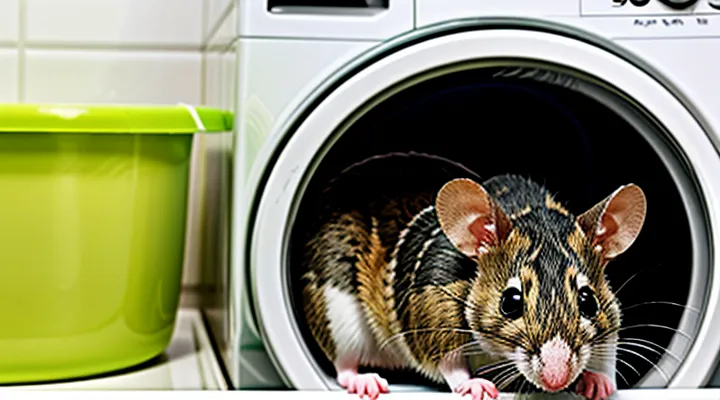
Understanding Pet Mice Hygiene Needs
Why Regular Washing is Not Recommended
«Natural Grooming Habits»
Pet mice rely on instinctive grooming to keep their fur clean, remove parasites, and regulate body temperature. They use their forepaws to nibble excess fur, then lick the area with their tongues, a behavior that distributes natural oils and reduces skin irritation. Frequent self‑grooming also stimulates circulation, supporting healthy skin and coat growth.
Observing a mouse’s grooming pattern provides insight into its well‑being. A mouse that dedicates several minutes each day to meticulous cleaning typically displays a smooth, glossy coat and a clear, bright eye surface. Conversely, reduced grooming time, uneven fur, or persistent dandruff may signal stress, illness, or an unsuitable environment.
To reinforce natural grooming while maintaining hygiene standards, caretakers should:
- Provide a textured nesting material (e.g., shredded paper, aspen shavings) that encourages chewing and fur maintenance.
- Offer a small, clean wooden chew block; gnawing stimulates oral activity that complements fur grooming.
- Keep the enclosure dry and well‑ventilated to prevent moisture buildup, which can hinder the mouse’s ability to dry its coat after self‑grooming.
- Perform weekly spot cleaning of soiled areas, avoiding full‑scale washes that disrupt the mouse’s oil balance.
- Monitor for over‑grooming, which may appear as bald patches or skin lesions, and adjust diet or environmental enrichment accordingly.
Supplementary care includes a balanced diet rich in omega‑3 fatty acids, which enhances fur quality and reduces the need for excessive licking. Regular health checks that include fur and skin assessment ensure that natural grooming remains effective and that any deviations are addressed promptly.
«Stress and Health Risks of Bathing»
Bathing pet mice triggers a pronounced stress response. Sudden immersion in water elevates corticosterone levels, accelerates heart rate, and provokes frantic escape behavior. The animal’s natural defense mechanisms focus on survival rather than cleanliness, making the procedure inherently distressing.
Physiological stress manifests as reduced appetite, weight loss, and impaired immune function. Elevated stress hormones suppress leukocyte activity, increasing susceptibility to bacterial and fungal infections. Prolonged exposure to these conditions can compromise overall health and shorten lifespan.
Health risks associated with washing include:
- Skin maceration caused by prolonged moisture, leading to ulceration and secondary infections.
- Hypothermia resulting from inadequate drying or exposure to cool environments.
- Respiratory irritation from water entering the nasal passages, which may develop into pneumonia.
- Disruption of the natural microbiome on the fur and skin, allowing opportunistic pathogens to colonize.
To maintain hygiene while minimizing danger, adopt the following practices:
- Reserve full‑body baths for emergency situations (e.g., severe soiling or parasite infestation).
- Perform spot cleaning with a damp, lint‑free cloth; avoid soaking the animal.
- Use warm (not hot) water at 30‑32 °C and limit contact time to a few seconds.
- Immediately dry the mouse with a soft towel and place it in a pre‑warmed enclosure (≥ 25 °C) until fully dry.
- Monitor the animal for signs of stress or illness after each cleaning session and adjust care protocols accordingly.
By limiting bathing to essential cases and employing targeted cleaning methods, caretakers reduce stress‑induced hormonal spikes and prevent the health complications that accompany unnecessary water exposure.
When Washing Might Be Necessary
«Extreme Soiling or Medical Reasons»
Extreme soiling or underlying health problems demand immediate, targeted action rather than routine cleaning. Visible urine stains, fecal buildup that adheres to fur, or a strong odor indicate that the mouse’s coat is compromised and may be trapping pathogens. Sudden changes in grooming behavior, lethargy, or skin lesions often signal medical issues that require veterinary assessment before any washing procedure.
When such conditions appear, follow a structured response:
- Isolate the affected mouse in a clean, dry cage to prevent contamination of other animals.
- Perform a visual inspection for wounds, dermatitis, or parasites; record any abnormalities.
- Contact a veterinarian promptly; obtain guidance on whether a gentle wipe, a brief soak, or a full bath is appropriate.
- If a wipe is advised, use a damp, lint‑free cloth moistened with warm water and a few drops of a mouse‑safe, unscented saline solution; avoid soaps or detergents.
- For a full bath prescribed by a professional, fill a shallow container with water no warmer than 30 °C, limit the session to 2–3 minutes, and dry the mouse with a low‑heat hair dryer on a gentle setting.
- After cleaning, monitor the mouse for signs of stress, loss of appetite, or worsening condition; report any concerns to the veterinarian immediately.
Regular health checks and prompt response to extreme soiling reduce the risk of infection and support overall well‑being.
«Veterinary Consultation»
A veterinary consultation provides essential, evidence‑based guidance for the safe cleaning and overall health management of pet mice. The veterinarian assesses the animal’s condition, identifies any underlying medical issues, and tailors hygiene protocols to the individual’s age, weight, and species‑specific needs.
Key benefits of seeking professional advice include:
- Confirmation that bathing is appropriate for the specific mouse, considering skin integrity and stress tolerance.
- Recommendations on suitable cleaning agents that will not disrupt the animal’s natural microbiome.
- Instruction on proper drying techniques to prevent hypothermia.
- Early detection of skin infections, parasites, or dental problems that may be exacerbated by improper washing.
- Development of a preventive care schedule that integrates grooming with routine health checks.
Before the appointment, owners should record observations such as coat condition, odor, and any changes in behavior or appetite. Bringing a sample of the mouse’s bedding and a list of current dietary supplements enables the veterinarian to evaluate environmental factors that influence grooming practices. Following the professional’s instructions ensures that each cleaning session supports the mouse’s welfare while minimizing the risk of injury or illness.
Gentle Cleaning Methods for Pet Mice
Spot Cleaning
«Using a Damp Cloth or Cotton Swab»
When a pet mouse requires spot cleaning, a lightly dampened soft cloth or a cotton swab provides precise, gentle removal of dirt without submerging the animal.
Begin by moistening the cloth or swab with warm water; excess liquid must be squeezed out so the material is only barely wet. Apply the damp surface to the mouse’s fur, moving in short strokes from head toward tail. Avoid the eyes, ears, and any open wounds. If debris is stubborn, a single swipe with a cotton swab can dislodge it without irritating the skin.
Key considerations:
- Use distilled or filtered water to prevent mineral deposits.
- Maintain a temperature close to the mouse’s body heat (approximately 37 °C) to avoid shock.
- Limit each cleaning session to a few seconds; prolonged contact can cause stress.
- After cleaning, gently pat the fur dry with a clean, dry towel to prevent dampness from breeding bacteria.
Repeat the procedure only when visible soiling occurs. Routine full‑body baths are unnecessary and can strip natural oils, compromising the mouse’s coat health.
«Safe Cleaning Solutions (Water Only)»
Use only clean, lukewarm water for all mouse‑related cleaning tasks. Water eliminates the risk of chemical irritation while effectively removing debris from cages, accessories, and the animals themselves.
Chemical‑free cleaning protects delicate respiratory systems and prevents ingestion of toxic residues. Mice readily absorb substances through their skin and fur; therefore, any detergent or disinfectant can cause stress, dermatitis, or digestive upset.
Guidelines for water‑only cleaning:
- Fill a shallow basin with lukewarm water (approximately 30‑35 °C).
- Submerge cage components (bars, wheels, hideouts) for 2–3 minutes; agitate gently to release dirt.
- Rinse each item under a steady stream of fresh water until no particles remain.
- Pat dry with a lint‑free cloth or allow to air dry completely before reassembly.
- For direct mouse cleaning, place the animal in a small container of lukewarm water for no more than 30 seconds; avoid submerging the head. Immediately dry with a soft towel and keep the mouse warm until fully dry.
After cleaning, inspect all surfaces for cracks or wear that could harbor bacteria. Replace any damaged items promptly to maintain a hygienic environment. Consistent water‑only cleaning, combined with regular cage changes, ensures a safe and healthy habitat for pet mice.
«Focus Areas (Paws, Genitals)»
When cleaning a pet mouse, the paws and genital area demand particular attention because they are prone to contamination and injury. Proper technique reduces the risk of infection and preserves the animal’s mobility.
- Hold the mouse gently but securely to prevent slipping.
- Rinse the paws with lukewarm water, avoiding high pressure that could damage delicate skin.
- Use a soft, damp cotton swab to remove debris from the pads and between the toes.
- Pat the paws dry with a lint‑free paper towel; do not rub.
Genital hygiene follows a similarly precise approach:
- Position the mouse so the vent is accessible without causing stress.
- Apply a few drops of sterile saline to a cotton tip; wipe the area carefully to eliminate urine residue and fecal matter.
- Inspect for swelling, redness, or discharge; record any abnormalities.
- Dry the region with a separate lint‑free towel, ensuring no moisture remains.
After each wash, examine the paws for cracks, abrasions, or overgrown nails, and trim nails only with specialized mouse nail clippers if required. Monitor the genital area for signs of irritation or infection, and consult a veterinarian promptly if abnormalities persist. Regular, focused cleaning of these zones supports overall health and longevity of the mouse.
Dust Baths (Optional)
«Type of Dust (Chinchilla Dust)»
Chinchilla dust is a fine, calcium carbonate‑based powder specifically formulated for small rodents. Its particle size allows mice to groom themselves without inhaling debris, mimicking the natural dust‑bathing behavior of wild species.
The dust serves two primary functions in a mouse’s environment:
- Absorbs excess moisture on the fur, reducing the risk of skin irritation and fungal growth.
- Removes loose hair and debris, keeping the coat clean between baths.
When applying chinchilla dust, follow these steps:
- Place a shallow dish or a dedicated dusting box inside the cage.
- Add a thin layer of dust—approximately ¼ inch deep.
- Allow the mouse to enter the dusting area for 5‑10 minutes, monitoring for signs of distress.
- Remove any excess dust from the cage floor after the session to prevent accumulation.
Safety considerations:
- Use only dust labeled for rodents; avoid powders containing talc or scented additives that can irritate respiratory passages.
- Keep the dust container sealed when not in use to protect it from humidity, which degrades effectiveness.
- Replace the dust every two weeks or sooner if it becomes clumped.
Integrating regular dust‑bathing with routine cage cleaning and occasional gentle sponge baths creates a comprehensive grooming regimen for pet mice, supporting coat health and overall well‑being.
«Providing a Dust Bath Container»
A dust bath allows pet mice to remove excess oils, parasites, and loose fur, contributing to skin health and overall hygiene. Providing a dedicated container encourages natural grooming behavior and reduces the need for excessive washing, which can strip protective oils.
Key considerations for selecting and maintaining a dust bath container:
- Material: Use untreated, non‑porous plastic, glass, or ceramic. Avoid wood or painted surfaces that can absorb moisture or release chemicals.
- Size: Ensure the interior diameter is at least twice the mouse’s body length (approximately 2–3 inches) and the depth allows ½ inch of dust without spilling.
- Ventilation: Include small openings or a mesh lid to prevent humidity buildup while keeping debris contained.
- Location: Place the container in a quiet corner of the cage, away from food and water dishes, to prevent contamination.
- Substrate: Fill with a fine, dust‑free material such as chinchilla sand, commercial dust‑bath powder, or sifted diatomaceous earth. Use a depth of ¼–½ inch; excess can be removed with a small scoop.
- Cleaning routine: Replace the substrate weekly, or sooner if it becomes wet or clumped. Wash the container with warm water and a mild, unscented soap, rinse thoroughly, and dry before refilling.
Regular observation of the mice’s use of the dust bath will indicate whether the container meets their needs. Adjust size, substrate type, or placement if the animals avoid the bath or appear to over‑groom. This proactive approach supports skin integrity and minimizes reliance on water‑based cleaning methods.
«Monitoring for Skin Irritation»
Monitoring skin irritation is essential when maintaining the hygiene of pet mice. Irritation can develop quickly after bathing, handling, or exposure to cleaning agents, and it may indicate underlying health issues that require prompt attention.
Visible signs of irritation include:
- Redness or discoloration of fur
- Scratching or excessive grooming
- Swelling or raised patches on the skin
- Hair loss in localized areas
- Discharge or crust formation
A systematic monitoring routine helps detect problems early:
- Observe each mouse for at least five minutes after cleaning, noting any abnormal behavior or skin changes.
- Conduct a brief visual inspection twice daily, focusing on ears, face, and ventral surface where moisture accumulates.
- Record findings in a log, specifying date, observed signs, and any corrective measures taken.
- If irritation persists for more than 24 hours or worsens, consult a veterinarian and adjust cleaning products to hypoallergenic, fragrance‑free formulations.
Maintaining a Clean Environment for Pet Mice
Cage Cleaning Schedule
«Daily Spot Cleaning»
Daily spot cleaning keeps the enclosure environment safe and reduces the risk of disease. Remove any wet or soiled bedding from the corner where the mouse has been active. Replace it with fresh material that matches the bedding type already in use.
Wipe the interior walls, cage bars, and any plastic accessories with a damp cloth. Use a mild, unscented soap solution; avoid detergents containing fragrances, dyes, or harsh chemicals. Rinse the cleaned surfaces with warm water to eliminate residue, then dry with a clean towel or let air‑dry before returning the mouse.
Inspect the food dish and water bottle. Discard leftover food, rinse the dish with warm soapy water, and rinse again with clean water. For the water bottle, empty it, flush with warm water, and refill with fresh, filtered water.
Check for droppings or urine stains on the cage floor. Spot‑clean these areas immediately using the same mild soap solution, then rinse and dry.
When the mouse is present, perform the cleaning quickly to minimize stress. Use a dedicated set of tools—soft cloth, small brush, and disposable gloves—to prevent cross‑contamination between cages.
Key steps for each daily spot‑cleaning session:
- Remove and replace soiled bedding in high‑use zones.
- Wipe cage interior with mild soap solution; rinse and dry.
- Clean food dish and water bottle; refill with fresh supplies.
- Spot‑clean droppings and urine stains promptly.
- Use dedicated tools and gloves; work efficiently to limit disturbance.
Consistent daily spot cleaning, combined with a regular deep‑cleaning schedule, sustains a hygienic habitat and supports the health of pet mice.
«Weekly Full Cleaning»
A thorough weekly cleaning routine is essential for preventing disease, controlling odor, and maintaining a comfortable environment for pet mice.
Begin by removing all accessories—food dishes, water bottles, toys, and nesting material. Discard bedding and any soiled material; replace it with fresh, dust‑free substrate.
Wash the cage and all removable components with warm water and a mild, unscented detergent. Rinse thoroughly to eliminate any residue that could irritate the animals’ respiratory systems.
Sanitize using a solution of one part white vinegar to one part water, or a commercial disinfectant labeled safe for small rodents. Apply the solution, let it sit for five minutes, then rinse again with clean water. Allow every item to air‑dry completely before reassembly; moisture can promote mold growth.
Inspect the cage for cracks or worn areas that could harbor bacteria. Replace damaged parts promptly.
Re‑install cleaned accessories, fill the cage with fresh bedding, and add fresh food and water.
Perform the following checklist each week:
- Remove and discard old bedding
- Clean and disinfect cage and all accessories
- Rinse and dry all items thoroughly
- Inspect for damage and replace if necessary
- Re‑add fresh bedding, food, and water
Consistent adherence to this schedule minimizes health risks and supports the overall well‑being of pet mice.
«Monthly Deep Cleaning»
A monthly deep cleaning routine prevents odor buildup, eliminates parasites, and maintains a healthy environment for pet mice. The process differs from daily spot cleaning by addressing hidden debris, cage components, and accessories that accumulate over time.
- Remove the mice and place them in a secure, ventilated container with familiar bedding.
- Disassemble the cage: detach wheels, tunnels, feeding dishes, and water bottles.
- Soak all removable parts in warm water (approximately 30 °C) with a mild, unscented detergent. Avoid harsh chemicals that could linger on surfaces.
- Scrub interior surfaces with a soft brush, focusing on corners and seams where droppings embed.
- Rinse thoroughly with clean water to eliminate any detergent residue.
- Disinfect using a diluted veterinary‑grade disinfectant (e.g., 1 % chlorhexidine solution). Apply, let sit for the manufacturer‑recommended contact time, then rinse again.
- Dry all components completely; moisture encourages mold growth.
- Reassemble the cage with fresh, absorbent bedding. Replace food and water supplies with clean, sterilized containers.
After reassembly, return the mice to the cleaned habitat. Observe for signs of stress or illness during the first 24 hours; adjust temperature or humidity if needed. Document the cleaning date to maintain a consistent schedule and ensure that each monthly cycle repeats the same thorough steps. This systematic approach sustains optimal hygiene and supports the long‑term health of pet rodents.
Proper Bedding and Litter
«Absorbent and Safe Materials»
When cleaning a mouse enclosure, choose materials that quickly absorb moisture while posing no health risk to the animals. Absorbency reduces standing water, which can foster bacterial growth and cause skin irritation.
- Unbleached paper towels, low‑pulp, free of dyes
- Microfiber cloths, tightly woven, pre‑washed without fabric softeners
- Plain cotton muslin pads, unscented, washed in hot water before first use
- Non‑woven cellulose pads, certified pet‑safe, free of latex
Safety criteria include the absence of chemical residues, minimal shedding, and resistance to tearing. Materials that release fibers can be inhaled or ingested, leading to respiratory or gastrointestinal problems. Avoid products treated with fragrances, antimicrobial agents, or bleach, as these substances may irritate sensitive mouse skin and mucous membranes.
After each wash, rinse absorbent items thoroughly, then air‑dry or tumble‑dry on a low heat setting. Replace disposable pads regularly; reusable cloths should be laundered at 60 °C (140 °F) and inspected for wear. Maintaining a supply of clean, absorbent, non‑toxic supplies ensures a dry, hygienic environment and supports the overall well‑being of pet mice.
«Avoiding Scented Products»
Scented shampoos, detergents, and cleaning agents introduce volatile compounds that mice readily inhale. Their olfactory system is highly sensitive; strong fragrances can trigger respiratory irritation, reduced appetite, and heightened stress levels, which compromise overall health.
Unscented, mild formulations preserve the skin’s natural oils while removing dirt and microbes. Plain warm water alone is sufficient for routine spot cleaning, but when a soap is required, choose products labeled “fragrance‑free,” “unscented,” or “hypoallergenic.” Avoid any additives such as essential oils, perfume, or artificial fragrances, as these substances persist on fur and in the cage environment.
Recommended unscented options include:
- Plain liquid castile soap diluted to a low concentration (e.g., 1 % solution)
- Veterinary‑approved grooming wipes without fragrance
- Diluted baby shampoo that explicitly states “no fragrance”
- Sterile saline solution for delicate cleaning of the face and paws
Apply the chosen cleanser with a soft cloth or cotton swab, rinse thoroughly with lukewarm water, and dry the mouse gently with a clean, lint‑free towel. Complete drying prevents chill and fungal growth. Regular use of unscented products maintains a neutral scent environment, supporting the mouse’s natural behavior and reducing the risk of health complications.
Food and Water Dish Hygiene
«Daily Cleaning of Dishes»
Daily cleaning of dishes is essential for maintaining a healthy environment for pet mice. Residual food and bio‑film can harbor pathogens that compromise the animals’ immune systems, reduce water intake, and cause digestive issues. Consistent sanitation also prevents unpleasant odors that may stress the rodents.
Effective routine includes:
- Remove all food remnants and droppings before washing.
- Rinse dishes with warm water to loosen debris.
- Apply a mild, fragrance‑free detergent; avoid antibacterial soaps that may leave harmful residues.
- Scrub with a non‑abrasive brush or sponge, reaching corners and seams.
- Rinse thoroughly with hot water to eliminate detergent traces.
- Disinfect using a diluted solution of white vinegar (1 part vinegar to 4 parts water) or a commercial pet‑safe sanitizer; let sit for 2–3 minutes.
- Air‑dry on a clean rack or use a lint‑free cloth; avoid cloths that retain moisture.
Replace water bottles or droppers daily, cleaning them with the same protocol. Inspect dishes for cracks or wear that could harbor bacteria; replace damaged items promptly. By integrating these steps into the daily care routine, owners ensure optimal hygiene, supporting the overall well‑being of their mice.
«Preventing Contamination»
Preventing contamination begins with identifying potential sources: cage bedding, food dishes, water bottles, handling gloves, and the owner’s hands. Each element can introduce bacteria, fungi, or parasites that jeopardize mouse health.
Before any cleaning, remove all mice and place them in a secure, sanitized carrier. Discard used bedding and any visibly soiled materials. Wash the cage, tunnels, wheels, and accessories with hot water (≥60 °C) and a mild, non‑ionic detergent. Rinse thoroughly to eliminate residue, then sanitize with a diluted bleach solution (1 % sodium hypochlorite) for five minutes. After sanitizing, rinse again with clean water and allow all items to air‑dry completely before reassembly.
Hand hygiene is critical. Wash hands with antibacterial soap for at least 20 seconds, then dry with a disposable towel. Wear disposable nitrile gloves when handling cleaning agents; replace gloves if they become torn or contaminated. Avoid cross‑contamination by using separate cleaning tools for mouse equipment and other household items.
Water and food containers require daily inspection. Replace water daily, using filtered or boiled, cooled water to reduce microbial load. Store dry food in airtight containers; discard any food that appears damp, clumped, or moldy. Clean feeding dishes with hot, soapy water after each use, then rinse and sterilize.
Maintain a regular cleaning schedule:
- Spot‑clean waste and soiled bedding daily.
- Perform a full cage deep‑clean weekly, following the procedure above.
- Conduct monthly inspections of all supplies for signs of wear or damage; replace as needed.
Document each cleaning session, noting date, time, disinfectant concentration, and any observations of abnormal odors or residues. Consistent records enable quick identification of lapses and support corrective actions before health issues arise.
General Health and Wellness Tips
Diet and Nutrition
«Balanced Commercial Food»
Balanced commercial food provides the nutritional foundation required for healthy pet mice. Formulated with precise ratios of protein, fat, fiber, vitamins, and minerals, it supports growth, immune function, and dental health. A typical blend contains 14‑18 % protein from animal or plant sources, 4‑6 % fat for energy, and 4‑6 % fiber to promote gastrointestinal motility. Essential micronutrients such as vitamin A, B‑complex, D, E, calcium, phosphorus, and trace elements are added in bioavailable forms to prevent deficiencies.
When integrating balanced commercial food into a mouse‑care routine, follow these steps:
- Store the dry mix in an airtight container at room temperature; avoid exposure to humidity to prevent mold.
- Measure the daily portion according to the animal’s age, weight, and activity level; overfeeding can lead to obesity, while underfeeding compromises health.
- Place the measured amount in a shallow, chew‑resistant dish; clean the dish with warm water and mild detergent after each refill, rinsing thoroughly to remove residues.
- Supplement the diet with fresh water in a separate bottle; change the water daily and sanitize the bottle weekly.
Regularly inspect the food for discoloration, clumping, or off‑odors. Replace any product that shows signs of spoilage. Consistent use of a balanced commercial formula, combined with proper washing of feeding accessories, minimizes the risk of nutritional imbalances and maintains overall mouse well‑being.
«Fresh Water Availability»
Fresh water must be accessible at all times to prevent dehydration, which can quickly become fatal in small rodents. Use a stainless‑steel or heavy‑duty plastic water bottle equipped with a chew‑proof nozzle; these devices maintain water purity and reduce spillage. Replace the bottle if cracks or leaks appear, as compromised integrity introduces contaminants.
Daily maintenance includes:
- Emptying the bottle, rinsing with warm water, and refilling with fresh, filtered water.
- Inspecting the nozzle for biofilm; scrub with a bottle brush when residue is visible.
- Checking the bottle’s placement to ensure the mouse can reach it without strain.
If a water bowl is preferred, choose a ceramic dish with a smooth interior. Clean the bowl at least once every 24 hours using mild, unscented soap and rinse thoroughly to eliminate soap traces. Rotate the bowl’s position periodically to discourage bacterial colonies in stagnant corners.
Monitor consumption by measuring the volume before and after a 24‑hour period. A decline of more than 20 % may indicate illness, a malfunctioning bottle, or an unsuitable water temperature. Provide water at room temperature; avoid ice‑cold sources, which can discourage intake.
Maintain a dry, well‑ventilated enclosure to prevent condensation that could dilute the water supply. Regularly inspect the cage for leaks or moisture buildup that might compromise the water source.
Enrichment and Exercise
«Toys and Tunnels»
Toys and tunnels provide essential enrichment for pet mice, promoting natural foraging, climbing, and nesting behaviors that contribute to physical health and mental stimulation.
Choose items made of safe, non‑toxic materials such as untreated wood, solid plastic, or stainless steel. Avoid products with sharp edges, loose strings, or paint that may chip. Size should accommodate the mouse’s body length, allowing free movement without risk of entrapment.
Regular cleaning prevents bacterial buildup and odor. Follow a consistent routine:
- Remove all toys and tunnels from the cage.
- Rinse each piece under warm running water to eliminate debris.
- Submerge in a solution of mild, fragrance‑free detergent (e.g., a few drops per liter) for 5 minutes.
- Scrub gently with a soft brush to reach crevices.
- Rinse thoroughly until no soap residue remains.
- Disinfect with a diluted veterinary‑grade disinfectant (e.g., 1 % chlorhexidine) if any illness has occurred; otherwise, a second rinse with clean water suffices.
- Air‑dry completely on a clean surface before returning to the cage.
Inspect toys and tunnels weekly for wear, cracks, or loose components. Replace damaged items promptly to avoid injury. Rotate a selection of enrichment objects every two weeks to maintain novelty and encourage exploratory behavior.
«Wheel Exercise»
Wheel exercise provides essential physical activity for pet mice, preventing obesity and supporting musculoskeletal health. Regular running reduces stress and promotes natural foraging behavior, contributing to overall well‑being.
Select a wheel that matches the mouse’s size; a diameter of 8–12 cm allows comfortable stride without arching the back. Opt for solid‑sided, metal or heavy‑duty plastic models to eliminate gaps where limbs can become trapped. Ensure the axle rotates freely and is securely anchored to the cage.
Maintain the wheel with a strict cleaning schedule. After each weekly cleaning of the enclosure, follow these steps:
- Remove the wheel from the cage and disassemble any detachable parts.
- Rinse with warm water to eliminate loose debris.
- Submerge in a solution of mild, unscented detergent (e.g., a few drops per liter) for 5 minutes.
- Scrub the interior and exterior with a soft brush, paying attention to the axle and bearings.
- Rinse thoroughly with clean water to remove all soap residue.
- Dry completely on a clean surface before reinstalling to prevent moisture‑related corrosion.
Inspect the wheel weekly for signs of wear, rust, or loose components. Replace any damaged wheel immediately to avoid injury and maintain a hygienic environment.
Recognizing Health Issues
«Signs of Illness»
Pet mice require vigilant observation to detect health problems early. Recognizing illness signs enables timely veterinary intervention and prevents further deterioration.
Common indicators of disease include:
- Lethargy or reduced activity – the mouse spends most of the day motionless, avoids climbing or exploring.
- Hunched posture – a curved back and tucked abdomen suggest discomfort or fever.
- Weight loss – noticeable reduction in body mass despite unchanged feeding schedule.
- Rough, unkempt fur – coat appears dull, patchy, or matted; grooming behavior declines.
- Nasal or ocular discharge – clear, cloudy, or pus‑like secretions from the nose or eyes.
- Labored breathing – rapid, shallow breaths or audible wheezing.
- Abnormal stool – diarrhea, blood‑streaked feces, or a complete lack of output.
- Loss of appetite – food intake drops sharply or stops altogether.
- Tremors or seizures – involuntary shaking, convulsions, or loss of coordination.
- Unusual odor – a strong, foul smell emanating from the animal or its cage.
When any of these symptoms appear, isolate the affected mouse, review cage hygiene, and consult a veterinarian promptly. Early detection, combined with proper cleaning and maintenance practices, reduces the risk of severe complications and supports the overall well‑being of the colony.
«When to Contact a Vet»
Veterinary evaluation is essential whenever a pet mouse shows signs that exceed normal grooming or minor health fluctuations. Prompt professional assessment prevents complications and safeguards the animal’s short lifespan.
Typical indicators that require immediate veterinary attention include:
- Persistent lethargy or inability to move normally
- Sudden weight loss exceeding 10 % of body mass
- Respiratory distress, such as rapid breathing, wheezing, or nasal discharge
- Uncontrolled bleeding or severe wounds that do not clot within a few minutes
- Diarrhea lasting more than 24 hours or containing blood
- Swelling, lumps, or abnormal growths on the body
- Unusual behavior, such as aggression, loss of appetite, or failure to groom
When contacting a veterinarian, provide the following information:
- Exact age, sex, and breed of the mouse
- Detailed description of symptoms, including onset and duration
- Recent changes in diet, environment, or handling practices
- Any previous medical history or treatments administered
- Current housing conditions, such as cage size, substrate, and temperature
Preventive measures that reduce the likelihood of emergency visits involve regular health checks, maintaining clean bedding, supplying a balanced diet, and monitoring environmental parameters. Early detection of subtle changes allows for timely intervention before conditions become critical.