
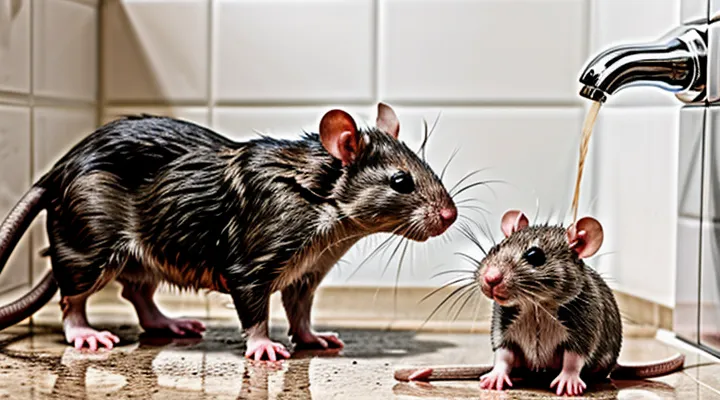
Preparing for the First Bath
Gathering Supplies
«Choosing the Right Shampoo»
Select a shampoo formulated for small rodents or other delicate mammals. Human products contain fragrances, detergents, and preservatives that can irritate a rat’s skin and disrupt its natural oil balance. A pet‑specific formula provides a pH level compatible with rodent epidermis and eliminates unnecessary additives.
Key criteria for evaluating a suitable product:
- pH between 6.5 and 7.5, matching the rat’s skin acidity.
- Absence of dyes, parabens, and strong scents.
- Presence of mild, natural surfactants such as coco‑betaine or decyl glucoside.
- Dermatologically tested on rodents or laboratory animals.
- Easy rinse‑out to prevent residue buildup.
If a rodent‑specific shampoo is unavailable, choose a mild, unscented baby wash that meets the above specifications. Avoid shampoos labeled for dogs, cats, or other larger species, as they often contain enzymes or antimicrobial agents that can cause dermatitis in rats.
Before application, confirm that the product does not cause foaming excess; excessive bubbles can enter the rat’s ears and eyes. Conduct a brief patch test on a small area of fur, observe for redness or scratching within 15 minutes, and proceed only if no adverse reaction occurs. This precaution safeguards the animal’s health during the first bath.
«Towels and Drying Tools»
When cleaning a pet rodent for the first time, immediate drying prevents chilling and skin irritation. Selecting appropriate absorbent materials and efficient drying devices is essential for a safe, comfortable recovery.
- Soft, lint‑free towels made of cotton or microfiber absorb moisture without scratching delicate fur. Prefer towels with a high GSM rating (200–300) for superior absorbency.
- Small, low‑profile drying pads designed for small animals provide a warm surface that encourages the rat to remain still while excess water evaporates.
- Handheld hair dryers with adjustable temperature settings can be used on a cool or warm (not hot) setting, held at least six inches from the animal to avoid burns.
- Battery‑operated, low‑noise blowers create gentle airflow without startling the rat; select models with variable speed control.
- Silicone mat inserts placed under the towel add a non‑slip layer, keeping the animal steady during the drying process.
After the wash, wrap the rat in a single towel, gently press to remove excess water, then transfer to a drying pad. If using a dryer or blower, monitor the temperature continuously and keep the device moving to distribute airflow evenly. Complete drying typically takes 5–10 minutes, after which the animal can be returned to its cage with fresh bedding.
«Comfortable Bathing Area»
A comfortable bathing area reduces stress and prevents injury during the first home wash of a pet rat. The space should be large enough for the animal to move freely without feeling confined, yet small enough to maintain control over temperature and water depth.
- Use a shallow, non‑slippery container such as a plastic tub with a smooth bottom; a depth of 2–3 cm prevents the rat from sinking.
- Line the bottom with a soft, absorbent material (e.g., a towel or fleece) that stays dry under the water surface; this provides grip and warmth.
- Keep the water temperature between 30 °C and 34 °C (86 °F–93 °F); lukewarm water mimics the animal’s natural body temperature.
- Place the tub on a stable, level surface away from drafts and direct sunlight; stability eliminates accidental tipping.
- Ensure the area is quiet and free from sudden noises; a calm environment minimizes the rat’s panic response.
Before introducing the rat, gather all supplies within arm’s reach: a cup for gentle pouring, a soft washcloth, a mild, rodent‑safe shampoo, and a towel for immediate drying. Fill the tub with the pre‑measured lukewarm water, then slowly lower the rat into the water, allowing it to stand on the soft liner. Use the cup to pour water over the back and sides, avoiding the head. Apply a thin layer of shampoo, rub gently, then rinse thoroughly with the cup. Immediately wrap the rat in a dry towel, patting lightly to remove excess moisture while keeping the animal warm.
The combination of appropriate container size, non‑slip surface, controlled temperature, and a tranquil setting creates a bathing area that supports a safe, stress‑free first wash for a domestic rat.
Acclimating Your Rat
«Gentle Handling Techniques»
When cleaning a rat for the first time, secure the animal without causing stress. Approach the cage calmly, allow the rat to sniff your hand, then gently cup it in both palms, keeping the body horizontal. Support the hindquarters with one hand and the forelimbs with the other to prevent sudden movements.
Effective handling techniques include:
- Light, steady pressure on the torso to maintain control while avoiding compression of the chest.
- Minimal restraint; hold only enough to keep the rat stable during the wash.
- Use a soft, damp cloth or a shallow basin of lukewarm water rather than direct streams that could startle the animal.
- Maintain eye contact to monitor signs of distress and release the rat immediately if agitation appears.
After washing, wrap the rat in a clean, absorbent towel, supporting its head and tail. Pat gently to remove excess moisture, then place the animal in a warm, draft‑free area until fully dry. This approach reduces anxiety and promotes a safe bathing experience.
«Introducing Water Gradually»
When a pet rat receives its inaugural bath, the animal’s natural aversion to moisture can trigger stress. Gradual exposure to water reduces panic and helps the rat accept the cleaning process.
Begin by preparing a shallow container no deeper than one inch. Fill it with lukewarm water—approximately 95 °F (35 °C)—to match the rat’s body temperature. Place a soft towel at the bottom to give the rat a familiar texture and prevent slipping.
- Gently lower the rat into the water, allowing only its paws to touch the surface at first.
- Pause for a few seconds, then slowly increase immersion until the torso is partially submerged.
- Use a soft, damp cloth to dab the fur, avoiding vigorous rubbing that could damage the delicate coat.
- After a brief soak (30–45 seconds), lift the rat and immediately wrap it in a dry towel, applying light pressure to absorb excess moisture.
- Offer a warm, quiet environment for the rat to recover; a heated corner or a nest box works well.
Throughout the procedure, monitor the rat’s breathing and behavior. Any signs of distress—such as frantic movements or vocalizations—should prompt an immediate pause and a return to a dry, calm setting before resuming. By introducing water incrementally, the rat learns to associate the bath with minimal discomfort, paving the way for smoother future cleanings.
The Bathing Process
Step-by-Step Washing
«Water Temperature and Depth»
The water should be warm, not hot. Aim for a temperature between 30 °C and 34 °C (86 °F–93 °F). Use a reliable thermometer; temperatures above 38 °C (100 °F) can cause burns, while water below 25 °C (77 °F) may induce shock.
Depth must keep the rat’s head out of the water at all times. A basin filled to 1–2 inches (2.5–5 cm) provides enough space for the animal to sit comfortably without risk of submersion. Ensure the surface is stable and the rat can move freely without slipping.
Guidelines
- Warm water: 30 °C–34 °C (86 °F–93 °F)
- Maximum temperature: 38 °C (100 °F)
- Minimum temperature: 25 °C (77 °F)
- Water depth: 1–2 inches (2.5–5 cm)
- Head remains above water throughout the process.
«Shampoo Application and Rinsing»
Before beginning, fill a shallow basin with lukewarm water (approximately 30 °C). Place a non‑slippery mat inside to prevent the animal from slipping. Have a gentle, rodent‑safe shampoo ready; avoid products containing fragrances, sulfates, or harsh detergents.
- Wet the rat’s coat thoroughly, allowing water to run through the fur without submerging the head.
- Dispense a pea‑sized amount of shampoo onto the palm, then work it into a light lather.
- Apply the lather from the neck backward, using gentle strokes; keep the solution away from the eyes, ears, and nose.
- Massage the skin lightly to distribute the cleanser evenly, focusing on areas prone to oil buildup such as the tail base and under the limbs.
- Rinse each section immediately after lathering, using a cup or gentle stream to flush out soap without forcing water into the ears or nostrils.
After the final rinse, verify that no suds remain by running a fingertip through the fur; any residue will feel slick. Allow excess water to drain, then pat the coat dry with a soft towel. If needed, use a low‑heat hair dryer set on “cool” to avoid overheating. Once dry, inspect the skin for irritation before returning the rat to its enclosure.
«Avoiding Sensitive Areas»
When giving a rat its first home bath, protect delicate regions to prevent stress or injury. Direct water and soap away from areas that lack protective fur or skin thickness.
- Genital opening and anal slit: keep dry, use a damp cloth if cleaning is required.
- Eyes and ears: avoid splashing; wipe gently with a soft, moistened cotton ball.
- Tail base and ventral fur: limit exposure; wash only the surrounding fur if needed.
- Whiskers: do not pull or submerge; they aid navigation and are easily damaged.
Hold the rat securely but gently, allowing the head to stay above water. Use lukewarm water (around 30 °C) and a mild, rodent‑safe cleanser applied with a soft sponge. Move the sponge in short strokes, never pushing liquid into the listed sensitive zones.
After rinsing, pat the animal dry with a low‑lint towel. Do not rub vigorously; a light blotting motion removes moisture without irritating fragile skin. Allow the rat to warm up in a draft‑free area before returning it to its enclosure.
Drying Your Rat
«Towel Drying Methods»
After rinsing a pet rat, immediate removal of excess moisture prevents chilling and skin irritation. The towel‑drying stage should be swift, gentle, and thorough.
- Choose an absorbent, lint‑free towel: high‑cotton or microfiber fabrics hold moisture without shedding fibers that could be inhaled.
- Blot, don’t rub: press the towel lightly against the back, sides, and limbs to soak up water. Rubbing can damage the delicate fur and skin.
- Pat the head and ears separately: these areas retain less water; a small corner of the towel allows precise control.
- Wrap the body: fold the towel into a snug but not constricting pouch, securing the rat’s torso for a few minutes. The enclosed space accelerates evaporation while keeping the animal warm.
- Apply gentle pressure: after the initial soak, hold the towel against the torso for 10–15 seconds, then release. Repeating this step removes residual dampness without causing stress.
- Optional low‑heat airflow: if a hair dryer is used, set it to the lowest temperature and keep it at least 12 inches away. Combine with towel wrapping to avoid over‑drying.
Complete drying typically takes 2–3 minutes. Verify that the fur feels dry to the touch before returning the rat to its cage.
«Warmth and Comfort Post-Bath»
After a bath, a rat loses body heat quickly and can become hypothermic if not returned to a stable, warm environment. Immediate drying with a soft, absorbent towel removes surface moisture and begins the re‑warming process. Follow the towel with a brief period under a low‑wattage heat lamp or a warm water bottle wrapped in a cloth; keep the source at a temperature that does not exceed 30 °C (86 °F) to avoid burns. Transfer the animal to a pre‑heated cage or a box lined with clean, dry nesting material that has been warmed in a dryer for a few minutes. Provide a small pile of shredded paper or fleece so the rat can curl up and maintain its own insulation.
Monitor ambient temperature with a digital thermometer; maintain the enclosure between 22 °C and 25 °C (72 °F–77 °F). Observe the rat for shivering, lethargy, or excessive grooming, which indicate discomfort. If any signs appear, adjust the heat source or add additional bedding.
Post‑bath care checklist
- Pat dry with a towel for 30–45 seconds per side.
- Place under a low‑intensity heat lamp for 2–3 minutes.
- Move to a cage pre‑warmed to 24 °C (75 °F).
- Add a fresh layer of warmed nesting material.
- Check temperature and rat’s behavior every 5 minutes for the first 20 minutes.
Maintaining consistent warmth and soft bedding reduces stress, supports circulation, and promotes rapid recovery after the first home wash.
After the Bath
Post-Bath Care
«Monitoring for Stress or Chills»
When a rat is being bathed for the first time, immediate observation of its physiological state prevents injury and illness. Stress manifests as rapid breathing, trembling, vocalization, or attempts to escape the water. Chills appear as shivering, cold extremities, or a drop in body temperature that can be felt by gently touching the hind limbs and tail.
Key indicators to watch
- Respiratory rate: Normal is 70–150 breaths per minute; a noticeable increase suggests distress.
- Body temperature: Use a digital thermometer on the ventral side; temperatures below 36 °C (96.8 °F) signal hypothermia.
- Behavioral cues: Persistent agitation, excessive grooming after the bath, or refusal to eat within an hour indicate elevated stress.
- Skin condition: Redness, swelling, or wetness persisting beyond the bathing period may point to irritation or temperature loss.
Procedures for immediate response
- Remove the rat from water promptly if any stress sign appears.
- Dry the animal with a soft, lint‑free towel; apply a low‑temperature heat source (e.g., a heating pad set to 30 °C) for no more than five minutes to restore warmth.
- Offer a small amount of fresh water and a familiar food item to encourage recovery.
- Re‑measure temperature after ten minutes; if it remains below normal, extend gentle warming until stable.
- Document the incident, noting specific signs and corrective actions, to refine future bathing practices.
Consistent, real‑time monitoring throughout the entire washing process ensures the rat remains comfortable and reduces the risk of stress‑related complications or hypothermia.
«Treats and Positive Reinforcement»
Treats and positive reinforcement are essential tools for easing a rat’s initial home bath. Offering a high‑value snack before contact signals safety, while a reward after each calm action reinforces desired behavior.
Select treats that are small, aromatic, and easy to swallow. Freeze‑dried insects, tiny pieces of fruit, or commercial rodent bites work well. Keep a supply within arm’s reach to deliver immediate feedback.
During the preparation phase, present a treat the moment the rat approaches the wash area. This creates an association between the space and a pleasant outcome. When the rat tolerates gentle handling of its paws or tail, follow with another bite. Consistency builds confidence faster than sporadic praise.
While washing, pause after each step—wetting the body, scrubbing the face, rinsing the fur—and give a treat within seconds. The rapid pairing links the tactile sensation with a positive result, reducing stress signals. If the rat hesitates, pause, offer a treat, and resume only when the animal appears relaxed.
After the bath, dry the rat with a soft towel and immediately reward with a larger portion of the chosen snack. This final reinforcement solidifies the entire experience as safe and enjoyable, increasing the likelihood of cooperation in future grooming sessions.
Addressing Common Concerns
«Dealing with a Reluctant Rat»
When a rat resists water, the first priority is safety for both animal and handler. Secure the rodent gently but firmly, using a towel or a small, soft restraint to limit sudden movements without causing stress.
- Approach the rat calmly; sudden gestures trigger flight responses.
- Place a shallow basin of lukewarm water (approximately 30 °C) on a stable surface.
- Submerge only the lower half of the body, keeping the head above water at all times.
- Use a soft, pet‑safe shampoo, applying a thin layer to the wet fur and massaging lightly.
- Rinse thoroughly with a cup of clean water, ensuring no residue remains.
- Immediately dry the animal with a low‑heat hair dryer set on the lowest setting or a dry towel, keeping airflow gentle.
After the wash, allow the rat to recover in a quiet, warm enclosure. Offer fresh water and a favorite treat to reinforce a positive association with the grooming process. Repeating these steps gradually reduces resistance, making future baths more manageable.
«Signs of Skin Irritation»
When bathing a rat for the first time at home, observe the animal’s skin for any adverse reactions. Prompt identification of irritation prevents discomfort and possible infection.
Common indicators of skin irritation include:
- Red or pink patches that differ from the normal coat color
- Swelling or puffiness around the ears, tail base, or paws
- Hair loss or thinning in localized areas
- Crusting, scabs, or small sores that develop after washing
- Excessive scratching, licking, or grooming of a specific spot
- Visible discharge, such as clear fluid or pus
If any of these signs appear, rinse the affected area with lukewarm water to remove residual soap, then dry gently with a soft towel. Apply a veterinarian‑approved topical ointment if the irritation persists, and schedule a professional assessment to rule out allergic reactions or infection. Monitoring skin condition after each wash ensures the animal remains healthy and comfortable.