
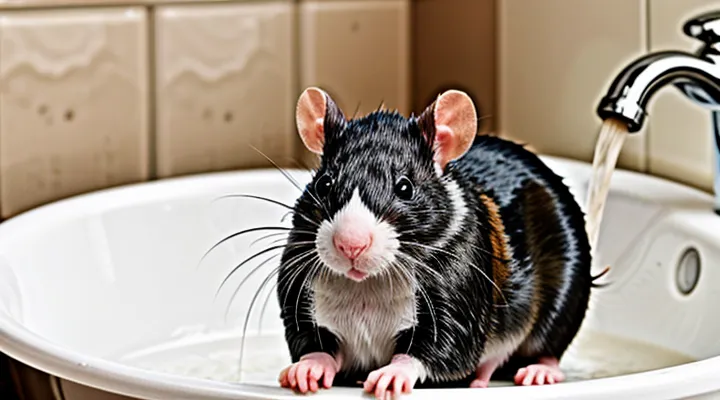
Understanding When to Bathe Your Rat
Recognizing When a Bath is Necessary
Odor as an Indicator
Odor provides a rapid assessment of a rat’s hygiene after a bath. A clean animal should emit little to no musky scent; any lingering smell indicates residual waste, skin oils, or a possible infection.
When the rat smells strong, follow these actions:
- Rinse the fur thoroughly with lukewarm water to remove surface debris.
- Apply a small amount of rat‑safe, unscented shampoo, working it into a gentle lather.
- Rinse until water runs clear, ensuring no soap residue remains.
- Dry the animal with a soft towel, then observe the odor after a few minutes.
- If the smell persists, repeat the rinse or inspect the skin for redness, sores, or excessive discharge.
Consistent monitoring of scent after each wash helps maintain dermatological health and prevents the buildup of bacteria that thrive in damp, odorous environments.
Visible Dirt or Grime
Visible dirt on a pet rat appears as grayish or brownish patches on the fur, particularly around the tail base, hindquarters, and face. It may feel tacky to the touch and can attract parasites or cause skin irritation. Recognizing these signs promptly prevents infection and maintains coat health.
To address surface grime effectively:
- Inspect the animal in natural lighting; focus on areas where fur meets skin.
- Gently part the hair with fingertips; note any clumps, oil buildup, or debris.
- Use a soft, damp cloth or cotton pad to lift loose particles before bathing.
- If dirt persists, apply a few drops of a rat‑safe, fragrance‑free cleanser directly to the affected spot, allowing it to dissolve oils.
- Rinse thoroughly with lukewarm water, ensuring no residue remains, then dry with a low‑heat hair dryer or a clean towel.
Regular monitoring of visible grime reduces the risk of skin problems and supports overall hygiene during routine grooming.
Health-Related Reasons for Bathing
Bathing a pet rat contributes directly to its physiological well‑being and prevents disease. Regularly removing dirt, excess oils, and fecal residues reduces skin irritation, maintains coat integrity, and limits the growth of pathogenic microorganisms that thrive in moist, unclean environments.
Key health-related motivations for occasional rinses include:
- Elimination of ectoparasites such as mites and lice, which can cause anemia and secondary infections.
- Prevention of fungal overgrowth, particularly Candida or Dermatophytes, which thrive on damp fur and can lead to dermatitis.
- Reduction of bacterial load on the skin, lowering the risk of cellulitis and systemic infections.
- Relief from respiratory issues caused by inhalation of dust and dander accumulated in the fur.
- Support for proper thermoregulation; a clean coat allows efficient heat dissipation and prevents overheating during activity.
Situations Where Bathing is Not Recommended
Stress and Anxiety
Washing a pet rat can trigger stress and anxiety, which may affect the animal’s health and behavior. Recognizing and mitigating these reactions is essential for a safe cleaning routine.
Common indicators of stress include rapid breathing, vocalizations, frantic movement, and a tendency to bite or scratch. Anxiety may manifest as prolonged hiding, loss of appetite, or excessive grooming after the bath.
To reduce stress and anxiety during the washing process, follow these steps:
- Prepare a warm, shallow container with water no deeper than the rat’s chest; temperature should be around 30 °C (86 °F).
- Use a gentle, fragrance‑free shampoo formulated for small mammals; rinse thoroughly to prevent residue irritation.
- Handle the rat with calm, steady movements; support the body fully to avoid feeling insecure.
- Limit exposure time to one to two minutes; longer sessions increase cortisol release.
- Dry the animal promptly with a low‑heat hair dryer on a soft setting, or wrap in a clean towel while maintaining a quiet environment.
- Offer a favorite treat immediately after drying to reinforce a positive association.
After washing, monitor the rat for at least 24 hours. Any persistent signs of distress, such as reduced food intake or abnormal lethargy, require veterinary assessment. Consistent, low‑stress washing practices help maintain the rat’s wellbeing while keeping its coat clean.
Respiratory Issues
Washing a pet rat can expose the animal to respiratory complications if the procedure is not managed carefully. Moisture entering the nasal passages, excessive humidity in the bathing area, and sudden temperature changes are primary triggers for breathing difficulties. Recognize that rats possess delicate respiratory tracts; even minor irritation can progress to pneumonia or chronic airway inflammation.
Key signs of respiratory distress include:
- Labored or noisy breathing
- Nasal discharge, clear or purulent
- Sneezing or wheezing
- Lethargy and reduced appetite
- Hunched posture and reduced movement
If any of these symptoms appear after a wash, seek veterinary care promptly. Early intervention reduces the risk of severe infection and long‑term damage.
Preventive measures:
- Use lukewarm water (approximately 37 °C) to avoid shocking the rat’s thermoregulatory system.
- Limit bathing time to under two minutes; prolonged exposure raises moisture levels in the nasal cavity.
- Perform the wash in a well‑ventilated area to disperse humidity quickly.
- Dry the animal thoroughly with a soft towel, then place it in a draft‑free warm environment for at least 15 minutes.
- Avoid submerging the head; keep water away from the face and ears.
- Clean the bathing container with mild, unscented soap and rinse completely to eliminate residue that could irritate the respiratory mucosa.
Regular health monitoring, combined with these precautions, minimizes the likelihood that a routine cleaning will lead to breathing problems. Maintaining a stable, dry environment during and after the wash supports optimal respiratory function and overall well‑being.
Recent Surgery or Injury
When a rat has undergone recent surgery or suffered an injury, bathing procedures must be adjusted to protect the healing area and prevent complications.
First, assess the wound. Verify that sutures or staples are intact, that there is no excessive swelling, and that the rat is not in pain. If any signs of infection, discharge, or bleeding are present, postpone cleaning until a veterinarian provides clearance.
Prepare a shallow container with lukewarm water (approximately 30 °C). Add a few drops of a mild, fragrance‑free pet shampoo formulated for small rodents. Immerse only the portion of the body that is free of wounds; keep the affected area above water level. Use a soft, damp cloth to gently wipe the uninjured fur, avoiding vigorous rubbing.
After cleaning, rinse the exposed skin with a separate cup of lukewarm water, again omitting the surgical site. Pat the rat dry with a clean, absorbent towel, ensuring the wound remains dry. Apply a thin layer of a veterinary‑approved wound ointment if instructed by a professional, then place the rat in a warm, draft‑free environment until fully recovered.
Key precautions:
- Do not submerge the rat; limit exposure to a few seconds.
- Avoid using cotton swabs or cotton balls near sutures; they can leave fibers that irritate the wound.
- Monitor the rat for signs of stress, such as rapid breathing or agitation, and stop the procedure immediately if observed.
- Maintain a clean bathing area to prevent bacterial contamination.
- Follow any postoperative instructions provided by the veterinarian regarding frequency and duration of cleaning.
By adhering to these guidelines, the rat’s hygiene can be maintained without compromising the healing process.
Preparing for the Bath
Gathering Your Supplies
Rat-Safe Shampoo Options
When selecting a cleanser for a domesticated rat, prioritize products formulated for sensitive skin, low pH (around 6.5–7.0), and free of artificial fragrances, parabens, and sulfates. These criteria minimize irritation to the delicate fur and underlying skin.
- Unscented baby shampoo (e.g., Johnson’s Baby) – mild surfactants, no dyes, inexpensive.
- Veterinary‑grade small‑animal shampoo (e.g., Veterinary Formula Clinical Care) – balanced pH, antimicrobial properties, veterinary endorsement.
- Natural oatmeal wash (e.g., Aveeno Baby Soothing) – colloidal oatmeal reduces itching, fragrance‑free options available.
- Diluted castile soap (e.g., Dr. Bronner’s unscented) – vegetable‑based, low‑foam, requires thorough rinsing.
- DIY oat‑flour paste – 1 part finely ground oats mixed with warm water, safe for occasional use, no preservatives.
Each option should be tested on a small skin area before full application. Rinse thoroughly with lukewarm water to prevent residue buildup, then dry the rat gently with a soft towel. Consistent use of a rat‑safe cleanser supports coat health and reduces the risk of dermatological issues.
Towels for Drying
Choosing an appropriate towel is essential for safely drying a pet rat after a bath. The towel should be soft, highly absorbent, and free of loose fibers that could become entangled in the animal’s delicate fur. Microfiber or low‑pile cotton fabrics meet these criteria, providing rapid moisture removal without causing irritation.
A towel sized to cover the entire body of a medium‑sized rat prevents the need for multiple pieces, reducing handling time and stress. Dimensions of approximately 12 × 12 inches (30 × 30 cm) are sufficient for most adult rats; larger specimens may require a 15 × 15‑inch (38 × 38 cm) towel.
Key considerations for towel maintenance include:
- Wash towels after each use at a minimum of 60 °C (140 °F) to eliminate residual moisture and potential pathogens.
- Use a fragrance‑free detergent to avoid chemical residues that could irritate the rat’s skin.
- Dry towels thoroughly before the next bath to maintain absorbency.
When drying, gently press the towel against the rat’s back and sides, avoiding vigorous rubbing that could damage the fur or skin. Allow the animal to remain wrapped for a brief period (30–60 seconds) to absorb remaining moisture, then release it into a warm, draft‑free environment to complete the drying process. This method ensures efficient moisture removal while preserving the rat’s comfort and health.
Shallow Basin or Sink
A shallow basin or sink provides a controlled environment for cleaning a pet rat, limiting the animal’s exposure to water while allowing thorough rinsing of fur and skin.
When selecting a container, consider the following criteria:
- Length at least 12 inches, width 8 inches, depth no more than 2 inches.
- Non‑slippery surface or a silicone mat to prevent slipping.
- Material resistant to rust and easy to disinfect, such as stainless steel or high‑density plastic.
- Capacity sufficient for a single rat, typically 1–2 quarts of water.
Prepare the water before the bath. Use warm tap water at 95–100 °F (35–38 °C); cooler temperatures cause stress, while hotter water risks burns. Fill the basin to a depth that reaches the rat’s belly but does not submerge its head, usually 1–1.5 inches. If a mild, fragrance‑free cleanser is required, dilute it to 1 % concentration and test on a small skin area first.
During the wash, hold the rat gently but firmly, supporting its hindquarters with one hand while the other hand guides the head out of the water. Apply water with a soft cup or sprayer, avoiding forceful streams. Massage the fur briefly to loosen debris, then rinse until no soap residue remains. Limit the bathing session to 2–3 minutes to reduce stress.
After rinsing, transfer the rat to a dry towel, pat the fur gently, and place the animal in a warm, draft‑free area until completely dry. Clean the basin with hot, soapy water, rinse thoroughly, and sanitize with a dilute bleach solution (1 %); allow it to air‑dry before the next use.
Warm Water Source
A warm water source is the first element required for a safe and effective rat bath. The water should be comfortably warm to the touch, typically between 95 °F (35 °C) and 105 °F (40 °C). Temperatures below this range can cause stress, while higher temperatures risk burns.
To prepare the water, use a clean bowl or shallow tub that fits the rat’s size without restricting movement. Fill the container with the measured amount of water, then test the temperature with a kitchen thermometer or by placing a fingertip in the water for a few seconds. Adjust with cool or warm tap water until the target range is reached.
When the rat is placed in the water, keep the exposure brief—no longer than 30 seconds—to prevent hypothermia after removal. Immediately dry the animal with a soft towel and monitor its body temperature until it regains normal warmth.
Temperature guidelines
- Minimum: 95 °F (35 °C)
- Ideal: 100 °F (38 °C)
- Maximum: 105 °F (40 °C)
Consistent use of a correctly heated water source ensures the animal’s comfort, reduces stress, and supports a thorough cleaning process.
Treats for Positive Reinforcement
When bathing a pet rat, immediate reinforcement after each step encourages cooperation and reduces stress. Small, high‑value treats delivered at the moment the rat tolerates water or remains still create a clear association between the activity and a positive outcome.
- Soft pieces of dried fruit (e.g., raisin halves, small apple slices)
- Tiny cubes of cheese or low‑fat cottage cheese
- Commercial rodent treats formulated with strong flavors
- Tiny bits of unsalted boiled egg or cooked chicken breast
Select treats that are easy to bite, low in fat, and free of added sugars or salt. Offer a single piece within two seconds of the desired behavior; delay weakens the connection. If the rat hesitates, pause, present a treat, then resume the wash. Gradually increase the interval between rewards as the animal becomes accustomed to the routine.
Maintain a consistent schedule: begin with a treat before introducing water, follow with another after the rat remains calm for ten seconds, and finish with a final reward after drying. Record which treats elicit the strongest response and adjust quantities to keep the incentive effective without overfeeding.
Preparing the Environment
Ensuring a Warm Room Temperature
A warm environment prevents a pet rat from becoming hypothermic during a bath. Rats lose heat quickly when wet; a room that is too cool can cause shivering, stress, and prolonged recovery.
Maintain the ambient temperature between 75 °F and 80 °F (24 °C–27 °C). Use a reliable thermometer to verify conditions before beginning the wash. If the room temperature falls below the target range, raise it by:
- Turning on a space heater set to a low, steady output.
- Closing doors and windows to eliminate drafts.
- Adding a blanket or towel over the cage to retain heat, ensuring it does not obstruct ventilation.
Place the washing container on a heat‑resistant surface that has been pre‑warmed with warm (not hot) water. Keep the water temperature around 90 °F (32 °C) and limit immersion time to one to two minutes. After rinsing, gently dry the rat with a soft towel and immediately return it to the warmed room, monitoring its behavior for signs of discomfort.
Regularly check the temperature throughout the bathing session. If the reading drops more than five degrees, pause the process, adjust heating, and allow the rat to recover before continuing. Consistent warmth safeguards the animal’s health and ensures a smooth cleaning routine.
Minimizing Distractions
When cleaning a pet rat, a calm environment directly impacts the animal’s stress level and the handler’s control. Reducing external stimuli prevents sudden movements that could lead to injury or incomplete rinsing.
Key actions to limit distractions:
- Choose a quiet room away from loud appliances, televisions, or frequent foot traffic.
- Turn off mobile devices or place them on silent mode to avoid notification sounds.
- Close doors and windows to block sudden outdoor noises.
- Schedule the bath when household members are occupied elsewhere or asleep.
- Keep only essential tools—bowl, lukewarm water, gentle soap, and a towel—within arm’s reach to avoid searching for items mid‑procedure.
Maintain focus throughout the process by concentrating on the rat’s breathing and body language. A steady, distraction‑free setting allows the handler to monitor temperature, apply soap evenly, and rinse thoroughly without rushing. The result is a cleaner animal and a safer experience for both parties.
Setting Up Your Bathing Station
When preparing to bathe a pet rat, begin by designating a stable, quiet area away from drafts and loud noises. The space should be easily accessible for quick intervention and large enough to accommodate a shallow container, towels, and cleaning tools without crowding.
- Shallow, non‑slipping basin (plastic or ceramic) that holds no more than 2–3 cm of lukewarm water.
- Soft, absorbent towel or microfiber cloth for immediate drying.
- Small cup or spray bottle for gentle rinsing.
- Pet‑safe, fragrance‑free cleanser formulated for rodents.
- Disposable gloves to maintain hygiene and protect hands.
- Disposable paper towels or a dedicated waste bin for contaminated materials.
Place the basin on a rubber mat or silicone pad to prevent movement. Fill with water at approximately 30 °C (86 °F), checking temperature with a thermometer or by testing on the inside of the wrist. Arrange the towel within arm’s reach, and keep the cleanser and rinsing cup nearby but separate from the water to avoid accidental dilution. Ensure all items are stable; any wobble could startle the animal.
Before introducing the rat, verify that the room temperature remains between 20–24 °C (68–75 °F) to prevent shock. Keep a hand ready to support the animal’s body gently, limiting the bath to no longer than two minutes. After cleaning, lift the rat onto the towel, pat dry without vigorous rubbing, and monitor for signs of stress or temperature loss. Dispose of used water and cleaning materials promptly, then sanitize the basin and mat with a mild disinfectant before the next use.
The Bathing Process
Introducing Your Rat to the Water
Gentle Immersion Techniques
Gentle immersion provides a controlled environment that reduces stress while ensuring thorough cleaning of a small rodent. The method keeps the rat’s head above water, limits exposure to temperature fluctuations, and allows precise rinsing of fur and skin.
- Fill a shallow container with lukewarm water (approximately 30 °C / 86 °F). The depth should reach only the rat’s belly, leaving the head uncovered.
- Place the rat gently on the surface, supporting the body with one hand. Allow it to step into the water slowly; avoid abrupt movements.
- Use a soft, pet‑safe shampoo diluted according to the manufacturer’s instructions. Apply a thin layer to the fur, avoiding the eyes and ears.
- Massage the shampoo lightly, focusing on the back and hindquarters where dirt accumulates. Do not scrub aggressively; the goal is to loosen debris without damaging the coat.
- Rinse with a clean stream of lukewarm water, keeping the head above the surface. Ensure all soap residues are removed, as lingering chemicals can irritate the skin.
- Remove the rat promptly, pat it dry with a low‑lint towel, and place it in a warm, draft‑free area to recover. Monitor for signs of distress or hypothermia during the drying period.
The technique minimizes the risk of water inhalation and maintains body temperature, making it suitable for routine grooming or cleaning after exposure to contaminants. Regular application of gentle immersion supports coat health and reduces the likelihood of skin infections.
Maintaining a Calm Demeanor
A calm demeanor reduces stress for both the rat and the handler, preventing panic‑induced movements that can cause injury during a bath. Slow, steady motions signal safety, allowing the animal to remain relaxed while water contacts its skin.
Maintain composure by following these steps:
- Speak in a low, steady voice; sudden loud sounds trigger fear responses.
- Keep hand movements smooth; abrupt gestures startle the rat.
- Use warm water (approximately 37 °C) to avoid shock, which can increase agitation.
- Prepare all supplies before contact; searching for items mid‑process creates unnecessary motion.
- Pause briefly if the rat shows signs of distress; a short break restores calm before continuing.
Consistent, measured behavior establishes trust, enabling a quick, safe cleaning session and minimizing the need for repeated handling.
Using Treats to Encourage Cooperation
Treats serve as a reliable incentive when guiding a rat through a bath. Offering a small, highly valued snack before, during, and after the cleaning session creates a positive association with the process and reduces stress.
- Choose a treat that the rat readily accepts, such as a piece of dried fruit, a tiny seed, or a specialized rodent reward. Keep portions tiny to avoid overfeeding.
- Present the treat while the rat is on a stable surface, then gently lift it into the shallow water. The scent of the snack encourages the animal to stay calm and follow the handler’s movements.
- Maintain a steady hand and speak softly. If the rat hesitates, pause, give a treat, and wait for the animal to resume activity before proceeding.
- After rinsing, dry the rat with a soft towel. Immediately reward with another treat to reinforce the completion of the task.
- Conclude the session with a final treat in the cage, reinforcing the overall experience as beneficial.
Consistent use of brief, high‑value rewards creates a predictable routine. The rat learns that cooperation leads to a quick, enjoyable payoff, making future baths smoother and safer for both pet and owner.
Washing Your Rat
Applying Shampoo Safely
When cleaning a pet rat, the shampoo must be chosen and applied with precision to avoid skin irritation and respiratory distress. Use a rodent‑specific, unscented, mild formula; human or dog shampoos contain chemicals that can penetrate the thin epidermis of rats.
- Prepare a shallow basin with lukewarm water (approximately 30 °C). The water level should cover the rat’s body without submerging the head.
- Wet the coat gently; avoid forceful streams that may cause stress.
- Dispense a few drops of shampoo onto the palm, then massage into the fur using slow, circular motions. Focus on areas with natural oil buildup, such as the tail base and under the neck.
- Rinse thoroughly with clean, lukewarm water. Ensure no residue remains, as leftover soap can lead to dermatitis.
- Pat the animal dry with a soft, lint‑free towel. Do not use hair dryers; the airflow can overheat the rat’s delicate respiratory system.
After the bath, observe the rat for signs of discomfort, such as excessive scratching or sneezing. If any reaction occurs, rinse again with plain water and consult a veterinarian. Consistent adherence to these steps guarantees a safe shampoo application and maintains the animal’s health during grooming.
Focusing on Dirty Areas
When cleaning a pet rat, concentrate on the regions that accumulate grime most rapidly. The ventral surface, especially around the belly and genital area, often holds urine residue. The tail base gathers bedding fibers, while the paws collect dirt from climbing. Ear openings and the facial whisker pads may retain oily secretions.
- Inspect the ventral skin and genital region; gently lift the fur to expose any staining. Apply a few drops of lukewarm water mixed with a mild, unscented soap. Use a soft fingertip or a cotton swab to dissolve the buildup without irritating delicate tissue.
- Examine the tail base. If debris is visible, soak the area briefly, then use a soft brush to dislodge particles. Avoid pulling the tail to prevent stress.
- Scrub the paws and pads with a damp cloth, ensuring that interdigital spaces are free of dirt. A soft toothbrush can reach between toe pads safely.
- Clean the ears by wiping the outer rim with a damp cotton ball. Do not insert objects into the ear canal.
- Rinse the entire body with clean, lukewarm water. Hold the rat gently over a sink or basin, allowing water to flow from head to tail to flush soap residues.
- Pat the rat dry with a lint‑free towel. Keep the animal warm until its fur is fully dry to prevent hypothermia.
Focusing on these specific zones eliminates the majority of odor‑causing bacteria and maintains skin health, reducing the risk of infection while preserving the rat’s comfort.
Avoiding Eyes, Ears, and Nose
When cleaning a pet rat, the most delicate structures are the eyes, ears, and nasal passages. Direct contact with water or cleaning agents can cause irritation, infection, or permanent damage. Protecting these areas is essential for a safe bathing routine.
- Keep the head elevated above the water surface; support the skull with one hand while the other handles the body.
- Use a damp, lint‑free cloth to gently wipe the fur around the eyes; avoid applying pressure or letting liquid drip into the sockets.
- Apply a small amount of warm, saline solution to a cotton swab for the outer ear folds; do not insert the swab into the ear canal.
- For the nose, use a soft, moistened tissue to clear debris; refrain from forcing moisture into the nostrils.
After the rinse, hold the rat over a towel, allowing excess water to drain away from the face before gently patting the body dry. Inspect the eyes, ears, and nose for redness or swelling before returning the animal to its enclosure.
Rinsing Your Rat Thoroughly
Ensuring All Shampoo is Removed
When rinsing a pet rat after a bath, any residual shampoo can irritate skin and compromise fur quality. Thorough removal requires systematic rinsing and careful inspection.
Begin by using lukewarm water that comfortably covers the animal’s body. Direct a gentle stream over the back, sides, and underbelly, allowing water to flow continuously rather than pausing between areas. This prevents shampoo from drying and clinging to the coat.
Follow the initial rinse with a secondary pass:
- Hold the rat securely but gently, supporting the hindquarters to keep the head above water.
- Apply a steady stream to the head, ears, and face, ensuring the eyes and nostrils are protected.
- Move the water from tail to neck, allowing runoff to carry soap away completely.
After the water flow stops, examine the fur by running fingers through the coat. If a slick or foamy texture remains, repeat the rinse in the affected zone. A quick visual check for bubbles on the skin confirms thorough cleaning.
Finish by patting the rat dry with a soft, absorbent towel. Avoid vigorous rubbing, which can embed remaining detergent into the fur. Allow the animal to air‑dry in a warm, draft‑free area until the coat feels dry to the touch. This final step guarantees that no shampoo residue remains, preserving skin health and coat condition.
Using Lukewarm Water
Using lukewarm water is a prerequisite for safe and effective rat bathing. Water that is too hot risks burns; water that is too cold can cause shock and stress. The optimal temperature range lies between 30 °C and 35 °C (86 °F–95 °F). Testing the temperature with a fingertip or a thermometer before submersion ensures consistency.
Prepare the bathing area with a shallow container that allows the rat to stand without submerging its head. Fill the container to a depth of 2–3 cm, enough to wet the body while keeping the head dry. Gently place the animal in the water, supporting its body to prevent slipping. Use a soft, lint‑free cloth or a pet‑safe shampoo diluted in the lukewarm water to clean the fur. Rinse promptly with fresh lukewarm water to remove all soap residue.
- Verify temperature immediately before each bath.
- Keep the bathing session under five minutes.
- Avoid soaking the face; clean the facial area with a damp cloth only.
- Pat the rat dry with a towel; follow with a low‑heat hair dryer set on the coolest setting if needed.
- Observe the animal for signs of distress or lingering dampness; ensure complete drying before returning it to its cage.
Proper temperature control eliminates thermal stress, promotes thorough cleaning, and supports the rat’s natural grooming behavior. Consistent application of these guidelines maintains skin health and reduces the likelihood of infection.
Gentle Techniques for Rinsing
When cleaning a pet rat, the rinsing stage requires control to avoid stress and skin irritation. Use lukewarm water (35‑37 °C) that matches the animal’s body temperature. Hold the rat gently but securely, supporting the torso with one hand while the other directs a soft stream from a detachable nozzle or a cup. Keep the flow steady and low‑pressure; a trickle is sufficient to remove soap residue without forcing water into the ears or eyes.
- Position the rat over a sink or basin with a non‑slippery surface.
- Apply a thin layer of mild, rodent‑safe cleanser, then rinse immediately.
- Direct water at a shallow angle, allowing it to flow over the back and limbs.
- Inspect the fur during rinsing; ensure no bubbles remain in dense areas such as the tail base.
- After the final rinse, pat the coat dry with a clean, absorbent towel; avoid vigorous rubbing.
Finish by wrapping the rat in a warm, dry cloth for a few minutes to maintain body heat before returning it to its enclosure. This method minimizes shock, preserves the skin’s natural oils, and leaves the animal clean and comfortable.
Post-Bath Care
Drying Your Rat Effectively
Towel Drying Techniques
Towel drying is essential after cleaning a pet rat to eliminate excess moisture, prevent hypothermia, and reduce the risk of skin irritation.
- Select a soft, lint‑free towel made of cotton or microfiber.
- Place the rat on the towel, allowing the surface to absorb water for a few seconds before handling.
- Gently pat the fur with light pressure; avoid vigorous rubbing that could damage delicate hair.
- Use a separate towel for each animal to prevent cross‑contamination.
- Rotate the towel to expose a dry area if it becomes saturated during the process.
- For larger or particularly damp rats, apply a second towel and repeat the patting technique.
If residual moisture remains, a low‑temperature hair dryer (no higher than 30 °C) can be held at a safe distance, moving continuously to avoid overheating. Monitor the rat’s body temperature; the animal should feel warm but not hot to the touch. Finish by allowing the rat to rest in a draft‑free enclosure until fully dry.
Avoiding Air Drying in Cold Environments
When cleaning a pet rat in a chilly room, the animal must not be left to dry in the open air. Cold drafts can lower body temperature rapidly, leading to hypothermia and stress.
Air exposure after a wash removes the protective warmth of a towel and accelerates heat loss. The thin fur of a rat provides limited insulation; without immediate warmth, core temperature can drop within minutes.
To prevent this risk, follow these steps:
- Prepare a warm, dry area before beginning the wash. Use a heated room or place a heating pad on low setting beneath a towel.
- After rinsing, gently pat the rat with an absorbent, fleece cloth until most moisture is removed.
- Immediately wrap the animal in the same cloth, ensuring the body is fully covered.
- Keep the wrapped rat in the pre‑heated space for at least 10‑15 minutes, checking that the skin feels warm to the touch.
- If a heating pad is used, monitor the temperature constantly; it should not exceed 30 °C (86 °F) to avoid burns.
By eliminating direct air exposure and supplying gentle, controlled warmth, the rat recovers quickly and remains healthy throughout the grooming process.
Ensuring Complete Dryness
After a bath, a rat’s skin remains vulnerable to temperature loss and fungal growth; complete drying eliminates these risks.
Begin by placing a clean, absorbent towel within arm’s reach. Transfer the animal promptly, supporting its body to avoid stress. Pat the fur gently but firmly, focusing on the underbelly, paws, and tail where moisture accumulates.
Drying procedure
- Use a second dry towel to blot remaining dampness; repeat until the fur feels dry to the touch.
- Position the rat in a warm, draft‑free area for 5–10 minutes; a low‑heat heat lamp (no more than 30 °C) can accelerate evaporation without causing burns.
- Observe the coat for any lingering wet spots, especially in the ventral region and ear folds; re‑pat as needed.
Finish by inspecting the skin for signs of moisture retention, such as clumped fur or a cold surface. If any area feels cool or damp, extend the drying period before returning the rat to its enclosure. This systematic approach ensures the animal remains healthy and comfortable after cleaning.
Aftercare and Comfort
Providing a Warm and Cozy Environment
When cleaning a pet rat, temperature and comfort determine the animal’s tolerance of the procedure.
Use lukewarm water, ideally 35‑38 °C (95‑100 °F). Water that is too cold triggers shivering; water that is too hot risks burns. Test the temperature with a thermometer or the inner wrist before immersing the rat.
Create a warm, secure drying area immediately after the bath. Essential elements include:
- A low‑profile heating pad set to low or a warm, insulated mat.
- A soft, absorbent towel folded into a nest‑like shape.
- A small enclosure with draft‑free walls, lined with clean bedding.
- A gentle airflow source set on low, positioned to avoid direct chilling.
Place the rat on the towel, cover it loosely with a second towel, and keep the heating pad beneath the bedding. Monitor the animal for signs of stress; a calm rat will groom itself and remain still. Once the fur is dry, return the rat to its regular cage, ensuring the ambient temperature stays within the species‑appropriate range (20‑24 °C or 68‑75 °F).
Offering Special Treats
When cleaning a pet rat, use treats to create a positive association with the bathing process. A small, high‑value reward given immediately after the rat emerges from water signals that the experience is safe and beneficial.
Select treats that are nutritionally appropriate and easy to handle. Ideal options include:
- Tiny pieces of fresh fruit (apple, banana) no larger than a pea.
- Soft, low‑fat cheese cubes.
- Commercial rodent treats formulated without added sugars or salts.
- A few drops of a diluted, rat‑safe yogurt mixture.
Offer the treat within seconds of the rat’s exit from the water bowl. This rapid reinforcement reinforces calm behavior and reduces stress in future washes.
Rotate treat types to prevent habituation. Consistent variation maintains the rat’s interest and ensures the reward remains motivating.
Avoid treats that are sticky, overly sugary, or contain artificial additives, as these can attract pests or cause oral health issues. Store treats in a sealed container to preserve freshness and prevent contamination.
Integrating a brief, high‑value treat into each washing session supports cooperative behavior, simplifies handling, and contributes to the overall well‑being of the animal.
Monitoring for Signs of Discomfort or Illness
When bathing a pet rat, observe the animal continuously for any indication of stress or disease. Immediate detection prevents escalation and ensures a safe cleaning process.
- Rapid breathing or panting
- Excessive scratching or biting at the fur
- Sudden vocalizations, especially high‑pitched squeaks
- Lethargy or refusal to move after removal from water
- Redness, swelling, or discharge around the eyes, ears, or nose
- Unusual stool consistency or presence of blood in the bedding after the wash
- Loss of appetite within an hour of the bath
If any of these signs appear, halt the wash, dry the rat gently, and assess the situation. Provide a warm, quiet environment and monitor recovery for 30–60 minutes. Should symptoms persist, consult a veterinarian experienced with small rodents. Regularly recording observations during each bathing session creates a baseline, making deviations easier to identify and address promptly.