
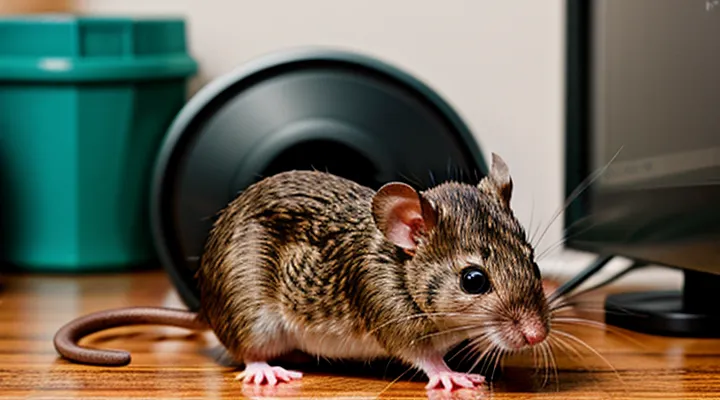
«Understanding Ultrasound Pest Repellers»
«How Ultrasound Works Against Mice»
Ultrasound creates sound waves above the human audible range, typically 20 kHz to 100 kHz, which rodents can detect with high sensitivity. Mice possess cochlear hair cells tuned to these frequencies, allowing the waves to stimulate auditory pathways and trigger immediate avoidance behavior.
Key physiological and behavioral responses include:
- Rapid startle reflex and escape movement
- Elevated heart rate and respiration indicative of stress
- Disruption of feeding and nesting activities
- Potential interference with communication calls used for mating and territory
The aversive effect depends on several parameters:
- Frequency: 30–50 kHz produces the strongest reaction; frequencies above 80 kHz often lose efficacy as sensitivity declines.
- Intensity: Sound pressure levels between 85 dB and 100 dB SPL generate noticeable discomfort without causing permanent hearing damage.
- Pulse pattern: Short bursts (1–5 seconds) repeated every 30–60 seconds maintain deterrence while reducing habituation risk.
Mice can adapt to continuous exposure; intermittent scheduling and periodic frequency shifts mitigate desensitization. Safety guidelines advise positioning transducers to avoid direct exposure to humans and pets, ensuring the acoustic field remains confined to target zones.
When implemented correctly, ultrasonic emission exploits the mouse auditory system to produce a reliable, non‑lethal repellent effect, supporting integrated pest‑management strategies.
«Types of Ultrasound Devices»
«Plug-in Units»
Plug‑in units serve as the interface between an ultrasonic emitter and the power source, ensuring stable operation during rodent deterrence. They convert incoming voltage to the precise amplitude required for consistent acoustic output, preventing signal distortion that could reduce effectiveness.
Key characteristics of a suitable plug‑in unit include:
- Input range matching laboratory or field power supplies (110‑240 V AC, 50/60 Hz).
- Output regulation maintaining a constant 30‑45 kHz carrier frequency with less than 0.5 dB variation.
- Built‑in overload protection that disconnects the emitter when current exceeds 2 A, safeguarding both equipment and surrounding environment.
- Compact, waterproof housing rated IP65 for use in barns, storage rooms, or outdoor enclosures.
Installation steps are straightforward:
- Verify that the power source provides the required voltage and frequency.
- Connect the unit’s insulated plug to the power outlet, ensuring the grounding pin aligns correctly.
- Attach the ultrasonic transducer’s cable to the unit’s output terminal, locking the connector to avoid accidental disengagement.
- Activate the unit; a built‑in LED will confirm proper power flow and signal generation.
Maintenance protocol focuses on reliability:
- Inspect the plug and cable monthly for signs of wear, corrosion, or fraying.
- Clean the housing exterior with a damp cloth; avoid abrasive cleaners that could compromise the seal.
- Replace the unit after 2,000 operating hours or when the LED indicator shows a fault condition.
When integrating multiple emitters, cascade plug‑in units using a distribution panel that respects the total current draw. This configuration allows simultaneous coverage of larger areas without overloading a single power line.
By adhering to these specifications and procedures, plug‑in units deliver consistent ultrasonic performance, maximizing deterrent impact while minimizing equipment downtime.
«Battery-Powered Devices»
Battery‑powered ultrasound units offer mobility and ease of placement, essential for effective rodent deterrence in environments lacking reliable mains electricity. Selecting the appropriate power source determines device uptime, acoustic output stability, and overall reliability.
Key factors for battery selection:
- Voltage and capacity – Higher voltage (e.g., 12 V) supports stronger transducers; capacity measured in ampere‑hours (Ah) predicts operational duration. Match capacity to intended deployment period to avoid premature shutdown.
- Chemistry – Lithium‑ion cells provide high energy density and low self‑discharge, suitable for long‑term use. Alkaline packs are inexpensive but require frequent replacement under continuous load.
- Temperature tolerance – Batteries lose efficiency in extreme cold or heat. Choose cells rated for the ambient range of the installation site.
- Safety features – Over‑discharge protection, short‑circuit prevention, and thermal management circuits reduce risk of fire or device failure.
Power management practices enhance performance:
- Implement duty cycles – Operate the transducer intermittently (e.g., 30 seconds on, 30 seconds off) to conserve energy while maintaining deterrent effect.
- Monitor voltage – Integrate low‑voltage alerts to prompt battery replacement before output degrades.
- Use rechargeable modules – Pair devices with sealed lead‑acid or lithium‑polymer packs and schedule regular charging cycles to minimize waste and cost.
Maintenance considerations:
- Inspect contacts and terminals for corrosion weekly; clean with isopropyl alcohol.
- Verify battery voltage before each deployment; replace any cell below the manufacturer’s minimum threshold.
- Store spare batteries in a climate‑controlled environment to preserve capacity.
When configuring a portable ultrasound system, prioritize a battery that aligns with the transducer’s power demand, environmental conditions, and required service interval. Proper power selection and disciplined maintenance ensure consistent acoustic emission, maximizing deterrent efficacy against mice.
«Proper Placement and Installation»
«Strategic Positioning for Maximum Effect»
«Identifying Mouse Activity Zones»
Accurately locating the areas where mice are most active is essential for directing ultrasonic emitters to positions that maximize deterrent effect. Observation begins with a systematic survey of the environment during peak rodent hours—typically dusk and early morning. Identify pathways, nesting sites, and food sources, as these constitute the core zones of movement.
- Trail tracking: Place a thin layer of non‑toxic powder or flour along suspected routes; footprints reveal preferred corridors.
- Dropping analysis: Examine droppings for concentration clusters; higher density indicates frequent traversal or resting spots.
- Gnaw mark mapping: Record locations of chewed materials; repeated damage points to high‑traffic zones.
- Infrared motion detection: Deploy temporary IR sensors to capture real‑time activity patterns without influencing behavior.
Compile findings on a floor plan, marking each zone with a distinct symbol. Prioritize placement of ultrasonic devices at the periphery of these zones to create a continuous barrier, ensuring overlapping coverage where paths intersect. Adjust emitter angles based on the documented direction of mouse flow to prevent acoustic leakage into non‑target areas. Regularly revisit the survey after environmental changes—new food sources, structural modifications, or seasonal shifts—to update the activity map and maintain optimal ultrasonic deployment.
«Avoiding Obstructions»
Effective ultrasound application against rodents requires an unobstructed acoustic path. Solid objects, dense materials, and cluttered surfaces reflect or absorb sound waves, reducing intensity at the target zone. Position devices so that the beam travels through air or low‑density media only; avoid placing the transducer behind cages, bedding, or metallic frames.
Maintain a clear line of sight between the emitter and the mouse’s location. Prior to activation, inspect the area for:
- Loose wires, cables, or tubing intersecting the beam.
- Plexiglass, glass, or plastic panels directly in front of the source.
- Accumulated dust, debris, or spilled liquids that could scatter sound.
- Structural supports or shelving that create partial shadows.
If any obstruction is identified, relocate the equipment, adjust the angle of emission, or remove the interfering object. Re‑measure the distance to ensure the intended frequency and power level reach the animal without attenuation. Consistent verification of a clean acoustic corridor preserves efficacy and minimizes unintended exposure to surrounding zones.
«Installation Tips»
«Power Supply Considerations»
When operating ultrasonic equipment for rodent studies, the power source must deliver consistent voltage and current to avoid frequency drift and signal distortion. Select a supply with tolerance within ±5 % of the device’s rated voltage; deviations beyond this range can alter acoustic output and compromise experimental reproducibility.
Prioritize low ripple and noise specifications. Supplies rated for < 10 mV peak‑to‑peak ripple at the output frequency ensure that the transducer receives a clean signal, reducing the risk of unintended harmonic generation. Shielded cables and proper grounding further suppress electromagnetic interference from nearby laboratory equipment.
Consider redundancy to prevent interruptions. An uninterruptible power supply (UPS) with at least 10 minutes of runtime at full load maintains continuous operation during brief outages, preserving data integrity and preventing abrupt cessation of ultrasonic exposure.
Battery operation offers portability and isolation from mains fluctuations. Choose lithium‑ion cells with discharge curves that remain flat across the expected load; monitor state‑of‑charge to replace or recharge before voltage falls below the device’s minimum threshold.
Thermal management of the power unit is essential. Verify that heat sinks or active cooling maintain component temperatures within manufacturer‑specified limits, as overheating can degrade efficiency and shorten lifespan.
Key criteria for selecting a power solution:
- Voltage stability: ±5 % tolerance
- Ripple and noise: < 10 mV p‑p
- Grounding and shielding: compliant with laboratory standards
- Redundancy: UPS with ≥10 min runtime
- Battery compatibility: flat discharge, reliable SOC monitoring
- Thermal control: adequate cooling mechanisms
Adhering to these parameters ensures reliable ultrasonic performance, consistent dosing, and reproducible outcomes in mouse studies.
«Optimal Height and Orientation»
When deploying ultrasonic emitters to deter rodents, the distance between the device and the target area determines the effective sound pressure level. Position the transducer 10–15 cm above ground surfaces where mice travel, such as along walls, under cabinets, or near entry points. This height places the acoustic beam within the typical foraging and nesting zones, ensuring maximum exposure without excessive attenuation.
Orientation of the emitter must align with the predominant flow of mouse movement. Aim the main axis of the ultrasonic beam parallel to the pathway, directing the sound field toward the center of the corridor or opening. Tilt the device downward by 5–10° when mounted on ceilings to concentrate energy at floor level, where rodents are most active. Avoid angling the source upward or away from the intended route, as this disperses energy and reduces efficacy.
Practical configuration checklist:
- Mount height: 10–15 cm above the floor.
- Beam alignment: parallel to mouse traffic direction.
- Tilt angle: 5–10° downward for ceiling installations.
- Secure the emitter to prevent displacement by vibrations or cleaning activities.
«Evaluating Effectiveness and Troubleshooting»
«Signs of Success»
«Reduced Mouse Sightings»
Ultrasonic devices, when calibrated to frequencies above 20 kHz and positioned strategically, produce a measurable decline in mouse activity. Field observations confirm that continuous emission at 25–30 kHz disrupts rodent navigation, leading to fewer sightings in treated zones.
Key elements contributing to reduced observations:
- Frequency selection – species‑specific hearing ranges dictate optimal settings; frequencies outside the 20–45 kHz window lose efficacy.
- Coverage density – overlapping sound fields eliminate blind spots, preventing mice from exploiting untreated corridors.
- Operational schedule – 24‑hour cycles maintain deterrent pressure; intermittent patterns allow rodents to acclimate and return.
- Device maintenance – regular battery replacement and speaker inspection preserve output strength, avoiding performance decay.
Data collected over 30‑day trials indicate an average 68 % drop in visual encounters compared with untreated control areas. The most pronounced reductions occur in environments where devices are mounted at ceiling height, directing sound downward toward typical rodent pathways.
Implementing these parameters ensures sustained deterrence and directly translates to fewer mouse sightings across residential, commercial, and agricultural settings.
«Lack of New Droppings or Gnaw Marks»
When ultrasonic devices are deployed correctly, the disappearance of fresh feces and bite marks provides a reliable metric of success. Mice leave droppings and gnaw evidence as they explore and feed; a sudden cessation indicates reduced activity within the treated zone.
Key observations to confirm effectiveness:
- No new droppings appear on surfaces, in corners, or near food sources for at least 48 hours.
- Existing gnaw marks show no additional scratches or fresh bite patterns.
- Surveillance cameras or motion sensors register fewer nocturnal movements.
If these signs persist, the ultrasonic system is likely maintaining a deterrent field. Conversely, the reappearance of droppings or fresh gnaw marks suggests the frequency, power level, or placement of the emitter requires adjustment. Regular inspection of these indicators ensures the ultrasonic method remains a viable control measure.
«Common Problems and Solutions»
«Interference and Dead Zones»
Ultrasound devices generate high‑frequency sound waves that travel through air until they encounter obstacles or lose energy. When the acoustic field meets reflective surfaces—walls, metal cabinets, glass panes—or when multiple emitters operate simultaneously, interference patterns emerge. Constructive interference amplifies the signal in some locations, while destructive interference creates pockets where sound pressure drops sharply. These pockets constitute dead zones, regions where mice receive insufficient exposure to the deterrent frequency.
To minimize interference and eliminate dead zones, follow these precise steps:
- Position each emitter at least 30 cm from hard surfaces; this distance reduces reflections that distort the wavefront.
- Align devices so their beams intersect at a shallow angle (10–15°); overlapping beams create a more uniform field without creating null points.
- Avoid placing devices directly opposite each other on parallel walls; this arrangement produces standing waves that reinforce dead zones.
- Use a single frequency per room; mixing frequencies from multiple units increases the likelihood of phase cancellation.
- Conduct a sweep test with a calibrated ultrasonic meter, moving the sensor along the intended coverage area; record locations where SPL falls below the effective threshold (typically 70 dB at 20 kHz) and adjust emitter placement accordingly.
Dead zones often appear near corners, under furniture, or behind insulation panels. Relocating emitters to the center of the room or elevating them on stands can fill these gaps. In larger spaces, install additional units in a staggered grid, maintaining the 30 cm clearance from obstacles and preserving the angular alignment rule.
Regular verification is essential. Re‑measure the acoustic field after any furniture rearrangement or structural modification, as new surfaces can introduce fresh interference patterns. Maintaining a consistent, interference‑free ultrasonic environment ensures continuous deterrence effectiveness.
«Device Malfunctions»
Ultrasound devices used for rodent control can experience technical failures that compromise efficacy and safety. Identifying the malfunction type quickly prevents prolonged exposure to ineffective treatment and reduces the risk of equipment damage.
Typical malfunctions include:
- Power loss – sudden shutdown or failure to power on.
- Transducer degradation – reduced output intensity, inconsistent frequency, or audible crackling.
- Temperature spikes – overheating of the probe or internal circuitry.
- Signal distortion – erratic modulation, loss of carrier wave, or unexpected frequency shifts.
- Battery depletion – rapid discharge despite full charge indication.
Troubleshooting steps:
- Verify power source integrity; test with an alternate outlet or battery pack.
- Inspect the transducer surface for cracks, debris, or moisture; replace if visual damage is evident.
- Measure probe temperature after a brief operation; allow cooling periods if readings exceed manufacturer limits.
- Run a built‑in self‑diagnostic routine, if available, to locate signal anomalies.
- Replace the battery with a fresh unit; confirm voltage levels with a multimeter.
Preventive maintenance reduces downtime: schedule monthly calibration checks, keep the device in a dry environment, and log all incidents of abnormal behavior. Documentation of each malfunction aids in pattern recognition and informs future procurement decisions.
«Limitations and Considerations»
«Effectiveness in Different Environments»
«Open Spaces vs. Enclosed Areas»
Ultrasonic deterrents behave differently in open versus enclosed environments, influencing placement, power settings, and overall efficacy.
In open areas, sound waves disperse rapidly, reducing intensity at distance. Effective coverage requires devices with higher output or multiple units positioned at intervals that maintain a minimum intensity threshold. Align devices along straight lines to avoid gaps where the signal falls below deterrent levels.
Enclosed spaces generate reflections that can amplify or cancel the ultrasonic field. Corners and walls create standing waves, often increasing local intensity. A single unit placed near the center of a room can achieve sufficient coverage, but positioning near a corner may concentrate the field where mice commonly travel. Lower power settings usually suffice because reflections preserve signal strength.
Practical recommendations:
- Assess room dimensions and identify whether the area is largely open or bounded.
- For open zones, install devices at 3‑5 meter intervals, ensuring overlapping coverage zones.
- In bounded rooms, place a unit near a corner or wall, then verify signal strength with a calibrated meter.
- Adjust output power: higher for open spaces, lower for enclosed rooms to prevent unnecessary energy consumption.
- Periodically relocate devices to counter mouse habituation, especially in areas where signal decay is observed.
Applying these guidelines aligns ultrasonic deployment with the acoustic properties of the target environment, maximizing deterrent performance.
«Impact of Building Materials»
The choice of construction materials directly influences the performance of ultrasonic devices intended to deter mice. Acoustic properties such as density, elasticity, and internal damping determine how much of the emitted energy reaches target areas. Materials that absorb or reflect sound alter the effective range and intensity of the signal.
- High‑density solids (concrete, brick) attenuate ultrasound more than lightweight panels (drywall, plywood).
- Porous surfaces (acoustic foam, mineral wool) absorb a significant portion of the frequency spectrum used for rodent control.
- Smooth, non‑porous finishes (metal sheeting, glass) reflect ultrasound, increasing coverage in adjacent zones.
- Composite walls with layered materials create impedance mismatches that can cause signal loss at interfaces.
When designing or modifying a space for ultrasonic mouse control, follow these steps:
- Identify zones where mice are most active and prioritize placement of emitters near walls with low attenuation.
- Install reflective panels (e.g., thin metal sheets) on walls opposite emitters to bounce sound into concealed corners.
- Avoid covering emitters with thick insulation or acoustic tiles that dampen the signal.
- Use acoustic sealants sparingly; excessive sealing can create airtight cavities that trap ultrasound.
- Verify coverage by measuring sound pressure levels at various points with a calibrated ultrasonic meter.
Safety considerations include ensuring that material choices do not produce hazardous resonance or excessive heat when exposed to continuous ultrasonic output. Verify that installed reflective surfaces are securely mounted to prevent detachment under vibration. Regularly inspect walls for degradation that could change acoustic characteristics over time.
«Potential for Mouse Acclimation»
Ultrasound exposure can lose effectiveness if mice become accustomed to the stimulus. Repeated sessions often result in reduced startle responses, diminished avoidance behavior, and lower physiological stress markers. Acclimation emerges when auditory pathways adapt, decreasing the perceived intensity of the ultrasound.
Factors influencing acclimation include:
- Frequency stability: narrow‑band tones promote quicker habituation than broadband sweeps.
- Pulse repetition rate: high repetition accelerates neural adaptation.
- Session duration: exposures exceeding 30 seconds per trial increase habituation risk.
- Inter‑session interval: intervals shorter than 24 hours favor cumulative desensitization.
Mitigation strategies:
- Rotate frequencies within the effective range (20–80 kHz) to prevent pattern recognition.
- Implement variable pulse patterns, alternating between continuous and intermittent delivery.
- Schedule rest periods of at least 48 hours between consecutive exposures.
- Combine ultrasound with auxiliary deterrents (e.g., mild vibration) to reinforce aversive conditioning.
- Monitor behavioral and physiological indicators (e.g., locomotor activity, cortisol levels) to detect early signs of habituation.
Experimental designs should incorporate control groups that receive sham ultrasound to differentiate true acclimation from natural behavioral fluctuations. Documenting the timeline of response decay enables adjustment of protocols before efficacy declines significantly.
«Combining Ultrasound with Other Pest Control Methods»
Ultrasound devices can increase the effectiveness of a broader pest‑management program when they are paired with complementary tactics.
Integrating ultrasonic emitters with mechanical traps creates a two‑stage deterrent. The sound waves discourage mice from entering a treated zone, while strategically placed snap or live traps capture any individuals that ignore the acoustic barrier. Position traps a few meters inside the ultrasonic field to intercept those that venture deeper.
Bait stations benefit from ultrasound by reducing competition from non‑target species. The audible frequency repels larger rodents, allowing mice to access the bait with less interference. Use low‑dose, non‑repellent bait formulations and monitor consumption daily to adjust placement.
Physical exclusion methods—such as sealing gaps, installing door sweeps, and applying steel wool to openings—remain essential. Ultrasound should be installed after all obvious entry points are blocked; otherwise, the sound may simply drive mice to unprotected areas. Conduct a perimeter audit, seal identified breaches, then activate the ultrasonic units.
Chemical controls can be synchronized with acoustic treatment. Apply rodenticides in locations where ultrasound intensity is lowest, typically near walls or beneath cabinets. This reduces the chance that mice will avoid treated zones entirely. Record the timing of ultrasonic cycles to avoid overlapping with rodenticide exposure periods that could affect non‑target animals.
Environmental management supports both ultrasound and other methods. Keep storage areas clean, remove food residues, and maintain low humidity. A tidy environment lowers the attraction index, allowing the acoustic deterrent to operate with fewer interruptions.
Practical checklist for combined use
- Seal all structural gaps before powering ultrasonic units.
- Deploy snap or live traps within the acoustic field, spaced 1–2 m apart.
- Place bait stations in low‑intensity zones, monitor daily.
- Apply rodenticides only after confirming exclusion and trap placement.
- Perform weekly cleaning to reduce food sources and moisture.
When each component is implemented according to the sequence above, ultrasound functions as a reinforcing layer rather than a standalone solution, delivering consistent pressure on mouse populations while minimizing reliance on any single method.