
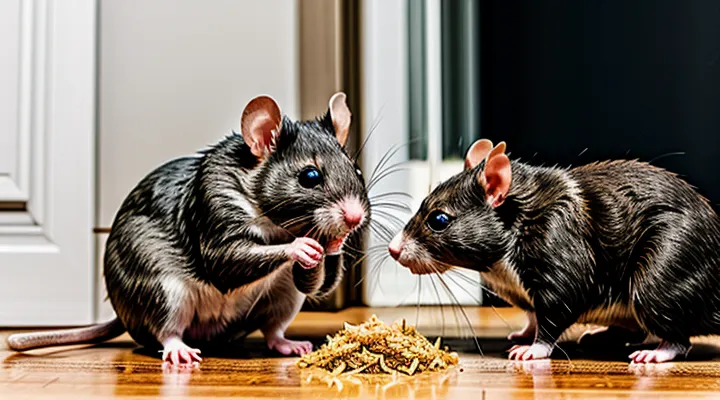
Understanding Rat Dietary Needs
Essential Nutritional Components
Proteins
Proteins supply the amino acids required for tissue growth, repair, and enzymatic functions in domestic rats. The recommended intake ranges from 15 % to 20 % of total dietary calories, equivalent to approximately 2 – 3 g of protein per 100 g of body weight daily for an adult animal.
Common protein sources suitable for a pet rat include:
- Cooked chicken breast, skinless and boneless
- Hard‑boiled eggs, finely chopped
- Low‑fat cottage cheese or plain yogurt
- Commercial rat blocks formulated with animal‑derived protein
- Insects such as mealworms, offered in moderation
When selecting protein foods, prioritize those with high digestibility scores and minimal added salts or seasonings. Excessive protein can strain renal function and disrupt the balance of carbohydrates and fats; therefore, monitor the overall macronutrient distribution to remain within the recommended calorie range.
Feeding practices that support optimal protein utilization:
- Offer protein portions in two to three small meals throughout the day to mimic natural foraging behavior.
- Ensure fresh water is always available, as adequate hydration aids protein metabolism.
- Observe stool consistency and weight changes; deviations may indicate an imbalance in protein intake.
- Rotate protein sources weekly to provide a broader spectrum of amino acids and prevent dietary monotony.
By adhering to these guidelines, caretakers can maintain healthy growth rates, robust immune responses, and sustained vitality in their rats.
Fats
Fats supply the primary energy source for domestic rats and enable absorption of fat‑soluble vitamins A, D, E, and K. They also contribute to the integrity of skin and fur, and support reproductive health.
A balanced diet should contain roughly 5 %–10 % of total caloric intake from fats. For an adult rat weighing 70 g, this translates to approximately 0.5 g–1 g of fat per day, depending on activity level and metabolic condition.
Essential fatty acids cannot be synthesized by rats and must be provided through the diet. The main categories are:
- Saturated fatty acids – limited amounts, found in animal fats.
- Monounsaturated fatty acids – abundant in olive oil and certain nuts.
- Polyunsaturated fatty acids – include omega‑3 (α‑linolenic acid) and omega‑6 (linoleic acid) families.
Common, rat‑safe fat sources include:
- Fish oil (rich in omega‑3).
- Flaxseed or ground flaxseed (omega‑3).
- Sunflower or safflower seeds (omega‑6).
- Small pieces of cooked chicken skin or lean pork fat.
- Commercially formulated rodent pellets that contain added vegetable oils.
Excessive fat intake accelerates weight gain, predisposes to hepatic lipidosis, and may shorten lifespan. Deficiency manifests as dull coat, poor wound healing, and reduced fertility. Monitoring body condition and adjusting portions prevents both extremes.
Feeding recommendations:
- Add ½ tsp of liquid oil to daily fresh food or mix into pellets.
- Offer a handful of seeds or nuts no more than twice weekly.
- Choose fish oil capsules designed for small animals, administering the recommended dose.
- Avoid processed snacks high in trans‑fat or added sugars.
- Rotate plant‑based and animal‑based fat sources to ensure a balanced essential fatty acid profile.
Carbohydrates
Carbohydrates supply the primary energy needed for a domestic rat’s active metabolism. A balanced diet typically allocates 30 %–45 % of total caloric intake to carbohydrate sources. Excessive simple sugars can lead to rapid weight gain and dental problems, while complex carbohydrates support steady glucose levels and intestinal health.
Preferred carbohydrate ingredients include:
- Whole‑grain oats, barley, and brown rice
- Cooked quinoa and whole‑grain pasta
- Fresh vegetables such as carrots, peas, and sweet potatoes
- Limited portions of fresh fruit, for example apple or banana slices
- Commercial rodent pellets formulated with balanced complex carbs
When selecting treats, prioritize low‑sugar options and avoid candy, honey, or syrup‑based products. Monitor each rat’s body condition regularly; a stable weight indicates appropriate carbohydrate intake. Adjust portions if rapid weight fluctuations appear.
Fiber, a component of many carbohydrate foods, aids digestion and prevents gastrointestinal blockage. Ensure that at least half of the carbohydrate portion contains dietary fiber, derived from whole grains or vegetables. Water availability must remain constant, as adequate hydration supports carbohydrate metabolism.
In summary, provide a variety of complex carbohydrate foods, limit simple sugars, and observe body condition to maintain optimal health for a pet rat.
Vitamins and Minerals
Domestic rats require a balanced supply of vitamins and minerals to maintain skeletal health, immune function, and metabolic efficiency. Deficiencies manifest as growth retardation, coat deterioration, or reproductive issues; excesses can cause toxicity and organ damage.
Vitamins
- Vitamin A – source: liver, fortified pellets; recommended intake ≈ 1,500 IU/kg body weight per day.
- Vitamin D3 – source: exposure to UV‑B light, fortified feed; recommended intake ≈ 400 IU/kg body weight per day.
- Vitamin E – source: wheat germ oil, sunflower seeds; recommended intake ≈ 30 IU/kg body weight per day.
- Vitamin K – source: leafy greens, fermented foods; recommended intake ≈ 0.5 mg/kg body weight per day.
- B‑complex (B1, B2, B6, B12, niacin, pantothenic acid, folic acid) – source: whole‑grain cereals, meat, eggs; recommended intake varies, typically 1–5 mg/kg body weight per day for each B vitamin.
- Vitamin C – source: citrus fruits, bell peppers; rats synthesize vitamin C endogenously, supplementation required only under stress conditions, dosage ≈ 10 mg/kg body weight per day.
Minerals
- Calcium – source: dairy products, bone meal; recommended intake ≈ 1 % of diet by weight.
- Phosphorus – source: fish, meat, legumes; recommended intake ≈ 0.8 % of diet by weight, maintain Ca:P ratio near 1:1.
- Magnesium – source: nuts, whole grains; recommended intake ≈ 0.2 % of diet by weight.
- Potassium – source: bananas, potatoes; recommended intake ≈ 0.3 % of diet by weight.
- Sodium – source: minimal, present in commercial feeds; recommended intake ≈ 0.1 % of diet by weight.
- Iron – source: red meat, lentils; recommended intake ≈ 50 mg/kg diet.
- Zinc – source: meat, seeds; recommended intake ≈ 30 mg/kg diet.
- Copper – source: organ meats, nuts; recommended intake ≈ 10 mg/kg diet.
- Selenium – source: Brazil nuts, fish; recommended intake ≈ 0.3 mg/kg diet.
Supplementation should follow laboratory‑tested formulations or veterinary prescriptions. Over‑supplementation risks hypervitaminosis or mineral overload; regular analysis of feed composition prevents imbalances. Adjustments are necessary during growth, pregnancy, or illness, with dosage recalculated on a per‑kilogram basis. Monitoring clinical signs and periodic blood work ensures nutritional adequacy.
Fiber and Water
Fiber is essential for maintaining gastrointestinal motility in pet rats. A diet containing 5–7 % crude fiber supports regular peristalsis and prevents impaction.
Common fiber sources include:
- Fresh leafy greens such as kale, romaine lettuce, and dandelion leaves
- Raw carrots, bell peppers, and broccoli florets
- Small amounts of whole‑grain oats, barley, or brown rice
- Commercially formulated high‑fiber pellets or blocks
Water intake directly influences kidney function and overall hydration status. Rats should have constant access to fresh, clean water at ambient temperature. Typical consumption ranges from 15 to 30 ml per 100 g of body weight daily; deviations may indicate health issues.
Practical measures:
- Use a sipper bottle with a stainless‑steel nozzle to reduce contamination
- Replace water daily and clean the container weekly
- Monitor consumption by recording volume removed each day
- Provide water alongside high‑fiber foods to encourage simultaneous intake
Balancing adequate fiber with reliable water availability optimizes digestive health and prevents common ailments associated with dehydration or dietary imbalance.
Recommended Foods for Domestic Rats
Staple Diet: Commercial Rat Blocks
Choosing Quality Rat Blocks
When selecting rat blocks, prioritize formulations that list a single protein source—such as soy, fish, or egg—near the top of the ingredient list. A protein content of 15‑20 % satisfies the nutritional needs of adult domestic rats, while higher levels support growth or breeding individuals. Fiber should comprise 5‑7 % of the mix; adequate fiber promotes gastrointestinal health and prevents hairball formation.
Mineral balance is critical. Calcium and phosphorus ratios between 1.2:1 and 1.5:1 prevent skeletal disorders. Include blocks that provide essential vitamins A, D3, and E, as well as B‑complex vitamins, without excessive synthetic additives. Avoid formulations with unnecessary fillers, such as excessive grain or soy hulls, which dilute nutrient density.
Evaluate product freshness. Blocks manufactured within the past six months retain vitamin potency and maintain palatability. Store unopened packages in a cool, dry environment; after opening, reseal tightly to prevent moisture absorption and mold growth.
Reputable manufacturers often display certification from recognized pet‑food authorities. Look for statements indicating compliance with AAFCO or equivalent standards. Independent laboratory testing results, when provided, confirm nutrient composition and absence of contaminants.
Key factors for choosing quality rat blocks:
- Single, high‑quality protein source listed first
- 15‑20 % protein, 5‑7 % fiber
- Calcium‑phosphorus ratio 1.2:1–1.5:1
- Inclusion of vitamins A, D3, E, B‑complex
- Minimal fillers and synthetic additives
- Production date within six months
- Certified compliance with recognized standards
- Transparent lab testing data
By applying these criteria, caregivers ensure that rat blocks deliver balanced nutrition, support overall health, and reduce the risk of diet‑related issues.
Benefits of Commercial Blocks
Commercial blocks provide a reliable source of complete nutrition for pet rats. Each block is formulated to meet the specific macro‑ and micronutrient requirements of rodents, eliminating the need for separate supplements. The controlled composition ensures consistent protein, fat, fiber, and vitamin levels, which supports steady growth and immune function.
Key advantages include:
- Nutrient balance – precise ratios of essential amino acids, calcium, and phosphorus promote healthy skeletal development.
- Dental health – the solid texture encourages natural tooth wear, reducing the risk of overgrowth.
- Convenient storage – compact form reduces spoilage and simplifies feeding schedules.
- Reduced waste – measured portions limit excess consumption and minimize leftover food.
- Cost efficiency – bulk purchase lowers per‑day expense compared with mixed grain or fresh produce diets.
By integrating commercial blocks into a feeding regimen, owners achieve a predictable dietary baseline while retaining flexibility to supplement with fresh vegetables or occasional treats. This approach aligns with best practices for maintaining optimal health in domesticated rats.
Fresh Foods: Vegetables and Fruits
Safe Vegetables for Rats
Vegetables provide essential vitamins, minerals, and fiber that support dental health and digestive function in pet rats. Introduce them gradually and serve in small, bite‑size portions to prevent waste and spoilage.
«Carrots» – rich in beta‑carotene, can be offered raw, peeled, and chopped.
«Broccoli» – high in vitamin C, best served steamed briefly to reduce bitterness.
«Spinach» – source of iron and folate; limit to a few leaves several times a week due to oxalates.
«Zucchini» – low‑calorie, moist texture; serve raw or lightly steamed.
«Bell peppers» – provide vitamin A and antioxidants; remove seeds and core.
«Cucumber» – high water content, useful for hydration; slice thinly.
«Green beans» – supply fiber and vitamin K; offer cooked without salt.
«Peas» – protein‑rich, serve shelled and cooked or raw in moderation.
Avoid cruciferous vegetables such as kale, cabbage, and cauliflower in large amounts, as they can cause gas. Remove any wilted or moldy portions before feeding. Rotate varieties to ensure a balanced nutrient intake and monitor for individual tolerance.
Safe Fruits for Rats
Rats thrive on a varied diet that includes fresh fruit, provided the selections are non‑toxic and offered in moderation.
Safe fruit options include:
- «apple» (core removed, no seeds)
- «banana» (ripe, sliced)
- «blueberries» (washed)
- «cantaloupe» (seedless, flesh only)
- «pear» (core removed, no seeds)
- «strawberries» (hull removed)
- «watermelon» (seedless, rind excluded)
- «kiwi» (peeled, limited due to acidity)
Portion sizes should not exceed 10 % of the daily caloric intake; a single bite‑sized piece per feeding session is sufficient. Frequency of fruit treats can be limited to two to three times per week to prevent digestive upset and weight gain.
Preparation requires thorough washing to eliminate pesticide residues. Remove pits, cores, and skins that are difficult to chew, as they may pose choking hazards. Store cut fruit in a sealed container within the refrigerator and discard any leftovers after 24 hours to avoid bacterial growth.
Monitoring individual rat response to new fruits is essential; any signs of diarrhea or reduced appetite indicate the need to discontinue that item.
Vegetables and Fruits to Avoid
Rats are prone to digestive upset when offered certain plant foods. The following vegetables and fruits must be excluded from a pet rat’s diet:
- Citrus fruits (oranges, lemons, limes, grapefruits) – high acidity damages stomach lining.
- Cruciferous vegetables (broccoli, cauliflower, cabbage, Brussels sprouts) – can cause gas and bloating.
- Raw potatoes and green potato skins – contain solanine, a toxic alkaloid.
- Onions, garlic, leeks, chives – contain compounds that damage red blood cells.
- Tomato leaves and stems – toxic glycoalkaloids present in green parts.
- Avocado flesh and pit – persin in avocado is harmful to rodents.
- Rhubarb leaves – contain oxalic acid, leading to kidney irritation.
- Fruit pits and seeds (apple, peach, cherry) – may cause choking and contain cyanogenic glycosides.
Introduce only safe produce in moderation, ensuring thorough washing and removal of any inedible parts. Regular monitoring for signs of diarrhea, lethargy, or loss of appetite will confirm that unsuitable items have been avoided.
Protein Sources
Lean Meats
Lean meats provide a high‑quality protein source that supports muscle maintenance and overall health in pet rodents. Protein from animal tissue is more digestible than plant‑based alternatives, delivering essential amino acids in a form readily absorbed by the gastrointestinal tract.
Recommended lean meat options include:
- Skinless chicken breast
- Ground turkey, without added fat
- Trimmed lean beef (e.g., sirloin)
- Rabbit meat, boneless
- White‑fish fillets such as cod or tilapia
Preparation guidelines: cook meat thoroughly to an internal temperature of at least 165 °F (74 °C); avoid seasoning, sauces, or marinades; remove all bones and visible fat; shred or dice into bite‑size pieces no larger than ½ cm. Cooling the cooked meat before offering it prevents thermal injury.
Portion control: limit meat to approximately 1–2 teaspoons (5–10 g) per adult rat per day, representing no more than 10 % of the total diet. Adjust quantity for juveniles or highly active individuals, but never exceed the recommended proportion.
Feeding frequency: incorporate lean meat as an occasional supplement rather than a staple. Regular inclusion may disrupt the balance of fiber‑rich pellets and fresh vegetables that form the dietary foundation.
Safety considerations: exclude processed products such as deli meats, sausages, or cured items, which contain excessive sodium, nitrites, and preservatives. Verify freshness, store cooked portions in the refrigerator for no more than 24 hours, and discard any leftovers that develop odor or discoloration.
Eggs
Eggs offer a high‑quality protein source for domestic rats, delivering essential amino acids, vitamins B12 and D, and minerals such as selenium. Inclusion of eggs can enhance dietary balance when combined with commercial rodent pellets and fresh vegetables.
Preparation guidelines:
- Cook eggs thoroughly; boiling or scrambling without added salt, butter, or seasonings ensures safety.
- Cool cooked egg to room temperature before offering.
- Offer a portion equivalent to one‑quarter of a large egg (approximately 6 g) per 100 g of body weight, not exceeding two such portions per week.
- Integrate egg into a mixed food item, such as a small crumble combined with chopped greens, to encourage natural foraging behavior.
Potential concerns:
- Raw eggs present a risk of salmonella and contain avidin, a protein that interferes with biotin absorption; both hazards are eliminated by cooking.
- Excessive egg consumption may increase dietary fat and cholesterol, potentially leading to obesity or liver strain in sedentary rats.
- Monitor individual tolerance; discontinue if signs of digestive upset appear.
Practical feeding tips:
- Introduce egg gradually, observing appetite and stool consistency.
- Store cooked egg in a sealed container for up to 48 hours in the refrigerator; discard any leftovers after this period.
- Use egg as a supplemental treat rather than a staple, maintaining a varied diet that meets the rat’s nutritional requirements.
Legumes
Legumes constitute a valuable component of a balanced diet for pet rats, supplying protein, dietary fiber, vitamins and minerals that support growth, digestion and immune function.
Nutritional contributions include moderate‑level protein (approximately 20 % of dry weight), soluble and insoluble fiber that promotes intestinal motility, B‑vitamins essential for energy metabolism, and minerals such as iron, potassium and magnesium.
Safe varieties for regular inclusion are green beans, peas, lentils, chickpeas, and cooked soybeans. Raw soybeans contain antinutrients and should be avoided.
Recommendations for preparation and serving:
- Rinse thoroughly under running water to remove dust and pesticide residues.
- Cook by boiling or steaming until tender; avoid adding salt, butter, oil or seasonings.
- Cool to room temperature before offering to the rat.
- Limit portions to 1–2 tablespoons of cooked legumes per 100 g of body weight per day, adjusting based on overall diet composition.
- Introduce new legume types gradually, monitoring for signs of digestive upset.
Cautions include the potential for gas production from excessive fiber, risk of gastrointestinal blockage if large, uncooked beans are fed, and the need to balance legume intake with other protein sources to prevent amino acid imbalances.
«Legumes provide protein and fiber», a statement supported by rodent nutrition research, underscores their role when incorporated responsibly within a varied feeding program.
Occasional Treats and Snacks
Whole Grains
Whole grains supply domestic rats with complex carbohydrates, dietary fiber, and essential micronutrients that support steady energy release and gastrointestinal health. Incorporating a variety of grains prevents nutritional gaps and encourages natural foraging behavior.
Recommended whole grains include:
- Brown rice, cooked and cooled
- Oats, rolled or steel‑cut, served plain
- Quinoa, rinsed and boiled
- Barley, hulled, cooked
- Millet, sprouted or cooked
Portion sizes should not exceed 10 % of the total daily intake, measured by weight rather than volume, to avoid excess calories. Grains must be free of added salt, sugar, or flavorings, as these substances can lead to electrolyte imbalance or obesity. Prior to serving, grains should be thoroughly washed, cooked without oil, and cooled to room temperature to eliminate potential pathogens.
Introduce new grains gradually, monitoring for signs of digestive upset such as loose stools or reduced appetite. If adverse reactions occur, discontinue the offending grain and consult a veterinary professional. Regular rotation of grain types maintains dietary diversity and reduces the risk of nutrient deficiencies.
Nuts and Seeds (in Moderation)
Nuts and seeds provide rats with essential fatty acids, protein, and micronutrients, yet their high caloric density mandates limited inclusion in the diet.
Key nutrients supplied by these foods include:
- «healthy fats» that support skin and coat condition;
- «protein» for muscle maintenance;
- vitamin E, magnesium, and zinc, which contribute to immune function and metabolic processes.
Excessive consumption can lead to rapid weight gain, elevated blood lipid levels, and increased risk of gastrointestinal upset. Over‑rich diets may also encourage dental overgrowth if fibrous content is insufficient.
Guidelines recommend offering no more than one teaspoon (approximately 2 g) of mixed nuts and seeds per 100 g of body weight per week. Treats should be spaced at least three days apart to prevent caloric overload.
Preparation steps:
- Select unsalted, unflavored varieties; avoid roasted or sugar‑coated products.
- Grind larger pieces to a size comparable to the animal’s natural food particles, reducing choking hazards.
- Store in airtight containers at cool temperatures to inhibit rancidity.
Introducing nuts and seeds gradually allows observation of tolerance and prevents digestive disturbances. Regular monitoring of body condition ensures that these nutrient‑dense snacks remain beneficial without compromising overall health.
Small Amounts of Dairy
Small quantities of dairy can be included in a pet rat’s diet, provided that lactose tolerance is considered. Rats lack the enzyme lactase in sufficient amounts, so excessive dairy may cause digestive upset.
Safe dairy options and recommended limits:
- Plain low‑fat yogurt: up to one teaspoon, twice a week.
- Soft cheese (e.g., cottage cheese): one teaspoon, once a week.
- Unsweetened kefir: one teaspoon, once a week.
- Milk: avoid regular cow’s milk; if offered, limit to a few drops once a month.
Guidelines for serving:
- Offer dairy as an occasional treat, not a staple.
- Present at room temperature to avoid shock.
- Observe the rat for signs of diarrhea, bloating, or reduced appetite after consumption.
- Discontinue dairy if any adverse reaction appears and consult a veterinarian.
Typical indicators of lactose intolerance include watery stool, increased gas, and lethargy. Prompt removal of dairy from the diet usually resolves symptoms.
Foods to Avoid Entirely
Harmful Human Foods
Chocolate
Chocolate poses a severe health risk to pet rats and must be excluded from their diet. Theobromine and caffeine, naturally present in cocoa, are metabolized slowly by rodents, leading to toxic accumulation. Clinical signs of chocolate poisoning include rapid heartbeat, tremors, seizures, and potentially fatal cardiac arrest. Even small quantities can trigger symptoms because a rat’s body weight is low relative to the dose required for toxicity in larger mammals.
Key considerations for safe feeding practices:
- Do not offer any form of chocolate, including baked goods, candy, or desserts.
- Store chocolate products securely to prevent accidental ingestion.
- Educate all household members about the danger and ensure they understand that chocolate is never an appropriate treat.
- If a rat shows signs of distress after possible exposure, seek immediate veterinary assistance; prompt treatment improves prognosis.
Alternatives that satisfy a rat’s preference for sweet flavors without risk include fresh fruit pieces such as apple or banana, offered in limited amounts to avoid excess sugar. These options provide natural sugars and moisture, supporting hydration and enrichment while maintaining nutritional balance.
Caffeine
Caffeine is a central nervous system stimulant that can cause rapid heart rate, increased blood pressure, and heightened anxiety in rodents. Domestic rats metabolize caffeine more slowly than humans, leading to prolonged physiological effects and a higher risk of toxicity. Even small amounts, such as those found in coffee grounds, tea leaves, or chocolate, may produce noticeable behavioral changes, including hyperactivity, tremors, or reduced appetite.
Recommendations for managing caffeine exposure in pet rats:
- Eliminate all sources of caffeine from the animal’s diet; avoid offering foods or beverages that contain coffee, tea, cola, or chocolate.
- Store caffeinated products in sealed containers out of reach to prevent accidental ingestion.
- If a rat is suspected of consuming caffeine, monitor for signs of restlessness, rapid breathing, or vomiting; contact a veterinarian promptly.
- Provide fresh water continuously to support renal clearance of any inadvertent caffeine intake.
- Use caffeine‑free treats approved for rodents to satisfy enrichment needs without health risks.
Alcohol
Alcohol is a potent toxin for domestic rats; their liver lacks the enzymatic capacity to metabolize ethanol efficiently, leading to rapid accumulation of acetaldehyde and subsequent cellular damage. Even low concentrations can cause central nervous system depression, reduced body temperature, and impaired motor coordination.
Physiological consequences include:
- Decreased blood glucose levels, increasing risk of hypoglycemic shock.
- Damage to hepatic tissue, accelerating the onset of fatty liver disease.
- Suppressed immune function, heightening susceptibility to infections.
- Potential fatality at doses as low as 0.5 g kg⁻¹ body weight.
Feeding protocols must exclude any source of ethanol. Practical measures are:
- Provide only fresh water and nutritionally balanced rat chow.
- Store alcoholic beverages in secured containers inaccessible to the animal.
- Clean cages and feeding equipment with non‑alcoholic disinfectants.
- Monitor for accidental ingestion by observing behavior and checking for spilled liquids.
Adherence to these guidelines eliminates the risk of alcohol‑induced toxicity and supports optimal health in pet rats.
Processed Foods and Sugars
Processed foods often contain elevated sodium, preservatives, and artificial flavorings that can disrupt a rat’s delicate gastrointestinal balance. Excess sodium may lead to dehydration and hypertension, while preservatives can provoke allergic reactions or chronic inflammation. Artificial flavorings provide no nutritional value and may encourage selective feeding behaviors that reduce intake of essential nutrients.
Sugars, particularly in the form of refined sucrose or high‑fructose corn syrup, cause rapid blood‑glucose spikes. Repeated spikes increase the risk of insulin resistance, obesity, and dental caries. Rats’ incisors continuously grow; frequent exposure to sugary substances accelerates enamel erosion and promotes plaque formation.
Recommendations for minimizing these risks:
- Eliminate commercial snack foods, flavored pellets, and human sweets from the diet.
- Offer fresh vegetables and fruits in moderation; prioritize low‑sugar options such as leafy greens, broccoli, and berries.
- Provide a balanced base diet composed of high‑quality, unflavored rodent chow that meets protein, fiber, and vitamin requirements.
- Use occasional treats that are natural and minimally processed, for example, a small piece of unsalted roasted pumpkin seed.
- Monitor body condition and dental health regularly; adjust the diet promptly if weight gain or tooth wear becomes evident.
By restricting «processed foods» and limiting added sugars, caretakers support optimal metabolic function, maintain healthy dentition, and promote overall longevity in domestic rats.
Specific Plant-Based Toxins
Raw Sweet Potato
Raw sweet potato provides a source of complex carbohydrates, dietary fiber, beta‑carotene, vitamin C, and potassium, all of which contribute to the overall health of a pet rat. The fiber content supports gastrointestinal motility, while beta‑carotene converts to vitamin A, essential for vision and immune function.
Preparation requires thorough washing to remove soil, followed by peeling to eliminate potential pesticide residues on the skin. Cut the tuber into bite‑size cubes (approximately ½ cm) and rinse again. No cooking is necessary; raw texture encourages natural chewing behavior and preserves heat‑sensitive nutrients.
Feeding guidelines:
- Offer a maximum of 5 g of raw sweet potato per 100 g of body weight per week.
- Introduce the vegetable gradually, beginning with 1 g per day and monitoring for digestive tolerance.
- Distribute the portion across two feedings to reduce the risk of gastrointestinal upset.
- Combine with a balanced staple diet of commercial rat pellets to ensure protein and fat requirements are met.
Safety considerations:
- Inspect each piece for signs of mold or rot; discard any compromised material.
- Avoid feeding sweet potato to rats with known diabetes or obesity, as the carbohydrate load may exacerbate these conditions.
- Store unused portions in a sealed container in the refrigerator, use within 24 hours to prevent bacterial growth.
Green Potato Skins
Green potato skins contain solanine, a glycoalkaloid that can cause gastrointestinal distress and neurological symptoms in rodents. The concentration of solanine increases when the skin turns green or develops a bitter taste, indicating exposure to light or improper storage. Feeding green-skinned potatoes to a domestic rat introduces a risk of toxicity that outweighs any nutritional benefit.
Safe feeding practices require the following precautions:
- Inspect potatoes before offering any portion; discard any that display green discoloration, sprouting, or soft spots.
- Peel potatoes thoroughly; remove the outer layer where solanine accumulates.
- Cook peeled potatoes without added salt or seasoning; heat reduces microbial load but does not eliminate solamine.
- Offer only small, occasional servings of fully cooked, white-fleshed potato as a treat, not a dietary staple.
Alternative carbohydrate sources—such as cooked brown rice, small pieces of whole‑grain pasta, or commercial rodent pellets—provide energy without the toxicity risk associated with green potato skins. Maintaining a balanced diet that emphasizes fresh vegetables, high‑quality protein, and appropriate supplements ensures optimal health for a domestic rat.
Unripe Bananas
Unripe bananas contain higher levels of resistant starch and lower sugar than ripe fruit. The resistant starch is difficult for a rat’s digestive system to break down, which can lead to gas, bloating, and altered stool consistency. Additionally, the astringent taste may discourage consumption, resulting in inadequate intake of the vitamin B6 and potassium that bananas otherwise provide.
When incorporating banana into a rat’s diet, follow these guidelines:
- Offer only a small piece, not exceeding ¼ inch in length, and observe the animal’s reaction for signs of digestive upset.
- Provide the fruit fully ripe, allowing the skin to turn yellow and the flesh to soften; discard any green portions.
- Limit frequency to once per week or less, ensuring that the primary diet remains a high‑quality laboratory rodent pellet supplemented with fresh vegetables.
Avoid feeding unripe banana as a regular treat. Replace it with more digestible carbohydrate sources such as cooked sweet potato or oat flakes to meet energy needs without compromising gut health.
Feeding Schedules and Portion Sizes
Frequency of Feeding
Proper feeding frequency is a critical factor in maintaining a healthy domestic rat. Adult rats thrive on two to three meals per day, while juveniles require four to six smaller feedings to support rapid growth. Consistent timing stabilizes metabolism and reduces stress.
Key points for scheduling feedings:
- Provide a main meal in the morning and an evening meal for adults; add a midday snack if the rat shows increased activity.
- Offer juvenile rats meals at roughly three‑hour intervals, ensuring fresh food is always available.
- Adjust portions based on body condition; a typical adult consumes 15–20 g of dry food per day, divided among the meals.
- Monitor weight weekly; increase feeding frequency if weight loss occurs, decrease if overweight.
- Maintain a regular schedule, avoiding large gaps longer than six hours for adults and four hours for juveniles.
Adhering to these intervals promotes optimal digestion, stable energy levels, and overall well‑being.
Monitoring Weight and Body Condition
Monitoring weight and body condition is a fundamental component of effective nutrition management for pet rats. Regular assessment provides objective data that guides dietary adjustments, prevents obesity, and detects health problems early.
Weight should be measured at least once a week for growing juveniles and bi‑weekly for adults. Use a digital scale with a capacity of at least 500 g and an accuracy of 0.1 g. Record each measurement in a dedicated log, noting date, cage number, and any observable changes in activity or appetite.
Body condition can be evaluated by palpating the lumbar vertebrae and rib cage. A well‑conditioned rat presents a slight indentation over the spine and ribs, while excess fat obscures these landmarks. The following scale offers a practical reference:
- 1 – Emaciated: prominent bones, visible spinal processes, skin lax.
- 2 – Underweight: bones discernible, slight fat cover.
- 3 – Ideal: bones palpable with a thin layer of fat, waistline defined.
- 4 – Overweight: bones difficult to feel, noticeable fat deposits, rounded abdomen.
- 5 – Obese: bones not palpable, excessive fat, reduced mobility.
If weight deviates by more than 5 % from the target range for the rat’s age and sex, adjust caloric intake accordingly. Reduce high‑fat treats, increase fiber‑rich vegetables, and consider portion control of the standard pellet mix. Re‑evaluate weight after seven days to confirm the effectiveness of changes.
Consistent documentation and objective scoring enable owners and veterinarians to maintain optimal body condition, supporting overall health and longevity. «Accurate weight tracking prevents nutritional imbalances and promotes timely intervention».
Adjusting Portions Based on Age and Activity
Feeding a pet rat requires portion sizes that correspond to the animal’s developmental stage and activity level. Undersized meals can lead to nutrient deficiencies; oversized portions increase the risk of obesity and related disorders.
Juvenile rats (4‑6 weeks old) need high‑energy diets to support rapid growth. Recommended daily intake ranges from 15 g to 20 g of mixed pellet and fresh food, divided into three meals. Food should be nutrient‑dense, with a protein content of 18‑20 % and limited fat.
Adult rats (2‑12 months) maintain stable weight when receiving 12 g to 15 g of balanced pellets per day. Active individuals—those provided with climbing structures, wheels, or frequent out‑of‑cage time—benefit from an additional 2 g to 3 g of fresh vegetables or fruit. Less active adults may require the lower end of the range to prevent excess weight gain.
Senior rats (over 12 months) experience a decline in metabolic rate. Daily portions should be reduced to 10 g‑12 g of low‑fat pellets, supplemented with easily digestible greens. Monitoring body condition score allows timely adjustments.
Regular assessment of weight, coat quality, and activity informs portion modifications. If a rat gains more than 5 % of body weight within a month, decrease the daily amount by 1 g to 2 g. Conversely, a loss of 5 % or more warrants a modest increase.
«Proper nutrition is the cornerstone of rodent health». Adhering to age‑specific guidelines and tailoring portions to activity levels ensures optimal growth, maintenance, and longevity.
Special Dietary Considerations
Pregnant or Nursing Does
Pregnant and nursing female rats require a diet that supplies increased energy, protein, calcium, and essential fatty acids to support fetal development and milk production. The basal diet should consist of a high‑quality commercial rat mix formulated for growth, providing at least 20 % protein and balanced vitamins and minerals.
Key nutritional adjustments:
- Increase protein content to 22‑24 % of the diet, using sources such as soy, whey, or cooked egg white.
- Add calcium‑rich foods (e.g., plain yogurt, shredded cheese, or calcium‑fortified pellets) to meet the elevated demand for bone formation in offspring.
- Include omega‑3 fatty acid sources (e.g., small amounts of ground flaxseed or fish oil) to enhance milk quality.
- Provide fresh vegetables rich in vitamin C (e.g., bell peppers, broccoli) to prevent scurvy, which pregnant rats are prone to.
- Offer unlimited access to clean, fresh water; hydration is critical for milk synthesis.
Feeding schedule should be continuous, with food available at all times to prevent competition and stress. Monitor body condition weekly; a gain of 5‑10 % body weight over the gestation period indicates adequate nutrition. After parturition, maintain the enhanced diet for the nursing period, then gradually return to the standard adult formulation as the litter weans.
Supplementary considerations:
- Avoid high‑fat treats and sugary foods that can cause obesity and metabolic disturbances.
- Eliminate raw beans, unripe potatoes, and other toxic plants from the diet.
- Provide a small amount of soft, palatable food (e.g., mashed banana or oatmeal) if the doe shows reduced appetite during late pregnancy.
Regular veterinary checks ensure that nutrient requirements are met and that any deficiencies are addressed promptly.
Young Rats (Pups)
Young rats require a diet that supports rapid growth and organ development. Begin weaning at approximately three weeks of age; at this point, solid food should be introduced alongside maternal milk. Offer a nutritionally balanced pellet formulated for juvenile rodents, ensuring the protein content is 20‑25 % and the fat content is 5‑8 %. Provide fresh water at all times; replace it daily to prevent bacterial contamination.
Transition to solid food should occur gradually. Place a small amount of softened pellets in a shallow dish, allowing pups to explore and consume at their own pace. Reduce maternal milk by limiting access to the nest after the second week of weaning, while monitoring body condition to avoid undernutrition.
Key nutrients for developing pups include:
- High‑quality protein sources (e.g., soy, whey) for muscle synthesis
- Calcium and phosphorus in a 1.2 : 1 ratio to support skeletal formation
- Vitamin D3 for calcium absorption
- Omega‑3 fatty acids to promote neural development
Supplement the diet with occasional fresh vegetables such as carrot, broccoli, or spinach, finely chopped to prevent choking. Avoid high‑sugar fruits and processed human foods, which can disrupt gut flora and lead to obesity. Regularly assess weight gain; a healthy pup should increase body mass by 2‑3 % per week during the first month after weaning.
Senior Rats
Senior rats experience reduced metabolic rate and muscle mass, requiring adjustments in nutrient density and portion control.
Protein sources should remain high‑quality but limited to 15–20 % of total calories to support lean tissue without overloading kidneys. Recommended items include cooked chicken breast, boiled egg white, and low‑fat cottage cheese.
Fiber intake must increase to aid gastrointestinal motility; appropriate options are plain cooked carrots, steamed broccoli florets, and small quantities of rolled oats. Calcium and phosphorus ratios should be balanced, with occasional offerings of plain yogurt or fortified rodent blocks designed for mature individuals.
Feeding frequency can shift to two small meals per day, spaced evenly to prevent hypoglycemia. Portion sizes should be measured with a kitchen scale, aiming for roughly 5 g of dry matter per 100 g body weight. Fresh water must be available at all times, refreshed daily to avoid bacterial growth.
Regular health checks are essential. Observe body condition, coat quality, and activity levels; any sudden weight loss or changes in appetite warrant veterinary evaluation.
Key dietary recommendations for «Senior Rats»:
- 15–20 % of calories from lean protein (chicken, egg white, cottage cheese)
- 5–7 % from fiber‑rich vegetables (carrots, broccoli, oats)
- Balanced calcium/phosphorus sources (yogurt, mature‑rat blocks)
- Two measured meals per day, total dry matter ≈5 g per 100 g body weight
- Constant access to clean, fresh water
Implementing these guidelines supports longevity and quality of life in aging pet rats.
Rats with Health Issues
Rats suffering from conditions such as obesity, dental disease, gastrointestinal disorders, or metabolic abnormalities require tailored nutrition to support recovery and maintain stability. Energy intake must be calibrated to the individual’s metabolic rate; reduced‑calorie formulas containing high‑quality protein and limited simple sugars prevent further weight gain while supplying essential amino acids. Fiber‑rich vegetables and low‑glycemic fruits aid digestive health and regulate blood glucose levels, reducing the risk of diabetes‑related complications.
Key dietary adjustments include:
- Replace standard pellets with a balanced mix of lab‑grade chow and fresh produce, ensuring at least 15 % of the diet consists of leafy greens and cruciferous vegetables.
- Introduce soft, nutrient‑dense foods (e.g., cooked sweet potato, pureed pumpkin) for rats with dental wear or malocclusion to facilitate chewing.
- Limit high‑fat treats; allocate no more than 5 % of total caloric intake to seeds, nuts, or commercial snacks.
- Supplement with omega‑3 fatty acids (fish oil or flaxseed oil) to reduce inflammation in arthritic or respiratory conditions.
- Provide constant access to fresh water; consider a sipper bottle with a stainless‑steel nozzle to prevent contamination.
Regular monitoring of body condition, stool consistency, and hydration status informs timely adjustments. Any sudden change in appetite, weight, or behavior warrants veterinary evaluation. Nutritional plans should be reviewed quarterly, incorporating laboratory results and clinical observations to ensure that dietary interventions remain aligned with the rat’s evolving health profile.
Hydration: Providing Clean Water
Water Bottle vs. Water Bowl
Providing water for a domestic rat requires a delivery system that maintains cleanliness, encourages regular drinking, and minimizes contamination risk. Two widely used options are the suspended bottle and the shallow bowl; each presents distinct advantages and limitations.
-
Bottle advantages
- Sealed reservoir reduces spill and bacterial growth.
- Placement at cage level prevents water stagnation.
- Compatibility with cage bars limits gnawing damage.
-
Bottle disadvantages
-
Bowl advantages
- Direct access encourages natural drinking posture.
- Easy to clean; all surfaces visible.
- Suitable for larger cages where space permits a stable container.
-
Bowl disadvantages
- Open surface prone to contamination from droppings and bedding.
- Small rodents can tip the bowl, leading to spills.
- Water evaporates more quickly, requiring regular refills.
Selection should consider cage design, rat age, and health status. For high‑traffic cages with ample floor space, a sturdy ceramic bowl combined with daily water replacement offers sufficient hygiene. In compact or wire‑mesh enclosures, a high‑quality bottle equipped with a chew‑resistant tube provides consistent water supply while limiting mess. Routine inspection of tubing integrity and bowl stability, followed by thorough weekly sanitation, ensures optimal hydration conditions for pet rats.
Daily Cleaning and Refills
Daily cage hygiene directly influences a rat’s health and appetite. Each morning, remove uneaten food, discard any soiled bedding, and replace it with fresh material. Clean the food dish with warm, unscented soap, rinse thoroughly, and dry before refilling. Water bottles must contain fresh, filtered water; rinse the bottle and replace the straw every 24 hours to prevent bacterial growth.
Routine tasks can be organized as follows:
- Remove leftover pellets and fresh‑produce remnants.
- Swap out soiled bedding and add a clean layer of absorbent substrate.
- Wash food bowl with mild detergent, rinse, and dry.
- Refill water bottle with newly filtered water; clean the bottle and straw daily.
- Inspect cage for droppings, urine stains, or mold; clean affected areas with a diluted vinegar solution (1 part vinegar to 4 parts water) and wipe dry.
Consistent execution of these steps maintains a sanitary environment, encourages regular feeding, and reduces the risk of illness.
Common Feeding Mistakes to Avoid
Overfeeding
Overfeeding domestic rats disrupts metabolic balance and accelerates the onset of obesity‑related conditions. Excess calories accumulate as adipose tissue, reducing mobility and increasing the risk of cardiovascular strain, hepatic lipidosis, and insulin resistance. Respiratory complications may appear as excess weight compresses the thoracic cavity, impairing ventilation.
Key indicators of overnutrition include rapid weight gain exceeding 20 % of ideal body mass within a month, visible abdominal distension, and lethargic behavior. Regular weighing on a precise scale, combined with weekly body condition scoring, enables early detection.
Practical measures to prevent overfeeding:
- Offer a measured portion of high‑quality rodent pellets that meets 15–20 % of the rat’s daily caloric requirement; adjust according to age, activity level, and reproductive status.
- Provide fresh vegetables in limited quantities (approximately 10 % of total intake) to supply fiber without excess calories.
- Restrict treats to less than 5 % of the diet, selecting low‑fat, low‑sugar options and distributing them no more than two times per week.
- Eliminate continuous access to food bowls; replace with scheduled feedings at consistent times each day.
- Monitor water consumption; increased intake may signal metabolic disturbances linked to overnutrition.
If weight reduction is necessary, implement a gradual caloric deficit of 10 % per week, maintaining nutrient balance to avoid deficiencies. Veterinary consultation is advisable for severe obesity, as medical intervention may be required to address comorbidities. «Overfeeding compromises health, but disciplined feeding practices restore optimal condition».
Underfeeding
Underfeeding occurs when a pet rat receives fewer calories, protein, or essential nutrients than required for its size, age, and activity level. Insufficient nutrition impairs growth, weakens the immune system, and shortens lifespan.
Consequences include reduced body weight, lethargy, poor coat condition, delayed sexual maturation, and increased susceptibility to respiratory and gastrointestinal infections. Chronic deficits may lead to dental problems, as inadequate chewing material weakens incisor development.
Observable signs are:
- Body mass below breed‑specific standards
- Dull, sparse fur with frequent gaps
- Decreased activity and exploratory behavior
- Excessive grooming or hair loss around the face and tail
- Delayed or absent estrus cycles in females
Recommended daily intake for an average adult rat (approximately 250 g) consists of:
- 15–20 g of high‑quality rodent pellets, providing balanced protein (18–20 % of diet) and essential vitamins
- 5–7 g of fresh vegetables, rotating leafy greens, carrots, and bell peppers to supply fiber and micronutrients
- 1–2 g of occasional fruit treats, limited to prevent sugar spikes
- Unlimited access to fresh water, refreshed daily
To avoid underfeeding, follow these practices:
- Weigh rats weekly; adjust portion sizes when weight deviates more than 5 % from target range
- Use a calibrated feeding scoop to ensure consistent measurements
- Provide chewable items such as untreated wood blocks, which stimulate appetite and support dental health
- Monitor food leftovers; if a rat consistently leaves a significant portion, reduce the amount offered
- Keep feeding schedule regular, offering meals at the same times each day to establish routine
Adequate nutrition sustains optimal health, promotes active behavior, and supports breeding potential in domestic rats.
Relying Solely on Table Scraps
Feeding a pet rat exclusively with leftovers from human meals presents several nutritional risks. Table scraps («table scraps») often lack the balanced protein, fat, and fiber ratios required for the species’ rapid metabolism. Deficiencies commonly observed include:
- Insufficient high‑quality animal protein, leading to stunted growth and muscle loss.
- Low levels of essential fatty acids, compromising coat condition and immune function.
- Inadequate calcium‑phosphorus balance, increasing the likelihood of skeletal abnormalities.
- Absence of specific vitamins (A, D, E, B‑complex) that support vision, bone health, and energy metabolism.
In addition to nutrient gaps, many foods regularly offered at the table are toxic to rodents. Hazardous items include:
- Chocolate – contains theobromine, which can cause cardiac arrhythmia.
- Citrus peels – high acidity may irritate the gastrointestinal tract.
- Raw beans – contain lectins that impair protein absorption.
- Processed meats – high salt and preservative content strain renal function.
- Onion and garlic – cause hemolytic anemia.
A reliable feeding regimen combines a high‑quality commercial rodent pellet with controlled portions of fresh vegetables, fruits, and occasional protein treats. Pellets supply a complete nutrient profile; fresh produce adds variety and enrichment without compromising dietary balance. Monitoring portion sizes and eliminating known toxins ensures optimal health and longevity for the animal.
Ignoring Dietary Changes for Health Issues
When a pet rat develops a health problem, the diet must reflect the new condition. Ignoring necessary adjustments can accelerate disease progression, increase stress on organ systems, and reduce the animal’s lifespan.
Failure to modify food intake may lead to specific complications. Excessive calories aggravate obesity‑related disorders; insufficient fiber worsens gastrointestinal stasis; inadequate calcium or vitamin D contributes to bone demineralisation; and inappropriate protein levels strain renal function. Each of these outcomes originates from a static diet that does not address the underlying issue.
Practical steps for addressing dietary changes:
- Assess the rat’s current weight, coat condition, and stool quality; record observations weekly.
- Consult a veterinarian to identify required nutrient modifications based on the diagnosed condition.
- Replace high‑fat treats with low‑calorie vegetables such as broccoli, kale, or cucumber.
- Increase soluble fiber by adding small portions of cooked sweet potato or oat bran.
- Adjust protein sources: use lean poultry or boiled egg whites for renal support; limit to 14‑16 % of total calories.
- Provide calcium‑rich supplements (e.g., finely ground bone meal) when bone health is compromised, ensuring dosage follows professional guidance.
- Monitor water intake; offer fresh water daily to prevent dehydration, especially when dietary fiber is increased.
Consistent observation and prompt diet revision constitute the most reliable method for maintaining health after a condition emerges. Veterinary input remains essential for determining precise nutrient targets and preventing inadvertent deficiencies.
Promoting Healthy Eating Habits
Environmental Enrichment with Food
Environmental enrichment through feeding engages a rat’s innate foraging instincts, promotes mental stimulation, and reduces stereotypic behaviors. Providing food in a variable, manipulable format encourages natural problem‑solving skills and supports overall well‑being.
- Conceal small portions of fresh produce or pellets within shredded paper, cardboard tunnels, or wooden blocks; the animal must locate and extract the morsel.
- Use puzzle feeders designed for small rodents; adjust difficulty by altering opening size or hiding compartments.
- Offer whole grains, nuts, or seeds in a shallow dish that requires the rat to sift through debris to reach edible items.
- Rotate treat types daily; alternating between fruit, vegetables, and protein sources prevents habituation and maintains interest.
- Incorporate scent‑rich herbs (e.g., mint, rosemary) into foraging substrates, enhancing olfactory exploration.
Implementation requires regular observation to ensure the rat can access food without excessive frustration. Monitor weight and health indicators weekly; adjust portion sizes or puzzle complexity if intake declines. Consistent variation in enrichment objects and treat presentation sustains curiosity and reinforces adaptive feeding behaviors. «Rats exhibit natural foraging behaviors when food is presented in a challenging manner», confirming that strategic feeding environments contribute directly to physiological and psychological health.
Introducing New Foods Slowly
Introducing new foods gradually protects a rat’s sensitive digestive system and encourages acceptance of varied ingredients. Small portions reduce the likelihood of diarrhea, vomiting, or food refusal.
- Begin with a single novel item, offering no more than ½ teaspoon per rat.
- Present the new item alongside familiar staples to create a mixed selection.
- Maintain the same feeding schedule; replace a portion of the regular diet rather than adding extra calories.
- Observe the rat for 24‑48 hours before adding another new ingredient.
During the observation period, watch for signs of intolerance: reduced activity, loose stools, or loss of appetite. Any adverse reaction requires removal of the suspect food and a return to the previous diet for at least three days.
If the rat tolerates the initial item, increase the portion by ¼ teaspoon every two days while continuing to monitor behavior. Introduce subsequent foods one at a time, repeating the same observation cycle. This systematic approach builds a balanced diet without overwhelming the animal’s physiological capacity.
Observing Eating Behavior
Observing a rat’s eating behavior provides essential data for adjusting diet to meet nutritional needs. Direct observation reveals patterns such as meal frequency, portion size, and food preferences, which indicate whether the current feeding plan supports healthy weight and activity levels.
Key observation points include:
- Meal frequency: count how many distinct feeding sessions occur within a 24‑hour period.
- Portion consumption: note the amount of food removed from the bowl versus leftovers.
- Food selection: identify preferred items and any avoidance of specific textures or flavors.
- Behavioral cues: watch for rapid eating, hoarding, or prolonged inactivity after meals, which may signal discomfort or nutritional imbalance.
Recording observations in a simple log enhances reliability. Each entry should contain date, time, food type, quantity offered, quantity consumed, and any notable behavior. Consistent documentation enables trend analysis and early detection of issues such as obesity, malnutrition, or dental problems.
When patterns indicate excessive intake, reduce portion size or replace high‑calorie treats with lower‑calorie alternatives. Conversely, if consumption consistently falls short of the recommended caloric range, increase portion size or incorporate more palatable, nutrient‑dense foods. Adjustments must be made gradually, with continued monitoring to confirm that the rat returns to a stable eating routine.
Regular observation, systematic recording, and data‑driven adjustments together ensure that the feeding regimen aligns with the animal’s physiological requirements and promotes long‑term health.