
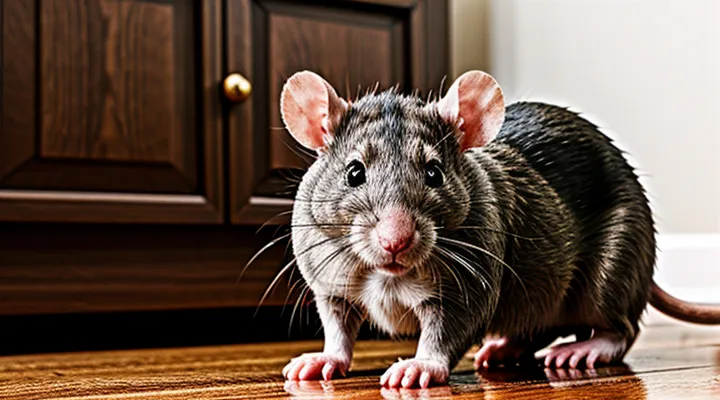
Understanding Rat Behavior and Why Discipline is Needed
Common Undesirable Rat Behaviors
Chewing on Inappropriate Items
Rats often gnaw on cords, furniture legs, or electrical wires, which can cause damage and pose safety risks. Addressing this behavior requires a strategy that redirects chewing without inflicting pain.
First, identify the objects the rat targets and remove them from the cage or environment. Replace hazardous items with safe chew toys made of untreated wood, compressed paper, or mineral blocks. Position toys near the problematic objects to encourage substitution.
Second, reinforce appropriate chewing through positive reinforcement. Deliver a brief treat or a gentle verbal cue immediately after the rat bites a designated toy. Consistency builds a clear association between the desired action and reward.
Third, modify the habitat to reduce motivation for destructive chewing. Ensure the cage provides ample enrichment: tunnels, climbing structures, and varied textures. A well‑stimulated rat is less likely to seek out inappropriate items.
Fourth, employ deterrents on prohibited objects. Apply a thin layer of pet‑safe bitter spray or cover cords with spiral cable protectors. The unpleasant taste or texture discourages interaction without causing injury.
Implementation checklist:
- Remove hazardous items from reach.
- Supply multiple chew‑safe alternatives.
- Pair correct chewing with immediate reward.
- Enrich enclosure with diverse stimuli.
- Apply non‑toxic deterrents to remaining risks.
Monitoring progress daily allows quick adjustment of the plan. If the rat continues to target forbidden objects, increase the number of chew toys and verify that environmental enrichment meets its exploratory needs. This approach corrects undesirable gnawing while preserving the animal’s welfare.
Aggression Towards Cagemates or Owners
Aggressive behavior toward cage mates or owners signals a breakdown in the rat’s social structure or a response to stress. Identify the trigger before intervening; common sources include overcrowding, lack of hiding places, sudden changes in routine, and health issues. A quick health assessment can rule out pain or illness that may provoke hostility.
Address the environment first. Provide at least one separate nest box per rat, multiple climbing structures, and sufficient space to establish territories. Maintain a consistent cleaning schedule to reduce odors that can heighten tension. Ensure the diet is balanced and includes fresh water to prevent nutritional deficiencies that affect mood.
When aggression occurs, apply the following non‑harmful corrective steps:
- Immediate separation: Gently move the aggressor to a neutral area for a few minutes to interrupt the episode.
- Positive reinforcement: Reward calm behavior with a small treat or gentle petting, reinforcing the desired response.
- Redirected play: Offer a chew toy or tunnel to channel energy away from the target.
- Consistent handling: Conduct brief, daily sessions of gentle handling to build trust and reduce fear‑based attacks.
- Gradual re‑introduction: After a cooling‑off period, re‑introduce rats in a neutral enclosure, monitoring interactions closely.
If aggression persists despite environmental adjustments and consistent handling, consider a structured behavior plan that alternates short interaction periods with supervised isolation. Document each session, noting triggers and successful interventions, to refine the approach over time.
Finally, maintain regular veterinary check‑ups to detect underlying medical conditions. Early detection of pain or disease prevents escalation of hostile behavior and supports a stable, harmonious colony.
Urinating/Defecating Outside Designated Areas
Rats that urinate or defecate beyond their litter area create hygiene problems and can signal stress or illness. Addressing this behavior promptly preserves a clean habitat and supports the animal’s well‑being.
Typical triggers include:
- Inadequate litter size or placement
- Unfamiliar scents or sudden changes in the environment
- Medical issues such as urinary tract infection or gastrointestinal upset
- Overcrowding or competition for resources
Corrective measures focus on environmental optimization and positive conditioning:
- Provide a litter tray that covers at least one‑third of the cage floor; use an absorbent, unscented substrate.
- Position the tray in a quiet corner, away from food and water dishes, to reinforce separation of activities.
- Maintain a consistent cleaning schedule; remove waste daily to prevent lingering odors that discourage use.
- Observe the rat for signs of discomfort; consult a veterinarian if abnormal frequency or blood appears.
- When the rat uses the tray, reward with a brief treat or gentle vocal praise; repeat immediately to strengthen the association.
- If accidents occur, clean the spot with an enzyme‑based cleaner; avoid ammonia‑based products that may deter future use.
Regular monitoring ensures the chosen approach remains effective. Adjust litter dimensions, substrate type, or placement if the rat persists in misusing the space. Consistent, humane reinforcement eliminates inappropriate elimination without causing harm.
Refusal to be Handled
Rats that avoid being picked up often do so because they perceive the hand as a threat. Recognizing the source of the avoidance allows the caretaker to apply corrective measures without causing injury.
Fear typically stems from sudden movements, unfamiliar scents, or previous handling that resulted in pain. Trust develops when the animal experiences predictable, gentle interactions over time.
- Begin each session with the rat’s preferred food placed near the hand; allow the animal to approach voluntarily.
- Keep the hand steady, palm down, and avoid direct contact with the head or tail until the rat shows curiosity.
- When the rat places a paw or snout on the hand, reward immediately with a small treat; repeat the action until the rat willingly climbs onto the palm.
- Gradually increase the duration of contact, always ending the session with a reward and a calm release.
- Maintain a consistent schedule; irregular handling reinforces uncertainty and prolongs avoidance.
Patience and consistency replace coercion. By pairing handling with positive outcomes and eliminating abrupt motions, the rat learns that contact is safe, reducing refusal without resorting to force.
The Importance of Positive Reinforcement
Positive reinforcement provides the most reliable method for shaping rat behavior while avoiding pain or fear. When a desired action is followed by a rewarding stimulus—such as a favorite treat or gentle petting—the animal associates the action with a positive outcome. Repetition strengthens this association, leading the rat to repeat the behavior voluntarily.
Reward‑based training reduces stress indicators. Rats that receive consistent, pleasant feedback display lower cortisol levels and increased exploratory activity, which signals a healthier emotional state. This environment discourages aggression and eliminates the need for punitive measures that can cause injury or long‑term anxiety.
Practical application of positive reinforcement includes:
- Delivering a small food reward immediately after the rat performs the target behavior.
- Using a clicker or verbal cue to mark the exact moment of correct action, then following with a treat.
- Gradually increasing the difficulty of the task while maintaining the reward schedule to build complex skills.
Consistent use of these techniques produces reliable compliance, improves the rat‑owner bond, and ensures discipline methods remain humane and effective.
Debunking Myths About Rat Punishment
Rats respond to consistent, low‑stress guidance rather than punitive actions. Scientific observations confirm that fear‑based methods trigger anxiety, impair learning, and can cause lasting physiological harm.
Common misconceptions about rat punishment are frequently cited in informal advice. These myths are refuted by empirical evidence:
- “Loud noises scare rats into obedience.” Auditory shock induces acute stress, reduces trust, and does not improve task performance. Rats exposed to sudden sounds show increased cortisol levels and avoidance behaviors, not compliance.
- “Physical taps or pinches teach correct behavior.” Painful contact creates defensive aggression and may lead to injury. Studies demonstrate that rats subjected to manual punishment exhibit heightened fear responses and slower acquisition of desired actions.
- “Isolation for a short period corrects misbehavior.” Social deprivation elevates stress hormones and disrupts natural social structures, impairing cognitive function. Research on solitary housing shows decreased problem‑solving ability and increased stereotypic movements.
- “Punishment eliminates unwanted habits permanently.” Negative reinforcement rarely eradicates behaviors; it typically suppresses them temporarily while the threat persists. Once the aversive stimulus is removed, the original habit often resurfaces.
Effective discipline relies on positive reinforcement, predictable routines, and environmental enrichment. Rewarding desired actions with treats, gentle handling, and safe exploration opportunities strengthens neural pathways associated with cooperation. Consistency in cues and timing ensures that rats can anticipate outcomes, fostering voluntary compliance without distress.
Implementing humane guidance eliminates the need for harmful tactics, supports the animal’s wellbeing, and produces reliable behavioral results.
Humane Discipline Techniques for Rats
Building a Strong Bond First
Handling and Socialization
Effective discipline of a rat depends on how the animal is handled and integrated into daily life. Gentle, consistent interaction builds trust, reduces aggression, and prevents the need for corrective measures that could cause injury.
Begin each handling session by offering food from the palm. Allow the rat to approach voluntarily, then scoop gently with both hands, supporting the torso and hindquarters. Maintain a relaxed grip; avoid squeezing or sudden movements that trigger defensive bites. After a brief period of calm, place the rat on a stable surface and let it explore while you remain still. Repeating this routine daily conditions the rat to view human contact as safe and predictable.
Socialization progresses through exposure to varied stimuli while preserving a low‑stress environment. Introduce new objects—tunnels, chew toys, or climbing structures—one at a time. Observe the rat’s behavior; retreat if signs of fear appear, such as rapid retreat, vocalizations, or excessive grooming. Gradual familiarity encourages confidence and diminishes the likelihood of undesirable reactions.
Key practices for humane guidance:
- Offer treats immediately after calm behavior to reinforce cooperation.
- Keep handling sessions short (2–5 minutes) and increase duration as the rat becomes more comfortable.
- Rotate enrichment items weekly to prevent boredom while maintaining a consistent routine.
- Monitor body language; ears flattened, tail tucked, or rapid breathing indicate stress and require a pause.
By mastering gentle handling and systematic socialization, owners achieve disciplined behavior without resorting to harmful tactics. The rat learns to respond to cues through positive association rather than fear, ensuring a cooperative and healthy companion.
Creating a Safe and Stimulating Environment
A rat that feels secure and engaged is less likely to exhibit aggressive or destructive behavior, making discipline more effective without physical punishment.
Provide a spacious cage with multiple levels, tunnels, and climbing structures. Materials should be non‑toxic, free of sharp edges, and easy to clean to prevent injuries and disease.
Supply a variety of enrichment items, such as chew blocks, puzzle feeders, and nesting material. Rotate these objects regularly to sustain interest and mental stimulation.
Maintain a consistent temperature (20‑24 °C) and humidity (40‑60 %). Install a reliable ventilation system to ensure fresh air while avoiding drafts that could cause stress.
Establish a predictable routine for feeding, cleaning, and interaction. Regular handling at the same times each day builds trust and reduces fear responses.
Monitor the rat’s behavior daily. Signs of anxiety—excessive grooming, hiding, or aggression—indicate that the environment may require adjustment, such as adding more hiding places or reducing noise levels.
Implement these measures to create a habitat that supports natural behaviors, minimizes stress, and provides a foundation for humane corrective training.
Positive Reinforcement Strategies
Reward-Based Training
Reward‑based training offers a humane method for correcting unwanted rat behavior while reinforcing desired actions. By pairing a specific cue with a positive outcome, the animal learns to associate the cue with the reward, gradually reducing the need for corrective measures.
Effective implementation begins with identifying a high‑value treat—such as a small piece of fruit, seed, or specialized rodent snack—that reliably motivates the rat. The treat should be offered immediately after the target behavior to create a clear link between action and reward. Consistency in timing prevents confusion and accelerates learning.
The training cycle consists of three steps: cue, response, and reward. First, introduce a simple verbal or tactile signal (e.g., “stop” or a light tap). Second, wait for the rat to cease the undesired action or perform an alternative behavior. Third, deliver the treat and, if appropriate, a brief verbal praise. Repeating this sequence across multiple short sessions (5–10 minutes) each day solidifies the association.
When addressing specific problems—such as chewing on cords or climbing out of the cage—combine the cue with a redirection technique. Offer a chew‑safe alternative (e.g., wooden block) immediately after the cue, then reward the rat for engaging with the substitute. This approach teaches the animal a preferred option without resorting to punitive measures.
Progress monitoring is essential. Record the frequency of the unwanted behavior before and after each training session. A steady decline indicates successful conditioning, while stagnation suggests the need to adjust the cue’s clarity, the reward’s desirability, or the timing of delivery.
In summary, reward‑based training relies on clear signals, immediate positive reinforcement, and consistent practice to modify rat behavior safely and effectively. This strategy eliminates harm while fostering a cooperative relationship between caretaker and pet.
Clicker Training for Rats
Clicker training provides a precise, reward‑based approach to shape rat behavior without causing stress or injury. The technique relies on a distinct auditory cue paired with a desirable outcome, teaching the animal to associate the sound with a treat and reinforcing the targeted action.
Essential items include a handheld clicker, high‑value food rewards (e.g., small pieces of fruit or specialized rodent treats), and a quiet environment free of sudden disturbances. Begin each session by establishing the click‑reward link: press the clicker, immediately deliver a treat, and repeat several times until the rat reacts to the sound alone.
- Observe the rat’s natural activity and identify a specific behavior to modify (e.g., jumping onto a prohibited surface).
- Position the clicker within easy reach and wait for the rat to perform the desired action.
- As soon as the behavior occurs, press the clicker to mark the event.
- Offer the treat within one second of the click to cement the association.
- Repeat the cycle, gradually increasing the interval between the behavior and the click to strengthen internal motivation.
- Introduce mild variations (different locations, slight distractions) to generalize the response.
Consistency, brief sessions (5–10 minutes), and immediate reinforcement are critical. If the rat fails to respond, refrain from punishment; instead, reduce the difficulty of the target behavior or adjust the reward value. Over time, the animal learns to repeat the desired action voluntarily, achieving discipline through positive conditioning rather than coercion.
Redirecting Undesirable Behaviors
Redirecting unwanted actions is a cornerstone of humane rat training. The approach replaces punitive measures with constructive alternatives that satisfy the animal’s instincts while eliminating problematic conduct.
Begin by observing the circumstances that precede the behavior. Note time of day, environmental cues, and any stimuli that appear to trigger the action. Documentation creates a reliable baseline for intervention.
Implement redirection through the following methods:
- Provide a designated outlet, such as a chewable tunnel or sturdy wooden block, whenever the rat attempts to gnaw furniture.
- Introduce puzzle feeders that require manipulation, diverting nibbling from inappropriate objects toward problem‑solving activity.
- Schedule short, frequent play sessions with safe toys to expend excess energy that might otherwise manifest as destructive behavior.
- Apply positive reinforcement—offer a treat or gentle petting immediately after the rat engages with the appropriate item.
Track the rat’s response daily. If the undesired behavior persists, adjust the timing, type, or placement of the alternative. Consistent reinforcement of the preferred action gradually weakens the original habit, establishing a stable pattern of acceptable conduct.
Addressing Specific Behavior Issues
Dealing with Nipping or Biting
When a rat attempts to nip, the first response must be immediate and consistent. Stop all interaction the moment the bite occurs; withdraw your hand and stand still for a few seconds. This pause signals that biting ends the social exchange and eliminates any reward the rat might perceive.
Reinforce gentle play by offering a small, high‑value treat only after the rat resumes calm contact. Pair the treat with a soft verbal cue such as “easy” to create a clear association between non‑aggressive behavior and positive outcome.
If nipping persists, introduce a brief, controlled “time‑out” period:
- Place the rat in a neutral cage for 30–60 seconds, ensuring the environment is quiet and free of food.
- Return the rat to the original enclosure and resume interaction only if the animal remains calm.
- Repeat the cycle no more than three times per incident to avoid stress accumulation.
Gradual desensitization reduces bite triggers. Begin with short handling sessions, using a gloved hand or a soft cloth to protect both the handler and the rodent. Increase duration by 10–15 seconds each day, rewarding the rat each time it refrains from snapping.
Monitor the rat’s health and dental condition; overgrown incisors can cause discomfort that manifests as aggression. Provide appropriate chew toys and schedule regular veterinary checks to prevent pain‑induced biting.
Consistent application of these steps establishes a predictable pattern: aggression leads to immediate cessation of interaction, while gentle behavior earns food and attention. Over time, the rat learns that nipping offers no benefit, reducing the frequency of bites without causing harm.
Managing Destructive Chewing
Rats instinctively gnaw, and unchecked chewing can damage cages, furniture, and wiring. Effective control begins with understanding why the behavior occurs. Boredom, inadequate dental wear, and lack of appropriate objects drive the urge to chew.
Provide suitable alternatives that satisfy the natural need to gnaw. Materials such as untreated wood blocks, mineral chews, and safe plastic toys allow teeth to wear down evenly. Rotate items every few days to maintain interest. Ensure all chewable objects are free of toxic coatings or sharp edges.
- Offer at least two chew items per rat, placed within easy reach.
- Place chew toys near areas the rat explores frequently.
- Use untreated hardwood branches or apple sticks, changing them when they become worn.
- Install cage accessories made of chew‑safe composites, such as metal ladders with smooth edges.
- Remove or cover vulnerable objects (e.g., cords) with protective tubing.
When a rat begins to target prohibited surfaces, intervene promptly. Gently lift the animal and place it onto an approved chew item. Reward the redirection with a brief treat or verbal praise. Avoid physical reprimand; it can cause stress and impede trust.
Maintain a consistent schedule of enrichment. Regular play sessions, foraging puzzles, and varied cage layouts reduce boredom, decreasing the likelihood of destructive gnawing. Monitor dental health during routine checks; overgrown teeth indicate insufficient chewing opportunities and require immediate adjustment of the environment.
Litter Training for Rats
Litter training provides a humane way to shape a rat’s habits while protecting the cage environment. The method relies on clear cues, consistent placement of materials, and immediate reinforcement of desired actions.
Begin by selecting a low‑dust, absorbent substrate such as paper pellets or aspen shavings. Position a shallow tray or a corner of the cage where the rat naturally spends time. Ensure the area is free of competing bedding so the animal associates the designated spot with elimination.
- Place a small amount of preferred food or a treat on the tray after the rat finishes a bathroom visit.
- Repeat the placement each time the rat uses the tray, creating a direct link between the act and the reward.
- Remove any waste found outside the tray promptly to prevent reinforcement of the wrong location.
- Maintain a regular cleaning schedule to keep the tray attractive and hygienic.
If the rat continues to eliminate elsewhere, verify that the tray is easily accessible and that the bedding surrounding it does not hinder entry. Adjust the tray size or relocate it to a quieter corner if avoidance persists. Gradual reduction of treats once the habit forms reinforces intrinsic motivation.
Consistent application of these steps eliminates the need for punitive measures, ensuring discipline remains gentle and effective.
When to Seek Professional Advice
When a rat exhibits persistent aggression, severe self‑injury, or chronic stress symptoms despite consistent, humane training methods, professional guidance becomes necessary. Indicators include:
- Repeated biting of handlers or cage mates that does not diminish after several weeks of corrective conditioning.
- Chronic refusal to eat, drink, or engage in normal exploratory behavior, suggesting underlying health or anxiety issues.
- Physical injuries such as wounds, hair loss, or excessive scratching that the owner cannot treat safely.
- Inability to establish a predictable routine despite adherence to recommended enrichment and handling practices.
Consultation with a qualified exotic‑animal veterinarian or a certified rodent behavior specialist should follow these signs. The professional will assess health status, rule out medical causes, and design a tailored behavior plan that respects the animal’s welfare. Documentation of daily observations and a record of all training techniques used will streamline the evaluation process and facilitate accurate recommendations.
Maintaining Consistency in Training
Consistency is the foundation of humane rat training. A rat learns by recognizing patterns; irregular cues create confusion and increase stress, undermining corrective efforts.
- Establish a fixed training schedule, such as two 10‑minute sessions each day, at the same times.
- Use identical commands and gestures for each behavior.
- Deliver rewards immediately after the desired action; delay erodes the association.
- Record session outcomes to monitor progress and adjust timing only when measurable improvement stalls.
Environmental stability reinforces consistency. Keep the training area free of sudden noises, bright lights, or unfamiliar objects. Maintain the same cage placement, lighting level, and temperature throughout the training period.
When a mistake occurs, respond with a neutral cue rather than punishment. A brief pause followed by the correct command redirects the rat without inflicting harm. Repeating the correct response under the same conditions reinforces the intended behavior.
Regular review of the training log ensures that the routine remains effective. If a behavior plateaus, modify only the difficulty level—not the timing or signal—so the rat continues to operate within a predictable framework.