
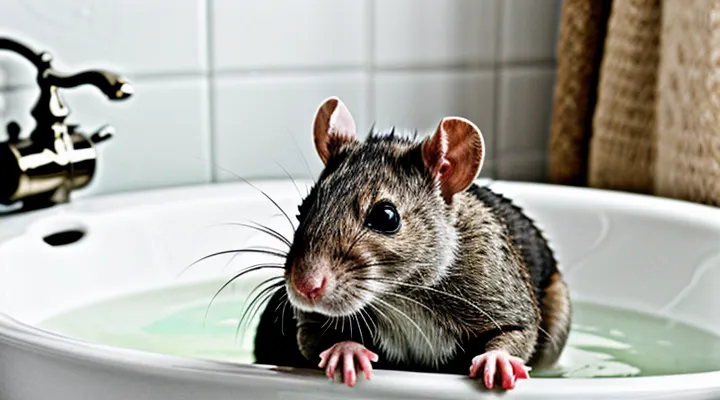
Understanding Your Rat’s Bathing Needs
Why Bathing Might Be Necessary
«Common Reasons for Bathing»
Rats occasionally require a bath to maintain health and comfort. Understanding the situations that justify a cleanse helps owners avoid unnecessary stress and preserve the animal’s natural grooming habits.
- Excessive soil or debris clinging to the fur after outdoor exploration.
- Accumulated skin oils that cause a greasy coat and diminished insulation.
- Persistent odor indicating bacterial growth or urine contamination.
- Visible skin irritation, redness, or mild dermatitis that can be soothed with a gentle wash.
- Infestation of external parasites such as mites or fleas; a bath can aid in removal when combined with appropriate treatments.
- Exposure to toxic substances, chemicals, or spilled food that may adhere to the fur and pose ingestion risks.
- Post‑illness recovery, when the rat’s coat becomes damp or discolored due to fever or respiratory issues.
- Preparation for show or breeding evaluation, where a clean appearance is required for accurate assessment.
Each reason warrants a brief, lukewarm water bath using a rat‑safe shampoo, followed by thorough drying to prevent hypothermia. Bathing should remain an occasional intervention, reserved for the conditions listed above.
«When to Avoid Bathing»
Rats should not be bathed under specific circumstances because water stress can compromise their health.
- The animal is visibly ill, showing lethargy, respiratory distress, or diarrhea.
- The rat has recently undergone surgery, received injections, or has open wounds.
- The temperature of the environment is below 20 °C (68 °F) or drafts are present.
- The rat is pregnant or nursing, as excessive handling raises cortisol levels.
- The coat is heavily soiled with substances that are not water‑soluble (e.g., oil, adhesive).
Bathing during these conditions can lower body temperature, weaken immune response, and delay wound healing. In such cases, alternative cleaning methods—spot cleaning with a damp cloth, using unscented baby wipes, or providing a sand bath—are preferable.
Assessing Your Rat’s Health
«Signs of Skin Issues»
Rats with compromised skin may exhibit visible changes that require immediate attention before any washing routine. Recognizing these indicators prevents aggravating wounds and ensures a safe cleaning process.
- Red, inflamed patches or swelling
- Excessive scratching or grooming, leaving raw spots
- Crusty or scabbed areas that bleed when touched
- Hair loss in localized or diffuse patterns
- Dry, flaky skin or thickened, leathery texture
- Discharge, pus, or foul odor from lesions
- Persistent odor unrelated to bedding or diet
If any of these signs appear, postpone the bath, isolate the animal, and consult a veterinarian. Proper assessment protects the rat’s health and maintains the effectiveness of home grooming practices.
«Behavioral Cues for Cleaning»
Rats display specific signals that indicate readiness for a bath or the need to postpone the procedure. Recognizing these cues prevents stress and ensures a safe cleaning experience.
- Relaxed posture, ears forward, and a calm whisker position suggest the animal is comfortable and can tolerate handling.
- Grooming behavior directed toward the body, such as licking the fur, often precedes a desire for a thorough wash.
- A steady, rhythmic breathing pattern and lack of rapid tail flicks indicate low anxiety levels.
- Absence of vocalizations, especially high‑pitched squeaks, confirms the rat is not alarmed.
Conversely, certain behaviors signal that bathing should be delayed:
- Hunched back, pressed fur, or attempts to hide indicate fear.
- Rapid tail whipping, frantic scrambling, or persistent attempts to escape the handler reflect heightened stress.
- Frequent vocalizations, especially sharp or prolonged squeaks, warn of discomfort.
- Excessive grooming of the same area, especially around the face, may signal irritation or a skin issue that requires veterinary attention before exposure to water.
When the positive cues dominate, proceed with a warm, shallow water bath, maintaining a gentle flow and limiting exposure time. If negative signals appear at any stage, pause, soothe the rat, and reassess after a brief rest period. Continuous observation of these behavioral markers ensures a humane and effective cleaning routine.
Preparing for the Bath
Gathering Essential Supplies
«Choosing the Right Shampoo»
Choosing a suitable shampoo directly impacts a rat’s skin health and comfort during a home bath. The product must meet specific criteria:
- Mild, neutral pH (6.5‑7.5). Rat skin is sensitive; a balanced pH prevents irritation and maintains the protective oil layer.
- Fragrance‑free or unscented. Artificial scents can cause respiratory stress and mask signs of infection.
- Free of harsh detergents and sulfates. Ingredients such as sodium lauryl sulfate strip natural oils and may lead to dryness or dermatitis.
- Formulated for small mammals or veterinary use. These shampoos undergo testing for species‑specific tolerance and contain ingredients that rinse cleanly without residue.
- Absence of parabens, dyes, and heavy preservatives. Such additives increase the risk of allergic reactions and skin sensitization.
When evaluating options, compare ingredient lists against the points above. Preferred choices include:
- Veterinary‑grade, hypoallergenic shampoo – specifically labeled for rodents or exotic pets.
- Unscented baby shampoo – mild surfactants, low‑pH, and minimal additives, provided it lacks harmful chemicals.
- Diluted oatmeal or aloe‑infused cleanser – natural soothing agents, effective when mixed with water at a 1:10 ratio.
Avoid human shampoos containing menthol, tea tree oil, or strong antibacterial agents, as these can disrupt the rat’s microbiome and cause skin burns. Test a small amount on a single patch of fur before full application; observe for redness or excessive scratching within 15 minutes. If any adverse reaction occurs, rinse immediately with lukewarm water and discontinue use.
Selecting a shampoo that adheres to these standards ensures a safe, stress‑free bathing experience for the rat and supports long‑term dermatological health.
«Towels and Drying Tools»
When a rat finishes its bath, immediate removal of moisture prevents skin irritation and hypothermia. The drying stage must be swift and thorough.
Select towels that are soft, absorbent, and free of loose fibers. Microfiber or high‑pile cotton towels meet these criteria; they hold water without shredding, reducing the risk of ingestion. Avoid fabrics that shed lint, such as low‑quality fleece or wool, which can be inhaled or cause matting in the fur.
Employ additional drying tools to complement towel use:
- Low‑temperature blow dryer with a diffuser attachment, set to the coolest or warmest safe setting (no higher than 30 °C). Keep the nozzle at least six inches from the rat and move it continuously to avoid localized heating.
- Pet‑specific drying cages equipped with gentle airflow channels. These units circulate air without creating drafts that could chill the animal.
- Absorbent drying pads placed under the rat after towel removal. Pads made from silica gel or super‑absorbent polymers draw residual moisture from the paws and tail.
The drying process should conclude within five minutes. Verify that the coat feels dry to the touch and that the rat exhibits normal activity before returning it to its enclosure.
«Setting Up the Bathing Area»
Choose a stable, non‑slippery surface such as a rubber mat placed on a kitchen countertop or a low table. The area must be at a height that allows easy access without requiring the caretaker to bend excessively, reducing the risk of accidental spills.
Prepare warm water in a shallow basin, aiming for a temperature between 30 °C and 35 °C (86 °F–95 °F). Test the water with a fingertip before introducing the rat; the water should feel comfortably warm, not hot.
Gather the following items within arm’s reach:
- A small, non‑abrasive washcloth or soft pet brush.
- A mild, rodent‑safe shampoo, pre‑measured to avoid excess lather.
- A towel or microfiber cloth for immediate drying.
- A disposable cup or squeeze bottle for gentle rinsing.
Arrange all supplies on the same surface, keeping electrical cords away from the water to prevent hazards. Ensure the room is free of drafts; a calm environment reduces stress for the animal.
Before the bath, place a non‑stick silicone mat inside the basin to give the rat traction. Position the rat gently in the water, supporting its body with one hand while the other handles the cleaning tools. After washing, use the cup to pour clean, lukewarm water over the fur, avoiding the face and ears.
Immediately wrap the rat in the towel, applying light pressure to absorb excess moisture. Keep the animal in the prepared area until the fur is dry, then return it to its cage. This setup minimizes handling time, maintains temperature control, and prevents injury during the bathing process.
Creating a Calm Environment
«Minimizing Stressors»
When preparing a bath for a pet rat, the primary objective is to reduce any source of anxiety that could compromise the animal’s welfare. Begin by selecting a quiet room, free from sudden noises and foot traffic. Close doors, turn off televisions or radios, and limit the presence of other pets during the procedure.
Before introducing the rat to water, allow it to explore the bathing area while it remains dry. Place a shallow, non‑slippery container on a stable surface and scatter familiar bedding or a small chew toy inside. This familiar environment encourages natural curiosity rather than fear.
During the bath, maintain a consistent water temperature between 30 °C and 35 °C (86 °F–95 °F). Use lukewarm tap water; avoid extremes that can cause shock. Hold the rat gently but securely, supporting its body to prevent slipping. Apply a mild, rodent‑safe cleanser in a thin layer, then rinse promptly with a cup or gentle stream to avoid prolonged exposure.
Key practices for stress reduction:
- Keep handling time brief; aim for a total session of no more than five minutes.
- Use a soft, absorbent towel to dry the rat immediately after rinsing.
- Offer a treat or a favorite food item as a positive reinforcement after the bath.
- Observe the rat’s behavior; pause or discontinue if signs of agitation appear, such as rapid breathing or frantic movements.
Implementing these measures creates a predictable, calm experience, allowing the rat to tolerate bathing with minimal distress.
«Temperature and Lighting Considerations»
Maintain a stable environment during the bathing routine. The room should be free of drafts, with ambient temperature between 70°F and 78°F (21°C–26°C). This range prevents the rat from becoming chilled once removed from warm water.
- Water temperature: 95°F–100°F (35°C–38°C). Test with a thermometer; the surface should feel comfortably warm, not scalding.
- Lighting: Soft, indirect illumination. Avoid bright overhead lights that can cause stress. A low-wattage lamp or natural daylight filtered through a curtain provides sufficient visibility without startling the animal.
- Duration of exposure: Limit the bath to 3–5 minutes. Prolonged time in warm water can raise body temperature excessively, especially in a warm room.
- Post‑bath environment: Keep the rat in a heated enclosure (around 75°F/24°C) until fully dry. Use a low‑heat heat lamp if ambient temperature drops below the recommended range.
By controlling temperature and lighting, the bathing process remains safe and comfortable, reducing stress and supporting the rat’s health.
The Bathing Process
Gentle Washing Techniques
«Holding Your Rat Securely»
A secure grip prevents the animal from slipping, reduces stress, and protects both the pet and the handler during the cleaning process.
- Place the rat on a flat surface and gently cover the back with a soft towel, leaving the head exposed.
- Slide one hand under the torso, positioning the thumb and index finger at the front ribs while the remaining fingers support the hindquarters.
- Use the other hand to steady the tail and rear legs, ensuring the limbs are not forced into unnatural angles.
- Keep the body horizontal; avoid lifting by the neck or tail alone.
- Maintain light, consistent pressure; a firm but gentle hold allows the rat to remain still without feeling restrained.
After the bath, release the rat slowly, supporting the torso until it regains balance, then allow it to move freely to dry. This method minimizes risk of injury and creates a calm environment for the grooming session.
«Applying Shampoo Safely»
When washing a pet rat, select a shampoo formulated specifically for small rodents or a mild, unscented baby shampoo diluted to a 1% solution. Human or veterinary shampoos with strong fragrances, detergents, or medicated ingredients can irritate the delicate skin and respiratory tract.
Before applying the product, test a single drop on a small area of the rat’s back. Observe for redness, swelling, or excessive grooming within five minutes. If any adverse reaction occurs, discontinue use and rinse thoroughly with lukewarm water.
Apply the diluted shampoo using a soft, disposable applicator or a fingertip. Follow these precise steps:
- Gently wet the fur, avoiding the face and ears.
- Distribute a thin layer of shampoo over the body, working from the neck toward the tail.
- Massage lightly for 15‑20 seconds; do not scrub.
- Rinse immediately with lukewarm water until no suds remain.
- Pat the coat dry with a lint‑free towel; avoid rubbing, which can cause matting.
Never submerge the rat’s head. Use a cotton ball moistened with water to clean around the eyes and ears, taking care not to introduce moisture into the ear canal. After the bath, keep the animal in a warm, draft‑free environment until the fur is completely dry.
Record the shampoo brand, dilution ratio, and any observed reactions. Consistent documentation ensures safe repeat use and facilitates veterinary consultation if problems arise.
«Rinsing Thoroughly»
Use lukewarm water (30‑33 °C) to prevent shock and maintain skin integrity. Direct a gentle stream over the animal’s body, avoiding high pressure that could damage delicate fur or ears. Begin at the head, allowing water to flow down the neck, back, and hindquarters, ensuring each region receives continuous coverage.
Rinse the paws, tail, and vent area with a small cup or handheld sprayer, keeping the flow steady and slow. Verify that no soap residue remains by feeling for slipperiness; residual cleanser can cause skin irritation or ingestion during grooming.
After the primary rinse, perform a secondary pass: lift the rat onto a clean, non‑slipping surface and repeat the water flow from the opposite direction. This double‑rinsing technique eliminates trapped bubbles and guarantees complete removal of cleaning agents.
Finally, pat the animal dry with a soft, absorbent towel, pressing rather than rubbing to avoid matting. Observe the coat for remaining moisture; any damp spots should be air‑dried briefly before returning the rat to its cage.
Post-Bath Care
«Drying Your Rat Effectively»
After a bath, immediate drying prevents hypothermia and preserves coat condition.
Prepare a warm, draft‑free area. Keep a soft, lint‑free towel and a hair dryer capable of low heat settings within reach.
- Gently press a towel against the rat’s body to absorb surface moisture; avoid vigorous rubbing.
- Transfer the animal to a second dry towel, wrap loosely, and hold for 2–3 minutes.
- If the coat remains damp, set the hair dryer to the lowest heat (≈30 °C) and hold it at least 6 inches from the fur. Move the airflow continuously to avoid overheating any spot.
- Observe the rat’s posture and breathing; cease airflow if the animal shows signs of stress.
- Continue until the fur feels dry to the touch, typically 5–10 minutes.
Finally, inspect ears, tail, and paws for residual dampness. A completely dry rat resumes normal activity without risk of chilling.
«Keeping Your Rat Warm»
Keeping a rat warm during and after a bath prevents hypothermia and supports rapid recovery. Rats lose heat quickly when wet; a temperature drop of even a few degrees can cause stress and sluggishness.
- Prepare a heating pad set to low, cover with a towel, and place it under the cage or a separate warming area. Verify the surface stays between 78‑82 °F (25‑28 °C).
- Use a soft, dry cloth to blot excess water immediately after rinsing. Press gently; avoid rubbing, which can chill the skin.
- Offer a warm, dry nest box with shredded paper or fleece. Ensure the material does not retain moisture.
- Monitor the rat’s body temperature by feeling the ears or paws. Warm to the touch indicates adequate heat; cold spots require additional warming time.
- Keep the ambient room temperature stable, ideally above 70 °F (21 °C), and eliminate drafts.
A brief warm‑up period of 5‑10 minutes after bathing allows the animal’s circulation to normalize before returning it to its regular enclosure. Consistent application of these practices maintains comfort and health throughout the grooming routine.
«Grooming After the Bath»
After the rinse, remove excess water by gently pressing a soft towel against the rat’s body. Avoid rubbing, which can damage delicate fur.
Allow the animal to air‑dry in a warm, draft‑free area. A low‑temperature hair dryer on the coolest setting may be used for a few seconds, keeping the nozzle at least six inches away from the skin.
Once the coat is dry, follow these grooming actions:
- Brush: Use a fine‑toothed comb to detangle and remove loose hairs. Move in the direction of growth, paying special attention to the head, neck, and hindquarters.
- Inspect ears: Clear visible debris with a cotton swab moistened with a veterinarian‑approved solution. Do not insert the swab deep into the canal.
- Check eyes: Wipe any discharge with a damp, lint‑free cloth. Persistent tearing may indicate infection.
- Trim nails: If nails extend beyond the toe pads, clip the tip with small animal nail clippers. Stop before the quick to prevent bleeding.
- Examine skin: Look for redness, sores, or parasites. Treat any abnormalities promptly under veterinary guidance.
Finish the session by offering a familiar treat and a brief period of quiet rest. This reinforces a positive association with the grooming routine and supports the rat’s overall well‑being.
Addressing Common Concerns
Dealing with Fussy Rats
«Tips for Nervous Rodents»
When a rat shows signs of anxiety, the bathing routine must be adjusted to reduce stress and prevent injury.
- Prepare a shallow container with lukewarm water (approximately 30 °C). The depth should allow the animal to stand without submerging its head.
- Limit exposure time to 2–3 minutes. Prolonged immersion increases cortisol release and heightens fear responses.
- Use a soft, non‑abrasive cloth or a small silicone brush. Rigid tools can trigger defensive behavior.
- Offer a familiar scent—such as a piece of the cage bedding—placed near the water’s edge. Recognizable odors help stabilize the nervous system.
- Speak in a calm, low tone throughout the process. Sudden noises amplify startle reflexes.
- After washing, wrap the rat in a clean, dry towel and keep it in a quiet, warm area for 10–15 minutes. Gentle confinement prevents sudden escapes.
- Reward the animal with a small treat immediately after the session. Positive reinforcement associates bathing with a pleasant outcome.
Implementing these measures creates a controlled environment that minimizes panic, allowing the grooming procedure to be completed safely and efficiently.
«Distraction Techniques»
When a rat resists water, diverting its focus reduces stress and simplifies the cleaning process. Effective diversion creates a temporary preoccupation that keeps the animal calm while you apply water and cleanser.
- Offer a favorite treat in a small dish placed just outside the bathing area; the rat will sniff and reach for the snack, shifting attention away from the splash.
- Use a soft, scented cloth to gently rub the back of the neck before introducing water; the pleasant texture distracts the animal and encourages relaxation.
- Introduce a lightweight, safe toy (such as a wooden chew stick) into the cage during the bath; the rat’s curiosity directs its energy toward play rather than the water.
- Play low‑volume, rhythmic sounds (e.g., a quiet hum or soft music) near the bathing station; the consistent auditory cue masks sudden noises and steadies the rat’s focus.
- Perform a brief, gentle tickle on the whisker pads with a fingertip; the subtle sensation occupies the sensory nerves and postpones resistance.
Combine two or three methods for maximum effect, adjusting the sequence based on the rat’s individual preferences. After the bath, reward the animal with a larger portion of the treat to reinforce the positive experience and encourage cooperation in future cleaning sessions.
Preventing Skin Irritation
«Proper Shampoo Dilution»
Proper shampoo dilution is essential for a safe, effective rat bath. Undiluted or overly concentrated solutions can irritate delicate skin, disrupt the natural oil layer, and cause respiratory distress if inhaled.
- Use a mild, pet‑safe shampoo formulated for small mammals.
- Dilute at a ratio of 1 part shampoo to 10 parts lukewarm water (approximately 5 ml shampoo per 50 ml water).
- Mix thoroughly until the liquid is uniform; avoid bubbles that may be inhaled.
- Test the solution on a small skin area before full immersion; the mixture should feel slick, not sticky, and cause no redness after a brief contact.
- Prepare only the amount needed for a single session; discard any leftover mixture to prevent bacterial growth.
Maintain water temperature between 30 °C and 35 °C (86 °F–95 °F). Cooler water can cause hypothermia, while hotter water increases the risk of burns. Ensure the bathing container is shallow, allowing the rat to stand with its hindquarters just above the surface, minimizing submersion of the head.
After bathing, rinse the rat with clean, lukewarm water to remove all shampoo residues. Pat gently with a soft towel; avoid vigorous rubbing, which can damage fur and skin. Allow the rat to dry in a warm, draft‑free environment before returning it to its cage.
«Observing for Adverse Reactions»
When a rat is bathed, immediate monitoring is required to detect any negative response. Observe the animal for at least five minutes after the water is removed, then continue periodic checks for up to an hour.
Typical signs of distress include:
- Rapid, shallow breathing or panting
- Excessive trembling or shivering
- Sudden vocalization or agitation
- Redness, swelling, or discharge at the ears, eyes, or skin
- Uncharacteristic lethargy or unwillingness to move
If any of these indicators appear, take the following steps:
- Dry the rat thoroughly with a low‑heat setting or a soft towel; avoid direct heat sources.
- Transfer the animal to a warm, quiet area to reduce stress.
- Offer fresh water and a small portion of food to encourage normal behavior.
- Contact a veterinarian promptly if symptoms persist beyond ten minutes or worsen.