
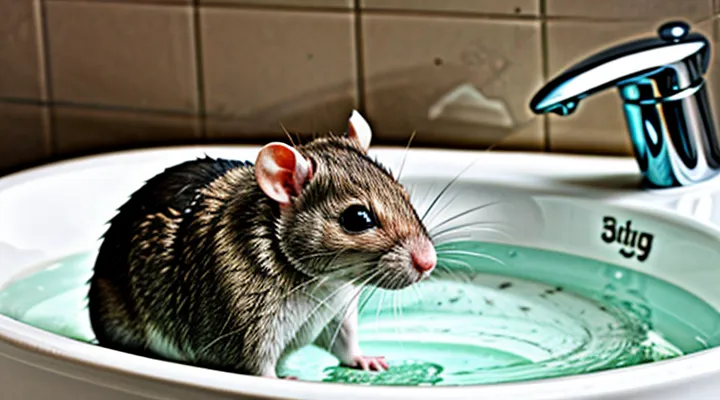
Understanding Your Rat's Bathing Needs
Why Bathe a Rat?
Addressing Odor
Addressing odor after a rat’s bath requires a systematic approach to prevent lingering smells and maintain a healthy environment.
First, select an appropriate bathing solution. Use a mild, fragrance‑free rodent shampoo formulated for small mammals; avoid products containing strong scents or harsh chemicals that can cling to fur and skin.
Second, rinse thoroughly. Ensure all soap residues are removed by rinsing with lukewarm water until the water runs clear. Residual detergent can ferment and produce unpleasant odors.
Third, dry the animal promptly. Pat the coat with a soft, absorbent towel, then place the rat in a well‑ventilated area or use a low‑heat hair dryer on a gentle setting. Moisture trapped in the fur creates an environment for bacterial growth, which contributes to odor.
Fourth, maintain cage hygiene. Remove soiled bedding immediately after bathing, clean food dishes, and disinfect cage surfaces with a rodent‑safe sanitizer. Regular cleaning reduces the accumulation of waste that can emit strong smells.
Fifth, monitor diet and health. High‑protein or fatty diets may increase body odor; a balanced nutrition plan can mitigate this effect. Observe the rat for signs of skin infection or dental issues, both of which can produce foul smells and require veterinary attention.
Implementing these steps consistently eliminates unwanted odors while ensuring the rat’s comfort and well‑being.
Removing Dirt and Debris
Before introducing water, eliminate visible dirt and debris to prevent spreading contaminants during the bath. A clean surface also reduces stress and improves coat health.
- Examine the rat’s fur for clumps, dust, or uneaten food particles.
- Use a soft, pet‑safe brush; gentle strokes from head toward tail loosen surface grime without irritating the skin.
- Apply a damp, lukewarm cloth to the brush for added traction on stubborn patches; avoid soaking the animal at this stage.
- Remove dislodged material with a clean, dry towel; repeat brushing if debris persists.
Completing this preparatory phase ensures that subsequent washing removes only oils and deeper contaminants, resulting in a thorough and safe grooming session.
Managing Skin Conditions
Rats frequently develop skin problems such as dryness, dermatitis, or fungal infections, each requiring specific attention during a bath. Identifying any lesions, redness, or excessive scaling before bathing prevents aggravation and guides the choice of cleaning agents.
Use only a mild, fragrance‑free cleanser formulated for small mammals; harsh soaps disrupt the natural lipid barrier and can worsen irritation. Water temperature should be lukewarm (approximately 30 °C) to avoid vasodilation or hypothermia. Apply the cleanser with a soft cloth, gently rubbing in circular motions, then rinse thoroughly to eliminate residue.
After rinsing, pat the coat dry with a lint‑free towel; avoid vigorous rubbing that could damage delicate fur. Allow the rat to remain in a warm, draft‑free environment until completely dry, typically 10–15 minutes. Apply a thin layer of a veterinary‑approved moisturizer if the skin appears dry, but refrain from excessive use that may trap moisture and promote infection.
Key steps for managing skin conditions during a bath:
- Inspect the skin for wounds, redness, or scales before immersion.
- Select a hypoallergenic, rodent‑safe cleanser; avoid products containing alcohol or strong fragrances.
- Maintain water at lukewarm temperature; test with a fingertip to ensure comfort.
- Gently cleanse with a soft cloth, focusing on affected areas without scrubbing.
- Rinse until no soap suds remain; leftover cleanser can irritate the epidermis.
- Dry the animal promptly with a clean towel; keep the environment warm and free of drafts.
- Apply a veterinary‑approved skin protectant only if dryness persists; monitor for signs of worsening condition.
Regular monitoring after each bath helps detect early signs of infection or allergic reaction, allowing timely veterinary intervention.
When to Bathe Your Rat
Recognizing Signs of Dirtiness
Rats that require cleaning display observable indicators. Recognizing these signs prevents unnecessary stress and ensures timely grooming.
« Oily or greasy coat » – fur appears slick, loses its typical soft texture.
« Unpleasant odor » – a strong, musky smell persists despite routine cage cleaning.
« Visible debris » – particles such as bedding, food, or urine cling to the hair, especially around the tail base and hindquarters.
« Clumped or matted fur » – strands stick together, forming small knots that resist gentle brushing.
« Skin irritation » – redness, swelling, or small wounds become evident, often accompanied by scabbing.
« Excessive scratching » – the animal repeatedly gnaws at its body, indicating discomfort from accumulated dirt.
Each of these observations warrants a gentle bath using a rat‑safe shampoo and lukewarm water, followed by thorough drying to maintain health and hygiene.
Considering Health Conditions
Before initiating a bath, verify that the rat shows no signs of illness or injury. A healthy animal tolerates water better and recovers more quickly.
- Skin integrity: inspect for abrasions, dermatitis, or fungal growth. Open lesions increase infection risk when exposed to moisture.
- Respiratory status: observe breathing pattern. Rats with respiratory infections may develop complications from cold water or prolonged exposure.
- Age: juveniles possess thinner fur and higher surface‑area‑to‑mass ratios; seniors have reduced thermoregulation. Adjust water temperature and bath duration accordingly.
- Dental or musculoskeletal problems: limited mobility can cause stress during handling; consider alternative cleaning methods such as spot‑cleaning with a damp cloth.
- Parasite burden: heavy ectoparasite infestations may require pre‑bathing treatment to prevent parasite migration into the water.
Adapt the bathing protocol to the identified conditions:
- Set water temperature to 30–32 °C; avoid colder water for compromised respiratory or circulatory systems.
- Limit immersion time to 2–3 minutes for juveniles and seniors; extend only for robust adults without health concerns.
- Use a mild, fragrance‑free cleanser formulated for small rodents; rinse thoroughly to eliminate residue that could irritate sensitive skin.
- Employ a soft, lint‑free towel; gently pat dry without vigorous rubbing to protect fragile fur and skin.
- Maintain a warm, draft‑free environment during drying; monitor body temperature by feeling the ear base.
After the bath, observe the rat for at least 30 minutes. Look for signs of distress, shivering, or respiratory difficulty. If any abnormal behavior appears, provide supplemental warmth and contact a veterinarian promptly.
Avoiding Over-Bathing
Over‑bathing a rat removes essential skin oils, disrupts the natural microbiome, and can lead to dry, irritated fur. Frequent exposure to soap and water weakens the protective barrier, making the animal susceptible to dermatitis and respiratory issues.
A practical schedule limits full‑body baths to once every two to four weeks, depending on the rat’s lifestyle and housing conditions. Spot cleaning with a damp cloth or using pet‑safe grooming wipes addresses minor messes without the stress of a complete soak.
Signs that bathing has been excessive include:
- Flaky or scaly skin
- Persistent scratching or grooming
- Dull, clumped fur
- Unusual odor or respiratory irritation
When any of these symptoms appear, reduce bath frequency immediately and restore a regular grooming routine. Replace full baths with targeted cleaning: a warm, damp cotton ball for soiled paws, a soft brush for loose hair, and a mild, unscented spray for localized dirt. Maintaining a dry, clean cage environment further minimizes the need for frequent baths.
Preparing for the Bath
Gathering Supplies
Choosing the Right Shampoo
Choosing a shampoo that matches a rat’s delicate skin is essential for safe bathing. The product must be gentle, free of harsh chemicals, and formulated for small mammals.
- pH balanced for rodent skin (approximately 6.5‑7.0)
- Free of fragrances, dyes, and artificial preservatives
- Lacks sulfates, parabens, and alcohol
- Contains natural moisturizers such as aloe vera or oatmeal
- Approved by veterinary or laboratory animal care guidelines
Mild, unscented, tear‑free formulas designed for kittens or small pets often meet these criteria. Shampoos labeled “hypoallergenic” or “for sensitive skin” provide additional assurance. Avoid products intended for dogs, cats, or humans, as they typically contain higher levels of irritants.
Before application, rinse the rat thoroughly with lukewarm water to remove debris. Apply a small amount of shampoo to a soft cloth, then gently lather the fur, avoiding the eyes and ears. Rinse until no suds remain, then pat dry with a lint‑free towel. Immediate drying prevents chill and reduces the risk of skin irritation.
Selecting Towels
Choosing the appropriate towel is essential for a safe and efficient grooming session. The material must be absorbent, soft, and free of loose fibers that could irritate the animal’s skin. Cotton terry, microfiber, and high‑loft fleece each meet these criteria, but the selection depends on specific handling requirements.
Key factors for towel selection:
- Absorbency – a towel that captures moisture quickly reduces the time the rat remains damp, lowering the risk of hypothermia.
- Texture – a smooth surface prevents abrasions; avoid towels with a rough weave or decorative loops.
- Size – a towel large enough to fully wrap the rat allows gentle containment without excessive pressure.
- Durability – repeated washing should not degrade the fabric’s integrity; choose items that retain softness after multiple cycles.
For optimal hygiene, designate a dedicated towel for each grooming session and launder it at a temperature of at least 60 °C. Store the clean towel in a dry, sealed container to maintain its absorbent properties. Using a towel that meets these standards supports a calm experience and preserves the animal’s coat health during bathing procedures.
Preparing the Bathing Area
A safe bathing environment begins with a stable, level surface that prevents the animal from slipping. Choose a countertop, table, or low shelf that can support a shallow container without wobbling. Place a non‑slip mat or a folded towel at the bottom of the container to increase grip.
The water must be warm but not hot; a temperature of 30‑32 °C (86‑90 °F) is ideal. Use a thermometer to verify the temperature before introducing the rat. Fill the container only to a depth of 1–2 cm, enough to wet the fur without submerging the animal.
Prepare cleaning tools within arm’s reach: a small cup for gentle rinsing, a soft brush for stubborn dirt, and a damp cloth for spot cleaning. Keep a stack of absorbent towels nearby for immediate drying. Have a pet‑safe shampoo formulated for rodents ready, but keep the bottle sealed until needed to avoid accidental spillage.
Eliminate drafts and direct sunlight. Position the bathing area away from open windows, fans, or heating vents that could cause rapid temperature fluctuations. Ensure other pets are confined to prevent stress or interference.
Checklist for the bathing area
- Level surface with a non‑slip mat
- Shallow container filled to 1–2 cm depth
- Water temperature at 30‑32 °C, confirmed by thermometer
- Pet‑safe rodent shampoo, small cup, soft brush, damp cloth
- Absorbent towels within arm’s reach
- Draft‑free location, away from other animals
Final preparation step: dry the surrounding area with a paper towel to remove excess moisture that could make the surface slippery. Once all items are in place, the bathing area is ready for a safe, efficient cleaning session.
Assembling Grooming Tools
When preparing for a rat bath, the selection and organization of grooming equipment determines the efficiency and safety of the procedure.
Essential items include a shallow, non‑slippery container, a pet‑safe shampoo formulated for rodents, a soft-bristled brush, a fine-toothed comb, a gentle squeeze bottle for rinsing, and a quick‑dry towel. Each component must be inspected for damage, cleaned with mild detergent, and rinsed thoroughly before use.
The assembly process follows a logical sequence:
- Place the container on a stable, heat‑resistant surface.
- Fill with lukewarm water, adjusting temperature to approximately 30 °C (86 °F).
- Arrange the shampoo bottle, brush, and comb within arm’s reach, ensuring they do not obstruct the water source.
- Position the squeeze bottle for controlled rinsing, and keep the towel ready for immediate drying.
All tools should be stored in a dedicated grooming kit, sealed to prevent contamination. Regular inspection and replacement of worn brushes or cracked containers maintain hygiene standards and reduce the risk of injury.
By adhering to this structured preparation, the bathing session proceeds smoothly, minimizing stress for the animal and delivering consistent results.
Preparing Your Rat
Calming Your Rat
Calming a rat before a bath reduces stress and prevents sudden movements that could lead to injury. A quiet room, soft lighting, and a stable temperature create a soothing environment. Handling should be gentle and consistent; allow the animal to become familiar with the caretaker’s scent and touch.
- Place the rat in a small, enclosed carrier for a few minutes to acclimate to the upcoming routine.
- Offer a favorite treat to associate the bath area with positive experiences.
- Use a soft, damp cloth to wipe the paws and tail, allowing the rat to feel the moisture gradually.
- Speak in a low, steady tone while gently supporting the body; avoid abrupt motions.
Maintain water temperature between 30 °C and 35 °C; lukewarm water prevents shock. Use a pet‑safe, fragrance‑free cleanser sparingly, applying it only to the dorsal coat. Rinse thoroughly to eliminate residue, then wrap the rat in a warm, absorbent towel. Allow the animal to rest in a secure enclosure until completely dry, providing fresh bedding and a calm atmosphere.
Trimming Nails (If Necessary)
During a bath, examine the rat’s paws for overgrown claws. Excess length can cause self‑injury or interfere with grooming.
Indicators that trimming is required include:
- Visible nail tips extending beyond the toe pad
- Audible clicking when the rat walks on a hard surface
- Reluctance to walk or signs of discomfort
Prepare a set of small animal nail clippers, a styptic powder, and a towel. Secure the rat gently on the towel to limit movement while maintaining a calm environment.
Steps for safe nail trimming:
- Hold the paw with a thumb and forefinger, exposing the claw.
- Identify the transparent, pinkish area (the quick) and avoid cutting it.
- Clip only the sharp, black tip, leaving a small margin from the quick.
- Apply a pinch of styptic powder to any bleeding site immediately.
After trimming, check each paw for smooth edges and return the rat to a warm, dry area. Regular inspection during baths prevents excessive growth and maintains overall paw health.
Brushing Fur (If Necessary)
Brushing the coat is advisable only when the animal’s fur shows tangles, excessive shedding, or dirt that water alone will not remove. Over‑brushing can stress the skin and damage delicate whiskers, so assess each rat individually before proceeding.
When brushing is required, follow these steps:
- Choose a soft‑bristled brush designed for small rodents; avoid metal or coarse combs.
- Gently separate a small section of fur, starting at the base of the tail and moving toward the head.
- Stroke in the direction of hair growth, applying minimal pressure.
- Pay special attention to the neck, underbelly, and hindquarters, where mats commonly form.
- After each pass, inspect the skin for irritation or redness; discontinue if any signs appear.
- Once the coat is smooth, proceed with the bathing routine, using lukewarm water and a mild, rodent‑safe cleanser.
Routine grooming outside of bathing sessions reduces the need for brushing during a wash, helping maintain coat health and minimizing stress.
The Bathing Process
The Bath Itself
Water Temperature
When bathing a rat, the temperature of the water determines whether the procedure is safe and comfortable for the animal.
The optimal range lies between 30 °C and 35 °C. Maintaining this span prevents thermal stress and encourages relaxation during the wash.
- Below 30 °C: risk of hypothermia, reduced circulation, possible shock.
- Above 35 °C: danger of burns, elevated heart rate, heightened anxiety.
Temperature extremes disrupt normal physiological functions and can lead to immediate distress or delayed health issues.
To achieve the correct level, use a digital thermometer or a calibrated kitchen probe. Submerge the sensor for a few seconds, then adjust the water by adding cool or warm tap water as needed. Verify the reading immediately before introducing the rat, and re‑check after any adjustments.
Consistent monitoring ensures that each bathing session remains within the safe thermal window, supporting hygiene without compromising welfare.
Gentle Washing Techniques
Gentle washing techniques minimize stress and protect the delicate skin of a pet rat.
Before beginning, gather a shallow basin, lukewarm water (approximately 30 °C), a mild, unscented rodent shampoo, a soft cloth, and a towel. Ensure the area is quiet, free of drafts, and the surface is non‑slippery to prevent accidental slips.
- Fill the basin with enough water to submerge only the hindquarters.
- Introduce the rat slowly, allowing it to acclimate to the temperature.
- Apply a few drops of shampoo to the cloth, not directly onto the animal, and gently rub the fur in the direction of growth.
- Rinse by pouring water over the same area, avoiding the head and ears.
- Pat the body dry with the towel, supporting the spine to maintain posture.
- Offer a warm, dry enclosure for 10–15 minutes to complete the drying process.
Key considerations:
- Use minimal pressure; the cloth should glide without pulling.
- Limit exposure to water to under five minutes to prevent hypothermia.
- Observe the rat for signs of agitation; pause if excessive squeaking occurs.
Consistent application of these steps results in a clean coat, reduced risk of skin irritation, and a calmer animal during future grooming sessions.
Rinsing Thoroughly
Rinsing must remove all soap residues to prevent skin irritation. Use lukewarm water (approximately 30‑32 °C) that flows gently over the rat’s body. Direct the stream from the head toward the tail, allowing water to cascade over the fur without forcing it into the ears or eyes. Ensure the water reaches every contour, including the under‑belly and hindquarters, by rotating the animal slowly. Pat the skin with a soft, damp cloth if necessary to dislodge stubborn bubbles.
Key points for an effective rinse:
- Water temperature: lukewarm, never hot or cold.
- Flow direction: head‑to‑tail, steady, moderate pressure.
- Duration: continue until no suds are visible on the fur.
- Ear protection: keep water away from ear canals.
- Final check: run a fingertip across the coat; absence of slipperiness indicates complete removal.
After rinsing, immediately blot the fur with a clean, absorbent towel to reduce drying time and minimize stress.
Drying Your Rat
Towel Drying
Towel drying completes the cleaning process by removing excess moisture while preventing skin irritation. After rinsing, transfer the rat to a clean, soft towel that has been pre‑wetted with a few drops of warm water to maintain body temperature. Gently wrap the animal, allowing the towel to absorb water without constricting movement.
Key steps for effective towel drying:
- Place the rat on the towel, supporting the body with both hands to avoid stress.
- Pat the fur lightly from head to tail; do not rub, as vigorous friction can damage delicate coat fibers.
- Focus on the under‑belly, limbs, and tail, where water tends to accumulate.
- Rotate the towel or replace it with a dry one if it becomes saturated before the animal is fully dry.
- Inspect the ears and facial area, using a small corner of the towel to absorb any remaining droplets.
Final check ensures the rat’s coat feels dry to the touch and the animal appears alert and comfortable. Immediate towel drying reduces the risk of hypothermia and promotes quicker recovery after a bath.
Avoiding Harsh Air Dryers
Bathing a pet rat requires gentle drying methods to prevent stress and respiratory irritation. After rinsing, the animal should be towel‑dried until excess moisture is removed. Immediate exposure to high‑velocity airflow can damage the delicate fur and mucous membranes.
To avoid the risks associated with «harsh air dryers», consider the following practices:
- Place a soft, lint‑free cloth on a flat surface; allow the rat to crawl onto it and absorb moisture naturally.
- Use a low‑speed, cool setting on a household hair dryer only if necessary, keeping the nozzle at least twelve inches away and moving it continuously.
- Offer a warm, draft‑free enclosure for a few minutes; the ambient temperature will facilitate gradual drying without forced airflow.
- Monitor the rat’s breathing; any signs of labored respiration indicate that the drying method is too aggressive and should be discontinued.
These steps ensure a calm post‑bath environment and protect the animal’s health.
Keeping Your Rat Warm
Keeping a rat warm throughout the bathing process prevents hypothermia and supports normal physiological function.
Preparation begins before the rat enters the water.
- Pre‑heat the bathing container to a temperature between 30 °C and 32 °C.
- Place a soft, absorbent towel on the bottom of the container to reduce heat loss.
- Arrange a heating pad on a low setting near the bathing area, ensuring the pad does not contact the water directly.
During the bath, temperature control remains critical.
- Test water temperature with a thermometer; the water should feel warm, not hot.
- Limit exposure time to the minimum required to clean the fur.
- Hold the rat gently but securely, keeping the body out of direct drafts.
- After rinsing, wrap the animal in a dry towel and press lightly to remove excess moisture.
Post‑bath care completes the warming protocol.
- Transfer the rat to a pre‑warmed cage or enclosure immediately after drying.
- Provide a supplemental heat source, such as a low‑setting heating pad or a ceramic heat emitter, for at least 15 minutes.
- Monitor the rat for signs of shivering or lethargy; adjust ambient temperature if necessary.
Following these steps ensures the rat remains comfortably warm, minimizing stress and promoting a safe, effective bathing experience.
After the Bath Care
Post-Bath Grooming
Further Brushing
After the initial rinse, a gentle brush removes residual fur clumps and prevents mat formation. The tool should be a soft‑bristle brush designed for small rodents, with a head no larger than the rat’s body width. A brush with a rounded tip avoids skin irritation.
Key steps for effective secondary brushing:
- Hold the rat securely but gently, supporting the hindquarters with one hand.
- Begin at the neck, moving the brush in the direction of hair growth.
- Apply light pressure, working through each quadrant of the body.
- Pay special attention to the underbelly, tail base, and hind legs where debris often accumulates.
- Use short, overlapping strokes to ensure even coverage.
Following brushing, pat the animal dry with a lint‑free towel, then inspect the coat for missed tangles. If any remain, repeat the brushing process before the skin fully dries. Finally, observe the rat for signs of stress or skin irritation; address any issues promptly to maintain coat health.
Checking Skin and Fur
Before any washing procedure, a thorough inspection of the rat’s coat and skin is mandatory. This assessment identifies conditions that could worsen with moisture or that require treatment prior to bathing.
- Examine the fur for tangles, clumps, or excessive shedding; these indicate the need for gentle combing or trimming.
- Scan the skin for redness, abrasions, sores, or crusted areas; any lesions should be cleaned and, if necessary, treated with a veterinarian‑approved ointment.
- Look for signs of parasites such as fleas, mites, or ticks; visible insects or irritated patches demand immediate ectoparasite control before exposure to water.
- Assess moisture levels; dry patches suggest a lack of adequate nutrition or humidity, while oily sections may require targeted cleansing.
If any irregularities are detected, address them before proceeding with the bath. Use a soft brush to detangle fur, apply appropriate topical medication to affected skin, and eliminate parasites according to professional guidelines. Only after the coat and skin are in optimal condition should the actual washing commence.
Rewarding Your Rat
Offering Treats
Treats serve as positive reinforcement during the bathing routine, reducing stress and encouraging cooperation.
Select treats that are small, low‑fat, and easily consumable after a brief exposure to water. Preferred options include dried mealworms, small pieces of soft fruit, or specially formulated rodent treats.
- Offer a treat immediately before the bath to create a positive association.
- Place a second treat in the carrier or towel after the rat is gently rinsed, reinforcing calm behavior.
- Reserve a final treat for the post‑bath period, once the animal is fully dry, to reward successful completion.
Introduce treats by holding them within the rat’s line of sight, allowing the animal to sniff and accept them without forced feeding. Use a single treat at a time to prevent choking and to maintain focus on the grooming task.
Avoid sugary or highly salty items, as they may cause digestive upset after exposure to moisture. Ensure all treats are stored in a clean, dry container to prevent contamination.
Consistent use of appropriate treats integrates reward‑based training into the bathing protocol, fostering a smoother, less stressful experience for both caretaker and pet.
Providing Comfort
Providing comfort during a bath reduces stress and prevents injury. A calm environment begins with a quiet room, low lighting, and a stable temperature of 24‑26 °C. Place a soft towel on the surface of the sink or basin to create a non‑slippery base; the rat will sense stability and remain steadier.
Gentle handling is essential. Support the animal’s hindquarters with one hand while the other hand guides the head away from the water flow. Use lukewarm water, never exceeding body temperature, and apply a small amount of rodent‑safe shampoo to a damp cloth rather than pouring directly onto the fur. This method avoids sudden sensations that could trigger panic.
After cleaning, rinse thoroughly with a separate cup of lukewarm water to remove all soap residue. Immediately wrap the rat in a dry, absorbent towel, pressing lightly to eliminate excess moisture. Keep the animal in a warm, draft‑free area until the coat is completely dry; a low‑heat hair dryer set on “warm” can be employed for a brief period if necessary.
Key comfort measures:
- Soft, non‑slippery surface beneath the animal.
- Warm, gentle water flow directed away from the face.
- Minimal handling, supporting the body securely.
- Prompt drying with a warm towel and a controlled airflow environment.
Consistent application of these practices cultivates a positive association with bathing, facilitating future hygiene routines.
Common Bathing Challenges and Solutions
Dealing with a Resistant Rat
Gentle Handling Techniques
Gentle handling is the foundation of a safe and stress‑free bathing routine for a pet rat. Proper support prevents panic, reduces the risk of injury, and facilitates thorough cleaning.
Before introducing water, the handler should:
- Approach the cage calmly, allowing the rat to become familiar with the hand.
- Place a hand flat on the animal’s back, spreading fingers to create a stable platform.
- Use the opposite hand to gently cup the hindquarters, ensuring the spine remains aligned.
During the bath, maintain a secure yet relaxed grip:
- Keep the rat’s body supported at all times; avoid constricting the chest or abdomen.
- Submerge only the lower half of the body, allowing the head to stay above water for breath control.
- Apply a small amount of lukewarm, rodent‑safe shampoo, massaging lightly with fingertip pressure.
After rinsing, transition to drying with equal care:
- Transfer the rat onto a soft, absorbent towel, wrapping loosely to retain warmth while permitting airflow.
- Pat the fur gently; avoid vigorous rubbing that could damage the delicate coat.
- Return the animal to its enclosure once fully dry, monitoring for signs of stress or discomfort.
Consistent application of these techniques builds trust, minimizes trauma, and ensures each bathing session remains a positive experience for both animal and caretaker.
Short, Frequent Baths
Short, frequent baths maintain a rat’s coat health and skin condition. Regular cleansing prevents oil buildup, reduces the risk of fungal infections, and limits odor without stripping natural oils. Over‑bathing can cause dryness; therefore, brief sessions several times a week are optimal for most pet rats.
Key practices for each bath:
- Use lukewarm water (approximately 37 °C). Water that is too hot or cold stresses the animal.
- Limit immersion to 2–3 minutes. Submerge only the torso; keep the head above water to avoid inhalation.
- Apply a mild, unscented rodent shampoo sparingly. Massage gently, then rinse thoroughly to eliminate residue.
- Pat dry with a soft towel. Allow the rat to warm up in a draft‑free area before returning to its cage.
Monitor the coat after each wash. A healthy fur appears glossy and pliable; excessive brittleness or redness signals that bathing frequency should be reduced. Adjust the schedule according to the rat’s activity level, cage cleanliness, and any veterinary recommendations.
Positive Reinforcement
Positive reinforcement shapes a rat’s behavior during bathing by pairing the experience with desirable outcomes. The animal learns to associate the water‑related routine with rewards, reducing stress and increasing cooperation.
Key elements of an effective reinforcement plan:
- Offer a small, high‑value treat immediately after the rat tolerates the water stream or remains calm in the basin.
- Use a consistent verbal cue, such as a brief click or soft word, paired with the treat to signal successful behavior.
- Gradually increase the duration of exposure to water while maintaining the reward schedule, ensuring the rat does not develop aversion.
- Limit session length to a few minutes; conclude with a final treat to end on a positive note.
Implementation steps:
- Prepare the bathing area with lukewarm water no deeper than the rat’s shoulders.
- Place the rat gently in the water and allow brief acclimation without pressure.
- Deliver the first treat once the rat remains still for several seconds.
- Continue gentle rinsing, pausing to provide rewards after each calm interval.
- Remove the rat, dry with a soft towel, and offer a final treat to reinforce the overall experience.
Consistent application of these practices creates a predictable, reward‑based routine that encourages voluntary participation and promotes hygiene without compromising the animal’s welfare.
Addressing Skin Irritations
Consulting a Veterinarian
When planning a bath for a pet rat, a veterinarian’s guidance is essential to ensure safety and health. Professional input helps identify conditions that could be aggravated by water exposure, such as skin infections, respiratory issues, or underlying systemic diseases. A pre‑bath consultation also clarifies appropriate grooming products and techniques tailored to the animal’s specific needs.
Key points to discuss with the veterinarian include:
- Current health status: any recent illness, weight loss, or abnormal behavior.
- Skin condition: presence of lesions, parasites, or excessive oiliness.
- Respiratory health: signs of sneezing, nasal discharge, or labored breathing.
- Suitable bathing frequency: recommendations based on species‑specific hygiene requirements.
- Recommended products: type of mild, rodent‑safe shampoo and conditioner, if any.
- Post‑bath care: strategies for drying, warmth, and monitoring for stress signs.
The veterinarian may perform a brief physical examination before the bath, checking for ear infections, eye irritation, and dental problems that could affect handling. If any issues are detected, treatment should precede the grooming session to prevent complications.
Following professional advice minimizes risk, promotes a comfortable experience for the rat, and supports overall well‑being. Regular veterinary check‑ups reinforce proper grooming practices and allow early detection of health concerns.
Using Hypoallergenic Products
When bathing a rat, selecting hypoallergenic products minimizes the risk of skin irritation and respiratory distress caused by harsh chemicals. Rats possess delicate epidermal layers; fragrance‑free, dye‑free formulations reduce the likelihood of allergic reactions and maintain the integrity of the natural coat.
Choose a mild, unscented shampoo specifically labeled for small mammals, verify that the pH range aligns with rodent skin (approximately 6.5–7.5), and confirm the absence of sulfates, parabens, and essential oils. Prepare lukewarm water (30–32 °C) to avoid thermal shock, and rinse thoroughly to eliminate residual soap. Apply a protective barrier such as a hypoallergenic conditioning spray only if the product is certified for rodents.
- Wet the coat gently; avoid submerging the head.
- Dispense a few drops of hypoallergenic shampoo; massage from neck to tail.
- Rinse with lukewarm water until no suds remain.
- Pat dry with a soft, absorbent towel; allow air‑drying in a draft‑free environment.
- Inspect the skin for redness or swelling; discontinue use if any adverse signs appear.
Maintaining Hygiene Between Baths
Spot Cleaning
Spot cleaning targets only the areas of a rat’s coat that become soiled during routine handling, preventing the need for a full immersion bath. This method reduces stress, preserves natural oils, and shortens cleaning time.
- Prepare a shallow container with lukewarm water, no deeper than the rat’s belly.
- Dampen a soft, lint‑free cloth or cotton pad.
- Gently press the damp cloth onto the dirty spot, avoiding vigorous rubbing.
- If residue persists, apply a few drops of a pet‑safe, fragrance‑free cleanser directly to the cloth, not the animal’s skin.
- Rinse the treated area with a clean, damp cloth to remove any cleanser residue.
- Pat the spot dry with a paper towel, then allow the animal to groom naturally.
Perform spot cleaning no more than once daily, monitoring the coat for recurring dirt to adjust frequency as needed. Regular targeted cleaning maintains hygiene without compromising the rat’s comfort.
Cage Maintenance
Maintaining a clean cage directly influences the success of a rat’s bath and reduces stress during the procedure.
Prior to bathing, remove all loose bedding, food dishes, and toys. Rinse the cage with warm water, then apply a mild, animal‑safe detergent. Scrub surfaces, paying special attention to corners where waste may accumulate. Rinse thoroughly and dry with a clean towel before returning accessories.
After the bath, replace the bedding with fresh, absorbent material. Verify that water dishes are dry and free of soap residue. Inspect the enclosure for any signs of damage that could trap moisture, such as cracked panels or loose mesh, and repair promptly.
Key maintenance tasks:
- Daily spot‑cleaning of soiled areas.
- Weekly full‑cage wash using the procedure described above.
- Monthly deep cleaning of all accessories, including chew toys and hideouts.
- Regular inspection of ventilation openings to ensure adequate airflow.
Consistent cage upkeep creates a hygienic environment, minimizes the risk of skin irritation, and supports the overall health of the rat during and after bathing.