
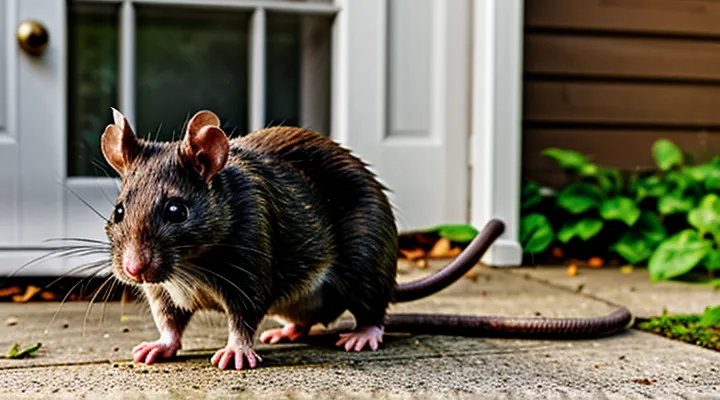
Understanding the Rat Problem
Signs of Rat Infestation
Droppings and Urine
Droppings and urine are primary indicators of a rat infestation and sources of health risk. Immediate removal prevents disease transmission and discourages further occupation.
- Collect all visible droppings with disposable gloves; place them in a sealed plastic bag.
- Saturate droppings with a solution of one part white vinegar to three parts water; let stand 10 minutes to neutralize pathogens.
- Scrub the area with a stiff brush, then rinse with hot water.
- Disinfect surfaces using a mixture of one tablespoon of bleach per liter of water; apply for at least five minutes before wiping clean.
Urine stains absorb into porous materials. For wood, stone, or tile, pour a solution of equal parts hydrogen peroxide and water, allow it to soak for 15 minutes, then mop up. For fabrics and carpets, sprinkle baking soda, let sit 30 minutes, vacuum, then treat the spot with an enzyme‑based cleaner derived from fermented plant extracts.
After cleaning, eliminate lingering scent that attracts rodents. Traditional, animal‑friendly deterrents include:
- Sprinkling dried peppermint leaves or crushed rosemary in entry points; the strong aroma masks urine odor and repels rats.
- Hanging sachets of dried lavender or eucalyptus near potential nesting sites; volatile oils interfere with rodent scent trails.
- Placing cotton balls soaked in citrus oil on windowsills and behind appliances; citrus compounds disrupt pheromone communication.
Maintain a dry environment to discourage urine buildup. Repair leaks, improve ventilation, and store food in airtight containers. Regularly inspect hidden corners, under appliances, and attic spaces; repeat the cleaning protocol weekly until no fresh droppings appear. Consistent application of these folk, non‑lethal measures removes the attractant, reduces health hazards, and supports permanent rat exclusion.
Gnaw Marks
Gnaw marks are the most reliable indicator of active rat presence within a residence. They appear on wood, plastic, wiring, and food containers, revealing the routes rats use to access shelter and resources. Identifying the specific material and location of each mark helps pinpoint entry points and high‑traffic pathways that require immediate attention.
Recognizing gnaw marks involves observing the following characteristics:
- Clean, shallow cuts with smooth edges, typically ¼‑½ inch long.
- Parallel or intersecting lines indicating repeated chewing.
- Freshness suggested by lack of discoloration or weathering.
Once gnaw marks are documented, folk methods that avoid harming the animals can be applied directly to the affected areas:
- Apply a mixture of crushed garlic and cayenne pepper to the cut surfaces; the strong odor repels rodents without causing injury.
- Place bundles of dried peppermint leaves or cotton balls soaked in peppermint oil near the marks; the volatile compounds create an unpleasant environment for rats.
- Sprinkle powdered chalk or diatomaceous earth around the gnaw sites; the fine particles irritate the rodents’ sensitive whiskers, encouraging them to seek alternative routes.
- Install natural deterrent barriers such as twisted steel wool or copper mesh into the holes revealed by the gnaw marks; these materials are difficult for rats to bite through and cause no lasting harm.
Regular inspection of gnaw marks, combined with the above non‑lethal interventions, disrupts rat movement patterns and reduces the likelihood of re‑infestation. Maintaining a schedule of weekly checks ensures early detection and allows prompt reinforcement of deterrent measures, supporting a permanent, humane solution to rodent problems in private homes.
Scratching Noises
Scratching noises in walls, ceilings, or floorboards often signal the presence of rodents seeking shelter and nesting material. The sound typically intensifies at night when rats become more active, and it may be accompanied by gnaw marks or droppings. Identifying the exact location of the disturbance allows targeted application of non‑lethal folk techniques.
Effective non‑harmful folk methods include:
- Strong aromatic deterrents – place sachets of dried peppermint, cloves, or crushed garlic near entry points; the volatile oils repel rats without causing injury.
- Natural predator scents – spread powdered fox urine or use commercially available predator‑scent sprays in concealed areas; the olfactory cue discourages rodents from establishing a nest.
- Sound vibration devices – install low‑frequency ultrasonic emitters that generate irregular vibrations mimicking predator movement; these disrupt the rats’ communication and reduce scratching activity.
- Physical barriers – seal cracks, gaps, and utility openings with steel wool and caulking; the barrier prevents further intrusion and eliminates pathways that produce scratching sounds.
- Herbal repellent ropes – braid twine with dried lavender, rosemary, and eucalyptus, then hang the rope in attics or crawl spaces; the continuous release of scent maintains an inhospitable environment.
Regular inspection of the property, combined with the above folk approaches, diminishes the likelihood that rats will remain long enough to cause persistent scratching noises. The strategy relies on exclusion, sensory aversion, and environmental modification, ensuring permanent removal while respecting animal welfare.
Nests and Burrows
Rats establish nests in concealed locations such as wall cavities, attic insulation, and floor joists. These structures consist of shredded material, fabric, paper, and food debris, creating a warm, protected environment for breeding and shelter. Identifying a nest requires visual signs: gnaw marks on structural elements, droppings clustered near concealed spots, and a faint, musky odor. Once a nest is located, the surrounding area should be cleared of debris to expose the construction and disrupt the rats’ sense of security.
Burrows differ from nests by extending through foundations, garden beds, and exterior walls. They appear as tunnels with loose soil, often ending in a small opening that leads to a hidden chamber. Evidence includes displaced earth, fresh soil mounds, and visible pathways worn by frequent traffic. Sealing entry points after confirming no rodents are present inside prevents re‑entry and forces the colony to relocate.
Humane folk interventions focus on deterrence and habitat modification without causing injury:
- Sprinkle ground cayenne pepper or crushed red pepper around openings; the strong scent irritates the rats’ nasal passages and discourages use.
- Place sachets of dried lavender, mint, or eucalyptus near suspected entrances; the aromatic compounds act as natural repellents.
- Apply a mixture of vinegar and water to surfaces surrounding nests; the acidity disrupts scent trails.
- Install copper mesh or steel wool in gaps before sealing with caulk; the abrasive texture deters gnawing.
- Use ultrasonic devices that emit frequencies uncomfortable to rodents; position them near burrow exits for continuous deterrence.
After applying these measures, monitor the area for signs of activity. Absence of fresh droppings, gnaw marks, or new scent trails indicates successful displacement. Maintain regular inspections and keep food storage sealed to prevent re‑attraction.
Why Rats Are a Problem
Health Risks
Rats carry pathogens that can infect occupants through direct contact, contaminated surfaces, or aerosolized particles. Persistent exposure to rodent urine, feces, or saliva may lead to leptospirosis, hantavirus pulmonary syndrome, salmonellosis, and other bacterial or viral illnesses. Even when lethal methods are avoided, the presence of live animals maintains the risk of disease transmission until the infestation is fully eliminated.
Improper application of folk repellents introduces additional health concerns. Common natural deterrents—such as concentrated essential oils, powdered cayenne pepper, or homemade vinegar solutions—can cause skin irritation, respiratory distress, or allergic reactions when inhaled or applied to skin. Ingestion of these substances, especially by children or pets, may result in gastrointestinal upset or toxicity. Furthermore, makeshift traps constructed from household items may fail, allowing rats to remain hidden and continue contaminating the environment.
- Contact with rodent excreta → bacterial and viral infections
- Inhalation of dust or aerosolized natural repellents → respiratory irritation, asthma triggers
- Dermal exposure to concentrated plant extracts → dermatitis, chemical burns
- Accidental ingestion of homemade deterrents → nausea, vomiting, possible organ toxicity
- Incomplete removal → prolonged contamination, secondary pest attraction
Mitigating these risks requires strict hygiene, protective equipment during application, and verification that all deterrents are securely contained and inaccessible to non‑target individuals. Continuous monitoring ensures that the rodent population is fully eradicated, eliminating the associated health hazards.
Property Damage
Rats compromise structural integrity, wiring, and stored goods. Their gnawing damages wooden beams, insulation, and drywall, creating gaps that permit further infestation. Electrical cords and appliances suffer from chewed insulation, increasing fire risk and costly repairs. Food supplies and pantry items become contaminated, leading to waste and health hazards.
Folk strategies that protect property without harming rodents focus on deterrence and habitat modification:
- Deploy strong peppermint oil or crushed garlic cloves near entry points; the scent repels rodents and reduces chewing activity.
- Sprinkle powdered cayenne pepper or chili flakes around baseboards and cabinets; the irritation discourages gnawing.
- Install copper mesh or steel wool in cracks and holes; rats cannot bite through metal, preventing access to structural cavities.
- Place dried herbs such as bay leaves, rosemary, or lavender in cupboards; the aromatic compounds deter foraging and reduce damage to stored food.
- Maintain a clean environment: remove food debris, seal containers, and regularly empty trash. Eliminating attractants removes the incentive for rats to gnaw furnishings and wiring.
Implementing these measures curtails the physical destruction rats cause, preserving the home’s structural components and reducing repair expenses while adhering to humane, non‑lethal principles.
Humane and Folk Methods for Rat Removal
Prevention and Exclusion
Sealing Entry Points
Inspect every potential passage before applying any barrier. Begin at the ground level, moving upward to the roof, and note any openings larger than a quarter‑inch. Common sites include gaps around utility pipes, vent screens, door frames, window sills, and foundation cracks.
Use materials that resist gnawing and remain effective over time. Steel wool tightly packed into small holes, then covered with caulk, creates a durable seal. For larger gaps, install copper mesh or hardware cloth (minimum ¼‑inch mesh) and secure it with screws or nails. Expandable foam can fill irregular cavities, but embed a thin metal strip within the foam to prevent rats from chewing through.
Apply the following steps:
- Identify all openings by walking the perimeter, checking interior walls, and using a flashlight to reveal hidden cracks.
- Clean each gap of debris and dust to ensure adhesion of sealing agents.
- Insert steel wool or copper mesh into the opening, compressing it to fit tightly.
- Seal the filler with appropriate caulk, silicone, or expandable foam, smoothing the surface for durability.
- Inspect the sealed area after 48 hours for any signs of damage or new activity; reinforce as needed.
Maintain the barrier by periodically checking for weather‑induced wear, settling foundations, or new construction modifications. Prompt repair of any compromised seal prevents re‑entry and supports long‑term, humane control of rodent populations.
Proper Food Storage
Proper food storage is a fundamental element in preventing rats from establishing a foothold in a residence. When food sources are inaccessible, rodents lose the incentive to enter or remain in the home, reducing the need for invasive or lethal control measures.
- Seal all dry goods in airtight containers made of glass, metal, or heavy‑wall plastic; ensure lids lock tightly.
- Transfer pantry items such as grains, cereals, and nuts into containers immediately after purchase; avoid leaving products in original cardboard or plastic bags.
- Store pet food in the same manner; keep it in a locked cabinet or a container with a secure seal, and discard any uneaten portions within 24 hours.
- Refrigerate or freeze perishable items promptly; avoid leaving fruit, vegetables, or leftovers on counters or open trays.
- Clean up crumbs and spills immediately; wipe surfaces with a damp cloth and sweep floors regularly to eliminate residual food particles.
- Use a dedicated, well‑ventilated pantry or cupboard; keep doors closed and install simple latch mechanisms that rats cannot easily manipulate.
Consistent application of these practices eliminates the primary attractant for rats, aligns with traditional, non‑lethal pest‑prevention methods, and supports a sustainable, animal‑friendly approach to long‑term rodent exclusion.
Maintaining Cleanliness
Clean environments deprive rats of food, shelter, and nesting sites, making habitation unattractive. Removing food residues, clutter, and moisture eliminates the primary incentives that draw rodents into a dwelling.
- Store dry goods in airtight containers; discard spoiled items promptly.
- Sweep, vacuum, and mop floors daily; wipe countertops after each meal.
- Keep garbage bins sealed and empty them regularly; place bins away from walls.
- Repair leaking pipes, roof cracks, and condensation sources; dry damp areas within 24 hours.
- Declutter storage spaces; retain only essential items, and elevate belongings off the floor.
These practices complement folk deterrents such as peppermint oil, crushed dried chilies, or ultrasonic devices, which rely on the absence of concealed food and nesting material to remain effective. When a home remains free of attractants, natural repellents achieve lasting results without harming the animals.
Consistent sanitation creates a hostile environment for rats, reinforcing humane, traditional control methods and ensuring permanent exclusion from the residence.
Repellent Techniques
Natural Scents
Natural scents provide a humane, low‑cost means of discouraging rats from entering a residence. The approach relies on odors that rodents find unpleasant, creating an environment that deters infestation without inflicting injury.
- Peppermint oil: strong menthol aroma; apply several drops on cotton balls, place near entry points and nesting areas; replace every 3–4 days.
- Clove oil: pungent spice scent; dilute 1 ml in 100 ml water, spray around walls and baseboards.
- Garlic powder or crushed garlic: sulfurous odor; scatter in corners, cupboards, and under appliances; refresh weekly.
- Citronella oil: citrus‑like fragrance; soak a cloth in diluted solution, hang in attic or crawl space.
- Cayenne or hot pepper flakes: capsaicin irritant; sprinkle a thin layer around suspected pathways; avoid direct contact with food surfaces.
Application methods must prevent accidental ingestion by humans or pets. Use absorbent material (cotton, felt) to contain oils, and keep them out of reach of children. For spray solutions, employ a fine mist and allow surfaces to dry before contact. Seal cracks and gaps before deploying scents to ensure the odor reaches the intended zones.
Regular monitoring is essential. Replace scented media according to potency loss, typically every few days for volatile oils. Combine scent barriers with physical exclusion measures—such as door sweeps, mesh screens, and proper waste storage—to maintain long‑term rodent avoidance.
Peppermint Oil
Peppermint oil contains menthol and other volatile compounds that create an odor rats find intolerable. The scent interferes with their scent‑tracking abilities, prompting them to avoid treated areas.
To prepare an effective repellent, mix 10 ml of peppermint essential oil with 250 ml of water and add a few drops of a neutral carrier (e.g., vegetable oil) to improve dispersion. Shake the solution thoroughly before each use.
Apply the mixture to cotton balls, small fabric sachets, or spray it directly onto entry points, baseboards, and known pathways. Replace treated items every 3–4 days, or sooner if the scent diminishes.
- Use multiple bait points to cover the entire perimeter.
- Position cotton balls near cracks, vents, and under appliances.
- Avoid direct contact with food preparation surfaces.
- Combine with sealing of gaps to prevent re‑entry.
Peppermint oil does not harm rodents or other household pets when used as described. Monitor activity signs weekly; a sustained lack of droppings or gnaw marks indicates successful deterrence. If rats persist, increase the number of treated sites or supplement with additional non‑lethal folk repellents.
Eucalyptus Oil
Eucalyptus oil emits a strong, menthol‑like scent that rats find overwhelming. When applied correctly, it creates an environment that discourages rodents from entering or remaining in a dwelling, supporting a humane, traditional strategy for long‑term exclusion.
To employ eucalyptus oil effectively:
- Dilute 10–15 ml of pure oil in one liter of water; add a few drops of dish‑soap to improve surface tension.
- Soak cotton balls or small fabric pads in the solution and place them in suspected travel routes: behind appliances, under sinks, near entry points, and in attic corners.
- Refresh the mixture every 3–4 days, or sooner if the scent fades, to maintain potency.
- Combine with physical barriers such as steel wool or door sweeps; the oil deters while barriers block access.
Safety considerations include storing the oil out of reach of children and pets, testing a small area for skin irritation before widespread use, and ensuring adequate ventilation to avoid respiratory discomfort. Eucalyptus oil does not kill rats; it merely makes the habitat unattractive, prompting relocation without harm.
Limitations: the method loses effectiveness if rats become accustomed to low concentrations, or if food sources remain accessible. Regular sanitation—secure storage of grains, prompt waste removal, and sealing of cracks—must accompany oil treatment to achieve lasting results.
Onion and Garlic
Onion and garlic serve as natural deterrents against rodents due to their potent sulfur compounds, which create an environment rats find unpleasant. The strong aroma interferes with the animals’ olfactory receptors, reducing the likelihood of entry and lingering.
To employ these ingredients effectively, follow a structured approach:
- Chop equal parts of fresh onion and garlic into small pieces.
- Place the mixture in breathable fabric pouches or perforated containers.
- Distribute the pouches near suspected entry points, along walls, and in corners where activity has been observed.
- Replace the contents every 3‑5 days to maintain odor intensity.
The preparation should use raw produce; cooking diminishes the volatile compounds responsible for repellent action. Avoid placing the pouches where children or pets can access them, as ingestion may cause gastrointestinal irritation. The method poses no risk to the structural integrity of the home and does not rely on lethal agents.
Integrating onion‑garlic deterrents with complementary folk practices—such as sealing gaps, maintaining cleanliness, and employing other scent‑based repellents—enhances overall effectiveness and supports a humane, lasting solution to rodent intrusion.
Herbal Deterrents
Herbal deterrents provide a non‑lethal, low‑cost option for discouraging rats from entering a residence. Plants and extracts with strong, unfamiliar odors interfere with the rodents’ scent‑tracking abilities, prompting them to avoid treated areas.
Commonly used herbs include:
- Peppermint oil – apply a few drops to cotton balls and place them in corners, behind appliances, and near entry points; replace every two weeks.
- Eucalyptus leaves or oil – distribute shredded leaves or a diluted oil solution on windowsills and baseboards; reapply weekly.
- Rue (Ruta graveolens) – plant near the foundation or hang dried sprigs in attic spaces; refresh the foliage seasonally.
- Lavender – spread dried lavender sachets in pantry shelves and closets; replace when scent fades.
- Citronella – spray a mixture of citronella oil and water on exterior walls and garden borders; repeat after rain.
Preparation guidelines:
- Dilute essential oils (5–10 % concentration) with a carrier such as water or mineral oil to prevent surface damage.
- Use breathable containers (cotton, muslin) to allow gradual release of volatile compounds.
- Position deterrents at least 30 cm from food storage to avoid contaminating consumables.
Effectiveness relies on consistent placement and periodic renewal of the aromatic source. Rats quickly habituate to weak or stale scents; maintaining potency eliminates this adaptation. Herbal methods do not harm the animals, comply with humane standards, and integrate seamlessly with other folk practices such as sealing entry gaps and removing attractants.
Bay Leaves
Bay leaves possess a strong aromatic profile that rats find repulsive. The volatile oils released by the leaves interfere with the rodents’ sense of smell, discouraging them from entering or remaining in treated areas.
To employ bay leaves effectively in a domestic setting, follow these steps:
- Collect fresh or dried bay leaves in sufficient quantity (approximately 20–30 leaves per room).
- Place the leaves in small, breathable pouches or wrap them in cheesecloth.
- Distribute the packets near entry points, along baseboards, under appliances, and in concealed corners where rats are likely to travel.
- Replace the leaves every two weeks, or sooner if the scent diminishes.
Bay leaves are non‑toxic to humans and pets, making them suitable for households that reject lethal traps or chemical poisons. Their use does not cause injury to rodents; instead, it creates an environment that rats avoid, supporting long‑term exclusion without harm.
Chili Powder
Chili powder contains capsaicin, a compound that irritates the mucous membranes of rodents. When dispersed in areas frequented by rats, the strong odor and burning sensation discourage entry and nesting.
Application guidelines:
- Sprinkle a thin layer of chili powder along baseboards, behind appliances, and near known entry points.
- Reapply after cleaning or after a week of exposure to rain or humidity, as moisture reduces potency.
- Combine with other non‑lethal folk deterrents, such as peppermint oil or crushed red pepper flakes, to create a multi‑scent barrier.
Safety considerations:
- Keep the powder away from food preparation surfaces to avoid contamination.
- Use gloves when handling to prevent skin irritation.
- Store in a sealed container, out of reach of children and pets, because ingestion may cause gastrointestinal distress.
Effectiveness factors:
- Rats avoid environments where capsaicin is present, but persistent sources of food and water can override the deterrent effect.
- Maintaining a clean home, sealing cracks, and removing accessible food supplies amplify the impact of chili powder.
Monitoring and maintenance:
- Inspect treated zones weekly for signs of powder depletion or rodent activity.
- Adjust placement based on observed movement patterns; concentrate in newly discovered pathways.
Chili powder, when used correctly, offers a humane, inexpensive, and readily available method to reduce rat presence without harming the animals.
Black Pepper
Black pepper possesses a strong, pungent aroma that rats find unpleasant. When dispersed in areas where rodents travel, the scent interferes with their olfactory navigation, prompting avoidance of treated zones.
To employ black pepper as a humane deterrent, follow these steps:
- Identify entry points and pathways. Locate cracks, gaps, and walls where rats frequent.
- Prepare the repellent. Mix equal parts ground black pepper and dried mint leaves for enhanced effect; optional addition of cayenne pepper increases intensity.
- Apply the mixture. Sprinkle a thin layer along baseboards, behind appliances, and around openings. Reapply after cleaning or when the scent diminishes.
- Monitor activity. Observe for reduced signs of gnawing or droppings over a week; adjust placement if rats persist.
Advantages include low toxicity to humans and pets, ease of acquisition, and compatibility with other non‑lethal measures such as ultrasonic devices or sealed entry points.
Precautions: avoid excessive dust that may irritate respiratory passages; keep the mixture away from food preparation surfaces. Regularly refresh the application to maintain potency, as exposure to air and moisture reduces aromatic strength.
When integrated with thorough sealing of structural gaps and sanitation practices, black pepper contributes effectively to a lasting, animal‑friendly solution for rodent exclusion.
Electronic Repellents (Non-Harmful)
Electronic repellents provide a non‑lethal option for deterring rats from a residence. They emit ultrasonic or electromagnetic waves that interfere with the rodents’ nervous system, causing discomfort without injury. The devices are powered by mains electricity or batteries and can be placed in strategic locations such as kitchens, basements, attics, and entry points.
Key characteristics:
- Frequency range: 20 kHz–65 kHz, beyond human hearing but audible to rats.
- Coverage area: typically 500–1 200 sq ft per unit; multiple units may be required for larger homes.
- Power source: plug‑in adapters for continuous operation; battery models offer portability.
- Safety features: automatic shut‑off when temperature exceeds safe limits, no chemical emissions.
Installation guidelines:
- Position units at least 12 inches from walls to prevent signal reflection.
- Mount devices at a height of 3–5 ft, where rats commonly travel.
- Avoid placement near metal surfaces that can block wave propagation.
- Ensure uninterrupted power supply; use surge protectors in areas prone to voltage spikes.
Effectiveness considerations:
- Rats may habituate to a single frequency; rotating devices with different settings can sustain deterrence.
- Complement electronic repellents with traditional folk practices—such as sealing entry points, maintaining cleanliness, and using natural deterrents like peppermint oil—to create a multi‑layered barrier.
- Monitor activity with traps or visual inspection; a decline in sightings within two weeks indicates successful repellent action.
Maintenance:
- Clean exterior surfaces monthly to remove dust that can dampen wave emission.
- Replace battery units every six months or as indicated by manufacturer alerts.
- Verify that the device’s indicator light is operational; a non‑functioning light often signals a power issue.
By integrating electronic repellents into a comprehensive, humane rodent‑control plan, homeowners can achieve lasting rat exclusion without causing harm to the animals.
Trapping and Release (Non-Lethal)
Live Traps
Live traps provide a humane solution for removing rats from a residence without causing injury. The devices consist of a hinged or sliding door that closes when the animal enters, allowing the rodent to be captured alive and later released far from the home.
Effective use requires proper selection, placement, and monitoring.
- Choose a trap sized for rats, preferably with a sturdy metal cage and a secure latch.
- Position traps along walls, behind appliances, and near known gnawing sites, because rats travel close to surfaces.
- Bait with high‑fat items such as peanut butter, bacon, or sunflower seeds; apply a small amount to the trigger plate to encourage entry.
- Set traps in the evening and inspect them each morning to prevent prolonged confinement, which can cause stress or dehydration.
When a rat is caught, wear gloves, cover the trap with a cloth, and transport the animal at least several miles away, releasing it in a wooded or agricultural area where it cannot return. Release should occur during daylight hours to give the rodent time to find shelter.
Maintain traps by cleaning them after each capture, checking for rust or damaged latches, and replacing bait regularly. Consistent deployment of multiple traps increases the likelihood of eliminating an infestation while adhering to non‑lethal, folk‑based practices.
Baiting Live Traps
Live traps provide a humane solution for removing rats from a residence without causing injury. Effective baiting determines whether the animal enters the device and stays until release.
- Peanut butter – strong scent, adheres to trap surfaces.
- Sunflower seeds – small size, readily accepted by rats.
- Dried fruit pieces – sweet aroma attracts foraging behavior.
- Fresh cheese – high protein, strong odor.
Prepare bait by applying a thin layer of peanut butter to the trigger plate or securing a seed inside a small pouch that can be accessed only when the trap closes. Avoid excess material that may slip out and allow escape.
Place traps along walls, behind appliances, and near known droppings. Position each device with the trigger side facing the wall, allowing rats to approach from their natural runway. Deploy a minimum of three traps per infestation zone; increase count in heavily trafficked areas.
Check traps early each morning and late evening. When a rat is captured, transport the trap outdoors, release the animal at least 200 meters from the home, and reset the device with fresh bait. Clean traps with mild soap and water after each use to prevent scent buildup.
Consistent baiting, strategic placement, and regular monitoring create a sustainable, non‑lethal method for eliminating rat populations from private dwellings.
Safe Release Protocols
When a rat is captured using a humane trap, keep the device closed to prevent escape. Place the trap on a stable surface, cover it with a cloth to reduce stress, and transport it promptly to the release location.
Release site selection
- Minimum distance of 500 meters from the residence.
- Area with dense vegetation, accessible water, and shelter.
- Absence of human activity and food sources that could attract the animal back to the home.
Timing
- Conduct release at dusk or early dawn when predators are active and the rat’s natural foraging behavior is strongest.
- Avoid extreme weather conditions; postpone if rain, snow, or high heat is forecast.
Handling procedure
- Wear disposable gloves; change them after each handling.
- Open the trap slowly, tilt it toward the ground, and allow the rat to exit voluntarily.
- Observe the animal for a few seconds to confirm it has left the trap before withdrawing.
Post‑release verification
- Record the GPS coordinates of the release point.
- Note the date, time, and weather conditions.
- Monitor the area for signs of repeated rat activity; adjust future release sites if necessary.
Sanitation after release
- Disinfect the trap with a diluted bleach solution (1 % sodium hypochlorite) before reuse.
- Clean the transport container with hot water and soap.
- Dispose of any bedding or attractants used during capture in sealed bags.
Following these steps ensures that captured rats are relocated safely, minimizes the chance of re‑infestation, and aligns with humane, folk‑based pest‑management practices.
Long-Term Strategies
Natural Predators (e.g., Cats)
Natural predators provide a sustainable, humane option for controlling rodent populations inside a residence. By creating conditions that attract or retain effective hunters, homeowners can reduce rat activity without resorting to lethal traps or chemical poisons.
Cats are the most accessible predator for most households.
- Select a cat with a strong prey drive; many shelters can identify suitable candidates.
- Keep the animal indoors but allow supervised access to the attic, basement, or crawl spaces where rats hide.
- Provide elevated perches and narrow pathways that mimic a hunting environment.
- Feed a balanced diet but supplement with occasional live‑prey toys to maintain instinctual behavior.
- Maintain regular veterinary care to ensure health and prevent disease transmission.
Other predators can complement feline presence. Owls and hawks are attracted by installing simple nesting boxes on the roof or in nearby trees; these birds patrol open areas and deter rats from venturing outdoors. Ferrets, when managed responsibly, excel at entering tight spaces and flushing rodents. Non‑venomous snakes, such as corn snakes, can be housed in secure enclosures near entry points to create a natural aversion.
Integrating predators with additional folk practices strengthens results. Seal cracks, install door sweeps, and store food in airtight containers to eliminate shelter and attractants. Plant peppermint, rosemary, or dried chilies near suspected pathways; the strong scents discourage rats while remaining harmless to cats and other predators. Consistent observation of predator activity allows adjustment of access points and habitat features, ensuring long‑term rodent suppression without injury to any animal.
Habitat Modification
Effective habitat modification eliminates the conditions that attract rodents and prevents re‑entry. The approach focuses on structural barriers, sanitation, and environmental management without causing injury.
- Seal all openings larger than ¼ inch with steel wool, copper mesh, or cement; prioritize gaps around pipes, vents, and foundation cracks.
- Install door sweeps and weatherstripping on exterior doors to block entry points.
- Store food in airtight containers; clean crumbs and spills immediately to remove attractants.
- Remove standing water sources by fixing leaks, draining puddles, and using absorbent mats under pet dishes.
- Keep garbage cans tightly covered and dispose of waste regularly.
- Trim vegetation away from the building’s perimeter; maintain a clearance of at least 12 inches between shrubs and the exterior walls.
- Eliminate clutter in basements, attics, and storage areas; stack items off the floor and use sealed shelving to reduce hiding spots.
- Use natural deterrents such as dried mint, cloves, or citrus peels near potential entry points; replace them weekly to maintain potency.
By systematically reducing shelter, food, and water availability, the residential environment becomes inhospitable to rats, ensuring long‑term exclusion while adhering to humane, folk‑based practices.
Regular Inspections
Regular inspections are essential for maintaining a rat‑free household when relying on non‑lethal folk techniques. Conduct a visual sweep of all rooms at least once a week, focusing on corners, behind appliances, and under furniture where rodents hide. During each sweep, look for droppings, gnaw marks, shredded insulation, and greasy streaks along walls—these are reliable indicators of activity.
Create a simple log that records the date, inspected area, and any evidence found. The log helps identify patterns, such as increased sightings near a particular entry point, and guides timely reinforcement of barriers.
Key inspection tasks include:
- Sealing cracks and gaps: Examine foundation, window frames, and pipe penetrations; fill openings with steel wool and caulk to prevent entry.
- Checking food storage: Verify that pantry containers are airtight, and that pet food is kept in sealed bins.
- Evaluating waste management: Ensure trash cans have tight lids and are emptied regularly to remove attractants.
- Inspecting exterior vegetation: Trim vines and shrubs that touch the building, as they provide climbing routes for rats.
- Monitoring humidity: Look for damp spots that may attract rodents; repair leaks promptly.
If evidence of rats appears, reinforce the affected area with additional natural deterrents, such as peppermint oil-soaked cotton balls or crushed garlic placed in concealed corners. Repeat the inspection cycle within 48 hours to confirm that the deterrent remains effective and that no new entry points have emerged.
Consistent, systematic inspections create a feedback loop that allows folk methods to work continuously without harming the animals, ultimately achieving lasting exclusion of rats from the home.