
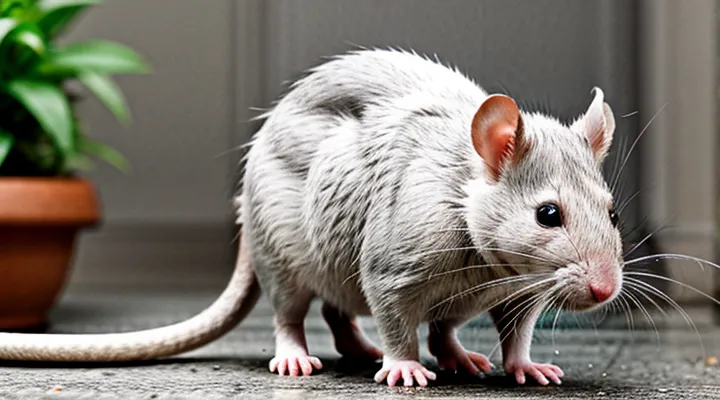
Understanding Your White-Gray Male Rat
Identifying Key Characteristics
Coat Color Nuances
When selecting a name for a male rat with a white‑gray coat, precise description of the coloration guides the choice. The fur typically presents a blend of two primary tones:
- Pure white base – areas such as the belly, paws, and whisker pads may be completely devoid of pigment.
- Gray overlay – ranging from light silver to charcoal, this layer can appear as a uniform wash or as distinct patches on the back, head, and tail.
- Silver‑blue sheen – a subtle iridescent quality that becomes visible under bright light, often mistaken for a separate hue but actually a reflection of the gray pigment.
- Faint amber or pink undertones – occasional hints near the ears or eyes, caused by underlying blood vessels, add depth to the overall palette.
Understanding these nuances allows for names that reflect the rat’s visual profile. For example, “Ash,” “Smokey,” “Pewter,” or “Nimbus” directly reference the dominant gray tones, while “Snowflake” or “Ivory” highlight the white foundation. Combining elements—such as “Silver Ash” or “Gray Frost”—captures the dual nature of the coat, providing a clear, descriptive identity that aligns with the animal’s appearance.
Personality Traits and Behaviors
When selecting a name for a pale‑colored male rat, consider the animal’s characteristic temperament and typical actions. Observations of these qualities provide natural inspiration for memorable, fitting monikers.
Rats of this hue often display:
- Bold exploration of tunnels and climbing structures.
- Persistent foraging, especially for seeds and dried fruit.
- Social interaction with cage mates, including gentle grooming and vocal communication.
- Quick problem‑solving when presented with puzzles or maze challenges.
- Calm demeanor during handling, showing minimal stress responses.
These behaviors translate into naming options that reflect the rat’s personality. For example, a rat that frequently investigates new objects may be called “Scout” or “Voyager.” An individual that excels at solving puzzles could be named “Cipher” or “Logic.” A sociable, gentle rat might suit names such as “Mellow” or “Buddy.” A calm, steady presence during handling lends itself to titles like “Steady” or “Zen.”
By aligning the chosen name with observable traits—exploratory vigor, problem‑solving skill, sociability, and composure—owners create a distinctive identifier that resonates with the rat’s unique character.
Size and Build Considerations
When selecting a name for a white‑gray male rat, size and body shape provide clear cues. Average domestic rats range from 7 to 10 inches in body length, with tails adding another 6 to 9 inches. Individuals at the lower end of this spectrum often display a delicate, agile appearance; larger specimens tend toward a robust, muscular frame. These physical traits suggest distinct naming directions.
- Small, slender rats: names that convey lightness or speed, such as Flash, Pip, or Sprite.
- Medium‑sized, balanced rats: names that reflect steadiness, like Atlas, Milo, or Jasper.
- Large, stocky rats: names that emphasize strength or presence, for example Titan, Brutus, or Goliath.
Body condition also matters. A rat with a pronounced chest and thick limbs may suit names associated with power, whereas a rat with a sleek, elongated silhouette fits names evoking elegance or quickness. Aligning the chosen name with observable dimensions reinforces the animal’s identity and aids in consistent communication among caretakers.
Brainstorming Name Categories
Names Based on Appearance
White and Gray Related Words
When selecting a name for a male rat whose coat blends white and gray, consider lexical families that evoke the subtle interplay of these hues. Words directly describing the coloration provide immediate clarity; terms such as “ivory,” “ash,” “pearl,” “smoke,” “mist,” “silver,” “dove,” “frost,” “chalk,” “pale,” “slate,” and “steel” each capture a facet of the animal’s appearance.
Beyond pure color descriptors, related concepts reinforce the aesthetic. Natural phenomena—“cloud,” “fog,” “drift,” “snowfall,” “hail,” “glacier,” “cumulus”—suggest softness and translucence. Materials and metals—“alabaster,” “platinum,” “titanium,” “chrome,” “cobalt”—impart a sense of durability and elegance. Mythological or literary references—“Luna,” “Zephyr,” “Nimbus,” “Gandalf,” “Erebus”—convey atmospheric or ethereal qualities without overt literalness.
A concise list of viable names follows, grouped by semantic field:
- Color‑focused: Ivory, Ash, Pearl, Smoke, Frost, Slate, Steel, Silver, Dove, Chalk.
- Phenomena‑oriented: Cloud, Fog, Drift, Snowfall, Hail, Glacier, Cumulus.
- Material‑based: Alabaster, Platinum, Titanium, Chrome, Cobalt.
- Mythic/Literary: Luna, Zephyr, Nimbus, Gandalf, Erebus.
Each entry maintains relevance to the rat’s pale‑silver coat while offering distinct personality cues. Selecting from this pool ensures the name reflects both visual characteristics and a nuanced, memorable identity.
Gemstones and Metals
When assigning a name to a pale‑toned male rodent, the choice of gemstone or metal terminology can convey both visual traits and character. Gemstones with muted, silvery hues—such as moonstone, quartz, or pearl—mirror the rat’s soft gray‑white coat. Metals that exhibit a subtle sheen, including tin, nickel, or brushed steel, reinforce the animal’s understated coloration while adding a sense of durability.
Key considerations for selecting an appropriate moniker:
- Match the dominant color: opt for names that directly reference the primary shade (e.g., “Silver,” “Pewter,” “Ash”).
- Reflect texture and luster: choose terms that describe surface qualities, such as “Glint,” “Sheen,” or “Polish.”
- Evoke rarity or value: select precious stones or alloys to imply uniqueness, for instance “Opal,” “Platinum,” or “Cobalt.”
- Ensure pronounceability: prioritize short, clear syllables for ease of use in handling and training.
Examples of effective names derived from mineral and metal vocabulary include: Moonstone, Nickel, Sterling, Quicksilver, Obsidian, Titanium, Pearl, Alabaster, Graphite, and Cobalt. Each term aligns with the rat’s coloration, offers a distinct auditory profile, and carries an inherent sense of refinement suitable for a pet of this appearance.
Mythical Creatures and Characters
Choosing a name for a pale‑gray male rat can draw on the rich symbolism of mythic beings and legendary figures. Mythical creatures often embody traits that align with a rat’s appearance or behavior, providing a ready source of memorable monikers.
- Selene – the moon goddess, evoking the rat’s silvery coat.
- Mithras – a deity associated with light and purity, suitable for a creature with a clean, gray hue.
- Fenrir – a wolf from Norse lore, appropriate for a bold, assertive male.
- Quetzal – the feathered serpent of Mesoamerican myths, reflecting agility and striking coloration.
- Baba Yaga – the Slavic witch, a playful nod to the rat’s nocturnal habits.
When selecting a character from literature or folklore, consider the narrative role and personality traits that parallel the rat’s demeanor.
- Gandalf – wisdom and calm authority, fitting for a composed, observant rodent.
- Robin Hood – cleverness and resourcefulness, matching a quick‑thinking male.
- Beowulf – heroic strength, ideal for a robust, dominant individual.
- Loki – mischievous ingenuity, perfect for a curious, trouble‑making pet.
- Kitsune – the Japanese fox spirit, known for shape‑shifting, echoing a rat’s adaptability.
Combining color cues with mythic symbolism yields names that are both descriptive and evocative, ensuring the rat’s identity stands out in any setting.
Names Based on Personality
Playful and Mischievous Names
Choosing a name for a pale‑gray male rat that captures its lively spirit involves balancing humor with recognizability. A playful moniker should reflect quick movements, curiosity, and occasional troublemaking, while a mischievous option highlights the rodent’s knack for evading traps and stealing snacks. Both categories reinforce the animal’s personality, making the name memorable to owners and visitors alike.
Effective names often draw from pop‑culture references, wordplay, or characteristic traits. Consider the following examples, grouped by tone:
-
Playful selections
- Whisker‑Whirl
- Spry‑Silver
- Jester‑Jolt
- Zippy‑Zinc
- Puck‑Puff
-
Mischievous selections
- Rascal‑Ridge
- Bandit‑Bramble
- Rogue‑Raven
- Sly‑Slate
- Trickster‑Tusk
Each suggestion pairs a vivid descriptor with a lighthearted suffix, ensuring the name remains easy to call and conveys the rat’s energetic demeanor. When finalizing the choice, pronounce the name aloud to confirm it feels natural and fits the animal’s behavior pattern.
Calm and Gentle Names
Choosing a name for a white‑gray male rat that conveys calmness and gentleness requires attention to tone, simplicity, and the animal’s demeanor. A name should be easy to pronounce, have a soft phonetic quality, and avoid harsh consonant clusters that could be perceived as aggressive. Selecting from the pool of serene, understated options ensures the name aligns with the rat’s tranquil disposition and remains memorable for caretakers.
Consider the following examples, each reflecting a peaceful character while maintaining a masculine edge:
- Milo
- Silas
- Ember
- Finn
- Jasper
- Reed
- Theo
- Orion
- Sage
- Atlas
These names balance modest strength with a soothing rhythm, making them suitable for a white‑gray male rat whose presence is quiet and affectionate. Use the chosen name consistently to reinforce recognition and foster a calm bond between pet and owner.
Brave and Adventurous Names
Choosing a name for a white‑gray male rat that conveys courage and a spirit of adventure requires clarity and relevance. A name should reflect the animal’s bold demeanor while remaining easy to pronounce and remember.
- Ranger – evokes a solitary explorer navigating unknown terrain.
- Blaze – suggests swift movement and fearless energy.
- Maverick – implies independence and a willingness to defy expectations.
- Scout – denotes a vigilant traveler surveying new surroundings.
- Thor – references mythic strength and heroic resolve.
- Talon – conveys sharpness and readiness for challenge.
- Atlas – suggests endurance and the ability to shoulder responsibilities.
- Cobalt – blends the rat’s grayish hue with a tone of resilience.
- Rogue – captures a mischievous yet daring character.
- Venture – directly ties to the concept of daring exploration.
Each option aligns with the criteria of bravery and adventure, providing a solid foundation for a memorable identity.
Names Inspired by Pop Culture
Movie and TV Show References
Choosing a name for a pale‑gray male rodent can draw on recognizable characters from film and television, providing instant association and personality cues. Select references that match the animal’s coloration, demeanor, or narrative role; avoid obscure titles that may confuse listeners.
Key criteria for effective cinematic or TV‑inspired names:
- Visual similarity: match the rat’s coat to a character’s iconic look (e.g., “Gandalf” for a silver‑haired wizard).
- Personality alignment: reflect traits such as cunning, bravery, or humor (e.g., “Joker” for a mischievous demeanor).
- Audience familiarity: prefer widely known productions to ensure the reference is immediately understood.
Examples of suitable names with brief justification:
- Gandalf – silver‑gray wizard from The Lord of the Rings, conveys wisdom and a distinguished presence.
- Stark – nod to Tony Stark of Iron Man, fitting for a sleek, metallic‑hued rat with a bold attitude.
- Marty – reference to Marty McFly of Back to the Future, suitable for a quick, adventurous little creature.
- Daryl – from The Walking Dead, reflects resilience and a rugged appearance that pairs with a tough‑looking coat.
- Boba – short for Boba Fett of Star Wars, evokes a sleek, armored aesthetic matching a gray fur pattern.
- Walter – allusion to Walter White of Breaking Bad, appropriate for a lab‑coated rat with a subtle, scientific vibe.
- Rizzo – from Grease, a playful name for a rat with a cheeky, charismatic personality.
Legal considerations: avoid trademarked names used as commercial brands when the rat will appear in marketing or merchandise; otherwise, personal naming for a pet does not infringe rights.
Applying these guidelines yields names that are memorable, contextually appropriate, and instantly recognizable to a broad audience.
Book and Comic Book Characters
When selecting a name for a pale‑gray male rat, reference to literary and graphic‑novel figures offers clarity and memorability. Characters known for subtle coloration, stoic demeanor, or cleverness align well with the rodent’s appearance and temperament.
Consider the following options, each linked to a specific book or comic source:
- Gandalf – the wizard from J.R.R. Tolkien’s saga, recognized for his silver‑gray robes and commanding presence.
- Giles – the scholarly mentor in the “Buffy the Vampire Slayer” comics, noted for his gray‑tinted hair and analytical mind.
- Gatsby – the enigmatic protagonist of F. Scott Fitzgerald’s novel, whose name evokes elegance and intrigue.
- Gargoyle – the stone creature from “The Sandman” series, embodying a muted palette and steadfast character.
- Grimm – the titular figure of the graphic novel “Grimm Fairy Tales,” reflecting dark, nuanced storytelling.
- Groot – the arboreal being from Marvel comics, whose muted bark‑like hue matches a soft gray coat.
- Gryff – shorthand for Albus Dumbledore from the “Harry Potter” books, whose silver beard and wise disposition parallel a distinguished rat.
Each name draws directly from a recognized narrative figure, ensuring the rat’s identity resonates with literary and comic culture while reflecting its distinctive coloration and masculine traits.
Video Game Characters
When selecting a name for a white‑gray male rat, draw inspiration from recognizable video game personalities whose traits align with the animal’s appearance and temperament. Choose monikers that convey color, agility, or iconic status, ensuring the name remains easy to pronounce and memorable.
- Gray‑Knight – evokes the armored hero from classic RPGs, reflecting the rat’s slate‑colored fur and resilient nature.
- Ashen‑Link – combines the legendary adventurer’s fame with a muted hue, suitable for a curious explorer.
- Silver‑Sonic – references the speedy hedgehog while highlighting the rat’s metallic sheen.
- Nimbus‑Kirby – merges the soft, cloud‑like coloration with a beloved, round character, ideal for a gentle demeanor.
- Pale‑MasterChief – adapts the iconic soldier’s name, underscoring a stoic presence and the rat’s pale coat.
Consider the character’s backstory when finalizing the choice. A name linked to a heroic quest or a stealthy role can reinforce the pet’s identity, while a playful reference may suit a more lively specimen. Aligning the rat’s visual traits with established video game figures creates a name that resonates with both gamers and pet owners.
Unique and Unusual Names
Foreign Language Options
Choosing a name from a non‑English language can highlight the rat’s distinctive coat and masculine character while adding cultural depth. Languages with rich naming traditions provide concise, memorable options that often convey color, temperament, or mythic associations without translation.
- Spanish: “Gris” (gray), “Blanco” (white), “Albus” (derived from Latin, used in Spanish contexts).
- French: “Gris‑Mâle”, “Blanc‑Gris”, “Argent” (silver, suggesting the muted tone).
- German: “Grauer” (the gray one), “Weißgrau” (white‑gray), “Silberkralle” (silver claw).
- Japanese: “Shiro‑Gure” (white‑gray), “Kuro‑kage” (black shadow, for contrast), “Kage‑maru” (shadow circle).
- Russian: “Serebryanyy” (silvery), “Belogryaziy” (white‑gray), “Mishka” (common male pet name, adaptable).
Selecting a foreign term requires confirming pronunciation ease and relevance to the owner’s environment. Consistency with the rat’s personality and the ease of daily use ensure the name remains functional and meaningful.
Historical Figures
Assigning a name to a light‑gray male rat benefits from the cultural weight of historical personalities. Names drawn from leaders, scholars, and artists convey character, aid memorability, and reinforce the animal’s identity within its environment.
Effective selection follows three principles. First, color alignment: choose figures associated with silver, ash, or muted tones. Second, personality match: pair the rat’s behavior with the historical subject’s reputation, such as bravery or intellect. Third, recognizability: prefer individuals whose names are short enough for everyday use and widely understood across cultures.
- Cicero – Roman orator noted for sharp wit; suitable for an inquisitive, vocal rat.
- Ashoka – Indian emperor whose name evokes ash; fitting for a calm, dignified animal.
- Frost – Poet Robert Frost, whose surname reflects the rat’s silvery coat and thoughtful demeanor.
- Sullivan – Admiral James Sullivan, associated with naval gray; appropriate for a resilient, adaptable rat.
- Marlow – Explorer James Marlow, remembered for navigating misty seas; matches a curious, exploratory pet.
- Gandhi – Symbol of peaceful resistance; appropriate for a gentle, non‑aggressive rat.
- Tesla – Inventor Nikola Tesla, linked to electric sparks and silver imagery; ideal for an energetic, intelligent rat.
Food and Drink Inspired Names
Naming a light‑colored male rat benefits from themes that reflect its silvery‑gray coat and gentle demeanor. Food and drink sources supply memorable, vivid options that align with the animal’s appearance and temperament.
- Espresso – deep, dark hue contrasted with a light body.
- Latte – creamy, pale shade matching the fur.
- Cappuccino – frothy top evokes soft whiskers.
- Pudding – smooth texture suggests a mellow personality.
- Miso – subtle, earthy flavor parallels a modest disposition.
- Sake – clear, pale spirit fitting a sleek silhouette.
- Popcorn – buttery color mirrors the rat’s coat.
- Sorbet – cool, pastel tone matches a chilled gray.
Selecting one of these names creates an immediate association between the rat’s visual traits and a familiar culinary reference, enhancing recall and personal connection. Use the chosen name consistently in handling, feeding, and training to reinforce identity and encourage positive behavior.
The Naming Process
Shortlisting Your Favorites
Considering Pronunciation
When choosing a name for a white‑gray male rat, pronunciation determines how easily owners, visitors, and veterinarians will use the name. Clear articulation reduces miscommunication during handling, training, and emergency calls.
- Prefer single‑syllable or two‑syllable names; longer constructions increase the chance of truncation.
- Avoid consonant clusters that end with unreleased stops (e.g., “-rt”, “-nk”) unless the speaker is accustomed to them.
- Select vowel sounds that contrast with the animal’s background noise; open vowels such as “a” or “o” travel better over cages and equipment.
- Test the name aloud in a noisy environment; the version that remains distinct at a distance wins.
- Consider cultural phonetics; a name that sounds natural in one language may be awkward in another, especially if the rat will appear in multilingual settings.
Consistent spelling that matches the spoken form prevents confusion. If the written name includes silent letters (e.g., “knight”), it should be revised to a phonetic equivalent (“Nite”). Aligning spelling with pronunciation ensures the name is both functional and memorable.
Testing Names Aloud
When choosing a name for a white‑gray male rat, vocal testing provides a reliable measure of suitability. Speaking a name aloud reveals its phonetic flow, ease of pronunciation, and potential for misinterpretation. It also highlights whether the name sounds natural in everyday conversation or during handling sessions.
To conduct an effective vocal test, follow these steps:
- Select a shortlist of candidate names based on appearance, temperament, or thematic relevance.
- Pronounce each name slowly, then at a normal speaking pace, noting any stumbling points.
- Record the spoken names using a smartphone or recorder; playback helps identify hidden awkwardness.
- Invite a colleague or household member to repeat the names; compare their comfort levels and any spontaneous suggestions.
- Observe the rat’s reaction to each spoken name, looking for signs of recognition or stress.
Consistency in pronunciation across different speakers reduces confusion for the animal and caregivers. Names that maintain clear vowel sounds and avoid complex consonant clusters tend to be more memorable. Testing aloud eliminates choices that sound appealing in writing but prove cumbersome when spoken, ensuring the final name functions well in both written and verbal contexts.
Observing Your Rat for Inspiration
Behavioral Cues
When assigning a name to a light‑gray male rat, behavioral cues provide reliable guidance. Observe the animal’s routine interactions, response to stimuli, and social hierarchy placement; each pattern suggests traits that can be reflected in a name.
Key cues to evaluate:
- Exploratory activity – frequent tunnel use, rapid navigation of new objects, indicates curiosity; suitable names may reference discovery or adventure.
- Territorial displays – marking, scent‑fencing, defensive posturing signal dominance; names can evoke strength or authority.
- Social bonding – grooming partners, sharing food, close proximity to cage mates denote friendliness; names may convey companionship or warmth.
- Playfulness – chasing, pouncing, vocal chirps during interaction reflect a lively temperament; names can highlight energy or humor.
- Stress reactions – freezing, excessive grooming, reduced movement under novel conditions suggest caution; names might emphasize subtlety or restraint.
Integrating these observations into the naming process yields a designation that mirrors the rat’s distinctive personality, enhancing owner‑animal rapport and reinforcing the animal’s identity within its environment.
Special Markings
Distinctive markings provide the most reliable basis for naming a pale‑gray male rat. Visible features such as coat pattern, facial coloration, and tail hue distinguish one individual from another and translate directly into memorable names.
- Dorsal stripe – a darker line running along the back; suitable names include “Stripe,” “Band,” or “Midnight.”
- Paw pads – lighter or darker than the surrounding fur; options are “Paw,” “Snowshoe,” or “Ink.”
- Whisker contrast – black whiskers on a light face or vice versa; consider “Shadow,” “Silver,” or “Ash.”
- Tail tip – a noticeably pigmented end; names such as “Tip,” “Cobalt,” or “Ebony” reflect this trait.
- Facial blaze – a white or gray patch on the forehead; possible names include “Blaze,” “Spot,” or “Nimbus.”
When converting a marking into a name, follow these steps:
- Identify the most prominent visual element.
- Choose a single word that directly describes the element or evokes its appearance.
- Verify that the word is easy to pronounce and distinct from common pet names.
Applying this method ensures that the chosen name accurately reflects the rat’s unique appearance and remains easy to use in daily handling.
Involving Others in the Decision
Family and Friends
Selecting a name for a light‑gray male rat benefits from the input of close relatives and companions. Family members often provide personal anecdotes that inspire memorable choices, while friends can suggest contemporary or humorous options that suit the pet’s character.
When gathering suggestions, consider the following criteria:
- Reflect shared experiences or inside jokes that reinforce group identity.
- Align with the rat’s physical traits, such as coat color, size, or behavior.
- Ensure the name is easy to pronounce and distinguishable from commands used during handling.
Involving relatives in the decision process strengthens the bond between the pet and the household. A name chosen collectively reinforces responsibility, as each participant feels a sense of ownership and is more likely to contribute to the animal’s care.
Friends outside the immediate family introduce diverse perspectives, expanding the naming pool beyond traditional pet names. Their contributions can introduce cultural references, literary characters, or pop‑culture icons that resonate with the group’s interests, adding depth to the chosen moniker.
Finalize the selection by testing the name in everyday interactions. Consistent use during feeding, play, and grooming confirms suitability and helps the rat recognize its identifier, promoting smoother communication across all caregivers.
Online Communities
Online communities provide a concentrated source of ideas for naming a pale‑colored male rodent. Members share personal experiences, cultural references, and thematic suggestions that align with the animal’s appearance and gender. Engaging with discussion boards, social media groups, and specialty forums yields a diverse pool of candidates without requiring extensive independent research.
Effective use of these platforms follows a structured approach:
- Identify active groups dedicated to pet owners, laboratory animals, or rodent enthusiasts.
- Post a brief description of the rat’s coloration, sex, and any personality traits.
- Request name proposals, specifying any preferred language or style constraints.
- Review responses, noting recurring themes or particularly resonant suggestions.
- Consolidate the top options and solicit a final vote from the community.
Community feedback often mirrors popular naming trends, such as mythological figures, literary characters, or color‑based monikers. Frequent references to silver, ash, or storm‑related terms appear when participants focus on the animal’s gray‑white coat. Additionally, members may offer etymological insights that enhance the chosen name’s relevance.
When selecting a final name, consider the following criteria, which are commonly endorsed by online contributors:
- Clarity of pronunciation and spelling.
- Consistency with the rat’s distinguishing features.
- Compatibility with any existing naming conventions in the owner’s household or research setting.
- Acceptance within the specific community where the name was sourced.
By leveraging the collective expertise of digital forums, owners can secure a well‑vetted, meaningful name for their white‑gray male rat efficiently and with confidence.
Tips for Choosing the Perfect Name
Avoiding Common Pitfalls
Overly Complex Names
Choosing a designation for a pale, silver‑toned male rat often leads owners to favor elaborate constructions. Such names typically combine multiple languages, obscure references, or excessive titles. The result is difficult to pronounce, recall, and use in everyday interaction.
- “Sir Archibald von Whiskerworth the Third” – mixes honorifics, foreign surnames, and ordinal numbers; each element adds complexity without functional benefit.
- “Professor Quarkus Nebulon‑Eclipse” – merges scientific jargon and fantasy motifs; creates ambiguity about gender cues and diminishes immediacy.
- “Lord Maximilian Chrysanthemum‑Sable IV” – overlays aristocratic rank, botanical imagery, and numerical suffix; overloads auditory processing for both caretaker and animal.
Overly intricate names impede clear communication, increase the risk of mispronunciation, and may cause stress for the pet when repeatedly called. Simpler, distinctive labels preserve individuality while ensuring practicality in daily care.
Easily Confused Names
When selecting a name for a pale‑gray male rodent, owners often encounter options that sound alike or convey ambiguous meanings. Such names can lead to misidentification, mistaken gender perception, or confusion with other household pets.
Commonly confused choices include:
- Ash / Asher – identical pronunciation, different spelling; both suggest a smoky hue but one may be interpreted as a human name.
- Silver / Silas – similar vowel pattern; “Silver” directly references coat color, while “Silas” evokes a distinct personality trait.
- Storm / Stormy – “Storm” conveys strength, “Stormy” implies temperament; the latter may be perceived as feminine.
- Smokey / Smoke – both derive from the same visual cue; “Smokey” is a conventional pet name, “Smoke” sounds more abstract.
- Gandalf / Gandy – the former references a literary figure, the latter resembles a nickname for a female animal.
To minimize confusion, apply these criteria:
- Choose a single‑word name that does not share phonetic roots with commonly used pet names.
- Verify that the name’s gender connotation aligns with the animal’s sex.
- Avoid names that double as common human names if the goal is to emphasize the animal’s uniqueness.
- Test the name aloud in a noisy environment; distinct consonant clusters reduce mishearing.
By systematically evaluating each candidate against these standards, owners can assign a clear, unambiguous identifier to a white‑gray male rat.
The Importance of a Good Name
Bonding with Your Pet
Bonding with a pet rat strengthens trust, encourages natural behavior, and makes the naming process more meaningful. Consistent interaction creates a recognizable routine that the animal associates with positive experiences, which helps the owner select a name that reflects the rat’s personality.
Regular activities that foster connection include:
- Offering fresh vegetables or fruit by hand, allowing the rat to nibble directly from the owner’s fingers.
- Gently stroking the back and sides during quiet moments, reinforcing calm behavior.
- Introducing a small, safe tunnel or climbing platform and guiding the rat through it, which promotes exploration and confidence.
- Speaking softly while the rat is nearby, so it learns to respond to the owner’s voice.
Observing these behaviors provides clues for an appropriate name. A rat that frequently climbs may inspire an active moniker; one that prefers quiet nibbling may merit a softer label. Selecting a name based on observed traits reinforces the bond and affirms the owner’s attentiveness.
Training and Communication
Choosing a concise, distinctive name for a pale‑gray male rat simplifies both training and daily interaction. A name that is easy to pronounce and distinct from other household sounds allows the animal to associate the spoken word with the intended response quickly.
Consistent vocal cues create a reliable communication channel. When the chosen name is spoken in a calm, steady tone before presenting food, a treat, or a handling session, the rat learns to link the auditory signal with the upcoming activity. Repetition in short, regular intervals reinforces this association without overloading the animal’s short‑term memory.
Effective training relies on clear, unambiguous signals. Pair the name with a specific hand gesture—such as a gentle lift of the hand—so the rat receives both auditory and visual information simultaneously. This multimodal approach accelerates learning and reduces hesitation.
Reward timing matters. Deliver a small food reward immediately after the rat responds to its name. The prompt reinforcement strengthens the connection between the vocal cue and the desired behavior, encouraging repeat performance.
A practical sequence for establishing the name and communication routine:
- Select a name of one or two syllables, avoiding sounds that clash with common household noises.
- Speak the name in a consistent tone each time before offering a treat.
- Add a simple hand signal that accompanies the spoken cue.
- Provide the treat instantly after the rat approaches or shows attention.
- Repeat the process daily for several minutes, gradually extending the interval between cue and reward as the rat demonstrates reliability.
Regular reinforcement maintains the association. Occasionally use the name in neutral contexts—such as during cage cleaning or health checks—to prevent the cue from becoming linked solely with food. This broader usage reinforces the rat’s recognition of the name as a general identifier, improving overall communication and facilitating more advanced training tasks.