
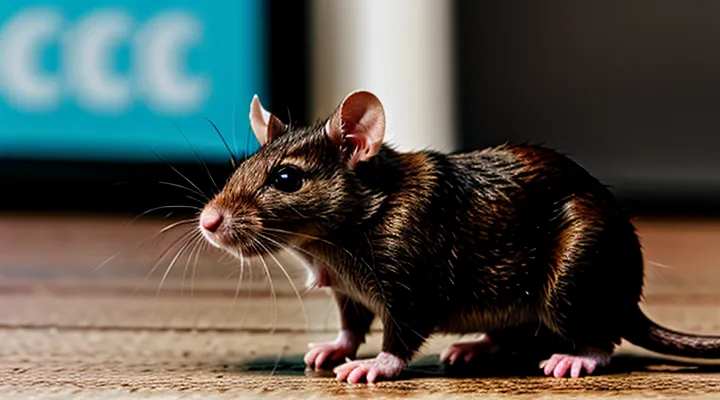
The Art of Naming Your Female Rat
Why Naming Matters
The Bond Between Pet and Owner
Naming a female rat is more than a linguistic decision; it reflects the relationship the owner has built with the animal. A strong bond creates familiarity, making the owner attuned to the rat’s personality, habits, and quirks. This awareness guides the selection of a name that resonates with both parties and reinforces the connection.
Key aspects of the bond that shape naming choices include:
- Observation of behavior patterns (e.g., curiosity, playfulness, calmness).
- Recognition of physical traits (e.g., coat color, size, distinctive markings).
- Emotional response to the pet’s presence (e.g., comfort, amusement, affection).
When these elements are considered, the resulting name often carries meaning that extends beyond a simple label. It becomes a symbol of the shared experience, strengthening the owner’s commitment to the animal’s welfare and reinforcing the mutual trust that defines the partnership.
Reflecting Personality
Choosing a name for a female rat should echo the animal’s distinctive character. Observe the rat’s daily habits, then translate those observations into a concise, memorable label.
Identify core traits through direct interaction. A rat that darts between tunnels, explores new objects, and shows quick reflexes exhibits high energy and curiosity. A rat that remains calm, seeks close contact, and tolerates handling demonstrates gentleness and sociability. A rat that defends its space, displays assertiveness, and reacts sharply to disturbances reflects confidence and independence.
Match each trait to linguistic cues. Short, sharp syllables suit energetic personalities; soft, elongated sounds suit gentle dispositions. Names that reference the trait’s essence reinforce the connection and aid recall.
- Energetic explorer: Spark, Zippy, Bolt
- Curious investigator: Scout, Pixel, Nova
- Calm companion: Mellow, Luna, Silk
- Confident defender: Rogue, Ember, Titan
Apply the chosen name consistently during feeding, training, and veterinary visits. Repetition strengthens the association, making communication clearer for both caretaker and animal. By aligning nomenclature with observable behavior, the name becomes a functional descriptor rather than a decorative label.
Brainstorming Naming Categories
Human-Inspired Names
Classic and Elegant Options
Selecting a name for a pet rat that is both classic and refined benefits from historical and literary references, timeless phonetics, and dignified meanings. Names drawn from mythology, aristocracy, and classic literature convey elegance while remaining easy for the animal to recognize.
- Athena – Greek goddess of wisdom, evokes intelligence and poise.
- Beatrice – Shakespearean character, symbolizes grace and virtue.
- Celia – Latin origin meaning “heavenly,” offers a gentle, melodic sound.
- Daphne – Mythical nymph associated with beauty and resilience.
- Eleanor – Royal connotation, conveys strength and sophistication.
- Freya – Norse deity of love and fertility, suggests charm and independence.
- Gwendolyn – Welsh roots, meaning “blessed ring,” combines tradition with lyrical quality.
- Isolde – Medieval heroine, reflects romance and elegance.
- Juliette – French classic, conveys delicacy and refinement.
- Lydia – Ancient city name, implies cultural depth and poise.
Choosing from these options ensures the name carries a sense of heritage and distinction, aligning the rat’s identity with timeless elegance.
Whimsical and Modern Choices
Naming a female rat benefits from a blend of imagination and current naming trends. A whimsical selection captures the pet’s quirky character, while a modern option aligns with contemporary aesthetics.
- Luna – evokes night‑time playfulness, fits a small, curious creature.
- Pixel – references digital culture, suitable for a quick‑moving, detail‑oriented rat.
- Nibbles – highlights the animal’s habit of constant chewing, adds a lighthearted tone.
- Sprout – suggests growth and vitality, ideal for a young, energetic rat.
- Tinker – conveys a knack for exploring and manipulating objects, fitting for a clever pet.
Modern alternatives prioritize sleek sounds and current naming fashions:
- Nova – conveys brightness and novelty, appropriate for a standout personality.
- Zara – short, stylish, easy to pronounce, matches a confident demeanor.
- Echo – reflects responsiveness and repetition, suitable for a vocal rat.
- Juno – combines mythic resonance with contemporary appeal.
- Vega – references a prominent star, suggests a bright, noticeable presence.
Select a name that mirrors the rat’s traits and fits the household’s style. Consistency in pronunciation and ease of recall enhance daily interaction and strengthen the bond between owner and pet.
Food-Themed Names
Sweet and Dessert-Inspired
Naming a female rat with a sweet‑tooth theme creates an immediate connection between the pet’s personality and the indulgent world of desserts. The approach blends familiarity with whimsy, making the name memorable for both owner and animal.
- Caramel
- Honeycomb
- Mocha‑Mousse
- Taffy
- Cupcake
- Macaron
- Truffle
- Pudding
- S’mores
- Marshmallow
When selecting a dessert‑inspired name, observe these guidelines. Choose a word that rolls off the tongue; one‑ or two‑syllable options facilitate quick vocal cues. Prefer names with distinct vowel sounds to avoid confusion with commands. Ensure the chosen term does not duplicate common commands or other pets’ names in the household. Consider the rat’s coat color and behavior: a golden‑brown rat may suit “Caramel,” while a playful, energetic individual fits “Taffy” or “S’mores.” Keep the name consistent across all interactions to reinforce recognition.
Fruity and Fresh
Choosing a name that conveys fruitiness and freshness can enhance the personality of a female rat and simplify identification. A name should be easy to pronounce, short enough for quick recall, and distinct from common pet names to avoid confusion in multi‑pet households.
Consider these criteria when selecting a fruity, fresh name:
- One‑ or two‑syllable structure for clear vocalization.
- Vowel‑rich sounds that echo the bright qualities of fruit.
- Avoidance of names that resemble common commands or food items that could cause accidental feeding.
Suggested names that meet the fruit‑inspired, fresh theme:
- Lime – sharp, crisp, memorable.
- Peach – soft, sweet, gentle tone.
- Berry – versatile, evokes a variety of fresh flavors.
- Mango – tropical, vibrant, easy to call.
- Citrus – bright, energetic, distinct.
- Kiwi – compact, lively, unusual.
- Apricot – warm, mellow, slightly longer but still manageable.
- Plum – smooth, succinct, pleasant consonant ending.
Applying the outlined guidelines ensures the chosen name reflects the desired fruity freshness while remaining practical for daily interaction with the pet.
Nature-Inspired Names
Floral and Botanical
Choosing a name for a female rat can draw inspiration from the world of flowers and plants, offering a blend of elegance and natural resonance. Floral and botanical names convey softness, vibrancy, and a hint of wilderness that suits a pet rodent’s lively character.
When selecting a botanical name, consider the following criteria: ease of pronunciation, distinctiveness from other household pets, and relevance to the rat’s coat color or personality traits. Names derived from common garden flora are typically recognizable, while exotic plant names add a touch of novelty.
Suggested names, grouped by color association:
- White or light‑colored rats: Lily, Daisy, Snowdrop, Alba (Latin for “white”), Magnolia
- Brown or cinnamon rats: Hazel, Cedar, Sienna, Tamarind, Chestnut
- Gray or black rats: Iris (dark violet), Ebony Orchid, Nightshade, Sage, Juniper
- Vibrant or multi‑colored rats: Marigold, Poppy, Zinnia, Hibiscus, Lotus
Each option provides a concise, memorable label that aligns with the floral theme while remaining practical for daily use.
Gemstone and Mineral
Choosing a name for a female rat can draw directly from the world of gemstones and minerals, providing options that are memorable, distinctive, and evocative of natural qualities.
When selecting a gemstone‑inspired name, consider phonetic clarity, recognizability, and the characteristic associated with the stone. Names that are short, easy to pronounce, and carry positive connotations tend to work well for small pets.
- Amber – warm, golden hue; suggests vitality.
- Beryl – clear, bright; conveys clarity of character.
- Citrine – bright yellow; implies cheerfulness.
- Onyx – deep black; suits a sleek, dark‑coated rat.
- Opal – iridescent; reflects a playful, multifaceted personality.
- Pearl – smooth, luminous; denotes elegance.
- Ruby – vivid red; evokes energy and boldness.
- Sapphire – deep blue; conveys calm confidence.
- Topaz – golden‑brown; suggests warmth and resilience.
- Turquoise – teal shade; implies uniqueness.
Finalize the choice by matching the rat’s appearance or behavior with the stone’s traditional symbolism, ensuring the name remains simple enough for everyday use.
Pop Culture References
Fictional Characters
Naming a female rat for a story requires attention to cultural resonance, phonetic appeal, and character function. Select a name that reflects the rat’s personality, background, or role without relying on generic descriptors.
Consider these established fictional rat characters as reference points:
- Minnie – a gentle, domestic rat often portrayed in children’s literature.
- Rizzo – a street‑wise, sarcastic rat from a musical comedy, emphasizing a tough demeanor.
- Jasper – a scholarly rat in a fantasy series, suggesting intelligence and curiosity.
- Sable – a sleek, mysterious rat appearing in a thriller, evoking darkness and elegance.
When creating an original name, follow these guidelines:
- Cultural alignment – draw from the setting’s language or mythology; a medieval village might inspire “Eldra,” while a cyberpunk city could yield “Byte.”
- Sound pattern – choose consonant‑vowel combinations that are easy to pronounce; short, sharp syllables convey agility, while longer, melodic forms suggest grace.
- Symbolic reference – incorporate traits or symbols associated with rats, such as “Whisk,” “Nimble,” or “Cinder” for a fire‑related narrative.
Applying the criteria above ensures the chosen name integrates seamlessly with the narrative and reinforces the character’s distinct identity.
Iconic Figures
Choosing a name for a female rat can draw on well‑known personalities, providing memorable and meaningful options. Iconic figures supply recognizable traits that translate into suitable pet names.
Historical leaders often embody strength and determination. Names such as Cleopatra, Joan (after Joan of Arc), Nefertiti, and Boudica convey authority and resilience, fitting a bold rodent.
Mythological goddesses offer elegance and mystique. Options include Athena, Freya, Isis, and Hera, each linked to wisdom, fertility, or protection, qualities owners may associate with their pet.
Literary heroines present literary flair. Selections like Elizabeth (from Pride and Prejudice), Jane (from Jane Eyre), Scout (from To Kill a Mockingbird), and Matilda (from Roald Dahl) reflect intelligence and independence.
Scientific pioneers highlight curiosity and discovery. Names such as Curie, Ada (Lovelace), Rosalind (Franklin), and Hypatia honor contributions to knowledge, resonating with a rat’s inquisitive nature.
A concise list of suggested names with their source:
- Cleopatra – Egyptian queen
- Athena – Greek goddess of wisdom
- Elizabeth – Austen’s protagonist
- Curie – Nobel‑winning physicist
These choices align a female rat’s personality with the enduring legacy of celebrated individuals.
Names Based on Appearance or Behavior
Coat Color
When choosing a name for a female rat, coat color offers a clear source of inspiration. Identify the dominant hue—black, brown, white, gray, or a combination such as agouti or brindle—and match it with a word that reflects the shade’s character.
- Black coat: Ebony, Onyx, Midnight, Jet, Noir
- Brown coat: Chestnut, Cocoa, Hazel, Umber, Russet
- White coat: Pearl, Snow, Ivory, Frost, Alabaster
- Gray coat: Ash, Slate, Smoke, Steel, Pewter
- Mixed patterns: Speckle, Dapple, Marbles, Mosaic, Patches
Consider the intensity of the color. A deep, glossy black may suit a name with strong, sleek connotations, while a pale gray could inspire softer choices. If the rat’s fur displays multiple tones, combine descriptors—e.g., “Cocoa‑Snow” or “Ash‑Mosaic”—to capture the full palette. Use the coat’s visual impact as a straightforward criterion for selecting a memorable, fitting name.
Personality Traits
When choosing a name for a female rat, consider the animal’s temperament and distinctive behaviors. Names that echo observable traits reinforce the bond between owner and pet and aid in training and communication.
Traits that commonly appear in female rats include curiosity, boldness, sociability, intelligence, and calmness. Each characteristic suggests a set of names that reflect the quality without resorting to generic descriptors.
- Curiosity: Pip, Scout, Quest
- Boldness: Rex, Blaze, Valkyrie
- Sociability: Merry, Buddy, Luna
- Intelligence: Pixel, Clever, Nova
- Calmness: Silk, Breeze, Mellow
Select a trait that best describes the individual rat and pair it with a name that fits the animal’s size, coloring, and vocal patterns. The resulting name will feel natural, memorable, and appropriate for everyday interaction.
Tips for Choosing the Perfect Name
Consider Brevity and Sound
When selecting a name for a female rat, keep the label short and easy to pronounce. A brief name reduces the chance of miscommunication during handling and training, and it fits the animal’s quick response time.
Sound quality matters as well. Choose a name with clear, distinct syllables that do not clash with common commands or ambient noises. Vowels at the beginning help attract attention, while consonant endings provide a crisp cue.
Practical guidelines:
- Limit the name to one or two syllables.
- Favor open vowel sounds (e.g., “Ada,” “Mira”).
- Avoid phonetic overlap with “food,” “stop,” or “no.”
- Test the name by saying it aloud in a noisy environment; clarity should remain.
Applying these principles yields names that are both memorable and functional for a female rat.
Test it Out
When selecting a name for a female rat, the decision should be verified through practical testing rather than relying solely on intuition. Testing confirms that the name is easy to pronounce, fits the animal’s personality, and is well‑received by household members.
- Observe the rat’s response: Call the chosen name several times a day and note any signs of recognition, such as turning toward the speaker or increased activity.
- Gather feedback: Ask family or caretakers to use the name for a week; record any confusion or mispronunciation.
- Compare alternatives: Rotate two or three preferred names over a set period, documenting which elicits the strongest, most consistent reaction.
- Evaluate durability: Ensure the name remains appropriate as the rat matures, avoiding overly cute or temporary references.
A brief trial period of one to two weeks typically provides sufficient data. If the rat consistently acknowledges the name and the household adopts it without difficulty, the name can be finalized. Otherwise, repeat the testing cycle with new options until a reliable fit emerges.
Involve the Family
Involving relatives when selecting a name for a pet rat strengthens the bond between the animal and the household. Each family member contributes a perspective that reflects personal experiences, cultural references, or humor, producing a name that resonates across generations.
- Gather all participants in a brief meeting; allocate two minutes per person to propose a candidate.
- Record suggestions on a shared list; eliminate duplicates and offensive terms immediately.
- Vote on the final choice; require a simple majority to confirm the selection.
- Celebrate the decision with a brief ceremony, such as presenting the rat a small treat and announcing the name aloud.
By distributing responsibility, the process becomes inclusive, reduces the likelihood of future disputes, and embeds the rat’s identity within the family narrative.
Common Naming Pitfalls to Avoid
Overly Complicated Names
Choosing a name for a female rat that is excessively long or convoluted creates practical difficulties. Complex names are hard to pronounce, increase the chance of miscommunication, and complicate record‑keeping in research or pet‑care settings.
Overly elaborate names often contain multiple syllables, uncommon spellings, or obscure references. They can lead to errors when logging data, issuing medication, or addressing the animal during handling. In laboratory environments, clarity and brevity enhance safety and reproducibility; in a household, simple names foster a stronger bond between owner and pet.
Guidelines for avoiding unnecessary complexity:
- Limit the name to one or two words, each no longer than three syllables.
- Prefer phonetic spelling that matches standard English pronunciation.
- Exclude symbols, numbers, or punctuation that cannot be spoken clearly.
- Avoid obscure literary, mythological, or scientific references unless widely recognized.
- Test the name by saying it aloud several times; if it feels cumbersome, shorten it.
Examples of problematic names and streamlined alternatives:
- “Archimedes‑the‑Great‑Quantum‑Explorer” → “Archie”
- “Seraphina‑Von‑Whisker‑Muffin‑III” → “Seraph”
- “Xylophonic‑Nebula‑Epsilon‑42” → “Xyla”
By adhering to these principles, the name remains memorable, functional, and respectful of the animal’s identity.
Easily Confused Names
Choosing a name for a pet rat often involves selecting from a pool of popular animal and human names. Some of these names are prone to confusion because they are traditionally masculine, gender‑neutral, or easily mistaken for other species. The confusion can affect communication with veterinarians, caretakers, and acquaintances, leading to misidentification of the rat’s sex or species.
Common sources of ambiguity include:
- Human names used for pets – Alex, Sam, Jordan; without a gender marker, listeners may assume the opposite sex.
- Names ending in “‑er” – Piper, Tucker, River; the suffix does not indicate gender and may be associated with male rodents.
- Pet‑specific names that are gender‑neutral – Spot, Shadow, Peanut; these convey no information about sex.
- Names that rhyme with male‑oriented terms – Milo (sounds like “male”), Bruno (sounds like “bro”), which can cause misinterpretation.
- Names derived from colors or patterns – Ebony, Snowball, Ginger; while descriptive, they lack gender cues.
To avoid misunderstanding, pair the chosen name with a clear identifier when introducing the rat. Examples:
- “Piper, the she‑rat”
- “Sam (female)”
- “Ginger, a female”
Adding a simple qualifier eliminates ambiguity while preserving the preferred name. This practice ensures accurate communication in veterinary records, breeding programs, and everyday interactions.
Names with Negative Connotations
When selecting a name for a female rat that carries a negative nuance, focus on clarity, brevity, and relevance to the animal’s perceived traits. The name should convey the intended edge without crossing into profanity or culturally sensitive territory.
Consider these guidelines: choose words that are recognizable to an English‑speaking audience; avoid slurs, hate speech, or references that could be misinterpreted as harassment; verify that the negative implication aligns with the rat’s behavior or the owner’s intended narrative.
- Mischief – suggests a propensity for troublemaking.
- Vex – conveys irritation or annoyance.
- Ruin – implies destructive tendencies.
- Blight – evokes decay or unwanted presence.
- Cinder – hints at smoldering danger.
- Gloom – reflects a somber, unsettling aura.
- Scorn – embodies contempt and disdain.
- Bane – denotes a source of harm or misfortune.
Apply the chosen name consistently, observe the animal’s response, and adjust if the name proves stressful or inappropriate. Consistency reinforces identity; flexibility preserves welfare.