
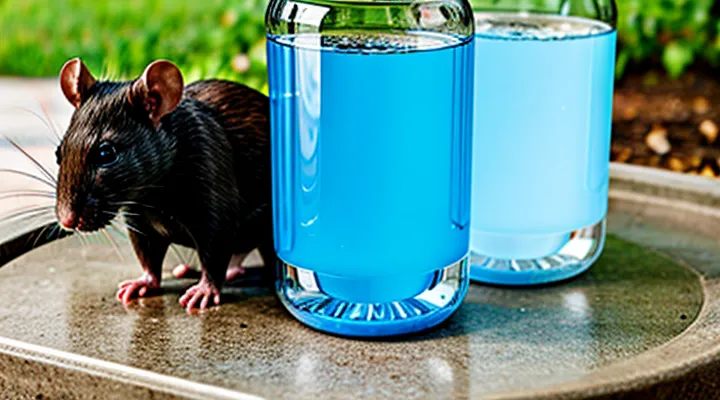
Understanding Rat Hydration Needs
Why DIY? Advantages of Homemade Dispensers
Cost-effectiveness and Customization
Creating a water dispenser for pet rats from readily available components reduces expenses dramatically compared with commercial models. A simple container—such as a 500 ml plastic bottle—costs under $1, while a small rubber stopper and tubing add another $0.50. The total material outlay typically stays below $3, allowing multiple units for a single cage without significant financial burden.
Customization stems from the modular nature of the design. Adjustments include:
- Bottle size – larger bottles extend refill intervals; smaller bottles limit waste.
- Tube diameter – wider tubing eases flow for thirsty rodents; narrower tubing restricts consumption and reduces spillage.
- Drip control – inserting a valve or using a needle puncture creates a precise drip rate, adaptable to age or health of the animals.
- Mounting options – adhesive hooks, zip ties, or a custom 3‑D‑printed holder secure the dispenser at any cage height, accommodating different cage layouts.
Because each element can be sourced independently, owners can replace only the worn part—such as a cracked tube—rather than discarding the entire unit. This selective replacement further lowers long‑term costs while preserving the dispenser’s functionality.
Overall, a do‑it‑yourself approach delivers a budget‑friendly solution that can be tailored to the specific needs of any rat colony, ensuring consistent hydration without recurring purchases.
Control over Materials and Hygiene
Select food‑grade plastics, stainless steel, or glass for the reservoir and tubing. These materials resist corrosion, do not leach chemicals, and can withstand repeated sterilization. Avoid low‑density polyethylene, painted metal, or reclaimed containers that may contain toxins or degrade under UV exposure.
Apply a systematic cleaning protocol. Rinse the entire system with warm water after each refill, then soak all components in a diluted bleach solution (1 % sodium hypochlorite) for ten minutes. Rinse thoroughly with distilled water to remove residual disinfectant. Schedule a full disassembly and deep clean weekly, replacing any worn seals or tubing that show signs of cracking.
Maintain a controlled environment to prevent contamination. Store the dispenser in a dry, dust‑free area when not in use. Keep the water source covered to block insects and debris. Inspect the water daily for cloudiness or odor; discard any compromised supply immediately.
Key actions for material and hygiene control:
- Use only certified, non‑porous materials.
- Perform daily rinse and visual inspection.
- Conduct weekly sterilization with a validated disinfectant.
- Replace compromised components without delay.
Essential Materials and Tools
Choosing Safe and Suitable Components
Food-grade Plastics and Glass
Food‑grade polymers such as polyethylene terephthalate (PET), high‑density polyethylene (HDPE) and polypropylene (PP) meet safety standards for rodent consumption. These materials resist leaching, tolerate repeated cleaning cycles, and maintain structural integrity when exposed to humid environments. PET bottles provide clear visibility of water levels, HDPE containers offer impact resistance, and PP caps ensure airtight seals. When selecting a polymer, verify the presence of the “#1”, “#2”, or “#5” recycling codes, which indicate compliance with FDA or EU food‑contact regulations.
Glass containers deliver chemical inertness and durability under sterilization. Borosilicate glass tolerates high temperatures, allowing thorough disinfection without cracking. Its transparency facilitates quick visual checks of water clarity. To integrate glass with plastic components, use silicone gaskets that are also food‑grade, preventing leaks at junctions.
Key considerations for material choice:
- Verify food‑contact certification.
- Ensure resistance to rodent chewing and gnawing.
- Prefer smooth interior surfaces to inhibit bacterial growth.
- Select shapes that allow easy attachment of drinking tubes or spouts.
Non-toxic Adhesives and Sealants
When constructing a water dispenser for small rodents, the bonding material must not leach harmful substances into the drinking water. Choose adhesives that are certified as food‑grade and free of volatile organic compounds. The bond should remain flexible enough to tolerate occasional movement of the container without cracking.
Key selection criteria include:
- Food‑grade silicone sealant – waterproof, remains elastic after curing, safe for ingestion.
- PVA (polyvinyl acetate) glue – low toxicity, suitable for bonding wood or paper components.
- Low‑VOC epoxy resin – strong adhesion for metal or plastic joints, available in non‑hazardous formulations.
- Low‑temperature hot‑glue sticks – quick set, safe for plastic parts when applied below 80 °C.
- Acrylic-based sealant – clear finish, resistant to moisture, approved for contact with liquids.
Application guidelines:
- Clean all surfaces with mild soap and rinse thoroughly; dry completely.
- Apply adhesive in a thin, continuous bead; avoid excess that could contact the water reservoir.
- Press parts together firmly and hold for the recommended time (usually 30–60 seconds for hot glue, 2–5 minutes for silicone).
- Allow the joint to cure fully—24 hours for silicone, 4–6 hours for epoxy—before introducing water.
- Inspect the sealed area for gaps; test by filling the dispenser with water and observing for leaks over several hours.
Store adhesives in sealed containers, away from direct sunlight and extreme temperatures, to preserve their effectiveness and prevent degradation. Use gloves when handling chemicals, and dispose of waste according to local regulations.
Tools for Assembly
Cutting and Drilling Equipment
When constructing a homemade water dispenser for rodents, precise cutting and drilling are essential to achieve a leak‑free assembly and to maintain clean edges that rodents cannot injure themselves on.
Select a fine‑toothed hacksaw or a miniature metal‑cutting saw for trimming PVC pipe or acrylic sheets to the required length. A rotary tool equipped with a thin metal‑cutting disc provides rapid, accurate cuts on small-diameter tubing. For acrylic, a scoring blade followed by a controlled snap reduces chipping.
Drilling requires a variable‑speed drill with a set of micro‑drill bits ranging from 1 mm to 4 mm. Carbide‑tipped bits ensure clean holes in both plastic and thin metal. When creating the drinking port, use a drill press or a hand‑held drill with a guide collar to keep the bore perpendicular to the surface, preventing uneven edges that could trap debris.
Safety measures include:
- Wearing cut‑resistant gloves and safety goggles.
- Securing the workpiece with a clamp or bench vise.
- Operating the drill at low speed for plastics to avoid melting.
Typical equipment list:
- Hacksaw or miniature metal‑cutting saw
- Rotary tool with metal‑cutting disc
- Scoring blade for acrylic
- Variable‑speed drill
- Carbide micro‑drill bits (1 mm–4 mm)
- Drill press or guide‑collared hand drill
- Clamp or bench vise
- Protective eyewear and gloves
Properly prepared cuts and accurately drilled holes form the foundation of a reliable rat water dispenser, ensuring durability and ease of cleaning.
Measuring and Marking Tools
Accurate measurement and clear marking are critical when constructing a small‑scale water dispenser for laboratory or pet rats. Use a metric ruler or a stainless‑steel tape measure to determine the length of PVC pipe, acrylic sheet, or wooden frame components. Measure each piece to the nearest millimeter; slight variations can affect the fit of connectors and the stability of the device.
A fine‑point permanent marker or a grease‑pencil provides reliable visibility on plastic, metal, and wood surfaces. Mark cut lines, drilling points, and alignment guides before any tool engages the material. For curved sections, employ a flexible curve ruler to transfer the exact radius onto the pipe or tube.
When cutting, a calibrated rotary cutter or a fine‑tooth hacksaw should follow the marked line without deviation. Verify the cut length with the ruler immediately after removal to prevent cumulative errors. For drilling holes for tubing or mounting brackets, use a center punch to create a precise indentation; this prevents drill bit wander and ensures consistent placement.
Essential measuring and marking tools
- Metric ruler or steel tape (0–300 mm, 1 mm increments)
- Fine‑point permanent marker or grease‑pencil
- Flexible curve ruler for arcs and bends
- Center punch and hammer for drill start points
- Calibrated rotary cutter or fine‑tooth hacksaw
By adhering to these measurement and marking practices, each component aligns correctly, reducing the need for rework and ensuring the final dispenser functions reliably for the intended rodent users.
Step-by-Step Construction Guide
Preparing the Water Reservoir
Cleaning and Sterilizing Components
Effective sanitation of every part that will contact water is essential for a rat water dispenser. Begin by disassembling the unit, separating the reservoir, tubing, nozzle, and any fittings. Rinse each component under warm running water to remove visible debris. Use a soft brush to scrub interior surfaces, avoiding abrasive pads that could damage plastic.
Apply a cleaning solution of one part white vinegar to three parts water, or a mild laboratory-grade detergent diluted according to manufacturer instructions. Submerge parts for five minutes, then agitate gently. Rinse thoroughly with distilled water until no soap or vinegar odor remains.
Sterilize the cleaned components using one of the following methods:
- Boiling: immerse parts in water at 100 °C for ten minutes; allow to cool in the pot before removal.
- Chemical: soak in a 10 % bleach solution for five minutes, then rinse multiple times with sterile water.
- Steam: place parts in a steam sterilizer for fifteen minutes at 121 °C.
After sterilization, dry each item on a clean, lint‑free surface or use a low‑heat oven (≤ 60 °C) for ten minutes. Reassemble only after all pieces are completely dry to prevent moisture‑related contamination.
Creating the Water Outlet
A functional water outlet is the critical element that delivers fresh liquid to the cage without spills or contamination. Begin with a food‑grade silicone tube of ¼‑inch inner diameter; cut a 4‑inch length, ensuring both ends are cleanly trimmed. Fit one end into a small drilled hole in the lid of the water reservoir, securing it with a silicone sealant that cures to a watertight bond. The opposite end should terminate in a stainless‑steel nozzle that can be screwed into a detachable spout holder mounted on the cage wall.
The spout holder is fabricated from a 1‑inch square of acrylic, drilled to match the nozzle thread, and fastened with a locknut. Position the holder 2‑3 inches above the bedding to prevent droplet accumulation. Install a miniature check valve between the tube and nozzle to prevent backflow when the reservoir is empty, using an O‑ring lubricant to guarantee smooth operation.
Once assembled, test the system by filling the reservoir with filtered water, opening the valve, and observing the flow rate. Adjust the nozzle aperture if the stream is too fast; a slower drip reduces waste and encourages regular drinking. Verify that no leaks appear at the seal points, re‑apply sealant if necessary, and confirm that the check valve closes completely when the water supply is cut off. After successful testing, the outlet can be integrated into the cage, providing a reliable, low‑maintenance hydration source for the rodents.
Assembling the Dispenser Mechanism
Securing the Spout or Nozzle
Securing the spout or nozzle is essential for a reliable water dispenser. Choose a stainless‑steel or food‑grade plastic tip that fits tightly onto the tubing. Cut the tubing to the required length, then insert the tip fully to create a friction fit. Reinforce the connection with a small hose clamp: position the clamp a few millimeters from the tip, tighten until the tubing cannot be pulled off by hand, but avoid over‑tightening that could deform the material.
Apply a thin layer of silicone sealant around the joint before tightening the clamp. The sealant fills microscopic gaps, preventing leaks while maintaining a clean surface for the rodents. Allow the sealant to cure for at least 30 minutes before introducing water.
To protect the nozzle from being dislodged by curious rats, attach a short, rigid guard made from acrylic or thin metal. Secure the guard with two small screws that pass through the dispenser housing and into the guard, ensuring the screws do not protrude into the drinking area.
Key steps for a secure spout assembly:
- Select a compatible, food‑safe tip.
- Insert the tip into the cut tubing.
- Place a hose clamp and tighten to a firm grip.
- Apply silicone sealant around the joint; let cure.
- Install a rigid guard and fasten with flush screws.
A properly secured nozzle eliminates drips, maintains water pressure, and withstands the constant activity of laboratory or pet rats.
Ensuring a Leak-proof Seal
A water dispenser that leaks compromises hygiene, reduces water availability, and creates mess in the cage. A reliable seal prevents these problems and extends the life of the device.
Select components that naturally resist water penetration. Use food‑grade silicone tubing, a stainless‑steel bottle cap, and a polymer gasket sized to the cap’s threading. Verify that all surfaces are clean and dry before assembly.
Apply sealant in three precise steps:
- Apply a thin layer of silicone sealant to the exterior of the cap threads. Avoid excess, which can obstruct the screw‑in mechanism.
- Position the polymer gasket onto the cap, ensuring even contact around the entire circumference.
- Tighten the cap onto the bottle by hand, then use a small adjustable wrench to apply a controlled torque of 0.5 Nm. Over‑tightening can deform the gasket and create micro‑gaps.
After assembly, conduct a pressure test. Fill the bottle to the intended level, invert it, and observe for drips over a two‑minute period. Any moisture indicates a breach; repeat the sealing process, checking for debris or misaligned gasket edges.
Regular maintenance includes:
- Inspecting the seal every two weeks for wear or cracking.
- Reapplying silicone sealant annually, or sooner if the dispenser shows signs of degradation.
- Replacing the gasket if it becomes brittle or loses elasticity.
Following these procedures yields a watertight dispenser that reliably supplies clean water to laboratory or pet rats without leakage.
Attaching the Dispenser to the Cage
Secure Mounting Options
Secure mounting is essential for a rat water dispenser to prevent spills, maintain hygiene, and avoid damage to cage components. Choose a method that withstands the animal’s activity, supports the dispenser’s weight, and allows easy access for refilling and cleaning.
- Wall‑mounted brackets – Install stainless‑steel L‑brackets on the cage side wall, drill pilot holes into the frame, and secure with self‑tapping screws. Position the dispenser so the spout remains at the rats’ head level.
- Ceiling suspension – Use a lightweight aluminum rail fixed to the cage top, attach a swivel hook, and hang the dispenser by a stainless‑steel cable. The swivel reduces torque when rats tug at the tubing.
- Floor‑mounted base – Build a platform from acrylic or polycarbonate, anchor it to the cage base with epoxy‑resistant fasteners, and bolt the dispenser directly to the platform. Add rubber pads under the base to damp vibrations.
- Clip‑on cage bars – Employ heavy‑duty spring clamps that grip the vertical bars of a wire cage. Clamp the dispenser’s body or its holder, ensuring the clamp’s jaws are padded to avoid bar deformation.
- Modular cage inserts – Design a removable tray with integrated mounting slots. Slide the tray into the cage, lock it with a latch, and bolt the dispenser into the pre‑drilled slots. This configuration simplifies cleaning and relocation.
When selecting a mounting option, verify that all hardware is rust‑free, compatible with the cage material, and capable of bearing at least twice the dispenser’s maximum load. Regularly inspect screws, brackets, and cables for wear; replace compromised components promptly to maintain a stable, leak‑free water supply for the rodents.
Accessibility for Rats
Design a water dispenser that rats can reach without strain. Position the drinking aperture no higher than the animal’s shoulder level, typically 3–4 cm from the floor of the cage. The opening should be wide enough for a rat’s snout, around 1.5 cm in diameter, but small enough to prevent spillage.
Select materials that do not impede movement. Use smooth, non‑porous plastics or stainless‑steel tubing to avoid gnawing hazards and to allow easy cleaning. Secure the dispenser to the cage wall with brackets that do not protrude into the interior space, preserving clear pathways.
Key accessibility features:
- Adjustable height mechanism to accommodate growth or different species.
- Low‑friction swivel joint to keep the water flow steady when the rat bites the tube.
- Removable cap with a simple push‑fit design for rapid refill without removing the entire unit.
- Integrated drip guard to keep the bedding dry and maintain a clean environment.
Testing and Maintenance
Initial Leak Checks
Observing Water Flow
Observing the movement of water through a homemade rat hydration system is essential for confirming reliable delivery and preventing waste. The primary indicators are flow rate, steadiness, and the presence of leaks. Accurate assessment guarantees that each animal receives the intended volume without interruption.
To evaluate these factors, follow a systematic procedure:
- Fill the reservoir to the designated level.
- Position a calibrated container beneath the dispenser outlet.
- Record the time required for a predetermined volume (e.g., 50 ml) to collect.
- Calculate flow rate by dividing volume by elapsed time.
- Inspect all joints and tubing for drips or pooling; note any irregularities.
Interpretation of the data directs corrective actions. A flow rate slower than expected suggests constriction; enlarge the nozzle or reduce tubing length. Excessive speed may lead to spillage; add a flow‑restrictor or increase tubing diameter. Persistent leaks require resealing connections with appropriate adhesive or replacing damaged sections. Re‑measure after each adjustment to confirm stability.
Consistent monitoring during initial setup and periodic checks thereafter maintain optimal water provision for the colony.
Adjusting for Optimal Performance
Proper adjustment ensures reliable water delivery, prevents spills, and extends the lifespan of a homemade rat water system.
Set the reservoir height so the tubing experiences a steady hydrostatic pressure. Position the container 12–15 cm above the cage floor; this creates a flow of approximately 2 ml per minute, sufficient for a small colony without overwhelming the animals.
Calibrate the drip valve or capillary tube by measuring discharge over a 10‑minute interval. Reduce the aperture if the flow exceeds 3 ml per minute; increase it if the rate falls below 1 ml per minute. Use a fine‑gauge needle or a small silicone restrictor to fine‑tune the opening.
Secure all connections with zip ties or hose clamps. Check for leaks after each adjustment; a leak rate above 0.5 ml per hour indicates insufficient sealing and must be corrected before returning the dispenser to service.
Maintain cleanliness by flushing the system weekly with a dilute vinegar solution (1 part vinegar to 10 parts water). Rinse thoroughly with fresh water to avoid residual acidity that could affect the rats’ health.
Monitor consumption daily. A sudden increase or decrease beyond ±20 % of the average daily intake signals a potential blockage, misadjusted flow, or health issue in the colony and requires immediate inspection.
Adjustment checklist
- Verify reservoir elevation (12–15 cm)
- Measure flow rate (target 2 ml/min)
- Adjust aperture with needle or restrictor
- Tighten all fittings; test for leaks
- Perform weekly cleaning cycle
- Record daily consumption; investigate deviations
Implementing these steps yields consistent hydration, reduces maintenance interruptions, and supports the overall well‑being of the rodents.
Regular Cleaning and Refilling
Preventing Algae and Bacteria Growth
A rat water dispenser must remain free of algae and bacterial contamination to protect animal health and prevent equipment failure.
Select a container that blocks light; opaque plastic or stainless‑steel tanks inhibit photosynthetic growth. Install a lid with a tight seal to reduce exposure to dust and airborne microbes. Position the unit away from direct sunlight or strong artificial lighting.
- Use a dark‑colored reservoir or wrap a clear bottle in blackout material.
- Fit a UV‑resistant filter on any inlet to stop ultraviolet light from reaching the water.
- Attach a silicone or rubber gasket to the lid to create an airtight closure.
Control bacterial proliferation by supplying filtered, temperature‑controlled water and by limiting stagnation. Replace the water daily, and clean all surfaces with a diluted bleach solution (1 % sodium hypochlorite) or an approved veterinary sanitizer. Rinse thoroughly before refilling.
- Fill the dispenser with freshly filtered water each morning.
- Scrub interior walls, spouts, and tubing with sanitizer every 24 hours.
- Flush the system with a brief run of hot (≈ 40 °C) water to dissolve biofilm before each refill.
Establish a maintenance routine: visual inspection of water clarity twice daily, full disassembly and sterilization weekly, and component replacement (e.g., tubing) monthly or at the first sign of wear. Consistent adherence to these practices eliminates conditions favorable to algae and bacterial growth, ensuring a safe, reliable water source for laboratory or pet rats.
Monitoring Water Consumption
Monitoring water intake provides a reliable indicator of rodent health and the performance of a homemade dispenser. Accurate measurement prevents dehydration, identifies leaks, and guides adjustments to fluid availability.
Common measurement techniques
- Weight‑based tracking – Record the dispenser’s mass before and after a set period; the difference equals water consumed. Use a digital scale with at least 0.1 g resolution.
- Graduated container – Employ a clear bottle marked in milliliters. Read the level before each observation and calculate the volume removed.
- Flow‑meter attachment – Install a low‑volume flow sensor in the supply line; the device outputs cumulative milliliters directly.
- Drip counter – Place a calibrated drip tray beneath the nozzle; count drops over a defined interval and convert to volume using a known drop‑size factor.
Integrating measurement tools into a DIY rat water system requires secure mounting to avoid displacement, waterproof connections for electronic sensors, and periodic calibration against a known volume. Data should be logged daily, either manually in a notebook or automatically via a microcontroller with timestamped entries.
Interpretation follows established consumption ranges: adult laboratory rats typically drink 30–50 ml per 100 g body weight per day. Values consistently below this range suggest insufficient supply or dispenser malfunction; values above may indicate spillage or a faulty valve. Adjust dispenser height, nozzle size, or sensor sensitivity based on recorded trends to maintain stable access.