
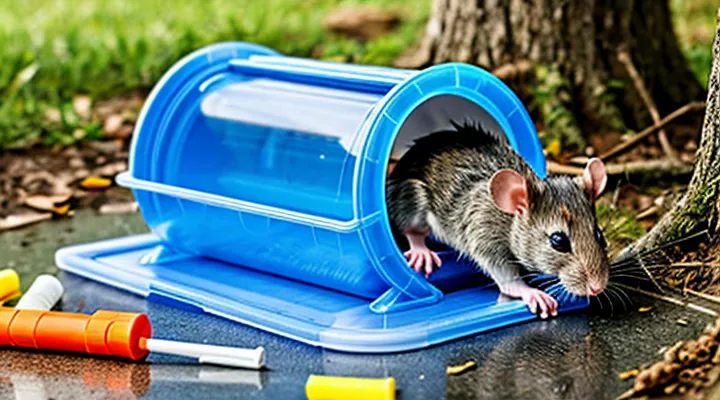
Understanding the Problem: Why Build Your Own Rat Trap?
The Need for Pest Control
Effective pest management protects health, safeguards property, and preserves food supplies. Rodent activity introduces pathogens such as leptospirosis and hantavirus, contaminates surfaces, and gnaws electrical wiring, creating fire hazards. Structural damage escalates when infestations remain unchecked, leading to costly repairs.
Implementing control measures reduces population growth, limits breeding cycles, and eliminates access to shelter. Simple interventions, including traps fashioned from repurposed containers, interrupt the rodents’ access to food and nesting sites. The plastic‑bottle trap offers a low‑cost, environmentally friendly option that can be deployed quickly in kitchens, basements, or storage areas.
Key reasons for adopting pest control:
- Prevention of disease transmission to humans and pets.
- Protection of structural integrity by stopping gnawing damage.
- Reduction of food waste through early capture of foraging rodents.
- Decrease of odor and contamination associated with droppings.
- Promotion of a sanitary environment, supporting compliance with health regulations.
Integrating a homemade bottle trap into an overall pest‑management plan enhances effectiveness while minimizing reliance on chemical agents. Regular monitoring and timely disposal of captured rodents sustain the benefits of the control effort.
Environmental and Cost-Effective Solutions
Using discarded PET bottles to construct a rodent trap provides a dual benefit: it diverts plastic waste from landfills and eliminates the expense of commercial devices.
Repurposing a single‑use container reduces the volume of non‑biodegradable material that would otherwise enter the waste stream. The process requires no additional raw resources, thereby lowering the overall carbon footprint associated with manufacturing and transportation of conventional traps.
The financial advantage stems from the fact that the primary component is sourced free of charge. Required tools—such as a cutter, a drill or a heated nail—are common household items, further minimizing out‑of‑pocket costs. Maintenance involves only occasional cleaning, extending the service life without recurring purchases.
Key environmental and economic outcomes include:
- Elimination of plastic bottle disposal; each trap reclaims a bottle that would otherwise contribute to pollution.
- Reduction of consumer spending; the trap’s material cost approaches zero.
- Decrease in demand for plastic production; fewer new traps mean lower energy consumption in manufacturing.
Adopting this approach aligns pest control with sustainable practice, delivering effective rodent management while preserving resources and budget.
Gathering Your Materials
Essential Tools and Components
The Plastic Bottle: Selection Criteria
Choosing an appropriate plastic bottle determines the trap’s durability, effectiveness, and ease of construction. Opt for a container made from high‑density polyethylene (HDPE) or polyethylene terephthalate (PET) because these materials resist cracking under the pressure exerted by a rodent and withstand exposure to moisture. A clear or lightly tinted bottle allows visual monitoring of bait placement and trap activity without opening the device.
Key dimensions influence functionality. Select a bottle with a capacity of 500 ml to 1 l; this size provides sufficient interior volume for a funnel and bait while remaining manageable for handling and placement. The neck should be long enough to accommodate a cut‑off section that serves as a guiding chute, typically at least 5 cm in length. Ensure the opening is wide enough (minimum 3 cm) to allow the rat to enter without obstruction.
Criteria checklist:
- Material: HDPE or PET, free of cracks or scratches
- Capacity: 500 ml – 1 l
- Neck length: ≥ 5 cm for chute formation
- Opening diameter: ≥ 3 cm
- Transparency: clear or lightly tinted for observation
- Structural integrity: no deformation after cleaning or reuse
Adhering to these specifications yields a reliable, reusable trap that functions consistently under varied indoor conditions.
Bait: What Attracts Rats?
Bait selection determines the success of a plastic‑bottle rodent trap. Rats are attracted to strong, aromatic substances that signal food availability.
- Peanut butter: high fat content, strong scent, adheres to trap surfaces.
- Seeds and nuts: natural diet components, emit nutty odor.
- Dried fruit: sweetness and moisture appeal to omnivorous habits.
- Cooked meat or fish scraps: protein source, potent smell, especially effective in colder periods.
- Cheese: classic attractant, emits volatile compounds detectable at distance.
Prepare bait by applying a thin layer of the chosen substance to the interior edge of the bottle opening. Ensure the amount is sufficient to maintain scent but not so large that it blocks entry. Secure the bait with a small piece of cardboard or cloth if necessary to prevent spillage. Position the trap where rat activity is observed; the odor will guide rodents toward the entrance and trigger the mechanism.
Step-by-Step Construction Guide
Preparing the Plastic Bottle
Cutting and Shaping Techniques
Creating a functional rodent catcher from a disposable container depends on precise cutting and accurate shaping. Sharp edges must be removed to prevent injury, and dimensions should match the target species’ size.
- Use a clean, empty plastic bottle of 1‑liter capacity.
- Apply a permanent marker to outline the desired funnel shape, typically a cone with a 2‑inch opening at the narrow end.
- Cut along the marked line with a sturdy scissors or a utility knife, keeping the blade perpendicular to the surface to produce a clean edge.
- Trim excess material from the wider end to form a smooth, gradual slope that guides the animal toward the entry point.
- Smooth the cut edges with sandpaper or a nail file, eliminating burrs that could hinder movement.
A drill or heated metal rod creates a circular hole at the narrow tip, sized to the animal’s head. The hole should be centered and smooth, allowing entry without resistance. After drilling, enlarge the opening slightly with a round file to ensure unobstructed passage.
The final step involves folding the cut section inward to form a one‑way gate. Align the edges so that the funnel directs movement inward while preventing escape. Secure the seam with strong adhesive tape or a zip tie, ensuring the joint remains airtight.
All modifications must be performed on a stable surface, with the bottle held firmly to avoid slipping. Protective gloves reduce the risk of cuts, and eye protection guards against debris. The resulting device, once baited, operates as a reliable «rat trap» constructed entirely from recyclable material.
Assembling the Trap Mechanism
Creating the Trigger System
The trigger mechanism converts the rat’s movement into a rapid release of the bottle’s opening, ensuring a swift capture. A simple lever‑and‑pin assembly provides reliable operation while using only materials found in most households.
- Cut a 2‑inch section from the bottle’s neck; retain the curved shape to serve as a hinge point.
- Insert a sturdy pin (e.g., a metal paperclip) through the cut section, allowing the neck to pivot upward when pressure is applied.
- Attach a thin strip of plastic or cardboard to the opposite side of the neck, forming a latch that holds the bottle closed under normal conditions.
- Position a bait platform on the interior base, aligning it with the latch so that the rat’s weight forces the latch downward, releasing the pivot and collapsing the neck.
- Secure the pin with a small piece of tape to prevent accidental disengagement while preserving smooth movement.
Testing the assembly with a light weight confirms that the latch yields only under sufficient pressure, guaranteeing that only a rodent triggers the trap. Adjust the latch tension by moving the pin slightly upward or downward until the desired sensitivity is achieved.
Securing Components
Securing the components of a homemade rodent trap requires firm attachment, precise alignment, and durability to withstand repeated activation. Begin by cutting the plastic bottle cleanly at the midpoint; a sharp utility knife or scissors ensures a smooth edge that will not tear under tension. Reinforce the cut edge with a strip of duct tape, wrapping it tightly to prevent fraying and to provide a stable base for subsequent connections.
Attach a sturdy wire or strong fishing line to the bottle’s upper segment, forming a trigger mechanism. Pass the wire through a small puncture near the bottle’s neck, then knot it securely using a double‑overhand knot. Pull the knot tight against the bottle wall, and seal the puncture with a dab of hot glue to eliminate any slack that could cause premature release.
The bait compartment must remain fixed while allowing easy access. Construct a small cage from a second bottle fragment, securing it to the main trap with zip ties. Tighten the ties until the cage is immobile, then trim excess length to avoid interference with the trigger arm.
Finally, test the assembly by applying gentle pressure to the trigger arm. The arm should snap back instantly when released, propelling the bottle’s top portion downward to trap the rodent. If any movement is detected in the connections, reinforce with additional tape or replace the compromised component before deployment.
Setting Up and Deploying Your Trap
Choosing the Right Location
Identifying Rat Habitats
Rats prefer environments that provide shelter, food, and water. Identifying these areas is essential for placing a plastic‑bottle trap where it will encounter the greatest activity.
Typical rat habitats include:
- Burrows or nests in wall voids, under floorboards, and inside crawl spaces.
- Accumulations of debris such as piles of cardboard, paper, or shredded insulation.
- Areas near garbage containers, compost bins, and pet feeding stations.
- Moist locations like leaky pipes, damp basements, and sewer access points.
- Outdoor structures offering concealment, for example, sheds, decks, and dense vegetation.
Survey each potential site for signs such as droppings, gnaw marks, and distinct odor. Prioritize locations that combine shelter with readily available food sources, then position the bottle trap at entry points or along established runways. Continuous monitoring of identified habitats enhances trap effectiveness and reduces the likelihood of reinfestation.
Baiting and Activation
Effective bait selection determines trap success. Choose highly aromatic, protein‑rich foods such as peanut butter, dried fish, or small pieces of cheese. Apply a thin layer to the interior lip of the bottle opening, ensuring the scent permeates the surrounding area without excess that could be smeared on the trap’s exterior. Secure bait with a small piece of cloth or dental floss to prevent premature removal by non‑target animals.
Activation relies on a simple mechanical trigger. Follow these steps:
- Cut the bottle near its base to create a stable platform; retain the upper section as a funnel.
- Invert the upper section and insert it into the lower half, forming a one‑way entrance that collapses when a rat enters.
- Position a thin wooden stick or stiff wire beneath the funnel, supporting the inverted cap at a slight angle.
- Load the baited funnel, then gently release the supporting stick. The weight of the rat forces the funnel downward, sealing the entrance and trapping the rodent inside the lower chamber.
Regularly inspect the trap, replace bait as scent diminishes, and reset the trigger after each capture to maintain consistent performance.
Safety Precautions and Ethical Considerations
When converting a PET bottle into a rodent capture device, protect the operator and surrounding environment. Wear cut‑resistant gloves to prevent injury from the bottle’s jagged edges. Use safety glasses to shield eyes from accidental splinters. Secure the trap on a stable surface; unstable placement can cause the apparatus to collapse, harming nearby individuals. Keep the construction area free of children, domestic animals, and unrelated wildlife. Avoid chemicals that could irritate skin or respiratory passages; opt for clean water and mild soap when cleaning the bottle. Dispose of any broken plastic fragments in a sealed container to eliminate sharp hazards.
Ethical practice requires minimizing animal distress and complying with local wildlife regulations. Design the mechanism to capture without inflicting lethal injuries; smooth interior surfaces reduce the risk of crushing. Release captured rodents at a distance sufficient to prevent re‑entry into the original location, preferably in a natural habitat where survival prospects are favorable. Document the release site to ensure accountability. If local law prohibits the release of certain species, arrange for humane euthanasia by a licensed professional. Regularly inspect the trap for signs of injury or stress and discontinue use if humane standards cannot be maintained.