
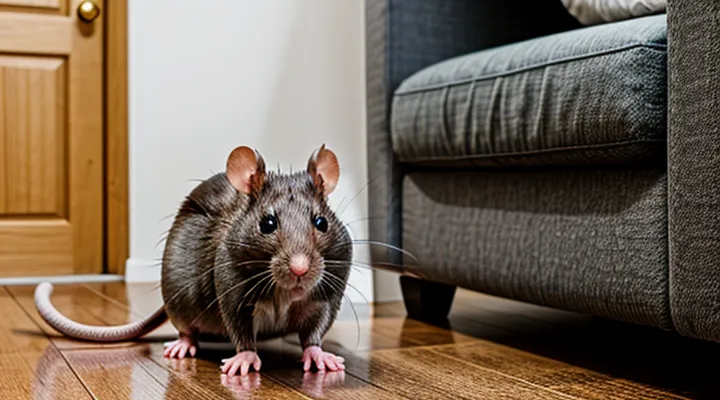
Understanding Rat Behavior and Signs
Recognizing Common Rat Indicators
Sounds of Rats
Rats announce their presence chiefly through sound. Recognizing these acoustic signals narrows the search area and confirms activity without visual confirmation.
- «scratching» on walls, ceilings or floor joists, especially behind appliances or within insulation;
- «squeaking» or high‑pitched vocalizations, often heard during nocturnal activity;
- «gnawing» on wood, plastic or wiring, producing intermittent, sharp noises;
- «scurrying» across hard surfaces, characterized by rapid, light footfalls;
- «chattering» between individuals, a series of short, repetitive clicks.
The intensity of these sounds increases after dusk and before sunrise, aligning with rats’ crepuscular habits. Concentrate listening efforts in concealed spaces: behind refrigerators, under sinks, within crawl spaces and attic corners. Warm, humid areas attract nesting, thus amplify acoustic output.
Detection tools include handheld digital recorders set to capture low‑frequency vibrations, ultrasonic detectors tuned to rodent vocal ranges, and contact microphones attached to structural elements. Analyzing recorded patterns distinguishes rat activity from other household noises, enabling precise localization.
Droppings and Urine Stains
Droppings provide the most immediate visual cue of rodent activity. Typical size ranges from ¼ to ½ inch, dark brown to black, with a tapered end. Fresh pellets appear moist and may emit a faint, musky odor; older specimens become dry and crumbly. Concentrations are often found along walls, behind appliances, and in concealed corners, reflecting the animal’s habit of traveling close to vertical surfaces.
Urine stains complement droppings as a secondary indicator. Fresh urine leaves a glossy, damp patch that darkens with oxidation. Over time, the area develops a yellow‑brown discoloration and a persistent ammonia‑like smell. Stains frequently appear on baseboards, beneath sinks, and on the underside of furniture, where rodents pass repeatedly.
Key identification steps:
- Inspect low‑lying horizontal surfaces for clusters of droppings; note size, color, and moisture.
- Scan for wet or discolored patches that correspond to urine; use a flashlight to reveal sheen.
- Track the linear arrangement of deposits; a straight line suggests a travel route, while scattered clusters indicate nesting zones.
- Employ a blacklight; rodent urine fluoresces faintly, confirming the presence of invisible residues.
Cleaning recommendations:
- Wear disposable gloves and a mask; avoid direct skin contact with waste.
- Remove droppings with a damp paper towel; discard in a sealed bag.
- Apply an enzymatic cleaner to urine stains; allow sufficient dwell time to break down odor‑causing compounds.
- Ventilate the area thoroughly after treatment to disperse residual smells.
Accurate interpretation of droppings and urine stains narrows the search zone, enabling targeted inspection and effective control measures.
Gnaw Marks and Damage
Gnaw marks provide concrete evidence of rodent activity. Rats bite through materials to sharpen incisors, leaving distinctive patterns that differ from those of other pests. Typical signs include:
- Parallel, crescent‑shaped gnawing on wooden beams, baseboards, or furniture legs; depth usually reaches 2–3 mm.
- Clean, round holes in plastic containers, cables, or PVC piping, often surrounded by frayed edges.
- Chewed insulation or wiring, exposing copper strands or foam, indicating a preference for nesting sites with easy access to food and shelter.
Damage extends beyond visible bites. Rats frequently pull apart cardboard boxes, shred paper, and create tunnels behind appliances. Look for displaced tiles, loosened floorboards, or compromised structural joints, especially in dark, concealed areas such as closets, crawl spaces, and beneath sinks. Accumulated droppings near gnawed surfaces reinforce the presence of an active infestation.
Correlating gnaw marks with other indicators—nocturnal scratching sounds, greasy smears along walls, and unexplained electrical malfunctions—narrows the search zone. Prioritizing inspection of locations where gnawing aligns with food sources and water supplies maximizes the likelihood of confirming a rodent’s whereabouts.
Nests and Burrows
Rats create nests and burrows that serve as primary evidence of their presence in a residence. A nest (« nest ») consists of shredded material such as paper, fabric, insulation, or food scraps, compacted into a sheltered pocket. A burrow (« burrow ») is a tunnel or cavity excavated in walls, floors, or structural voids, often extending behind appliances or under cabinets.
Common locations for these structures include wall cavities behind baseboards, gaps around pipe penetrations, the space beneath kitchen appliances, and the insulation within ceiling panels. Structural features that provide concealment, such as loose drywall, unused storage areas, and crawl spaces, frequently host both nests and burrows.
Observable indicators of nest or burrow activity:
- Accumulation of shredded debris in hidden corners;
- Small piles of droppings near suspected entry points;
- Gnaw marks on wiring, wood, or plastic surfaces;
- Strong, musky odor emanating from confined spaces;
- Presence of tracks in dusty or undisturbed areas.
To pinpoint the exact site, follow these steps:
- Conduct a systematic visual inspection of all potential concealment zones, focusing on the areas listed above.
- Use a flashlight to illuminate dark crevices and detect subtle signs such as droppings or urine stains.
- Apply a non‑toxic tracking powder at suspected entry points; observe for footprints after a short interval.
- Deploy a motion‑activated camera or a passive infrared sensor near identified activity zones to capture nocturnal movement.
- Document findings and mark confirmed locations for targeted remediation.
Unusual Pet Behavior
Unusual pet behavior often provides the earliest indication of a rodent presence within a dwelling. Cats may exhibit heightened alertness, pausing mid‑walk to stare at an invisible point, or may crouch and pounce without obvious stimulus. Dogs might bark persistently at a specific wall, floorboard, or ceiling panel, then resume normal activity once the sound ceases. Small mammals, such as ferrets, can display sudden agitation, rapid pacing, or attempts to escape through cracks that were previously ignored.
Key observations that correlate with rodent activity include:
- Repeated focus on a single location, especially near baseboards, cabinets, or behind appliances.
- Unexplained scratching or digging noises emanating from walls or ceilings.
- Sudden changes in feeding patterns, such as a pet refusing food placed near suspected entry points.
- Increased scent‑marking or urination in confined areas, indicating stress or territorial response.
These behaviors arise because rodents emit subtle sounds, scents, and movements that trigger innate predatory or defensive instincts. Pets reacting to these cues often do so before human occupants notice any physical evidence such as droppings or gnaw marks.
Monitoring animal responses allows occupants to narrow the search area, inspect potential entry points, and implement targeted control measures without extensive disruption of the living space.
Initial Assessment and Inspection
Visual Inspection Areas
Kitchen and Food Storage Areas
The kitchen provides the most attractive resources for a rodent, making it the primary area to examine when tracking a rat in a residence.
Visible indicators of activity include:
- «droppings» on countertops, shelves, or behind appliances;
- «gnaw marks» on packaging, wiring, or wood surfaces;
- shredded food containers or spilled crumbs;
- faint rustling sounds from walls or ceiling voids;
- greasy trails leading from entry points to food storage zones.
Inspection should focus on all storage locations: pantry shelves, refrigerator seals, freezer drawers, and cabinets. Remove items from the floor and examine the underside of shelves for droppings or urine stains. Verify that all food is sealed in airtight containers; bulk items stored in open bags or cardboard boxes attract foraging behavior.
Sanitation measures that reduce attractants comprise:
- Immediate cleanup of spills and crumbs;
- Regular disposal of waste in tightly fitting trash cans;
- Routine rotation of pantry stock to prevent long‑term exposure;
- Sealing gaps around pipes, vents, and baseboards with steel wool or caulk;
- Placement of snap traps or electronic bait stations along identified pathways, ensuring they are positioned away from food preparation surfaces.
Consistent monitoring of these zones, combined with prompt removal of identified signs, limits the likelihood of a rat establishing a foothold within the kitchen and adjacent storage areas.
Basements and Attics
Basements often provide rats with shelter, easy access to plumbing, and routes to the rest of the building. Look for signs such as gnaw marks on wooden beams, droppings near pipe joints, and greasy tracks along walls. Inspect utility shafts, crawl spaces, and any gaps around foundation walls; seal openings larger than a quarter‑inch to prevent entry.
Attics can serve as secondary pathways, especially when insulation creates warm, hidden corridors. Examine insulation for shredded material, small holes near roof vents, and droppings on rafters. Pay attention to attic ladders and access doors; reinforce them with metal flashing or hardware cloth to block movement.
Key actions for both areas:
- Conduct a visual sweep during low‑light conditions to reveal rodent activity.
- Use a flashlight to trace droppings back to potential nesting sites.
- Place snap traps or live‑catch devices along identified runways, positioning them perpendicular to walls.
- Apply rodent‑resistant sealants to cracks around conduit, wiring, and vent openings.
- Schedule regular inspections, especially after seasonal changes that may drive rats to seek new shelter.
By systematically evaluating basements and attics, potential hideouts become evident, enabling swift and effective control measures.
Walls and Ceilings
Walls and ceilings often conceal the pathways rodents use to move between rooms. Small gaps around pipes, vents, and electrical outlets provide entry points, while insulation material offers nesting sites. Inspecting these surfaces reveals the most likely locations of activity.
Typical indicators of a rodent presence in these areas include:
- Gnaw marks on wooden frames or plaster
- Droppings lodged in corners or on top of ceiling tiles
- Streaks of urine or oily residue along walls
- Scratching sounds heard through the ceiling during quiet periods
- Nest material such as shredded paper or fabric hidden in insulation
Effective inspection methods consist of:
- Removing outlet covers and examining the interior for fresh droppings or chew damage
- Using a flashlight to scan for dark spots or burrows within wall cavities
- Deploying a motion‑activated camera in concealed spaces to capture nocturnal activity
- Sealing identified gaps with steel wool and caulking to prevent further intrusion
Addressing these findings promptly reduces the risk of infestation spreading throughout the dwelling. Regular monitoring of walls and ceilings maintains a rodent‑free environment.
Utility Rooms and Pipes
Utility rooms provide easy access to food storage, water sources, and concealed pathways, making them prime locations for rodent activity. Pipe cavities, especially those that run through bathrooms, kitchens, and basement areas, offer shelter and travel routes that are difficult to detect without systematic examination.
Inspecting these areas requires a methodical approach. Begin by removing all items from closets, laundry rooms, and storage spaces to expose concealed corners. Use a flashlight to trace the interior of exposed pipe sections, paying particular attention to joints, insulation, and any gaps where walls meet the floor. Look for fresh gnaw marks, droppings, or oily smears that indicate recent movement.
Key signs of infestation include:
- Small, dark pellets roughly the size of rice grains
- Grease‑like tracks along walls or pipe surfaces
- Freshly chewed insulation or wiring
- Audible scratching or scurrying sounds, especially at night
Preventive actions focus on eliminating entry points and reducing attractants. Seal gaps around pipe penetrations with steel wool and caulking, install metal mesh over vent openings, and keep utility rooms free of spilled food or water. Regularly clean behind appliances and maintain proper drainage to discourage moisture accumulation, which attracts rodents.
Utilizing Sensory Clues
Smells Indicating Presence
Rats emit distinct odors that can reveal their presence within a dwelling. Recognizing these scents accelerates identification and facilitates targeted control measures.
Key odors associated with rodent activity include:
- «Ammonia‑like» scent originating from urine deposits, especially near hidden pathways, food storage areas, or wall voids.
- «Rotten» or “fishy” smell produced by decomposing food scraps, waste, or carrion left by unattended kills.
- «Musky», oily fragrance emitted by glandular secretions used for territorial marking, often detectable on surfaces such as baseboards, behind appliances, or inside cabinets.
- «Sweet», fermented aroma resulting from moldy grain, fruit, or sugary residues that attract foraging rodents.
Persistent detection of any listed odor warrants immediate inspection of adjacent structures. Follow visual cues such as droppings, gnaw marks, or nesting material to locate activity hubs. Implement sealing of entry points, removal of food sources, and deployment of traps or bait stations at identified locations. Continuous monitoring of odor intensity assists in evaluating the effectiveness of interventions and determining whether additional measures are required.
Observing Movement Patterns
Observing the movement patterns of a rodent provides reliable clues for pinpointing its location within a residential unit. Rodents travel along established routes that connect food sources, water, and nesting sites, typically favoring concealed pathways close to walls, behind appliances, and within ceiling voids. Tracking these routes reveals the most frequented areas and narrows the search zone.
Key indicators of activity include:
- Fresh droppings aligned in linear patterns along baseboards or behind cabinets.
- Gnaw marks on insulation, wiring, or structural wood, especially where surfaces exhibit fresh bite edges.
- Small footprints or tail marks on dusty surfaces, visible after disturbance.
- Accumulated shredded material, such as paper or fabric, gathered near potential nest sites.
Timing of observations enhances accuracy. Rodents are predominantly nocturnal; increased movement occurs during evening hours, when ambient noise diminishes. Placing motion‑activated cameras or infrared sensors near suspected pathways records activity without direct interference. Continuous monitoring over several nights establishes a consistent pattern, confirming the primary travel corridor.
Once the main route is identified, focus inspection on junction points where the path intersects structural openings—vent shafts, pipe penetrations, and gaps beneath doors. Sealing these entry points and setting traps along the confirmed corridor maximizes the likelihood of capture while minimizing disturbance to the surrounding environment.
Strategic Search Techniques
Setting Up Detection Points
Dusting Powder for Tracks
Dusting powder, also known as tracking powder, provides a reliable method for confirming rodent presence in a residential unit. The fine, non‑toxic particles cling to the fur and paws of a rat, leaving a visible trail that can be examined after a short interval.
Application begins with identifying suspected pathways: gaps under doors, along baseboards, behind appliances, and near food storage areas. A thin layer of powder should be evenly spread across these routes, avoiding excessive accumulation that could deter the animal. After placement, allow a period of 30 minutes to several hours, depending on activity levels, before inspecting the surface for footprints or smears. The powder’s contrasting color makes tracks readily apparent, even under low‑light conditions.
Key considerations for effective use:
- Choose a powder formulated for indoor use, free of strong odors that might repel the target.
- Apply in a discreet line, approximately 1 cm wide, to maintain normal traffic flow.
- Record observations promptly; footprints fade as the powder is disturbed.
- Replace the powder after each inspection cycle to ensure fresh evidence.
Safety guidelines include wearing gloves during application, keeping the product away from children and pets, and storing it in a sealed container to prevent moisture absorption. When combined with other detection tools such as motion‑activated cameras, dusting powder enhances the accuracy of locating a hidden rat within an apartment.
Placing Non-Toxic Baits
Placing non‑toxic baits is a critical component of a systematic approach to detecting rodent activity in a residence. Effective bait deployment reduces the likelihood of false negatives and provides clear evidence of presence.
Select baits formulated from natural ingredients such as peanut butter, dried fruit, or grain mixtures. Ensure the product is labeled as safe for humans and pets, and verify that the active components do not contain anticoagulants or other hazardous substances.
Position baits according to the following guidelines:
- Locate near suspected travel routes: behind appliances, within wall voids, and along baseboards where droppings have been observed.
- Place at a height of 2–4 cm above the floor to accommodate the typical foraging posture of rats.
- Secure each bait on a small platform or in a shallow dish to prevent displacement by cleaning activities.
- Space individual bait stations at intervals of 1–2 m to cover the entire area of interest without excessive overlap.
Monitor bait stations daily. Record any removal or disturbance of bait, noting the time and location. Replace depleted baits promptly to maintain continuous coverage.
When bait removal is confirmed, document the evidence with photographs or written notes. This information supports subsequent steps, such as targeted trapping or professional pest‑control intervention, and provides a verifiable record of rodent presence.
Using Glue Boards (Ethical Considerations)
Glue boards provide a rapid method for confirming rodent activity within a flat. Their adhesive surface captures a rat that steps onto the trap, allowing immediate visual confirmation of presence and location.
Ethical considerations require careful assessment before deployment:
- Potential for severe distress: adhesive restraint can cause prolonged suffering, skin tearing, and respiratory impairment.
- Non‑target capture: insects, small reptiles, or pets may become incidental victims, raising broader animal‑welfare concerns.
- Disposal requirements: trapped animals must be euthanized humanely, following local veterinary guidelines, to avoid prolonged agony.
- Legal restrictions: several jurisdictions classify glue traps as inhumane, limiting or prohibiting their sale and use.
«The use of glue traps raises significant welfare issues», notes a recent pest‑control policy review. Compliance with humane‑pest‑management standards often favors live‑capture cages, bait stations, or exclusion techniques that prevent entry without inflicting pain. When glue boards are deemed unavoidable, select models with quick‑release mechanisms, monitor traps frequently, and document all captures to ensure responsible handling.
Advanced Detection Tools
Infrared Cameras
Infrared cameras provide a reliable method for identifying rodent presence within a living space. These devices capture thermal emissions, allowing visibility of heat sources that are invisible to the naked eye.
The technology records temperature differences as a grayscale or color map. A rat’s body temperature, typically around 37 °C, creates a distinct hotspot against cooler surfaces such as walls, floors, and furniture. Night vision is unnecessary because the camera relies on emitted heat rather than ambient light.
Effective deployment follows a simple sequence:
- Position the camera at entry points, along baseboards, and near suspected burrowing locations.
- Activate the device and allow a brief warm‑up period for sensor stabilization.
- Scan each area slowly, observing for isolated hotspots that match the size and shape of a small mammal.
- Record the footage or take still images for later analysis and verification.
Key benefits include non‑invasive observation, immediate visual confirmation, and the ability to monitor activity over extended periods without disturbance. Limitations involve reduced detection through solid walls and potential false positives from heating appliances; careful interpretation mitigates these issues.
Endoscope Cameras
Endoscope cameras provide a direct visual solution for inspecting concealed spaces where a rodent may hide. The slim, flexible tube can be inserted through wall gaps, floorboard openings, or pipe access points, delivering real‑time images to a handheld monitor or smartphone. This method eliminates guesswork and reduces the need for invasive demolition.
Key advantages include:
- Ability to navigate bends and corners up to 180 degrees, reaching areas inaccessible to traditional flashlights.
- High‑resolution illumination from built‑in LEDs, revealing fur, droppings, or gnaw marks.
- Recording capability for documentation and subsequent analysis by pest‑control professionals.
When deploying an endoscope camera, follow these steps:
- Identify potential entry points such as ventilation ducts, utility shafts, and baseboard gaps.
- Insert the camera gently, advancing until resistance is felt or a suspect area appears on the screen.
- Observe for signs of activity—movement, nesting material, or fresh excrement.
- Mark the location for targeted treatment or trap placement.
Selection criteria for an effective device involve a diameter of 5–10 mm, a minimum viewing angle of 120 degrees, and a cable length of at least 5 meters to reach deep interior sections. Battery life should support at least 30 minutes of continuous operation to avoid interruptions during inspection.
Integrating endoscope cameras into the detection process accelerates identification, minimizes property damage, and supports precise intervention, thereby improving overall pest‑management outcomes.
Acoustic Detectors
Acoustic detectors capture the ultrasonic vocalizations and foot‑step vibrations produced by rodents, allowing precise identification of active zones within a dwelling. Sensors placed near walls, ceiling junctions, and concealed entry points record frequencies beyond human hearing, then convert them into audible alerts or visual indicators that pinpoint the source of activity.
Key characteristics of effective acoustic monitoring equipment:
- Frequency range covering 20 kHz–80 kHz, matching typical rat vocalizations.
- Real‑time signal processing that filters background noise and isolates rodent‑specific patterns.
- Battery‑operated or mains‑powered options for flexible installation in kitchens, basements, and storage closets.
- Integration with mobile applications that log detection events, display heat‑map overlays of activity, and trigger automated alerts.
Proper deployment involves positioning detectors at least 30 cm from potential nesting sites, ensuring unobstructed line of sight to structural cavities, and calibrating sensitivity to avoid false positives from pets or HVAC systems. Continuous monitoring over several days yields a reliable activity profile, enabling targeted intervention and verification of control measures.
Identifying Entry Points
Exterior Inspection
Cracks in Foundation
Cracks in the building’s foundation often serve as entry points and travel routes for rodents. Detecting such fissures helps pinpoint areas where a rat may have infiltrated the living space. Visible gaps, especially near walls, utility lines, or floor joists, indicate structural weaknesses that pests exploit.
Key indicators related to foundation cracks:
- Horizontal or vertical openings larger than ¼ inch, providing sufficient clearance for a rat’s body.
- Moisture stains or discoloration around cracks, suggesting repeated traffic and droppings.
- Accumulation of gnaw marks or shredded material at the base of a fissure.
- Presence of fresh droppings or urine scent near the crack, confirming recent activity.
Addressing these vulnerabilities involves sealing openings with appropriate materials such as steel wool, cement-based filler, or metal flashing. Regular inspection of the foundation, combined with prompt repair, reduces the likelihood of rodent intrusion and limits the need for extensive pest control measures.
Gaps Around Doors and Windows
When searching for rodent activity in a flat, gaps around doors and windows constitute primary entry points. Small openings allow rats to slip inside unnoticed, especially during night hours when building vibrations are minimal.
Key dimensions to assess:
- Gaps larger than 6 mm (¼ in) can accommodate adult rats.
- Spaces around door frames often exceed 10 mm due to wear or misalignment.
- Window sills may have cracks up to 5 mm, providing access for juveniles.
- Weather‑stripping deterioration creates intermittent openings that expand with temperature changes.
Inspection techniques:
- Use a thin ruler or feeler gauge to measure each opening.
- Conduct visual checks in low‑light conditions; rat footprints and droppings frequently appear near these gaps.
- Employ a flashlight to illuminate the underside of doors and the interior side of window frames.
- Perform a “smoke test” by briefly releasing non‑toxic smoke near suspected gaps; movement indicates airflow through openings.
Sealing recommendations:
- Install steel wool or copper mesh into gaps larger than 6 mm before applying sealant.
- Apply high‑quality silicone or acrylic caulk around door thresholds and window perimeters.
- Replace worn weather‑stripping with compression‑type seals that compress fully when the door or window closes.
- Fit door sweeps that extend at least 15 mm beyond the threshold to block ground‑level entry.
Regular maintenance of door and window seals reduces the likelihood of rat intrusion and simplifies subsequent detection efforts.
Utility Line Openings
Utility line openings, such as gaps around electrical conduits, plumbing pipes, and cable trays, often serve as concealed pathways for rodents seeking shelter and food. These apertures are typically small enough to escape casual observation yet large enough for a rat to pass through, making them critical focus points during a rodent‑detection survey.
Inspection of utility line openings proceeds as follows:
- Visual examination of all exposed conduit sections, looking for gnaw marks, droppings, or nesting material near the entry points.
- Use of a flashlight to illuminate dark corners behind cabinets, under sinks, and within utility closets, revealing fresh chew damage or urine stains.
- Application of a non‑toxic tracking powder at suspected gaps; movement of the powder indicates recent rodent traffic.
- Installation of motion‑sensitive cameras aimed at high‑risk openings to capture activity during nocturnal hours.
When an opening is identified, sealing it promptly reduces the likelihood of further intrusion. Recommended sealing methods include:
- Insertion of steel wool into narrow gaps, followed by application of expanding foam to block larger spaces.
- Use of metal flashing or conduit sleeves to encase exposed pipe sections, ensuring a continuous barrier.
- Replacement of damaged conduit with rigid PVC or metal conduit that resists chewing.
Regular maintenance of utility line integrity, combined with systematic inspection, enhances the ability to locate and eliminate rat presence within an apartment environment.
Damaged Vents and Screens
Damaged vents and screens often serve as entry points or hideouts for rodents, making them critical indicators when searching for a rat inside a dwelling. Cracks, torn mesh, or broken flaps provide unobstructed access to hidden cavities where a rodent can travel unnoticed. Inspecting each vent and screen reveals the condition of the surrounding structure; signs such as gnaw marks, droppings, or shredded insulation confirm activity.
Key inspection steps:
- Examine vent covers for loose screws, bent frames, or missing sections; repair or replace to eliminate gaps.
- Lift screens to check for tears or holes; reinforce with wire mesh or replace entirely.
- Look inside ducts for nesting material, urine stains, or fresh feces; use a flashlight to reach concealed areas.
- Trace any odor of ammonia or strong musk back to compromised vent locations; follow the scent to pinpoint the source.
Addressing these deficiencies not only blocks further infiltration but also narrows the search zone, allowing targeted placement of traps or monitoring devices. Prompt restoration of vent integrity reduces the likelihood of re‑entry and facilitates effective rodent control.
Interior Entry Points
Holes Around Pipes
Rats use gaps around plumbing as direct pathways into living spaces. Small openings, often overlooked during routine maintenance, provide shelter and easy access to food sources.
Typical locations include:
- Junctions where water supply lines enter walls
- Drainpipe penetrations beneath sinks and bathtubs
- Sewer pipe exits in basement or crawl‑space areas
- Utility chases that house multiple pipes side by side
Inspection procedure:
- Turn off water supply, remove access panels, and examine pipe sleeves for visible cracks or misalignment.
- Use a flashlight to trace the interior of each pipe run, looking for gnaw marks, droppings, or fresh urine stains.
- Apply a thin sheet of paper or dust around suspected gaps; movement will reveal disturbed particles.
Sealing recommendations:
- Install steel wool or copper mesh into gaps no larger than ¼ inch before applying sealant.
- Use expanding polyurethane foam specifically rated for pest control to fill irregular spaces.
- Fit rubber grommets or pipe collars around protruding sections to create a continuous barrier.
Monitoring:
- Place snap traps or electronic bait stations adjacent to sealed openings for a minimum of three nights.
- Re‑inspect sealed areas weekly; replace damaged material promptly to prevent re‑entry.
Effective closure of pipe‑related holes eliminates a primary conduit for rodent intrusion and simplifies subsequent detection efforts. «Rats exploit any opening, however small».
Gaps in Flooring
Gaps in flooring provide direct pathways for rodents to travel between rooms and to access hidden food sources. Small openings, often unnoticed beneath baseboards or around vent covers, allow a rat to move silently and remain undetected.
Inspecting the floor surface reveals several critical indicators:
- Visible cracks larger than ¼ inch, especially near walls or door frames.
- Loose planks or tiles that can be lifted with minimal pressure.
- Spaces around pipe penetrations where the pipe meets the floor, frequently left unsealed during construction.
- Gaps beneath sliding doors or pet doors, which may serve as entry points from outdoor areas.
Measuring the width of each opening with a ruler or a flexible gauge helps determine suitability for rat passage. Rat bodies can compress to approximately 0.5 inch in diameter; any gap exceeding this dimension constitutes a viable route.
Sealing methods must match the material of the floor:
- For wooden subfloors, apply expanding polyurethane foam followed by a wood‑compatible filler.
- For concrete slabs, use hydraulic cement or epoxy sealant to fill larger cracks.
- For tiled areas, replace damaged tiles and grout, ensuring a tight seal around the edges.
Regular monitoring after repairs includes placing a thin piece of cardboard over previously sealed gaps. If the cardboard shows chew marks or displacement, additional reinforcement may be required. Continuous vigilance of flooring integrity significantly reduces the likelihood of rodent movement within the apartment.
Spaces Behind Appliances
Spaces behind appliances constitute common concealment points for rodents within residential units. Limited clearance, warmth, and access to food residues create an environment conducive to rat activity. Typical targets include the refrigerator, stove, dishwasher, and washing machine, each offering a narrow gap that may extend several feet behind the unit.
Evidence of rodent presence in these zones appears as droppings, gnaw marks on wiring or plastic, grease smears, and faint rustling sounds at night. Fresh droppings are dark, pellet‑shaped, and may be found on the floor, on the appliance’s rear panel, or on adjacent walls. Gnawing often concentrates on flexible cords and insulation.
Systematic inspection proceeds as follows:
- Disconnect power to the appliance before moving it, reducing risk of electric shock.
- Slide the unit away from the wall using a sturdy dolly or furniture sliders; maintain a clear path to avoid damage.
- Examine the exposed rear surface for droppings, urine stains, and gnaw evidence.
- Probe gaps with a flashlight and a thin, flexible mirror to detect activity in hard‑to‑see corners.
- Record findings, noting locations of damage and signs of recent presence.
After identification, seal openings with steel wool, metal mesh, or silicone caulk to prevent re‑entry. Install traps or bait stations in the inspected area, positioning them along established pathways. Regular monitoring, performed weekly, ensures early detection of new incursions and supports long‑term rodent control.