
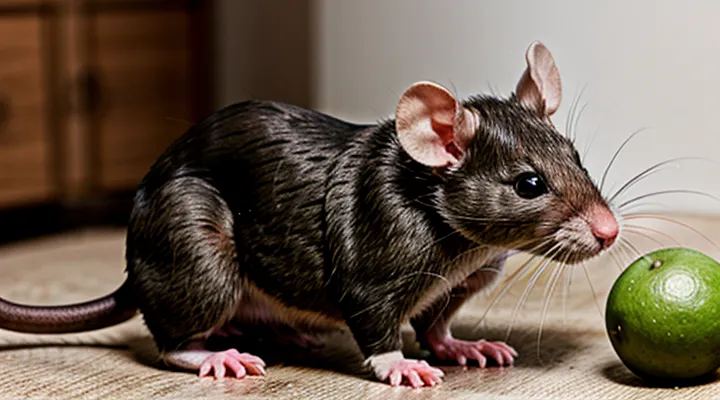
Understanding Rat Pregnancy
Pregnancy Duration and Stages
Rats complete gestation in approximately 21–23 days, a period divided into three observable phases. Early gestation (days 1–7) is marked by implantation and rapid embryonic development; females show no external changes, but a slight increase in appetite may occur. Mid‑gestation (days 8–14) brings uterine expansion; the abdomen begins to swell modestly, nipples become more prominent, and the scent of pregnancy hormones may be detectable in urine. Late gestation (days 15–21) is characterized by pronounced abdominal enlargement, pronounced nipple development, and behavioral shifts such as nesting activity, reduced locomotion, and increased aggression toward intruders.
Key indicators that parturition is imminent include:
- Full abdominal distension: the belly appears markedly rounded, often exceeding the size observed at mid‑gestation.
- Intense nesting: the rat gathers bedding, constructs a compact nest, and spends prolonged periods inside it.
- Decreased food and water intake: appetite declines sharply within 24–48 hours before delivery.
- Elevated body temperature: a slight rise (≈0.5 °C) may be recorded during the final 12 hours.
- Frequent abdominal contractions: visible tightening of the ventral muscles signals labor onset.
Understanding these temporal milestones enables accurate prediction of when a rat is about to give birth, facilitating timely intervention or observation.
Early Signs of Pregnancy
Behavioral Changes
Observing a pregnant female rat reveals distinct patterns that signal the approach of delivery. These patterns emerge during the final 24–48 hours before labor and can be detected without specialized equipment.
- Nest‑building intensifies; the rat gathers bedding, shreds material, and creates a confined area near the cage corner or a quiet spot.
- Activity levels shift; the animal alternates between periods of rest and short bouts of frantic movement, often pacing the enclosure.
- Vocalizations increase; high‑pitched squeaks or chattering become more frequent, especially when the rat is disturbed.
- Grooming behavior changes; self‑grooming diminishes while the rat focuses on cleaning the nest site and the surrounding area.
- Appetite fluctuates; the rat may consume larger amounts of food and water, then abruptly reduce intake as labor nears.
- Temperature regulation adjusts; the rat seeks warmer zones, often curling against heating elements or the cage wall.
These behavioral cues, when monitored consistently, provide a reliable framework for anticipating parturition in laboratory or pet settings. Prompt recognition enables timely preparation of a safe birthing environment and immediate post‑natal care.
Physical Changes
Physical indicators of imminent rat parturition are observable and reliable. The abdomen expands noticeably as fetuses develop, creating a rounded, firm contour distinct from normal growth. Mammary glands enlarge, often turning pinkish and producing a milky secretion that may appear on the nipples. The fur around the ventral area may become softer and denser, preparing for nesting.
Key changes include:
- pronounced abdominal swelling;
- visible enlargement of the nipples and possible milk leakage;
- softened, thicker ventral fur;
- marked weight increase over a short period;
- visible contraction of the uterus that can be felt as a firm, tight band near the pelvis.
These physical signs appear within 24–48 hours before delivery, allowing accurate assessment of the approaching birth event.
Recognizing Imminent Labor
Advanced Physical Indicators
Nesting Behavior
Pregnant rats exhibit a distinct shift in activity toward building a secure environment for their offspring. This nesting drive intensifies as parturition approaches, prompting the animal to collect soft materials such as shredded paper, cloth fibers, or dried plant matter and arrange them into a compact, insulated structure.
The construction process follows a recognizable pattern: the rat gathers material, transports it to a chosen corner or secluded area, and repeatedly kneads and compresses the pile until a dense, bowl‑shaped nest forms. The selected site is typically quiet, low‑traffic, and offers some degree of elevation or enclosure.
Observable indicators of imminent delivery include:
- Frequent trips to the nest site, often carrying additional bedding.
- Continuous grooming of the nest area, with the rat pressing its paws and tail against the material.
- Reduced roaming outside the immediate vicinity of the nest.
- Increased vocalizations or soft squeaks while the nest is being arranged.
- A marked decrease in food and water consumption during the final 24‑48 hours.
Gestation in rats lasts about 21‑23 days; nesting behavior peaks during the last two to three days. Recognizing these specific actions enables accurate assessment of when a rat is about to give birth.
Vulvar Changes
Vulvar swelling is a primary external sign that a female rat is approaching parturition. The tissue becomes visibly enlarged, often filling the space between the hind limbs and creating a rounded appearance. In the final 24–48 hours, the swelling reaches its maximum size and may appear more translucent due to increased blood flow.
- Redness of the vulva increases, sometimes accompanied by a slight discharge that is clear to milky.
- The surrounding fur may become softer and less dense as the animal grooms the area more frequently.
- The perineal region can exhibit a mild edema, causing the animal to adopt a hunched posture when resting.
These changes typically follow a predictable timeline. Early swelling appears 3–4 days before delivery, progresses to pronounced enlargement by the second day, and peaks just before the onset of labor. Observers should record the size and coloration daily to establish a baseline for each individual.
Monitoring the vulvar region together with other signs—such as nesting behavior and abdominal distension—provides a comprehensive assessment of imminent birth. Prompt identification allows caregivers to prepare a safe environment, reduce stress, and intervene quickly if complications arise.
Behavioral Cues of Active Labor
Increased Restlessness
Increased restlessness is a reliable indicator that a female rat is approaching parturition. The animal’s normal calm demeanor shifts to frequent pacing, heightened activity, and frequent changes of position within the cage. This behavior reflects hormonal changes that stimulate uterine contractions and prepare the body for delivery.
Key manifestations of heightened agitation include:
- Continuous circling along the cage perimeter, often accompanied by rapid, short bursts of movement.
- Repeated climbing onto the bedding or nesting material, followed by sudden drops back to the floor.
- Persistent nibbling or rearranging of the nest, as the rat seeks an optimal environment for the upcoming litter.
- Vocalizations that are louder or more frequent than typical social calls.
These patterns differ from normal exploratory behavior because they occur persistently over several hours to a day before labor and are accompanied by a noticeable decline in feeding and grooming. Monitoring such changes enables timely preparation of a quiet, secure nesting area and reduces stress for both the mother and the newborns.
Contractions and Pushing
During the final stage of gestation, a pregnant rodent exhibits rhythmic tightening of the abdomen. These contractions appear as brief, repeated compressions that may be felt by gently palpating the belly. Frequency typically rises from a few minutes apart to intervals of 30–60 seconds as delivery approaches.
The animal’s posture changes when the uterus contracts strongly enough to move the pups toward the birth canal. You may notice the rat arching its back, pulling its hindquarters upward, and making short, forceful thrusts. These movements often alternate with periods of stillness, indicating the transition between contraction and expulsion.
Observable indicators include:
- Sudden, regular abdominal tightening lasting 10–30 seconds.
- Increased interval of compressions, progressing to one contraction per minute.
- Repetitive pushing motions, sometimes accompanied by vocalizations.
- Visible expulsion of amniotic fluid or a small amount of mucus from the vulva.
Recognizing these patterns allows timely intervention if necessary and ensures the health of both mother and offspring.
Preparing for Birth
Creating a Suitable Environment
Nesting Materials
Rats begin gathering nesting material several days before parturition. The quantity and quality of material increase markedly as delivery approaches, providing a reliable sign that labor is imminent.
Typical materials include shredded paper, tissue, cotton fibers, and soft wood shavings. Rats prefer items that are pliable, warm, and capable of forming a compact nest. Non‑abrasive fabrics such as fleece or fleece‑lined blankets are also frequently selected. Rough or scented substances, like pine bedding, are avoided because they can irritate the respiratory tract and discourage nest building.
Observing the following behaviors confirms the preparation stage:
- Frequent trips to a single corner of the cage to collect and arrange material.
- Transport of larger pieces than usual, often carried in the mouth.
- Progressive layering, resulting in a dense, dome‑shaped structure.
- Increased activity during the dark phase, when rats naturally nest.
Providing a variety of safe, low‑dust options encourages natural nesting and assists caretakers in predicting the onset of birth. Replace used material daily to maintain hygiene and to allow the rat to continue adding fresh layers, which further signals that delivery is near.
Quiet and Secure Location
A pregnant rat will seek an environment that minimizes disturbance and maximizes safety. The chosen site typically exhibits the following attributes:
- Low ambient noise; sounds from humans, other animals, or machinery are absent.
- Limited foot traffic; the area is rarely entered or crossed.
- Stable temperature; drafts and extreme fluctuations are avoided.
- Concealment; the space is hidden behind objects, within nesting material, or in corners.
- Firm, dry substrate; soft bedding that retains shape and does not become soggy.
Observing these conditions helps determine that a rat is preparing for delivery. When a female repeatedly returns to a specific spot that meets the criteria above, it signals the onset of labor. Providing a designated nest box that replicates these qualities can facilitate monitoring and reduce stress for the animal. Regularly checking the chosen location for signs such as increased nesting activity, tightened bedding, and reduced movement further confirms that birth is imminent.
Monitoring and Intervention
When to Seek Veterinary Assistance
A pregnant rat may display signs that suggest the need for professional medical evaluation. Prompt veterinary intervention can prevent complications that threaten both the dam and her litter.
- Prolonged or incomplete contractions lasting more than two hours without delivery.
- Persistent vaginal bleeding exceeding normal discharge, especially if accompanied by foul odor.
- Signs of severe distress such as rapid breathing, panting, or unresponsiveness.
- Sudden loss of appetite combined with lethargy or inability to move normally.
- Observable swelling, redness, or discharge from the mammary glands before parturition.
- Any abnormal temperature fluctuation, particularly a drop below 98 °F (36.7 °C) or a rise above 103 °F (39.4 °C).
When any of these conditions appear, contact a veterinarian experienced with small rodents immediately. Prepare a secure carrier, minimize handling to reduce stress, and provide the animal’s recent health history, including diet, housing, and any medications. Early professional assessment increases the likelihood of a successful birth and healthy offspring.
Post-Birth Care
When a female rat completes labor, immediate attention to the newborn litter and the mother is critical for survival. The first hour after birth should focus on maintaining a stable, warm environment. Provide a nesting box with soft, absorbent material and keep ambient temperature between 75 °F and 80 °F. If the enclosure lacks adequate heat, supplement with a low‑wattage heating pad placed beneath, not directly under the nest, to prevent burns.
Nutrition for the mother begins as soon as she regains alertness. Offer high‑calorie rodent chow, a measured portion of fresh vegetables, and a constant supply of clean water. The mother will instinctively nurse the pups; however, ensure the water bottle is positioned for easy access, because dehydration can reduce milk production.
Key post‑birth tasks include:
- Inspect the nest – look for any pups that are cold, unresponsive, or lacking milk spots. Gently warm cold pups with a pre‑warmed cotton ball before returning them to the nest.
- Monitor maternal behavior – the mother should curl around the litter, keep them clean, and feed them regularly. Aggressive or neglectful behavior may indicate stress or health issues.
- Check for signs of infection – discharge from the mother’s vulva, swelling, or foul odor require veterinary evaluation.
- Maintain hygiene – replace soiled bedding daily, keeping the area dry to discourage bacterial growth.
- Record growth – weigh each pup every 24 hours; a steady increase of 0.5–1 g per day signals adequate nutrition.
If any pup appears weak or fails to gain weight, intervene by hand‑feeding with a specialized rodent formula using a fine‑tipped syringe. Limit handling to essential procedures to avoid stressing the mother.
Continue these practices for the first three weeks, when the litter transitions from maternal milk to solid food. Gradual introduction of fresh seed mix and water encourages independence. By the end of this period, the young rats should be fully weaned and capable of normal activity within the colony.
Potential Complications
Recognizing Difficult Labor
A rat experiencing a difficult birth will display behaviors that differ from normal parturition. The mother may remain restless, vocalize more than usual, or exhibit repeated attempts to push without successful delivery. Physical signs include a prolonged interval between contractions, evident by a lack of abdominal tightening for more than a few minutes, and a swollen, tense abdomen that does not soften after each effort. The presence of blood‑stained fur or discharge from the vulva without the emergence of pups also signals trouble.
Additional indicators of dystocia:
- Failure of the rat to expel any offspring after an hour of sustained effort.
- Visible distress, such as rapid breathing, trembling, or a pale, mottled coat.
- Abnormal positioning of the fetus, which may be felt as a hard knot or irregular shape in the abdominal wall.
- Excessive straining that leads to the rat collapsing or becoming unable to stand.
When these symptoms appear, immediate intervention is required. Isolate the affected rat in a quiet, temperature‑controlled area to reduce stress. Contact a veterinarian experienced with rodents promptly; surgical assistance may be necessary to remove obstructed pups or to perform a cesarean section. Do not attempt to pull at the offspring, as this can cause severe internal injury to both dam and pups. Monitoring should continue until the mother resumes normal post‑birth behavior, such as grooming and nursing.
Post-Partum Issues
Retained Placentas
Retained placentas are a critical indicator that parturition in a rat is imminent or has just occurred. After the delivery of pups, the mother normally expels each placenta within a few minutes. When a placenta remains attached to the uterine wall or in the birth canal, it signals that the birthing process may be incomplete and that the dam is at risk of infection, hemorrhage, or reduced maternal care for the litter.
Key observations related to retained placentas include:
- Presence of dark, fleshy masses in the vaginal opening or near the perineum after the last pup is born.
- Reduced grooming behavior and a tendency to isolate from the nest.
- Elevated body temperature or rapid breathing, reflecting systemic stress.
- Discoloration or swelling of the abdomen, indicating possible uterine inflammation.
Management steps:
- Gently inspect the dam immediately after the final pup is delivered.
- If placental material is visible, use sterile tweezers to remove it, taking care not to damage the uterine tissue.
- Apply a mild antiseptic solution to the area to minimize bacterial colonization.
- Monitor the mother for at least 24 hours, checking for signs of fever, lethargy, or refusal to nurse.
- Provide supplemental warmth and hydration if the dam shows signs of distress.
Early detection of retained placentas allows caretakers to intervene promptly, preventing complications that could jeopardize both the mother’s health and the survival of the newborn rats.
Mastitis
Mastitis in female rats often appears in the final days of gestation as the mammary tissue prepares for lactation. The condition manifests as swelling, redness, and a warm, firm feel around the nipples. In some cases, the affected gland produces a milky discharge before the birth of the litter.
Key observations that indicate an approaching delivery include:
- Progressive enlargement of the mammary glands over 24‑48 hours.
- Increased firmness and tenderness of the nipples, especially when gently palpated.
- Appearance of a thin, whitish secretions from one or more nipples.
- Behavioral changes such as nesting activity combined with the above physical signs.
Distinguishing mastitis from normal pre‑parturient changes requires attention to inflammation markers. Normal preparation for nursing shows gradual swelling without heat, redness, or pain. Mastitis adds localized heat and may be accompanied by a slight fever, detectable by a quick rectal temperature check (rats normally 37‑38 °C; values above 38.5 °C suggest infection).
Management steps:
- Isolate the affected rat to prevent stress to the litter.
- Apply a warm, moist compress to the inflamed area for 10‑15 minutes, twice daily, to promote circulation.
- Consult a veterinarian for appropriate antibiotic therapy, selecting agents safe for pregnant or nursing rodents.
- Monitor the rat closely; if the mammary discharge becomes purulent or the animal shows lethargy, seek immediate veterinary intervention.
Recognizing mastitis as a physiological cue can help caretakers anticipate the imminent birth of the pups and prepare appropriate supportive care.
Caring for the Mother and Pups
Nutritional Needs of the Mother
A pregnant rat’s diet must expand to meet the metabolic demands of gestation and the upcoming lactation period. Energy intake should rise by approximately 30‑40 % compared with non‑pregnant levels, achieved by offering high‑calorie pellets or a mixture of lab chow enriched with grains and seeds. Protein requirements increase to support fetal tissue development; a minimum of 20 % protein in the feed is advisable. Calcium and phosphorus must be supplied in a balanced ratio (about 1.2 : 1) to sustain skeletal growth and prepare for milk production. Vitamin A, D, and E concentrations should be elevated to promote immune competence and embryonic organ formation. Adequate hydration is critical; fresh water must be available at all times and refreshed daily.
Key dietary components can be summarized:
- Energy: calorie‑dense pellets or supplemented grains.
- Protein: 20 % or higher, sourced from soy, fishmeal, or casein.
- Minerals: calcium (1 % of diet) with phosphorus, magnesium, and potassium.
- Vitamins: A (≥ 2 000 IU/kg), D (≥ 1 000 IU/kg), E (≥ 100 IU/kg).
- Water: unlimited access, clean and warm.
Supplemental foods such as boiled egg, plain yogurt, and small pieces of fruit provide additional nutrients without introducing excess fat or sugar. Avoid high‑fat treats, raw onions, and processed human snacks, which can disrupt digestion and nutrient absorption. Monitoring the female’s weight gain—approximately 10‑15 g per litter—helps confirm that nutritional intake aligns with physiological needs and signals that the gestation is progressing toward parturition.
Handling Newborn Pups
When a dam shows signs of imminent delivery—nesting, frequent grooming of the vent area, and a swollen abdomen—prepare the environment for the newborns. Clean the cage, provide fresh, soft nesting material, and ensure a quiet, low‑traffic area to reduce stress.
Immediately after the litter appears, limit human contact. The mother will recognize her pups by scent; unnecessary handling can trigger rejection. Allow the dam to nurse for at least the first 24 hours before any intervention.
When handling becomes necessary—health checks, weight measurement, or relocation—follow these steps:
- Wash hands thoroughly, then wear disposable gloves to mask human odor.
- Warm the pup gently by cupping it in the palm; avoid prolonged exposure to cold surfaces.
- Use a soft, lint‑free tissue or a small, clean brush to lift the pup by the skin folds near the neck, never by the tail or limbs.
- Place the pup back in the nest quickly, positioning it close to the dam’s body to restore the thermal micro‑environment.
- Record weight with a precision scale (±0.1 g) and note any abnormalities such as missing toes, discoloration, or excessive mucus.
If a pup appears lethargic or fails to nurse, keep it in a separate warming chamber set to 30–32 °C, providing a few drops of warmed, sterile formula only if the dam refuses to feed. Return the pup to the mother as soon as it regains vigor.
Maintain a consistent schedule for cleaning and feeding the dam, as stable conditions support maternal behavior and increase pup survival rates.
Weaning Process
The weaning stage marks the transition from maternal milk to solid food and provides a reliable indicator of the litter’s age, which helps confirm that the dam has recently delivered. During the first 10‑14 days, pups cling to the mother and exhibit rapid weight gain; by day 14 they begin to explore the nest and nibble on bedding. Observing these behaviors confirms that birth has already occurred and that the mother is no longer in the pre‑partum phase.
Key observations of the weaning process:
- Pups’ fur becomes fully developed and glossy, indicating maturation.
- Neonates start to consume small amounts of soft chow placed near the nest.
- The dam’s grooming frequency shifts from constant cleaning of newborns to occasional inspection of older pups.
- By day 21, most pups are fully weaned, independent of the mother’s milk supply.
Monitoring these milestones allows caretakers to verify that parturition has taken place and to adjust housing, nutrition, and health checks accordingly. Early detection of weaning patterns also aids in planning subsequent breeding cycles and ensures optimal welfare for both dam and offspring.