
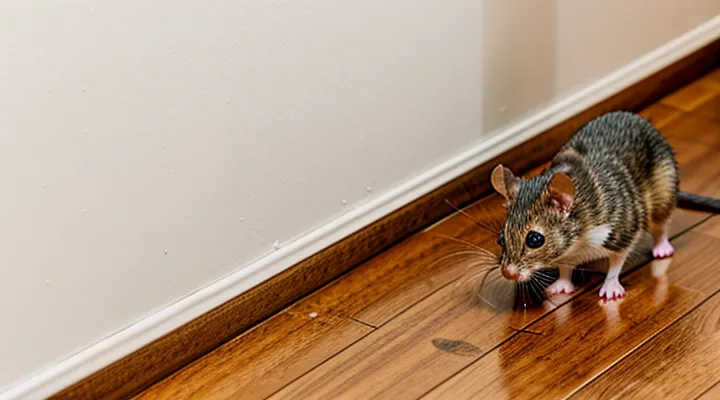
Understanding the Mouse Problem
Why Mice are Attracted to Homes
Food Sources
Food availability drives mouse activity; eliminating accessible nourishment removes the primary incentive for infestation.
Typical indoor attractants include:
- Grains, cereals, flour, rice, and pasta
- Pet kibble and treats left uncovered
- Fresh fruit, vegetables, and cut produce
- Processed snacks, cheese, and meat leftovers
- Open jars of peanut butter, honey, or syrup
- Spilled sugar, coffee grounds, and crumbs on countertops
Store all edible items in containers that seal tightly against air and moisture. Use glass or heavy‑plastic bins with rubber gaskets for dry goods; keep perishable items refrigerated or frozen. Transfer opened packages to secondary airtight containers within 24 hours.
Maintain surfaces free of residue. After each meal, wipe tables, countertops, and appliance exteriors with a damp cloth. Sweep floors and vacuum upholstery daily to capture hidden particles. Clean under appliances and behind cabinets where crumbs accumulate.
Manage waste rigorously. Employ trash cans with fitted lids, line them with sturdy bags, and empty them before odor or overflow develops. Compost bins should be sealed and stored away from living spaces.
By denying mice any food source, the home environment becomes inhospitable, reducing the likelihood of rodent presence while preserving cleanliness.
Shelter and Warmth
Mice seek out places that provide shelter and warmth. Unsealed gaps under doors, cracks around windows, and openings in the foundation create hidden chambers where rodents can hide from temperature fluctuations. Insulated spaces such as attics, crawl spaces, and wall voids become especially attractive when they retain heat during colder months.
To eliminate these refuges, follow a systematic approach:
- Inspect the building envelope for gaps larger than ¼ inch; seal with steel wool, caulk, or expanding foam.
- Install door sweeps and weather stripping on exterior doors to block entry points.
- Ensure proper ventilation in attics and crawl spaces; use vent covers that prevent rodent access while maintaining airflow.
- Remove stored items that create clutter in basements, garages, and closets; keep stacks off the floor and away from walls.
- Maintain a consistent indoor temperature; avoid excessive heating in isolated rooms that could draw mice seeking warmth.
Regular maintenance reduces the number of potential nests. By denying rodents shelter and a stable heat source, the home remains cleaner and less prone to infestation.
Entry Points
Mice gain access through the smallest openings; sealing these gaps prevents contamination and reduces the need for extensive cleaning later.
- Cracks in foundation walls and basement floors. Fill with hydraulic cement or expandable foam that resists gnawing.
- Gaps around exterior doors and windows. Install weather‑stripping and replace damaged seals.
- Openings around utility lines, pipes, and cables. Use metal mesh or steel wool wrapped in caulk to block passage.
- Vents and dryer exhausts. Fit fine‑mesh screens that can be removed for maintenance.
- Pet doors and animal shelters. Choose models with self‑closing flaps and inspect the surrounding frame for wear.
- Chimney and roof eaves. Fit a chimney cap and seal any gaps in soffits or fascia.
Inspect the building envelope regularly; any new cracks or displaced hardware should be repaired immediately. Maintaining a tight envelope eliminates the primary route for rodents, thereby supporting a consistently clean interior environment.
Proactive Prevention Strategies
Sealing Entry Points
Inspecting Foundation and Walls
Inspecting the foundation and exterior walls is a fundamental step in preventing rodent entry. Cracks, gaps, and deteriorated sealant create direct pathways for mice to infiltrate a residence. Regular visual checks allow early detection of structural vulnerabilities before they become permanent access points.
- Walk the perimeter of the house once each season. Look for openings larger than a quarter‑inch, paying special attention to areas where different building materials meet.
- Use a flashlight to examine the base of the foundation for horizontal cracks, especially after heavy rain or ground movement.
- Probe seams around utility penetrations (pipes, cables, vent stacks) with a thin rod; any resistance indicates a sealed joint, while free movement signals a breach.
- Verify that flashing and siding are securely fastened; loose panels should be re‑nailed or replaced immediately.
- Apply a silicone‑based sealant or expandable foam to fill identified gaps, ensuring the material adheres to both concrete and wood surfaces.
Document each inspection with photographs and notes on repair actions taken. Maintaining a detailed log supports timely follow‑up and provides evidence of proactive maintenance, which reduces the likelihood of mouse activity inside the home.
Securing Doors and Windows
Securing doors and windows is essential for preventing rodent intrusion while maintaining a tidy living environment.
Inspect all entry points for gaps larger than ¼ inch. Use steel wool, copper mesh, or silicone caulk to seal cracks around frames, hinges, and locks. Install door sweeps that extend to the floor and verify that they remain snug after each cleaning cycle.
Apply weatherstripping to the perimeter of exterior doors. Choose a durable material that compresses when the door closes, eliminating spaces that mice can exploit. Replace worn strips promptly to preserve effectiveness.
Fit windows with tight-fitting screens made of metal mesh. Ensure screens are free of tears and that locking mechanisms engage fully. For sliding windows, add a secondary latch or a rod that blocks the track when closed.
Consider adding a magnetic or keyed latch to any pet doors or auxiliary openings. Verify that the latch aligns correctly and that the seal resets after each use.
Regularly test each seal by feeling for drafts or using a thin piece of paper to detect movement. Reapply sealing materials at the first sign of wear to maintain a continuous barrier.
Addressing Utility Openings
Utility openings provide direct routes for rodents to enter living spaces. Identifying and sealing these gaps eliminates one of the most reliable pathways for mice.
Common openings include pipe penetrations, cable entry points, dryer vents, HVAC ducts, and small cracks in the foundation or exterior walls. Each opening requires a material that resists chewing and prevents re‑entry.
Inspect every opening, remove debris, and apply a durable sealant. Use steel wool or copper mesh as a backing layer, then cover with silicone caulk, expanding foam, or metal flashing. For vent pipes, install a metal guard with a tight‑fit collar.
- Locate all utility penetrations on walls, floors, and ceilings.
- Insert steel wool or copper mesh into gaps larger than ¼ inch.
- Apply silicone caulk or expanding foam over the filler, smoothing the surface.
- Attach metal flashing or a vent guard where airflow is needed, securing with screws.
- Verify that seals remain intact after seasonal temperature changes.
Conduct a quarterly review of sealed areas, repairing any damage promptly. Maintaining a clean perimeter around utility fixtures reduces the likelihood of debris accumulation, which can attract rodents and compromise seals. Regular upkeep preserves the integrity of the barriers and supports an overall rodent‑free environment.
Eliminating Food Sources
Proper Food Storage
Proper food storage is a critical factor in preventing rodent activity and maintaining a tidy living environment. Food that is easily accessible or improperly sealed provides an attractive food source for mice, encouraging them to enter and establish nests.
- Store dry goods (cereals, grains, nuts) in airtight containers made of glass, metal, or heavy‑wall plastic. Ensure lids seal completely.
- Keep perishable items refrigerated or frozen promptly. Do not leave leftovers on countertops or tables.
- Place pet food in sealed bins and remove uneaten portions after each feeding.
- Organize pantry shelves so items are not stacked loosely; this reduces hiding places and makes inspection easier.
- Clean spills immediately. Wipe down surfaces with a mild detergent and dry thoroughly to eliminate crumbs.
- Conduct weekly checks for signs of damage or pest activity. Replace compromised containers without delay.
Dispose of garbage in containers with tight‑fitting lids and remove trash from the home at least daily. Position outdoor bins away from the house and elevate them if possible. By consistently applying these storage practices, households minimize food availability for mice, reducing the likelihood of infestation while preserving cleanliness.
Regular Cleaning Practices
Regular cleaning removes food residues that attract rodents and eliminates shelter opportunities. Sweep and mop floors daily to prevent crumbs from accumulating. Wipe countertops, tables, and appliance surfaces after each use; a damp cloth eliminates sticky deposits that mice can detect. Empty trash bins before they fill, secure lids tightly, and store outdoor containers away from building walls.
- Vacuum upholstered furniture and rugs weekly; vacuum bags should be sealed and discarded outside the home.
- Clean behind and under kitchen appliances monthly; relocate items to expose hidden areas and remove debris.
- Wash dishes immediately; avoid leaving dishes in the sink overnight.
- Inspect pantry shelves for spilled grains; store dry goods in airtight containers made of glass or heavy‑wall plastic.
- Disinfect sink drains and garbage disposals weekly; a solution of diluted bleach or vinegar reduces odor cues.
- Maintain exterior cleanliness: remove leaf litter, trim vegetation near foundations, and keep firewood stacked off the ground.
Consistent execution of these practices reduces attractants, limits nesting sites, and supports long‑term rodent prevention.
Managing Pet Food
Managing pet food properly reduces attractants that draw rodents into living spaces, supporting a tidy, mouse‑free home. Store kibble and treats in airtight containers made of plastic, glass, or metal; seal lids tightly after each use. Place containers on a shelf away from floor level to prevent accidental spillage.
- Use a designated feeding area with a mat that can be cleaned daily.
- Remove uneaten food within 30 minutes of feeding time.
- Keep water dishes clean and refill with fresh water each day; discard any standing water that could become a source of odor.
- Choose dry food over wet options when possible, as moisture encourages rodent activity.
- Rotate stock regularly; discard expired or stale products to eliminate strong odors.
Clean the feeding zone after each meal. Sweep or vacuum crumbs, then wipe surfaces with a mild disinfectant. Avoid leaving food bowls on the floor; elevate them on a stand or countertop. If pets eat outdoors, bring any leftover food inside promptly and store it as described above.
Regularly inspect pantry shelves and cabinets for signs of gnawing or droppings. Seal gaps around doors, windows, and baseboards to block entry points. By controlling pet food exposure, you eliminate a primary food source for mice, thereby maintaining cleanliness and preventing infestations.
Reducing Shelter and Nesting Sites
Decluttering Inside Your Home
Decluttering eliminates the hiding places mice use for nesting and foraging. Remove unnecessary items from closets, basements, and attics, then store what remains in sealed containers. Plastic bins with tight‑locking lids prevent rodents from chewing through openings, and metal cabinets offer additional protection.
- Sort items by frequency of use; keep only daily essentials within easy reach.
- Dispose of cardboard boxes, paper piles, and fabric scraps that can serve as bedding.
- Consolidate food storage into airtight containers; label each container with contents and expiration dates.
- Elevate furniture away from walls to create a clear perimeter that hinders mouse movement.
- Regularly purge cluttered areas such as under appliances, behind radiators, and inside crawl spaces.
A systematic approach to organization reduces the number of entry points and makes routine cleaning more efficient. By maintaining a minimal, well‑organized interior, you deny mice the resources they need to establish a foothold in the home.
Organizing Storage Areas
Organizing storage areas reduces the likelihood of mouse infestations by eliminating food sources and hiding places.
- Remove all unnecessary items; excess clutter creates shelter and obscures signs of activity.
- Store dry goods in airtight plastic or metal containers; seal lids tightly to block access.
- Keep items off the floor by using sturdy shelving; elevate food and supplies at least six inches above the baseboard.
- Inspect stored materials monthly for gnaw marks, droppings, or nesting material; discard compromised goods promptly.
- Avoid cardboard boxes for long‑term storage; cardboard is easily chewed and retains moisture.
- Choose metal or laminated shelves that cannot be penetrated by rodent teeth.
- Maintain low humidity by using desiccants or a dehumidifier; damp environments attract rodents.
Consistent application of these practices creates a storage environment that is inhospitable to mice, supporting overall household cleanliness and pest prevention.
Maintaining Your Yard
Maintaining a tidy yard reduces the likelihood of mice entering the house. Regularly remove debris, fallen fruit, and dense vegetation that can provide shelter and food sources for rodents.
- Trim grass and shrubs to a height of 6–8 inches, preventing hidden nests.
- Clear leaf piles, compost heaps, and wood chips weekly; store these materials in sealed containers or away from the foundation.
- Inspect and repair cracks in sidewalks, driveways, and the building’s perimeter to eliminate entry points.
Proper waste management supports yard cleanliness. Store garbage in metal bins with tight-fitting lids, and empty them frequently. Keep pet food indoors or in sealed containers after feeding.
Seasonal checks reinforce prevention. Before winter, sweep away accumulated leaves, move firewood several feet from the house, and apply a barrier of gravel or sand around the foundation to discourage burrowing. Consistent yard upkeep directly contributes to a mouse‑free home environment.
Reactive Measures and Ongoing Maintenance
Early Detection and Monitoring
Signs of Mouse Activity
Recognizing mouse activity is a prerequisite for preserving a tidy living space and preventing an infestation.
Typical indicators include:
- Small, dark droppings, ¼‑inch long, found along walls, behind appliances, or in pantry corners.
- Gnaw marks on wood, plastic, or cardboard; fresh cuts display shiny, clean edges.
- Chewed food containers, especially cereal boxes, crackers, or pet food bags.
- Accumulations of shredded paper, fabric, or insulation forming nests in hidden areas.
- Visible tracks: muddy footprints on floor surfaces or smudge lines along baseboards.
- Persistent scratching or scurrying sounds, particularly at night, emanating from walls, ceilings, or attics.
- Streaks of oily residue or urine stains, often near entry points or near food sources.
Each sign confirms rodent presence and signals the need for immediate remediation. Prompt removal of food sources, sealing of entryways, and targeted cleaning of contaminated zones disrupt the pests’ habitat and reduce the risk of further contamination.
Using Traps Effectively
Effective trap deployment directly reduces rodent presence, preserving a tidy living environment. Select traps that match the infestation level: snap traps for immediate kill, live‑catch traps for humane relocation, and electronic traps for rapid results. Position traps along walls, behind appliances, and near known entry points, because mice travel close to surfaces. Ensure bait placement maximizes attraction: use small amounts of peanut butter, chocolate, or dried fruit, and secure the bait to prevent theft by pets.
- Inspect traps daily; replace dead rodents promptly to avoid odor buildup.
- Reset or relocate traps after each capture to maintain coverage of active pathways.
- Rotate trap types periodically to prevent mouse habituation.
- Store unused traps in sealed containers to keep bait fresh and avoid accidental activation.
Maintain a clean perimeter around each trap: sweep debris, seal food containers, and fix cracks in flooring or walls. Regular monitoring and timely adjustment of trap locations sustain effectiveness, ensuring the home remains free of rodent contamination.
Safe and Humane Removal
Types of Traps
Effective mouse control relies on selecting the appropriate trap for the specific situation. Different trap designs address varying preferences for humane treatment, speed of kill, and ease of disposal. Understanding each type enables consistent cleanliness without compromising safety.
- Snap traps – Metal bar delivers instantaneous fatal blow; reusable; requires careful placement to avoid accidental contact.
- Live‑catch traps – Wire cage encloses mouse alive; facilitates release outdoors; demands regular monitoring to prevent stress or disease.
- Electronic traps – Battery‑powered circuit releases high‑voltage shock; kills instantly; contains mouse within sealed compartment for hygienic disposal.
- Glue boards – Adhesive surface immobilizes rodent; inexpensive; creates mess and may cause prolonged suffering; best reserved for secondary use.
- Bait stations – Enclosed boxes hold anticoagulant or lethal bait; reduces exposure to non‑target animals; compliance with local regulations required.
Choosing a trap aligns with household cleanliness goals: snap, electronic, and bait stations minimize residue, while live‑catch and glue boards require additional sanitation steps. Regular inspection, proper sanitation of captured specimens, and strategic placement along walls and entry points maximize effectiveness and maintain a tidy environment.
Post-Removal Sanitation
After eliminating a rodent intrusion, thorough sanitation prevents disease spread, eliminates lingering odors, and deters future visits. Begin by removing all droppings, urine stains, and nesting material; wear disposable gloves and a mask, and dispose of waste in sealed bags. Clean surfaces with hot, soapy water, then apply an EPA‑registered disinfectant according to label instructions, allowing the required contact time.
- Vacuum carpets and upholstery, then discard the vacuum bag or clean the canister with disinfectant.
- Wash linens, curtains, and pet bedding in hot water (≥ 60 °C) or dry‑clean them.
- Sanitize kitchen counters, cutting boards, and food storage containers; inspect for chewed seals or cracks and repair them.
- Treat hard floors with a diluted bleach solution (1 part bleach to 10 parts water) or an approved sanitizer; rinse and dry completely.
- Seal any remaining entry points with steel‑wool, caulk, or metal mesh to block re‑entry.
Complete the process by reorganizing stored items, labeling food containers, and maintaining regular cleaning schedules to sustain a hygienic, rodent‑free environment.
Long-Term Prevention Tips
Continuous Inspection
Continuous inspection forms the backbone of a mouse‑free household. Regularly scan every room, focusing on areas where food is stored, waste is handled, and structural gaps exist. Identify signs such as droppings, gnaw marks, shredded material, and faint odors. Detecting these indicators early prevents infestations from spreading.
Implement a schedule that aligns with routine cleaning. Perform a quick visual sweep during daily tidying, a more thorough examination weekly, and a comprehensive audit monthly. Use a flashlight to reveal hidden crevices, and a mirror to view behind appliances. Document findings in a simple log, noting location, type of evidence, and corrective action taken.
Address each discovery promptly. Seal cracks with steel‑wool and caulk, relocate food into airtight containers, and clear clutter that offers shelter. Replace worn weatherstripping on doors and windows. Dispose of trapped debris and sanitize surfaces where droppings were found to eliminate attractants.
Maintain consistency by integrating inspection tasks into existing chores. Pair a countertop wipe‑down with a check of nearby cabinet seals, or combine laundry folding with a review of baseboard gaps. This approach ensures that inspection becomes an automatic component of household maintenance, reducing the likelihood of mouse intrusion.
Professional Pest Control Consultation
Professional pest‑control consultation provides targeted expertise that complements routine cleaning efforts aimed at preventing mouse intrusion. An experienced consultant evaluates structural vulnerabilities, identifies attractants, and recommends specific actions that align with household hygiene standards.
During the initial assessment, the specialist:
- Inspects entry points such as gaps around pipes, vents, and door frames.
- Reviews food storage practices and waste‑management procedures.
- Tests for signs of rodent activity, including droppings and gnaw marks.
- Documents findings in a concise report outlining corrective measures.
The subsequent plan focuses on practical adjustments. Recommendations typically include sealing openings with steel wool or caulk, installing door sweeps, and reorganizing pantry items to eliminate easy access to food. The consultant also advises on safe, environmentally responsible rodent‑deterrent products and schedules follow‑up visits to verify compliance.
Implementing the consultant’s guidance reduces the likelihood of mouse presence while preserving a clean living environment. Regular re‑evaluation ensures that preventive measures remain effective as the home’s layout or occupancy changes.