
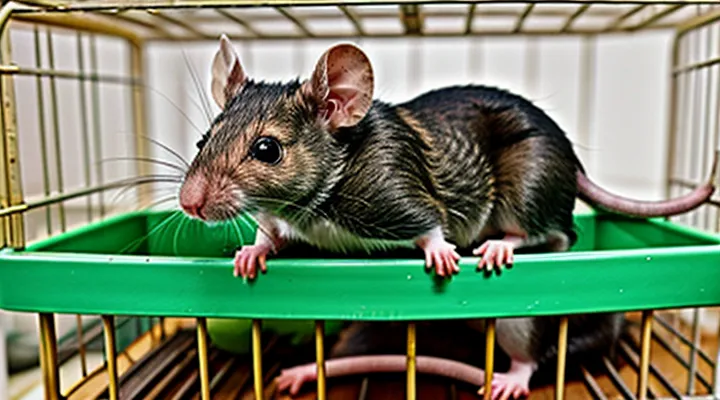
Choosing the Right Cage
Size and Space Requirements
Minimum Dimensions
When providing a rat with a cage, the smallest acceptable footprint directly influences health, activity, and longevity. The cage must accommodate standing, turning, and climbing without forcing the animal into a cramped environment.
A single adult rat requires at least:
- Floor area: 24 in² (approximately 155 cm²) per rat; a minimum of 2 ft × 1 ft (60 cm × 30 cm) for one animal.
- Height: 12 in (30 cm) or higher to allow vertical exploration and placement of enrichment items.
- Bar spacing: ½ in (13 mm) or less to prevent escape and injury.
If housing multiple rats, increase floor space by 12 in² (77 cm²) per additional individual, maintaining the same height. Ensure the cage’s base is solid, not wire mesh, to protect delicate feet and prevent foot rot.
Ventilation must be adequate without compromising structural integrity. Provide a secure lid that allows airflow while eliminating gaps larger than the bar spacing.
Regularly inspect the cage for worn bars, sharp edges, or collapsed sections. Replace or reinforce any compromised component promptly to preserve the minimum dimensional standards essential for rat welfare.
Multi-Level Cages
Multi‑level cages provide vertical space that mirrors a rat’s natural climbing behavior, reducing boredom and encouraging exercise. The additional platforms create distinct zones for sleeping, feeding, and exploration, which helps maintain a stable hierarchy when multiple rats share the enclosure.
Key design elements include:
- Sturdy rungs spaced 1–2 cm apart to allow easy ascent without risking injury.
- Secure connections between levels to prevent gaps where a rat could become trapped.
- Removable platforms for cleaning, ensuring that waste does not accumulate in hidden corners.
- Adequate ventilation on each tier to avoid humidity buildup and odor concentration.
Materials should be non‑toxic, easy to disinfect, and resistant to gnawing. Powder‑coated metal frames combined with chew‑proof plastic or sealed wood panels meet these criteria. When constructing the cage, verify that all joints are reinforced with lockable bolts, and that the overall height does not exceed the rat’s comfortable reach from the floor level.
Regular maintenance involves wiping each level with a mild disinfectant, inspecting rungs for wear, and rotating enrichment items to sustain interest. By integrating these specifications, a multi‑level enclosure supports physical health, mental stimulation, and social stability for rats kept in captivity.
Material Considerations
Wire Spacing
Wire spacing determines whether a rat can escape, become injured, or suffer from inadequate airflow. The mesh must be small enough to prevent the animal’s head, paws, or tail from slipping through, yet large enough to allow sufficient ventilation and easy cleaning.
Recommended dimensions for standard laboratory‑grade wire cages:
- Horizontal and vertical openings: 0.5 cm (0.2 in) or smaller.
- Bar diameter: 0.3 cm (0.12 in) to provide structural strength without creating sharp edges.
- Clearance between bars: no more than 0.2 cm (0.08 in) to eliminate gaps that a rat could squeeze through.
Choosing wire with these specifications protects the rat from entrapment injuries, reduces the risk of escape, and ensures a healthy microenvironment inside the enclosure.
Solid Bottoms
A solid bottom provides a stable, hygienic surface that prevents debris from falling through mesh and reduces the risk of injury. Unlike wire flooring, a continuous base supports the rat’s paws, promotes natural digging behavior, and simplifies cleaning.
Materials commonly employed include:
- Untreated, kiln‑fired ceramic tiles; non‑porous, easy to disinfect, and resistant to chew damage.
- High‑density polyethylene (HDPE) sheets; lightweight, waterproof, and readily cut to size.
- Acrylic panels; clear for visual inspection, sturdy, and compatible with most cage dimensions.
When selecting a solid floor, verify that the surface is:
- Smooth enough to avoid cuts but textured enough to allow traction.
- Securely anchored to the cage frame to prevent shifting during handling.
- Free of toxic coatings or paints that could leach chemicals.
Maintenance procedures are straightforward. Remove bedding weekly, scrub the surface with a dilute enzymatic cleaner, rinse thoroughly, and dry before re‑adding fresh substrate. Periodic inspection for cracks or chew marks ensures the enclosure remains safe.
In summary, a solid bottom enhances welfare, eases sanitation, and protects the animal from common hazards associated with wire flooring. Implementing this feature is a fundamental step in providing a reliable, long‑term habitat for a pet rat.
Ventilation and Airflow
Proper ventilation prevents the buildup of ammonia, carbon dioxide, and humidity that can compromise a rat’s respiratory health. Fresh air must circulate continuously through the cage, diluting waste gases and maintaining stable temperature. Use a cage with multiple openings or a mesh side panel that allows unobstructed airflow while protecting the animal from escape.
- Position the cage away from direct drafts and heating vents to avoid rapid temperature fluctuations.
- Install a small, low‑noise fan or vent system that exchanges at least 10 % of the cage volume per hour.
- Ensure the ventilation openings are large enough to prevent blockage by bedding or nesting material.
- Clean the cage regularly; accumulated debris reduces airflow efficiency.
Monitoring airflow is straightforward: a gentle breeze felt at the cage’s interior surface indicates adequate movement, while stagnant air produces a noticeable odor. Adjust vent size or fan speed promptly if conditions deteriorate, ensuring the rat remains in a well‑ventilated environment.
Setting Up the Cage Environment
Bedding Options
Suitable Substrates
Choosing the right bedding material directly affects a rat’s health, comfort, and hygiene. An appropriate substrate absorbs moisture, limits odor, and prevents respiratory irritation while allowing natural digging behavior.
- Paper‑based products (e.g., shredded paper, cellulose pellets) – high absorbency, low dust, biodegradable.
- Aspen shavings – low resin content, moderate absorbency, safe for chewing.
- Coconut fiber (coir) – excellent moisture retention, minimal dust, encourages nesting.
- Hemp bedding – strong absorbency, antimicrobial properties, low allergenicity.
- Recycled wood pulp – soft texture, good odor control, dust‑free when processed correctly.
Key criteria for selection:
- Absorbency – substrate must retain urine and droppings to keep the enclosure dry.
- Dust level – low particulate matter prevents respiratory issues.
- Safety – material should be non‑toxic, free of aromatic oils, and resistant to ingestion in large pieces.
- Ease of cleaning – should allow spot cleaning and full changes without excessive effort.
- Nesting support – provide enough bulk for rats to build nests, satisfying their instinctual behavior.
Avoid cedar or pine shavings because aromatic oils can damage respiratory epithelium. Replace the substrate completely every two to three weeks, or sooner if it becomes saturated or soiled. Regular spot cleaning with a mild, unscented disinfectant extends the interval between full changes and maintains a sanitary environment.
Unsuitable Substrates
Choosing the right bedding is essential for a healthy cage environment. Certain materials create hazards that compromise respiratory health, promote bacterial growth, or encourage destructive chewing.
Inappropriate substrates generate dust that irritates a rat’s lungs, retain moisture that fosters mold, and can be ingested, leading to gastrointestinal blockage. They also emit strong odors that mask early signs of illness.
- Cedar shavings – contain aromatic oils toxic to small rodents.
- Pine shavings – release phenols that irritate respiratory passages.
- Wood chip bedding – produces excessive dust and may contain splinters.
- Corncob bedding – absorbs moisture, becomes a breeding ground for mold.
- Paper towels with added fragrances – emit chemicals that can cause respiratory distress.
- Litter made from recycled cardboard with adhesives – may contain harmful binders.
Avoiding these materials reduces the risk of respiratory infection, dental problems, and digestive emergencies, supporting overall well‑being in a confined setting.
Food and Water Arrangements
Food Bowls
Choosing appropriate feeding containers is essential for maintaining a healthy rat in a cage. Select bowls made of stainless steel or heavy ceramic; these materials resist gnawing, are easy to sterilize, and do not retain odors that could deter eating.
Size matters. A bowl should hold at least 30 ml of dry food and accommodate a handful of fresh vegetables without spilling. Too small a dish encourages waste, while an oversized bowl may become a breeding ground for mold if food is left uneaten.
Placement influences consumption patterns. Position the bowl on the cage’s solid floor, away from the water dispenser and sleeping area, to prevent contamination. Ensure the bowl sits level; a tilted dish can cause spillage and attract pests.
Routine cleaning prevents bacterial growth. Follow a schedule:
- Daily: remove leftovers, rinse with warm water.
- Weekly: scrub with mild detergent, rinse thoroughly, and sterilize by boiling for 5 minutes or placing in a dishwasher’s high‑heat cycle.
- Monthly: inspect for cracks or chips; replace damaged bowls immediately.
Consider separate containers for dry kibble, fresh produce, and occasional treats. Distinct bowls reduce cross‑contamination and allow precise portion control, supporting balanced nutrition and weight management.
Water Bottles
Providing a reliable water source is essential for a caged rat’s health. Use a sealed, sipper-style bottle to prevent spillage and maintain a clean environment.
Select a bottle made from clear, BPA‑free plastic or glass with a stainless‑steel nozzle. The capacity should match the cage size: 50 ml for small enclosures, 100 ml or more for larger habitats. Ensure the nozzle releases water with a gentle flow that a rat can control.
Mount the bottle on the cage side where the rat can reach it without stretching. Secure the holder with a screw or clip that does not protrude into the interior space. Position the nozzle away from bedding to reduce contamination.
Maintain the bottle daily. Remove the bottle, rinse with warm water, and scrub the nozzle with a bottle brush. Disinfect weekly with a dilute vinegar solution (1 part vinegar to 4 parts water) or a pet‑safe sanitizer. Rinse thoroughly before refilling with fresh water.
- Check water level each morning.
- Replace the bottle if the nozzle becomes clogged or cracked.
- Store spare bottles in a clean, sealed container.
Consistent use of a proper water bottle eliminates waste, reduces mold risk, and supports the rat’s hydration needs.
Enrichment and Toys
Tunnels and Tubes
Tunnels and tubes expand a rat’s three‑dimensional environment, encouraging natural foraging and exploration while keeping the cage organized. Rigid plastic or PVC sections connect to the cage’s side panels, creating pathways that mimic burrows. Flexible fabric tunnels attach to the top or rear, offering additional vertical space without sacrificing floor area.
- Choose diameters between 2 inches (5 cm) and 3 inches (7.5 cm) to allow comfortable passage while preventing escape.
- Secure connections with zip ties or cage clips; loose joints create gaps that can become injury points.
- Incorporate at least one opaque section to provide a retreat area, reducing stress during handling.
- Clean removable sections weekly; most plastic tubes are dishwasher‑safe, while fabric tunnels require laundering at 60 °C.
- Position tunnels away from food dishes to avoid contamination, and ensure they do not obstruct ventilation slots.
When installing, start with a single straight tunnel across the cage’s width, then add branching segments to form a simple network. Test each joint by gently pulling the tube; any movement indicates insufficient fastening. Replace damaged sections immediately to prevent sharp edges. Properly integrated tunnels and tubes increase enrichment, support exercise, and maintain a tidy habitat for a captive rat.
Chewing Items
Providing appropriate chewing materials is essential for a caged rat’s health and behavior. Hard, natural items satisfy the animal’s instinct to gnaw, protect cage components, and prevent dental problems.
- Untreated wooden blocks (e.g., apple or willow) – durable, safe, encourage regular wear of incisors.
- Mineral chews (calcium-rich stone) – supply essential nutrients while offering resistance.
- Untreated cardboard tubes – lightweight, easy to replace, stimulate exploratory chewing.
- Safe plastic toys designed for rodents – provide varied textures, withstand frequent gnawing.
Avoid treated or painted wood, as chemicals can be toxic. Replace items before they become overly worn to maintain structural integrity and hygiene. Rotate different materials regularly to keep the rat engaged and reduce boredom.
Hiding Spots
Providing adequate hiding places is essential for a rat’s psychological health when confined to a cage. Rats are naturally nocturnal and seek secure retreats to rest, explore, and avoid stress. Properly designed shelters reduce anxiety, encourage natural behaviors, and support immune function.
Suitable hiding options include:
- Wooden tunnel – smooth interior, easy to clean, fits most cage dimensions.
- Ceramic hide box – non‑porous, resistant to gnawing, maintains stable temperature.
- PVC pipe segment – cut to length, offers dark enclosure, can be anchored to prevent movement.
- Fabric nest box – breathable material, provides warmth; must be washed regularly.
- Stacked cardboard tubes – inexpensive, replaceable, offers multiple chambers for exploration.
Placement matters. Position hides in a quiet corner, away from food bowls and water dispensers, to mimic natural burrow locations. Ensure each shelter is large enough for the rat to turn fully inside, typically at least 6 × 6 × 6 cm per adult. Rotate or refresh hiding structures periodically to maintain novelty and prevent habituation.
Maintain hygiene by removing debris and cleaning hides weekly with mild, pet‑safe detergent. Inspect for gnaw marks; replace compromised items promptly to avoid injury. A well‑stocked selection of secure retreats creates a stable environment, allowing the rat to exhibit innate behaviors while remaining safely contained.
Location of the Cage
Temperature and Humidity
Rats thrive when ambient temperature stays within a narrow range. Aim for 68–74 °F (20–23 °C). Temperatures below 60 °F (15 °C) slow metabolism, increase susceptibility to respiratory illness, and can trigger lethargy. Temperatures above 80 °F (27 °C) raise stress levels, cause dehydration, and may lead to heat‑stroke. Use a thermostat‑controlled heating pad or room heater to maintain stability; avoid direct drafts from windows, doors, or ventilation fans.
Humidity influences skin health and respiratory function. Ideal relative humidity falls between 40 % and 60 %. Levels under 30 % dry the nasal passages, promote crusty skin, and encourage shedding problems. Excess humidity above 70 % encourages mold growth on bedding and creates a breeding ground for parasites. Employ a hygrometer to monitor conditions and adjust with a dehumidifier or humidifier as needed.
Key maintenance actions:
- Place the cage away from heating vents, air conditioners, and direct sunlight.
- Check temperature and humidity at least twice daily; record readings to detect trends.
- Provide a solid, non‑metal cage base to prevent cold conduction from the floor.
- Rotate bedding regularly to prevent moisture buildup.
- Ensure adequate ventilation without creating drafts; a small adjustable vent works best.
Consistent environmental control reduces illness incidence, supports normal activity, and extends the animal’s lifespan.
Noise Levels
Keeping a rat in a cage requires attention to ambient sound. Excessive noise triggers stress responses, reduces activity, and can impair immune function. Rats perceive frequencies up to 90 kHz; while human‑range sounds are less intense, sudden or high‑volume noises still affect them.
Typical indoor environments should not exceed 45 dB SPL (A‑weighted) during daylight hours. Nighttime levels should drop below 35 dB SPL to align with the animal’s natural rest period. Measurements can be taken with a handheld sound level meter positioned at cage height.
Practical steps to control noise:
- Place the cage on a solid, non‑vibrating surface; avoid wire shelves that amplify footsteps.
- Use a quiet, low‑speed ventilation system; add acoustic foam around ducts if necessary.
- Seal gaps around the cage to prevent drafts that produce whistling sounds.
- Relocate loud appliances (e.g., blenders, vacuum cleaners) away from the cage’s immediate area.
- Schedule cleaning and feeding during the rat’s active phase to minimize disturbances during rest.
Monitoring noise levels regularly ensures the environment remains within the recommended range, supporting the rat’s health and behavioral stability.
Daily Care and Maintenance
Feeding Schedule and Diet
Commercial Rat Food
Commercial rat food provides the balanced nutrition required for a pet rat confined to a cage. Formulated blends contain protein, fat, fiber, vitamins, and minerals in ratios that support growth, reproduction, and immune health. Selecting a reputable brand ensures consistent nutrient content and eliminates the need for frequent supplementation.
Key components of a high‑quality commercial mix:
- Protein sources (e.g., soy, wheat, animal meal) at 15‑20 % of the formula.
- Fat content between 4‑6 % to supply essential fatty acids.
- Fiber from beet pulp or oat bran at 5‑8 % for digestive health.
- Added vitamins (A, D, E, K) and minerals (calcium, phosphorus, magnesium) in bioavailable forms.
- No artificial colors, flavors, or excessive sugar.
Feeding guidelines:
- Offer 1 – 2 tablespoons of dry mix per rat daily, divided into two portions.
- Supplement with fresh vegetables (e.g., carrots, broccoli) no more than 10 % of the total diet.
- Provide a small amount of water‑soluble vitamin supplement only if the commercial product lacks specific nutrients.
- Adjust portions for juveniles, pregnant females, or senior rats according to observed body condition.
Storage recommendations:
- Keep the bag sealed in a cool, dry place to prevent moisture buildup and mold growth.
- Use airtight containers for daily portions to maintain freshness.
- Discard any food that shows discoloration, odor, or clumping.
By adhering to these standards, owners can maintain optimal health for rats living in enclosed environments without resorting to homemade or unbalanced diets.
Fresh Foods and Treats
Fresh foods and treats supply essential nutrients that support dental health, immune function, and overall vitality for rats kept in cages.
- Leafy greens: kale, romaine lettuce, spinach, arugula.
- Vegetables: carrot slices, bell pepper strips, cucumber, broccoli florets, zucchini.
- Fruits (in moderation): apple chunks (no seeds), blueberries, strawberries, pear slices, banana bits.
- Protein sources: boiled egg, cooked chicken breast, plain tofu, low‑fat cottage cheese.
Foods that pose health risks must be excluded.
- Citrus fruits, raw potatoes, onions, garlic, chocolate, caffeine, alcohol.
- Processed snacks containing salt, sugar, artificial additives, or preservatives.
Offer fresh items daily, limiting each portion to roughly one tablespoon per rat to prevent spoilage and excess calorie intake. Store vegetables and fruits in airtight containers in the refrigerator, rinsing thoroughly before presentation. Discard any leftovers after 24 hours to avoid mold growth.
Treats should complement, not replace, the staple diet. Select items such as small pieces of unsalted popcorn, plain whole‑grain crackers, or commercially formulated rat treats that list natural ingredients and contain no added sugars or salts. Provide treats no more than two to three times per week, monitoring weight and behavior to ensure balanced nutrition.
Water Refilling
Providing fresh water is a non‑negotiable element of cage management for rats. A rat’s daily water intake can reach 30 ml per 100 g of body weight; without reliable access, dehydration and kidney stress develop rapidly.
- Inspect the water dispenser each morning.
- Remove the bottle, rinse with warm water, and scrub the interior with a brush.
- Rinse thoroughly to eliminate soap residue.
- Refill with fresh, filtered or boiled‑cooled water.
- Reattach securely, confirming that the spout releases a steady stream without leakage.
Use water at room temperature; extremes provoke refusal to drink. Replace the supply at least once every 24 hours, more often if the bottle shows signs of contamination or if multiple rats share the dispenser.
Monitor consumption by observing the water level and noting any sudden drop. Reduced intake may indicate illness, a blocked spout, or a preference for alternative sources. Clean the bottle and surrounding cage area weekly to prevent biofilm formation, which can harbor pathogens.
Maintain a log of refill times, water source, and any irregularities. Consistent records enable quick identification of patterns that could compromise the rat’s well‑being.
Spot Cleaning
Removing Soiled Bedding
Regularly removing soiled bedding is essential for maintaining a healthy environment for a pet rat. Accumulated waste increases ammonia levels, promotes bacterial growth, and creates odors that can stress the animal.
First, schedule cleaning at least twice weekly. Inspect the cage each day; replace any clumped or damp sections immediately.
When cleaning, follow these steps:
- Remove the rat and place it in a secure, temporary container.
- Empty all bedding material into a disposable bag.
- Wash the cage with warm water and a mild, non‑toxic detergent; rinse thoroughly.
- Disinfect using a rodent‑safe solution (e.g., diluted vinegar or a commercial cage sanitizer); allow the surface to air‑dry.
- Add fresh, absorbent bedding such as paper strips or aspen shavings, ensuring a depth of 2–3 cm for nesting and digging.
After the cage is restocked, return the rat promptly to reduce stress. Consistent removal of contaminated bedding supports respiratory health, prevents skin irritation, and extends the lifespan of the enclosure.
Wiping Surfaces
Clean surfaces are essential for a healthy cage environment. Contaminated bedding, food residue, and urine promote bacterial growth and respiratory irritation in rats. Proper wiping eliminates these risks and supports long‑term welfare.
- Select a non‑toxic, fragrance‑free disinfectant approved for small mammals. Dilute according to manufacturer instructions to avoid chemical burn.
- Remove all loose debris before applying liquid. Use a disposable paper towel or a clean microfiber cloth; discard after each use to prevent cross‑contamination.
- Apply disinfectant evenly across the interior walls, floor, and any accessories such as water bottles or chew toys. Ensure full coverage, especially in corners where droppings accumulate.
- Allow the solution to remain on the surface for the recommended contact time (typically 5–10 minutes). Do not rinse unless the product label specifies.
- After the dwell period, wipe the area with a fresh, dry cloth to remove excess liquid. Air‑dry the cage completely before returning the rat and bedding.
- Perform a thorough wipe‑down at least once weekly. Increase frequency to every 2–3 days if the cage houses multiple rats, if the animal is ill, or after any spillage.
Consistent surface hygiene reduces pathogen load, minimizes odor, and creates a stable environment that encourages normal behavior and optimal health.
Regular Full Cleaning
Frequency
When a rat lives in a cage, the schedule of routine actions determines health, behavior, and longevity. Establish a consistent timetable for each essential task.
- Cleaning: remove soiled bedding and disinfect the enclosure every 2–3 days. Perform a full deep clean, including walls and accessories, weekly.
- Feeding: provide fresh food and water daily, preferably at the same hour each morning. Replace uneaten food after 12 hours to prevent spoilage.
- Bedding replacement: add a thin layer of clean substrate after each cleaning session; change the entire bedding stock weekly.
- Health checks: inspect the animal’s coat, eyes, and activity level each day. Conduct a thorough physical examination, including nail trimming and dental assessment, every two weeks.
- Enrichment rotation: introduce new toys, tunnels, or climbing structures on a weekly basis to maintain mental stimulation.
Adhering to these frequencies reduces the risk of respiratory infections, dental problems, and stress‑induced behaviors. Consistency also allows the caretaker to detect anomalies promptly, ensuring timely veterinary intervention.
Cleaning Products
Choosing appropriate cleaning agents is essential for maintaining a healthy environment for a caged rat. Products must be effective against waste and pathogens while posing no toxicity risk to the animal.
- Enzyme‑based cleaners – break down urine and feces proteins, eliminate odor, and are safe when thoroughly rinsed.
- Mild, unscented dish soap – suitable for routine washing of cages, water bottles, and accessories; rinse completely to remove residues.
- Diluted white vinegar (1:1 with water) – natural disinfectant, removes mineral deposits and neutralizes ammonia; safe after thorough drying.
- Commercial rodent‑safe disinfectants – formulated without harsh chemicals such as bleach or phenols; follow manufacturer’s dilution instructions and allow full drying time.
Avoid products containing ammonia, bleach, phenol, pine oil, or strong fragrances, as inhalation or skin contact can cause respiratory irritation and liver stress in rats. After each cleaning cycle, rinse all surfaces with dechlorinated water and dry completely before re‑introducing the animal.
Regular cleaning schedule:
- Daily spot‑clean to remove soiled bedding and leftover food.
- Weekly full‑cage wash using the chosen enzyme cleaner or mild soap, followed by a vinegar rinse.
- Monthly deep disinfect with a rodent‑safe disinfectant, ensuring a 24‑hour dry period before use.
Monitoring for residual odors or chemical smells confirms proper rinsing. Maintaining a sterile yet non‑toxic cage environment supports the rat’s immune function and reduces the incidence of respiratory and skin conditions.
Health and Welfare
Recognizing Signs of Illness
Respiratory Issues
Respiratory problems are a common health concern for rats confined to a cage. Poor air quality, excessive dust, and inadequate ventilation create conditions that allow bacterial, viral, or fungal agents to colonize the nasal passages and lungs. Signs include sneezing, nasal discharge, labored breathing, wheezing, and reduced activity. Early detection prevents progression to pneumonia, which can be fatal.
Key factors influencing respiratory health:
- Ventilation: Provide at least one open side of the cage to allow fresh air exchange. Avoid sealed enclosures or plastic covers that trap moisture.
- Bedding: Choose low‑dust materials such as paper‑based or aspen shavings. Replace bedding weekly to limit mold growth.
- Humidity: Maintain relative humidity between 40 % and 60 %. High humidity promotes mold; low humidity dries nasal membranes, increasing susceptibility to infection.
- Temperature: Keep ambient temperature steady at 18‑24 °C (65‑75 °F). Sudden temperature shifts stress the respiratory system.
- Cleaning schedule: Remove waste daily, clean the cage with a mild, non‑irritant disinfectant weekly, and rinse thoroughly to eliminate chemical residues.
If respiratory symptoms appear, isolate the affected rat, consult a veterinarian, and follow prescribed antimicrobial or supportive therapy. Monitor the remaining occupants for similar signs, as infections spread quickly in confined environments.
Preventive care combines proper cage design, regular maintenance, and vigilant observation. By controlling air flow, dust, humidity, and temperature, the risk of respiratory disease remains low, supporting the overall well‑being of a caged rat.
Skin Problems
Rats confined to a cage are prone to dermatological problems that can compromise health and comfort. Common conditions include dry patches, fungal infections, mite infestations, and ulcerative lesions caused by poor hygiene or excessive moisture.
Dry skin arises from low humidity, abrasive bedding, or inadequate nutrition. Increase ambient humidity to 45‑55 % using a humidifier or dampened substrate, and provide a balanced diet rich in essential fatty acids. Replace rough fibers such as cedar or pine with soft, dust‑free materials like paper or aspen.
Fungal growth thrives in damp, unclean environments. Clean the enclosure weekly with a mild, non‑chlorine disinfectant; rinse thoroughly and dry before re‑adding bedding. Inspect the cage for water pooling and eliminate sources of standing moisture.
Mite infestations manifest as scaly patches, excessive scratching, and hair loss. Apply a veterinarian‑approved topical acaricide directly to affected areas, and treat the entire cage, including feeding dishes and accessories, to prevent reinfestation. Regularly vacuum and wash all removable items.
Ulcerative lesions often result from repeated trauma or prolonged exposure to contaminated surfaces. Provide ample enrichment to reduce aggressive grooming, and ensure all cage components are smooth, without sharp edges. Promptly trim overgrown claws to minimize self‑injury.
Monitoring protocol:
- Daily visual inspection of the rat’s coat and skin.
- Weekly weighing to detect weight loss associated with chronic skin disease.
- Immediate veterinary consultation for persistent redness, discharge, or behavioral changes.
By maintaining optimal humidity, selecting appropriate bedding, enforcing a rigorous cleaning schedule, and addressing parasites promptly, skin health remains stable, supporting overall well‑being of a caged rat.
Socialization and Handling
Taming Your Rat
Taming a rat is essential for safe, stress‑free cage management. A calm animal adapts quickly to its enclosure, reduces the risk of bites, and facilitates routine care such as cleaning and health checks.
- Begin with short, gentle hand introductions; allow the rat to sniff the fingers before any contact.
- Offer favorite foods from the palm to create a positive association with human presence.
- Progress to brief, calm handling sessions, increasing duration by a few minutes each day.
- Maintain a consistent schedule; rats recognize regular patterns and respond with reduced anxiety.
Observe body language to assess progress. A relaxed rat will display smooth whisker movement, calm grooming, and may approach voluntarily. Signs of discomfort—flattened ears, rapid breathing, or sudden freezing—indicate the need to pause and reduce handling intensity.
Reinforce trust through routine enrichment. Rotate toys, provide tunnels, and schedule brief out‑of‑cage exploration under supervision. Consistent interaction, combined with predictable feeding times, strengthens the bond and encourages the rat to view the cage as a secure base rather than a confinement.
Daily Interaction
Consistent interaction prevents stress and promotes health in a caged rat. Begin each day with a brief, calm handling session. Hold the animal gently, allowing it to explore your hands for 2–3 minutes. This routine reinforces trust and reduces fear of human contact.
Maintain a schedule that includes:
- Fresh food and water replacement at the same times each morning.
- Spot cleaning of soiled bedding and removal of uneaten food twice daily.
- A 5‑minute enrichment period, during which you introduce a new chew toy, tunnel, or puzzle feeder.
- A quick visual health check: inspect eyes, ears, fur condition, and gait before returning the rat to its enclosure.
Interaction should balance activity and rest. After enrichment, return the rat to its cage and keep the environment quiet for at least an hour. Avoid loud noises, sudden movements, and handling longer than necessary, as these can elevate cortisol levels.
Record observations in a simple log: date, duration of handling, food intake, waste output, and any signs of illness. Regular review of this data enables early detection of health issues and informs adjustments to the daily routine.
Environmental Enrichment Rotation
Providing a variety of stimuli on a regular schedule prevents habituation and supports healthy behavior in confined rats. Rotating objects every few days introduces novelty, encourages exploration, and reduces the likelihood of repetitive actions such as bar‑chewing or excessive grooming.
Effective rotation follows a predictable timetable, separates clean and dirty items, and respects the animal’s safety. Begin with a baseline set of enrichment pieces, then substitute one or two items each rotation cycle. Clean removed items thoroughly before re‑introduction to avoid pathogen buildup. Ensure all objects lack sharp edges, loose parts, or toxic coatings.
Typical enrichment categories include:
- Structural elements – tunnels, hideouts, climbing platforms.
- Manipulable toys – wooden blocks, chew sticks, puzzle feeders.
- Sensory accessories – scented fabrics, textured mats, audible devices.
- Foraging opportunities – scattered seeds, hidden treats, shredded paper.
A weekly schedule might resemble:
- Day 1–3: baseline items remain in place.
- Day 4–6: replace one structural element with a new climbing platform.
- Day 7: introduce a fresh chew stick and remove the previous one after cleaning.
Document each change in a log to track preferences and health indicators. Adjust frequency if the rat shows signs of stress or disinterest. Consistent rotation maintains an engaging environment while simplifying cage upkeep for the caretaker.
Veterinary Care Considerations
Proper veterinary care is essential for a rat confined to a cage. Regular health checks identify early signs of disease, allowing prompt treatment and reducing the risk of outbreaks within a limited environment.
A veterinarian should perform a comprehensive examination at least twice a year. The assessment must include weight measurement, dental inspection, respiratory evaluation, and skin condition review. Any deviation from normal parameters warrants immediate intervention.
Key preventive measures include:
- Vaccination and parasite control: Administer approved vaccines where available; schedule monthly ectoparasite treatments to prevent mites and fleas.
- Dental maintenance: Provide chew toys that promote natural tooth wear; monitor for overgrowth, which can cause malocclusion and impede feeding.
- Nutritional monitoring: Ensure a balanced diet rich in protein, fiber, and essential vitamins; adjust portions based on body condition scores.
- Environmental hygiene: Clean the cage weekly, replace bedding regularly, and disinfect surfaces with rodent‑safe solutions to limit bacterial proliferation.
- Stress reduction: Maintain consistent lighting cycles, avoid sudden temperature changes, and limit handling to prevent immunosuppression.
When illness occurs, isolate the affected rat in a separate enclosure to prevent transmission. Collect a fresh urine sample for urinalysis, obtain a fecal smear for parasite detection, and consider radiography if respiratory symptoms persist. Follow the veterinarian’s prescribed medication regimen precisely; dosage errors can be fatal due to the rat’s small size.
Record-keeping supports long‑term health management. Log dates of examinations, treatments, weight readings, and any observed behavioral changes. This documentation enables trend analysis and informs future veterinary decisions, ensuring the rat remains healthy throughout its life in captivity.