
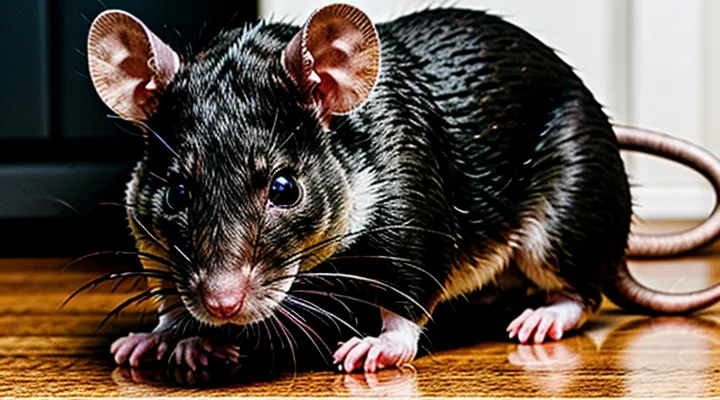
«Understanding Rat Ownership»
«Why a Rat Might Be the Right Pet for You»
«Intelligence and Trainability»
Rats possess a high level of cognitive ability comparable to that of small primates. They navigate mazes, solve puzzles, and remember solutions after repeated exposure. This capacity for rapid learning makes them suitable candidates for structured training programs.
Training leverages natural curiosity and social motivation. Positive reinforcement, typically in the form of small food rewards, produces reliable responses. Consistent cue‑reward pairings allow rats to associate specific signals with desired actions such as coming when called, stepping onto a platform, or navigating a simple obstacle course.
Key practices for developing rat intelligence and trainability:
- Short, frequent sessions: 5‑10 minutes per day maintain focus without causing stress.
- Clear, distinct cues: Use a single word or hand signal for each behavior to avoid confusion.
- Immediate rewards: Deliver treats within one second of the correct response to strengthen the association.
- Gradual shaping: Break complex tasks into smaller steps, rewarding each incremental progress.
- Varied enrichment: Rotate puzzle toys, tunnels, and foraging opportunities to prevent habituation and stimulate problem‑solving skills.
Effective training improves a rat’s adaptability to its environment, reduces undesirable behaviors, and enhances the bond between owner and pet. Incorporating regular mental challenges aligns with essential guidelines for responsible rat keeping and supports overall welfare.
«Sociability and Affection»
Rats thrive on interaction with conspecifics; solitary housing leads to stress, reduced activity, and health complications. Provide at least one same‑sex companion, preferably a pair or small group, to satisfy innate herd behavior. When adding a new rat, introduce gradually in a neutral enclosure to prevent aggression and promote acceptance.
Affection manifests through grooming, gentle nibbling, and seeking proximity to human handlers. Regular, calm handling reinforces trust and encourages these behaviors. Begin with short sessions, allowing the rat to explore the hand before attempting to lift. Increase duration as the animal displays relaxed posture, whisker forward orientation, and tail resting against the body.
Key practices for fostering sociability and affection:
- Maintain a stable group composition; avoid frequent changes in cage mates.
- Offer enrichment items such as tunnels, chew toys, and climbing structures to stimulate social play.
- Schedule daily interaction periods of 10–15 minutes per rat, using soft voice and slow movements.
- Observe body language; flattened ears, rapid breathing, or aggressive lunges indicate discomfort and require immediate cessation of handling.
- Provide nesting material and hideouts; shared spaces encourage communal resting and bonding.
Consistent social exposure and gentle handling produce rats that readily seek contact, display affection, and exhibit lower stress markers, supporting overall welfare and longevity.
«Low Maintenance Compared to Other Pets»
Pet rats demand less physical space than dogs or cats; a standard cage measuring 24 × 12 inches accommodates a pair comfortably. Their enclosure requires weekly cleaning of bedding and occasional deep cleaning, a schedule comparable to that of small rodents and far shorter than the daily litter box maintenance required for rabbits.
- Feeding: Rats thrive on a simple diet of commercial pellets supplemented with fresh vegetables and occasional fruit. Portion sizes are measured in grams, eliminating the need for multiple feeding stations or specialized formulas.
- Grooming: Self‑grooming eliminates baths or regular brushing. Occasional nail trims are the only routine grooming task.
- Health monitoring: Signs of illness appear quickly, allowing prompt intervention without extensive veterinary equipment. Routine health checks consist of visual inspection and weight measurement.
- Cost: Initial setup (cage, bedding, food) averages $100–$150, with monthly expenses under $30. This budget is lower than that of most small mammals and considerably less than the recurring costs for larger pets.
The combination of compact housing, straightforward nutrition, minimal grooming, and low ongoing expenses positions rats as one of the most economical and time‑efficient companion animals for individuals with limited schedules.
«Preparing for Your New Rat»
«Choosing the Right Cage»
«Minimum Size Requirements»
Providing an enclosure that meets minimum size standards is essential for rat welfare. A cage that is too small restricts movement, increases stress, and can lead to health problems.
- Floor space: at least 2 sq ft (0.19 m²) per adult rat. For a pair, aim for 4 sq ft (0.38 m²).
- Height: a minimum of 12 in (30 cm) to allow climbing and vertical activity.
- Bar spacing: no more than ½ in (12 mm) to prevent escape and injury.
The dimensions above accommodate natural behaviors such as running, foraging, and nesting. Larger cages improve air circulation and reduce the buildup of waste odors.
When multiple rats share a cage, increase floor area proportionally. Multi‑level designs can supplement floor space, but each level must provide at least ½ sq ft (0.05 m²) of usable area per rat and include safe ramps with gentle slopes.
Materials should be sturdy, easy to clean, and free of sharp edges. Regular inspection ensures that bars remain intact and that the cage continues to meet the size criteria throughout the rat’s life.
«Bar Spacing Considerations»
When selecting a cage for a rat, the distance between vertical bars determines safety, comfort, and durability. Bars spaced too widely allow a rat to slip through, risking escape or injury. Bars spaced too tightly can cause paw or whisker entanglement and limit airflow.
- Maximum vertical spacing: 0.5 in (12 mm). This limit prevents the animal’s head or body from passing through while still providing adequate ventilation.
- Minimum vertical spacing: 0.25 in (6 mm). Wider gaps increase the chance of a rat wedging its limbs, leading to stress or injury.
- Horizontal bar spacing: 0.75–1 in (19–25 mm). This range supports climbing behavior without creating foothold hazards.
- Bar thickness: 0.5 in (12 mm) or greater. Thicker bars resist chewing and reduce the likelihood of deformation under the animal’s weight.
Cage material should be stainless steel or coated metal to resist corrosion and chewing damage. Ensure that the cage’s overall dimensions allow multiple levels, as rats prefer vertical movement; however, each level must adhere to the spacing guidelines above.
Regular inspection of bar integrity is essential. Replace any bent, corroded, or chewed bars promptly to maintain the specified distances and prevent accidental gaps.
«Multi-level Setups and Enrichment»
A multi-level habitat provides vertical space, climbing opportunities, and separation of activity zones, which aligns with a rat’s natural behavior. Elevated platforms reduce ground congestion, allow observation of surroundings, and support territorial hierarchy without compromising safety.
- Use sturdy, chew‑resistant materials such as solid wood or metal for shelves and ramps.
- Ensure each level is securely anchored to prevent tipping.
- Provide a minimum clearance of 4 inches between levels to accommodate adult rats.
- Place a solid floor on the lowest level to protect bedding from spills and droppings.
Enrichment items should be distributed across all levels to encourage exploration and mental stimulation. Rotate objects regularly to maintain interest and prevent habituation.
- Hanging toys with detachable parts for gnawing.
- Rope ladders or natural fiber vines connecting platforms.
- Small hideouts made from untreated cardboard or wood.
- Puzzle feeders that require manipulation to release food.
Regular inspection of connections, chew surfaces, and enrichment pieces ensures durability and hygiene. Clean each level separately, replace worn components promptly, and monitor rats for signs of stress or injury. A well‑structured, enriched environment contributes to robust health and natural activity patterns.
«Essential Cage Accessories»
«Bedding Options and Their Safety»
Choosing appropriate bedding is essential for a rat’s respiratory health, hygiene, and comfort. Safe bedding must be low‑dust, non‑aromatic, and free of splinters that could cause injury.
- Paper‑based bedding (e.g., shredded paper, blotting paper): Minimal dust, easy to replace, biodegradable. Ensure pieces are not too large to prevent choking.
- Aspen shavings: Low in aromatic oils, low dust content, provides good absorbency. Avoid pine or cedar, which contain phenols harmful to rodents.
- Hemp or wheat straw: Naturally absorbent, low dust. Verify that the straw is untreated and free of mold.
- Fleece liners: Reusable, dust‑free, washable. Must be changed regularly to prevent bacterial buildup.
- Corncob bedding: Moderate absorbency, low dust, but may retain moisture longer; monitor for mold.
Unsafe options include scented litters, pine or cedar wood chips, and any material that produces fine particles or sharp fragments. Ingestion of untreated wood or aromatic oils can lead to gastrointestinal irritation or respiratory distress. Regularly inspect bedding for moisture, mold, or contamination, and replace it according to usage frequency.
By selecting low‑dust, non‑aromatic bedding and maintaining a clean environment, owners reduce the risk of respiratory infections and skin problems, supporting the overall well‑being of their pet rats.
«Food and Water Dispensers»
Proper food and water dispensers are essential for maintaining a healthy rat. Choose containers made of durable, non‑porous material such as stainless steel or heavy‑grade plastic; these resist chewing and are easy to clean. Position dispensers at a height that allows the rat to reach them without strain, typically on the cage’s side wall or a low platform.
- Use a water bottle with a metal sipper tube; replace the bottle weekly to prevent bacterial growth. Check the flow daily and ensure the tube does not become clogged.
- Provide a solid food bowl or a shallow dish for dry pellets; avoid deep bowls that can trap waste. Clean the bowl after each feeding session.
- Offer fresh vegetables and occasional treats in a separate container; remove uneaten portions within two hours to prevent spoilage.
- Secure all dispensers with clamps or zip ties to prevent displacement during vigorous activity.
Regular inspection of the dispensers prevents leaks, contamination, and accidental ingestion of debris, thereby supporting optimal nutrition and hydration for the pet rat.
«Hiding Spots and Hammocks»
Providing rats with secure hiding spots and comfortable hammocks is essential for stress reduction and natural behavior expression. Rats instinctively seek concealed areas to sleep, forage, and retreat from perceived threats; without such options, they become agitated and may develop health issues.
Effective hiding spots should meet three criteria: material, size, and placement. Use solid, non‑toxic materials such as untreated wood blocks, PVC tubes, or thick cardboard. Each enclosure should contain at least two hideouts, each large enough for a rat to turn around fully (minimum interior dimensions 4 × 4 × 4 inches). Position hides in low‑light corners and away from high‑traffic zones to encourage voluntary use.
Hammocks offer elevated rest areas that satisfy the rat’s climbing instinct. Select hammocks made from breathable, washable fabric stretched over a sturdy frame or securely anchored to the cage wall. Install hammocks at a height of 4–6 inches above the cage floor, ensuring easy access via nearby ladders or ramps. Rotate hammock positions regularly to promote exploration and prevent localized wear.
Safety considerations include:
- Avoiding sharp edges, loose threads, or toxic adhesives.
- Securing all attachments to prevent collapse during active play.
- Cleaning hides and hammocks weekly with mild, unscented soap and rinsing thoroughly.
- Inspecting for wear or mold; replace compromised items immediately.
Implementing these guidelines creates a habitat that mirrors a rat’s natural environment, supporting physical health and psychological well‑being.
«Toys for Mental and Physical Stimulation»
Providing appropriate toys is essential for maintaining a rat’s cognitive health and muscular tone. Without regular enrichment, rodents develop repetitive behaviors, reduced activity levels, and heightened stress responses.
- Puzzle feeders: containers that require manipulation to release food, encouraging problem‑solving and fine‑motor coordination.
- Chew blocks: natural wood or compressed hay pieces that satisfy the animal’s instinct to gnaw, preserving dental integrity.
- Tunnels and tubes: PVC or commercially available plastic networks that promote exploration, agility, and spatial awareness.
- Climbing structures: ladders, ropes, and platforms that stimulate forelimb strength and balance.
- Interactive toys: wheels with variable resistance, rotating balls, or treat‑dispensing balls that combine aerobic exercise with mental challenge.
Rotate items every two to three weeks to prevent habituation. Clean all accessories weekly with mild, rat‑safe detergent and rinse thoroughly to avoid bacterial growth. Observe individual preferences; some rats favor tactile objects, others prioritize movement‑based play. Adjust the selection accordingly to ensure continuous engagement and optimal physical condition.
«Selecting Your Rat»
«Where to Acquire Your Rat»
Acquiring a rat responsibly begins with identifying reputable sources. Established breeders maintain health records, perform regular health checks, and provide information on lineage. Pet stores that specialize in small‑animal care often partner with vetted breeders and can offer immediate availability, though they may have higher turnover rates. Rescue groups and animal shelters occasionally have rats needing re‑homing; these organizations typically screen adopters and ensure basic veterinary care before release. Online classified platforms can list private sellers, but verification of the animal’s health status and the seller’s credibility is essential. Community‑run forums and local rodent‑enthusiast clubs frequently share listings for responsibly bred rats and can provide references to experienced owners.
Key considerations when selecting a source:
- Confirm that the breeder or seller follows strict hygiene protocols and provides a health guarantee.
- Request documentation of recent veterinary examinations, including checks for common ailments such as respiratory infections.
- Verify that the rat is of appropriate age (generally 8–12 weeks) to facilitate handling and socialization.
- Ensure the environment where the rat was kept meets standards for space, ventilation, and enrichment.
- Ask about the rat’s social history; rats are highly social and benefit from being housed in pairs or groups.
By prioritizing these criteria, prospective owners can secure a healthy, well‑socialized rat and lay a solid foundation for successful long‑term care.
«Signs of a Healthy Rat»
A healthy rat displays several observable characteristics that indicate proper nutrition, adequate housing, and effective veterinary care. These markers are essential for anyone following rat husbandry guidelines.
- Bright, alert eyes without discharge or cloudiness.
- Clean, pinkish skin and fur that lies flat against the body, free of bald patches, sores, or excessive dandruff.
- Normal body weight for the animal’s age and breed, with a steady weight curve rather than sudden loss or gain.
- Active, curious behavior: frequent exploration of the cage, interaction with enrichment items, and willingness to engage with humans.
- Steady, rhythmic breathing; no wheezing, coughing, or labored respiration.
- Regular, well‑formed feces that are dark brown, pellet‑shaped, and moist, indicating proper digestion.
- Healthy teeth that are continuously growing but remain correctly aligned; no overgrowth or malocclusion observable during a gentle oral inspection.
- Intact, uninflamed nails and paws; no swelling, redness, or ulceration.
Additional observations reinforce these signs. A rat that maintains a consistent grooming routine, exhibits a clean tail free of lesions, and responds promptly to handling is typically free from underlying health issues. Any deviation from these criteria warrants a veterinary assessment to prevent the development of disease.
«Considering Adopting More Than One Rat»
Adopting more than one rat significantly improves welfare because rats are inherently social creatures. A single rat often exhibits stress‑related behaviors, while a pair or small group provides mutual grooming, play, and a stable hierarchy that reduces anxiety.
Key considerations when expanding a rat household:
- Compatibility assessment – Introduce unfamiliar rats in a neutral cage; observe for aggression or excessive dominance before permanent cohabitation.
- Cage size – Minimum floor space of 2 sq ft per rat; a group of three requires at least 6 sq ft to accommodate nesting, foraging, and exercise.
- Enrichment distribution – Provide multiple shelters, chew toys, and climbing structures to prevent competition over resources.
- Dietary planning – Supply enough high‑quality pellets and fresh vegetables for each individual; monitor weight to detect early signs of over‑ or under‑feeding.
- Health monitoring – Conduct weekly visual checks for respiratory symptoms, skin lesions, or abnormal behavior; isolate any sick rat promptly to protect the group.
- Veterinary care – Schedule annual examinations for the entire group; discuss vaccination and parasite prevention tailored to multiple rats.
Social dynamics evolve; regular observation of grooming patterns and hierarchy shifts helps identify emerging conflicts. Adjust cage layout or add extra hiding places when tension appears. Providing sufficient space, enrichment, and balanced nutrition ensures that a multi‑rat household remains healthy, active, and content.
«Daily Care and Nutrition»
«Dietary Requirements»
«Commercial Rat Food vs. Homemade Mixes»
Commercial rat pellets deliver a calibrated blend of protein, fiber, vitamins, and minerals designed for the species’ specific metabolic needs. The formulation is tested for palatability and nutritional adequacy, ensuring each serving meets established dietary standards. Because the composition is fixed, owners can predict caloric intake and avoid deficiencies without detailed calculations.
Homemade mixes allow precise control over ingredients, enabling the exclusion of allergens or the inclusion of preferred fresh items such as vegetables, fruits, and whole grains. This flexibility can enhance enrichment and accommodate special dietary requirements, but it also places responsibility on the caretaker to balance macronutrients and micronutrients. Accurate recipes must reference reputable rodent nutrition guidelines to prevent excess fat, inadequate calcium, or insufficient vitamin D.
Key comparison points:
- Nutrient consistency: Commercial feeds guarantee uniform ratios; homemade blends vary with each preparation.
- Cost: Bulk pellets often reduce per‑day expense; homemade mixes may rise due to fresh produce and supplemental powders.
- Shelf life: Dry pellets remain stable for months when stored properly; fresh components in homemade diets spoil quickly and demand frequent replenishment.
- Convenience: Pellet containers require minimal handling; homemade recipes involve ingredient sourcing, measurement, and cooking or grinding.
- Safety: Commercial products undergo quality control to limit contaminants; homemade mixes risk contamination from improper storage or unbalanced recipes.
For optimal rat health, many experienced caretakers combine both approaches: a base of high‑quality commercial pellets to secure essential nutrients, supplemented with measured portions of fresh foods and occasional treats. This strategy leverages the reliability of manufactured feeds while providing the enrichment benefits of a varied, natural diet.
«Safe Fruits and Vegetables»
Rats benefit from fresh produce that supplies vitamins, minerals, and fiber. Include only items that are non‑toxic and easy for rats to digest.
-
Apples (core removed, no seeds)
-
Blueberries
-
Strawberries (hull removed)
-
Bananas (small pieces)
-
Pears (core removed)
-
Mango (pitted)
-
Kiwi (peeled)
-
Carrots (raw or lightly steamed)
-
Bell peppers (any color)
-
Zucchini
-
Cucumber (seedless)
-
Spinach (in moderation)
-
Kale (chopped)
-
Broccoli florets
Wash all fruit and vegetable pieces thoroughly to eliminate pesticides. Cut into bite‑size portions no larger than a rat’s paw. Offer a maximum of one tablespoon per serving, two to three times weekly, to prevent digestive upset. Remove any pits, cores, or stems that could cause choking or contain toxins.
Store cut produce in an airtight container in the refrigerator and discard leftovers after 24 hours to avoid mold growth. Observe the rat for changes in stool or appetite; discontinue any item that provokes diarrhea or loss of interest.
«Foods to Avoid»
Rats require a diet that mirrors their natural omnivorous habits. Certain foods can cause digestive distress, nutritional deficiencies, or toxic reactions and should never be offered.
- Processed meats (e.g., bacon, ham, deli slices) – high in salt and preservatives.
- Citrus fruits and juices – acidic content can irritate the gastrointestinal tract.
- Chocolate and caffeine – contain theobromine and stimulants toxic to rodents.
- Sugary snacks and candy – promote obesity and dental disease.
- Raw beans, especially kidney beans – contain lectins that can be lethal if not cooked.
- Alcohol and alcoholic beverages – depress the central nervous system and can be fatal.
- High‑fat dairy products (e.g., whole milk, cheese) – difficult to digest and may cause diarrhea.
- Avocado skin and pit – contain persin, a compound harmful to rats.
- Onion, garlic, and related Allium species – cause hemolytic anemia in rodents.
- Artificial sweeteners, particularly xylitol – toxic and can lead to rapid insulin release.
Providing only safe, nutritionally balanced foods supports healthy growth, activity, and longevity in pet rats.
«Treats and Moderation»
Treats provide enrichment and can reinforce positive behavior, but they must fit within a balanced diet.
Suitable options include small pieces of fresh fruit (e.g., apple, banana), vegetables (e.g., carrot, broccoli), lean protein sources (e.g., boiled egg, cooked chicken), and commercially formulated rat treats. Each item should be cut into bite‑size portions no larger than a rat’s head.
- Fresh fruit: apple, pear, berries – limit to one or two small pieces per week.
- Vegetables: cucumber, bell pepper, leafy greens – offer a few small pieces daily.
- Protein: boiled egg white, cooked chicken breast – provide a few grams two to three times a week.
- Commercial treats: low‑sugar, low‑fat varieties – treat as occasional supplement, not staple.
Moderation prevents weight gain and digestive disturbances. Treats should not exceed 10 % of total caloric intake. Offer treats no more than three times per week, spacing them evenly to avoid overfeeding. Monitor body condition regularly; visible fat deposits or reduced activity indicate excess calories.
Introduce new foods gradually, observe for adverse reactions, and adjust portions based on weight trends. Avoid sugary, salty, or toxic items such as chocolate, caffeine, raw beans, and citrus seeds. By limiting treats to modest amounts and selecting nutritionally appropriate options, owners maintain health while providing sensory stimulation.
«Water Accessibility»
Provide fresh water at all times. Use a sipper bottle designed for small rodents; the bottle should attach securely to the cage, preventing leaks and allowing the rat to drink without contaminating the water. Position the bottle near the nesting area but away from food dishes to avoid spillage.
Maintain water quality. Replace the water daily, even if the bottle appears full. Clean the bottle and its nozzle with warm, unscented soap and rinse thoroughly before refilling. For cages without a bottle, a shallow, heavy ceramic bowl works, but monitor for tipping and replace water twice daily.
Observe the rat’s drinking behavior. Signs of dehydration include reduced activity, sunken eyes, and dry skin. If water consumption drops, check the bottle for blockage, verify that the nozzle is functional, and confirm that the water temperature is room‑stable (approximately 68‑72 °F).
Key practices:
- Install a leak‑proof sipper bottle; secure it to the cage wall.
- Change water every 24 hours; clean the bottle weekly.
- Use unscented, mild detergent for cleaning; rinse until no residue remains.
- Keep the water source away from food to prevent contamination.
- Monitor drinking patterns; intervene immediately if intake declines.
«Cage Cleaning and Hygiene»
«Daily Spot Cleaning»
Daily spot cleaning maintains a healthy environment for a pet rat and prevents the buildup of waste, food debris, and urine that can cause illness.
- Remove visible droppings and food remnants from the cage floor at least once each day.
- Wipe the floor with a damp cloth or paper towel; use a mild, unscented detergent diluted in water if stains appear.
- Rinse the cleaning surface with clean water and dry thoroughly before returning bedding.
- Inspect enrichment items (toys, tunnels) for soiled spots and clean them with the same solution.
Perform the routine at a consistent time to establish a predictable schedule for the animal. Monitor the cage for lingering odors or damp areas that may indicate insufficient drying. Replace soiled bedding promptly; a fresh layer reduces the need for extensive scrubbing and supports the rat’s natural burrowing behavior.
Only rodent‑safe cleaning products should be employed. Avoid strong chemicals, fragrances, or bleach, as residues can irritate the rat’s respiratory system. After each cleaning session, ensure proper ventilation to disperse any moisture and residual odor.
«Weekly Full Cage Cleaning»
A weekly full‑cage cleaning is a cornerstone of rat husbandry. It removes accumulated waste, reduces odor, and prevents the buildup of pathogens that can compromise health.
To perform the cleaning, follow these steps:
- Transfer the rat to a secure temporary enclosure with fresh bedding and food.
- Empty all bedding, nest material, and disposable accessories into a trash bag.
- Scrape residual droppings and urine from the cage base, walls, and equipment.
- Wash the cage, water bottle, food dish, and any reusable accessories with warm water and a mild detergent. Rinse thoroughly.
- Apply a rodent‑safe disinfectant (e.g., a 1 % diluted bleach solution or white vinegar) to all surfaces. Allow the contact time recommended by the product label.
- Rinse again to remove any chemical residue. Dry completely with a clean towel or air‑dry for at least 15 minutes.
- Replace with fresh, low‑dust bedding and reinstall cleaned accessories.
- Return the rat to its cleaned habitat and monitor for normal activity.
Perform the procedure once every seven days. Adjust the schedule if visible soiling appears sooner, but avoid cleaning more frequently than necessary, as excessive disturbance can stress the animal. Regular inspection of cage corners, water lines, and chew toys during each cleaning helps identify wear and replace items before they become hazards.
«Bedding Replacement Frequency»
Regularly changing the bedding in a rat cage prevents the buildup of waste, ammonia, and mold, which can cause respiratory problems and skin irritation.
- Spot‑clean soiled areas daily; remove droppings, urine stains, and wet spots as soon as they appear.
- Replace the entire bedding layer at least once every seven days. This interval maintains a dry, odor‑free environment for healthy rodents.
- Increase replacement frequency to every three to four days if the cage houses multiple rats, if the bedding type retains moisture quickly, or if a strong odor develops.
The chosen bedding material influences the schedule. Paper‑based products dry rapidly and may allow a seven‑day full change, while wood‑chip or corn‑based bedding retains moisture longer and often requires a change every five days.
During illness or after a health‑related incident, remove all bedding immediately and replace it with fresh material to eliminate pathogens and reduce stress on the animals.
Consistent adherence to these intervals supports optimal hygiene, lowers the risk of disease, and promotes a comfortable living space for pet rats.
«Health and Well-being»
«Common Rat Health Issues»
«Respiratory Infections»
Respiratory infections are among the most common health problems in pet rats and can progress rapidly if untreated. Prompt identification and preventive management are essential components of responsible rat husbandry.
Typical clinical signs include sneezing, nasal discharge, audible wheezing, labored breathing, and reduced activity. Observe the animal daily for any deviation from normal behavior, as early detection improves treatment outcomes.
Prevention relies on controlling environmental factors and maintaining proper hygiene:
- Keep cage temperature between 18 °C and 24 °C; avoid drafts and sudden temperature shifts.
- Provide adequate ventilation without exposing rats to direct airflow.
- Use dust‑free bedding such as paper or aspen; eliminate scented or aromatic substrates that irritate the respiratory tract.
- Clean cage, food bowls, and water bottles regularly to reduce bacterial load.
- Quarantine new arrivals for at least two weeks, monitoring for respiratory symptoms before introducing them to the existing colony.
- Limit exposure to other animals, especially those with known respiratory illnesses.
If an infection is suspected, seek veterinary care promptly. Veterinarians may prescribe antibiotics targeting common bacterial agents (e.g., Streptococcus spp., Mycoplasma spp.) and recommend supportive measures such as humidified air and nutritional supplementation. Follow the full course of treatment and monitor the rat for relapse.
Maintaining optimal cage conditions, practicing strict sanitation, and conducting regular health checks form the core strategy for minimizing respiratory disease risk in domesticated rats.
«Tumors and Cancers»
Rats are prone to neoplastic growths that can compromise health and lifespan. Early detection and appropriate response are critical components of responsible rat husbandry.
Regular health checks should include visual inspection of the skin, palpation of the abdomen, and observation of behavior for signs of discomfort or reduced activity. Any palpable mass, ulcerated lesion, or abnormal swelling requires immediate veterinary evaluation.
- Schedule veterinary examinations at least twice yearly, or more frequently for older animals.
- Maintain a balanced diet low in excessive fats and sugars, which reduces metabolic stress that can promote tumor development.
- Provide enrichment that encourages natural movement, supporting immune function and overall vitality.
- Keep the cage environment clean, limiting exposure to chronic irritants that may trigger inflammatory processes linked to tumor formation.
- Record weight, food intake, and any changes in appearance; trends often reveal early disease progression.
If a tumor is diagnosed, follow veterinary recommendations for treatment, which may include surgical removal, chemotherapy, or palliative care. Adjust husbandry practices to accommodate recovery needs, such as providing soft bedding, easy access to food and water, and minimizing stressors.
Monitoring, preventive nutrition, and prompt veterinary intervention together form the core strategy for managing tumors and cancers in pet rats.
«Parasites»
Parasites represent a frequent health threat for pet rats and can compromise welfare, reproduction, and lifespan. Effective management requires awareness of common species, early detection, and prompt intervention.
Common internal parasites include:
- Rodent pinworm (Syphacia muris) – lightweight, thread‑like worms visible around the anus.
- Tapeworms (Hymenolepis spp.) – segmented parasites that may cause weight loss and digestive upset.
- Stomach nematodes (Trichuris spp.) – cause intermittent diarrhea and reduced appetite.
Typical external parasites are:
- Mites (Myobia musculinus, Radfordia spp.) – cause itching, hair loss, and skin irritation.
- Fleas (Ctenocephalides felis) – transmit bacterial infections and provoke anemia in severe infestations.
- Lice (Polyplax spp.) – lead to feather‑like fur damage and secondary skin infections.
Detection methods rely on visual inspection and laboratory analysis. Regular examination of feces under a microscope identifies worm eggs; skin scrapes reveal mites or lice; a sticky tape test can expose flea presence. Sudden changes in grooming behavior, coat condition, or appetite often signal infestation.
Prevention strategies:
- Maintain cage cleanliness; replace bedding weekly and disinfect surfaces with rodent‑safe solutions.
- Quarantine new arrivals for at least two weeks; perform fecal examinations before integration.
- Provide a balanced diet rich in fiber to support gastrointestinal health.
- Limit exposure to wild rodents and insects that may carry parasites.
- Schedule routine veterinary check‑ups at least twice yearly for parasitological screening.
Treatment requires veterinary prescription. Anthelmintic drugs such as fenbendazole or ivermectin address internal worms; topical acaricides or oral flea medications control external parasites. Follow dosage instructions precisely, repeat courses as advised, and monitor the rat for adverse reactions. After treatment, repeat fecal and skin examinations to confirm eradication before resuming normal husbandry practices.
«Dental Problems»
Rats possess continuously growing incisors; without adequate wear, malocclusion, overgrowth, and associated pain develop rapidly. Proper dental health underpins overall well‑being, making it a priority in any rat‑care program.
Typical indicators of dental trouble include reduced food intake, drooling, facial swelling, difficulty grooming, audible grinding, and visible misalignment of teeth. Early detection prevents secondary infections and weight loss.
Preventive actions focus on diet and environmental enrichment. Provide a balanced mix of high‑fiber pellets, fresh vegetables, and occasional fruits to stimulate natural chewing. Offer safe chewable objects such as untreated wood blocks, mineral rods, and paper tubes. Ensure all items are free of chemicals, sharp edges, or splinters that could damage gum tissue. Maintain a clean cage to reduce the risk of oral bacterial contamination.
Veterinary assessment should occur at the first sign of abnormal behavior or when teeth appear uneven. A professional may perform a detailed oral examination, radiographs, and, if necessary, trim overgrown incisors under anesthesia. Follow‑up appointments verify proper alignment and monitor healing.
Key preventive measures
- Supply fresh, fiber‑rich food daily.
- Rotate chew toys to encourage constant wear.
- Inspect teeth weekly for asymmetry or excessive length.
- Schedule regular health checks with a small‑animal veterinarian.
Consistent attention to these factors minimizes dental problems, supporting a healthy, active rat throughout its lifespan.
«Recognizing Signs of Illness»
Observing a pet rat’s health is essential for successful husbandry. Regularly inspect the animal for deviations from normal behavior, appearance, and physiological functions. Early detection of illness reduces the risk of complications and supports prompt veterinary intervention.
Typical indicators of disease include:
- Lethargy or reduced activity levels
- Loss of appetite or refusal to eat
- Weight loss or noticeable body condition decline
- Respiratory distress: audible wheezing, labored breathing, nasal discharge
- Ocular or nasal discharge that is excessive, discolored, or persistent
- Abnormal stool: diarrhea, blood, or mucus presence
- Hair loss, skin lesions, or scabs, especially around the tail base
- Unusual posture: hunched back, curled tail, or difficulty moving
- Excessive grooming or self‑mutilation
- Sudden aggression or marked changes in temperament
When any of these signs appear, isolate the affected rat, minimize stress, and schedule a veterinary examination without delay. Maintain a health log documenting symptom onset, duration, and any environmental changes to aid diagnosis.
«Finding a Veterinarian Experienced with Rats»
When a rat shows signs of illness, prompt professional care is essential because rodents respond quickly to infection and stress. General small‑animal clinics often lack the specific knowledge required for rats, leading to misdiagnosis or inadequate treatment. Selecting a veterinarian with rat experience ensures accurate assessment, appropriate medication dosages, and humane handling.
- Search local veterinary directories for “exotic” or “small mammal” practitioners.
- Review each clinic’s website for mentions of rats, guinea pigs, or other rodents.
- Call the office and ask directly about the veterinarian’s experience with rats, including typical procedures performed (e.g., dental checks, parasite control).
- Request references from current rat owners or local pet‑owner groups; online forums and social media pages frequently share vetted contacts.
- Verify the clinic’s equipment and protocols: anesthesia machines sized for small mammals, isolation cages, and rat‑specific diagnostic tools indicate competence.
- Confirm emergency coverage; rat health can deteriorate rapidly, so a practice that offers after‑hours care is preferable.
After identifying candidates, schedule a brief consultation. Observe the veterinarian’s handling technique, willingness to answer detailed questions, and familiarity with rat anatomy. A professional who demonstrates calm, precise restraint and uses appropriate terminology (e.g., “nasal cavity,” “mandibular incisors”) is likely competent. Choose the practice that combines documented rat experience, clear communication, and reliable emergency support.
«Preventive Care and Regular Check-ups»
Preventive care reduces the risk of illness and prolongs the lifespan of a pet rat. Regular veterinary examinations, routine health monitoring, and a consistent hygiene schedule form the core of an effective prevention strategy.
Key components of preventive care include:
- Vaccinations and parasite control – follow a veterinarian‑approved schedule for deworming and ectoparasite treatments; update vaccines as recommended.
- Dental health – provide chew toys and fresh vegetables to wear down continuously growing incisors; inspect teeth during each check‑up for overgrowth or misalignment.
- Environmental cleanliness – change bedding weekly, disinfect cages with pet‑safe cleaners, and remove uneaten food daily to limit bacterial growth.
- Nutrition assessment – offer a balanced diet of commercial pellets, fresh greens, and occasional protein; adjust portions based on weight and activity level.
- Behavioral observation – note changes in activity, grooming, appetite, or scent marking; early detection of lethargy, hair loss, or respiratory sounds often signals health issues.
Schedule veterinary visits at least twice a year for a comprehensive physical exam, blood work, and fecal analysis. Increase frequency to quarterly if the rat shows signs of illness or is older than twelve months. During each appointment, request a full oral examination, weight measurement, and a review of the housing setup.
Maintain a simple health log: record daily food intake, water consumption, fecal output, and any abnormal behaviors. Cross‑reference this data with veterinary findings to identify trends and adjust care protocols promptly.
«Socialization and Handling»
«Building Trust with Your Rat»
«Initial Acclimation Period»
The first days after a rat arrives constitute the initial acclimation period, during which the animal adjusts to a new environment, diet, and handling routine. Provide a quiet cage away from high‑traffic areas, maintain a stable temperature (18‑24 °C) and humidity (40‑60 %). Keep lighting on a natural cycle, approximately 12 hours of light and 12 hours of darkness.
- Offer fresh water and a small portion of the regular diet; replace food after 24 hours to prevent spoilage.
- Limit human interaction to brief, calm observations; avoid picking up the rat until signs of comfort appear (e.g., relaxed posture, normal grooming).
- Monitor for signs of stress such as excessive hiding, loss of appetite, or abnormal vocalizations; adjust cage placement or environmental variables if needed.
- Maintain a consistent cleaning schedule, removing waste daily while leaving bedding untouched for at least 48 hours to preserve familiar scents.
By the end of the first week, the rat should display regular eating, normal activity cycles, and willingness to explore the cage. Continue to respect the animal’s pace, gradually extending handling sessions and introducing enrichment items such as tunnels or chew toys. This methodical approach establishes a stable foundation for long‑term health and behavior.
«Gentle Handling Techniques»
Gentle handling minimizes stress and builds trust, which directly influences a rat’s health, behavior, and longevity.
Before contact, ensure a clean, quiet area free of loud noises. Wash hands with mild soap, dry thoroughly, and avoid scented products that may alarm the animal. Allow the rat to become familiar with the caretaker’s scent by placing a hand near the cage for several minutes without reaching in.
- Approach the cage slowly, keeping movements smooth and predictable.
- Extend a hand palm‑up, allowing the rat to sniff before attempting to lift.
- Use both hands to form a shallow cup; support the torso and hindquarters simultaneously.
- Keep the rat’s body level, avoiding any tilt that could cause discomfort.
- Maintain contact for only a few seconds initially, then gently place the rat back into the enclosure.
After handling, observe the rat for signs of injury or distress. Return the animal to its nest promptly, then provide a small treat or enrichment item as positive reinforcement. Consistent application of these techniques reinforces habituation, reduces fear responses, and contributes to a stable, healthy pet rat.
«Interactive Play and Bonding»
Interactive play supplies necessary physical exercise and mental stimulation for domesticated rats, reducing stress and encouraging natural foraging behavior. Regular sessions also strengthen the trust between animal and owner, making routine care tasks smoother.
Create a safe play area separate from the cage. Use a non‑slippery surface, cover gaps larger than a centimeter, and remove small objects that could be swallowed. Supervise each session to prevent injury and to observe the rat’s preferences.
- Cardboard tunnels and tubes that mimic burrows
- Wooden chew blocks to satisfy dental needs
- Small plastic balls with textured surfaces for rolling
- Puzzle feeders that require manipulation to release food
Introduce new items gradually; allow the rat to explore each object for several minutes before adding another. Rotate toys weekly to maintain novelty and prevent habituation.
Bonding improves through consistent, gentle handling. Begin by offering a hand for the rat to sniff, then support the body with both palms while allowing the animal to climb onto the forearm. Keep sessions brief—five to ten minutes—and end on a positive note, such as offering a favorite treat. Repeating this routine daily builds familiarity, reduces fear responses, and promotes a cooperative relationship.
«Understanding Rat Body Language»
Rats communicate primarily through posture, facial expression, and movement. A relaxed rat holds its body low, ears forward, and whiskers spread; this indicates comfort and confidence in its environment. When a rat arches its back, raises its fur, and emits high‑pitched squeaks, it signals fear or aggression and requires immediate attention to reduce stressors. A rat that freezes, eyes wide, and tail stiffens is preparing to flee; removing the perceived threat usually restores normal behavior.
Interpretation of specific signals aids in preventing injury and promoting well‑being. Observe the following cues and respond accordingly:
- Grooming posture: Back lowered, head tilted, slow whisker movement – indicates contentment; maintain routine care.
- Play posture: Upright stance, rapid foot thumping, and vocal chirps – suggests desire for interaction; provide enrichment.
- Defensive stance: Back arched, fur puffed, teeth bared – warns of imminent bite; give the rat space and assess enclosure safety.
- Submission posture: Lowered body, tail curled around the hindquarters, ears flattened – shows hierarchy acceptance; avoid forcing dominance.
Consistent monitoring of these behaviors enables timely adjustments to diet, habitat layout, and social grouping, ensuring a stable and healthy rat environment.
«Enrichment and Mental Stimulation»
«Providing Variety in Toys and Activities»
Providing a diverse range of toys and activities prevents boredom, encourages natural behaviors, and supports physical health in pet rats.
-
Chew items: untreated wood blocks, natural mineral sticks, cardboard tubes.
-
Climbing structures: woven hammocks, ladder rungs, angled platforms.
-
Manipulative toys: plastic puzzle tubes, bead mazes, small tunnels with removable sections.
-
Foraging opportunities: hide seed mixes in paper rolls, scatter dried vegetables on bedding, use treat-dispensing balls.
-
Training sessions: clicker conditioning for simple commands, target training with a stick, short obstacle courses.
-
Social enrichment: supervised playtime with compatible companions, mirror exposure for visual stimulation, gentle handling to reinforce trust.
Rotate toys weekly to maintain novelty; inspect each item for splinters, sharp edges, or wear before reintroduction. Replace damaged objects promptly to avoid injury.
«Out-of-Cage Time and Supervised Play»
Rats require daily out‑of‑cage periods to explore, exercise, and exhibit natural behaviors. Allocate a safe, enclosed area where the animal can move freely without risk of escape or injury. Ensure the space is free of small gaps, toxic substances, and objects that could cause choking.
Supervised play sessions reduce stress and prevent destructive habits. During each session:
- Observe the rat continuously; intervene immediately if signs of aggression or overexertion appear.
- Offer enrichment items such as tunnels, chew toys, and climbing structures to stimulate mental activity.
- Keep the duration between 15 and 30 minutes, adjusting based on the rat’s age and stamina.
- Maintain a consistent schedule to establish routine and reinforce trust.
After play, return the rat to its cage promptly, provide fresh water, and check for any injuries or signs of illness. Regular monitoring of behavior and physical condition helps identify health issues early.
«Training and Learning Tricks»
Training a pet rat enhances welfare, reduces stress, and strengthens the human‑animal bond. Begin with short, consistent sessions; rats learn quickly when activities are predictable and rewarding.
- Use high‑value treats such as small pieces of fruit, seed mix, or commercial rat rewards. Offer a treat immediately after the desired behavior to create a clear association.
- Teach “target” by holding a fingertip or a small stick and rewarding the rat when it touches it with its nose. Progress to moving the target to guide the animal through simple obstacles.
- Introduce “come” by calling the rat’s name in a calm voice and rewarding the approach. Practice at varying distances, keeping the tone steady.
- Practice “stay” after the rat reaches a target. Apply a gentle hand signal, wait a few seconds, then reward. Extend the hold time gradually.
- Incorporate “hand‑feeding” to improve trust. Place a treat in the palm and wait for the rat to take it voluntarily before releasing the hand.
Maintain a quiet environment during training. Avoid loud noises, sudden movements, and unfamiliar scents that can distract the animal. Sessions should last no longer than five minutes to prevent fatigue; multiple brief sessions each day are more effective than one long session.
Track progress in a simple log: date, behavior practiced, duration, and reward type. Review the log weekly to identify patterns, adjust difficulty, and ensure consistent reinforcement.
Consistent, positive training integrates seamlessly with routine care, providing mental stimulation and reinforcing desired behaviors without compromising the rat’s natural instincts.