
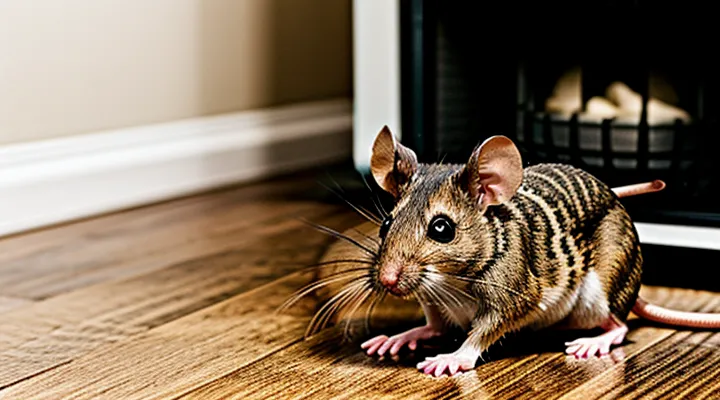
Distinguishing the Smell
Characteristics of a Dead Mouse Odor
Dead mouse odor presents a distinct, pungent profile that distinguishes it from common household smells. The scent is primarily a combination of ammonia‑like sharpness and a sweet, putrid undertone that intensifies with decomposition progress.
The odor originates from the breakdown of proteins and tissues, releasing volatile amines such as cadaverine and putrescine, alongside sulfur‑containing compounds like hydrogen sulfide. These chemicals generate a metallic, rotting smell detectable at low concentrations.
Sensory characteristics include:
- A sharp, acrid edge reminiscent of fresh urine or cleaning agents.
- A sweet, fetid note similar to decaying meat.
- An underlying sourness that becomes more pronounced after several days.
Temporal evolution follows a predictable pattern. Within the first 24 hours, the scent remains faint, dominated by ammonia. By the third day, cadaverine and putrescide levels rise, producing the characteristic sweet‑rotting odor. After a week, the smell reaches peak intensity, with additional sulfur compounds adding a lingering, musty aftertaste.
Spatial distribution depends on ventilation and building materials. Porous surfaces such as drywall and insulation absorb volatile compounds, allowing the odor to permeate adjacent rooms. Air currents carry the scent through vents, making detection possible even when the carcass is concealed behind walls.
Recognizing these attributes enables rapid identification of a concealed rodent corpse and informs appropriate remediation measures.
How it Differs from Other Household Smells
The odor of a deceased rodent possesses a specific chemical signature that sets it apart from typical household smells. Decomposition releases a mixture of ammonia, sulfur‑containing compounds such as dimethyl sulfide, and fatty acids, creating a sharp, musky scent that is both persistent and penetrating. In contrast, mold emits a musty, earthy aroma derived primarily from microbial volatile organic compounds, while food waste produces a sour, rancid smell dominated by short‑chain fatty acids. Pet urine is characterized by a strong, acidic tang caused by urea breakdown, and cooking fumes are often sweet or oily, reflecting the thermal degradation of fats and sugars.
Detection thresholds further differentiate these odors. The human nose can perceive the volatile compounds from a dead mouse at concentrations as low as 0.1 ppm, a sensitivity far greater than that required for recognizing mold (approximately 5 ppm) or garbage rot (around 10 ppm). Consequently, the rodent odor becomes noticeable even when the source is concealed within walls, floors, or insulation, whereas other smells typically require direct exposure.
Duration and spatial behavior also vary. Decomposition odors intensify over several days, maintaining a consistent presence until the carcass is removed, while mold and mildew may fluctuate with humidity levels. Garbage odors dissipate relatively quickly once the source is emptied, and cooking smells fade within hours after ventilation.
Key distinguishing features can be summarized:
- Chemical composition: ammonia and sulfur compounds vs. microbial or fatty acid volatiles.
- Sensory intensity: low detection threshold, strong penetration.
- Persistence: steady increase over days, unaffected by routine cleaning.
- Localization: often confined to hidden cavities, unlike surface‑level odors.
Understanding these differences enables accurate identification of a rodent‑related smell and informs appropriate remediation measures.
Pinpointing the Source of the Stench
Common Hiding Spots for Deceased Mice
Dead rodents emit a distinctive, pungent odor that intensifies as decomposition progresses. Detecting this smell usually indicates that the carcass is concealed within a confined space where airflow is limited. Identifying typical concealment locations accelerates removal and prevents further contamination.
- Behind or inside wall cavities, especially near baseboards and insulation
- Within ceiling joists or attic insulation, often near ventilation openings
- Under kitchen appliances such as refrigerators, stoves, or dishwashers
- Inside cabinets, particularly those storing pantry items or pet food
- Beneath furniture placed directly on the floor, including sofas and beds
- In crawl spaces or basement corners where moisture accumulates
- Within floorboards or under carpet edges, especially in older homes
- Inside utility closets, near water heaters, or around plumbing stacks
Inspection should focus on these areas, using a flashlight and, if necessary, a scent‑detecting device. Once the carcass is located, wear disposable gloves, place the remains in a sealed bag, and dispose of them according to local regulations. After removal, clean the site with a disinfectant solution and ventilate the space to eliminate residual odor. Continuous monitoring of the identified zones helps ensure that no additional incidents occur.
Methods for Locating the Carcass
The presence of a decaying rodent produces a distinct, pungent odor that intensifies as decomposition progresses. Detecting the source requires systematic examination of areas where a mouse is likely to hide and die.
Key techniques for pinpointing the carcass include:
- Visual sweep of concealed spaces: corners of closets, behind baseboards, under sinks, and inside wall cavities.
- Odor tracking with a damp cloth: gently wave the cloth along surfaces; a stronger scent on the cloth indicates proximity to the source.
- Use of a high‑intensity flashlight: shine into dark gaps; a glint or discoloration often reveals tissue.
- Application of ultraviolet (UV) light: UV illumination causes decomposed material to fluoresce, highlighting hidden remains.
- Inspection with a flexible inspection camera: insert the camera into narrow openings to view interior conditions without demolition.
- Monitoring of insect activity: clusters of flies or beetles frequently gather near the decay site, directing attention to the area.
- Temperature differentials: feel for cooler spots on walls or floors, as decomposition can lower surrounding temperature slightly.
After locating the carcass, remove it with disposable gloves, seal it in a plastic bag, and dispose of it in an outdoor trash container. Clean the affected area with a disinfectant solution, then ventilate the space to dissipate residual odor. If the smell persists, repeat the detection steps, focusing on adjacent walls or ceiling voids.
Tools and Techniques for Detection
Detecting the odor of a deceased rodent within a dwelling requires reliable instruments and systematic methods. Accurate identification prevents prolonged exposure to decay by‑products and facilitates timely removal.
- Electronic nose devices calibrated for volatile organic compounds (VOCs) associated with decomposition.
- Hand‑held gas detectors tuned to ammonia, sulfur‑containing gases, and putrescine.
- Infrared thermography cameras to locate temperature anomalies caused by microbial activity.
- Moisture meters to pinpoint areas of elevated humidity that often accompany decay.
- Portable air‑sampling pumps combined with laboratory‑grade gas chromatography for definitive analysis.
Practical techniques complement the tools. Begin with a systematic visual sweep of hidden spaces—attics, crawl spaces, wall voids—while noting any discoloration or fecal deposits. Deploy a gas detector at a low flow rate, moving slowly along baseboards and ceiling edges to capture subtle concentration gradients. Record peak readings and correlate them with temperature or moisture hotspots identified by thermography. If electronic equipment is unavailable, a simple “sniff test” performed with the nose positioned near potential sources can provide preliminary guidance, though it lacks quantitative precision.
Once a source is confirmed, isolate the affected area by sealing vents and doors to contain odor spread. Follow with appropriate removal procedures, disinfecting the space afterward. Continuous monitoring using a handheld detector ensures that residual VOC levels return to baseline, confirming successful remediation.
Safe and Effective Removal of the Carcass
Personal Protective Equipment
When a rodent carcass emits an unpleasant odor, direct contact with the remains can expose occupants to bacteria, viruses, and allergens. Protective barriers prevent skin contact, inhalation of aerosolized particles, and eye irritation.
Necessary protective items include:
- Disposable nitrile gloves that cover the wrists;
- Respiratory filter mask rated N95 or higher, sealed tightly over the nose and mouth;
- Safety goggles or a full-face shield to block splashes;
- Disposable lab coat or coveralls with elastic cuffs;
- Slip‑resistant shoe covers or dedicated footwear.
Donning sequence should follow the order: gown, mask, goggles, gloves. Each piece must be inspected for tears before use. After removal, each item is discarded in a sealed bag to avoid cross‑contamination. Hand hygiene with antimicrobial soap or sanitizer is mandatory after glove removal.
Additional measures support PPE effectiveness: open windows and operate exhaust fans to increase airflow; isolate the contaminated area with plastic sheeting; clean surfaces with a disinfectant containing at least 70 % alcohol or a bleach solution; and wash reusable equipment according to manufacturer instructions before storage.
Steps for Safe Disposal
Detecting a dead rodent indoors often requires prompt and safe removal to prevent health hazards. The disposal process should minimize exposure to pathogens and avoid contaminating living spaces.
- Wear protective gloves and a disposable mask.
- Isolate the area by sealing doors and covering vents with plastic sheeting.
- Use a sturdy, sealed container (e.g., a metal or heavy‑duty plastic bucket with a tight‑fitting lid) to collect the carcass.
- If the mouse is accessible, grasp it with a disposable tool (tongs or a plastic bag) and place it directly into the container.
- Disinfect the surrounding surface with a solution containing at least 1 % bleach or an EPA‑approved disinfectant.
- Seal the container with tape, label it as biohazard waste, and store it in a freezer or a cool, dry place until removal.
- Contact local municipal services or a licensed pest‑control professional for proper disposal according to regional regulations.
- After removal, launder any contaminated clothing separately and wash hands thoroughly with soap and water.
Following these steps ensures that the dead mouse is handled without spreading disease and that the indoor environment remains safe for occupants.
Cleaning and Disinfecting the Area
The carcass must be removed promptly, wearing disposable gloves and sealing it in a plastic bag before discarding it in an outdoor trash bin. Immediate ventilation follows; open windows and use fans to circulate fresh air for at least 30 minutes.
- Clean all surfaces that contacted the rodent with hot water and a mild detergent, scrubbing to eliminate organic residue.
- Apply a disinfectant solution—preferably a 1 % bleach mixture (one part sodium hypochlorite to nine parts water) or an EPA‑approved antimicrobial—covering floors, walls, and any nearby furnishings. Allow the solution to remain on surfaces for the contact time specified by the manufacturer, then rinse with clean water.
- After disinfection, place absorbent containers of activated charcoal, baking soda, or commercial odor absorbers in the affected area to capture lingering volatile compounds.
- Conduct a final inspection for residual odor; repeat deodorizing steps if the smell persists.
All cleaning materials should be disposed of safely, and hands must be washed thoroughly with soap after handling. Maintaining a regular schedule of deep cleaning in storage spaces, basements, and attics reduces the risk of future infestations and associated odors.
Eliminating Lingering Odors
Ventilation Strategies
Detecting a dead rodent in a residence produces a pungent odor that concentrates quickly in enclosed spaces. Prompt ventilation reduces odor intensity, limits exposure to harmful bacteria, and prevents the smell from permeating furnishings.
Open all exterior doors and windows to create a cross‑draft. Position a box fan to blow air outward, drawing fresh air inward. Maintain the airflow for at least 30 minutes before sealing openings.
- Use natural ventilation: windows on opposite walls, ceiling vents, or attic louvers.
- Deploy mechanical exhaust: bathroom or kitchen fans set to high, portable exhaust units placed near the source.
- Install air‑purifying devices: HEPA filters combined with activated‑carbon cartridges remove airborne particles and volatile compounds.
- Adjust HVAC system: increase fresh‑air intake, run the blower continuously, replace filters with high‑efficiency models.
- Apply temporary isolation: seal the contaminated area with plastic sheeting while ventilation clears the odor.
While ventilating, wear a disposable mask to avoid inhaling bacterial aerosols. After the odor subsides, clean surfaces with a disinfectant solution to eliminate residual microbes. Continuous airflow for several hours ensures complete removal of the smell and restores indoor air quality.
Odor Neutralizers and Absorbers
Detecting the odor of a deceased rodent requires prompt mitigation to prevent lingering smell and possible health risks. Effective odor control relies on neutralizers that chemically alter odor molecules and absorbers that trap volatile compounds.
Neutralizing agents:
- Activated charcoal – porous surface adsorbs a wide range of organic volatiles.
- Baking soda – alkaline powder reacts with acidic odor components, reducing perception.
- Zeolite – crystalline aluminosilicate exchanges cations, binding ammonia and sulfide gases.
- Commercial enzymatic sprays – enzymes break down odor‑producing proteins; choose formulations labeled «enzyme‑based odor neutralizer».
- Ozone generators – ozone oxidizes odor molecules; operate in unoccupied spaces and ventilate thoroughly after treatment.
Absorbing materials:
- Silica gel packets – hygroscopic granules capture moisture‑borne odors.
- Clay‑based cat litter – high surface area absorbs liquids and associated smells.
- Molecular‑weight absorbent pads – designed for HVAC systems, trap particles before they circulate.
Application protocol:
- Remove the source by locating and disposing of the carcass safely.
- Clean the affected area with a detergent solution to eliminate organic residues.
- Distribute a layer of activated charcoal or baking soda over surfaces, allowing several hours for adsorption.
- Apply enzymatic spray according to label instructions, focusing on hidden crevices.
- If persistent odor remains, run an ozone generator for the recommended cycle, then ventilate the space for at least 30 minutes.
Regular monitoring after treatment ensures the odor does not return. Replace absorbers every few weeks in high‑risk areas such as basements or attics.
Natural Remedies for Smell Removal
Natural odor elimination after discovering a deceased rodent requires prompt action to prevent lingering scent and possible health hazards. The source of the smell is typically bacterial decomposition releasing volatile compounds that permeate fabrics, carpets, and air ducts. Immediate removal of the carcass, thorough cleaning of the affected area, and application of natural absorbents are essential steps.
Effective natural remedies include substances that neutralize odor molecules without introducing synthetic chemicals. Recommended agents are:
- Baking soda: Sprinkle liberally on carpets, upholstery, and floor surfaces; leave for several hours before vacuuming to absorb volatile compounds.
- White vinegar: Dilute one part vinegar with three parts water; apply to hard surfaces and floor joints with a spray bottle, allowing evaporation to carry away odor.
- Activated charcoal: Place breathable pouches in closets, corners, and near ventilation openings; charcoal adsorbs airborne particles over 24‑48 hours.
- Lemon juice: Mix equal parts lemon juice and water; wipe down countertops, cabinets, and wooden furniture to mask and break down odor-causing substances.
- Essential oil blends: Combine a few drops of tea tree, eucalyptus, and lavender oil with water; spray lightly to provide antimicrobial action and a pleasant scent.
After treatment, improve air circulation by opening windows, using fans, and operating an air purifier equipped with a HEPA filter. Repeating the above natural applications until the odor subsides ensures a safe, odor‑free environment.
Preventing Future Rodent Infestations
Identifying Entry Points
Identifying how rodents gain access to a residence is a prerequisite for eliminating the source of a foul odor caused by a deceased mouse.
Typical ingress locations include:
- Gaps surrounding utility pipes and cables.
- Cracks in foundation walls or slab edges.
- Openings around doors, windows, and sliding panels.
- Unsealed vents, exhaust fans, and chimney flues.
- Gaps beneath garage doors and in crawl‑space entries.
Inspection should begin with a systematic visual sweep of each potential opening. Use a flashlight to detect concealed seams, and employ a smoke pencil or incense stick to reveal airflow patterns that indicate hidden passages.
Sealing measures involve:
- Inserting steel wool into narrow gaps, then applying silicone caulk for reinforcement.
- Installing copper mesh or hardware cloth over larger openings before closing with mortar or trim.
- Applying expanding polyurethane foam to irregular cracks, ensuring complete coverage.
Regular maintenance of exterior caulking and prompt repair of structural damage prevent future incursions and mitigate the recurrence of unpleasant odors.
Sealing Gaps and Cracks
Sealing gaps and cracks stops the source of the odor by preventing decomposition gases from escaping and deterring further rodent entry.
Common entry points include gaps around utility pipes, spaces behind appliances, baseboard joints, window frames, door thresholds, and vent openings.
Materials suitable for closure are silicone or acrylic caulk for narrow seams, low‑expansion spray foam for larger voids, steel wool packed into openings before applying foam, self‑adhesive weatherstripping for movable thresholds, and metal mesh for reinforcement in high‑traffic areas.
Steps to secure openings:
- Inspect all interior and exterior walls, floor edges, and ceiling fixtures for openings larger than ¼ inch.
- Remove debris and dry the area to ensure adhesion.
- Insert steel wool or mesh into larger gaps, then apply expanding foam to fill remaining space.
- Smooth foam surface with a damp tool before it cures.
- Apply caulk along narrow seams, smoothing with a fingertip or caulking tool for a uniform seal.
- Attach weatherstripping to door and window thresholds, ensuring a tight fit.
Regularly review sealed areas for new cracks caused by settling or moisture. Prompt repair maintains an airtight environment, eliminates residual odor, and reduces the likelihood of future infestations.
Maintaining a Clean Environment
Detecting a dead rodent’s odor often indicates a lapse in household sanitation. Prompt removal of waste, frequent vacuuming of carpets and upholstery, and regular cleaning of countertops reduce the likelihood of hidden decay.
A systematic approach to hygiene includes:
- Discarding food remnants in sealed containers daily.
- Sweeping and mopping floors with a disinfectant solution at least twice weekly.
- Emptying trash bins and cleaning them with a mild bleach solution.
- Laundering bedding and curtains on a hot cycle every month.
Additional safeguards prevent future incidents. Seal cracks and gaps around doors, windows, and utility openings to block rodent entry. Install airtight lids on pantry shelves. Deploy activated‑charcoal or baking‑soda absorbers in areas prone to moisture, as these materials neutralize lingering smells.
Routine inspection of hidden spaces—under appliances, behind furniture, and within wall cavities—identifies potential carcasses before odor becomes noticeable. Prompt disposal of discovered remains, followed by thorough disinfection of the affected zone, restores a sanitary environment.
Professional Pest Control Options
Professional pest‑control firms provide systematic approaches for eliminating the odor of a deceased rodent and preventing recurrence. Services begin with a thorough inspection to locate the carcass, identify entry points, and assess contamination levels. Certified technicians use detection tools such as infrared cameras and odor meters to confirm hidden sources.
Typical interventions include:
- Targeted removal of the carcass and surrounding debris, followed by disposal in accordance with health‑department regulations.
- Application of enzymatic cleaners that break down organic matter, neutralising foul smells without leaving residue.
- Sanitisation of affected surfaces with antimicrobial agents to eradicate bacteria and reduce health risks.
- Structural sealing of gaps, vents, and utility openings to block future ingress of rodents.
- Installation of monitoring stations equipped with baited traps and motion sensors for early detection of new activity.
Clients receive a detailed report outlining completed actions, recommended maintenance schedules, and contact information for emergency follow‑up. Selecting a licensed provider ensures compliance with local regulations and access to industry‑approved products, guaranteeing effective odor eradication and long‑term rodent exclusion.
Health Risks Associated with Dead Rodents
Potential Pathogens and Diseases
The odor of a deceased rodent often signals the presence of harmful microorganisms. Decomposition releases bacteria, viruses, and fungi that can survive in indoor environments and pose health risks to occupants.
- «Salmonella enterica» – causes gastro‑intestinal illness, transmitted through contact with contaminated surfaces or aerosols.
- «Leptospira interrogans» – leads to leptospirosis, entering the body via skin abrasions or mucous membranes.
- «Streptobacillus moniliformis» – responsible for rat‑bite fever, may be inhaled as aerosolized particles.
- «Hantavirus» – triggers hantavirus pulmonary syndrome, spread through inhalation of dried droppings or urine.
- «Yersinia pestis» – agent of plague, rare but possible in severe infestations, transmitted by flea bites or aerosol exposure.
- «Candida spp.» – opportunistic yeast infections, proliferate in moist, nutrient‑rich debris.
Exposure to these agents can result in fever, respiratory distress, renal impairment, or severe gastrointestinal symptoms. Vulnerable groups include children, the elderly, and individuals with compromised immune systems.
Immediate actions reduce infection risk: seal the area, wear disposable gloves and a mask, remove the carcass using a sealed container, disinfect surfaces with a bleach solution (1 part sodium hypochlorite to 9 parts water), and ventilate the space for several hours. Professional pest‑control services should be consulted for extensive infestations or persistent odors. Continuous monitoring for symptoms following exposure is advisable.
Symptoms of Exposure
Exposure to gases released by a decomposing rodent can produce measurable health effects. Inhalation of ammonia, hydrogen sulfide, and volatile organic compounds may irritate the respiratory system and trigger systemic responses.
Common symptoms include:
- Persistent coughing or throat irritation
- Sneezing and nasal congestion
- Headache or dizziness
- Nausea or mild vomiting
- Eye redness or watery discharge
- Skin irritation after direct contact with contaminated surfaces
Severe reactions, though rare, may present as shortness of breath, chest tightness, or elevated heart rate. Immediate ventilation of the affected area and removal of the source reduce the risk of prolonged exposure. If symptoms persist or intensify, seek medical evaluation promptly.
When to Seek Medical Attention
Dead‑rodent decomposition releases gases that can irritate the respiratory system and trigger allergic reactions. Immediate medical evaluation is required if any of the following conditions appear after exposure:
- Persistent cough, wheezing, or shortness of breath lasting more than several hours.
- Rapid onset of chest tightness or difficulty breathing.
- Swelling of the face, lips, or throat accompanied by a feeling of constriction.
- Severe headache, dizziness, or nausea that does not subside with rest.
- Skin irritation that progresses to rash, blisters, or hives after contact with contaminated surfaces.
Children, elderly individuals, and people with asthma, chronic obstructive pulmonary disease, or known sensitivities to mold and bacterial toxins have a lower threshold for complications. Contact a healthcare professional promptly when symptoms develop in these groups, even if they seem mild.
If exposure occurred in an enclosed space, ventilation should be increased and the area disinfected. Should respiratory distress or allergic signs emerge, call emergency services without delay. Documentation of the incident, including location, duration of exposure, and observed symptoms, assists medical personnel in delivering appropriate treatment.