
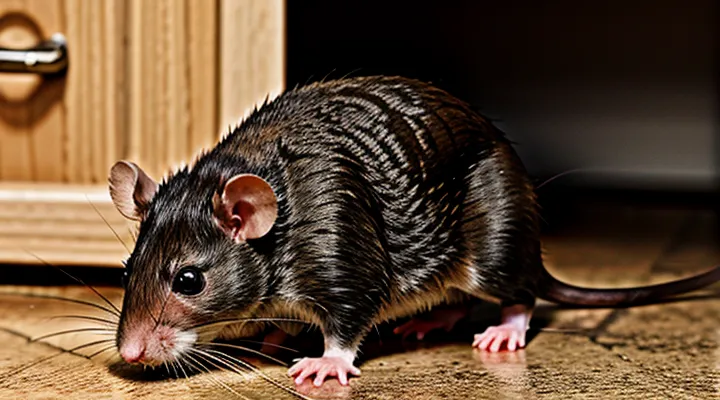
Understanding Anorexia in Rats
Initial Assessment and Observation
Recognizing the Signs
Recognizing that a rat is not eating requires careful observation of behavior and physical condition. Immediate identification of warning signs prevents rapid health decline and guides timely intervention.
- Weight loss evident when the rat feels thin to the touch or appears smaller in the cage.
- Dull, brittle fur that lacks the usual glossy sheen.
- Lethargy, characterized by reduced movement, reluctance to explore, and prolonged periods of rest.
- Decreased water intake, often shown by a dry mouth or fewer droplets in the water bottle.
- Abnormal posture, such as a hunched back or a tendency to curl tightly.
- Increased grooming of the mouth or paws, indicating discomfort or irritation.
- Reduced social interaction, with the rat avoiding contact with cage mates or the owner.
These indicators reflect compromised nutrition and potential underlying issues such as dental disease, gastrointestinal blockage, or infection. When multiple signs appear together, a veterinary assessment should be sought without delay. In the interim, offer soft, high‑calorie foods—such as mashed banana, boiled egg yolk, or specialized rodent recovery formulas—to stimulate intake while monitoring temperature, respiration, and stool consistency. Document changes daily to provide the veterinarian with precise information for diagnosis and treatment planning.
Differentiating from Picky Eating
A rat that stops eating may be experiencing a health problem rather than merely displaying selective preferences. Recognizing the distinction prevents delayed treatment and improves recovery chances.
Observe the animal’s behavior and physical condition. Sudden refusal to eat, weight loss exceeding 5 % of body mass, lethargy, ruffled fur, or abnormal stool are strong indicators of illness. In contrast, a rat that eats irregularly but maintains a stable weight, remains active, and shows no signs of distress is likely exhibiting normal pickiness.
Key differences can be summarized:
- Onset: Rapid decline suggests pathology; gradual changes often relate to habit.
- Weight trend: Measurable loss points to disease; stable weight indicates preference.
- Energy level: Persistent fatigue or reduced activity aligns with medical issues; normal playfulness supports picky behavior.
- Physical signs: Nasal discharge, respiratory sounds, swollen gums, or diarrhea are red flags; their absence leans toward simple selectivity.
- Response to stimulus: Immediate improvement after offering preferred foods or fresh water signals a preference; lack of response despite varied offerings suggests underlying problems.
When uncertainty remains, a veterinary examination is essential. Diagnostic steps may include physical assessment, blood work, and imaging to rule out infections, dental disease, gastrointestinal blockage, or metabolic disorders. Early professional intervention distinguishes treatable conditions from benign pickiness and safeguards the rat’s health.
Common Causes of Appetite Loss
Medical Conditions
A rat that stops eating may be suffering from an underlying health problem. Identifying the medical cause is essential before attempting nutritional support.
Common disorders that suppress appetite include:
- Respiratory infections: nasal discharge, sneezing, labored breathing.
- Dental disease: overgrown incisors, misaligned teeth, oral ulcerations.
- Gastrointestinal upset: diarrhea, constipation, bloating, abdominal pain.
- Metabolic disturbances: hypoglycemia, electrolyte imbalance, liver or kidney failure.
- Pain or injury: fractures, arthritis, soft‑tissue trauma.
- Parasite infestation: mites, intestinal worms, protozoa.
- Stress‑related conditions: adrenal hyperactivity, severe anxiety.
Each condition presents specific signs. Respiratory issues reveal nasal discharge and audible wheezing. Dental problems manifest as drooling, difficulty gnawing, or visible tooth overgrowth. Gastrointestinal disorders produce abnormal stool consistency and abdominal distension. Metabolic failures often cause lethargy, weight loss, and altered water consumption. Painful injuries result in limping, guarding, or reluctance to move. Parasites may be observed as skin irritation or fecal abnormalities.
When a rat refuses food, follow these steps:
- Conduct a thorough physical examination, checking eyes, ears, mouth, abdomen, and limbs.
- Record body weight, temperature, and hydration status.
- Collect samples (feces, urine, swabs) for laboratory analysis to detect infections or parasites.
- Perform radiographs or ultrasound if internal injury or organ disease is suspected.
- Initiate targeted treatment based on diagnosis: antibiotics for bacterial infection, analgesics for pain, dental trimming for overgrown teeth, antiparasitics for infestations, fluid therapy for dehydration, or supportive care for metabolic disorders.
- Re‑evaluate appetite and weight daily; introduce easily digestible, high‑calorie foods once the primary condition stabilizes.
Prompt veterinary assessment and condition‑specific therapy increase the likelihood of restoring normal feeding behavior. Ignoring medical causes can lead to rapid health decline and irreversible damage.
Environmental Stressors
Rats may stop eating when exposed to conditions that threaten their physiological balance. Temperature extremes, excessive noise, poor ventilation, and inappropriate lighting disrupt homeostasis and reduce appetite. Overcrowding or frequent handling can provoke anxiety, leading to food refusal. Contaminated bedding, strong odors, and sudden changes in cage layout also act as stressors.
Identify and correct each factor promptly:
- Maintain ambient temperature between 68‑74 °F (20‑23 °C) and avoid drafts.
- Keep noise levels low; place the enclosure away from loud appliances.
- Ensure at least 10‑12 air changes per hour; replace filters regularly.
- Provide a consistent light‑dark cycle, 12 hours of darkness each day.
- Limit the number of rats per cage to 2‑3 individuals; avoid frequent cage disturbances.
- Use clean, dust‑free bedding; eliminate strong scents from cleaning agents or nearby substances.
- Introduce any cage modifications gradually, allowing the animal time to adjust.
Monitoring these parameters creates a stable environment that encourages natural feeding behavior. If appetite does not return after stressors are eliminated, consult a veterinarian for further assessment.
Dietary Issues
Rats that stop eating often face underlying dietary problems that can quickly become life‑threatening. Inadequate nutrient balance, sudden changes in food composition, and exposure to spoiled or contaminated feed disrupt normal appetite regulation. When the animal rejects food, the gastrointestinal tract loses essential electrolytes, leading to dehydration, hypoglycemia, and metabolic acidosis.
Identify the source of the issue before attempting to force feed. Observe the cage for signs of mold, stale pellets, or foreign objects. Verify that the water supply is clean and readily accessible. Examine the rat for dental overgrowth, which can prevent mastication and cause refusal to eat.
Effective nutritional intervention includes:
- Replace the current diet with a bland, highly digestible formula (e.g., commercial rat recovery mix or unflavored gelatin with a small amount of baby food).
- Offer fresh vegetables rich in moisture (cucumber, celery) to stimulate licking behavior.
- Provide soft, nutrient‑dense treats such as plain scrambled egg or low‑fat cottage cheese in small quantities.
- Administer a calibrated syringe of electrolyte solution if dehydration is evident; limit each dose to 0.5 ml per 100 g body weight.
- Monitor weight and intake twice daily; adjust portions based on observed consumption.
If the rat continues to reject food after 24 hours of targeted feeding, seek veterinary care. Persistent anorexia may indicate gastrointestinal obstruction, severe infection, or systemic disease that requires professional diagnosis and treatment.
Immediate Actions and Home Care
Encouraging Appetite
Offering Palatable Foods
When a rat stops eating, the first practical step is to present foods that are both highly aromatic and nutritionally dense. Strong scents stimulate the olfactory system, encouraging the animal to investigate and consume. Offer small quantities of the following items, rotating them every few hours to prevent habituation:
- Fresh fruit pieces (banana, apple, grapes) – high sugar, soft texture.
- Cooked lean protein (boiled chicken, scrambled egg) – easy to chew, rich in amino acids.
- Commercial rat treats formulated with cheese or peanut butter flavoring.
- Softened pellets mixed with warm water or low‑sodium broth, creating a mash.
- Unsalted nuts, finely chopped (almond, peanut) – rich in fats, but limit to prevent obesity.
Present each option on a clean, shallow dish to avoid contamination. Warm the food slightly (no more than 35 °C) to enhance aroma without risking burns. Observe the rat’s response for 10–15 minutes; if no interest appears, replace the offering with a different type.
If the rat consistently rejects all palatable options, increase caloric intake by supplementing with a high‑energy gel formulated for small mammals. Administer the gel using a syringe placed at the side of the mouth, delivering no more than 0.5 ml per session to avoid aspiration.
Monitor weight daily and record intake. Adjust the variety and temperature of foods based on the rat’s preferences, ensuring that at least one highly palatable item is available at all times until normal feeding resumes.
Hydration Strategies
Providing adequate fluids is essential when a rat stops eating. Dehydration can develop within 24 hours, leading to organ failure and rapid decline. Immediate intervention focuses on delivering water in a form the animal can accept and maintaining electrolyte balance.
- Offer fresh water in a shallow dish; replace it several times a day to encourage licking.
- Place a water bottle with a low‑profile nozzle to reduce spillage and allow gentle sipping.
- Use a sterile syringe (1 ml) to administer small drops of water directly onto the lips or into the mouth; limit each session to 0.1 ml to avoid aspiration.
- Prepare a diluted electrolyte solution (e.g., 0.9 % saline mixed with demineralized water at a 1:4 ratio) and deliver via syringe in the same incremental manner.
- Apply a moist cotton ball near the nostrils and mouth; the animal may lick the moisture voluntarily.
- Monitor body weight, skin elasticity, and eye appearance twice daily; a loss of more than 5 % of body weight signals urgent veterinary care.
If oral intake remains insufficient after 12 hours, consider subcutaneous administration of sterile isotonic fluids (0.5 ml per 10 g body weight) using a fine‑gauge needle. Record volume and frequency to avoid overhydration. Continuous observation and prompt escalation to a veterinarian are required when the rat shows signs of lethargy, sunken eyes, or reduced skin turgor despite these measures.
Hand-Feeding Techniques
Rats that cease eating require prompt nutritional support; hand‑feeding supplies calories while the underlying cause is addressed.
Prepare a quiet area, warm enough to prevent hypothermia, and gather a small‑bore syringe, soft mashed foods (e.g., cooked oatmeal, baby formula diluted to a watery consistency), and a clean cloth for restraint. Wash hands thoroughly to avoid transmitting pathogens.
Position the rat on its back or side, supporting the body with one hand and using the other to guide the syringe tip into the corner of the mouth. Deliver 0.5–1 ml of liquid food per session, pausing between drops to allow swallowing. Repeat every 2–3 hours, gradually increasing volume as the animal shows interest.
- Use a syringe with a blunt tip to prevent injury.
- Offer food at body temperature (37 °C) to encourage acceptance.
- Start with highly palatable, easily digestible liquids; progress to semi‑solid mash before returning to normal pellets.
- Observe for signs of aspiration (coughing, choking) and stop feeding immediately if they occur.
If the rat rejects the feed, lower the temperature slightly, thin the mixture further, or try a different flavor (e.g., boiled egg yolk). Persistent refusal after several attempts warrants veterinary examination.
Track body weight daily and note the number of successful feeds. Once the rat consumes at least 80 % of its normal intake, transition back to self‑feeding by offering fresh food in the cage and reducing hand‑feeding frequency. Continuous monitoring ensures the animal regains a stable eating pattern.
Creating a Conducive Environment
Reducing Stress
Stress suppresses appetite in rodents; a frightened rat often stops eating. Lowering anxiety creates a physiological environment conducive to feeding.
- Provide a quiet enclosure; eliminate sudden noises and bright lights.
- Use a stable temperature (20‑23 °C) and maintain consistent humidity.
- Offer familiar bedding; replace only when dirty to avoid unfamiliar scents.
- Limit handling to brief, gentle sessions; perform interactions at the same time each day.
- Introduce enrichment gradually: a chew stick or tunnel placed near the food dish, not directly in the feeding area.
- Keep the feeding schedule regular; place the same amount of food at the same time daily.
- Reduce predator cues: cover the cage’s side panels, avoid exposing the rat to cats, dogs, or other potential threats.
A calm environment restores normal feeding behavior. Monitor weight and food intake; if loss continues after stress reduction, consult a veterinarian for medical assessment.
Ensuring Comfort
When a rat stops eating, providing a stress‑free environment greatly increases the chance of recovery. Comfortable surroundings reduce the animal’s anxiety and encourage natural feeding behavior.
- Keep the cage in a quiet area away from loud appliances and heavy foot traffic.
- Maintain a stable temperature between 18 °C and 24 °C; avoid drafts and direct sunlight.
- Use soft, absorbent bedding such as shredded paper or aspen shavings; replace soiled material daily.
- Offer multiple hiding places (e.g., PVC tubes, small houses) to allow the rat to retreat when feeling vulnerable.
- Ensure the cage is spacious enough for movement; a minimum of 450 cm² floor space per adult rat is recommended.
- Provide fresh water in a sipper bottle; check for leaks and refill at least twice daily.
- Place a small amount of familiar food (e.g., a piece of fruit or a favorite pellet) on a clean plate near a hideout to stimulate curiosity.
- Limit handling to brief, gentle sessions; excessive contact can increase stress.
Observe the rat for signs of improvement or deterioration. If appetite does not return within 24–48 hours, or if additional symptoms appear (lethargy, weight loss, nasal discharge), consult a veterinarian promptly. Continuous monitoring of comfort factors alongside professional care maximizes the likelihood of a successful outcome.
Monitoring Progress
Systematic observation is essential when attempting to restore appetite in a rat that consistently rejects food. Accurate records reveal whether interventions produce measurable improvement or require modification.
Track the following data points each day:
- Amount of food offered (grams) and amount consumed (grams)
- Body weight (grams) measured at the same time each day
- Activity level (e.g., exploration, grooming) observed for at least five minutes
- Signs of distress or illness (e.g., nasal discharge, lethargy)
Consistent timing improves reliability. Weigh the animal at the same hour, preferably in the morning before feeding. Record observations in a simple table or spreadsheet; color‑code entries that fall below predefined thresholds (e.g., weight loss >5 % of baseline, intake <50 % of offered food).
Interpretation follows a clear rule set. If weight declines for three consecutive days or food consumption drops below half of the provisioned amount, increase caloric density, introduce hand‑feeding, or seek veterinary assessment. Conversely, steady weight gain and progressive intake indicate that the current plan is effective and may be maintained.
Adjustments should be based on trend analysis rather than isolated readings. Plotting weight and intake over a week highlights patterns that raw numbers obscure. When upward trends appear, document the specific changes that preceded improvement (e.g., temperature adjustment, diet alteration) to replicate successful strategies.
Regular review of the compiled data enables timely decisions, minimizes the risk of prolonged starvation, and supports a data‑driven approach to re‑establishing normal feeding behavior.
When to Seek Veterinary Care
Red Flags and Warning Signs
Persistent Anorexia
Persistent anorexia in a pet rat indicates a failure to consume adequate nutrition over several days, leading to rapid weight loss, weakened immunity, and organ dysfunction. Early recognition prevents irreversible damage.
Typical triggers include gastrointestinal disease, dental malocclusion, respiratory infection, metabolic imbalance, chronic stress, and inappropriate housing conditions such as extreme temperature or excessive noise. Environmental factors—lack of bedding, overcrowding, or sudden changes in routine—can also suppress appetite.
To assess the problem, follow a systematic approach:
- Observe feeding behavior for at least 24 hours, noting refusal of regular diet and any selective nibbling.
- Conduct a brief physical exam: check body condition score, coat quality, eye discharge, and respiratory sounds.
- Record body weight and compare with baseline measurements.
- Collect feces for parasitology; consider blood work to evaluate liver, kidney, and electrolyte status if the condition persists beyond 48 hours.
Immediate supportive actions aim to restore hydration and caloric intake:
- Provide fresh water in a shallow dish; if the rat does not drink, offer sterile saline via a small syringe (0.5 ml per 100 g body weight) every 4 hours.
- Warm the enclosure to 22‑24 °C; use a low‑intensity heat lamp if ambient temperature is lower.
- Offer highly palatable, nutrient‑dense foods such as soft boiled egg, plain yogurt, or commercial rat gel, presented in small, frequent portions.
- If oral intake remains absent, perform assisted feeding with a calibrated syringe using a nutritionally balanced formula, administered slowly to avoid aspiration.
Long‑term resolution depends on eliminating the underlying cause. Treat identified infections with appropriate antibiotics, correct dental issues through trimming, adjust diet to include fresh vegetables and high‑protein treats, and stabilize the environment by maintaining consistent temperature, humidity, and lighting cycles. Enrich the cage with tunnels, nesting material, and regular handling to reduce stress.
Seek veterinary evaluation without delay if any of the following occur: weight loss exceeding 10 % of body mass, persistent lethargy, respiratory distress, bloody stools, or failure to improve after 48 hours of intensive care. Professional intervention provides diagnostic imaging, advanced laboratory testing, and specialized nutrition support essential for recovery.
Other Accompanying Symptoms
A rat that stops eating often shows additional clinical signs that help identify the underlying problem. Observing these indicators is essential for timely intervention.
- Lethargy or reduced activity levels
- Weight loss or a noticeable decrease in body condition
- Dehydration, evident by skin tenting or dry mucous membranes
- Nasal or ocular discharge, sometimes accompanied by crusting
- Abnormal stool, including diarrhea, constipation, or blood‑tinged feces
- Respiratory sounds such as wheezing, rattling, or labored breathing
- Changes in grooming behavior, ranging from excessive licking to neglect
- Swelling or palpable masses in the abdomen or limbs
Each symptom provides clues about potential causes, such as infection, gastrointestinal obstruction, metabolic disorders, or respiratory disease. When multiple signs appear together, the risk of rapid deterioration increases. Immediate veterinary evaluation is warranted if the rat exhibits severe dehydration, persistent respiratory distress, bloody stools, or a sudden decline in body condition. Early diagnosis and targeted treatment improve the likelihood of recovery.
Preparing for the Vet Visit
Gathering Information
When a rat stops eating, the first step toward effective assistance is to collect reliable data about the animal’s condition. Precise information forms the foundation for diagnosis and treatment, reducing the risk of unnecessary interventions.
Begin by documenting observable signs. Record the duration of appetite loss, changes in weight, activity level, and any abnormal behaviors such as excessive grooming or lethargy. Note the time of day when the rat is most active and any attempts to feed, including the type of food offered and the response.
Gather background details. Compile the rat’s age, sex, breed, and recent medical history, including vaccinations, past illnesses, and medications. Identify any recent stressors—new cage mates, alterations to the habitat, temperature fluctuations, or loud noises—that could influence feeding habits.
Assess the environment. Measure cage temperature and humidity, verify proper ventilation, and check for signs of contamination or pests. Ensure the enclosure provides adequate enrichment, such as nesting material and chewable objects, to prevent boredom‑induced anorexia.
Collect dietary information. List the regular diet components, frequency of feeding, and any recent changes in brand, formulation, or feeding schedule. If the rat has been given treats, record their composition and quantity.
Compile the data in a structured format, for example:
- Observation period: 48 hours
- Weight change: –5 %
- Activity level: reduced, minimal climbing
- Recent stressors: introduction of a new pet, cage relocation
- Environmental metrics: temperature 22 °C, humidity 45 %
- Diet: standard pellet mix, occasional fresh vegetables; no recent formula change
The assembled facts enable veterinarians or experienced caretakers to pinpoint underlying causes—illness, dental problems, stress, or environmental deficiencies—and to develop a targeted plan for restoring normal feeding behavior.
Transporting Your Rat Safely
Transporting a rat that is not eating requires careful planning to reduce stress and prevent further health decline. Choose a carrier that fits the animal snugly but allows free movement; a small plastic or wire cage with a secure lid works best. Line the bottom with soft, absorbent material to protect paws and keep the environment dry.
Before moving the rat, acclimate it to the carrier. Place the carrier in the home cage for several hours, allowing the rat to explore and rest inside. Offer a familiar chew or a small piece of food inside the carrier to create a positive association.
When handling the rat, support the hindquarters and torso simultaneously. Avoid squeezing or gripping the tail. Use a gentle, steady motion to place the animal into the carrier, minimizing sudden motions that could trigger a fight‑or‑flight response.
During transport, keep the carrier stable and upright. Position it on a flat surface, such as a car seat or a sturdy table, and secure it with a seat belt or strap to prevent sliding. Maintain a temperature range of 68–74 °F (20–23 °C) and shield the carrier from direct sunlight, drafts, and loud noises.
Limit travel time to the shortest possible duration. If the journey exceeds thirty minutes, provide a brief pause in a quiet, temperature‑controlled area where the rat can drink water and receive a small amount of easily digestible food, such as a few drops of baby formula or a soft pellet.
After arrival, allow the rat to adjust at its own pace. Keep the carrier open on a stable surface and place familiar bedding and enrichment items nearby. Observe the animal for signs of continued anorexia, lethargy, or respiratory distress; contact a veterinarian promptly if any of these symptoms persist.
Diagnostic Procedures
Physical Examination
A thorough physical assessment is the first step when a pet rat stops eating. The examiner should handle the animal gently to reduce stress and observe behavior throughout the exam.
- General appearance: Note coat condition, body weight, and any signs of dehydration such as skin tenting or sunken eyes. A thin, ragged coat often indicates prolonged anorexia.
- Body condition scoring: Use a standardized 1‑5 scale, comparing the prominence of the spine, ribs, and pelvic bones to determine the degree of weight loss.
- Oral cavity: Open the mouth with a blunt instrument or gloved finger. Inspect teeth for overgrowth, malocclusion, or fractures; examine gums for ulceration, discharge, or discoloration. Check for foreign material that could obstruct chewing.
- Nasal passages and sinuses: Look for discharge, crusting, or swelling that might impede breathing and reduce appetite.
- Abdomen: Palpate gently for masses, tenderness, or organ enlargement. Note any abnormal sounds with a stethoscope; reduced gut motility may accompany anorexia.
- Limbs and joints: Assess mobility, gait, and signs of pain. Lameness or arthritis can discourage feeding.
- Neurological signs: Test reflexes, pupillary response, and coordination. Tremors or weakness may indicate systemic illness affecting appetite.
- Temperature and heart rate: Record rectal temperature and auscultate heart rhythm. Fever or bradycardia can accompany infection or metabolic disorders.
Document findings systematically, compare them with baseline data if available, and use the results to prioritize diagnostic testing or therapeutic interventions. A detailed examination eliminates superficial assumptions and directs care toward the underlying cause of the rat’s refusal to eat.
Further Testing
When a rat stops eating, initial care may not resolve the issue; additional diagnostics become essential. Laboratory analysis should include a complete blood count and serum chemistry to reveal anemia, infection, or organ dysfunction. Imaging—radiography or ultrasound—identifies dental abnormalities, gastrointestinal blockage, or abdominal masses. If oral pathology is suspected, a thorough oral examination under anesthesia allows inspection of incisors, molars, and soft tissues, followed by micro‑CT if structural defects are unclear.
Behavioral observation contributes valuable data. Record the rat’s activity level, grooming habits, and response to handling over 24‑hour intervals. Compare these patterns with baseline behavior to detect pain‑related avoidance or stress‑induced anorexia. Environmental assessment should verify proper temperature, humidity, bedding, and enrichment, as suboptimal conditions can exacerbate loss of appetite.
When infectious agents are a concern, collect swabs from the oral cavity, nasal passages, and rectum for bacterial culture and PCR testing for common rodent pathogens (e.g., Mycoplasma, Sendai virus). Parasitic evaluation requires fecal flotation and direct smear microscopy to rule out helminths or protozoa.
If metabolic disorders are suspected, measure blood glucose, electrolytes, and thyroid hormones. Abnormalities guide targeted therapy, such as glucose supplementation or thyroid hormone regulation. In cases of suspected neoplasia, perform fine‑needle aspiration or biopsy of any palpable masses, sending samples for histopathology.
Document all findings in a structured log, noting dates, test results, and any interventions. This record supports longitudinal assessment and informs decisions about medical versus palliative care.
Veterinary Treatment Options
Addressing Underlying Causes
Medication
When a rat stops eating, prompt pharmacological intervention can prevent rapid weight loss and organ failure. First‑line treatment typically involves appetite stimulants such as cyproheptadine or mirtazapine, administered at 0.5‑1 mg/kg orally every 12 hours. Dosage must be calculated precisely; overdosing may cause sedation or gastrointestinal upset.
If an underlying infection or inflammation is suspected, broad‑spectrum antibiotics (e.g., enrofloxacin 5 mg/kg once daily) or anti‑inflammatory drugs (e.g., meloxicam 0.2 mg/kg once daily) may be required. Selection should be based on culture results when available; empirical therapy is acceptable only for short periods while awaiting diagnostics.
Supportive medication includes subcutaneous fluids (10‑15 ml/kg isotonic saline) to maintain hydration, especially if the animal refuses water. Electrolyte solutions containing potassium and magnesium help correct imbalances common in anorexic rodents.
Monitoring protocol:
- Record body weight and food intake twice daily.
- Observe for adverse drug reactions such as lethargy, diarrhea, or respiratory distress.
- Adjust dosages according to weight changes and clinical response.
Veterinary consultation is essential before initiating any drug regimen. Accurate dosing, appropriate drug choice, and systematic monitoring together increase the likelihood of restoring normal feeding behavior.
Fluid Therapy
When a rat stops eating, dehydration can develop rapidly because of its high metabolic rate and small body mass. Fluid therapy supplies the water and electrolytes needed to maintain circulatory volume, tissue perfusion, and organ function until oral intake resumes.
Suitable fluids include isotonic crystalloid solutions such as 0.9 % sodium chloride, lactated Ringer’s, and balanced electrolyte mixes formulated for small mammals. Each provides sodium, chloride, potassium, calcium, and bicarbonate equivalents that replace losses from reduced intake and possible gastrointestinal upset.
Administration routes are limited by the animal’s size:
- Subcutaneous injection: simple, low‑risk, delivers 2–4 ml per 10 g body weight per session. Suitable for stable rats with mild dehydration.
- Intraperitoneal injection: offers faster absorption, used when subcutaneous access is compromised. Volume should not exceed 1 ml per 10 g.
- Intravenous catheterization: provides precise control, indicated for severe dehydration or shock. Requires a 24‑gauge catheter, sterile technique, and continuous infusion at 0.1 ml kg⁻¹ h⁻¹.
Dosage calculations must consider the rat’s weight (average 200–300 g). A common protocol delivers a total fluid volume equal to 10 % of body weight over 24 hours, divided into equal portions administered every 4–6 hours. Adjustments are made based on clinical signs such as skin turgor, mucous membrane moisture, and urine output.
Monitoring includes daily weight measurement, assessment of capillary refill time, and observation of behavior. If weight stabilizes or increases and mucous membranes remain moist, the current regimen can continue. Declining condition or persistent weight loss signals the need for increased fluid rate or transition to intravenous support.
Potential complications comprise overhydration, electrolyte imbalance, and injection site infection. To prevent these, limit total volume to the calculated requirement, use balanced solutions, rotate injection sites, and maintain aseptic technique. If signs of edema, respiratory distress, or abnormal serum electrolytes appear, reduce fluid rate and consult a veterinarian experienced with exotic pets.
Nutritional Support
When a rat stops eating, rapid nutritional intervention prevents severe weight loss, organ dysfunction, and mortality. Immediate assessment should confirm that the animal is not dehydrated, that the gastrointestinal tract is functional, and that no obstructive or painful condition impedes intake.
Provide caloric support through one or more of the following methods:
- Syringe feeding: Use a sterile 1‑ml or 2‑ml syringe with a soft feeding tube. Offer a balanced, high‑energy formula (e.g., commercial rodent recovery diet or a 1:1 mix of Pedialyte and kitten milk replacer) at 2‑3 ml per 100 g body weight every 2–3 hours. Warm the fluid to body temperature, administer slowly to avoid aspiration, and pause between feeds to observe swallowing.
- Gel-based diet: Place a small amount of nutritionally dense gel (e.g., plain gelatin mixed with powdered rodent chow) on a shallow dish. Gel provides moisture, calories, and a texture that many rats accept when oral feeding is difficult.
- Wet, high‑protein mash: Blend cooked lean chicken, boiled egg, or boiled sweet potato with water or low‑sodium broth to a pâté consistency. Offer 0.5‑1 g per gram of body weight twice daily. Ensure the mixture remains warm and free of additives that could irritate the gut.
- Supplemental liquids: Provide electrolytes via subcutaneous administration (e.g., 0.5 ml of sterile saline per 10 g body weight) if dehydration accompanies anorexia. Combine with oral fluids when possible.
Monitor progress with daily weight checks, observation of fecal output, and assessment of coat condition. Adjust caloric volume if weight stabilizes or gains; reduce frequency when normal eating resumes. Discontinue syringe feeding once the rat reliably consumes solid food for 24 hours, then gradually reintroduce a standard diet to avoid digestive upset.
Post-Treatment Care
Follow-up Instructions
After the first attempt to stimulate appetite, observe the animal closely for at least 24 hours. Record food intake, water consumption, and any signs of distress. Use a simple chart: time, amount eaten, behavior notes.
If intake remains below 20 % of the normal daily amount, implement the following actions:
- Offer a variety of soft foods (e.g., mashed banana, soaked pellets) at three‑hour intervals.
- Warm the food to 30‑35 °C to enhance aroma.
- Place food in a shallow, easy‑access dish to reduce effort.
- Limit stressors: keep the cage in a quiet area, avoid sudden lights or loud noises.
- Ensure fresh water is always available; consider a water bottle with a gentle flow to encourage drinking.
Re‑evaluate after another 12 hours. If the rat consumes at least half of the offered food, gradually return to its regular diet over 2‑3 days, mixing new items with familiar ones. Maintain the warmed, aromatic presentation for the first two days to reinforce feeding behavior.
Should the animal fail to reach the 20 % threshold after 48 hours, arrange an urgent veterinary examination. Request a full health assessment, including blood work and gastrointestinal imaging, to rule out underlying disease. Follow the veterinarian’s prescribed medication and dietary plan precisely, adjusting dosages only under professional guidance.
Continue daily logs for a minimum of one week after recovery signs appear. Look for consistent weight gain of 1‑2 % per day and normal activity levels. If any regression occurs, repeat the monitoring protocol and consult a veterinarian promptly.
Long-Term Management
Provide a stable, low‑stress environment. Keep the cage in a quiet area, maintain a consistent light‑dark cycle, and eliminate loud noises or sudden movements. Replace bedding regularly to prevent odors that may deter feeding.
Adjust dietary offerings. Offer a variety of high‑calorie foods such as soft pellets, cooked eggs, or commercial rat treats. Present fresh items in small portions several times a day to encourage regular intake. Rotate flavors to maintain interest, but avoid sudden changes that could cause aversion.
Implement a feeding schedule. Record the amount consumed at each session and note any refusals. Use the data to identify patterns and adjust portions accordingly. Consistency helps the animal develop a predictable routine.
Monitor health indicators. Weigh the rat weekly; a loss of more than 5 % of body weight warrants immediate veterinary consultation. Observe stool consistency, activity level, and grooming behavior for signs of underlying illness.
Schedule regular veterinary examinations. Conduct thorough physical checks at least every three months, and more frequently if weight loss persists. Request blood work, fecal analysis, and imaging as needed to rule out metabolic or gastrointestinal disorders.
Address potential behavioral causes. Provide enrichment items such as tunnels, chew toys, and climbing structures to reduce boredom. Allow supervised handling sessions to build trust and reduce anxiety that may suppress appetite.
Maintain hydration. Ensure constant access to fresh water, using a sipper bottle that prevents contamination. If the rat avoids drinking, offer water‑rich foods like cucumber or small amounts of fruit juice diluted with water.
Document all interventions. Keep a log of environmental changes, diet modifications, health metrics, and veterinary advice. Review the record regularly to assess the effectiveness of long‑term strategies and make evidence‑based adjustments.
Preventing Future Episodes
Optimal Diet and Nutrition
Balanced Food Choices
Providing a rat that consistently avoids food with a nutritionally complete diet increases the likelihood of recovery. A balanced regimen should contain protein, carbohydrates, fats, vitamins, and minerals in proportions that mirror the animal’s natural intake.
- Protein sources: cooked chicken breast, boiled egg whites, low‑fat cottage cheese, commercial rodent pellets with ≥20 % protein.
- Carbohydrate options: cooked oatmeal, plain rice, whole‑grain pasta, small amounts of sweet potato.
- Healthy fats: a few drops of olive oil, sunflower seed oil, or a thin slice of unsalted avocado.
- Vitamins and minerals: fresh leafy greens (e.g., kale, spinach), shredded carrots, bell‑pepper strips, and a calibrated supplement powder designed for small mammals.
- Hydration: fresh water at all times; electrolyte solution can be offered in small quantities if dehydration is suspected.
Portion sizes must be modest to prevent waste and discourage stress. Offer 2–3 g of protein, 4–5 g of carbohydrates, and a teaspoon of fat per feeding session, adjusting based on the rat’s weight and activity level. Serve food at room temperature to enhance palatability.
Monitor intake closely. If the animal rejects a particular item, replace it with an alternative from the same category rather than reducing overall nutritional content. Consistency in feeding schedule—same time each day—supports a stable appetite and reduces anxiety.
Supplementation
When a rat stops consuming solid food, targeted supplementation can prevent rapid nutritional decline while appetite recovers.
Identify deficiencies early by measuring weight loss, coat condition, and behavior. Blood tests for glucose, electrolytes, and vitamin levels provide objective data; however, practical assessment often relies on observable signs such as lethargy, tremors, or wet tail.
Provide the following supplements in measured doses:
- Electrolyte solution (e.g., balanced potassium‑chloride‑sodium mix) administered via a syringe at 0.5 ml per 100 g body weight every 4–6 hours.
- Vitamin B complex (B1, B2, B6, B12) dissolved in water; 0.1 ml per 10 g body weight daily supports metabolic function.
- Vitamin C (ascorbic acid) 10 mg per 20 g body weight, given once daily to reduce oxidative stress.
- Calcium‑phosphate supplement mixed with a palatable carrier (e.g., unsweetened yogurt) to maintain bone health; 0.2 g per 30 g body weight twice daily.
- Protein hydrolysate (e.g., whey isolate) diluted in warm water, 0.5 ml per 10 g body weight every 12 hours to supply essential amino acids.
Administer liquids with a fine‑gauge feeding needle to avoid trauma. Rotate supplements every 24 hours to prevent gastrointestinal upset. Monitor intake, stool consistency, and weight at least twice daily; adjust dosages if signs of over‑hydration or hypervitaminosis appear.
If oral supplementation fails, consider parenteral routes (subcutaneous fluids, intramuscular vitamin injections) under veterinary supervision. Prompt, precise supplementation sustains physiological balance, buying time for the rat to resume normal feeding behavior.
Regular Health Checks
Routine Vet Visits
Veterinarians advise regular examinations for pet rats, especially when a rodent stops consuming food. Scheduled visits enable early detection of dental disease, gastrointestinal obstruction, or metabolic disorders that can suppress appetite.
During a routine appointment, the clinician will:
- Perform a physical assessment, checking weight, coat condition, and respiratory sounds.
- Examine the oral cavity for overgrown teeth, ulcerations, or foreign material.
- Palpate the abdomen to identify masses, impaction, or fluid accumulation.
- Collect a small blood sample for complete blood count and chemistry panel, revealing anemia, infection, or organ dysfunction.
- Review dietary history, housing, and enrichment to identify environmental factors that may influence feeding behavior.
Owners should bring a fresh sample of the rat’s food, a list of any observed changes, and a record of recent weight measurements. Transport the animal in a secure, well‑ventilated carrier to reduce stress.
If the veterinarian identifies a treatable condition, prompt intervention—such as dental trimming, medication, or dietary modification—can restore normal intake. Even when no pathology is evident, regular monitoring establishes a baseline, allowing faster response should appetite decline recur.
Consistent veterinary oversight, combined with attentive home care, forms a reliable strategy for addressing a rat’s refusal to eat.
Daily Observation
Observe the rat each morning and evening for changes in behavior, posture, and activity level. Record the time the animal awakens, the duration of movement, and any attempts to explore the cage. Note any signs of lethargy, hunching, or reluctance to climb, as these may indicate discomfort or illness.
Track fluid intake by measuring the water bottle before and after each observation period. Document the volume consumed, the presence of droplets on the bottle tip, and any avoidance of the water source. Consistent low intake warrants immediate veterinary consultation.
Monitor the environment for factors that could discourage feeding. Check cage temperature, humidity, and lighting cycles; ensure they remain within the species‑appropriate range. Verify that bedding is clean, that no strong odors are present, and that the feeding station is free of debris.
Maintain a log that includes:
- Date and time of each observation
- Weight measurement (to the nearest gram)
- Quantity of food offered and amount left uneaten
- Water consumption volume
- Noted abnormal behaviors (e.g., excessive grooming, aggression, hiding)
Review the log daily to identify trends. A gradual decline in weight or food intake over 24‑48 hours signals the need for intervention, such as adjusting diet texture, offering warm meals, or seeking professional care. Consistent documentation provides the objective data required to evaluate the effectiveness of any supportive measures.
Environmental Enrichment
Cage Setup
A rat that stops eating often reacts to its environment. Adjusting the cage can reduce stress and stimulate appetite.
Provide at least 2 sq ft (0.19 m²) of floor space per animal. A larger enclosure allows natural foraging behavior and prevents overcrowding, which can suppress feeding.
Select low‑dust, absorbent bedding such as paper pulp or aspen shavings. Replace soiled sections daily; excessive odor or moisture discourages eating.
Maintain temperature between 65–75 °F (18–24 °C) and keep humidity below 60 %. Use a thermostat‑controlled heater if the room is cold, and avoid direct drafts.
Install a sturdy, chew‑resistant water bottle with a stainless‑steel nozzle. Verify that the bottle delivers a steady stream; dehydration can mask hunger.
Place food in a shallow, easy‑access dish near the water source. Offer a variety of textures—pellets, fresh vegetables, and small protein pieces—to engage the rat’s curiosity.
Add multiple hiding spots (e.g., PVC tubes, wooden houses) and climbing structures (rungs, ladders). Enrichment reduces anxiety, which often restores normal eating patterns.
Schedule a thorough cleaning once a week: remove all items, wash with mild disinfectant, rinse, and dry before returning them to the cage. Consistent hygiene eliminates pathogens that may cause loss of appetite.
Key cage adjustments
- Minimum floor space: 2 sq ft per rat
- Bedding: paper pulp or aspen, changed daily
- Temperature: 65–75 °F (18–24 °C)
- Humidity: < 60 %
- Water: stainless‑steel bottle, checked for flow
- Food placement: shallow dish, varied diet
- Enrichment: hides, climbing elements, toys
- Cleaning: weekly deep clean, daily spot cleaning
Implementing these changes creates a stable, low‑stress habitat, encouraging the animal to resume regular feeding.
Social Interaction
A rat that stops eating often exhibits signs of stress, and the lack of social contact can be a primary trigger. Rats are highly gregarious; isolation removes a key source of comfort and can suppress appetite.
Providing a compatible cage‑mate restores natural peer interaction. Observe the pair during feeding: a healthy companion typically initiates eating, prompting the reluctant rat to follow. If aggression occurs, replace the partner with a calm individual of similar age and sex.
Human handling should be gentle and consistent. Daily, brief sessions of calm petting, combined with the scent of the caretaker’s hands on the food dish, create a reassuring association. Maintain a regular schedule for feeding and interaction to reduce uncertainty.
Enrich the environment with structures that encourage communal activity. Multi‑level platforms, shared tunnels, and chewable objects draw rats together, increasing opportunities for group feeding. Rotate items weekly to sustain interest.
Practical steps
- House the rat with a non‑aggressive peer of the same sex.
- Conduct two‑minute handling sessions each morning, focusing on calm contact.
- Place the food dish near the caretaker’s hand or a familiar scent source.
- Introduce shared enrichment (e.g., a PVC tunnel) and change it regularly.
- Monitor weight and intake daily; seek veterinary advice if loss exceeds 10 % of body weight.